Neem Oil for Houseplants: How to Use It Safely
Neem oil for houseplants: which pests it helps with, how to test and spray it, when to skip it, and why natural does not mean harmless.
 By Flori editorial team · Updated
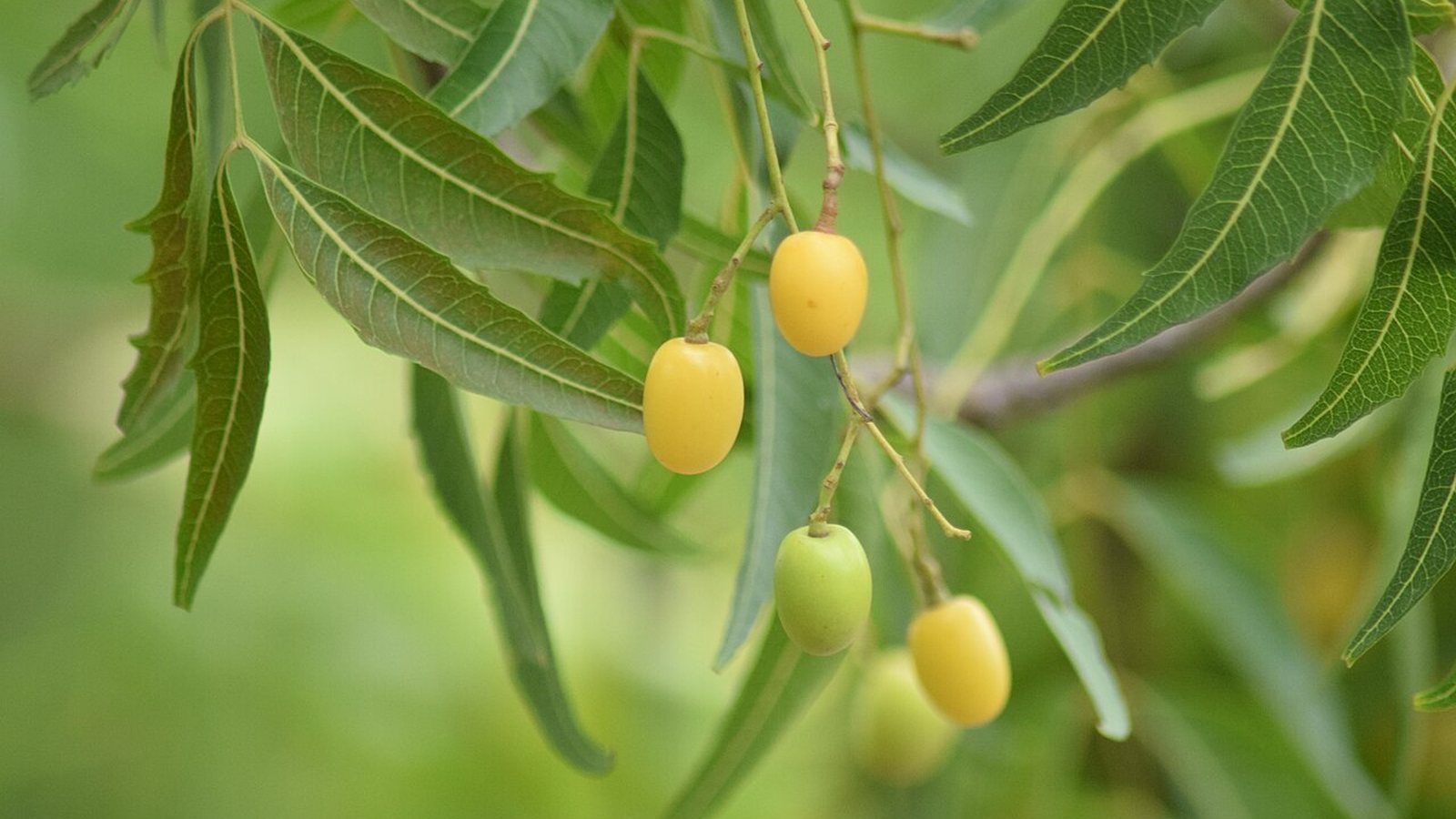 Photo: Jimmy tikhak · CC BY-SA 4.0
Neem oil can suppress spider mites, mealybugs, aphids and scale, but not fungus gnats, and it works only on pests it touches, so repeats are needed. Use a product labelled for houseplants and follow its label for strength, test one leaf first, spray in shade, and skip stressed, hot or newly repotted plants.
Key takeaways
- Neem is a contact spray with no lasting effect once dry, so it needs repeating as the label directs.
- It may suppress mealybugs, spider mites, scale and aphids; it does not help with fungus gnats.
- Plant-based oils can burn leaves, so test one leaf first and never mix it stronger than the label says.
- Skip it on stressed, hot or newly repotted plants and anywhere near fish tanks or ponds.
- Natural does not mean harmless: keep pets and children away until it is dry and ask your vet first.
On this page7
Is neem oil good for houseplants?
Neem oil can help with some houseplant pests, but it is a contact spray that works only on what it touches, it can burn leaves, and it is not harmless just because it comes from a tree. Colorado State University Extension says neem "may suppress" mealybugs, spider mites, scale and aphids, and rates it as not effective against fungus gnats. This guide covers what neem oil is, which pests it really helps with, how to use it step by step (starting with one test leaf), and the situations where you should put the bottle back.
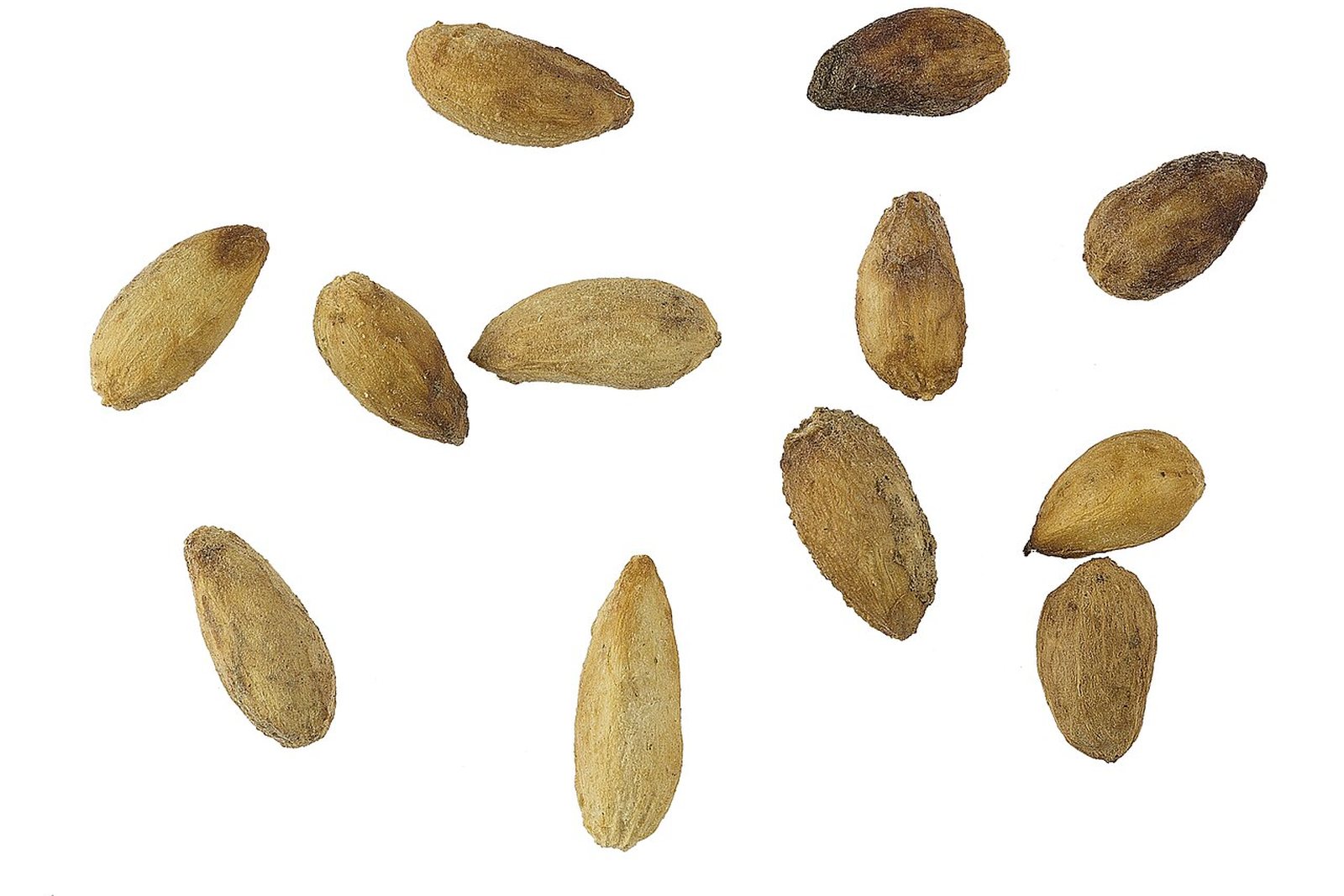
What is neem oil and how does it work?
Neem is a botanical pesticide made from the seeds of the neem tree, and azadirachtin is its main insecticidal ingredient (University of Nevada, Reno Extension). Colorado State calls neem a plant-derived horticultural oil and says its oils may be used in a manner like horticultural oils, which mostly act by smothering. Like other oils, it has no lasting effect once the spray has dried, so a single spray rarely clears an infestation.
That is why the label matters more than any recipe. Products differ: some are ready to use and some are concentrates that must be mixed with water, and their strengths are not the same. This guide gives no dilution figure on purpose. Use the mixing rate and repeat interval printed on the bottle you actually own, and never make it stronger "to be sure".
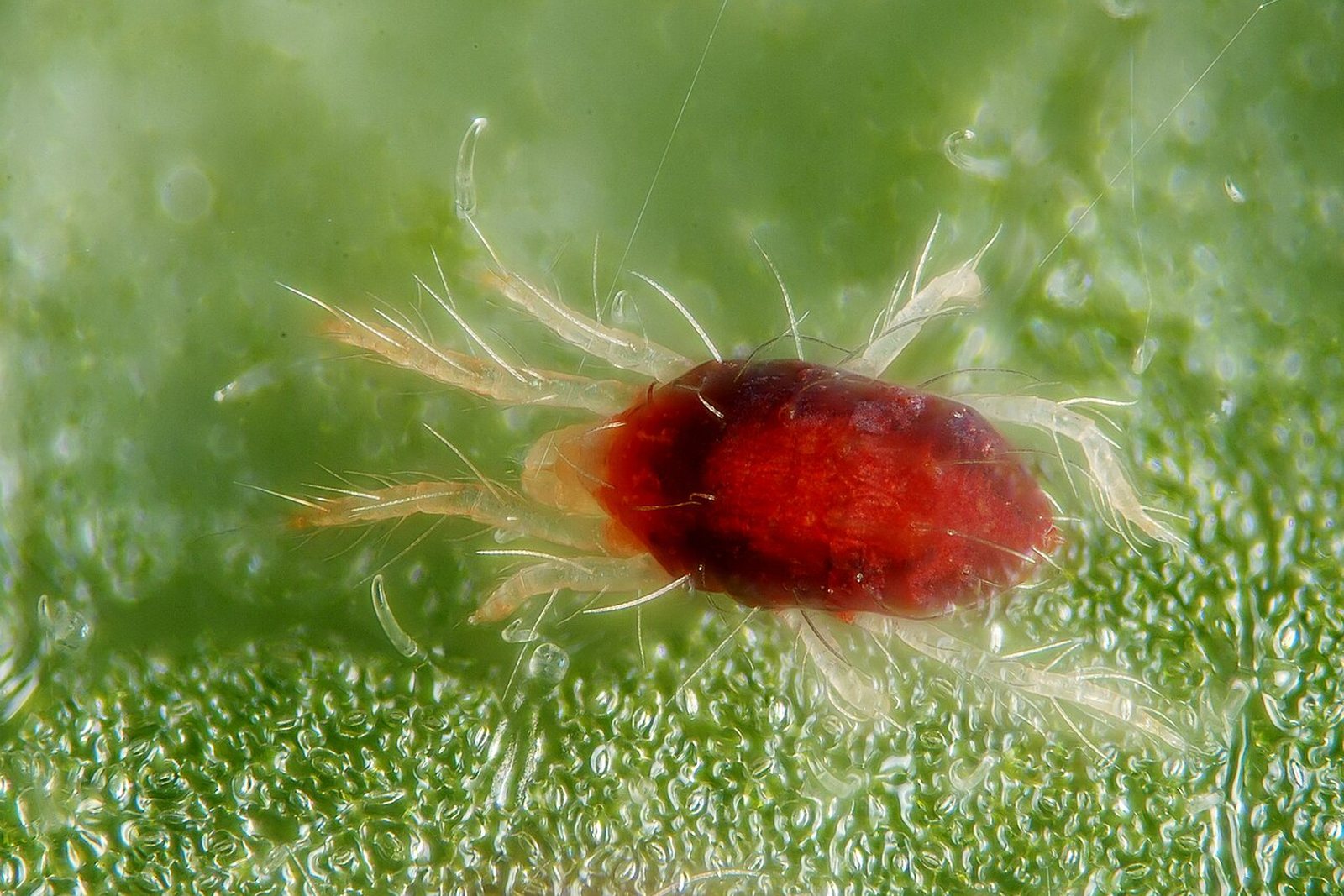
Which pests does neem oil actually help with?
| Pest | Does neem help? | What to know |
|---|---|---|
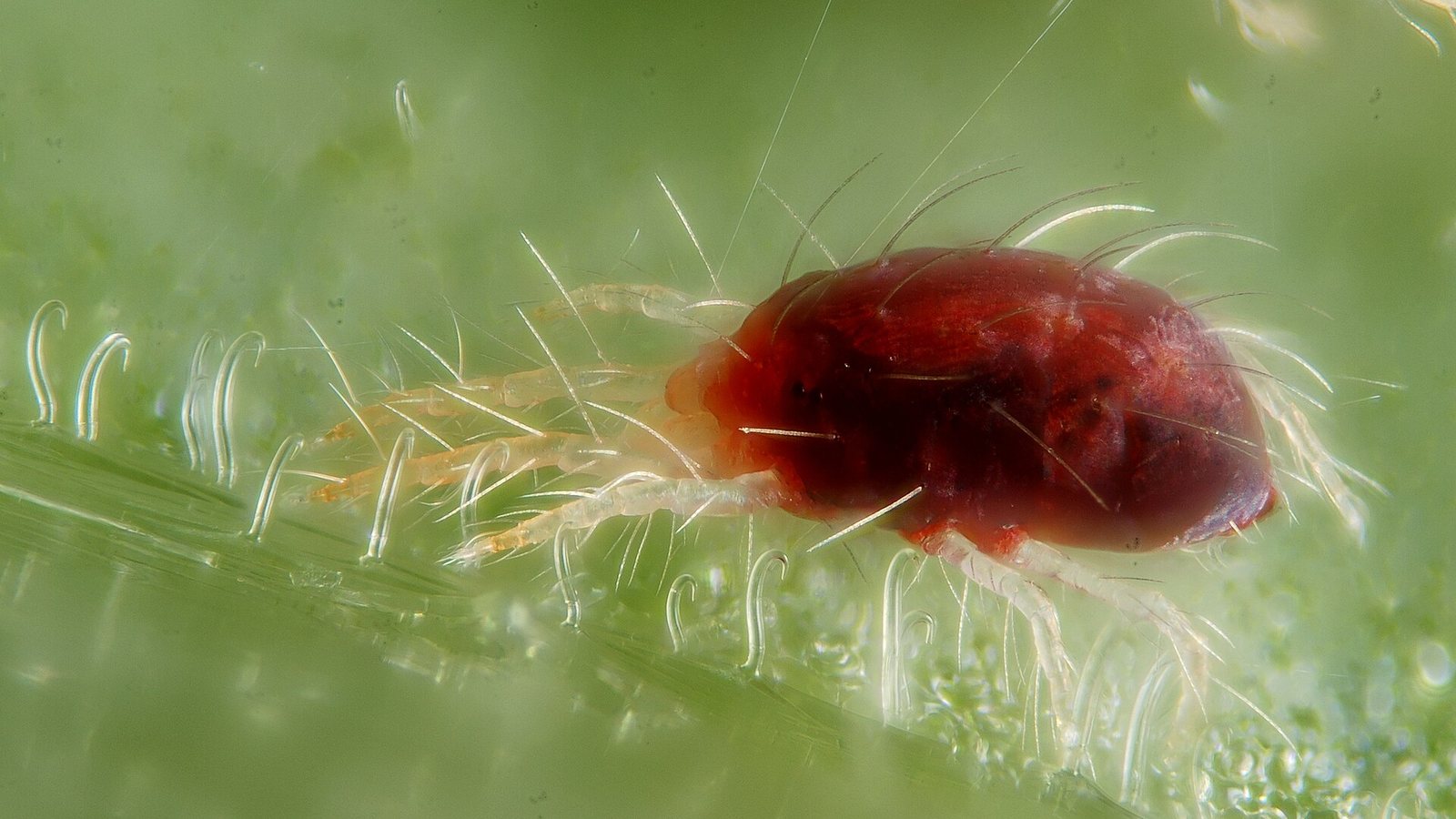
| Spider mites | Yes: Mississippi State Extension names it among the most effective homeowner treatments | Needs thorough coverage and repeats; see spider mites on houseplants |
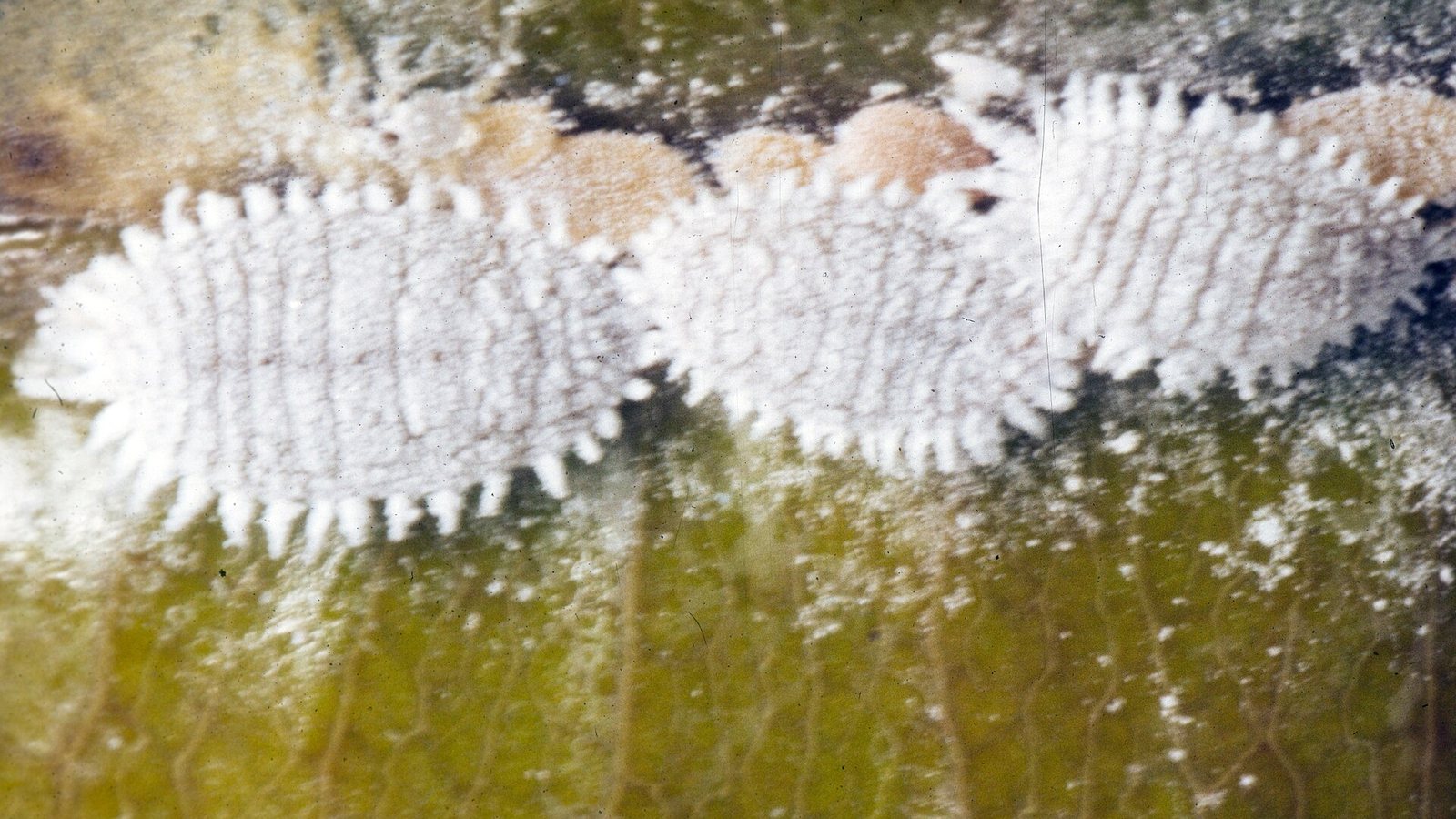
| Mealybugs | May suppress (Colorado State) | Several sprays may be needed; start by removing colonies by hand, see mealybugs |
| Aphids | May suppress (Colorado State) | Soft-bodied and easy to hit; see aphids on plants |
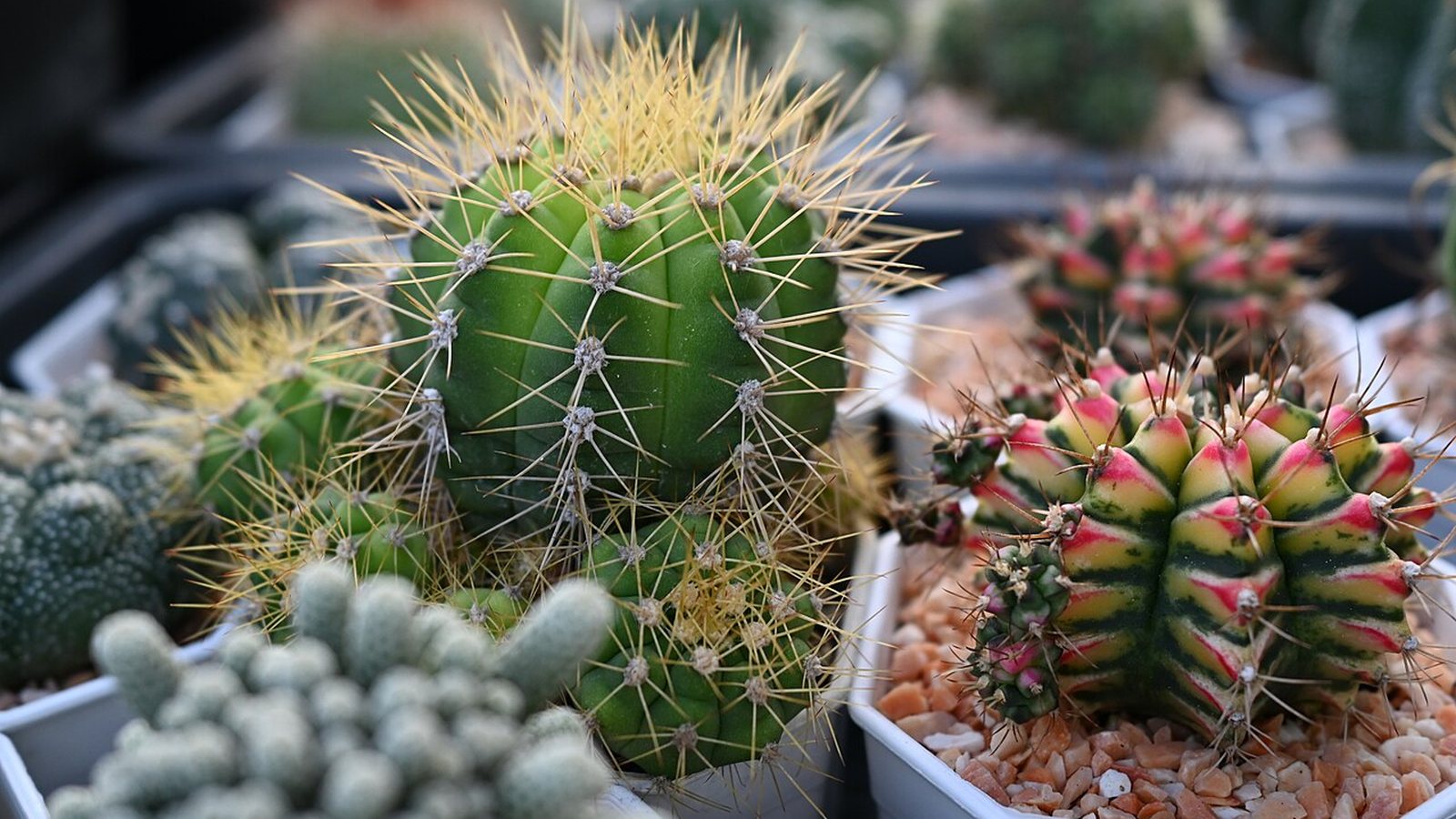
| Scale insects | May suppress (Colorado State); one concentrate lists scale crawlers (Mississippi State) | Adults hide under a shell, so crawlers are the easier target |
| Thrips and whiteflies | Listed on a neem concentrate (Mississippi State) | Check that your own label lists them |
| Fungus gnats | No (Colorado State) | The larvae live in the soil, out of reach of a leaf spray; see fungus gnats |
Neem is therefore a follow-up tool, not a first move. Rinsing the plant, wiping leaves and pruning the worst parts come first, and our natural pest prevention guide lays out that order.
Is "natural" the same as "safe"?
No, and neem oil is a good example. Three things to know:
- It can hurt the plant. Plant-based oils are less refined than petroleum-based ones and may burn plants more readily (University of Nevada, Reno). Mississippi State Extension also warns that some plants can be injured by oil sprays.
- It is not harmless to everything. The same Nevada source describes neem oil as practically non-toxic to birds, mammals and bees when applied in the late evening or early morning, but slightly toxic to fish and other aquatic animals. Keep sprays away from aquariums, ponds and drains.
- Pets and children. Low toxicity does not mean it is a snack. Spray away from where pets sleep, keep animals and children away until the leaves are dry, store the bottle out of reach, and ask your vet before using any pest product around a cat or dog. If a pet swallows some, call your vet straight away. For a person who swallowed a product, call your poison line: UZEM 114 in Türkiye, 1-800-222-1222 in the US, or NHS 111 in the UK.
Compare this with the kitchen-cupboard alternative in our guide to dish soap spray on plants: both are "natural" sounding, but a product labelled for houseplants is the safer bet over a homemade mix.
How do you use neem oil on houseplants, step by step?
- Name the pest first. A spray aimed at the wrong problem only stresses the plant. Flori's Lab tools can help analyse a pest from a photo, and our guide to the Lab tools shows how.
- Try the simple fixes. Rinse, wipe and prune the worst-hit growth before reaching for any spray.
- Pick a product labelled for houseplants. Colorado State says to use only pesticides specifically labelled for houseplants, and if the label does not list your plant or pest, to choose another option.
- Follow the label for strength. Mix only what the label says and only as much as you will use.
- Test on one leaf. University of Nevada, Reno advises testing a small part of the plant first because sensitivity varies by plant and season. Wait for the time the label or the product gives (about a day is typical, though this is approximate) and look for spotting, browning or wilting.
- Spray outdoors or on newspaper. Mississippi State suggests moving plants outside or standing them on newspaper to catch overspray. Choose a shady spot and the evening, and keep the plant out of strong sun until the leaves are dry.
- Cover every surface. Coverage of leaf undersides is critical, because young pests live there (Mississippi State). Leaves should be dry before you start and the plant well watered (University of Nevada, Reno).
- Repeat as the label directs. For oil sprays on spider mites, Mississippi State suggests two to three treatments at 5-day intervals, and it notes that mealybugs may need several sprays. Check the label for how close together you may spray.
If the plant came home recently, the better habit is prevention: keep new plants apart for at least three weeks (Colorado State), as described in our quarantine guide.
When should you not use neem oil?
| Situation | Why skip it |
|---|---|
| Hot spell or heating-vent heat | University of Nevada, Reno says not to use horticultural oils when temperatures are in the 90s °F (above about 32 °C) or at freezing |
| Plant stressed by drought or temperature extremes | Colorado State advises against treating stressed plants |
| Newly repotted or newly bought plant | University of Nevada, Reno says not to apply oils to new transplants |
| Plant or pest not on the label | Colorado State says to choose another option |
| Fungus gnats or other soil pests | A leaf spray cannot reach them |
| Near fish tanks, ponds or drains | Slightly toxic to fish and aquatic animals |
| Strong sun on the leaves | Spray in shade and let the leaves dry first; follow your label |
What if the leaves get damaged or the pests stay?
Burn from an oil spray usually shows within a day or so as spots, browning or limp leaves. If you see it, stop spraying, move the plant to a bright place out of direct sun, and wipe or rinse the leaves with clean water. Do not repeat the treatment on a plant that is already damaged. If the leaves look scorched for another reason, our leaf sunburn guide helps tell the difference.
If pests are still there after the repeats the label allows, change the approach instead of strengthening the mix: re-check which pest it is, isolate the plant, and try a different product that is labelled for it. Dr. Flori can ask follow-up questions about what you see, name the likely cause and give a recovery plan, which is useful when you are not sure whether you are looking at pests or damage.
Frequently asked questions
How much neem oil should I mix per litre of water?
There is no single answer because products differ in strength. Use the rate printed on the label of the product you bought, and never mix it stronger than the label says.
Is neem oil safe for cats and dogs?
It is described as practically non-toxic to mammals when applied in the evening or early morning, but that is not an invitation to let pets lick leaves. Keep animals away until it is dry and ask your vet before using any pest product around them.
Can neem oil kill fungus gnats?
No. Colorado State Extension rates it as not effective against fungus gnats, because the larvae live in the soil where a leaf spray does not reach.
How often can I spray neem oil on a houseplant?
As often as the label allows and no more. For oil sprays on spider mites, Mississippi State Extension suggests two to three treatments at 5-day intervals.
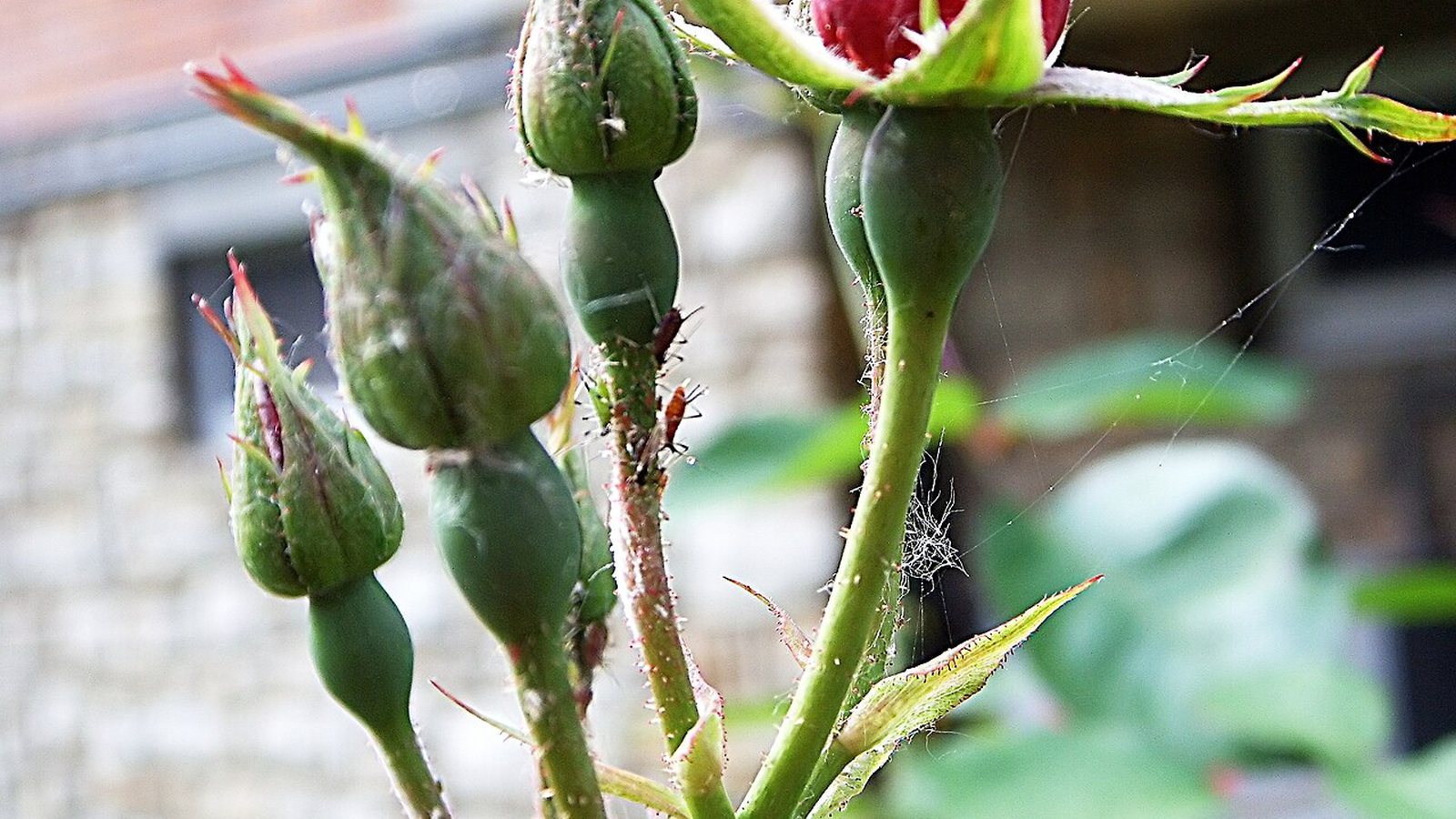
Dish soap is a detergent, not true insecticidal soap, and can strip leaf wax. See which pests it helps, which plants to avoid and a safer routine.
Sources
Written and fact-checked by the Flori team. Every guide cites horticultural sources such as the RHS, university extension services and the ASPCA, and is updated when the advice changes. How we write our guides
General plant care information. Plants vary; when a plant is valuable or a problem spreads quickly, consult a local nursery or plant specialist.