How to Quarantine a New Houseplant (3 to 6 Weeks)
How to quarantine a new houseplant: how many weeks, where to keep it, what to inspect and what to do if pests show up. Includes a week-by-week plan.
 By Flori editorial team · Updated
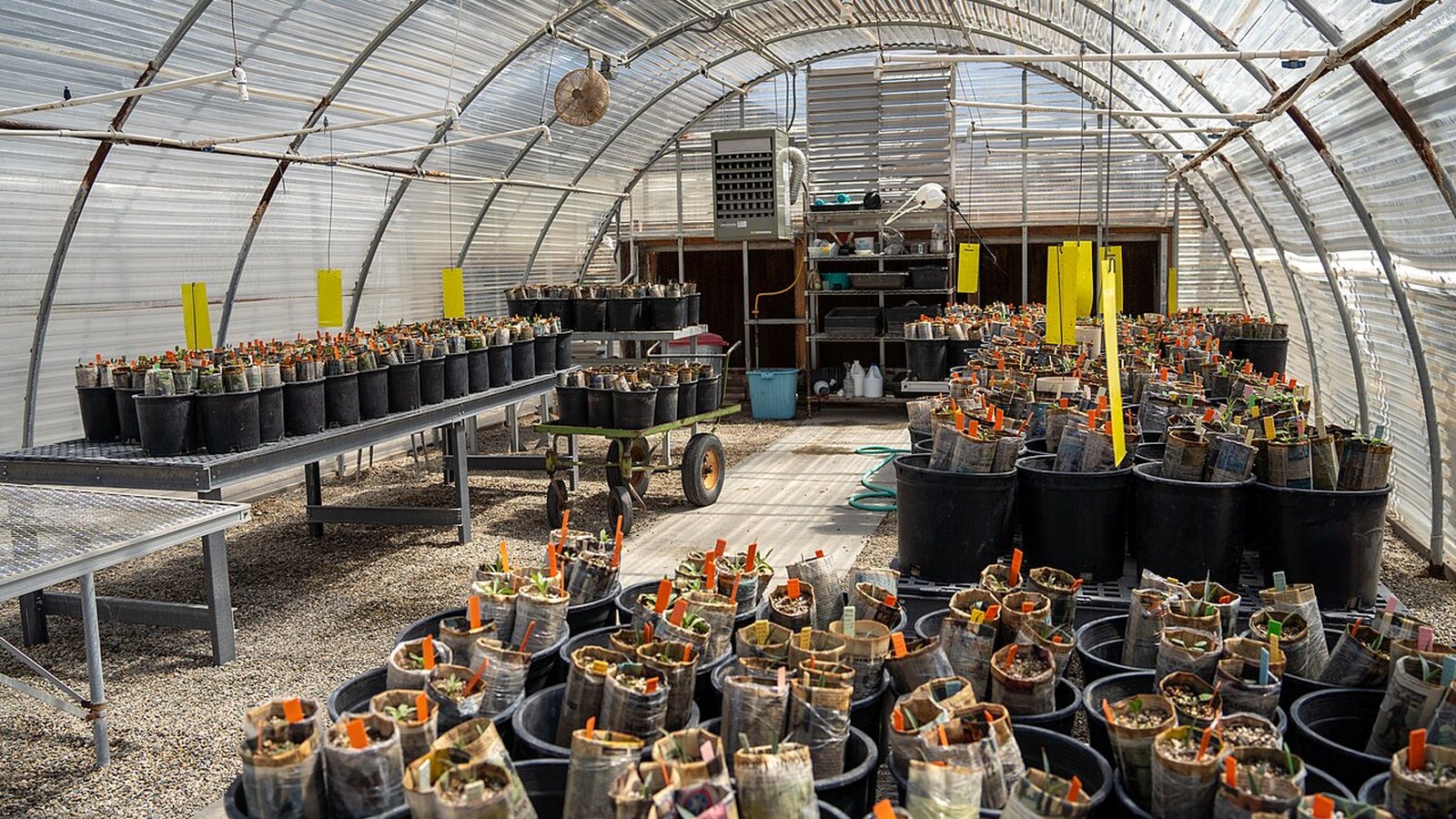 Photo: Joshua Tree National Park · Public domain
Keep a new houseplant apart from your other plants for at least three weeks, and up to six for large collections. Use a separate spot, inspect leaf undersides, stems, soil and roots on day one and weekly afterwards, and treat any pest before the plant joins the others.
Key takeaways
- Extension services suggest about three weeks (Colorado State, Penn State) to six weeks (Clemson).
- Colorado State says scale, mealybug and whitefly infestations almost always start with newly bought or gifted plants.
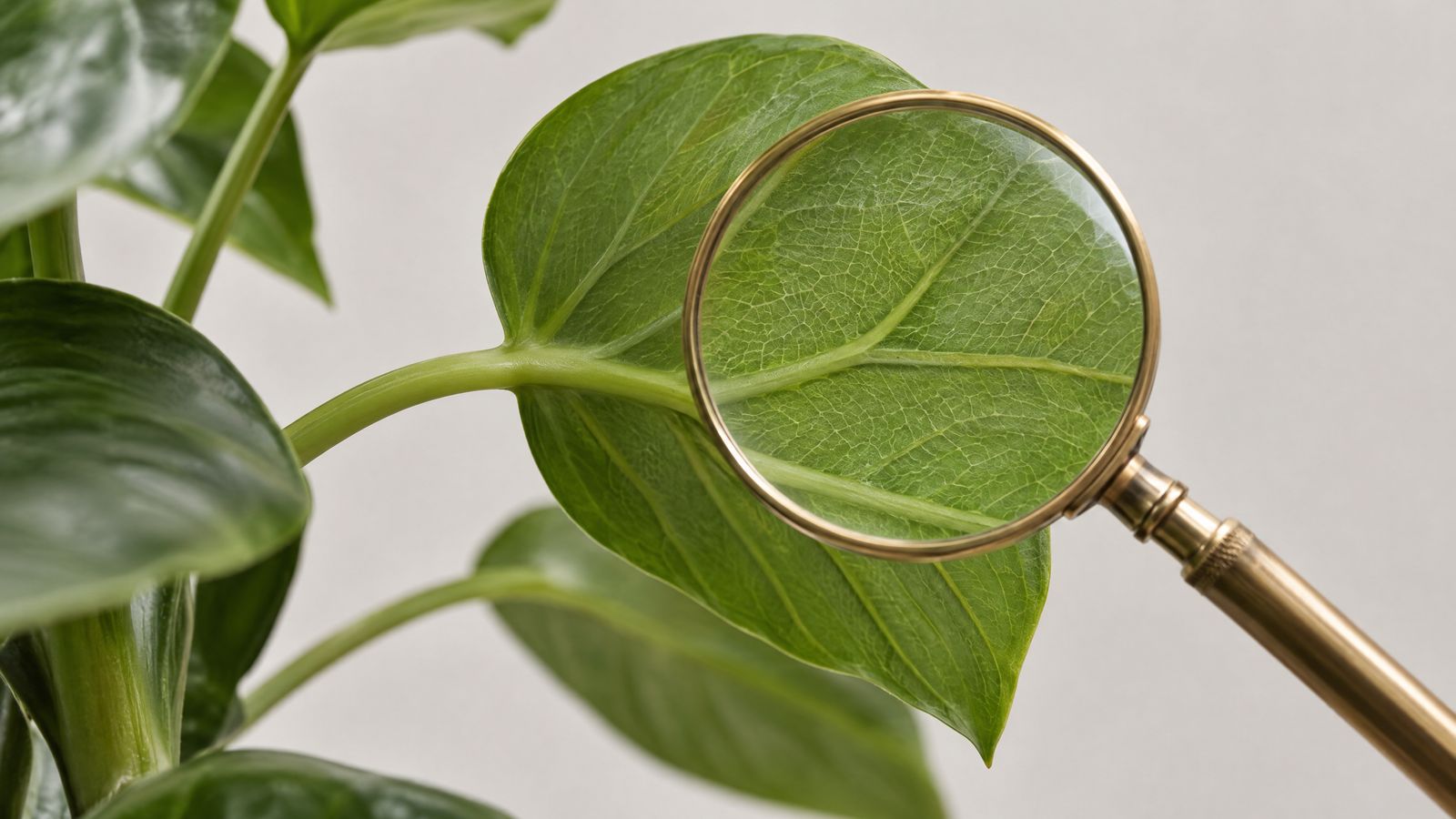
- Check leaf undersides, stems, soil and the outside of the root ball; a 10x lens helps.
- Water the new plant last, give it its own saucer and wash your hands afterwards.
- Water spray and an alcohol swab come first; for any product, follow the label.
On this page9
- How long should you quarantine a new houseplant?
- Why quarantine a plant that looks healthy?
- What should you check before you buy?
- What do you do on day one?
- What are you looking for during the weekly check?
- Quarantine plan, week by week
- What if you find pests during quarantine?
- Which new plants need the most care?
- A checklist you can screenshot
How long should you quarantine a new houseplant?
Keep a new houseplant away from your other plants for at least three weeks, and for up to six if you own many plants or the new one looks suspect. University extension services do not agree on one number, so here is what each says. Quarantine means a separate spot, a weekly close look and no sharing of saucers or tools. It costs you nothing and it is the cheapest pest control there is: the plant you bring home is the most likely way mealybugs, scale and whiteflies arrive in your collection.
| Source | Suggested isolation |
|---|---|
| Colorado State Extension | At least three weeks, in a separate area of the home, with a careful inspection at the end |
| Penn State Extension | About three weeks |
| Clemson HGIC | Six weeks, checking about once a week |
Why quarantine a plant that looks healthy?
Because pests are small and plants hide them well. Colorado State Extension says infestations of scale, mealybugs and whiteflies are almost always established from infested plants recently purchased or received as gifts, and Clemson says pests most often come into the home on newly purchased plants. A plant can look fine on the shelf and still carry eggs, a few mealybugs in a leaf axil or fungus gnat larvae in the soil. Three weeks gives hidden pests time to show themselves. It is also kinder to the new plant: it needs time to settle in its new light and humidity before you judge it.
What should you check before you buy?
The best quarantine starts in the shop. UF/IFAS says to check for holes in leaves, black spots, distorted leaves, blisters or sticky-feeling leaves, and for hidden insects on the undersides of leaves or camouflaged on stems. It suggests avoiding plants with wilted or limp foliage or yellow, brown or black leaves, and checking the roots: slide the plant out of its pot if the seller lets you, and skip plants with circling roots or roots pushing out of the pot. Choose a plant that is perky and lush. Clemson adds that you should check the plant and its container, and a 10x magnifying lens makes small pests and young stages easier to see. If you are also thinking about pets or children, check toxicity at the same time with our guide check plant toxicity before you buy.
What do you do on day one?
- Put it in its own place. A separate room is ideal; Colorado State suggests a separate area of the home. A bathroom with a window or a spare room works. Keep it clearly away from your other plants, and do not let leaves touch.
- Inspect before you water. Look at the undersides of leaves, where leaves meet the stem, the stems themselves and the soil surface. Clemson says to pay particular attention to the undersides of leaves.
- Check the roots. Clemson says most pests sit on the outside of the root ball, so slide the plant out of its pot and look. Healthy roots look firm; if they smell or look mushy, treat it as a rot problem and do not buy or keep it unchecked.
- Give it its own saucer and tools. Water it last, wash your hands afterwards and do not reuse a pot or saucer elsewhere. Penn State says to sanitise tools and pots; it names a 10 percent bleach solution or full-strength isopropyl alcohol for pruners used on infected plants.
- Hold off on repotting for now, unless the roots are in trouble. If you do repot, Clemson says to use commercially prepared potting soil, not soil from outdoors.
What are you looking for during the weekly check?
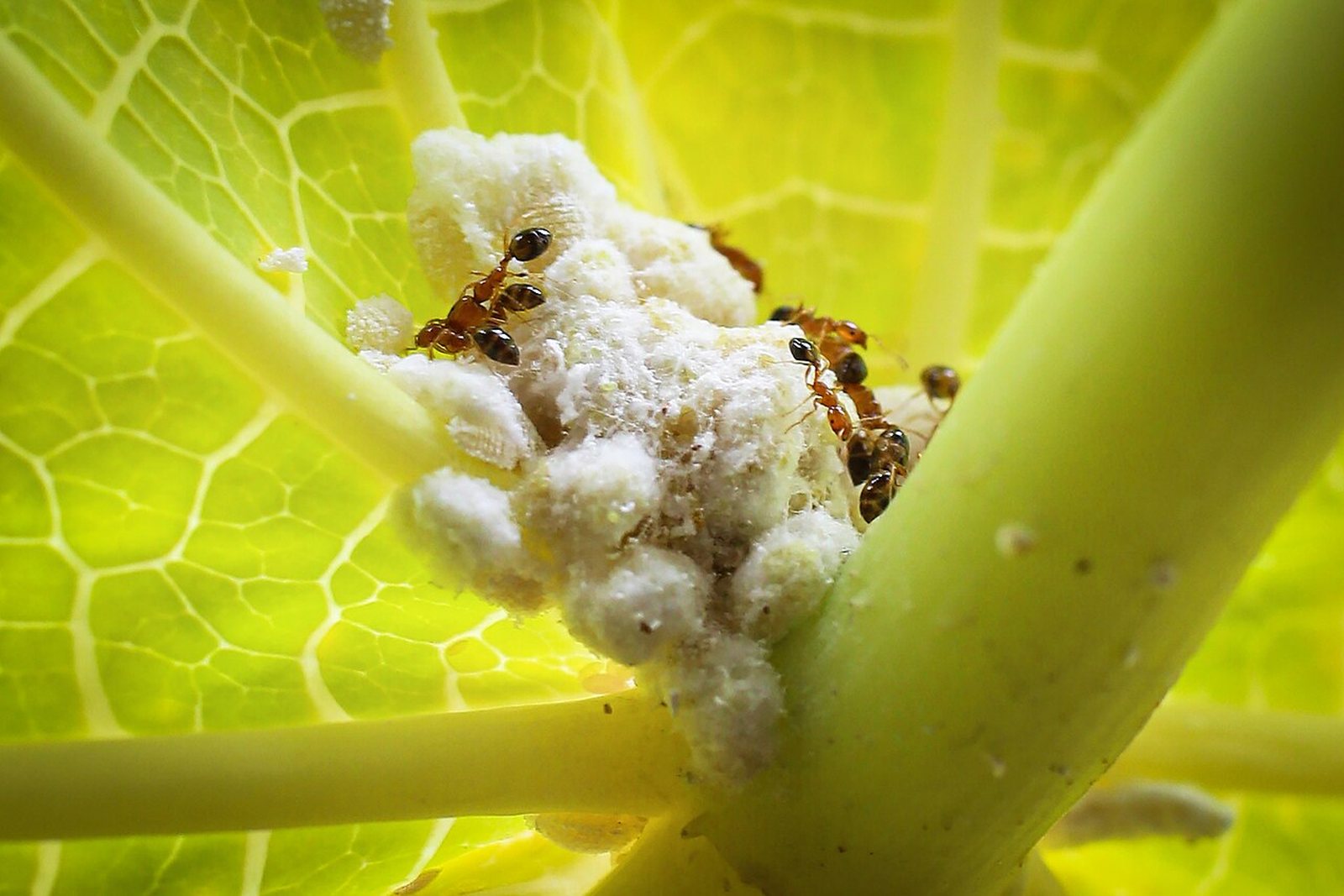
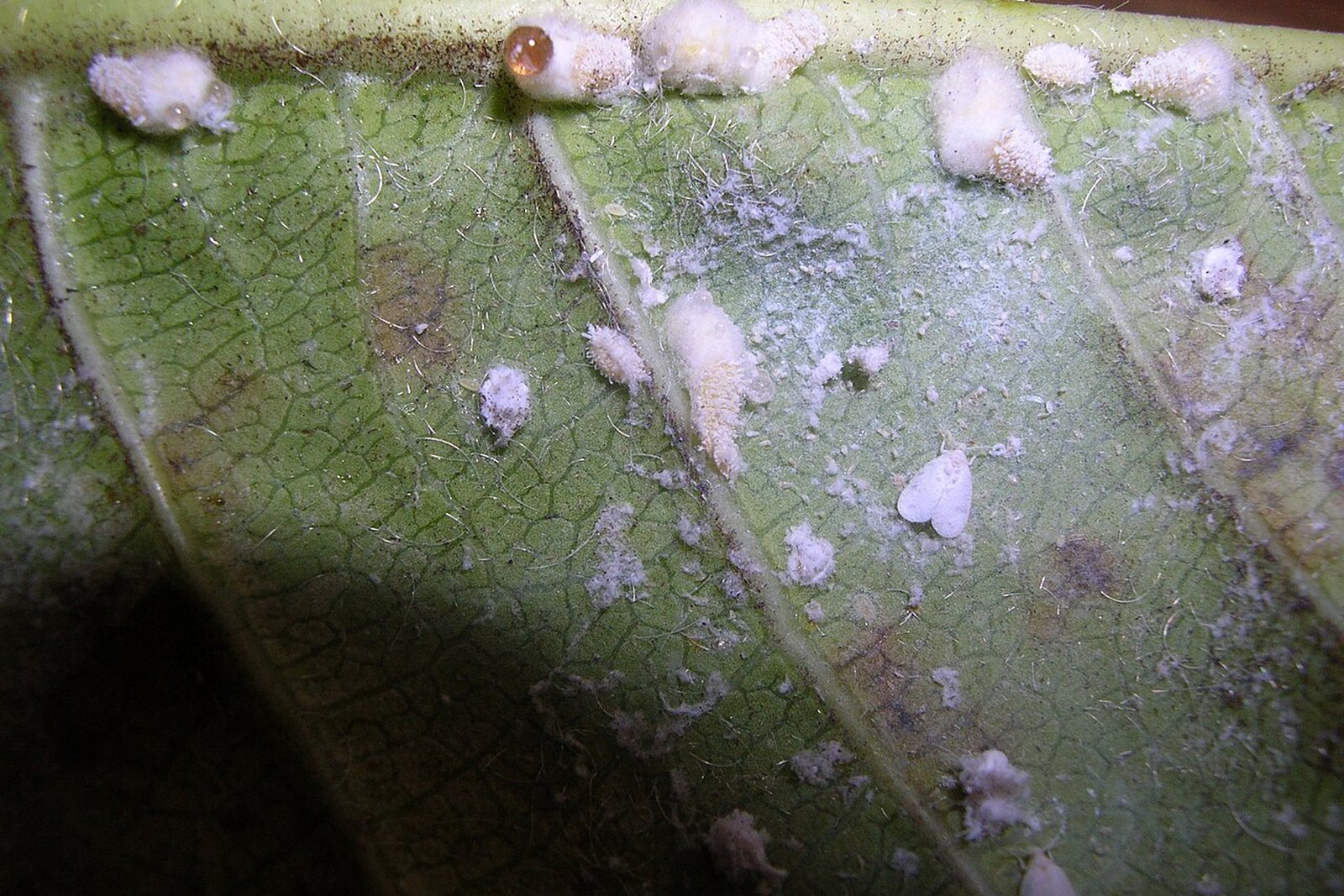
Five signs cover most new-plant problems: sticky leaves or a shiny film, white cottony clusters in leaf joints (mealybugs), fine webbing and speckled leaves (spider mites), small bumps on stems or leaves that rub off (scale) and tiny flies rising from the soil (fungus gnats). Clemson lists aphids, mealybugs, spider mites, fungus gnats, root ball pests, scales and whiteflies as the major houseplant pests. New growth is the first place to check, and a photo taken on day one shows you what has changed.
Quarantine plan, week by week
| When | What to do |
|---|---|
| Day 1 | Inspect leaves, stems, soil and roots; move it to its own spot |
| Week 1 | Look at leaf undersides and new growth every few days; note sticky leaves, webbing, white fluff, tiny flies or spots |
| Weeks 2 and 3 | Weekly close inspection (Clemson); take a progress photo to compare |
| Week 3 (Colorado State, Penn State) | Final careful inspection; if clean, move it to the collection |
| Weeks 4 to 6 (Clemson) | Optional: keep apart if you have valuable or many plants, or if anything looked odd |
What if you find pests during quarantine?
Keep the plant isolated and treat the cheapest problem first. Clemson says spraying a sturdy plant with water removes many pests, and a cotton swab dipped in rubbing alcohol wipes off aphids and mealybugs. Insecticidal soaps are contact insecticides and only work when they hit the insect directly; some plants are sensitive to them, so test a small area first. Read all label directions and follow them carefully. Remove badly infested leaves, and for a severe case Clemson says the best and simplest solution may be to discard the plant and its soil, which is better than risking your whole collection. Our guides on mealybugs, spider mites, fungus gnats and scale insects give the signs and steps for each. Restart the quarantine clock after treatment, because treated plants need another clean inspection.
Which new plants need the most care?
- Gifts and supermarket plants. Colorado State names gifts as a source of infestations. Quarantine them even if they arrive wrapped and beautiful.
- Cuttings and swaps. Pests ride along on a cutting just as they do on a whole plant; check the nodes and the water or soil.
- Plants that spent summer outside. Penn State says plants brought indoors for winter should be isolated for about three weeks too.
- Orchids and other plants in bark or moss. Inspect the medium as well as the leaves.
If you are not sure what you are seeing, Flori's Lab tools can analyse a pest from a photo, and Dr. Flori can suggest the likely cause and next steps. Keep a sick newcomer under watch in the Plant Hospital.
A checklist you can screenshot
- Shop check: leaf undersides, stems, soil, roots, sticky or spotted leaves
- Separate spot, own saucer, water it last
- Weekly close look for 3 weeks (6 for large collections)
- Water spray or alcohol swab first, soap as a contact spray; follow the label
- Clean inspection at the end before it joins the others
Frequently asked questions
How long should you quarantine a new plant?
Colorado State and Penn State suggest about three weeks; Clemson suggests six weeks. Use three for a single plant and six if you own a large collection or the plant looks suspect.
Should I repot a new plant straight away?
Not unless the roots are in trouble. If you do repot, Clemson says to use commercially prepared potting soil rather than soil from outdoors.
Do gifted plants need quarantine too?
Yes. Colorado State says infestations are almost always established from plants recently purchased or received as gifts.
What is the first thing to try if I find mealybugs?
Isolate the plant, then wipe them off with a cotton swab dipped in rubbing alcohol (Clemson). Always follow any product label, and discard a severely infested plant.
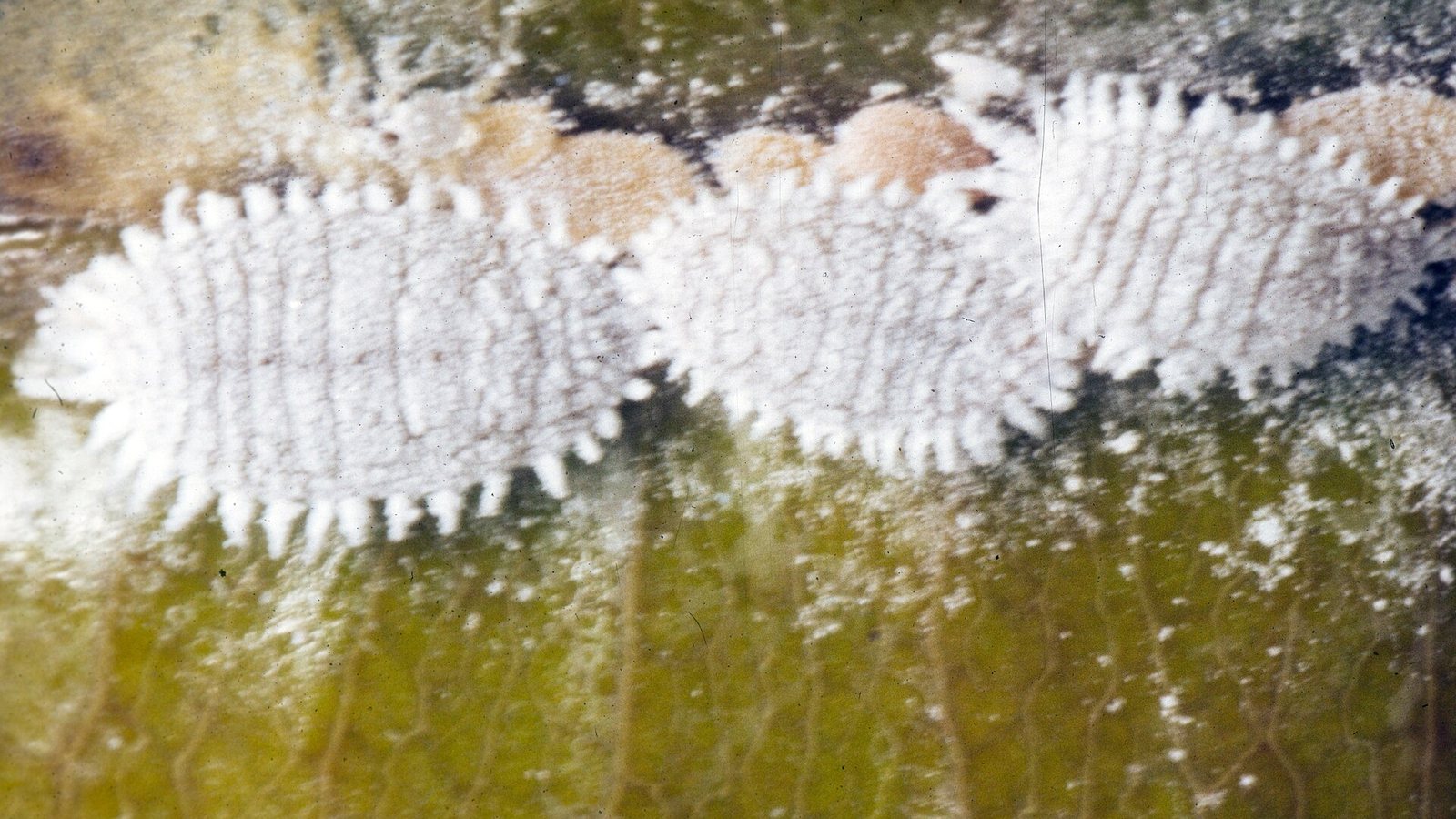
Mealybugs on houseplants: how to spot the white cottony clumps, check roots, and remove them step by step with alcohol swabs and soap. Least-toxic first.
Sources
Written and fact-checked by the Flori team. Every guide cites horticultural sources such as the RHS, university extension services and the ASPCA, and is updated when the advice changes. How we write our guides
General plant care information. Plants vary; when a plant is valuable or a problem spreads quickly, consult a local nursery or plant specialist.