Check if a Plant Is Toxic to Pets Before You Buy It
Check if a plant is toxic to pets before you buy it: get its exact name, use Flori's care profile, then confirm in the ASPCA list. Quick shop checklist.
 By Flori editorial team · Updated
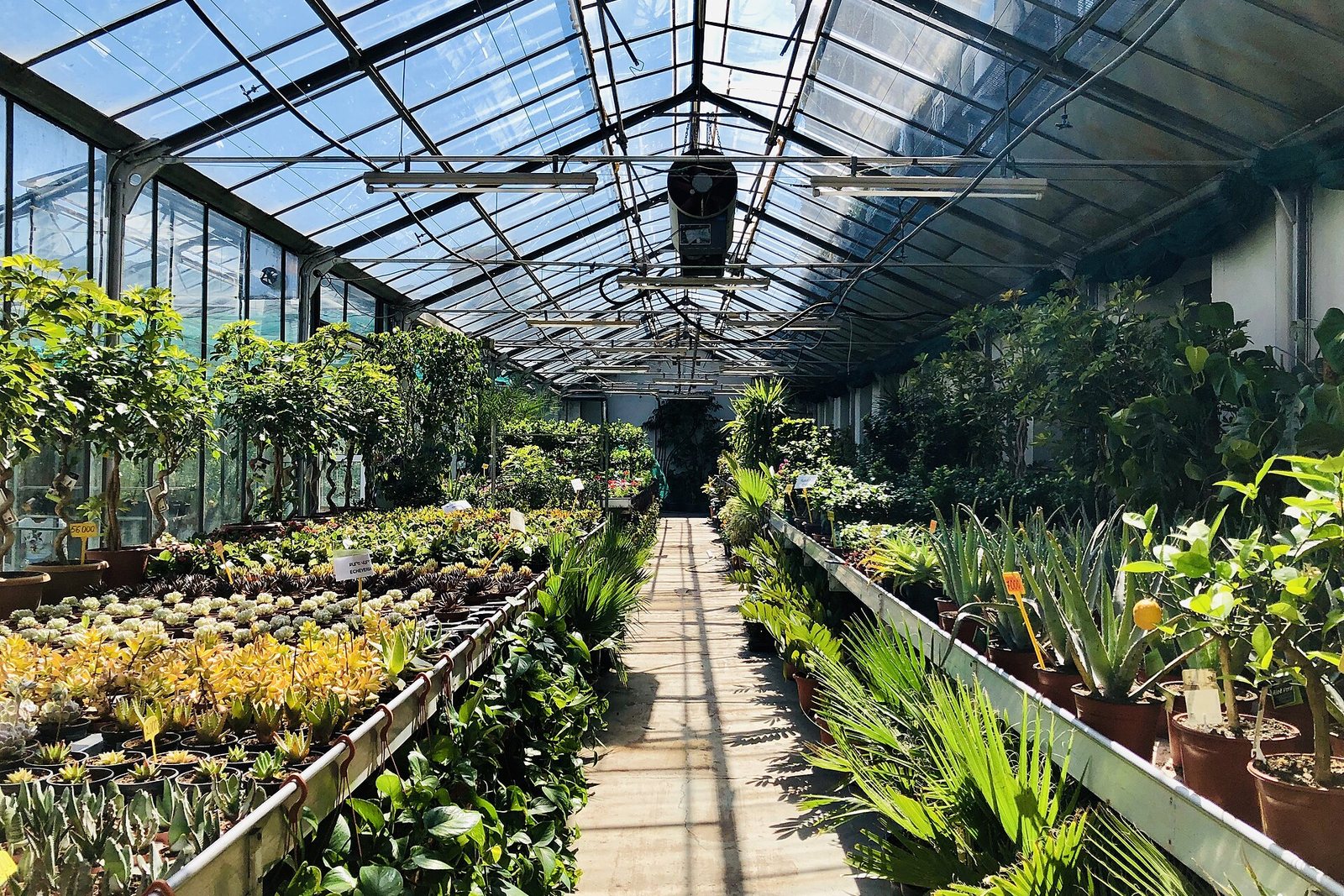
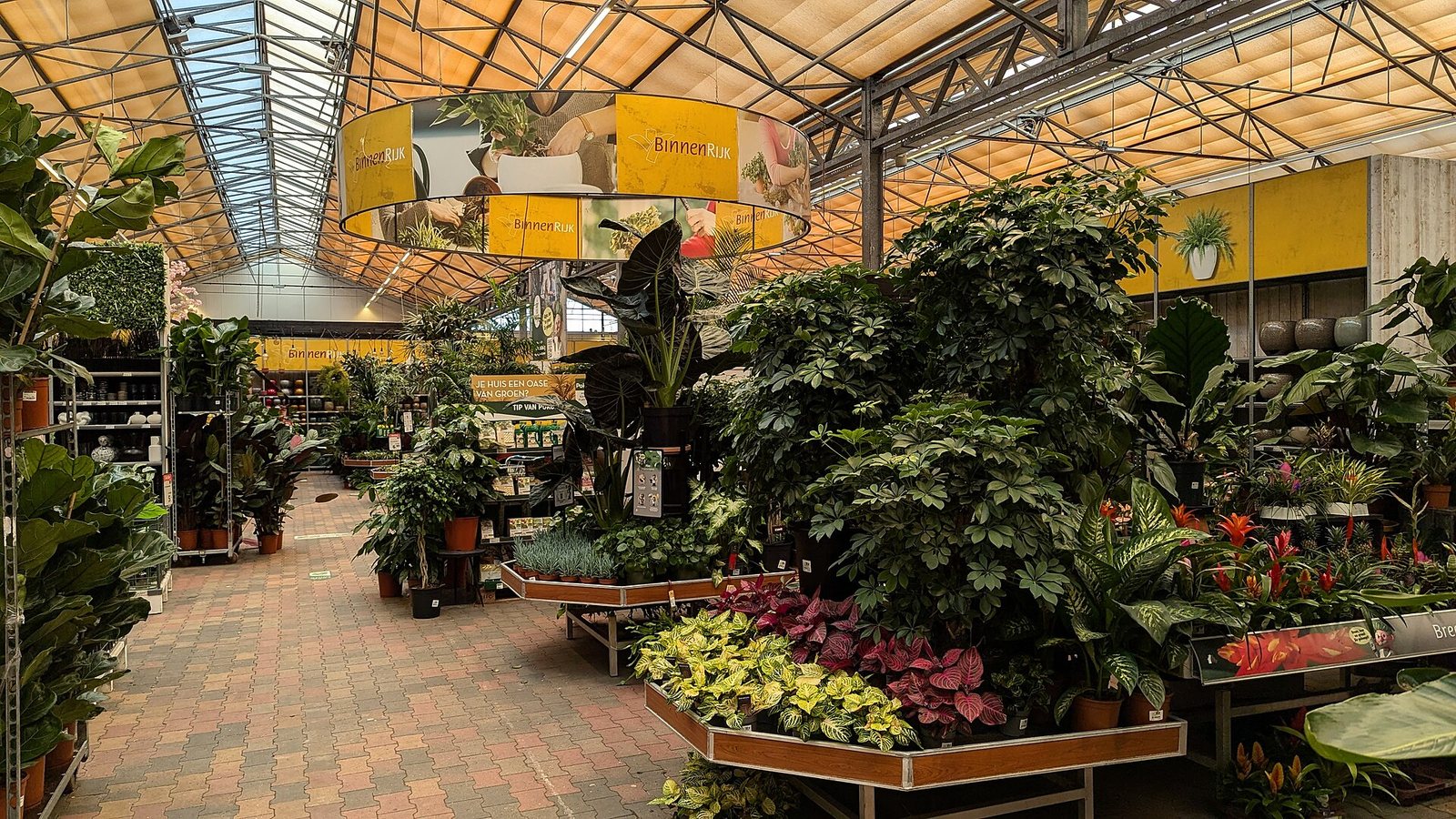 Photo: Mitsjol · CC BY 4.0
Get the plant's exact botanical name from the tag or by identifying it in Flori, read its care profile, then confirm that name in the ASPCA Toxic and Non-Toxic Plants list for your dog, cat or horse. Common names mislead, and non-toxic plants can still upset a pet's stomach.
Key takeaways
- Use the botanical name: common names overlap, and the same plant has several.
- Flori can identify a plant from a photo or find it by name, and its care profile shows a toxicity note.
- Confirm in the ASPCA list for your own animal, since toxicity is listed per species.
- Some popular plants, such as golden pothos and snake plant, are toxic to dogs and cats.
- If a pet chews a plant, call your vet or ASPCA Animal Poison Control at (888) 426-4435 without waiting.
On this page10
- How do you check if a plant is toxic to pets before you buy it?
- Step 1: get the plant's exact name
- Step 2: read the care profile, then confirm with the ASPCA
- What do the results look like? Four worked examples
- Why do common names cause mistakes?
- What does "non-toxic" actually mean?
- A 60-second shop checklist
- What if you already own a toxic plant?
- What if a plant is not on the ASPCA list?
- What if a pet already chewed a plant?
How do you check if a plant is toxic to pets before you buy it?
Find the plant's exact name, then look that name up in the ASPCA Toxic and Non-Toxic Plants list. That two-step check takes under a minute in the shop, and it matters because common names are slippery: the same plant has several, and two different plants can share one. This guide shows the quick way, how Flori helps with the first step, and why you should still confirm in the ASPCA list before you carry the plant home. For long lists of safe and unsafe plants, see pet-safe houseplants for cats and dogs and plants toxic to cats.
Step 1: get the plant's exact name
Look for the botanical (Latin) name on the tag. If there is no tag, or it only says something like "mixed foliage", you have two options in Flori: identify the plant from a photo, or search the plant database by name. Photo identification is a good first guess, not a certainty. Our guide on how accurate plant identifier apps are explains the limits, and how to identify a plant from a photo covers how to take a photo that helps: one clear leaf, the whole plant and the pot, in good light. If the name matters for a pet's safety and the app and the tag disagree, ask the shop staff.
Step 2: read the care profile, then confirm with the ASPCA
Every plant in Flori has a care profile with light, watering, humidity, temperature and toxicity, so you can see a toxicity note while still in the aisle. Treat it as your first screen. Then confirm in the ASPCA list, which is the source we trust for pets. The ASPCA page lets you browse by scientific or common name and filter to plants that are toxic or non-toxic to dogs, cats or horses, with separate lists for each. Check the listing for your pet. A plant can be toxic to cats and not to dogs, or the reverse, and the ASPCA lists the status per animal.
What do the results look like? Four worked examples
| Plant | Pets (ASPCA) | What it says |
|---|---|---|
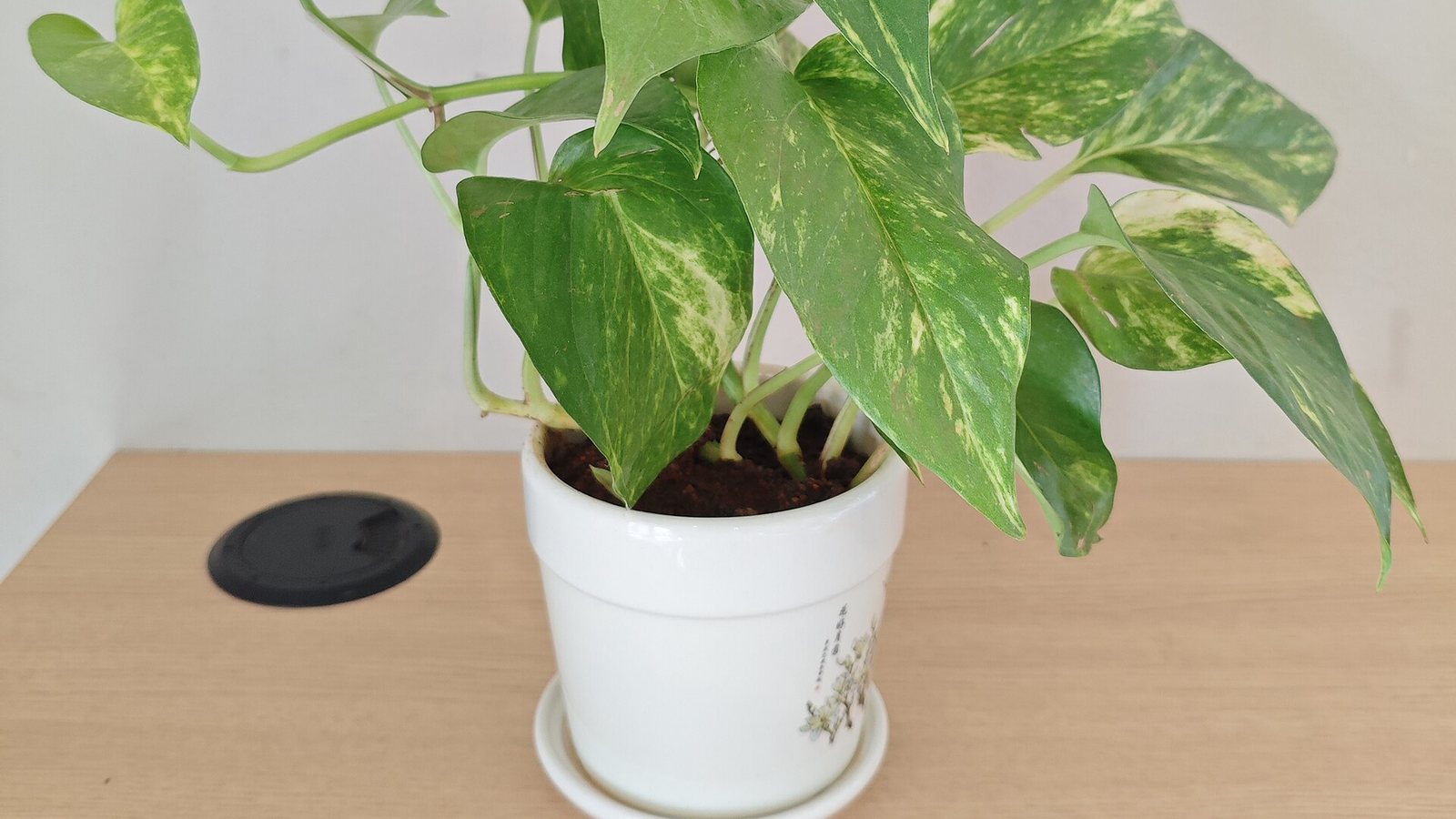
| Golden pothos (Epipremnum aureum) | Toxic to dogs and cats | Insoluble calcium oxalates; mouth and tongue irritation, drooling, vomiting, trouble swallowing. Also called devil's ivy |
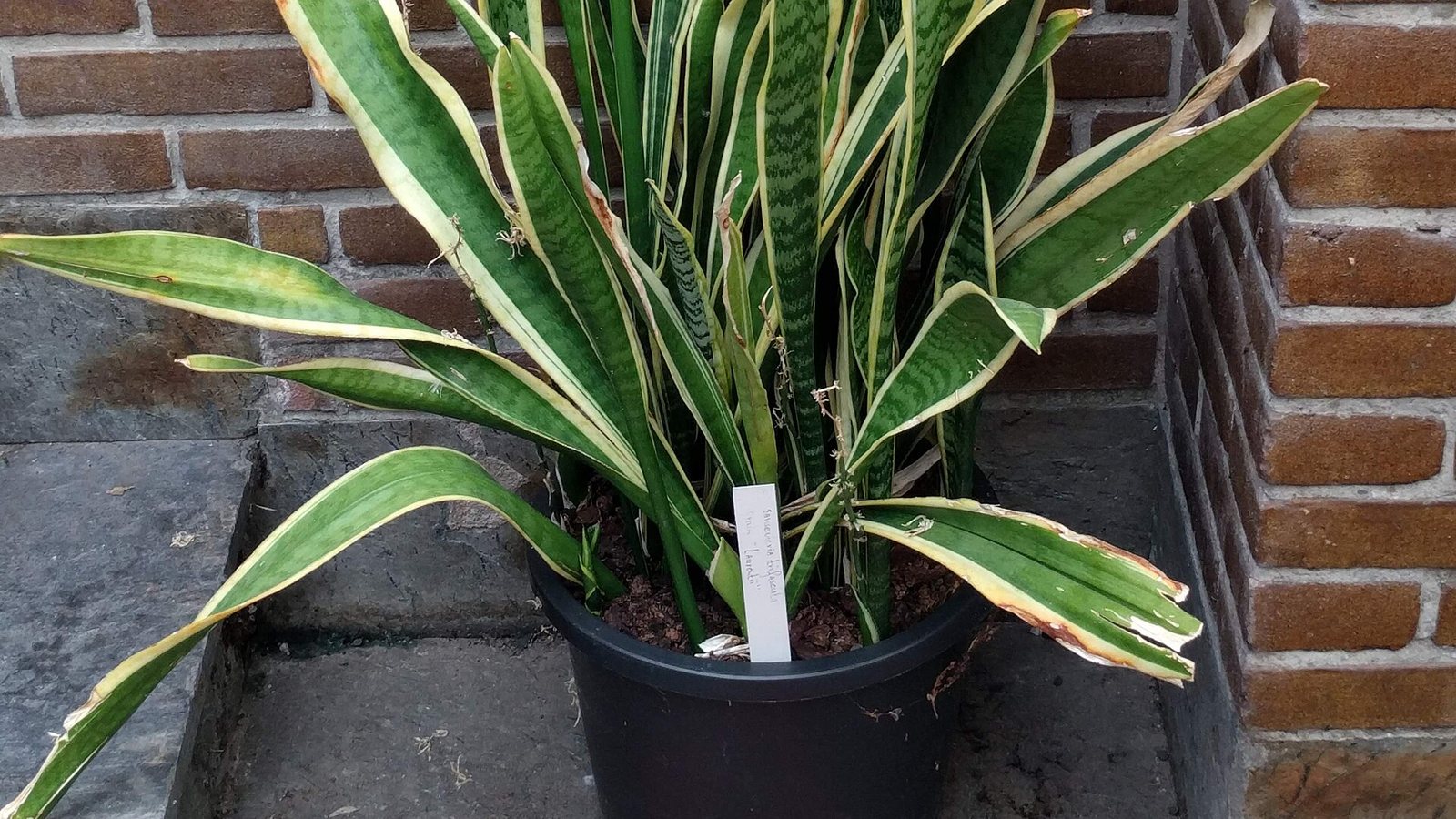
| Snake plant (Sansevieria trifasciata) | Toxic to dogs and cats | Saponins; nausea, vomiting, diarrhea. Also called mother-in-law's tongue |
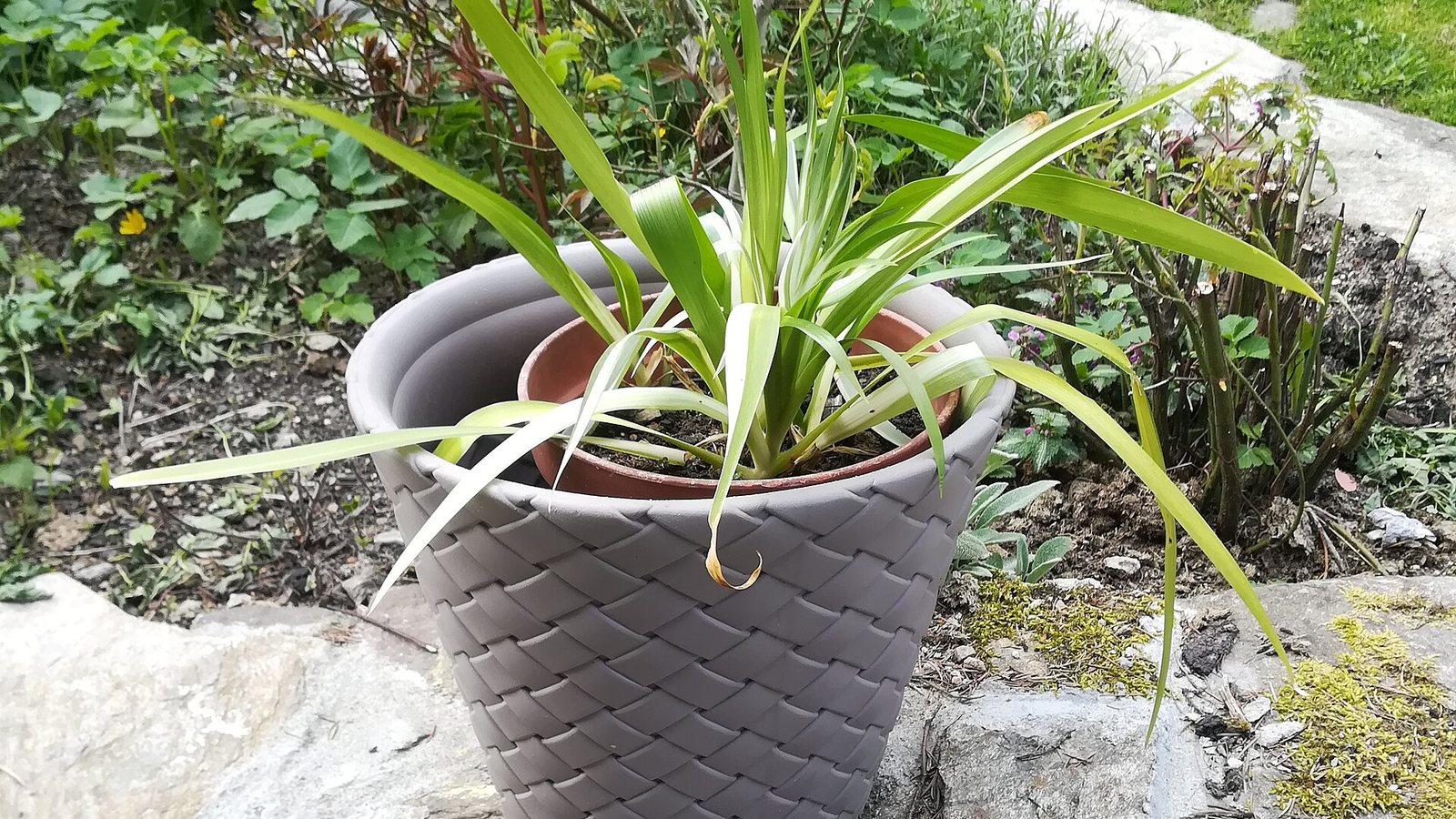
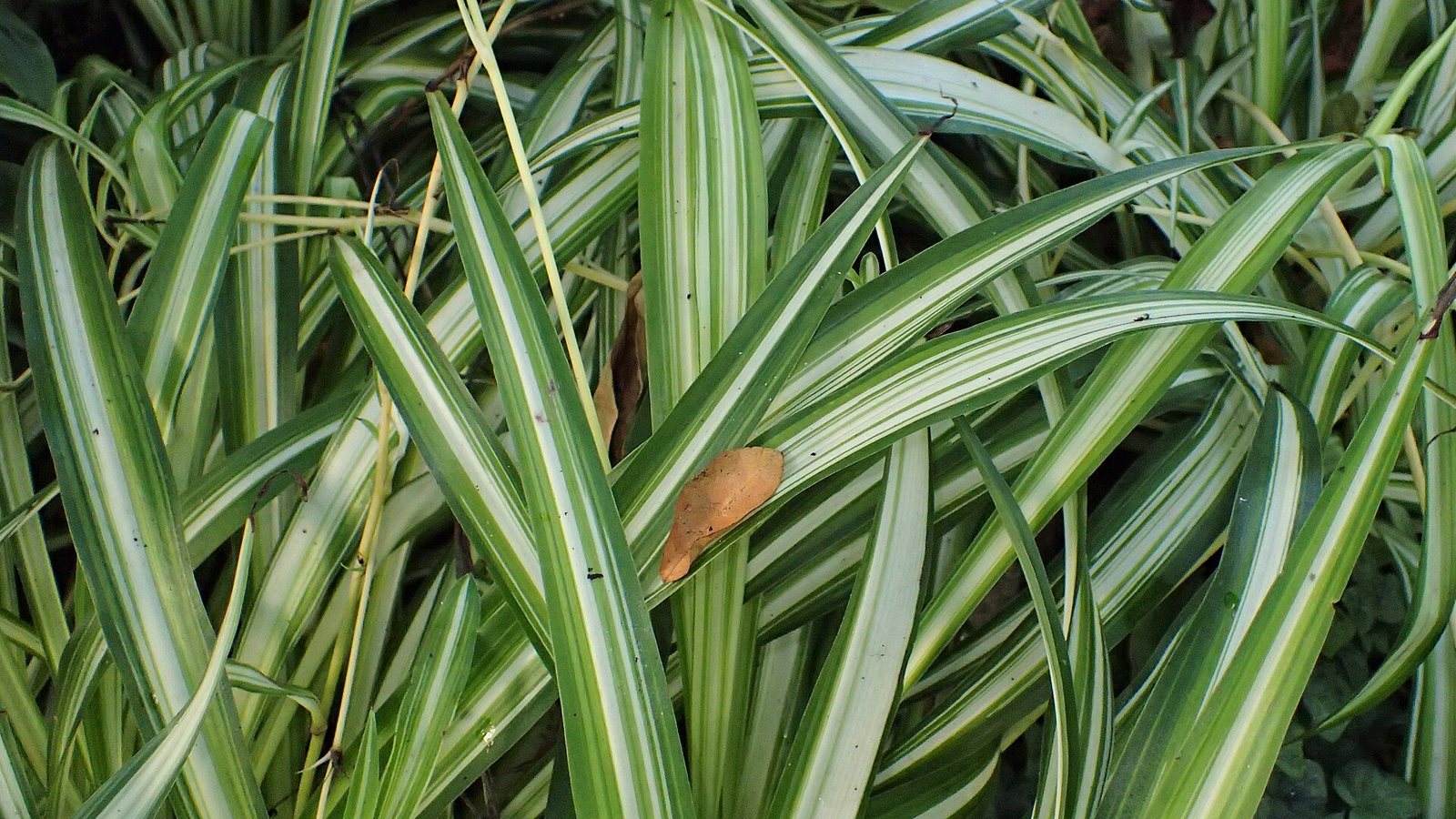
| Spider plant (Chlorophytum comosum) | Non-toxic to dogs and cats | Also called ribbon plant or spider ivy |
| Christmas cactus (Schlumbergera) | Non-toxic to dogs and cats | Still not a snack: see the note below |
The snake plant surprises many people because it is a "bulletproof beginner plant" and a standard recommendation, yet the ASPCA lists it as toxic. That is exactly why a lookup beats a guess.
Why do common names cause mistakes?
The ASPCA warns that plants may look different from the photos on its page and says to check the plant's name. Golden pothos alone is also called pothos, devil's ivy, taro vine and ivy arum, so a tag reading "ivy" could mean different things. Search by the scientific name where you can. If a pot holds a mix of plants, check each plant separately, because a safe one next to a toxic one still puts the toxic one in reach.
What does "non-toxic" actually mean?
The ASPCA says plants listed as non-toxic, or potentially toxic with mild stomach upset, are not expected to be life-threatening, and also notes that eating any plant material may cause vomiting and gastrointestinal upset in dogs and cats. So "non-toxic" is a good reason to choose a plant, not a reason to let a pet chew it. The ASPCA list is also not exhaustive; it covers commonly encountered plants. If a plant is not on it, look for another source or choose a plant that is.
A 60-second shop checklist
- Note the Latin name on the tag, or photograph the plant in Flori to get a name.
- Open the care profile and read the toxicity note, light and size.
- Look the name up in the ASPCA list for your dog, cat or horse.
- If the plant is toxic, decide: skip it, or plan a spot that is truly out of reach (a closed room, a high hanging planter).
- Keep the tag or a photo so you know the name later.
Flori's free plan includes 2 identifications a month, which is enough for a shopping trip, and you can search the database by name without a photo. A plant's care profile can also be saved to your collection after you buy it.
What if you already own a toxic plant?
You do not have to throw it out. Move it to a room your pet cannot enter or a hanging planter well above any jumping spot, and remember that a curious cat can reach more places than you expect. Sweep up fallen leaves, because pets chew those too. If you live with a pet that is a persistent chewer, replacing the plant with a non-toxic one is the simplest fix, and it is easy to do when you are already buying: use the same checklist for the swap. Dr. Flori can also answer questions about a particular plant if you describe what happened or send a photo.
What if a plant is not on the ASPCA list?
Because the list is not exhaustive, an absent plant is not a safe plant. Check the botanical name again (a different spelling or an older name may be the cause), then ask your vet or ASPCA Animal Poison Control, and until you know, treat the plant as unknown and keep it out of reach.
What if a pet already chewed a plant?
Do not wait for symptoms. Contact your vet or the 24-hour ASPCA Animal Poison Control hotline at (888) 426-4435 (a consultation fee may apply), and tell them the plant's name. If a person ate part of a plant, call the local poison line: Türkiye UZEM 114, United States 1-800-222-1222, United Kingdom NHS 111. Keep a leaf or the tag. This guide is information, not veterinary or medical advice.
Frequently asked questions
Is the snake plant toxic to cats and dogs?
The ASPCA lists the snake plant (Sansevieria trifasciata) as toxic to dogs and cats, with saponins causing nausea, vomiting and diarrhea.
Can Flori tell me if a plant is toxic?
Flori can identify a plant from a photo or by name search, and each care profile includes toxicity. Confirm the name against the ASPCA list before relying on it for a pet.
Does non-toxic mean my pet can eat the plant?
No. The ASPCA says eating any plant material may cause vomiting and stomach upset in dogs and cats, even if the plant is not toxic.
What should I do if my pet ate a toxic plant?
Contact your vet or ASPCA Animal Poison Control at (888) 426-4435 right away and give the plant's name. A consultation fee may apply.
14 pet-safe houseplants checked against the ASPCA cat and dog lists, with light needs, the toxic plant each replaces and what to do if your pet chews one.
Sources
Written and fact-checked by the Flori team. Every guide cites horticultural sources such as the RHS, university extension services and the ASPCA, and is updated when the advice changes. How we write our guides
General plant care information. Plants vary; when a plant is valuable or a problem spreads quickly, consult a local nursery or plant specialist.