How Accurate Are Plant Identifier Apps?
What university tests found about plant ID app accuracy: flowers beat leaves, genus beats species, bark and seedlings are hard. How to get better results.
 By Flori editorial team · Updated

Plant identifier apps are good but not perfect. In a university test of six apps on 38 wild plants, the best one was right about 80–88% of the time, and better with flowers than with leaves alone. Apps often get the genus right and miss the species, so double-check any answer that matters, especially toxic plants.
Key takeaways
- Even the best app in a published test misidentified at least one plant in eight.
- Photos with flowers are identified more reliably than photos of leaves alone; bark is harder still.
- Apps are often right about the genus and wrong about the exact species.
- Seedlings, grasses and simple unlobed leaves are among the hardest subjects.
- For anything a child or pet may have eaten, confirm with an expert or a poison line, not an app.
How accurate are plant identification apps, really?
Plant identifier apps are accurate enough to be genuinely useful and not accurate enough to trust blindly. That is the honest summary of the independent tests published so far, and it applies to every app, including ours. This guide looks at what university researchers actually measured, why the same app can be right about one photo and wrong about the next, and how to take photos that give any app its best chance. It also covers the cases where a wrong answer matters: toxic plants, children and pets. The numbers below come from university studies, not from app makers.
What have independent tests found?
Three pieces of university work give a consistent picture.
- Wild plants in Ireland. Researchers from the University of Leeds and the University of Galway tested six common apps on 38 herbaceous plants native to Ireland, in a study published in PLOS ONE. The best app reached only 80–88% accuracy, results varied considerably from species to species, and the apps did better when the photo included flowers than when it showed leaves alone.
- Trees in New Jersey. A Rutgers University team uploaded four bark photos and four leaf photos of each of 55 common tree species to six popular apps. Leaf photos were identified significantly more often than bark photos for almost every group, and simple, unlobed leaves were the hardest leaves to get right. The authors concluded that the apps were only marginally successful at naming trees to species and should be one of many tools, not a replacement for field identification.
- Yearly tests in Michigan. Montana State University Extension summarises yearly evaluations by Michigan State University, which test apps on plants of known identity. In many cases the apps named the genus correctly but the species wrongly, did better with mature plants than seedlings, and found grasses harder than broadleaf plants.
None of these tests used houseplants, so do not read their percentages as a score for identifying your monstera. What carries over is the pattern: an app is most reliable on a mature plant photographed with its most distinctive parts, and least reliable on a plant that shows nothing distinctive.
Why the same app can be right one day and wrong the next
Accuracy is not a fixed number for an app; it depends on the photo and the plant. This table sums up what the studies found and what you can do about each factor.
| Factor | What the tests found | What you can do |
|---|---|---|
| Flowers in the photo | Better results than leaves alone (Leeds and Galway) | Photograph flowers or fruit whenever the plant has them |
| Leaves vs bark | Leaf photos far more reliable than bark (Rutgers) | Use a clear leaf photo first; add bark only as an extra |
| Leaf shape | Simple, unlobed leaves were the hardest (Rutgers) | Add the whole plant, stems, new growth and any flowers |
| Plant age | Mature plants identified better than seedlings (Michigan State, via Montana State) | Treat answers for seedlings and cuttings as rough guesses |
| Plant group | Grasses harder than broadleaf plants (Michigan State, via Montana State) | Expect more misses with grasses and grass-like plants |
| Genus vs species | Genus often right, species often wrong (Rutgers; Michigan State) | Trust the family or genus more than the exact name |
| App confidence | Some apps show a percentage; a low one signals doubt (NC State Extension) | Retake the photo or get a second opinion when confidence is low |
NC State Extension adds a useful rule of thumb: if an app shows a confidence score and it is only around 60%, you probably need a better photo or a human second opinion. It also notes that accuracy depends on both photo quality and the app's database, and that an app built around wild plants may struggle with specialised garden varieties.
How to photograph a plant for the best identification
- Fill the frame with one plant in good daylight, with a plain background and no other plants in the way.
- Take several photos: the whole plant, a close-up of a typical leaf (top and underside), the stem and how leaves are arranged on it, and any flowers, buds or fruit.
- Hold the phone steady and focus on the part that matters. A sharp leaf beats a blurry plant.
- Check the answer against the plant. Compare the suggested name with photos and descriptions from a trusted source; Montana State Extension recommends searching by the Latin name and checking whether the plant actually grows in your area.
In Flori you can identify a plant from a photo, then open its care profile (light, watering, humidity, temperature and toxicity) or search the plant database by name to compare look-alike species side by side. If the plant is unwell rather than unknown, a photo diagnosis needs different shots; see how to diagnose a plant disease from a photo.
When an app is not enough
A wrong name for a fern on your shelf is a minor problem. A wrong name for a plant someone has eaten is not. The Galway researchers point out the stakes directly: when an animal or a young child may have swallowed part of a plant, how sure can you be that an app has it right? NC State Extension warns that even the best app can mistake a toxic plant for an edible one.
- Pets. If a cat or dog has chewed a plant, call your vet or an animal poison line and bring the plant or a piece of it. Our lists of houseplants toxic to cats and pet-safe houseplants are a starting point, not a diagnosis.
- People. If a child or adult has eaten an unknown plant, call a poison line (Türkiye UZEM 114, US 1-800-222-1222, UK NHS 111) rather than relying on an app.
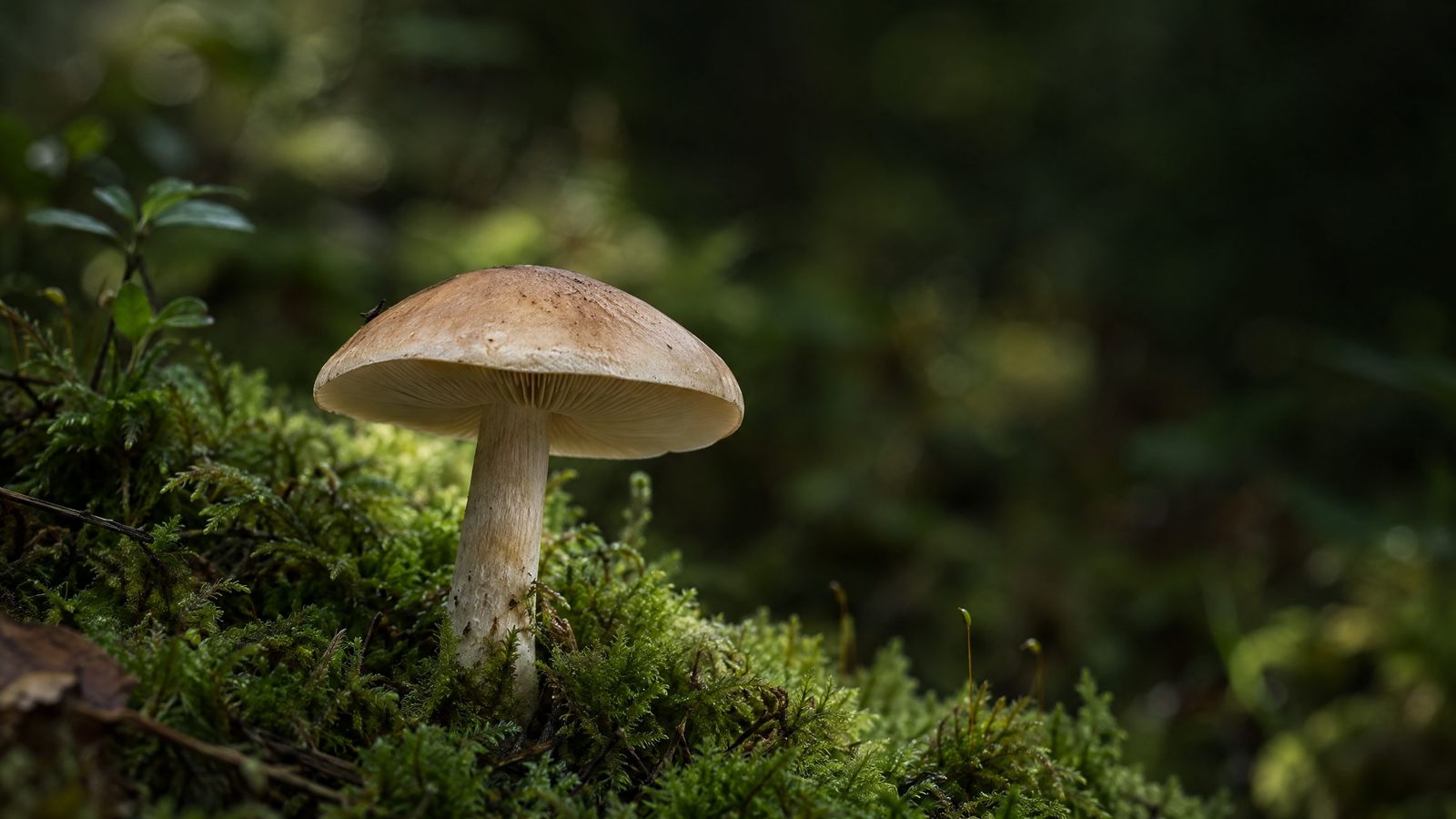
- Wild food. Never eat a wild plant or mushroom because an app named it. Mushrooms are an even harder case; see can an app identify mushrooms.
Similar plants that confuse apps and people
Some groups are hard for everyone because related species look alike. Many succulents and cacti differ only in small details, so an app may return the right genus with the wrong species; our guide to succulent types and names shows which features to compare. When an app gives two or three close suggestions, read them all and check the details that separate them, rather than taking the first one.
A note on privacy
NC State Extension also found a wide range of privacy policies among plant ID apps: some collect little data, others collect location data and claim broad rights to uploaded photos. Check an app's settings and policy, and switch off location sharing if you do not need it.
Frequently asked questions
Which plant identification app is the most accurate?
Rankings change from year to year and depend on the plants tested; in the Irish study the best app was right 80–88% of the time. Whatever app you use, give it good photos and double-check important answers.
Why does my plant ID app give different answers for the same plant?
Accuracy depends on the photo: flowers, a sharp leaf and a plain background help, while bark, seedlings and simple leaves are harder. Different angles show different features, so the suggestions can change.
Can a plant app tell me if a plant is poisonous?
An app can name a plant and show its toxicity information, but the name itself can be wrong. If a child or pet has eaten a plant, call a poison line or your vet instead of relying on an app.
Are plant apps better with flowers or leaves?
With flowers. A University of Leeds and University of Galway study found apps identified plants better when photos included flowers, and a Rutgers study found leaf photos far more reliable than bark.
Sources
- University of Leeds: Phone apps unable to identify one in five plants
- Rutgers University (Schmidt, Casario, Zipse, Grabosky): The Accuracy of Photo-Based Plant Identification Apps on Northeastern Trees
- Montana State University Extension: Plant Identification Apps for Your Smartphone (Weed Post, April 2022)
- N.C. Cooperative Extension, Lee County: Snapshot to Science: Navigating the World of Plant ID Apps
Written and fact-checked by the Flori team. Every guide cites horticultural sources such as the RHS, university extension services and the ASPCA, and is updated when the advice changes.
General plant care information. Plants vary; when a plant is valuable or a problem spreads quickly, consult a local nursery or plant specialist.