How to Identify a Tree From Its Leaves
Identify a tree from its leaves in two questions: simple or compound, opposite or alternate. A screenshot key, photo checklist and common mistakes.
 By Flori editorial team · Updated
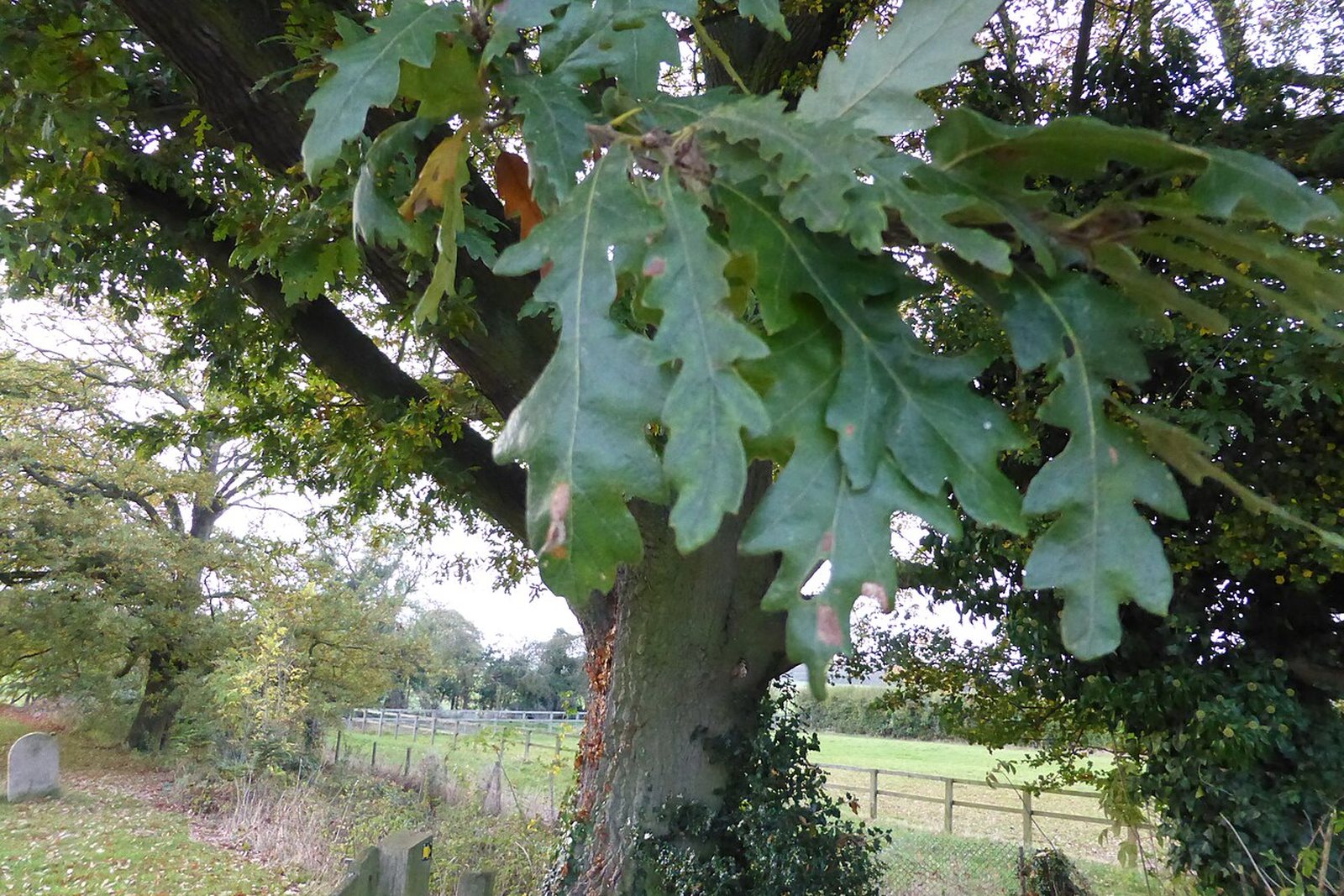
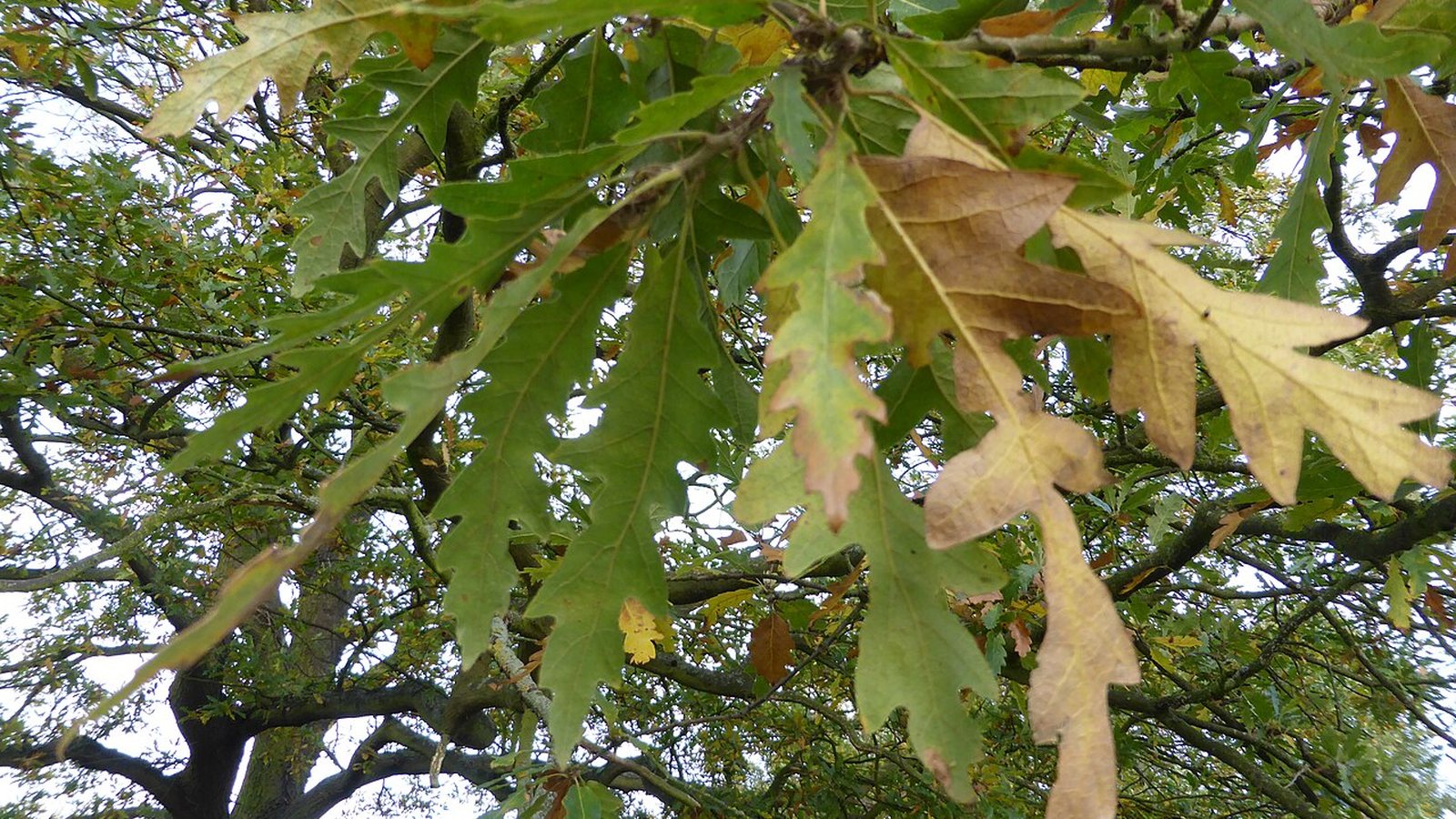 Photo: Bob Harvey · CC BY-SA 2.0
Start with two questions: is the leaf simple (one blade) or compound (several leaflets), and do the leaves sit opposite each other in pairs or alternate along the twig? Then check the leaf edge, fruit, bark and the bud at the base of the leaf stalk. One leaf alone is rarely enough.
Key takeaways
- Ask two questions first: simple or compound, opposite or alternate; look at the twig, not one leaf.
- A leaf has a bud at its base, but a leaflet never does; that test separates a compound leaf from a twig of simple leaves.
- Opposite leaves point to maples, ashes and dogwoods; most other trees are alternate.
- Photograph the leaf top and underside, the twig, the bark, any fruit and the whole tree.
- An app name is a lead to verify, and never a reason to eat anything from the tree.
On this page9
- Can you identify a tree from one leaf?
- What are the first two questions to ask about a leaf?
- A quick key you can screenshot
- What do the leaf edge, bark and fruit add?
- How to photograph a tree so an app can name it
- Common mistakes when identifying trees
- How do you identify a tree in winter?
- Is it safe to eat from a tree you have identified?
- Where do you go after you have the name?
Can you identify a tree from one leaf?
Sometimes, but a single leaf is the weakest clue you can photograph. Leaf shape varies on the same tree, and many trees share similar-looking leaves. What identifies a tree reliably is a short chain of yes-or-no questions about the leaf and the twig it grows on. This guide gives you that chain, a table you can screenshot, and a photo checklist for when you use an app such as Flori. It is about naming trees, not judging whether anything on them is safe to eat. For plants in general, see our identify a plant from a photo guide.
What are the first two questions to ask about a leaf?
Cornell Cooperative Extension and Iowa State Extension use the same starting point, and it is the best shortcut in tree identification.
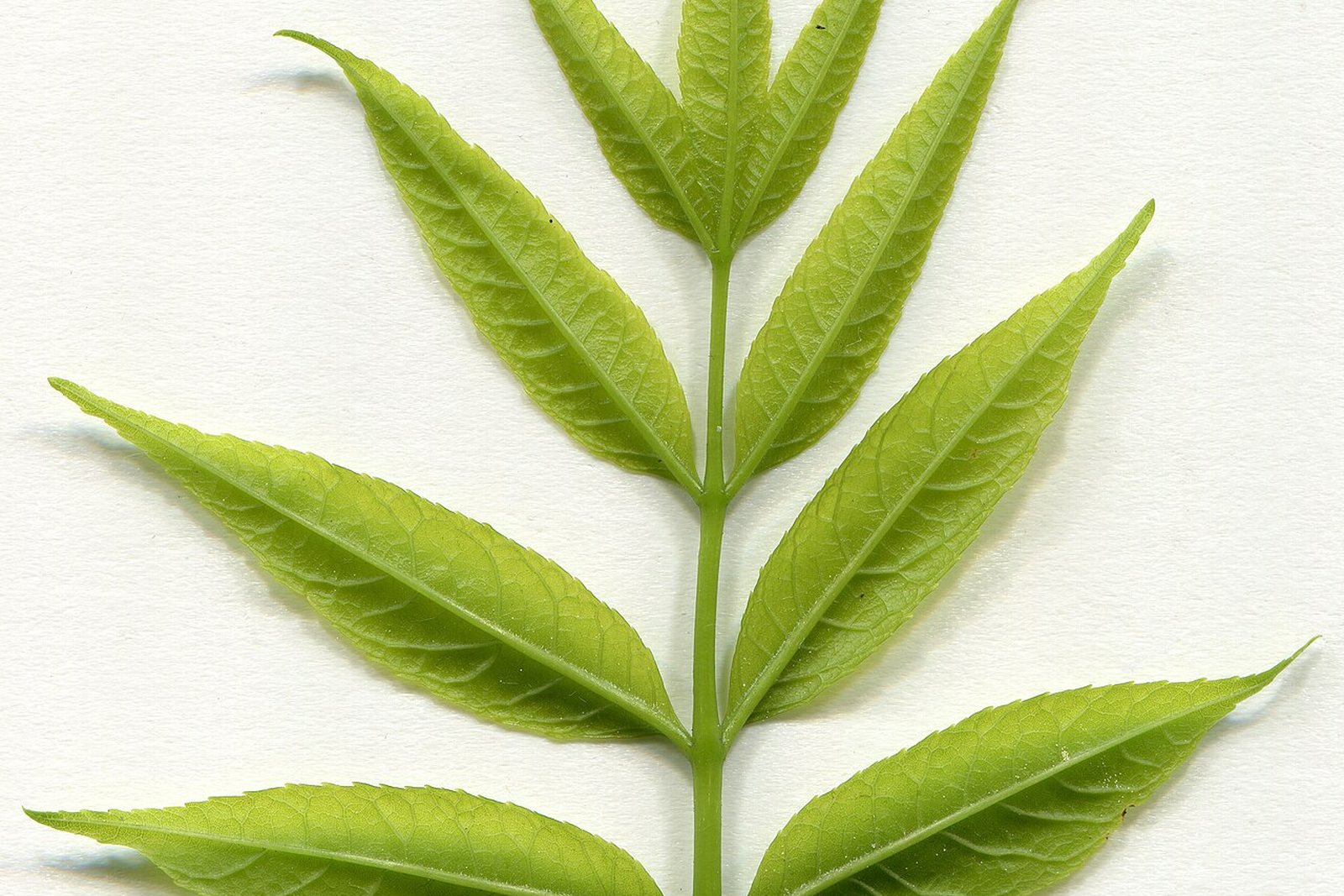
- Is the leaf simple or compound? Iowa State defines a simple leaf as having one blade and a compound leaf as having several individual leaflets. Cornell adds the test that settles confusing cases: a leaf has a bud where it joins the twig, but a leaflet never has a bud where it attaches to the central stalk (the rachis). So if you find a bud only at the base of the whole stalk, you are looking at one compound leaf; if every blade has its own bud, you are looking at a twig of simple leaves.
- Are the leaves opposite or alternate? Cornell says buds and leaves are either opposite (in pairs) or alternate (unpaired). Look at the twig, not at one leaf. A few trees, such as northern catalpa, have leaves in threes at one point (whorled).
Opposite is the rarer pattern and therefore the more useful one. Cornell notes that opposite branches appear on maples, ashes and dogwoods, so a twig with leaves in pairs narrows the field to a handful of groups. In Türkiye that means thinking of akçaağaç (maple, Acer) and dişbudak (ash, Fraxinus) first.
A quick key you can screenshot
| Step | What to check | What it tells you |
|---|---|---|
| 1. Needles or broad leaves? | Needles in clusters, single or flat? | Pine needles come in clusters; spruce needles are single and square in cross-section; fir needles are flattened (Cornell) |
| 2. Simple or compound? | Bud at the base of the whole leaf only? | Hickory and walnut have compound leaves (Cornell) |
| 3. Opposite or alternate? | Pairs across the twig, or staggered? | Maples, ashes and dogwoods are opposite; hickory is alternate (Cornell) |
| 4. Edge of the leaf | Smooth, toothed, doubly toothed? | Sugar maple is smooth-edged; elm is singly toothed; birches are doubly toothed (Cornell) |
| 5. Fruit or seed | Winged seed, nut, berry, cone? | Maples carry paired winged seeds (samaras); acorns are nuts (Cornell) |
| 6. Bark and twig | Ridged, plated, smooth? Buds and zigzag? | Mature bark is most telling; young bark differs (Cornell) |
Work from the top down. After two or three steps, a search of a regional tree guide or a plant database is far more accurate than searching on a leaf picture alone.
What do the leaf edge, bark and fruit add?
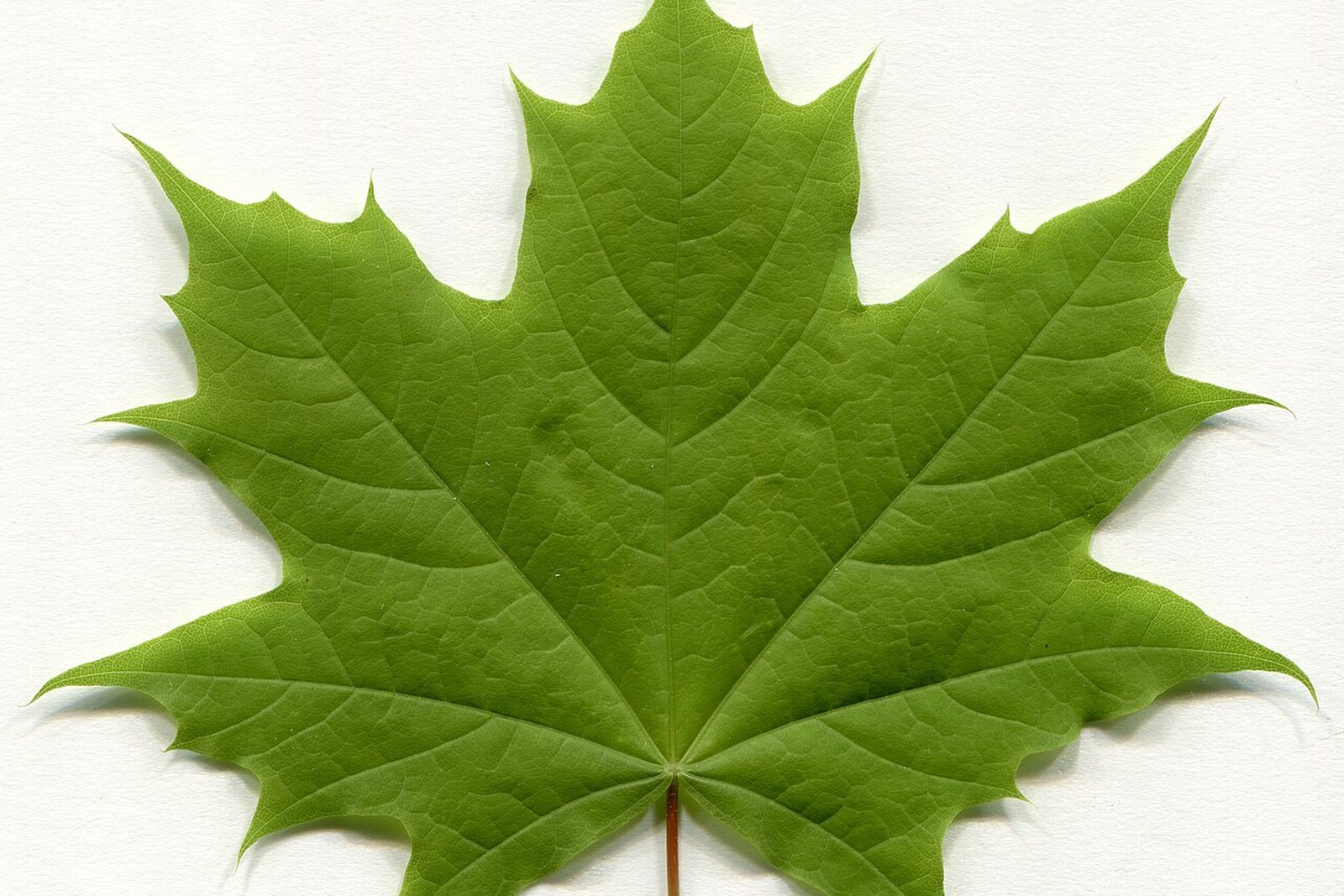
Cornell notes that leaf margins are consistent within a species: sugar maple has a smooth edge, red maple a toothed one, so the same genus can split here. Bark helps most on mature trees: ash, walnut, basswood, hickory, black locust and red oak have ridged and furrowed bark, black cherry has plates described as burnt potato chips, and American beech stays smooth. Young trees are the exception, because most young bark is smooth.
Fruit is the best clue when it exists. Maples have paired winged seeds, acorns point to oaks, and cones point to conifers. The same article adds that pines carry needles in clusters (fascicles) and that the number of needles per cluster usually identifies the species.
How to photograph a tree so an app can name it
- Leaf, top and underside. Photograph one typical leaf on a plain background, in daylight, sharply focused. Include the edge.
- The twig. Show how the leaves attach: pairs or staggered, and the bud at the base of the stalk. This one photo is often the most valuable.
- Bark of the trunk. Take it at head height, close enough to see ridges or plates.
- Fruit, seeds or flowers if you can see any, even on the ground beneath the tree.
- The whole tree. Stand back to show its shape and size.
Flori can identify plants from a photo, so the leaf and twig shots are a good start, and the extra pictures help it compare near relatives. Treat the result as a lead and verify it against the key above. Our guide on how accurate plant identifier apps are explains why apps often get the genus right before the species, so a second photo of the bark or fruit is a smart habit.
Common mistakes when identifying trees
| Mistake | Why it misleads | Fix |
|---|---|---|
| Counting leaflets as leaves | A compound leaf looks like a small branch of leaves | Find the bud: leaflets never have one at their base (Cornell) |
| Judging by one leaf | Leaves vary on a tree and between sun and shade | Photograph several leaves and the twig |
| Reading young bark | Most young trees have smooth bark | Use bark only on a mature trunk |
| Trusting autumn colour | Colour changes with weather, and many trees turn yellow or red | Use shape, arrangement and fruit instead |
| Ignoring the season | In winter there are no leaves to check | Use buds, leaf scars, twig colour and bark |
How do you identify a tree in winter?
Twigs carry the same information as leaves. Cornell says twigs are useful almost year-round, except for about a month in spring. Buds and leaf scars show whether leaves were opposite or alternate, and Cornell lists bud scales, twig colour, stoutness, straight or zigzag growth, lenticels and stipule scars as further clues. A fallen leaf under the tree, a few buds on a bare twig and the bark together often settle the question. Note too that bark helps most on a mature trunk.
Is it safe to eat from a tree you have identified?
Naming a tree is not the same as knowing its fruit, nuts or leaves are safe to eat. Do not eat anything from a tree on the strength of an app result. For edible use, ask a local expert or a trusted regional guide.
Where do you go after you have the name?
Once you have the name, add the tree to your collection by location and keep notes on it: see how the plant collection and care log work in Flori. If you are planting rather than identifying, our guide on when to plant fruit trees covers timing.
Frequently asked questions
What is the easiest way to identify a tree by its leaves?
Decide whether the leaf is simple or compound, then whether leaves are opposite or alternate on the twig. Those two answers narrow the choices quickly. Then compare the leaf edge, fruit and bark.
How do I tell a compound leaf from a branch of simple leaves?
Look for a bud. According to Cornell Cooperative Extension, a leaf has a bud where it connects to the twig, but a leaflet never has a bud where it attaches to the central stalk.
Which trees have opposite leaves?
Cornell lists maples, ashes and dogwoods among the trees with opposite branches. Most other trees have alternate leaves, which is why opposite leaves are a useful clue.
Can an app identify a tree from a leaf photo?
It can give a useful lead, but apps often get the genus before the species. Add photos of the twig, bark and any fruit, and check the result against the key above.
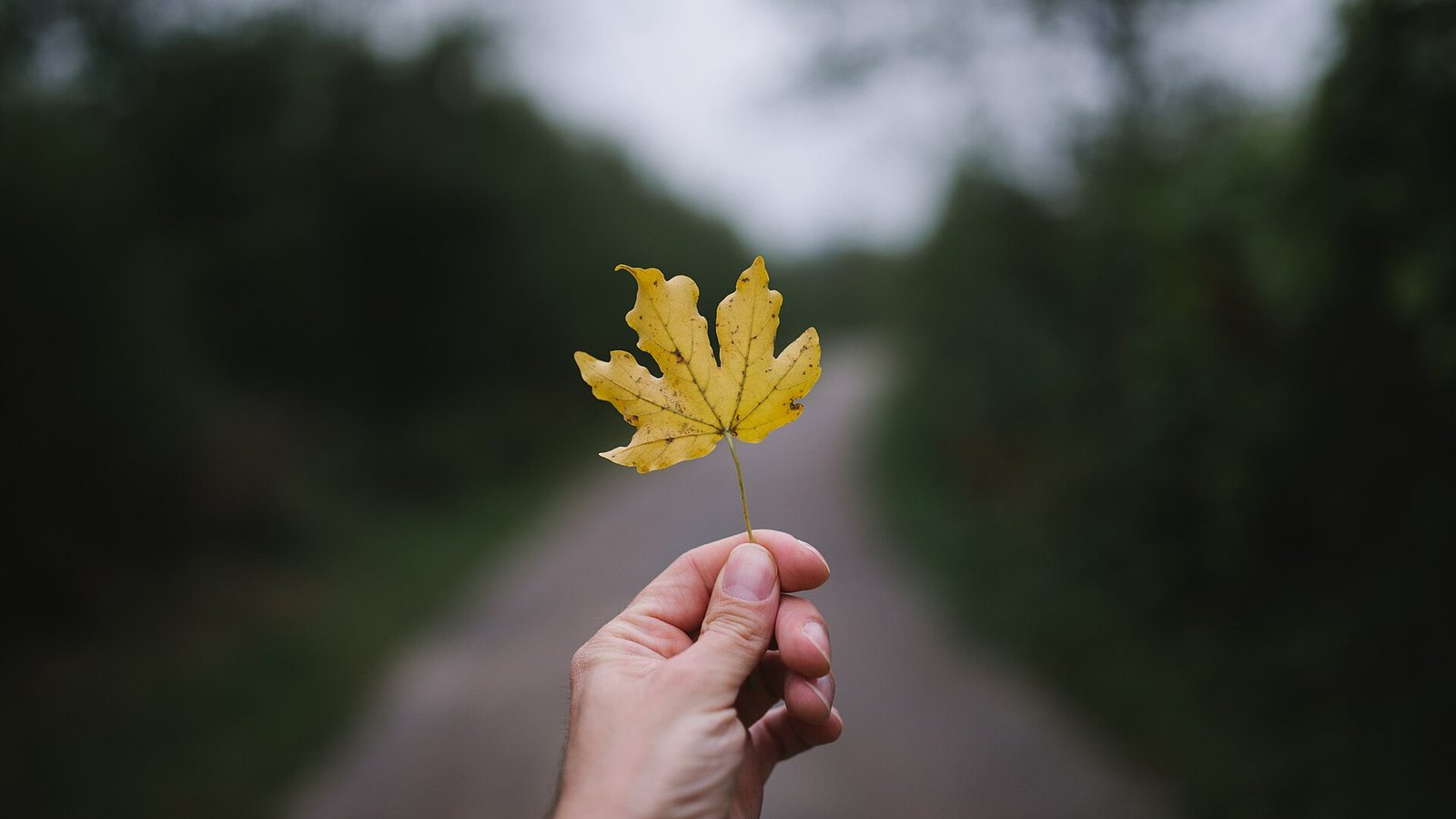
How to identify a plant from a photo: what to shoot for houseplants, flowers, trees and wild plants, how to frame it, and how to double-check the name.
Sources
Written and fact-checked by the Flori team. Every guide cites horticultural sources such as the RHS, university extension services and the ASPCA, and is updated when the advice changes. How we write our guides
General plant care information. Plants vary; when a plant is valuable or a problem spreads quickly, consult a local nursery or plant specialist.