Organize Your Plants by Location and Keep a Care Log
Sort your plants by location in Flori (indoor, balcony, garden), keep a short care log and adjust watering as plants move with the seasons.
 By Flori editorial team · Updated
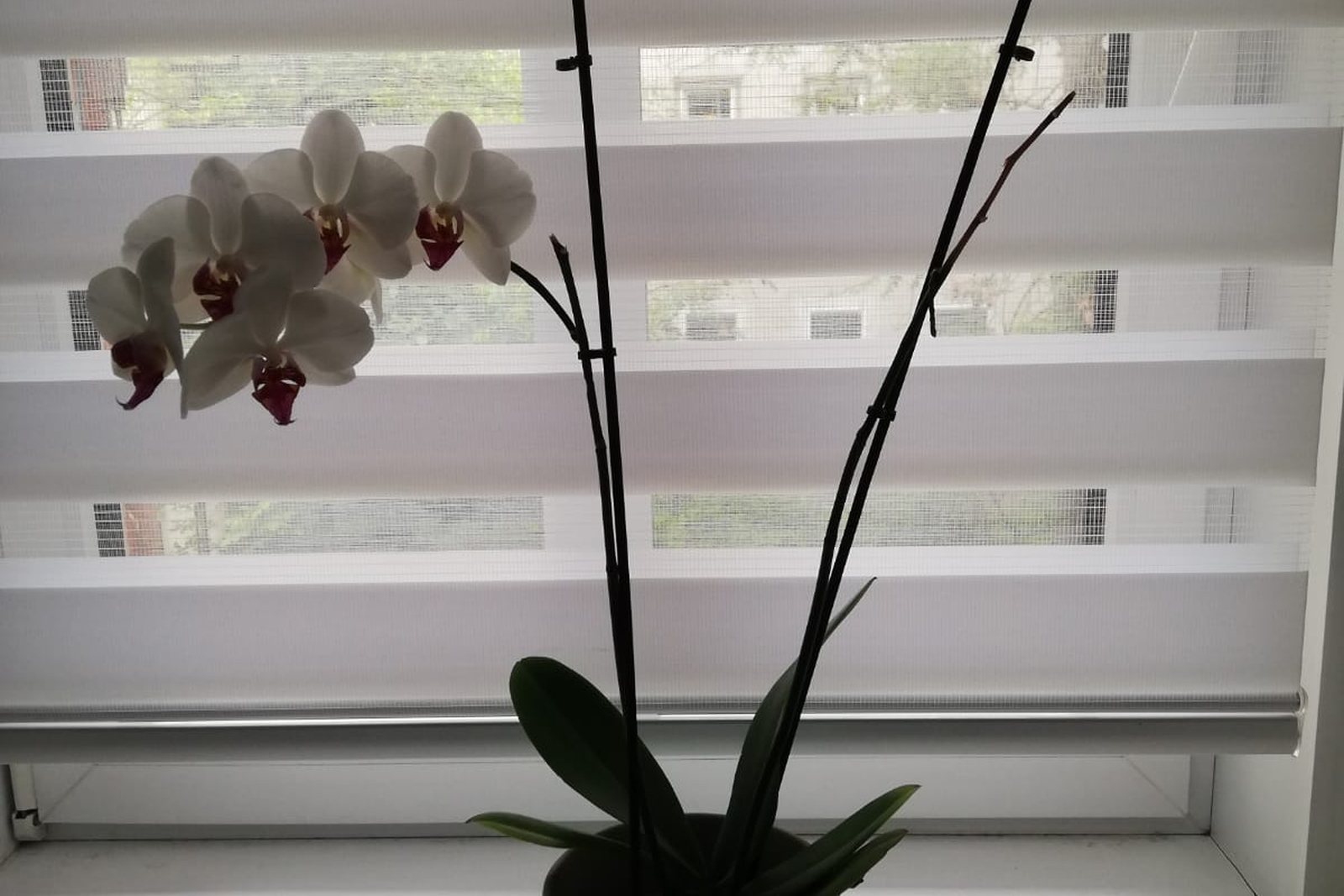
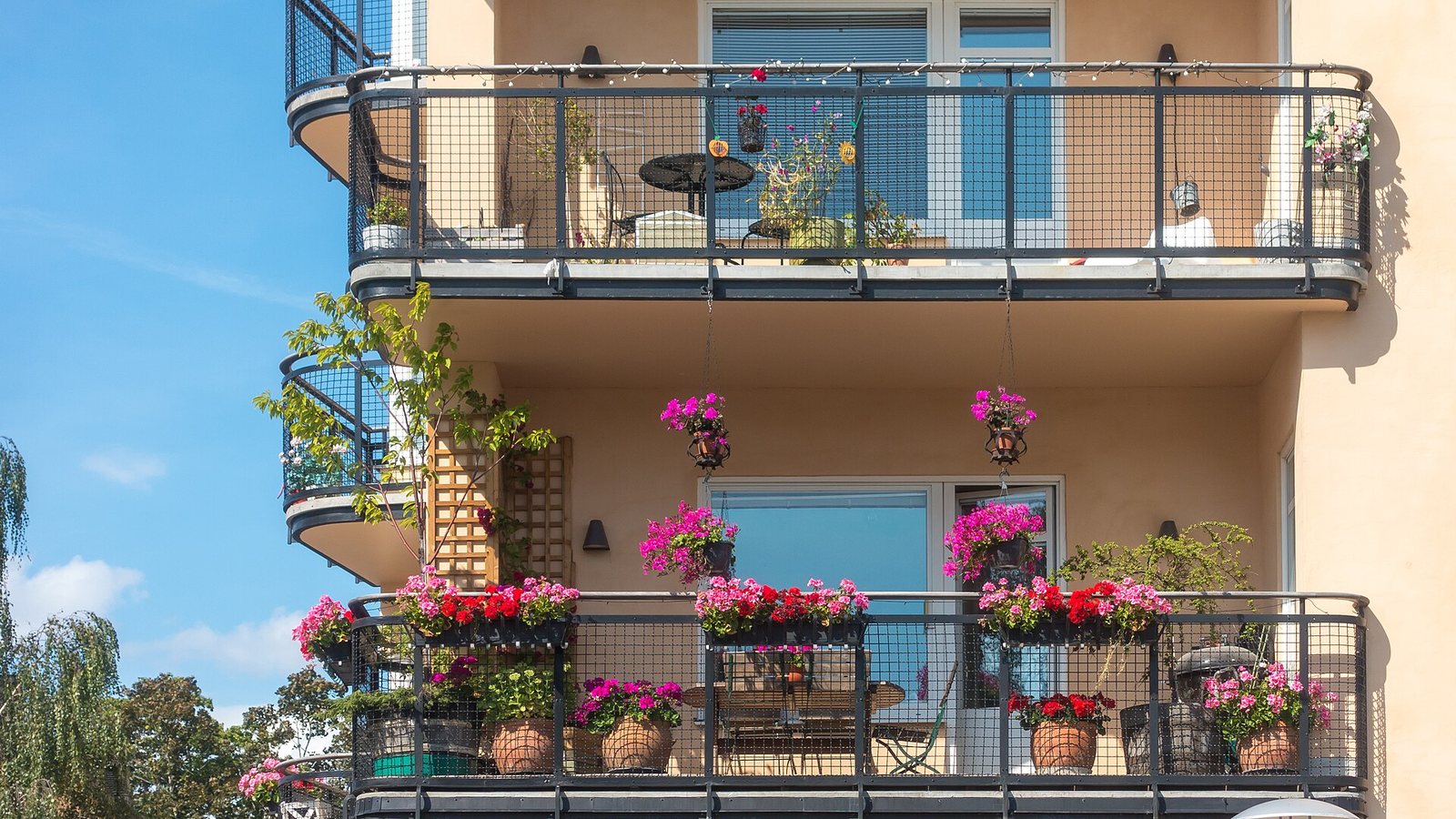 Photo: Frankie Fouganthin · CC BY-SA 4.0
In Flori, add each plant by photo or name, file it under indoor, balcony or garden, read its care profile and turn on reminders. Keep a care log of waterings and skips, feeding, repotting, moves and odd symptoms. After a month the log shows each plant's real rhythm, so you can adjust it per location and season.
Key takeaways
- Place decides care: light, heat and drying speed differ between a north window, a radiator shelf and a balcony.
- In Flori, file each plant under indoor, balcony or garden, then read its care profile and turn on the reminders you need.
- Log waterings and skips, feeding, repotting, moves and odd symptoms; after a month the log shows the real rhythm.
- Moving plants outdoors needs a shaded start over 10 to 14 days; bring them in when nights fall to about 10 °C (50 °F).
- On the Free plan, reminders cover up to three plants, so start with the ones that suffer first.
On this page7
Why organise your plants by where they live?
A plant collection is easier to look after when it is sorted by place, because the place decides the care. A fern on a bathroom shelf and a cactus on a balcony dry out at different speeds, need different light and meet different weather, so one shared schedule fits neither. This guide shows how to organise your plants by location in Flori (indoor, balcony or garden), how to keep a care log that turns guesses into a rhythm, and what to do when a plant moves between places with the seasons. It builds on our guide to setting up watering reminders in Flori, which covers the reminders themselves in more detail.
Extension services give the reasons. The RHS says plants in cool rooms need watering less often than those in warm rooms, and that central heating lowers air humidity, so pots dry out faster in winter. Illinois Extension lists plant type, temperature, humidity, light, pot size and drainage among the factors that decide how often a plant needs water. Most of those factors are decided by where the pot stands.
| Place | What differs | What it means for care |
|---|---|---|
| South- or east-facing window | The most abundant light (Iowa State) | Fast drying, good for sun-lovers; in a hot summer, strong sun through glass can scorch susceptible plants (RHS) |
| West-facing window | Plenty of light, but may be too intense for some plants (Iowa State) | Check leaves for scorch; pull back or filter the light |
| North-facing window | Suits low-light plants (Iowa State) | Slower drying, so water less often |
| Near a radiator or draught | Leaf margins can dehydrate near radiators; cold draughts can shock a plant (RHS) | Move away; check the soil more often near heat |
| Balcony or garden | Outdoor light, wind and weather swings | Check moisture often; bring tender plants in before cold nights |
The window directions above are for the Northern Hemisphere; in the Southern Hemisphere swap north and south.
How do you set up your collection in Flori?
- Add the plant. Identify it from a photo or search the plant database by name. Our guide to identifying a plant from a photo explains how to get a clear match.
- Give it a location. File it under indoor, balcony or garden. Group plants that share a place; you will check them on the same round.
- Read the care profile. Each plant has a profile covering light, watering, humidity, temperature and toxicity, so you can see whether the spot suits it. Check the toxicity line before bringing a new plant into a home with pets.
- Measure the light if you are unsure. The Smart light meter helps you decide which spot is brighter; our light-measuring guide shows how.
- Turn on the care reminders you need. Watering, misting, fertilizing, repotting, pruning and progress photos are available. On the Free plan reminders cover up to three plants, so start with the plants that suffer first if you forget.
What should you write in a care log?
A care log is a short note each time you do something to a plant. It does not need to be long: the date and one line. Both Illinois and Iowa State say the same thing about watering, that you water when the plant needs it and not according to the calendar, which means your real routine is a series of checks, and a log is the only way to see the pattern behind them. In Flori the care log keeps a note of when each plant was last watered and how.
| What happened | What to note | What you learn |
|---|---|---|
| Watering | Watered, or skipped because the soil was still damp | The plant's real rhythm; Iowa State says water when the soil is dry about 2.5 cm (1 in) down |
| Feeding | Date and strength | Whether you overfeed; Iowa State feeds once or twice a month in the growing season at half or quarter strength for all-purpose products |
| Repotting or pruning | Date and what you did | When the plant last got fresh mix, and its recovery time |
| Moved to a new spot | From where to where | Whether new leaf drop or fading follows a move |
| Anything odd | Symptom and date | How fast a problem is developing |
| Progress photo | Same view every few weeks | Slow growth or decline you miss day to day |
How do you use the log to fix the watering rhythm?
After a month the log shows a clear pattern. If you skipped three reminders in a row because the soil was wet, lengthen the interval; if the plant was bone dry and drooping each time, shorten it. The same logic works for each place: plants in a warm south window will dry faster than the same plant in a north window. The RHS says plants in cool rooms need watering less often than those in warm rooms, so a plant that moves rooms needs its interval re-checked.

What changes when plants move between locations?
Many collections change with the seasons, and each move deserves a note and a new look at the schedule.
- Out for the summer. Iowa State says to wait until night temperatures stay reliably above 10 °C (50 °F), never to move plants straight into full sun, and to start in full shade, then increase the light over 10 to 14 days. Watch for scorched leaves (too much light) and stretching (too little). Warmer temperatures and more light change how often plants need water, so check moisture often.
- Back in for autumn. Iowa State suggests bringing plants in when nights consistently dip to about 10 °C (50 °F), since several species are damaged below 7 °C (45 °F) and nearly all die at freezing. Check foliage for scale, mealybugs, aphids and whiteflies, rinse it, and let it dry before moving it indoors. For where to stand them after, see where to put houseplants in winter.
- New arrivals. Iowa State says to isolate new plants from other houseplants for 3 to 4 weeks and inspect them often.
- Balcony plants. Hardy plants can stay out in winter; our hardy balcony plants guide lists which ones.
The months for these moves depend on your hemisphere: the Northern Hemisphere moves plants out in late spring and in again in early autumn, while the Southern Hemisphere does the reverse, in roughly the opposite months.
A ten-minute weekly round
- Pick one location and check the soil of each plant with a finger, as Illinois suggests, to about 5 cm (2 in) deep.
- Water only the plants that are dry, and log both the waterings and the skips.
- Look at the undersides of a few leaves for pests, and note anything new.
- Rotate the plants that lean toward the light, and move any that sit too near a radiator or cold glass.
- Take a progress photo of any plant you are watching.
When the log shows a problem
A log makes it easier to describe a problem. If a plant keeps declining, tell Dr. Flori what the log says, such as the watering dates and the move, or send a photo: it asks follow-up questions, names the likely cause, says how urgent it is and gives a recovery plan. On the Annual Premium plan, a sick plant can also go into the Plant Hospital with a follow-up plan; our Plant Hospital guide shows the routine.
Frequently asked questions
Can I organise my plants by room in Flori?
Flori files plants by location: indoor, balcony or garden. For room-level conditions, read each plant's care profile and note where it stands when you log what you do.
What should a plant care log include?
The date and one line: watered or skipped, fed, repotted or pruned, moved, or any odd symptom. A progress photo every few weeks shows slow changes.
How many plants can I set reminders for on the Free plan?
Up to three plants. The 30-Day Care Pack and Annual Premium remove that limit.
When can I move houseplants outside for the summer?
Iowa State says to wait until night temperatures stay reliably above 10 °C (50 °F), start them in full shade and increase the light over 10 to 14 days.
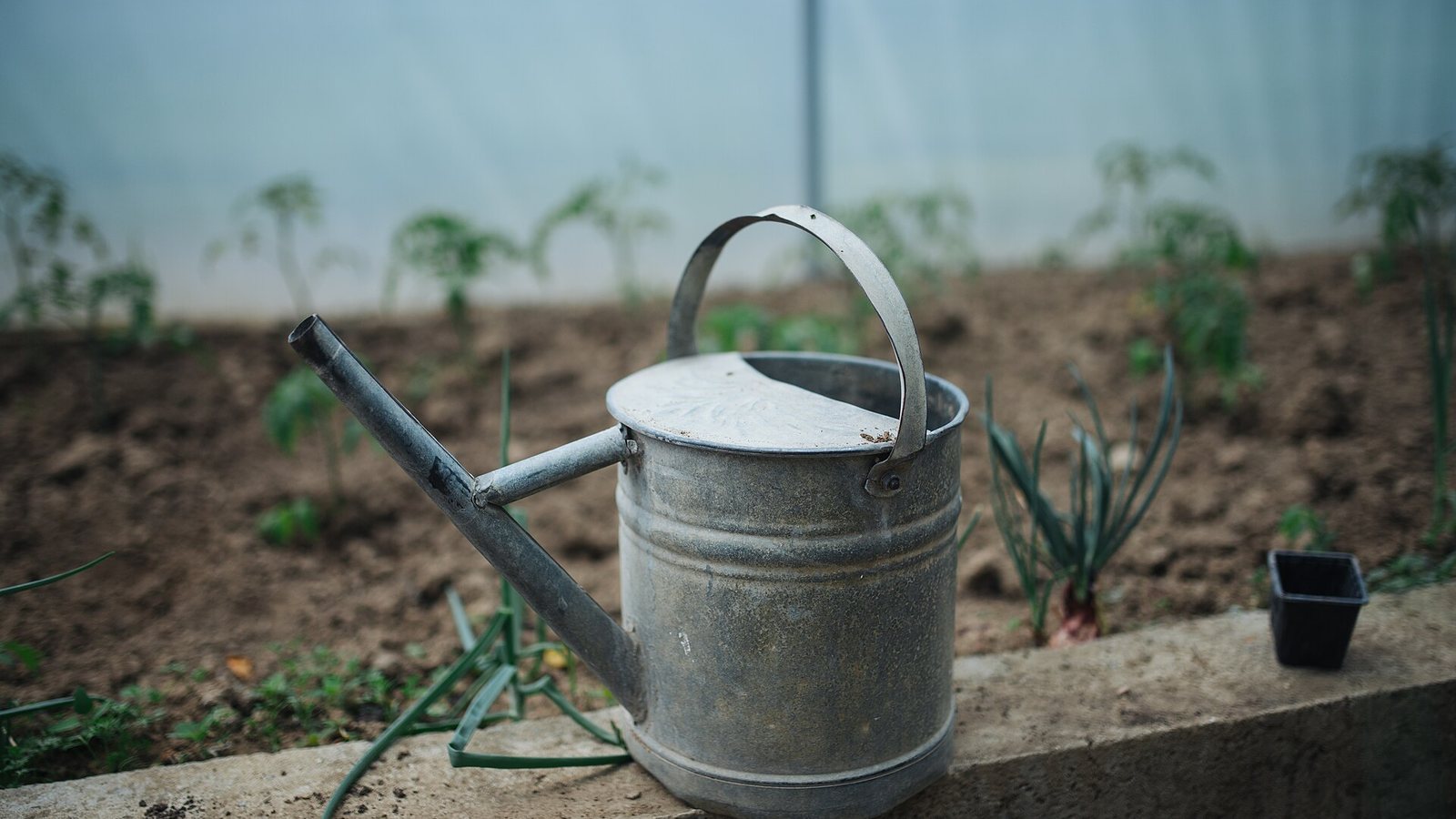
Set up watering reminders in Flori: add the plant, read its care profile, check the soil at each alert and adjust the rhythm by season.
Sources
Written and fact-checked by the Flori team. Every guide cites horticultural sources such as the RHS, university extension services and the ASPCA, and is updated when the advice changes. How we write our guides
General plant care information. Plants vary; when a plant is valuable or a problem spreads quickly, consult a local nursery or plant specialist.