How Dr. Flori Diagnoses Plant Problems
How Dr. Flori diagnoses plant problems: what to send, why it asks follow-up questions, how to read the likely cause and urgency, and what comes next.
 By Flori editorial team · Updated
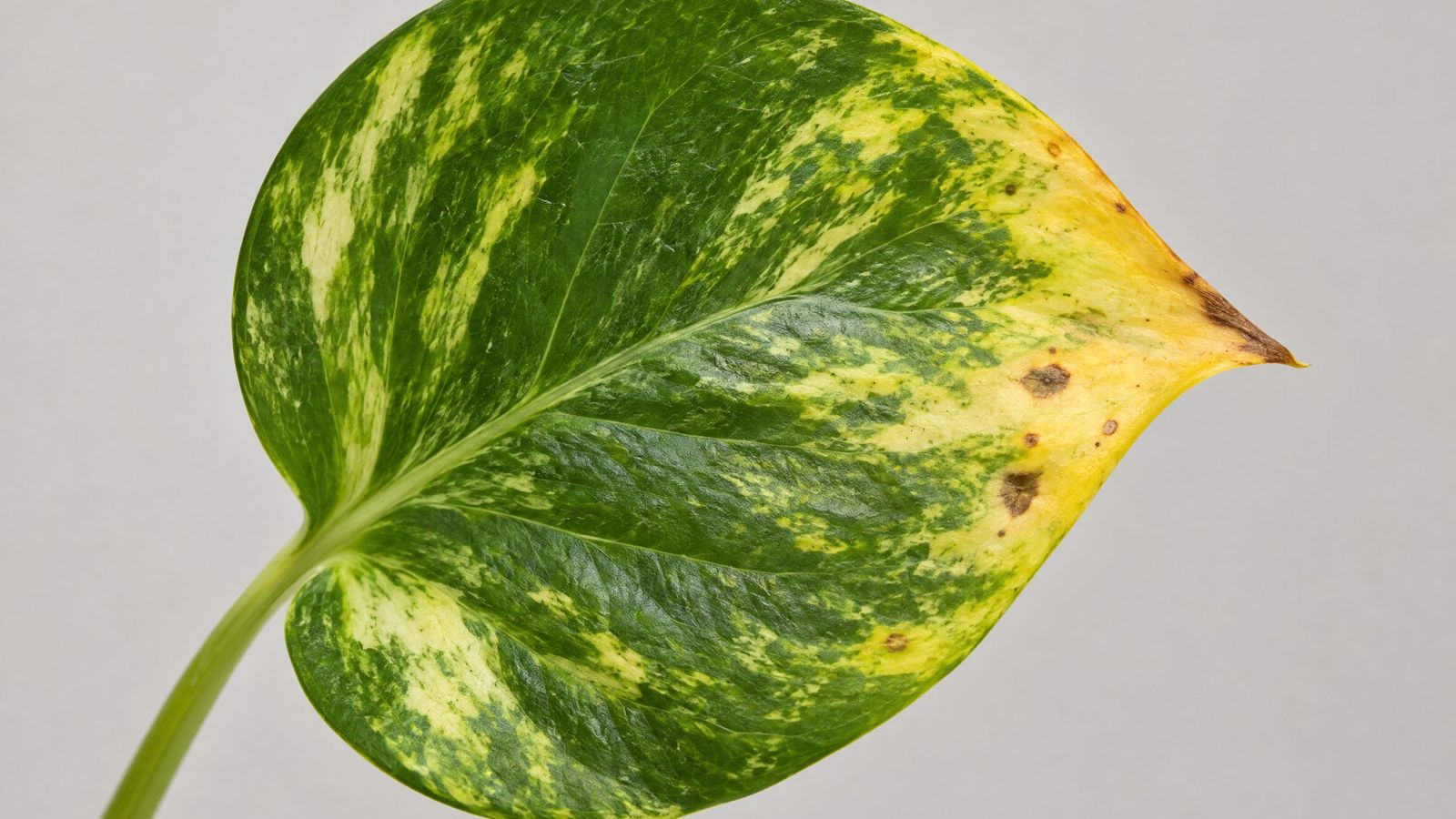
Dr. Flori is the diagnosis chat in the Flori app. You send a photo or describe the problem, it asks follow-up questions to fill in the details, then names the likely cause, says how urgent it is and gives a recovery plan. Sick plants can then stay under watch in the Plant Hospital.
Key takeaways
- Dr. Flori works from a photo or a written description of the problem.
- Follow-up questions matter because one symptom, such as wilting, can have opposite causes.
- The answer is the likely cause plus how urgent it is and a recovery plan; check it against the plant.
- Have the plant's name, last watering, soil moisture, location and recent changes ready.
- The Plant Hospital and progress photo reminders help you follow the plant after the diagnosis.
What is Dr. Flori and how does it diagnose plant problems?
Dr. Flori is the diagnosis chat inside the Flori app. You start with a photo of the plant or a description of what you see, Dr. Flori asks follow-up questions, and then it names the likely cause, says how urgent the problem is and gives a recovery plan. This guide explains what each of those steps is for and how to get a better answer from it. If your question is mainly how to take good photos of a sick plant, our guide on how to diagnose a plant disease from a photo covers the five shots to take. Here the focus is on the conversation itself and what happens after the diagnosis.
The four steps of a diagnosis
| Step | What Dr. Flori does | What helps you get a better answer |
|---|---|---|
| 1. Start | Takes a photo or a written description of the problem | Name the plant if you know it, describe what changed and since when |
| 2. Follow-up questions | Asks for the details a first photo or description leaves out | Answer with facts: dates, soil feel, where the plant stands |
| 3. Likely cause and urgency | Names the most likely cause and says how urgent it is | Read it as the most likely cause, then check it on the plant |
| 4. Recovery plan | Gives the steps to take | Change one thing at a time and watch the plant for a week or two |
Why does Dr. Flori ask follow-up questions?
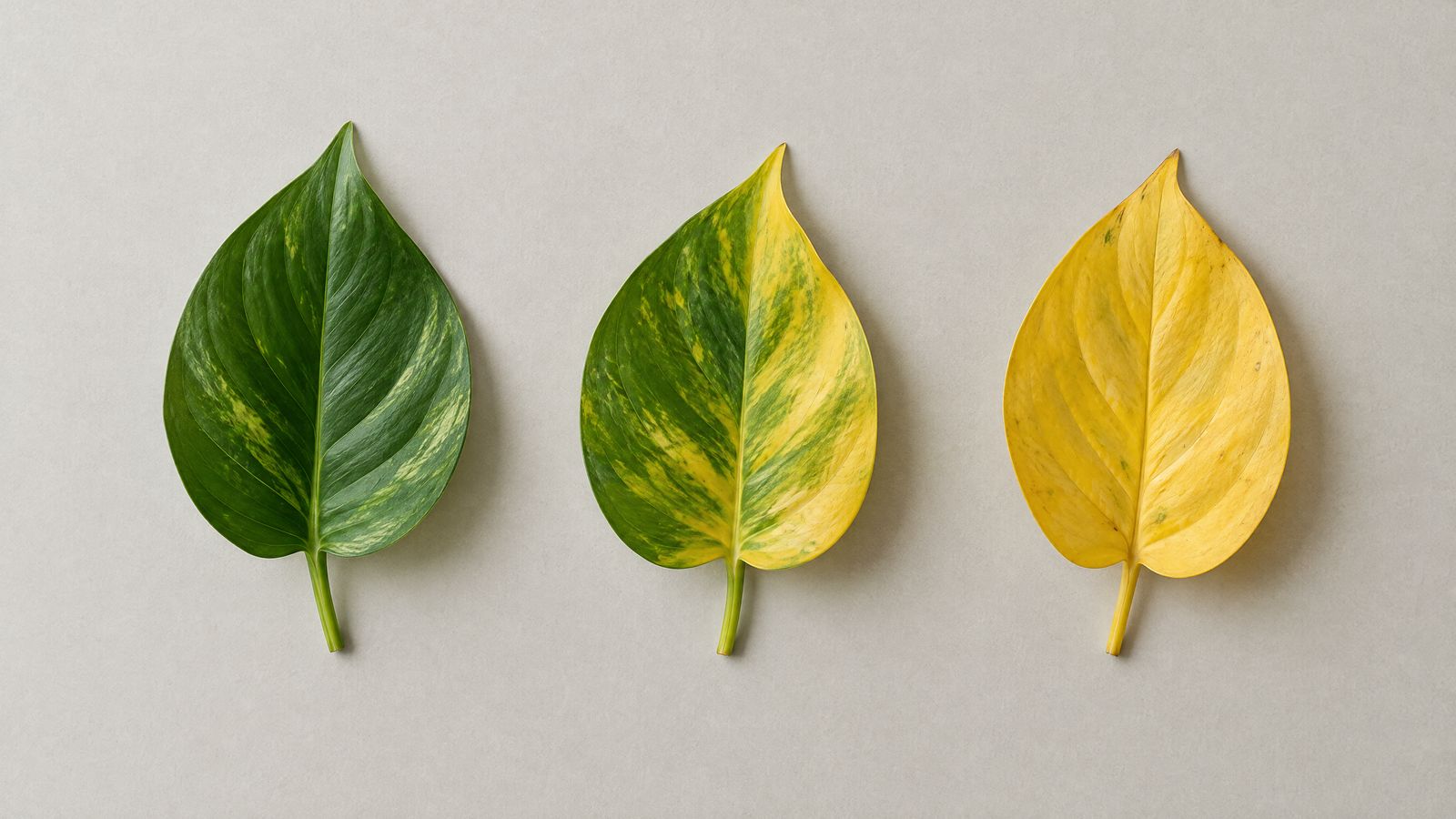
Because the same symptom can have opposite causes. The Royal Horticultural Society (RHS) points out that a wilting plant can look thirsty when it is actually overwatered, and that problems often arise in winter from overwatering, poor light or dry air. Iowa State University Extension calls overwatering a common reason houseplants fail and notes that too much fertiliser causes browning, yellowing and leaf drop too. A single photo cannot tell these apart; a few answers usually can. This table shows the kind of detail that separates look-alike problems:
| Symptom | Possible causes | The detail that tells them apart |
|---|---|---|
| Wilting | Underwatering or overwatering | Is the soil dry or wet a few centimetres down? Wet soil and wilting together point to overwatering (RHS). |
| Yellow leaves | Overwatering or underwatering | Old and new leaves yellowing together suggests overwatering; older lower leaves going first on a dry plant suggests underwatering (RHS). |
| Brown tips and edges | Dry air, underwatering or fertiliser salts | Is the heating on? Was the plant fed recently? Is there a white crust on the soil or pot (Iowa State)? |
| Pale, spindly growth | Too little light | How far is the plant from the window, and which way does it face (RHS)? |
| Scorched brown patches | Too much direct sun | Does it sit in direct sun or was it moved recently (RHS)? |
| Sticky leaves, stunted growth | Sap-feeding pests | What is under the leaves? Mealybugs, scale and aphids leave sticky honeydew (Iowa State). |
What to have ready before you start
You will get a faster, more useful answer if you can answer these questions without guessing:
- The plant's name. If you do not know it, identify it from a photo first, or search the plant database by name.
- When you last watered, and whether the soil is wet or dry a few centimetres (about 1 in) down. The RHS recommends pushing a finger into the compost to check.
- Where it stands: which window, how far from it, and whether it is near a radiator, a draught or cold glass.
- Recent changes: a move, a new pot, a dose of fertiliser, a cold night, a holiday.
- What is under the leaves. Iowa State notes that spider mites, whiteflies and scale feed mostly on the undersides. For mites, tap a leaf over white paper and watch for moving specks.
How to read the answer
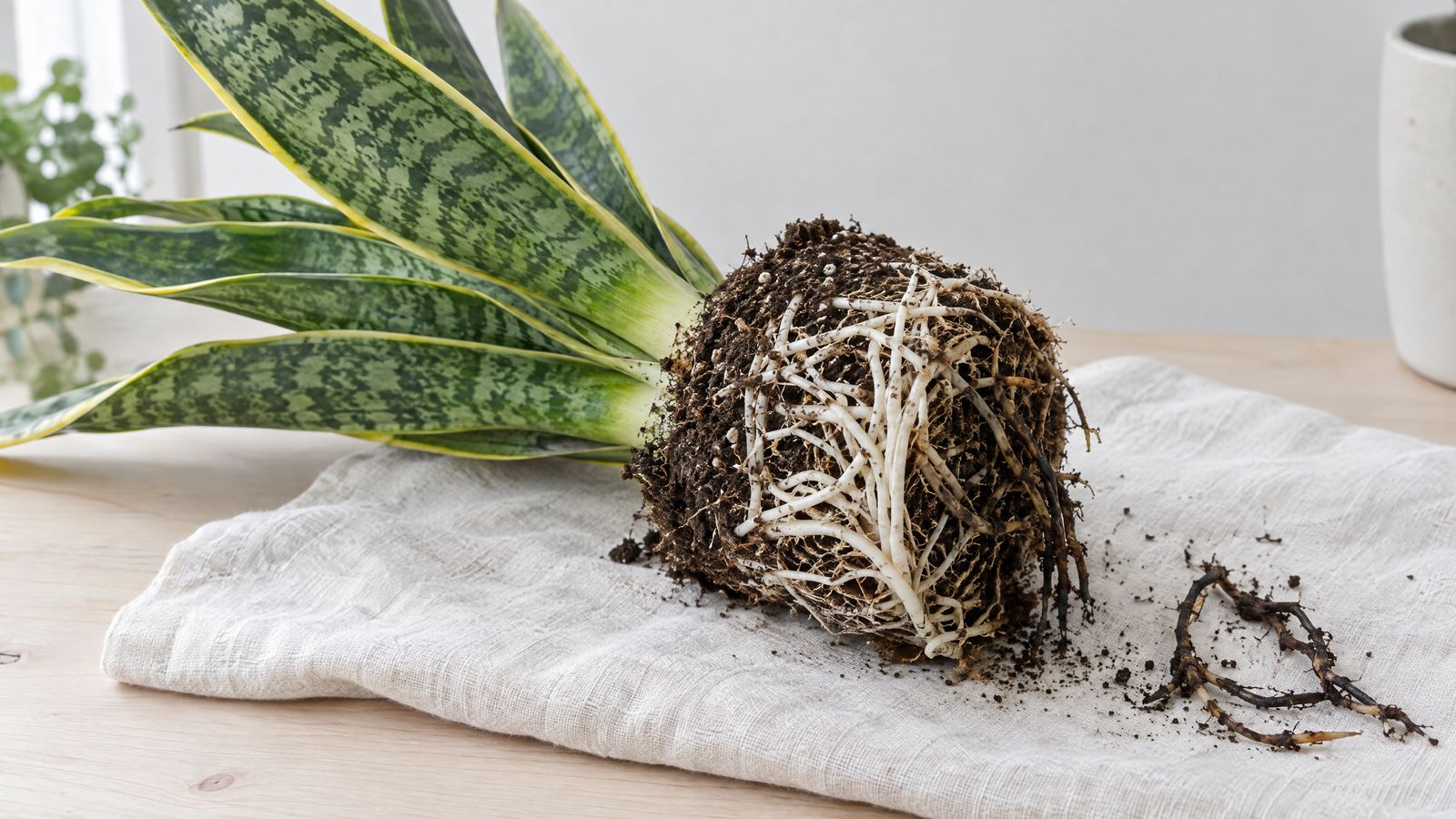
The diagnosis names the likely cause, which is the most probable explanation for what you described, not a laboratory result. Check it against the plant: if Dr. Flori points to overwatering, the soil should be wet and, when you look, the roots may be dark and soft. If what you find does not match, tell it so in the chat, since new details may point to a different cause.
The urgency tells you what to do first. As a general rule, a plant collapsing in wet soil needs attention today, because root rot spreads, while one old yellow leaf on an otherwise healthy plant can wait and be watched. If pests are involved, isolate the plant so they do not spread to the rest of your collection, as Iowa State advises.
The recovery plan gives the steps in order. Follow them one at a time rather than changing watering, light and pot on the same day; otherwise you will not know what worked. If the plan includes a treatment, start with the least toxic option and follow the label. The RHS does not recommend fungicides on houseplants and prefers non-chemical controls.
What happens after the diagnosis?
- Plant Hospital. A sick plant can be kept under watch in the Plant Hospital with a follow-up plan, so its recovery does not depend on your memory.
- Progress photo reminders. Photograph the same leaf a week later. A spot that stays the same size is usually old damage; one that keeps growing is active.
- Care reminders for watering, misting, fertilising, repotting and pruning, adjusted to the new routine.
- Lab tools and the care library. The Lab tools help with pest analysis and soil checks, and the care library explains pests, leaves, roots, soil, watering and light in more depth.
For common problems you can also read our guides directly: yellow leaves, leaves falling off and the root rot rescue plan.
What Dr. Flori cannot do
- See inside the pot. Roots and soil moisture under the surface only show up when you check them by hand.
- Replace a lab test. For a valuable plant or a disease spreading through a garden, a local extension service or plant clinic can examine a sample.
- Make a mushroom safe to eat. Flori can suggest a name for a wild mushroom from a photo, but no app or photo can make a wild mushroom safe to eat. Ask a local expert.
- Fix a care problem on its own. Iowa State notes that poor care often leads to stress that makes plants prone to pests and disease, so the recovery plan only works if the routine changes too.
Which plan includes Dr. Flori?
The Free plan includes 2 diagnoses a month (plus 2 identifications and reminders for up to 3 plants). The 30-Day Care Pack is a one-time option, and Annual Premium includes unlimited diagnoses, the Plant Hospital, the full care library and no ads. The app itself is available in 17 languages.
Frequently asked questions
Can Dr. Flori diagnose a plant without a photo?
Yes. Dr. Flori works from a photo or from a written description. A clear photo helps, but precise answers to the follow-up questions matter just as much.
How many diagnoses do I get on the Free plan?
The Free plan includes 2 diagnoses a month. Annual Premium makes diagnoses unlimited and adds the Plant Hospital.
What if the diagnosis does not match what I see?
Check the plant, including the soil and the leaf undersides, and tell Dr. Flori what you found in the chat. New details may point to a different cause.
Can Dr. Flori tell me if a mushroom is edible?
No. Flori can suggest a name for a wild mushroom from a photo, but no app or photo can make a wild mushroom safe to eat. Ask a local expert.
Sources
Written and fact-checked by the Flori team. Every guide cites horticultural sources such as the RHS, university extension services and the ASPCA, and is updated when the advice changes.
General plant care information. Plants vary; when a plant is valuable or a problem spreads quickly, consult a local nursery or plant specialist.