Using the Plant Hospital to Nurse a Sick Plant
How to use Flori's Plant Hospital: admit a sick plant, isolate it, follow the plan, track progress photos and know when it has recovered.
 By Flori editorial team · Updated
 Photo: Amanda Mocci amandamocci · CC0
The Plant Hospital keeps a sick plant under watch after diagnosis. Admit it once you know the likely cause, isolate it if pests are involved, follow a dated plan, check the soil and leaves every few days, take weekly progress photos, and discharge it after new growth and several clean checks.
Key takeaways
- Diagnose first, then admit the plant with a clear plan.
- Isolate pests and unknown spots, not a plant that is only overwatered.
- Check the soil by finger and take a weekly photo from the same spot.
- New growth plus several weeks without new damage means recovery.
- Pests often need repeat treatments, so one clean check is not enough.
On this page8
- What is the Plant Hospital in Flori, and when do you need it?
- Step 1: Get a diagnosis before you admit the plant
- Step 2: Should a sick plant be moved away from the others?
- What does a follow-up plan look like?
- Why change only one thing at a time?
- How do progress photos show recovery?
- What should you do with damaged leaves?
- When is the plant ready to leave the Plant Hospital?
What is the Plant Hospital in Flori, and when do you need it?
The Plant Hospital is the part of Flori that keeps a sick plant under watch after the diagnosis, with a follow-up plan, so that the recovery does not depend on you remembering what you decided three weeks ago. Most plant problems are not solved in one afternoon. A plant that lost its roots to overwatering, or that is fighting pests, needs days or weeks of small checks, and the usual failure is not the first rescue but the lack of follow-up. This guide shows how to admit a plant, what to check at each visit and how to tell when it has recovered. It is a practical routine you can follow with a notebook too; the app just keeps it in one place. The Plant Hospital is part of the Annual Premium plan.
It is for plants with a problem that will take time: root rot, a pest outbreak, a plant that dropped most of its leaves, a rescued bargain-shelf plant. It is not needed for a single old yellow leaf. For that, watching the plant is enough.
Step 1: Get a diagnosis before you admit the plant
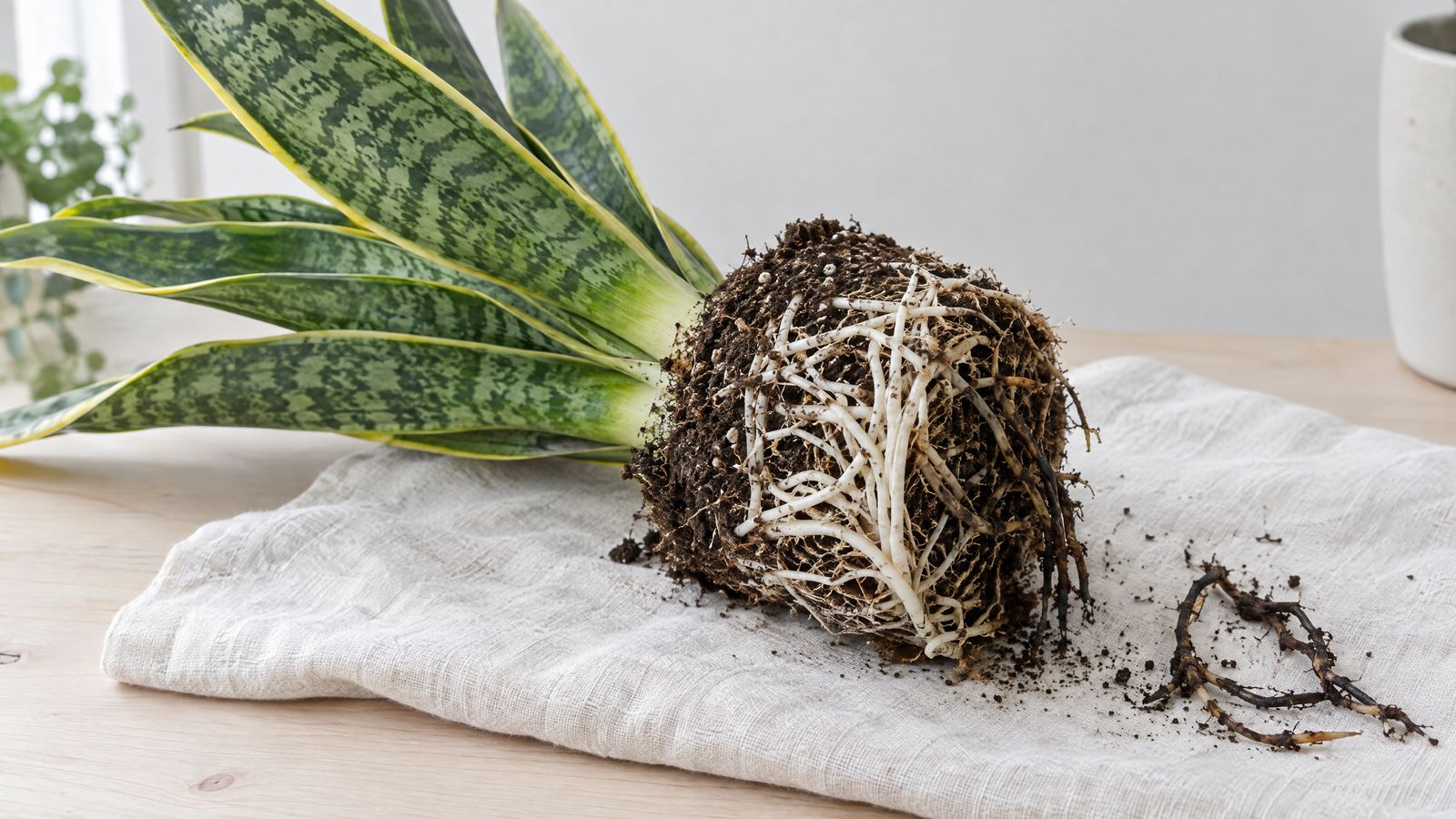
Admit the plant only once you know what you are treating. Describe the problem or send a photo to Dr. Flori, answer its follow-up questions and read the likely cause and the urgency it gives. Our guide on how Dr. Flori diagnoses plant problems explains that conversation. Treat the answer as the most likely cause and check it on the plant itself. The Royal Horticultural Society (RHS) advises checking the compost by pushing a finger a few centimetres (about 1 in) into it, and lifting the plant out of its pot to see whether water is pooling at the base.
Then the plant goes into the Plant Hospital with the plan Dr. Flori gave you. From here the plan, not your worry, decides what happens next.
Step 2: Should a sick plant be moved away from the others?
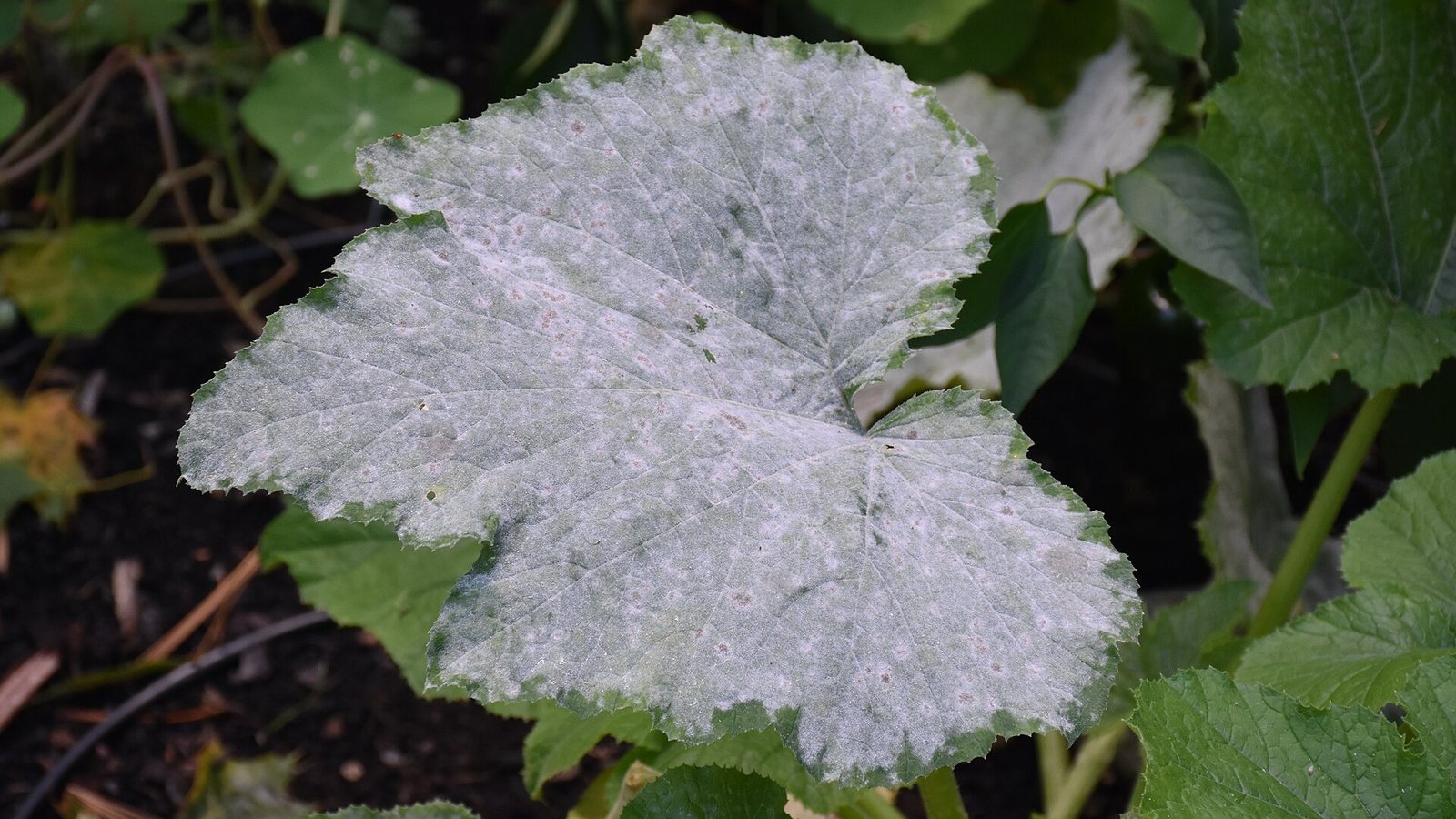
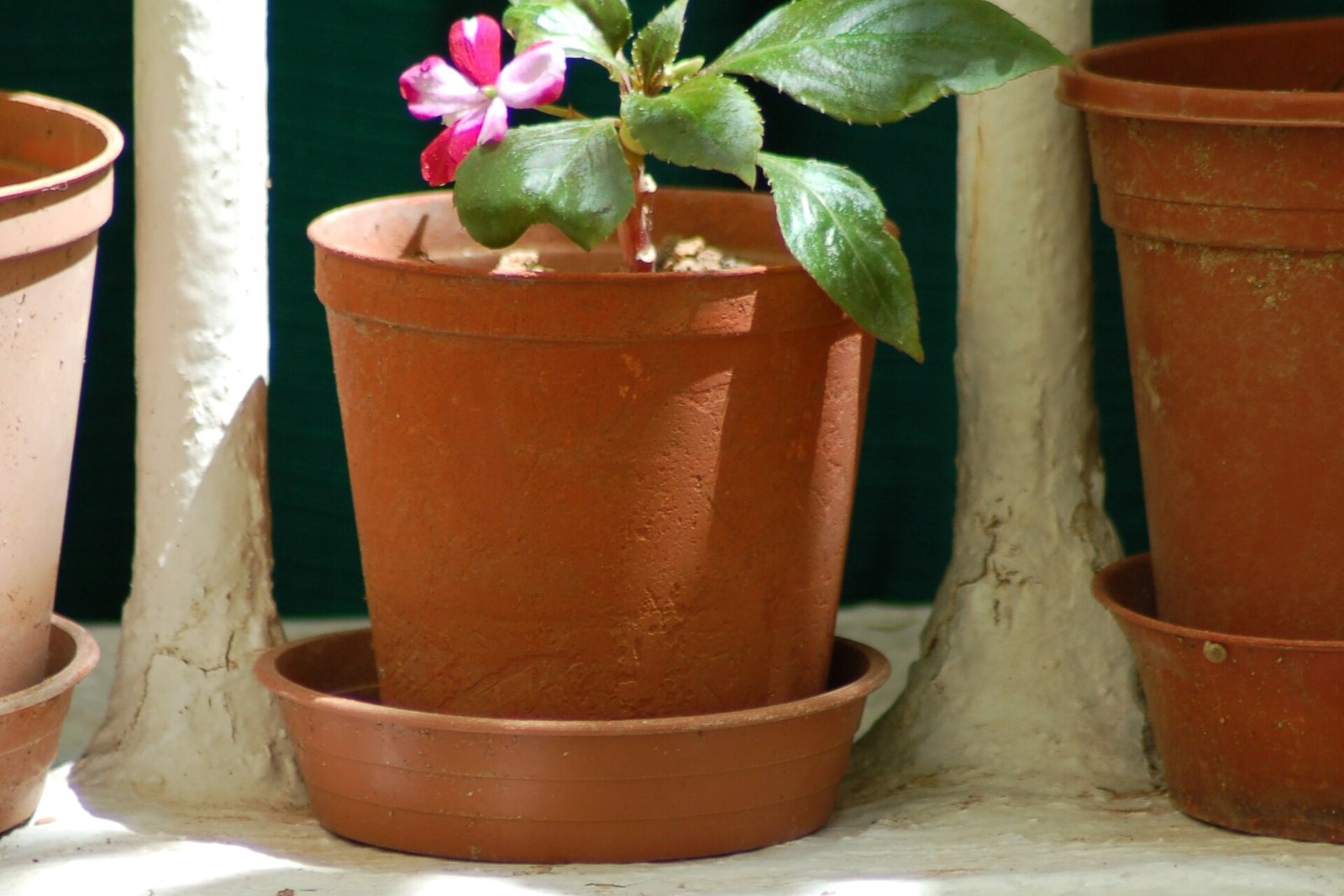
Often yes. The RHS recommends separating a poorly plant from your others until you have identified and resolved the problem. Colorado State University Extension notes that infested plants can spread pests to others and advises keeping new plants in quarantine, in a separate area of the home, for at least three weeks. A pest scare is the main reason to isolate. A plant that is only overwatered cannot infect its neighbours, so it can stay where the light is best.
| Problem | Isolate? | Why |
|---|---|---|
| Pests (mites, scale, mealybugs, aphids) | Yes, straight away | They crawl or spread to neighbouring plants |
| Root rot or overwatering | Not for infection | Move it for light and drainage, not to protect others |
| Leaf spots of unknown cause | Yes, until identified | The RHS advice is to separate the plant until you know what it is |
| Newly bought plant | Yes, for about three weeks | Colorado State advises quarantine and a careful inspection at the end |
If pests are involved, our natural pest prevention guide lists the least-toxic options. Whatever you use, follow the label.
What does a follow-up plan look like?
A good plan is short, specific and has a date on every line. The Plant Hospital keeps the plan and the dates; what you bring to each check is a few facts. This is a typical rhythm for a plant recovering from root problems or pests. Adjust it to what Dr. Flori recommends for your plant.
| When | What to check | What good looks like |
|---|---|---|
| Day 1 | Cause removed: soggy soil replaced, pests wiped off, plant moved to better light | Plant is stable, nothing new is wrong |
| Every 2 to 3 days in the first week | Soil moisture by finger, leaves front and back | Soil dries as the plan says; no new damage |
| Weekly after that | Progress photo from the same spot, new growth, any new pests | No fresh yellowing or spots; the first new leaf or bud |
| After 3 to 4 weeks | Review the plan with the photos side by side | Either clear improvement or a reason to change the plan |
The intervals are a sensible routine, not a rule from a study; slow growers recover more slowly in winter. If the problem is root rot, our root rot rescue plan covers the repotting step in detail. Iowa State University Extension describes healthy roots as firm and white, and rotted ones as mushy and brown or reddish, which is exactly what to look for when you lift the plant out.
Why change only one thing at a time?
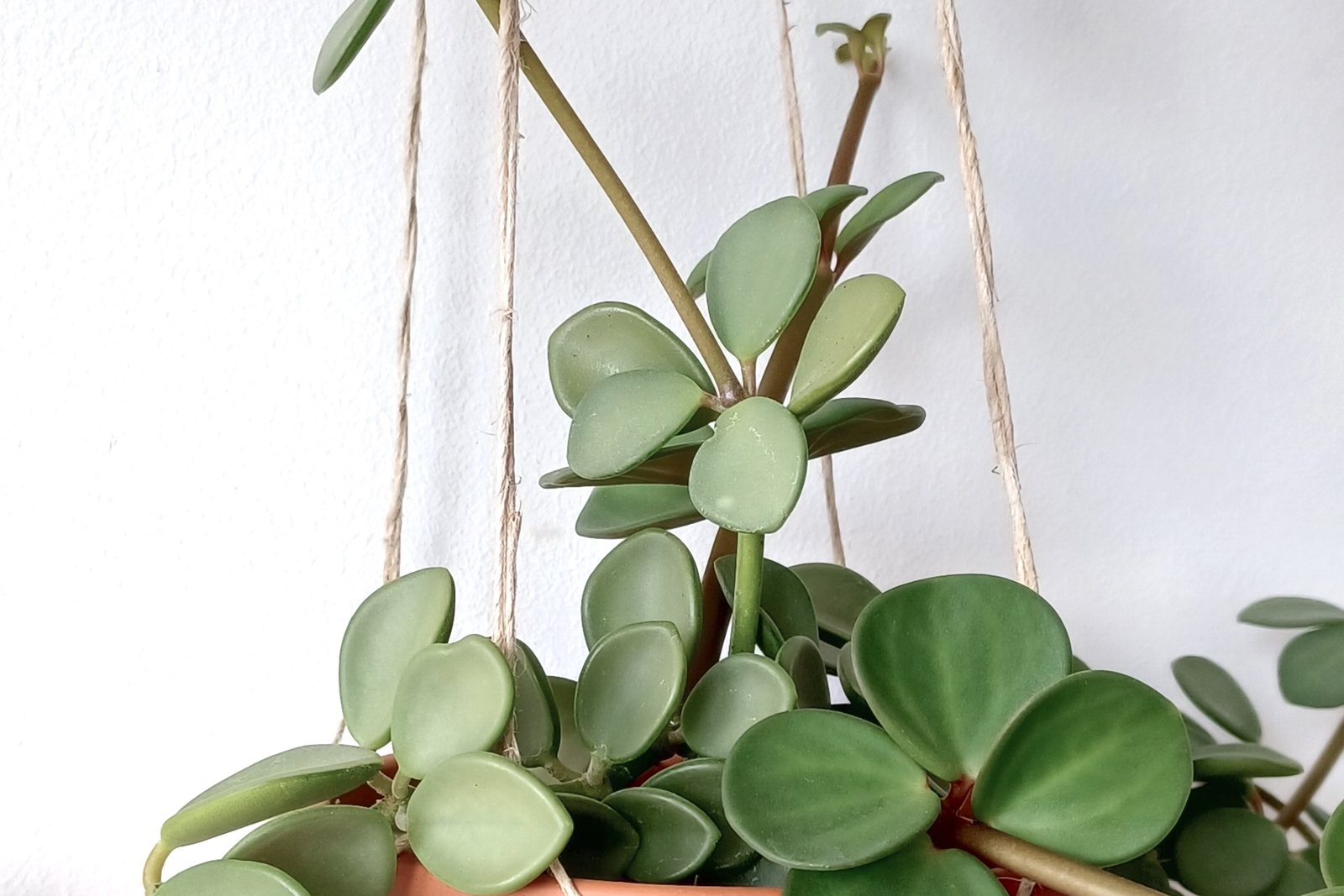
When a plant is sick, it is tempting to move it, repot it, feed it and spray it on the same day. Then if it perks up, or gets worse, you cannot tell why. The RHS does say that sometimes it takes a combination of changes to see improvement, so the aim is not to do one thing ever. The aim is to do the changes the diagnosis calls for, write them down, and leave the rest alone. Fertiliser is the classic mistake: a stressed plant with damaged roots is not helped by extra feed, and salts can add to the damage.
Flori's care reminders help here. Set watering or misting reminders to match the recovery plan rather than the usual routine, and use each one as a prompt to check, not as an order to pour. Remember that the plant's schedule has changed: a plant coming out of root rot needs less water than before, not the same.
How do progress photos show recovery?
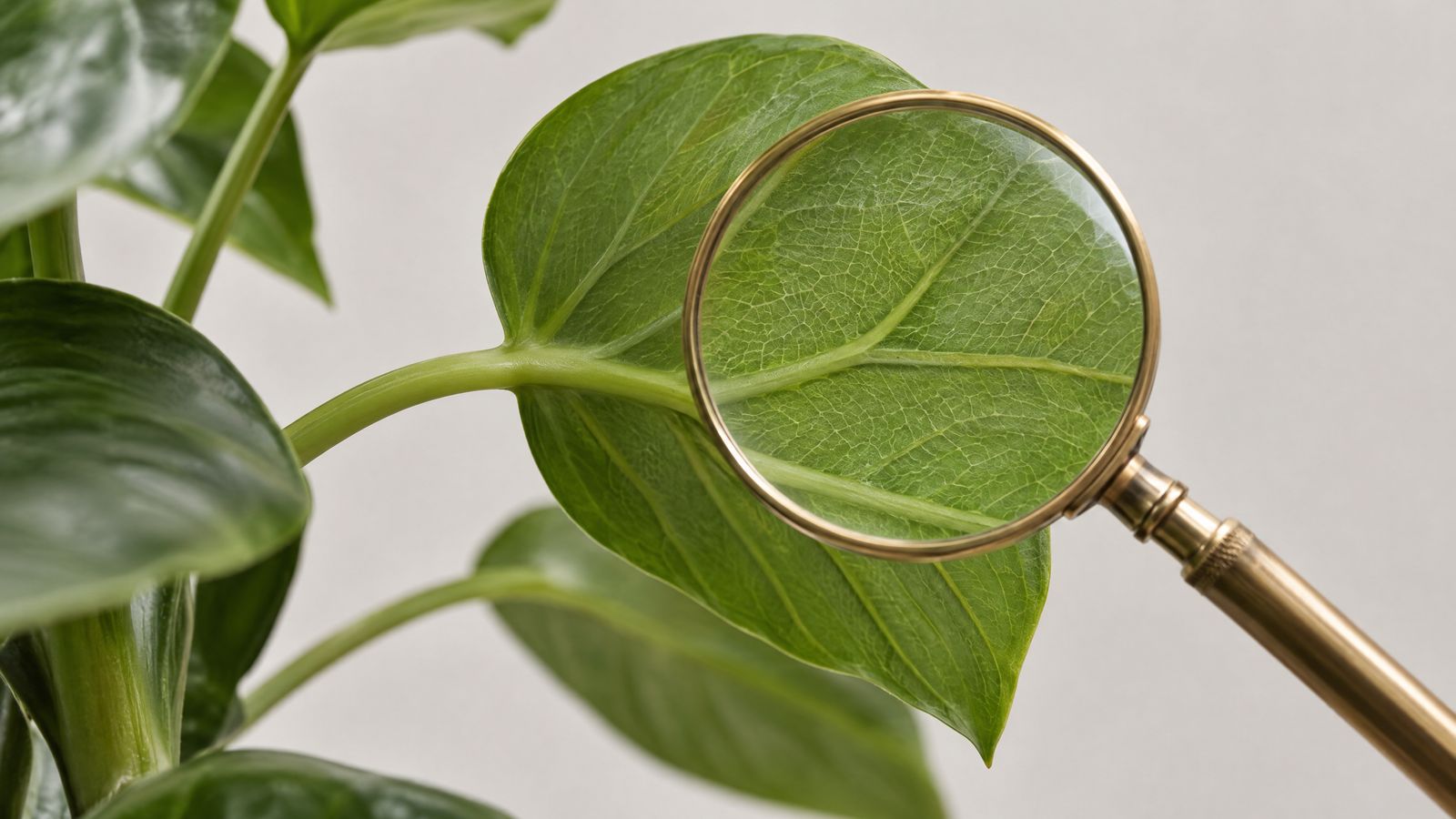
Memory is a poor judge of slow change. A plant that looks much the same every day may look very different in three weeks, and the reverse. Take the progress photo at the same spot, in the same light, from the same angle: one whole-plant shot and one close-up of the worst area. Add a third of the underside of a leaf if pests are involved. Flori can remind you to take them, and the Plant Hospital keeps them with the plan, so you can compare week 1 with week 4.
Look for these signs of recovery, in roughly this order:
- No new damage. The existing damaged leaves stay as they are but nothing else yellows, spots or drops.
- Firm stems and leaves. Wilting stops, and the soil dries at a normal pace.
- New growth. A fresh leaf, bud or shoot is the clearest sign. The RHS notes that many houseplants recover quickly once conditions improve.
What should you do with damaged leaves?
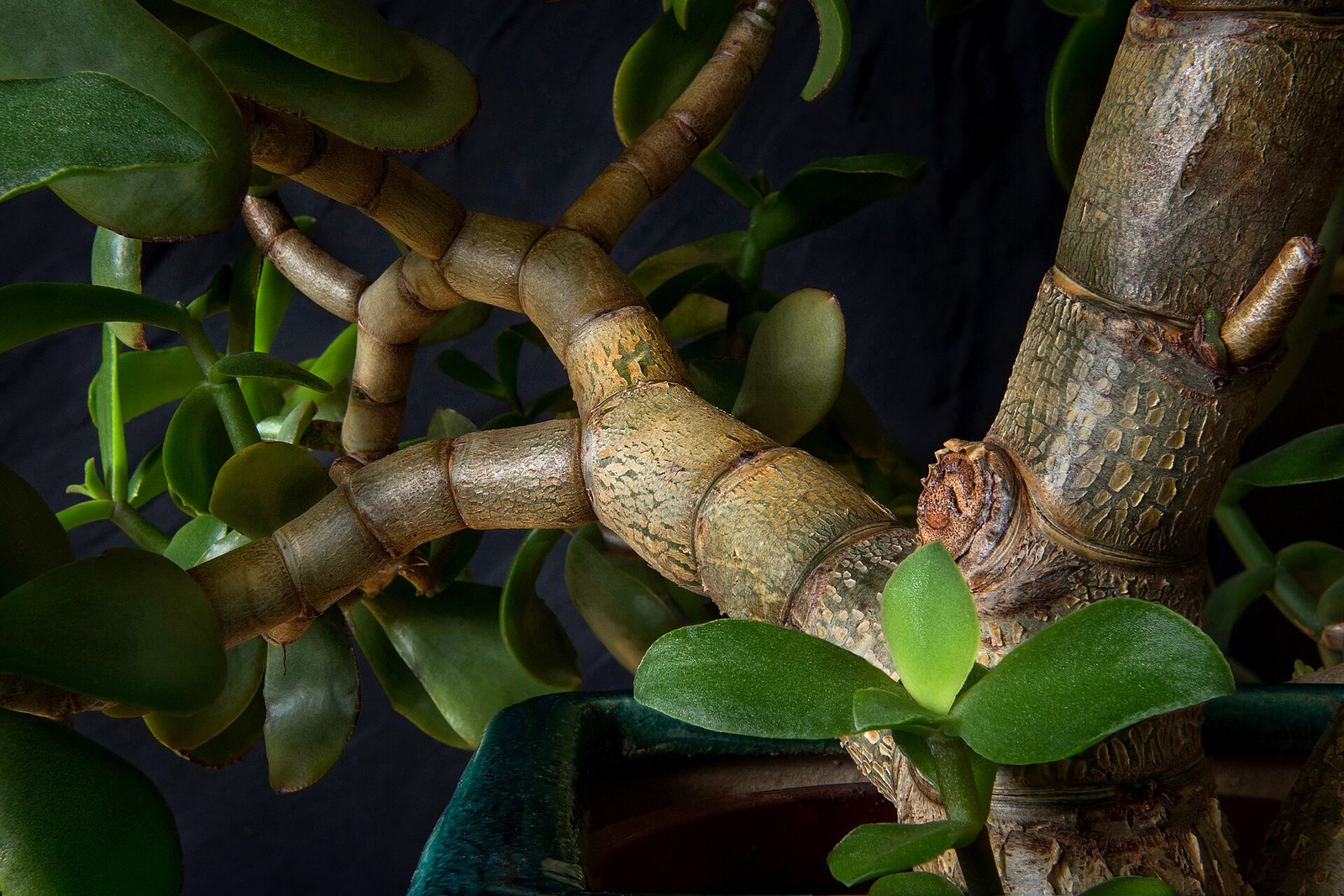
Leaves that are completely brown or completely yellow will not recover, and the RHS suggests removing them with clean secateurs or scissors. Leave mostly green leaves in place until a fresh flush of growth appears, because removing too many can delay recovery. A plant needs its green leaves to feed itself while the roots heal.
When is the plant ready to leave the Plant Hospital?
Discharge a plant when it has grown new leaves, shows no fresh damage over several consecutive weekly checks, and no pests turn up when you inspect it. Then return it to your normal collection and its ordinary care reminders. For pests, give extra time: Colorado State University Extension says treatments often have to be repeated over several weeks, for example washing spider mites repeatedly until populations are low, so one clean inspection is not proof the pests are gone.
If, after three to four weeks, there is no new growth and the decline continues, go back to the cause. Check the roots again, check the light, and tell Dr. Flori what has changed. Sometimes a plant is too far gone, and cuttings from a healthy stem may be the best way to keep it. Our guide to propagating plants from cuttings shows how.
Frequently asked questions
What is the Plant Hospital in Flori?
It keeps a sick plant under watch with a follow-up plan after Dr. Flori's diagnosis. It is part of the Annual Premium plan.
How long does a sick plant take to recover?
It depends on the cause and the season. Many houseplants recover quickly once conditions improve, according to the RHS, but root problems and pests can take several weeks, so review the plan after three to four weeks.
Should I isolate a sick plant?
Yes if pests are involved or the cause is unknown; the RHS advises separating a poorly plant until you have identified the problem. A plant that is only overwatered does not infect others.
Do I cut off damaged leaves?
Remove leaves that are completely brown or yellow, since they will not recover, but keep mostly green leaves until new growth appears (RHS).
Sources
Written and fact-checked by the Flori team. Every guide cites horticultural sources such as the RHS, university extension services and the ASPCA, and is updated when the advice changes. How we write our guides
General plant care information. Plants vary; when a plant is valuable or a problem spreads quickly, consult a local nursery or plant specialist.