Scale Insects on Plants: Treatment Guide
Scale insects on plants: tell soft from armoured scale, scrape and prune, use horticultural oil or soap safely, and check if scale is still alive.
 By Flori editorial team · Updated
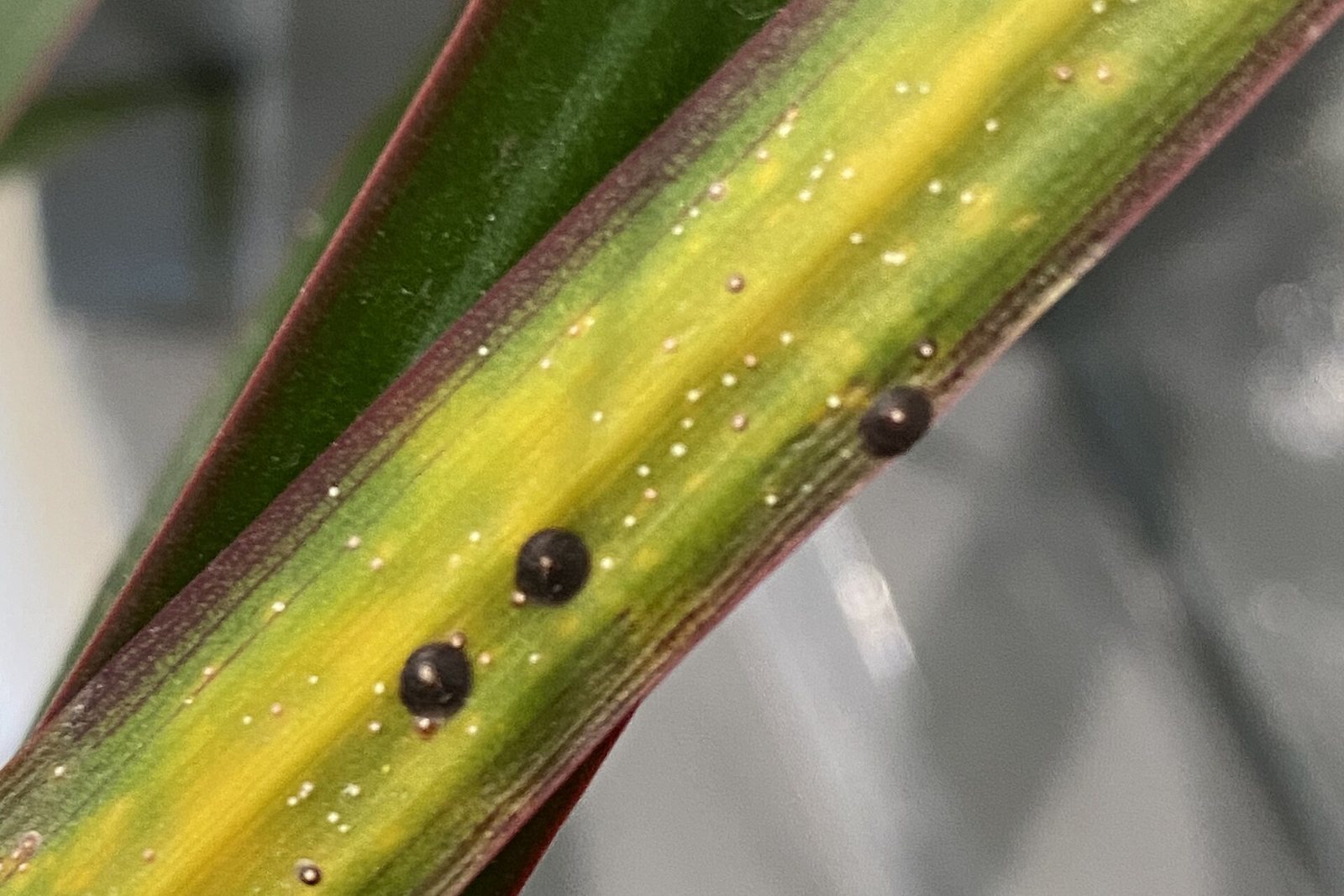
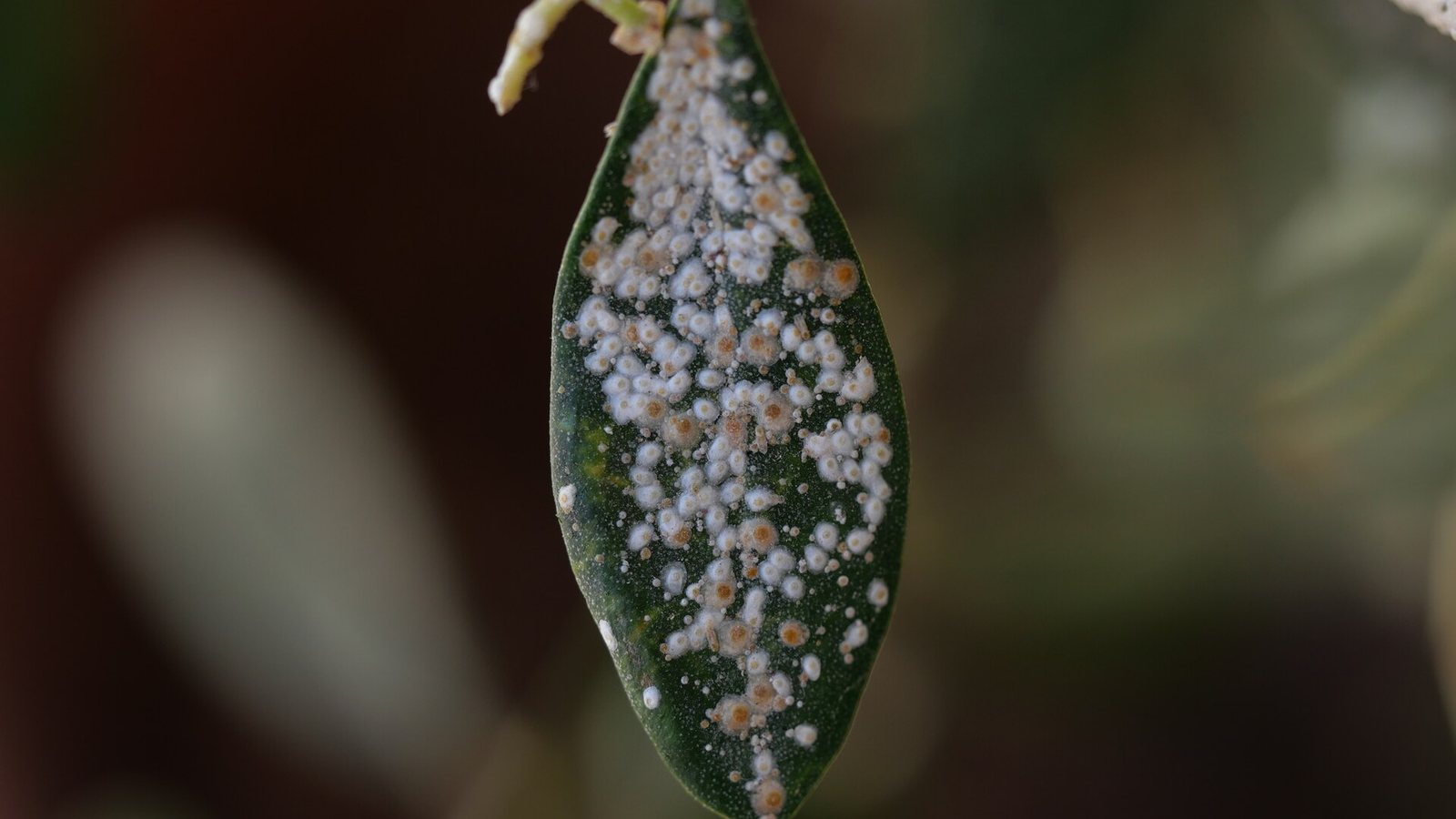 Photo: Alexis Depicted place: Prodromos 844 00, Greece ( 37°03′05″N 25°14′26″E / 37.05142296°N 25.24049961°E / 37.0514229 · CC BY 4.0
To treat scale insects on plants, isolate the plant, scrape or rub off the bumps, and prune heavily infested stems. Then spray horticultural oil, or insecticidal soap for young crawlers, covering stems and leaf undersides, and follow the label. Expect weeks of repeat checks, because adults are protected by a waxy cover.
Key takeaways
- Scale insects look like immobile brown bumps or waxy shields along stems and leaf veins.
- Soft scales make sticky honeydew; armoured scales do not and are harder to control.
- Scrape off light infestations, prune the worst stems, then use horticultural oil and follow the label.
- Treatment takes weeks to months; dead scales stay stuck on, so squash a few to check before spraying again.
- Most infestations arrive on new plants, so quarantine new arrivals for three to six weeks.
On this page9
- How do you get rid of scale insects on plants?
- What do scale insects look like?
- Soft scale or armoured scale?
- Signs of scale on a houseplant
- How to treat scale on indoor plants, step by step
- How long does it take to get rid of scale?
- Is the scale still alive?
- What about systemic insecticides?
- How to keep scale from coming back
How do you get rid of scale insects on plants?
Scale insects on plants look like tiny brown bumps, crusts or waxy shields stuck to stems and leaf veins, and many people mistake them for part of the plant. To treat them, isolate the plant, scrape or rub off what you can, prune the worst stems, and then use horticultural oil or insecticidal soap, repeating for weeks rather than days. This guide adds two things most treatment pages skip: how to tell soft scale from armoured scale (they respond differently), and how to check whether the scale you see is still alive before you spray again.
What do scale insects look like?
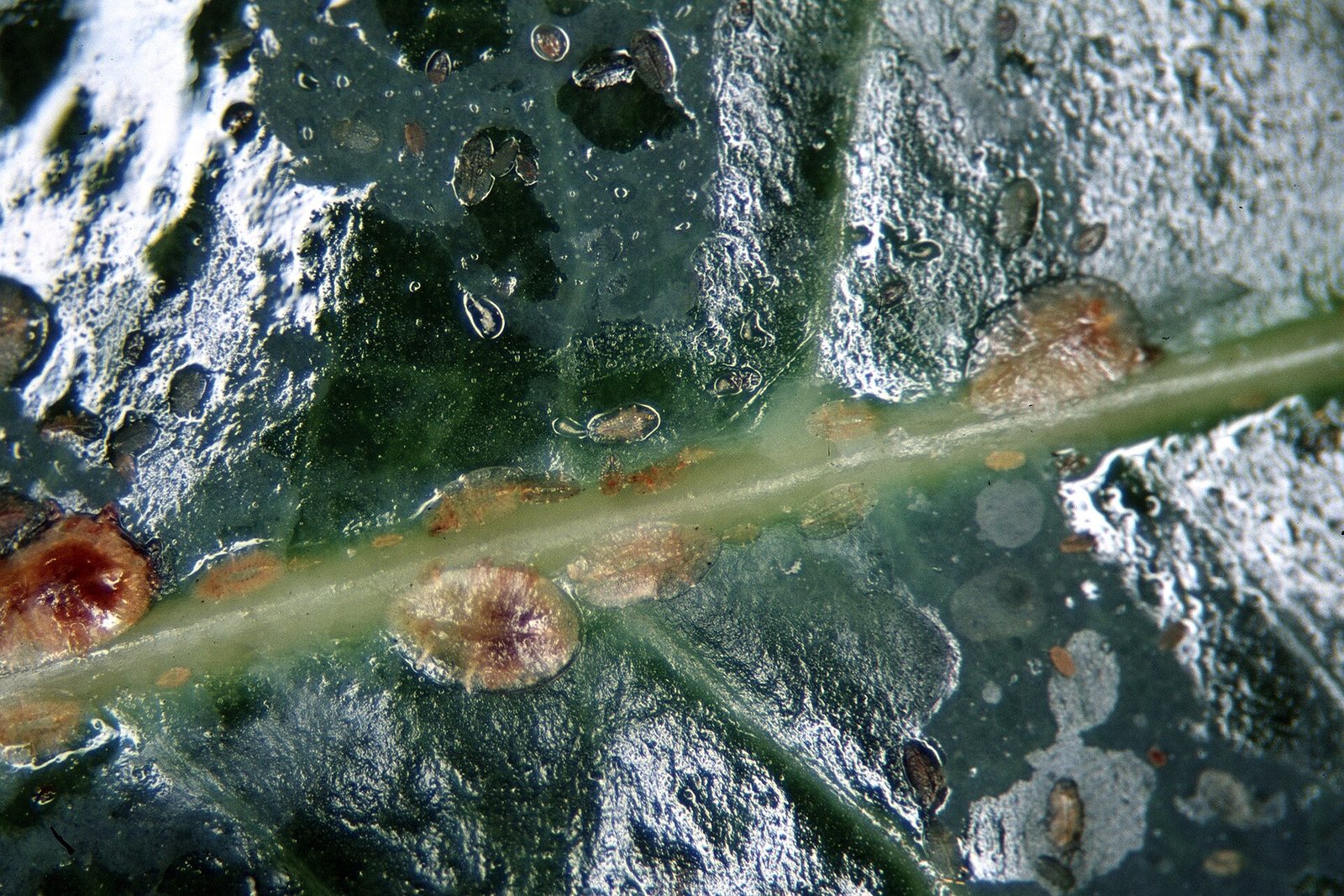
Adult scales do not look like insects at all. Clemson Extension describes them as small, immobile and without visible legs, from about 1.5 to 13 mm (1/16 to 1/2 in) across, either flat like fish scales or like waxy, coloured blobs. They sit mostly on stems and leaf undersides, often lined up along the veins, but can turn up on upper leaf surfaces too.
Only the youngest stage moves. UC IPM explains that the newly hatched nymphs, called crawlers, are usually yellow to orange and settle to feed within a day or two. Once settled, they build their covering and stay put. Crawlers can be carried to the next plant by people or air currents, which is why one infested plant can seed a whole shelf. Colorado State Extension notes that indoors, soft scale is common on ficus, citrus, ferns and ivies.
Soft scale or armoured scale?
| Feature | Soft scale | Armoured scale |
|---|---|---|
| Shape and size | Rounded and humped, up to about 6 mm (1/4 in) | Flat and plate-like, usually under 3 mm (1/8 in) |
| Covering | Is the insect's own body wall; cannot be lifted off | A separate cover that lifts off, leaving the insect behind |
| Honeydew | Lots: sticky leaves, sooty mould, ants | None |
| What works best | Horticultural oil; soap and alcohol on young stages | Horticultural oil, with very thorough coverage |
The table follows UC IPM and Colorado State. The practical test is stickiness: if the leaves below the bumps are tacky, you almost certainly have soft scale. Our guide to sticky leaves on houseplants shows how to rule out aphids, mealybugs and whiteflies.
Signs of scale on a houseplant
| What you see | What it usually means | What to do first |
|---|---|---|
| Brown or tan bumps along stems and leaf veins | Scale insects feeding on sap | Scrape one off; if it lifts away cleanly, it was not part of the plant |
| Sticky, shiny leaves, black film | Honeydew and sooty mould from soft scale | Look directly above the sticky patch |
| Yellowing leaves, early leaf drop | Sap loss from a heavy infestation | Count how many stems are affected |
| Dying twig tips or stems | A sustained infestation | Prune the worst stems |
| Ants on the plant | Ants collecting honeydew and guarding the scale | Treat the scale; block the ants' route |
UC IPM lists yellowing, early leaf drop, a water-stressed look and dieback among the signs, and notes that some scales do little harm even in large numbers. The species, the plant and the conditions all matter.
How to treat scale on indoor plants, step by step
- Isolate the plant. Clemson advises keeping an infested plant away from the others until the pest is fully controlled, which may take several weeks or longer.
- Remove what you can by hand. Scrape early infestations off with a fingernail (Clemson), or pick and rub scales off where there are only a few (Colorado State).
- Prune heavily infested stems. UC IPM suggests this when the scale is limited to a few parts of a small plant.
- Treat the young stages. Colorado State says alcohol and soap sprays give some control, mainly of crawlers and very young scales; the waxy adult cover is why sprays struggle against adults (Clemson). Test any spray on a small area first, since Clemson notes soap injury can take 48 hours to appear.
- Use horticultural oil for established scale. Colorado State calls spray oils the most effective treatment for both soft and armoured scale; Clemson notes that oils smother the adults. Cover stems, twig tips and leaf undersides thoroughly. UC IPM says not to spray in heat over 32 °C (90 °F) and to water plants well beforehand in hot weather.
- Follow the label. Clemson points out that only a few pesticides are labelled for indoor houseplants. Check that yours is, follow the label for dilution and timing, and where possible spray outdoors in mild weather and shade, letting the leaves dry before the plant comes back in.
UC IPM notes that insecticidal soaps and oils have low toxicity to people and pets, which makes them the right first spray in a home. Skip broad-spectrum products until everything above has failed.
How long does it take to get rid of scale?
Longer than most people expect. Colorado State notes that soft scales keep developing for two to four months, and any treatment has to cover a whole generation of that length. UC IPM adds that brown soft scale has several generations a year, with females and nymphs present all year round. Plan on checking weekly with a magnifier (Clemson suggests a 10x lens) for at least that long.
Is the scale still alive?
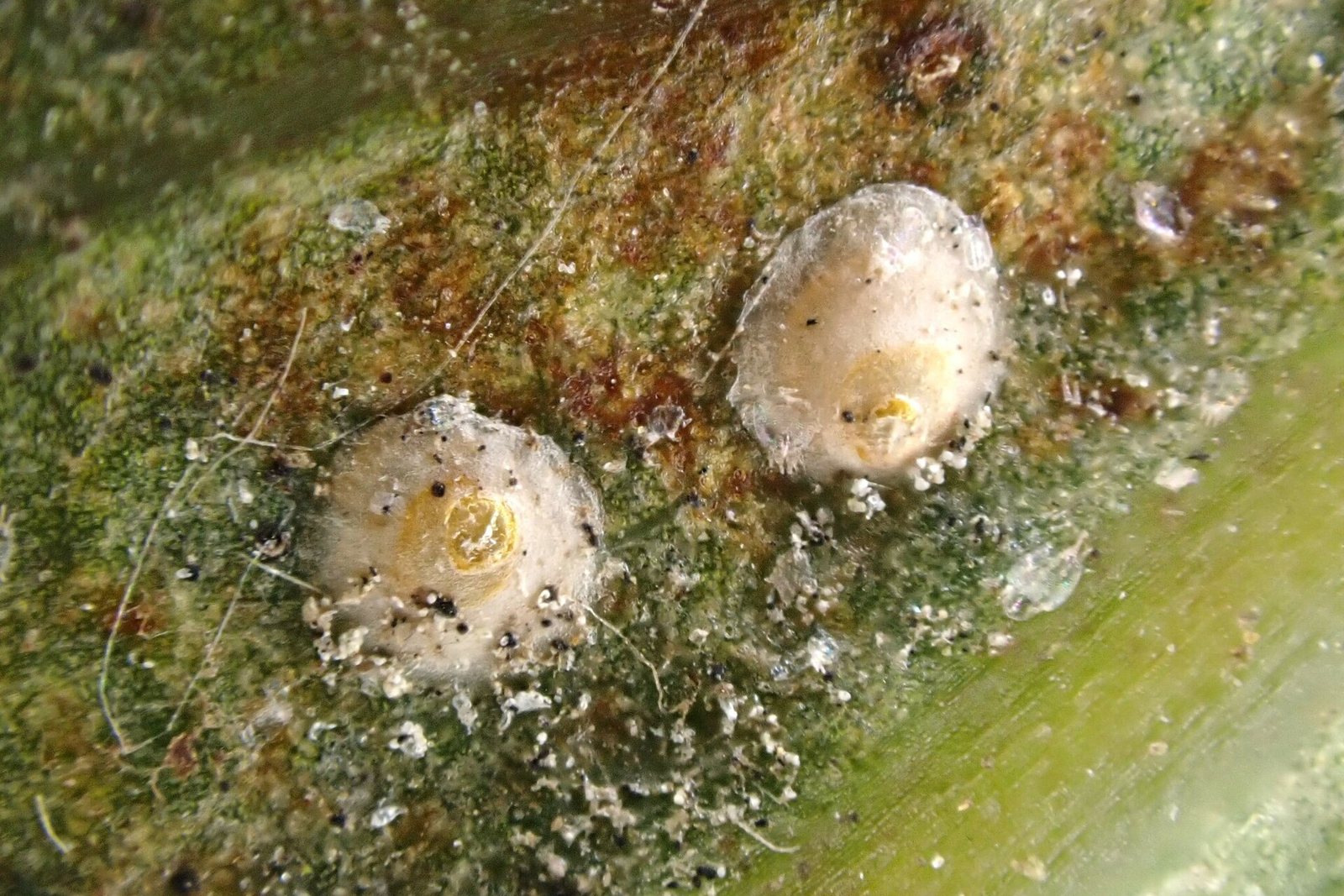
This step saves a lot of pointless spraying. Colorado State warns that scales killed by rubbing can stay stuck in place and still look alive. UC IPM gives the check: squash a few scales. Dead or parasitised ones may not exude fluid, while live ones do. Parasitised scales may also look puffy or darker, and the wasp that killed them usually leaves a small round exit hole. If most are dead, stop spraying and simply watch for new, fresh-looking scales and fresh honeydew.
What about systemic insecticides?
Systemic products are taken up by the plant, and UC IPM notes that imidacloprid controls most soft scales but not most armoured scales. Colorado State likewise calls systemics poor against armoured scale. There are trade-offs: UC IPM warns that some systemics can trigger spider mite outbreaks (see our spider mites guide) and can move into flowers, where they affect pollinators. If you consider one, choose a product labelled for houseplants and follow the label.
Sometimes the honest answer is to let the plant go. Colorado State says seriously infested plants are often best discarded, because control takes a long, steady effort. That is especially true for a small, inexpensive plant that threatens a whole collection.
How to keep scale from coming back
Colorado State says scale, mealybug and whitefly infestations almost always arrive on recently bought or gifted plants, and that stressed, slow-growing plants are more susceptible. Quarantine new plants before they join the others: Colorado State suggests at least three weeks, Clemson six weeks, with weekly checks of leaf undersides. Inspect plants coming back indoors after summer too. Our natural pest prevention guide sets out a five-minute weekly check.
Not sure whether the bumps are scale, mealybugs or a leaf spot? Flori's Lab tools for pest analysis and the Dr. Flori chat can work from a close photo of the stem, and Plant Hospital keeps a treated plant on a follow-up plan so you remember the weekly checks.
Frequently asked questions
Can I just scrape scale insects off?
Yes, for light infestations. Clemson Extension suggests scraping early infestations off with a fingernail. Check again weekly, because crawlers you missed will settle and build new covers.
Does rubbing alcohol kill scale?
Partly. Colorado State Extension says alcohol and soap give some control, mainly of crawlers and very young scales. Horticultural oil works better on established scale. Test on a small area first.
Why are the brown bumps still there after treatment?
Dead scales often stay stuck to the plant. Squash a few: live scales exude fluid, dead ones usually do not. Stop spraying if most are dead and watch for new ones.
Are scale treatments safe around pets?
UC IPM notes that insecticidal soaps and oils have low toxicity to people and pets. Keep pets away while sprays dry and follow the label.
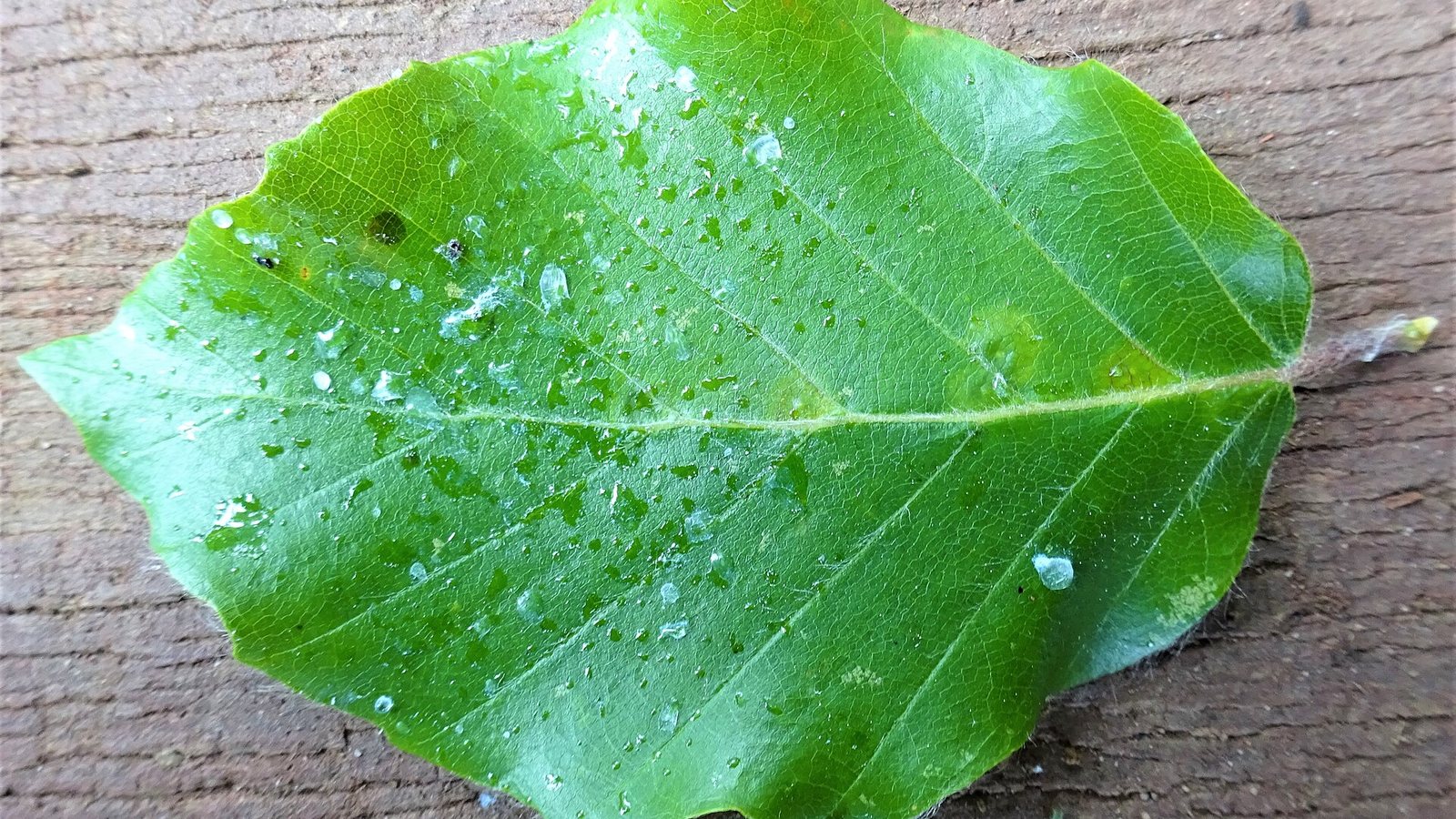
Sticky houseplant leaves almost always mean honeydew from aphids, scale, mealybugs or whiteflies. How to find the culprit, clean the leaves and stop it.
Sources
Written and fact-checked by the Flori team. Every guide cites horticultural sources such as the RHS, university extension services and the ASPCA, and is updated when the advice changes. How we write our guides
General plant care information. Plants vary; when a plant is valuable or a problem spreads quickly, consult a local nursery or plant specialist.