Mealybugs: How to Spot and Remove Them
Mealybugs on houseplants: how to spot the white cottony clumps, check roots, and remove them step by step with alcohol swabs and soap. Least-toxic first.
 By Flori editorial team · Updated
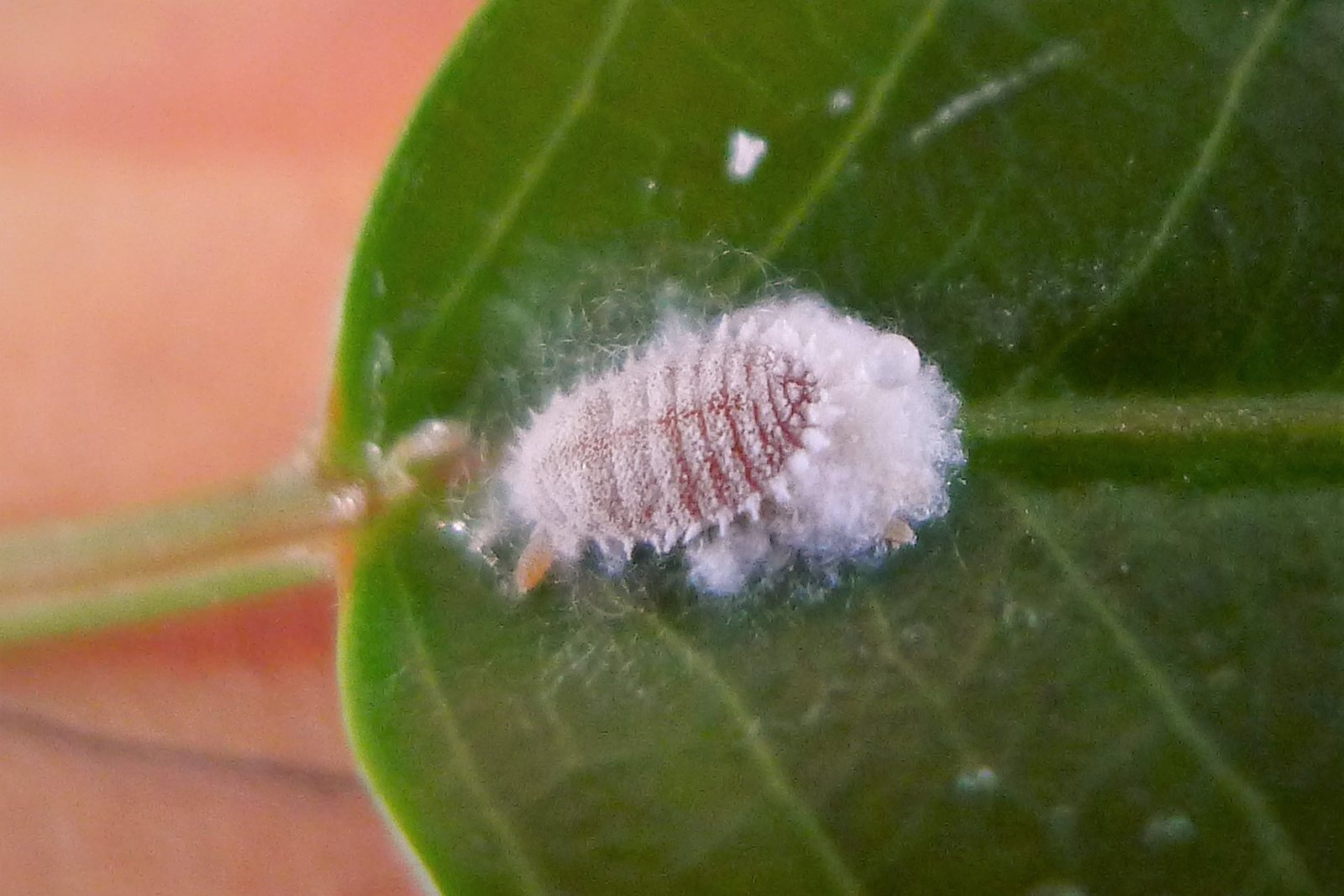
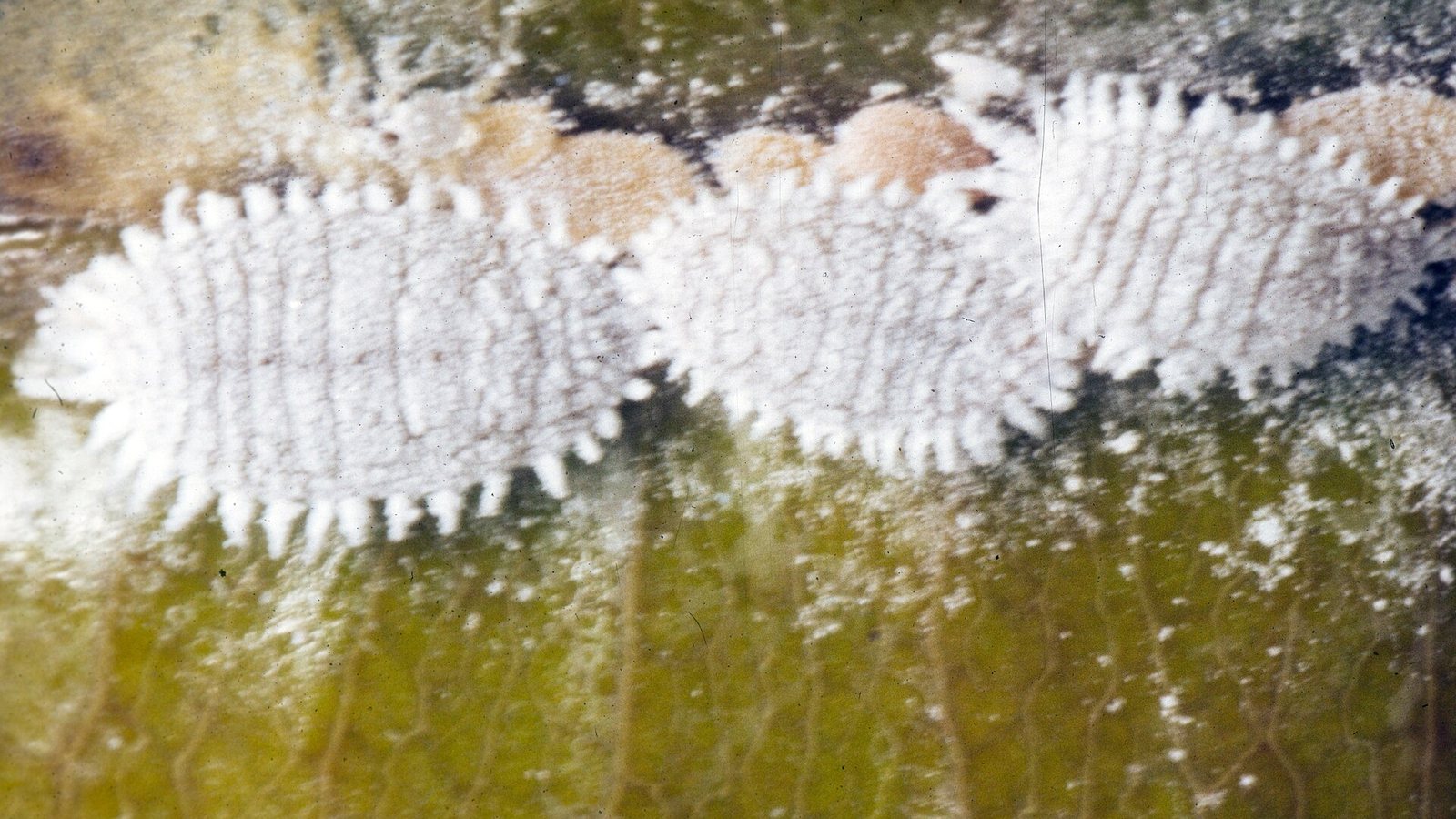 Photo: Jeffrey W. Lotz, Florida Department of Agriculture and Consumer Services, Bugwood.org · CC BY 3.0 us
Mealybugs are small, white, cottony insects that cluster in leaf joints and under leaves and leave sticky honeydew. To remove them, isolate the plant, dab each one with a cotton swab dipped in rubbing alcohol, then follow up with insecticidal soap every week until no new ones appear. Heavily infested plants are often best discarded.
Key takeaways
- Mealybugs look like small tufts of white cotton, about 3–6 mm (⅛–¼ in) long, in leaf joints and on leaf undersides.
- Sticky leaves, black sooty mould and slowed growth are the usual signs; some species live on the roots.
- Isolate the plant, swab visible insects with rubbing alcohol and repeat treatments weekly, because new nymphs keep hatching.
- Insecticidal soap, neem or pyrethrin sprays are the least-toxic follow-ups; always follow the label.
- Quarantine new plants for about a month, and discard plants that are heavily infested.
On this page7
What are mealybugs and how do you spot them?
Mealybugs are sap-sucking insects that look like tiny tufts of white cotton tucked into the joints of a houseplant. They are one of the most stubborn indoor pests because they hide in sheltered spots and their waxy coat sheds many sprays. This guide shows how to spot mealybugs early, how to tell them from look-alikes, how to check the roots, and how to remove them step by step, starting with the least-toxic methods.
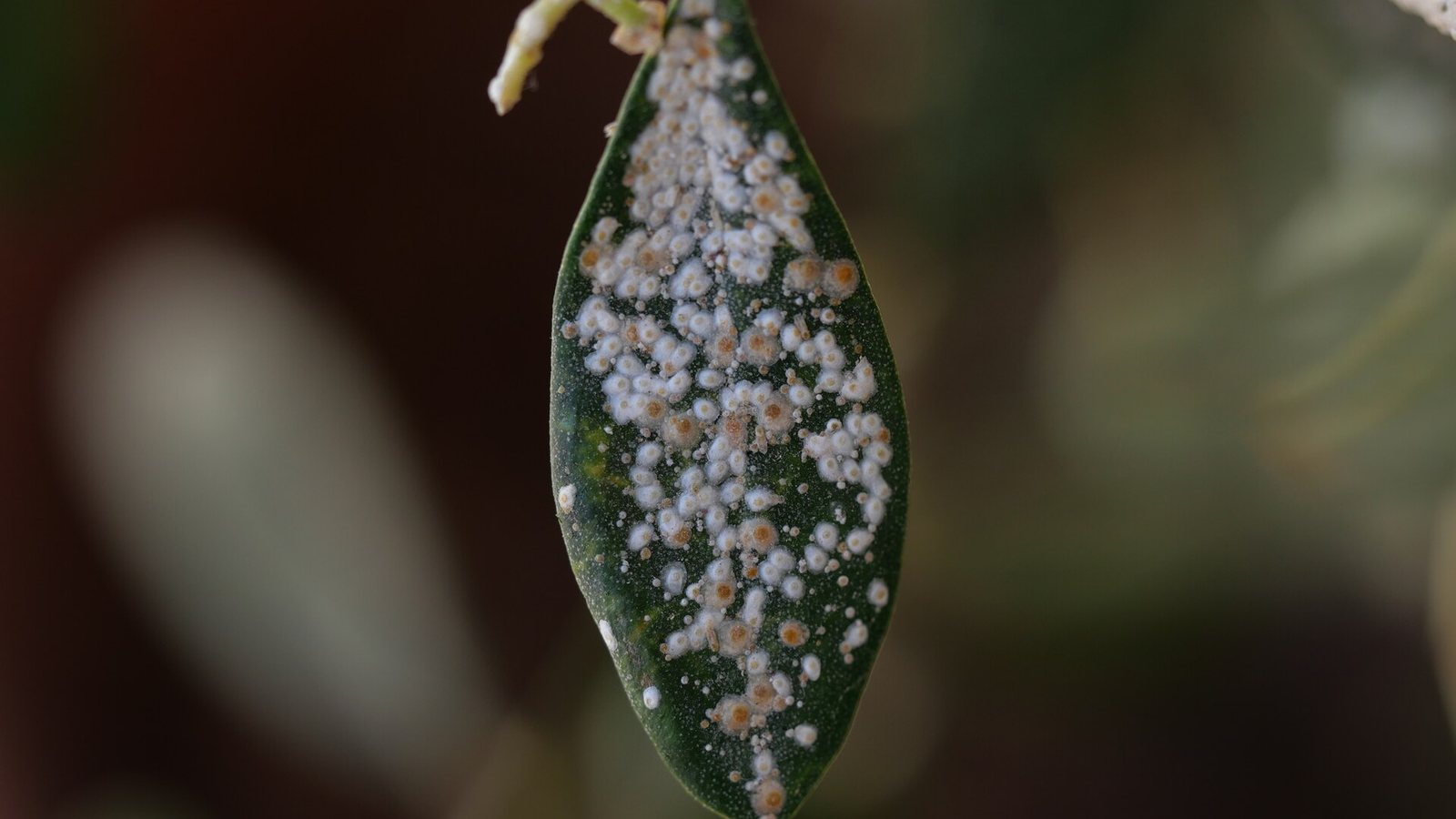
Clemson Extension describes adult females as small, pale insects about 3–6 mm (⅛–¼ in) long, covered in white, waxy material; the RHS puts them at up to 4 mm. Some species have waxy threads trailing from the body. Iowa State University Extension says they are often found clustered in leaf axils, where the leaf meets the stem, and on the undersides of leaves. Young ones, called crawlers, are yellow, orange or pink and move around before settling and coating themselves in wax, according to UC IPM.
Signs of mealybugs on houseplants
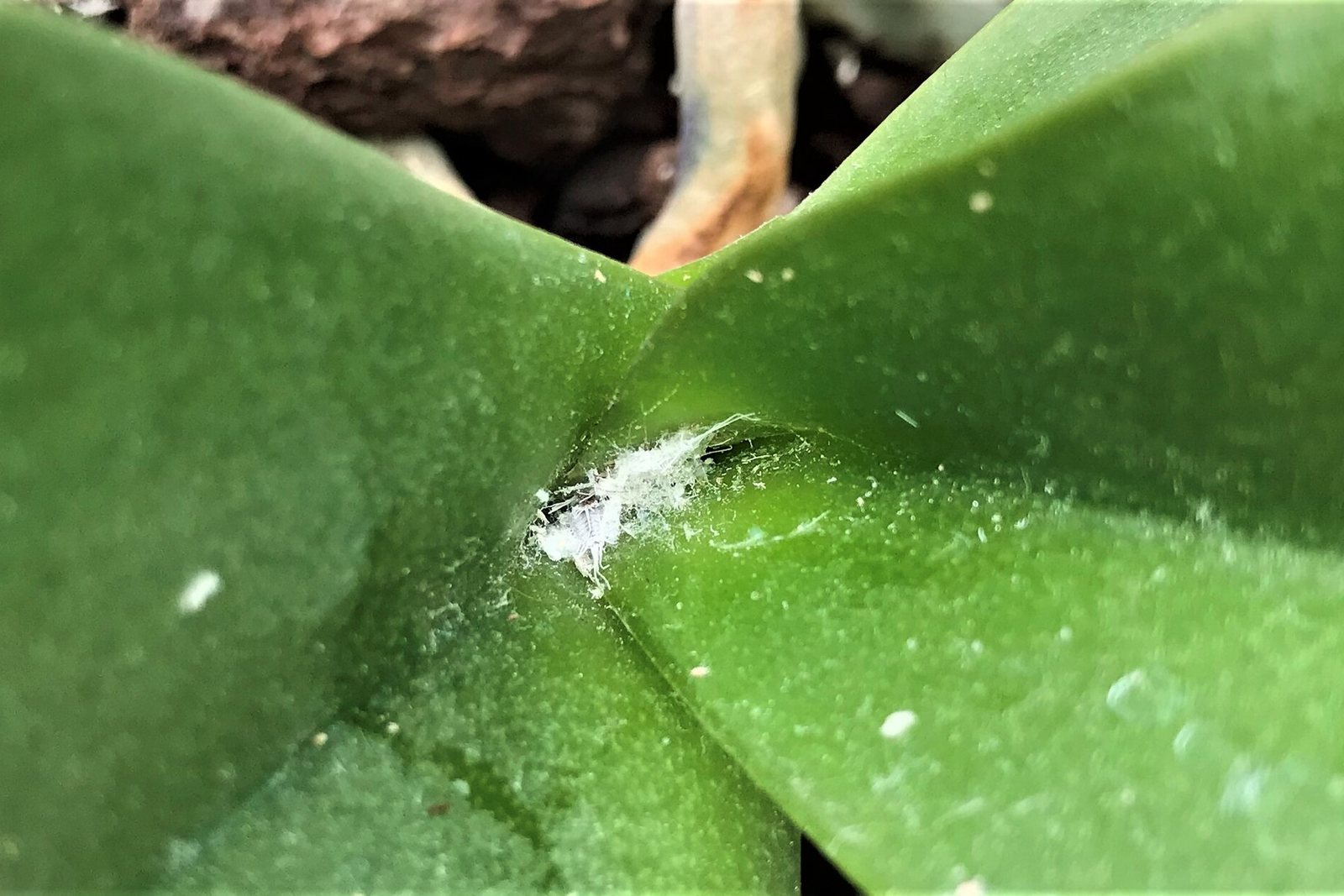
- White, fluffy wax in leaf joints, along veins under the leaves, or where stems branch. The RHS says this is usually the first thing people notice, sometimes with orange-pink eggs underneath.
- Sticky leaves, table or floor. Mealybugs excrete honeydew, a sugary liquid that Iowa State says makes lower leaves and surfaces sticky. See our guide to sticky leaves on houseplants.
- Black sooty mould growing on that honeydew.
- Stunted, yellowing or dropping leaves. Large populations weaken the plant, slow growth and can cause early leaf fall or, in severe cases, death.
UC IPM lists houseplants that are often affected, including cacti, dracaena, ferns, ficus, hoya, jade plant, orchids, palms, philodendron, schefflera and poinsettia. Indoor plants are especially vulnerable, it explains, because mild year-round temperatures suit mealybugs and their natural enemies are absent.
Is it mealybugs or something else?
| What you see | Likely cause | How to check |
|---|---|---|
| White cottony clumps in leaf joints, sticky leaves | Mealybugs | Lift a clump with a cotton bud: there is a soft, oval, segmented insect underneath |
| Brown or tan bumps along stems and veins that do not move | Scale insects | Bumps are hard or waxy shells; scrape one off with a fingernail |
| Tiny white flying insects that rise in a cloud when you touch the plant | Whiteflies | Look under the leaves for flat, oval nymphs |
| Fine webbing and pale speckled leaves | Spider mites | Tap a leaf over white paper and watch for moving specks (see spider mites) |
| White powder that wipes off evenly over the leaf surface, no insects | Powdery mildew, a fungus | No insect or egg sac under the powder |
| White waxy specks on roots or at the inside of the pot | Root mealybugs | Slide the plant out of its pot and look along the root ball |
How to check for root mealybugs
Some mealybugs live underground. The RHS says root mealybugs (Rhizoecus species) are covered in white wax and are confined to greenhouses and houseplants. UC IPM notes they are usually noticed only when a plant is lifted, and Colorado State University Extension links them especially with African violets and gardenias. Suspect them when a plant keeps declining with no visible pests on the leaves. Tip it out of the pot and look for white, cottony patches on the roots and the outside of the root ball. Alcohol and soap sprays do not reach them, Colorado State notes, and UC IPM calls them hard to control, advising prompt disposal of infested plants.
How to get rid of mealybugs, step by step
- Isolate the plant. Move it away from the rest of your collection, as Iowa State advises, and check the neighbours, the pots and any stakes.
- Remove what you can see. For a light infestation, Clemson suggests picking insects off by hand or wiping each one with a cotton swab dipped in rubbing alcohol. UC IPM recommends alcohol of 70% or less and testing it on a small area of the plant one to two days before treating the whole plant. Prune out badly infested shoots and remove fallen leaves, which the RHS says can harbour mealybugs or eggs.
- Rinse. UC IPM notes that a strong stream of water can knock back exposed mealybugs; repeat every few days. Do this in a shower or sink and let the plant drain fully.
- Follow up with a least-toxic spray. Iowa State names insecticidal soap, neem and pyrethrin as relatively safe options indoors. Colorado State gives dilute alcohol sprays of 25–50% (UC IPM suggests 10–25% for extensive infestations), but both soap and alcohol work only on contact, with no residual effect. Cover leaf undersides and joints, and test on a few leaves first. Always follow the label, and use only products that list houseplants.
- Repeat weekly. UC IPM says a female can lay 100–200 or more eggs over 10–20 days, and Iowa State explains that sprays work best on young mealybugs, which hatch every few weeks. Keep treating and checking weekly until several checks in a row find nothing new.
- Know when to stop. Iowa State, Clemson, UC IPM and the RHS all agree that a heavily infested plant is often better discarded than treated again and again, before it infests its neighbours.
Avoid systemic soil granules in homes with pets or children who might dig in the pot: Iowa State calls them a poor choice there because of their toxicity. UC IPM also notes that systemic products are less reliable against mealybugs.
How long does it take to get rid of mealybugs?
Expect weeks, not days. One swabbing removes the adults you can see, but eggs hidden in cottony sacs keep hatching. Plan on at least several weekly rounds. Photograph the same stem each week so you can compare: fresh white tufts mean another generation; clean joints over several checks mean you are winning. If you are unsure what you are looking at, Dr. Flori can work from a close photo of the stem or leaf underside and suggest a recovery plan, and a recurring care reminder helps you keep the weekly checks going.
How to keep mealybugs from coming back
- Quarantine new plants. The RHS advises inspecting new plants and keeping them apart for at least a month, since females rarely move far on their own and usually arrive on a new plant.
- Inspect before you buy. Look into leaf joints and under leaves, and leave infested plants in the shop.
- Go easy on nitrogen. UC IPM warns that high nitrogen feeding promotes tender growth and egg production.
- Check weekly. A five-minute look at the newest growth and leaf joints catches mealybugs while they are still a swab job. Our natural pest prevention plan sets out a simple weekly routine.
Other sap-feeders leave similar sticky traces; if you find green or black insects on soft new shoots instead, see our guide to aphids on plants.
Frequently asked questions
What kills mealybugs instantly?
A cotton swab dipped in rubbing alcohol kills the mealybugs it touches, but nothing clears an infestation in one go: eggs keep hatching. Repeat swabbing or insecticidal soap weekly, following the label.
Can mealybugs spread to other plants?
Yes. Crawlers move to nearby plants, and mealybugs often arrive on new plants. Isolate an infested plant and quarantine new ones for about a month, as the RHS advises.
Are mealybugs in the soil?
Root mealybugs live on roots and show as white waxy patches on the root ball. Leaf sprays do not reach them, and UC IPM advises disposing of infested plants promptly.
Should I throw away a plant with mealybugs?
Not for a few insects, which you can swab off. For a heavy infestation, extension services including Iowa State, Clemson and UC IPM say discarding the plant is often the better choice.
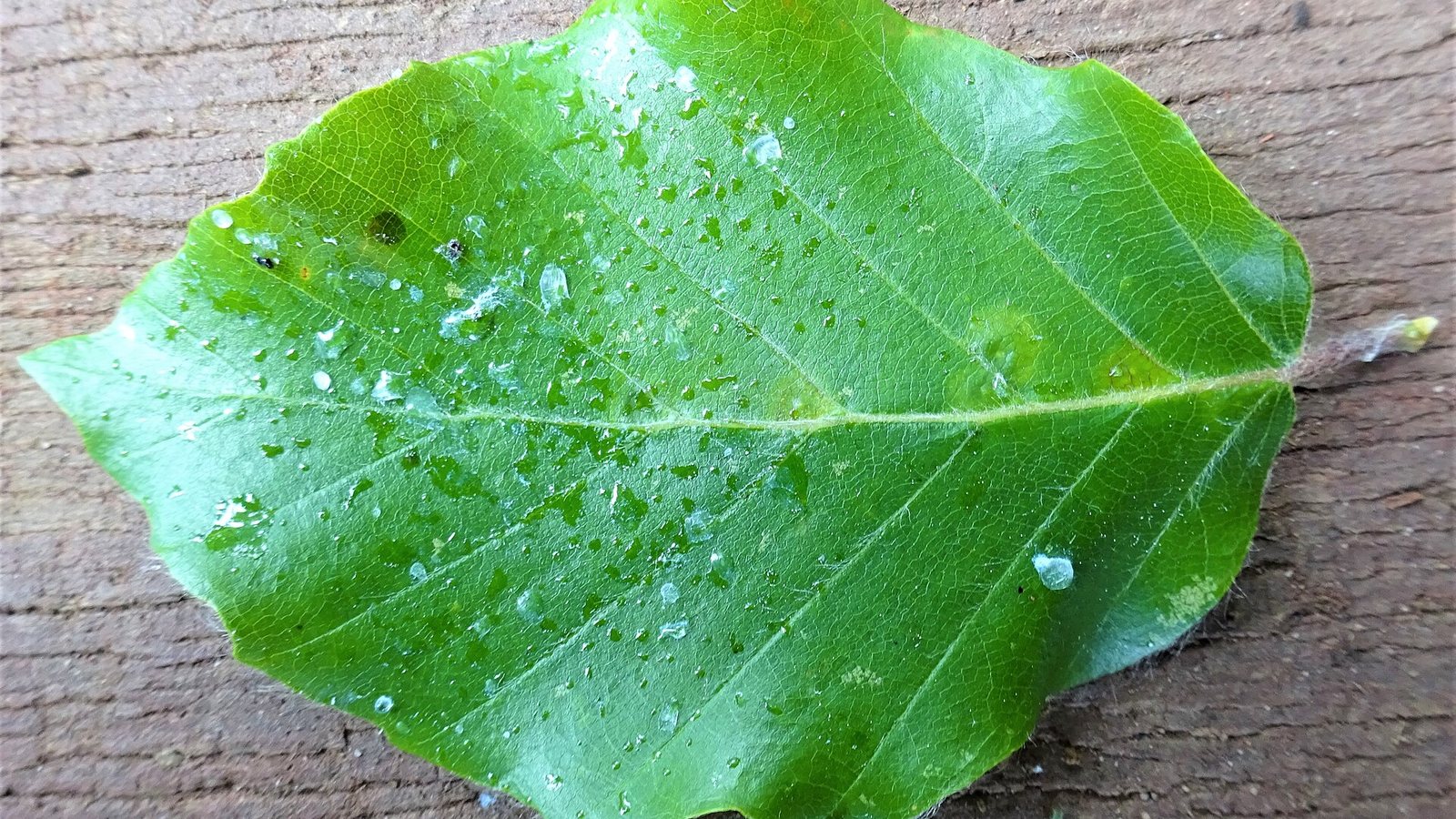
Sticky houseplant leaves almost always mean honeydew from aphids, scale, mealybugs or whiteflies. How to find the culprit, clean the leaves and stop it.
Sources
- UC IPM: Mealybugs (Pest Notes, Publication 74174)
- Clemson Cooperative Extension HGIC: Common Houseplant Insects & Related Pests
- Iowa State University Extension: Diagnosing Houseplant Problems Caused by Insect Pests
- Royal Horticultural Society: Mealybug
- Colorado State University Extension: Managing Houseplant Pests
Written and fact-checked by the Flori team. Every guide cites horticultural sources such as the RHS, university extension services and the ASPCA, and is updated when the advice changes. How we write our guides
General plant care information. Plants vary; when a plant is valuable or a problem spreads quickly, consult a local nursery or plant specialist.