Cactus Turning Soft or Yellow: Rot or Not?
Cactus turning soft or yellow? A rot-or-not table separates rot from corking, sunburn, stretching and thirst by colour, feel and where it starts.
 By Flori editorial team · Updated
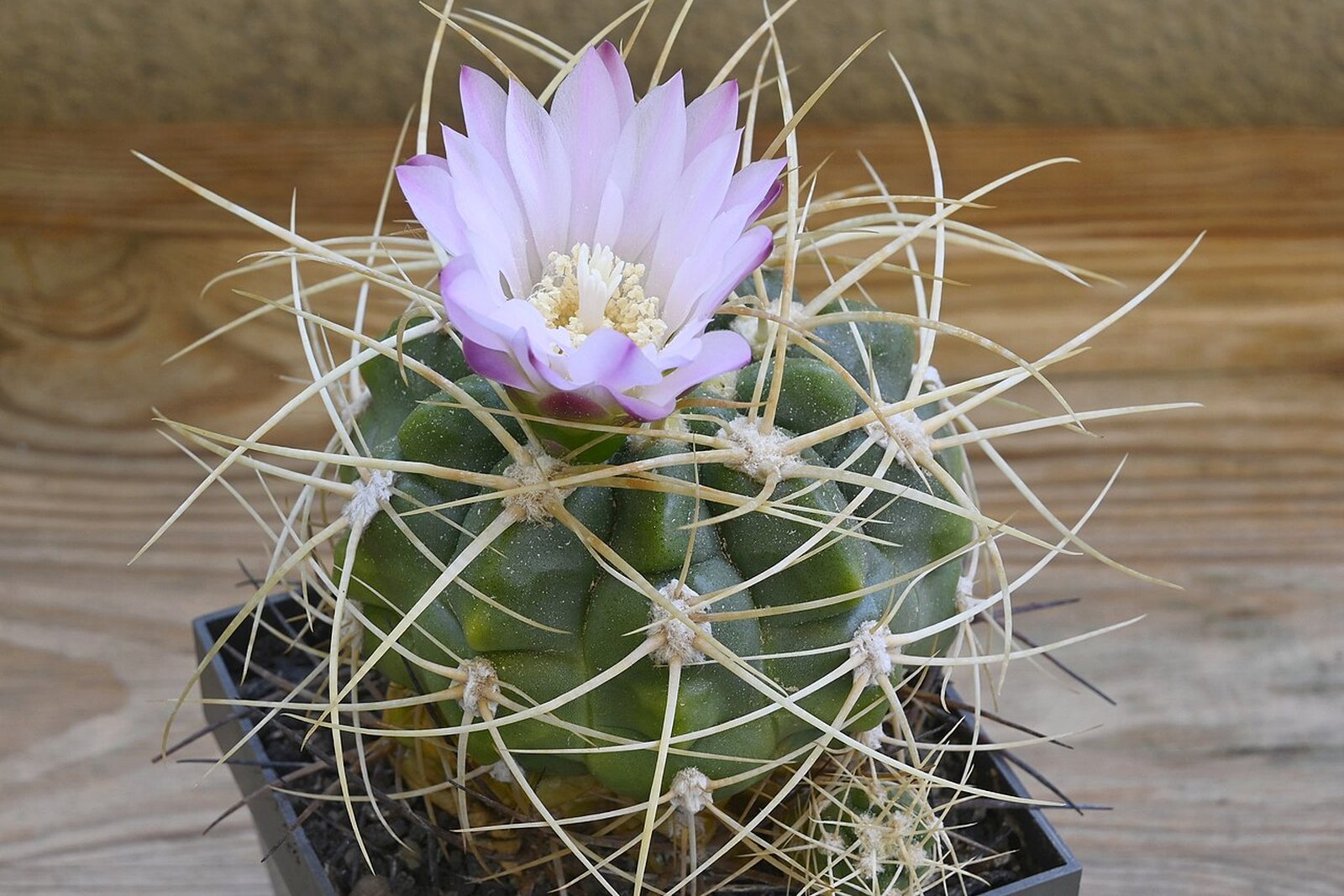
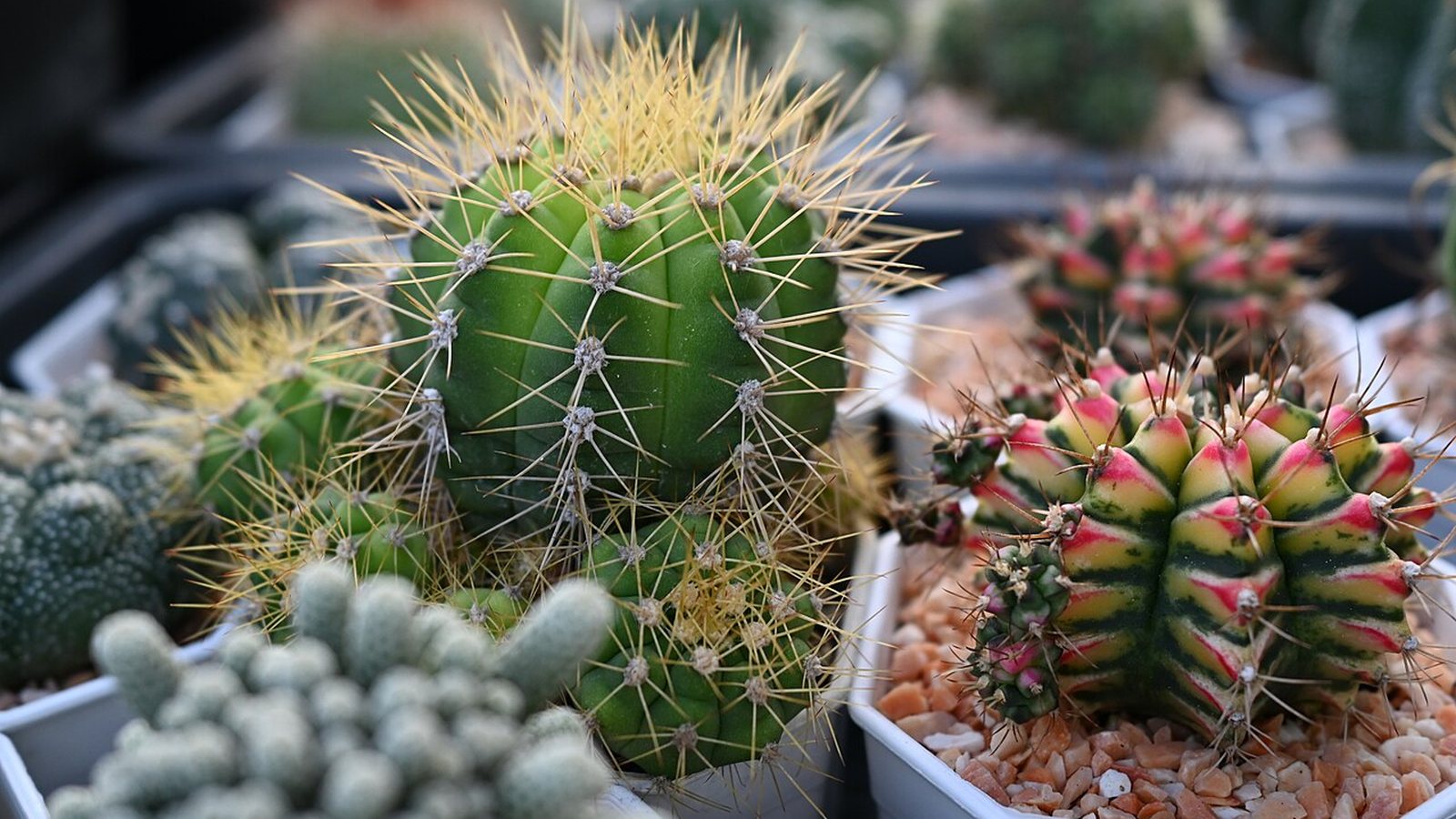 Photo: PattayaPatrol · CC BY-SA 4.0
Press the spot. Soft, dark and starting at the base means rot: stop watering, unpot and check the roots. Hard, dry and bark-like at the base is usually corking, normal ageing. Pale, stretched growth means too little light, a bleached side facing the sun means sunburn, and firm wrinkling means thirst.
Key takeaways
- Texture decides: soft and dark means rot, hard and bark-like at the base is usually corking.
- Yellow plus soft stems means too wet; wrinkled, drying lower parts mean too dry (Iowa State).
- Pale, lanky growth is low light; a patch facing the sun after moving outdoors is sunburn.
- Cacti do not wilt under drought stress, so problems build before they show (Colorado State).
- For rot: stop watering, check the roots, repot in fast-draining mix and wait before watering.
On this page7
Is your cactus rotting, or is it something harmless?
Press the discoloured spot gently. If it is soft, dark and starting at the base, treat it as rot and act today. If it is hard, dry and bark-like, it is probably corking, a normal ageing change. Many yellow or brown cacti are neither: they are stretched from low light, scorched by sun or simply thirsty. This guide is a quick "rot or not" check; for the full rescue, see overwatered succulent signs and the healthy roots versus rotten roots check.
Rot or not: a quick diagnosis table
| What you see | Feels like | Most likely cause | What to do |
|---|---|---|---|
| Dark brown or black patch, usually at the base, may smell bad; stem may yellow or droop | Soft, mushy, possibly slimy | Rot from wet soil | Stop watering, unpot and check the roots |
| Tan or brown bark-like patch at the base or up the stem, plant otherwise plump | Hard and dry | Corking (normal ageing) | Nothing; keep the usual care |
| Yellow with soft, weak stems | Soft | Too wet | Let the soil dry completely, check the pot drains |
| Wrinkled, drying lower parts | Firm but shrunken | Too dry | Water thoroughly, then let it dry |
| Thin, pale, lanky new growth leaning to the window | Firm | Not enough light (etiolation) | Move to a brighter spot |
| Bleached, tan or brown patch on the side facing the sun, often after moving outdoors | Dry, may be flat or papery | Sunburn | Shade it, then increase sun gradually |
| Brown patches that shrink into a scab | Dry scab | Corky scab from too much humidity or brightness (RHS) | Correct conditions gradually |
Screenshot it for the next time a cactus changes colour. The first column tells you where to look; the second column, how it feels, usually settles the argument.
How do you tell rot from corking?
The difference is texture and speed. A UVM Extension Master Gardener answer on eXtension says an older cactus can develop corking, "a normal and natural process", where the base turns bark-like to support the plant. It describes rot as brown stems that are soft or smell bad. A houseplant specialist in the same thread, speaking about a pencil euphorbia (not a true cactus), adds that rot is soft and potentially slimy, usually starts at the base, is dark brown or black, and can make the stems yellow, droop or shrivel. Rot moves; corking stays put.
So press the patch with a gloved finger or the blunt end of a pencil. If it is soft, check the soil: wet for days? Then lift the plant out and look at the roots. If the tissue is hard and the plant is plump, leave it alone. If the patch is hard but the soil has been wet and the plant looks shrunken, still check the roots to be sure.
Why is my cactus turning yellow?
Yellow cacti point in two opposite directions, so use the feel test. Iowa State University Extension says that if leaves yellow and stems become soft and weak, conditions may be too wet, and that wrinkled or drying lower leaves mean it is too dry. Clemson Extension adds that falling or yellow leaves on holiday cacti can come from plants that are too dry or in too much sun. The treatment follows the cause: soft and yellow means stop watering and check the roots; firm and shrunken means a thorough soak.
Cacti give few warnings before they are in trouble. Colorado State University notes that cacti do not wilt under drought stress, so by the time you see change the problem has been building. The routine that prevents most of it is in our succulent and cactus watering guide: Colorado State says to water when the top 2.5 cm (1 in) of soil is dry in the growing period and, in winter, only every two to three weeks, just enough to keep the roots from drying out.
Is it sunburn or stretching?
Both are light problems, from opposite ends. Colorado State warns that a plant moved directly outside into full sun will likely be scorched, and recommends partial shade for the first few weeks before moving it to a sunnier spot. That matters on a Turkish balcony in a hot summer, or any south- or west-facing ledge, where the jump from a living room to afternoon sun is bigger than it looks. Clemson says that holiday (rain forest) cacti may sunburn in direct sun, while desert types want bright light with several hours of direct sun.
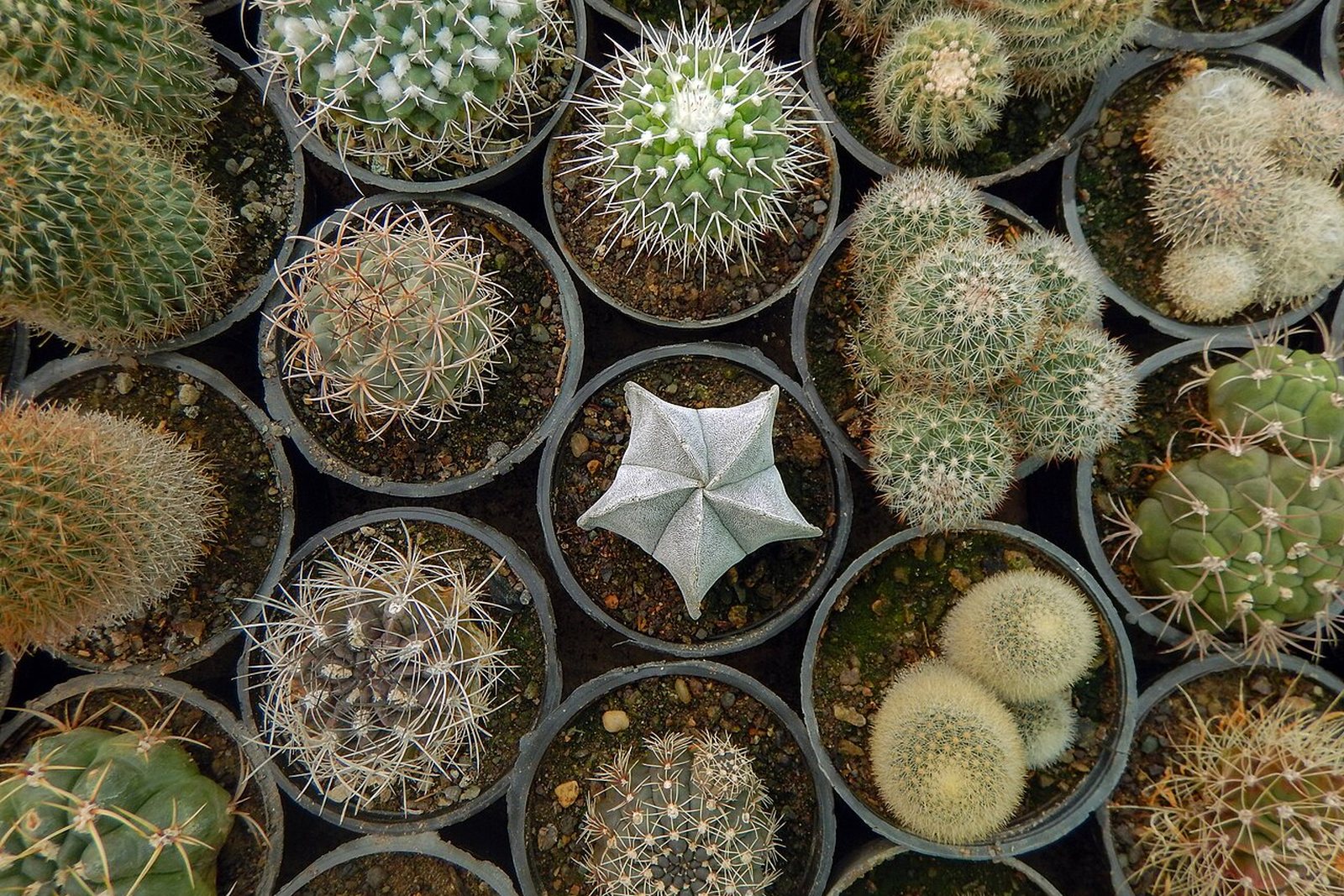
At the other end, Iowa State says that in low light succulents become lanky and pale, and that insufficient light leads to weak growth. Stretching does not reverse on the stretched part; the fix is to move the plant to a brighter window or add a grow light so new growth comes in compact. Colorado State says most cacti prefer strong sun, ideally a south-facing sill (north-facing in the Southern Hemisphere), or an east or west window that gets direct sun for part of the day.
What if the cactus really is rotting?
- Stop watering and empty the saucer. Colorado State says waterlogged soil can quickly lead to rotting roots and dead cacti.
- Unpot it and look at the roots. Healthy roots are firm; rotten ones are soft and dark.
- Repot in a fast-draining mix with a drainage hole. Clemson says root and stem rots usually come from a soil mix that does not drain quickly or from overly frequent watering. See the best soil for succulents and cacti and how to repot a cactus without getting spiked.
- Wait before watering. Colorado State says not to water immediately after repotting, which makes cacti more susceptible to disease.
Not sure which row of the table matches? Dr. Flori can ask follow-up questions, name the likely cause and say how urgent it is, working from your description or a photo. It cannot feel the texture for you, so do the press test first.
Which mistakes make cactus problems worse?
- Fertilizing a sick cactus. Colorado State suggests feeding only once or twice a year, in late spring or summer, at half strength.
- Frequent light sprinklings. Colorado State says repeated shallow watering often causes distorted growth; water thoroughly and let it drain.
- Cutting off corking. It is normal ageing, so cutting it only adds a wound.
- Moving the plant between extremes. The RHS links cold to dieback or discoloured patches on the skin, so keep it away from cold glass in winter.
Which cactus do you own? Our cactus types and names list helps you match it, because holiday cacti want more water than desert ones.
Frequently asked questions
Can a soft cactus be saved?
Sometimes. Stop watering, unpot it and check the roots. Waterlogged soil can quickly lead to rotting roots and dead cacti (Colorado State), so act the same day.
Is the brown base of my cactus rot?
If it is hard, dry and bark-like and the plant is plump, it is likely corking, a normal process in older cacti. If it is soft, dark or smelly, it could be rot.
Why is my cactus yellow but firm?
Check light and thirst. Iowa State says wrinkled or drying lower leaves mean too dry, and Clemson says holiday cacti can yellow from drought or too much sun.
How long should I wait to water after repotting a cactus?
Colorado State says not to water immediately after repotting, because it makes cacti more susceptible to disease. It gives no fixed number of days.
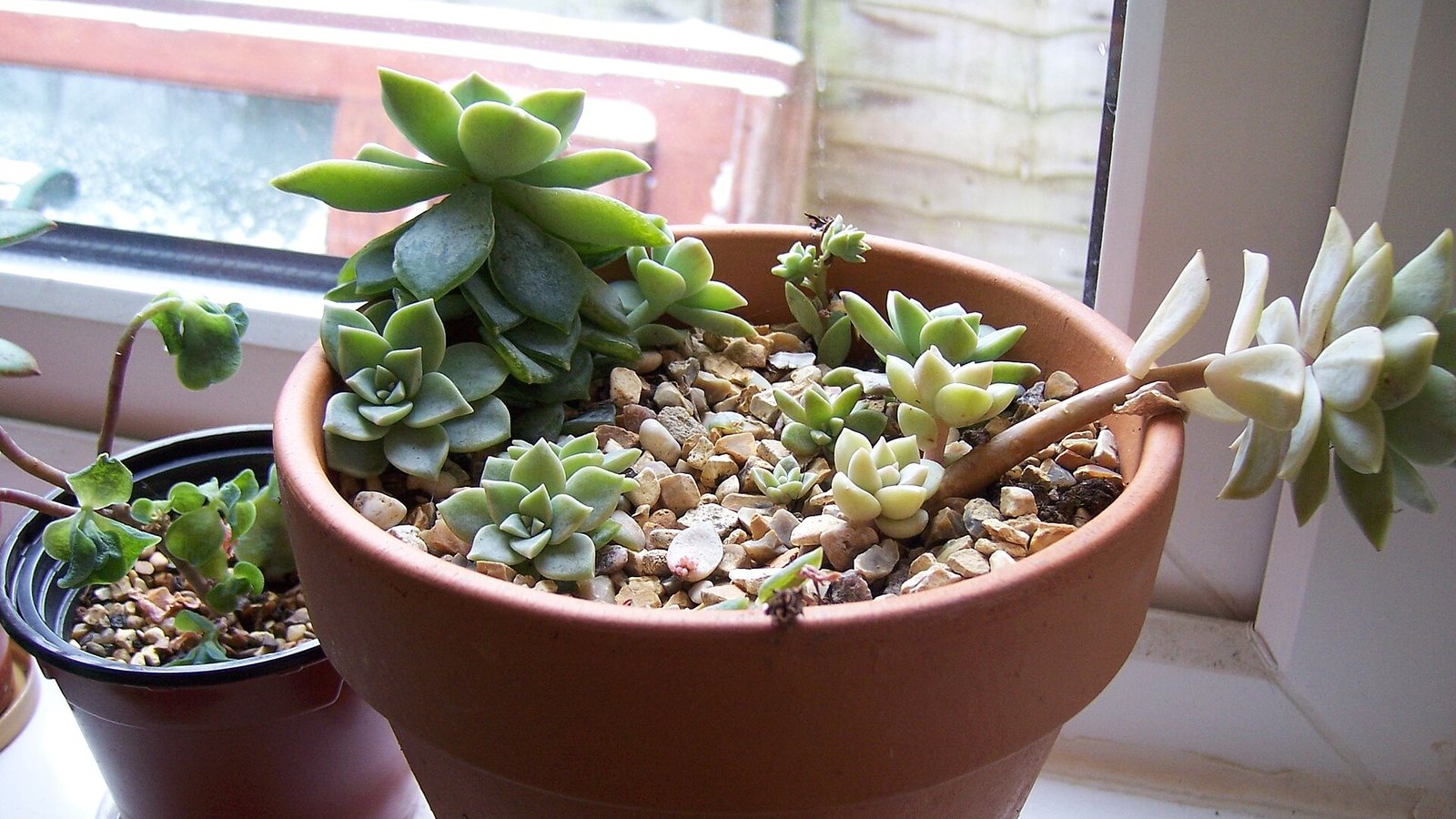
Yellow, soft, squishy leaves and a weak stem mean an overwatered succulent. Compare it with underwatering, then follow a step-by-step rescue plan.
Sources
Written and fact-checked by the Flori team. Every guide cites horticultural sources such as the RHS, university extension services and the ASPCA, and is updated when the advice changes. How we write our guides
General plant care information. Plants vary; when a plant is valuable or a problem spreads quickly, consult a local nursery or plant specialist.