Overwatered Succulent: Signs and How to Save It
Yellow, soft, squishy leaves and a weak stem mean an overwatered succulent. Compare it with underwatering, then follow a step-by-step rescue plan.
 By Flori editorial team · Updated
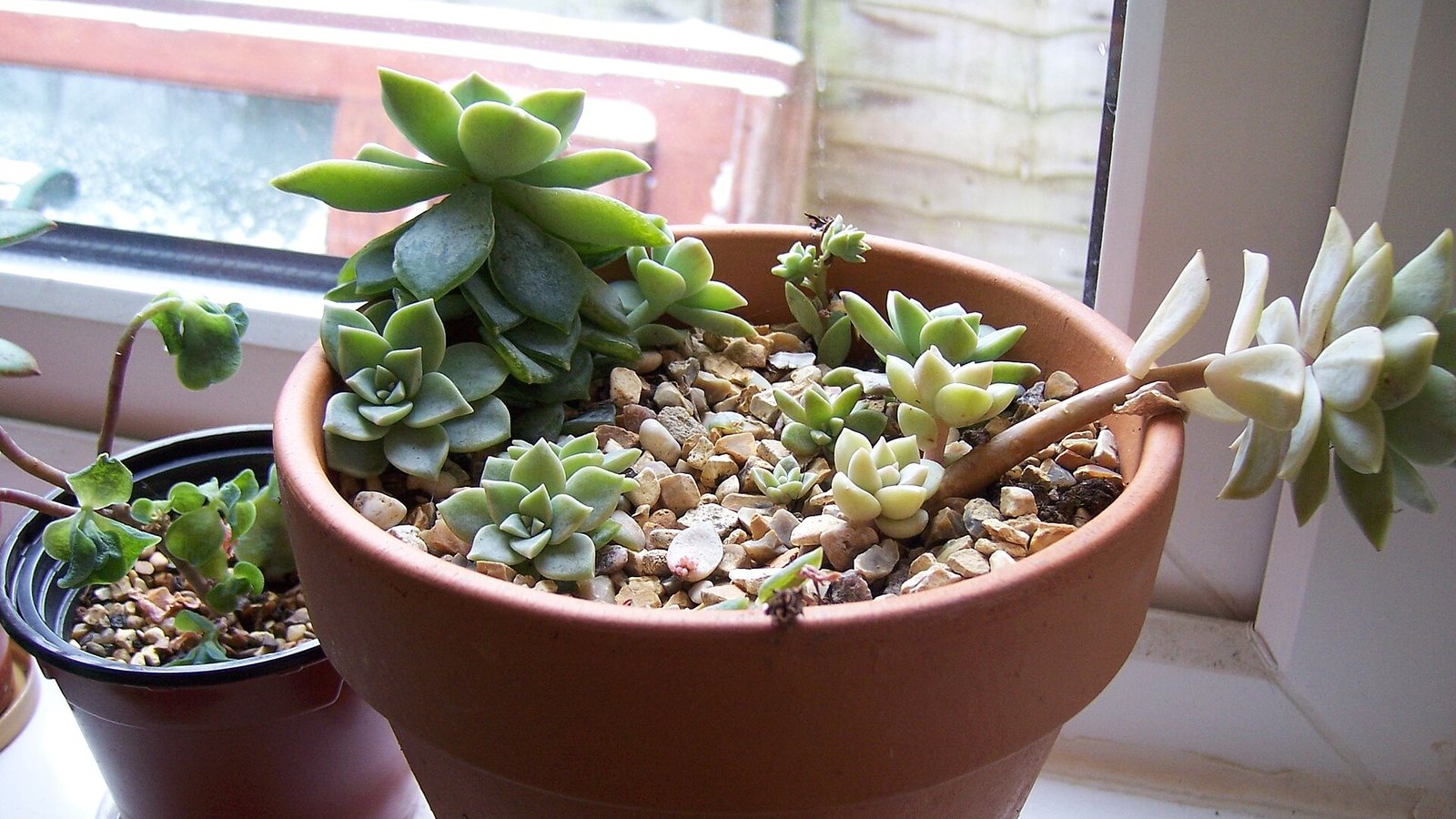 Photo: stephen boisvert from Chicago, United States · CC BY 2.0
An overwatered succulent has yellowing, soft or squishy leaves, a weak stem and soil that stays wet. To save it, stop watering, slide it out, cut off soft dark roots, let it dry for a day or more, repot in gritty mix and wait about a week before watering lightly.
Key takeaways
- Overwatered succulents look soft and yellow; underwatered ones look wrinkled but stay firm.
- Check the roots: firm and pale is healthy, soft brown or black is rotten.
- Cut out all rotten tissue, let the plant dry, then repot in gritty mix with a drainage hole.
- If the stem is mushy, cut into firm green tissue and root the healthy top.
- Wait about a week after repotting, then water by the soil, not the calendar.
On this page7
How can you tell an overwatered succulent?
An overwatered succulent usually looks soft, not dry: leaves that turn yellow and squishy, a stem that goes weak, and a plant that sags even though the soil is wet. Iowa State University Extension says that if leaves yellow and stems become soft and weak, conditions may be too wet, and Illinois Extension calls overly moist soil the top killer of succulents because it causes root rot. The trap is that a thirsty succulent also looks unhappy, so more water feels like the answer. This guide gives you the side-by-side check, then a rescue plan that works whether the rot is in the roots, the base or the stem. It is about the damage; for the routine, see how often to water succulents and cacti.
Overwatered or underwatered? Side by side
| What you see | Overwatered | Underwatered |
|---|---|---|
| Leaves | Yellowing, soft, squishy, may drop at a touch | Shrivelled, wrinkled, thinner but still firm |
| Stem or base | Soft and weak; may turn dark at soil level | Firm |
| Soil | Damp for a week or more, may smell sour | Dry right through, may pull from the pot edge |
| Roots | Brown or black and soft | Dry, thin, but firm |
| Fix | Stop watering, check roots, repot in gritty mix | Soak thoroughly, then let it dry |
The Royal Horticultural Society (RHS) notes that underwatering causes shrivelling and slow or misshapen growth, while overwatering can damage roots and cause stunted growth, blistering and rot. If you are unsure, push a wooden skewer to the bottom of the pot and pull it out: damp, dark soil on the skewer a week after watering says the plant is not thirsty. Our guide to overwatering versus underwatering covers other plants in the same way.
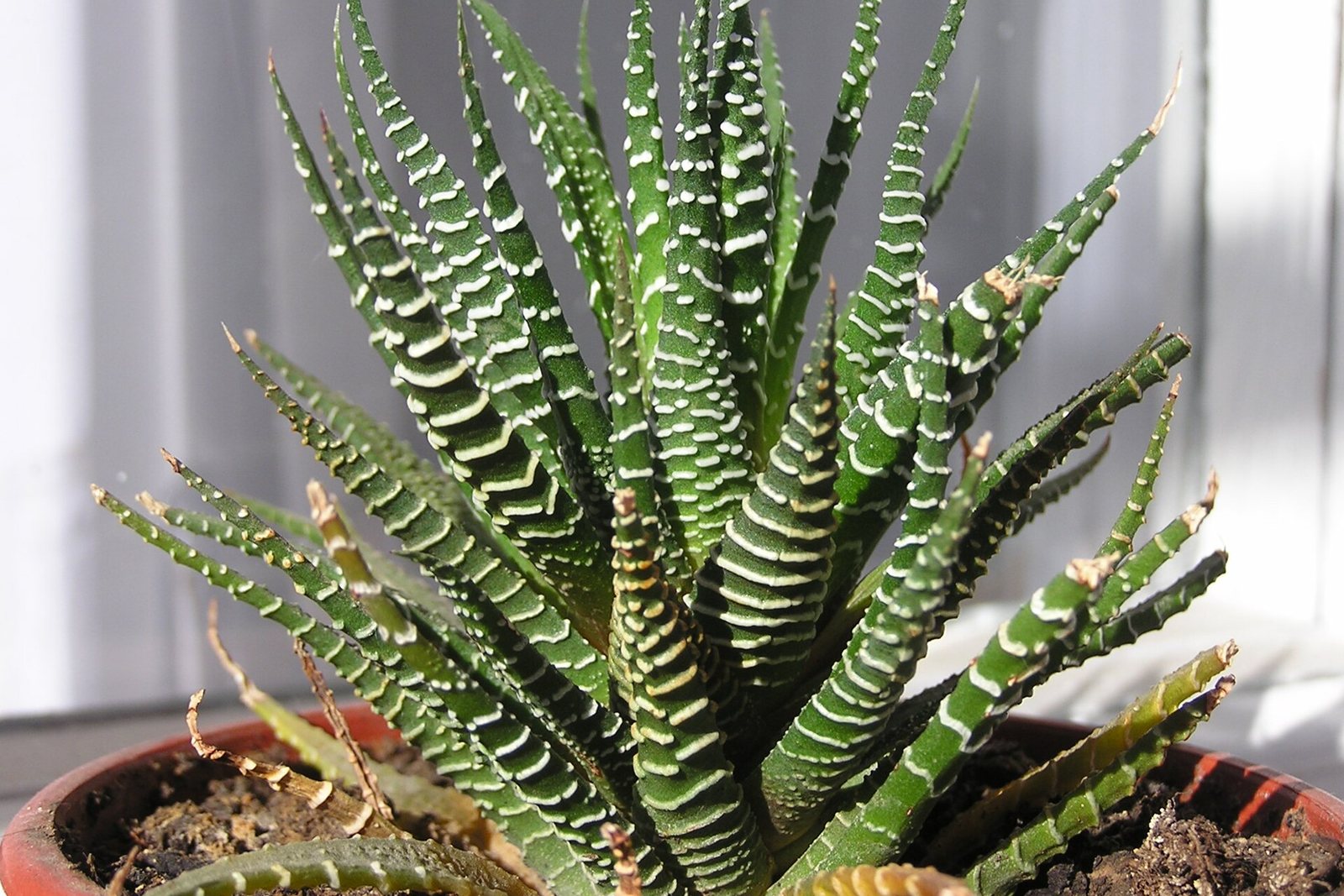
Why do succulents rot so easily?
Succulents store water in their leaves and stems and evolved for soil that drains fast. Iowa State says that ordinary potting soil holds too much water for them, and that the container must have a drainage hole: a layer of gravel at the bottom is not a substitute. Terracotta and other unglazed pots help because they are porous and dry the soil faster. An oversized pot also keeps the mix wet for longer, so choose a container just big enough for the roots. Water that sits in saucers, sleeves or decorative double pots for more than a few hours is another common cause. Winter makes it worse: growth slows with the shorter days, so the same watering that worked in summer is now too much. Colorado State University notes that cacti, unlike most plants, do not wilt when short of water, so there are few warnings before the damage appears.
How to save an overwatered succulent step by step
- Stop watering and empty the saucer. Move the plant to a bright spot with moving air, out of strong direct sun. Iowa State says moving air helps the soil dry.
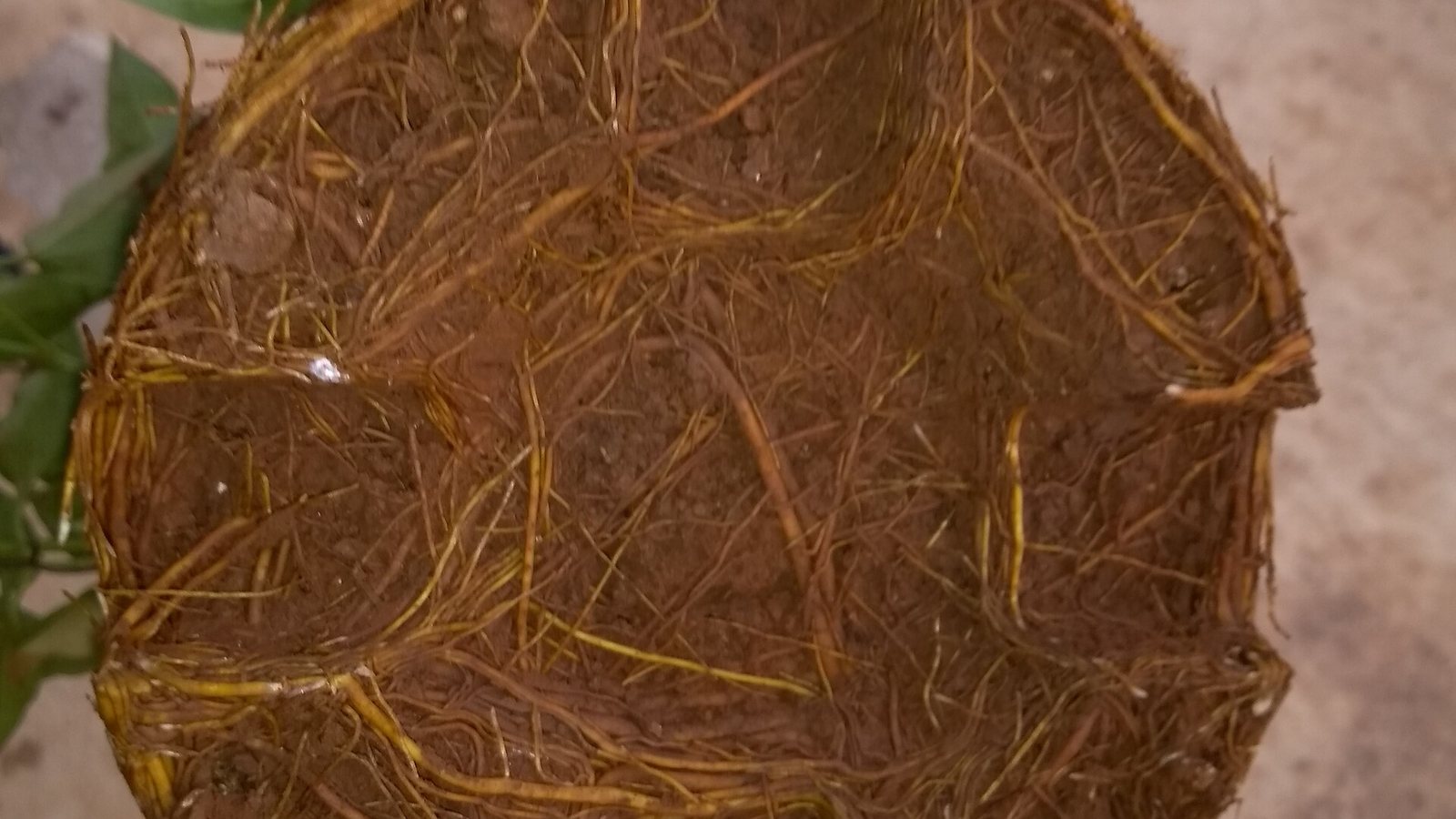
- Check the roots. Slide the plant out of its pot and shake off the wet mix. Firm, pale roots are healthy; brown to black, soft roots are rotten. Our healthy roots versus rotten roots guide shows the difference.
- Cut away the rot. Use clean scissors or a knife and remove every soft, dark root. Clemson Extension says that if only a few roots are infected, you can cut them out and repot in sterile soil.
- Let the plant dry. Leave it out of the pot in shade for a day or more so the cuts can dry. The RHS gives one day to a week for the cut end of a succulent to callus, depending on the size of the cut.
- Repot into fresh, gritty mix. Use a cactus and succulent mix, or mix one part organic material with two parts perlite, coarse sand, pumice or fine gravel as Iowa State suggests. Use a clean pot with a drainage hole.
- Wait before watering. Colorado State says not to water right after repotting, because it makes plants more susceptible to disease. Give it a week or so, then water lightly.
For the full routine on other houseplants, see the root rot rescue plan, and for mixes see the best soil for succulents and cacti.
What if the stem or base is already mushy?
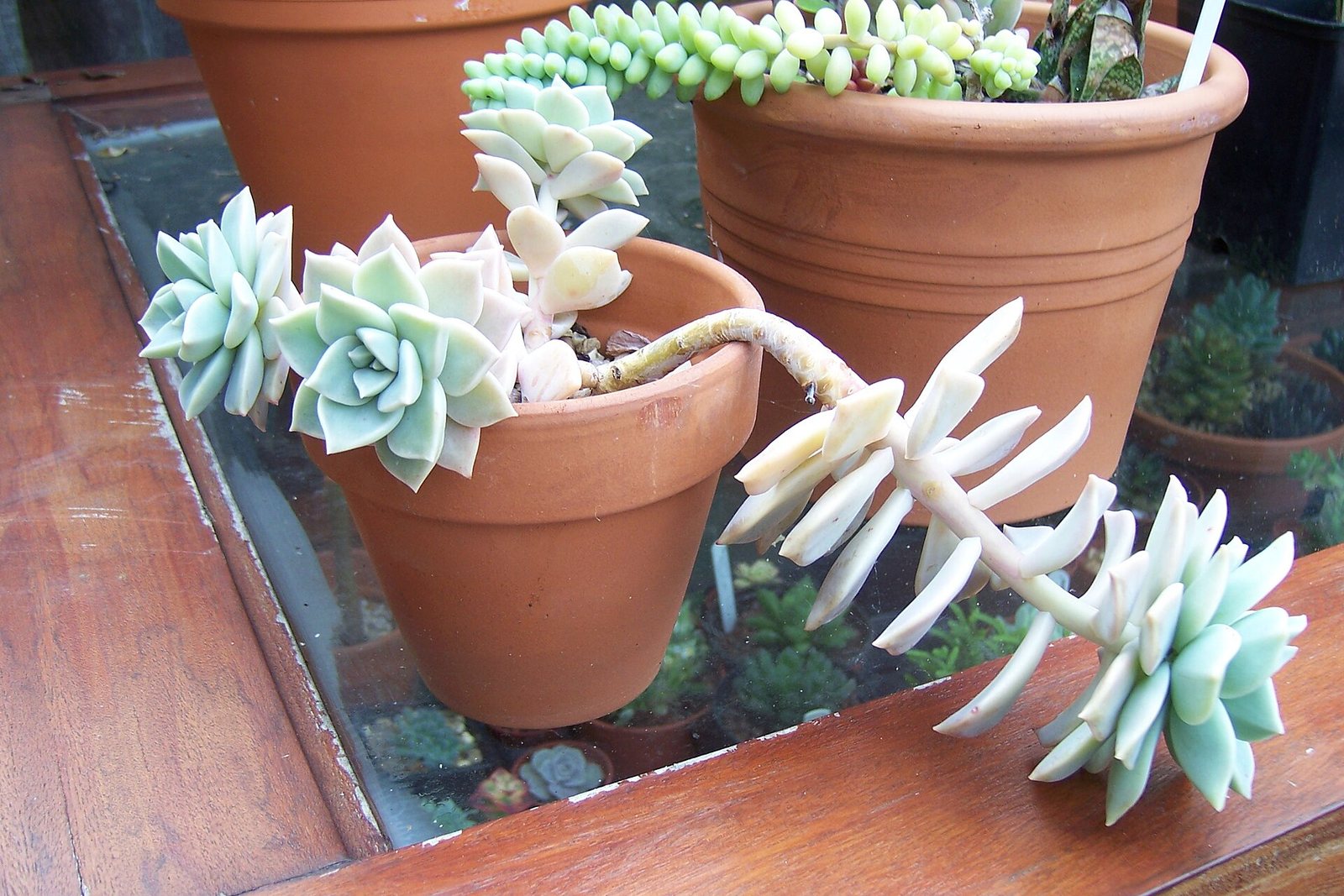
If the rot has climbed into the stem, the roots and the lower stem cannot be saved, but the healthy top often can. Cut well above the soft tissue, into firm, green stem, and check the cut surface: it should look clean and pale with no dark or mushy patches. If you still see dark tissue, cut again higher. Let the cutting callus, then root it in barely moist gritty mix. The RHS recommends keeping the compost only slightly moist while cuttings root, to prevent rot. This is the same method as in our succulent propagation guide. Healthy individual leaves from a rosette plant such as echeveria can also be laid on gritty mix to root, but a plant with a fully liquid stem is usually lost.
How to water properly after the rescue
Go back to the wet and dry cycle: soak the whole root ball until water runs from the drainage holes, empty the saucer, then let the soil dry completely before watering again. Iowa State gives every 2 to 3 weeks as a starting point, to be adjusted for light, soil, container, temperature and humidity. In winter the RHS says to give only enough water to stop shrivelling for plants resting in a cool room, and Illinois Extension says that in the middle of winter you may need to water only once every few weeks. Do not fertilise a recovering plant; the RHS suggests feeding only monthly between spring and early autumn.
How to avoid overwatering in future
- Use a gritty, fast-draining mix and a pot with a drainage hole, ideally terracotta.
- Water by the soil, not the calendar: lift the pot, use a skewer, or check several centimetres down.
- Never let a pot stand in water for more than a few hours.
- Water less in winter, and in the Southern Hemisphere remember winter is June to August, not December to February.
- Set reminders in the Flori app only as a prompt to check the soil first. If a plant starts to sag, Dr. Flori can ask follow-up questions from a description or photo, name the likely cause and give a recovery plan, and the Plant Hospital can keep the plant under watch.
Frequently asked questions
Can an overwatered succulent recover?
Yes, if some roots or stem are still firm. Remove the rotten parts, let the plant dry, repot in gritty mix and water lightly after about a week. A fully mushy plant is usually lost, but a healthy top can be rooted.
How long should I wait to water after repotting a succulent?
Colorado State says not to water right after repotting because it makes plants more susceptible to disease. About a week is a sensible wait, then water lightly.
Do overwatered succulent leaves always turn yellow?
No. Yellowing is common, but the key sign is leaves and stems that go soft and weak while the soil stays wet. Check the roots to be sure.
Is a shrivelled succulent always thirsty?
No. Shrivelled leaves can also come from rotten roots that can no longer take up water. Check the soil and the roots before you add water.
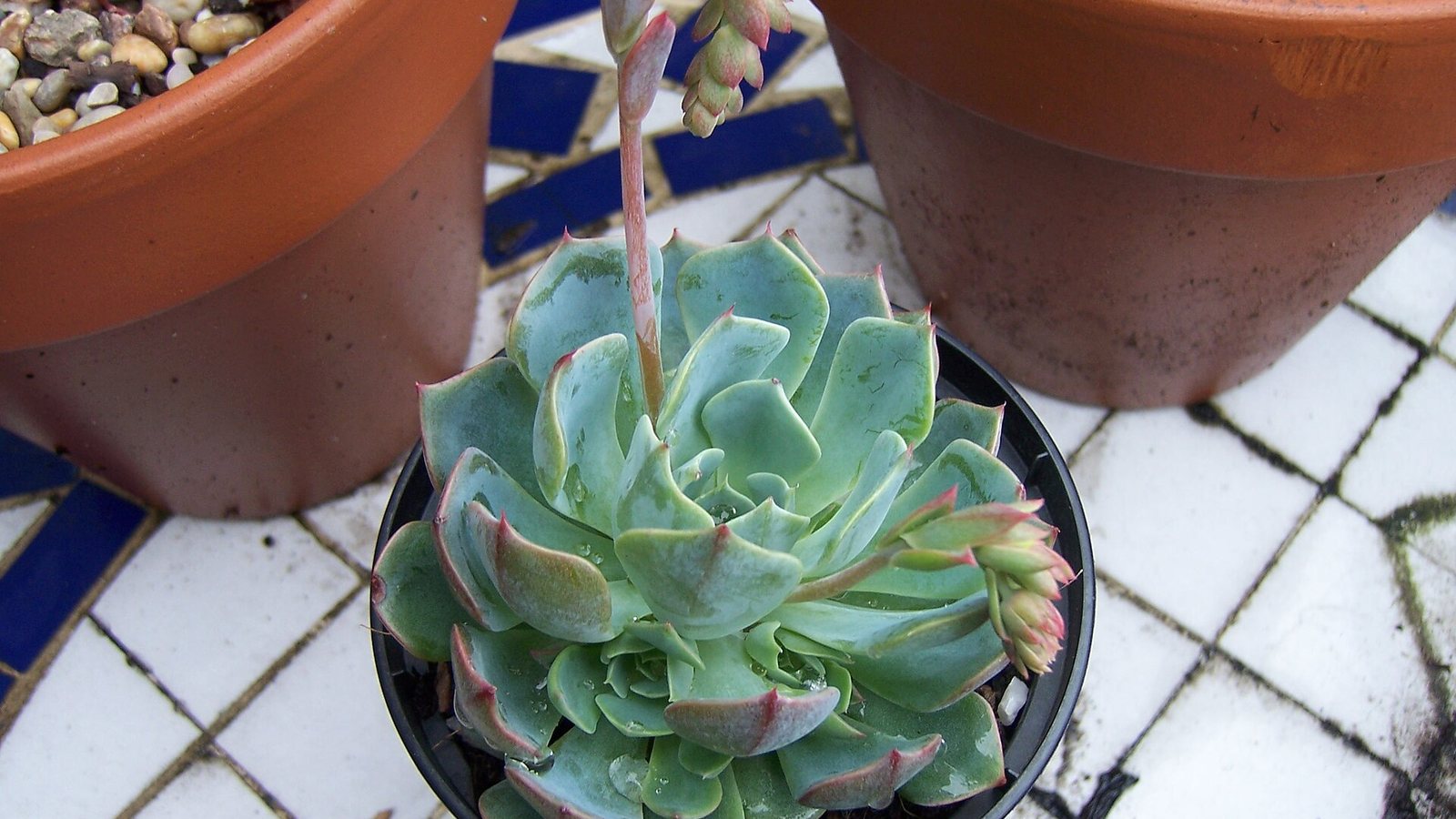
How often to water succulents and cacti indoors: start every 2–3 weeks, soak then dry out, water far less in winter, and treat holiday cacti differently.
Sources
Written and fact-checked by the Flori team. Every guide cites horticultural sources such as the RHS, university extension services and the ASPCA, and is updated when the advice changes. How we write our guides
General plant care information. Plants vary; when a plant is valuable or a problem spreads quickly, consult a local nursery or plant specialist.