Is Dish Soap Spray Safe for Plants?
Dish soap is a detergent, not true insecticidal soap, and can strip leaf wax. See which pests it helps, which plants to avoid and a safer routine.
 By Flori editorial team · Updated
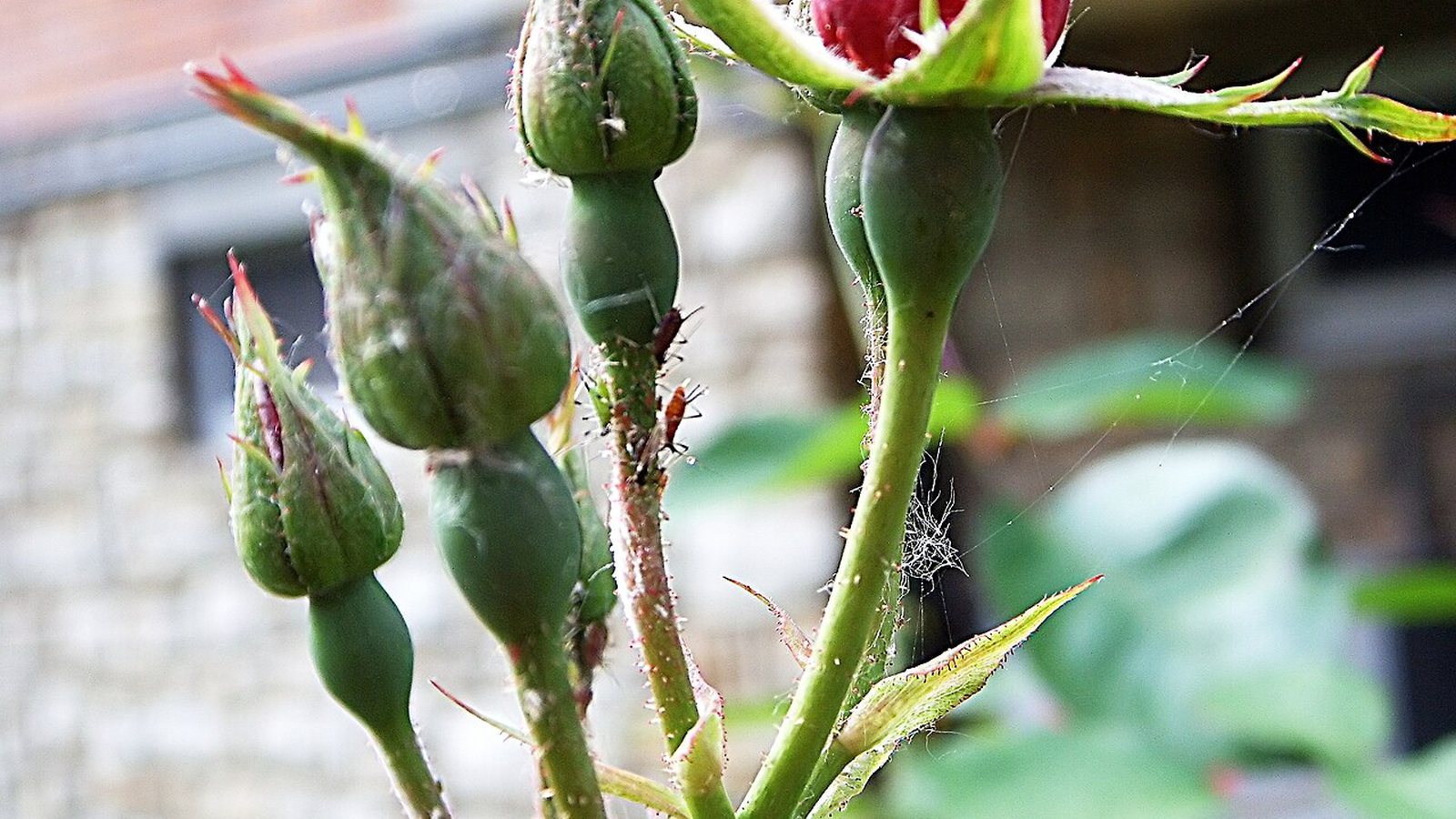 Photo: Original uploaded by Carla Nunziata (Transfered by T137 ) · Public domain
Dish soap spray is risky. Extension services say homemade mixes carry a substantially higher risk of plant injury than insecticidal soaps made for the job, because detergents can dissolve the leaf's waxy layer. Prefer a product labelled for houseplants; if you must, use 1 to 2%, test one leaf for 24 hours and never spray in full sun.
Key takeaways
- Insecticidal soap and dish soap are not the same: dish soap is a detergent that can dissolve the leaf's waxy layer.
- Never use dry dish detergent or laundry detergent on plants.
- If you must, use at most 1 to 2% (about 10 to 20 mL per litre), test one leaf for 24 hours, and spray in the morning or evening.
- Soap works on contact only: it suits aphids and young soft pests, not fungus gnats.
- Avoid sensitive plants such as maidenhair fern, gardenia, Easter lily and crown of thorns, and follow any product label.
On this page8
- Is dish soap spray safe for plants?
- Why can dish soap hurt a plant?
- Does soap spray kill the pests you can see?
- If you still use dish soap, how do you lower the risk?
- Which plants should never get a soap spray?
- How do you know if the spray worked, or harmed the plant?
- Is it safe for pets, children and water?
- What is the safest first step instead?
Is dish soap spray safe for plants?
Sometimes, but it is a gamble you do not need to take. Extension services say commercial insecticidal soaps are a highly refined version of liquid dish soap, and that homemade mixes carry a substantially higher risk of plant injury (Clemson). Dish soaps and detergents are made to remove grease, not to be sprayed on leaves, and they can damage a plant by dissolving the waxy layer on its leaves (UConn). This guide checks the popular "a few drops of washing-up liquid in water" tip against those sources, and gives you the safer route.
Why can dish soap hurt a plant?
A true insecticidal soap is made of potassium salts of fatty acids and is made for pest control; dish soap is a detergent made to cut grease and is not labelled as a pesticide (UConn). The waxy cuticle on a leaf is what keeps water in, so damage can show up as wilting or browned leaf edges within a few hours (Clemson). Dry dish detergent and clothes-washing detergents are "far too harsh to use on plants" because of their additives (Clemson). Never use those.Clemson advises rinsing somewhat sensitive plants with clean water if the leaves wilt or brown within a few hours.
Does soap spray kill the pests you can see?
Soap works only on contact, with no residual action once dry (Colorado State, UConn). It must touch the insect, so cover leaf undersides as well as tops. Results differ by pest:
| Pest | Does soap help? | Notes |
|---|---|---|
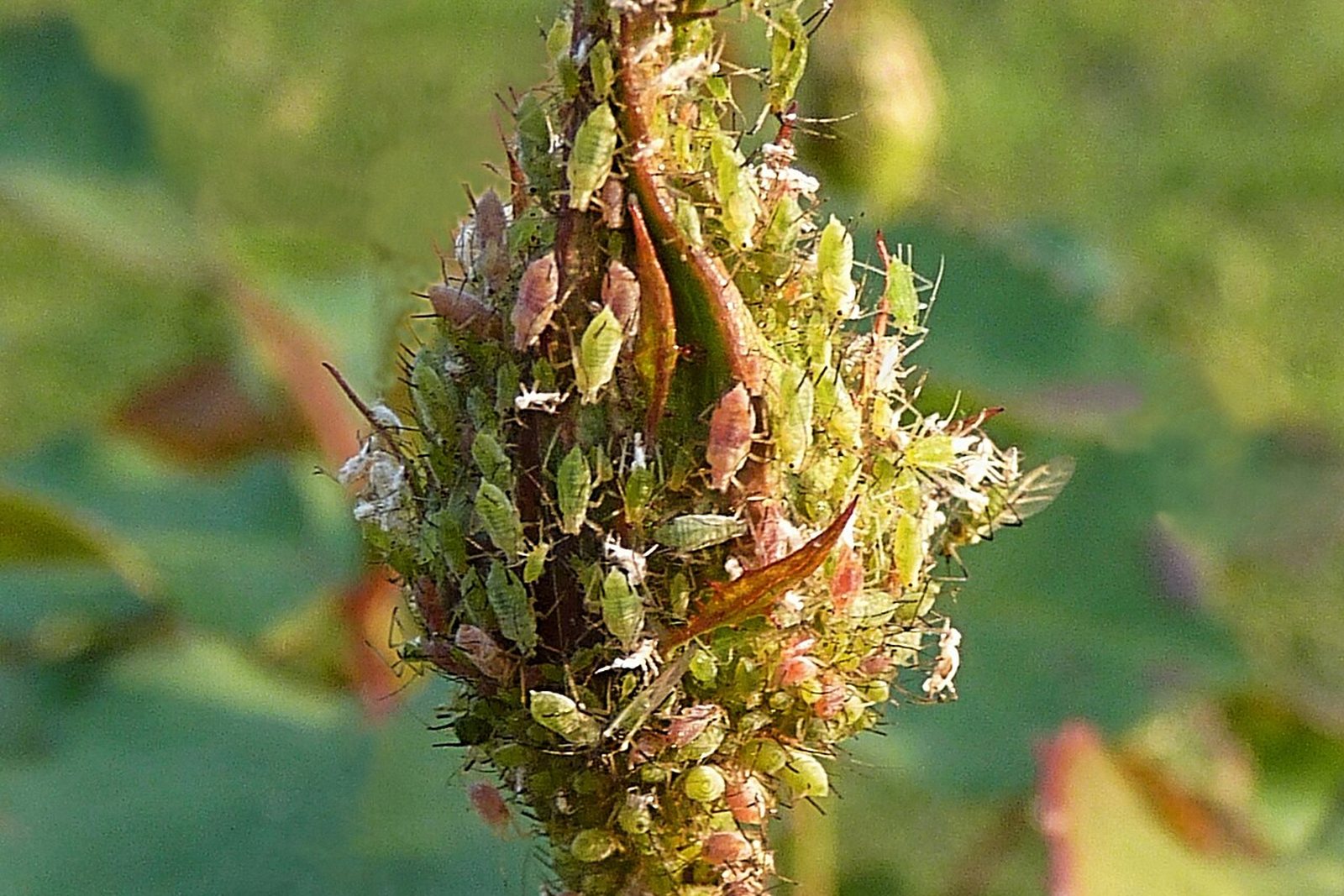
| Aphids | Effective or suppresses | Soft-bodied; our aphids guide has the full routine |
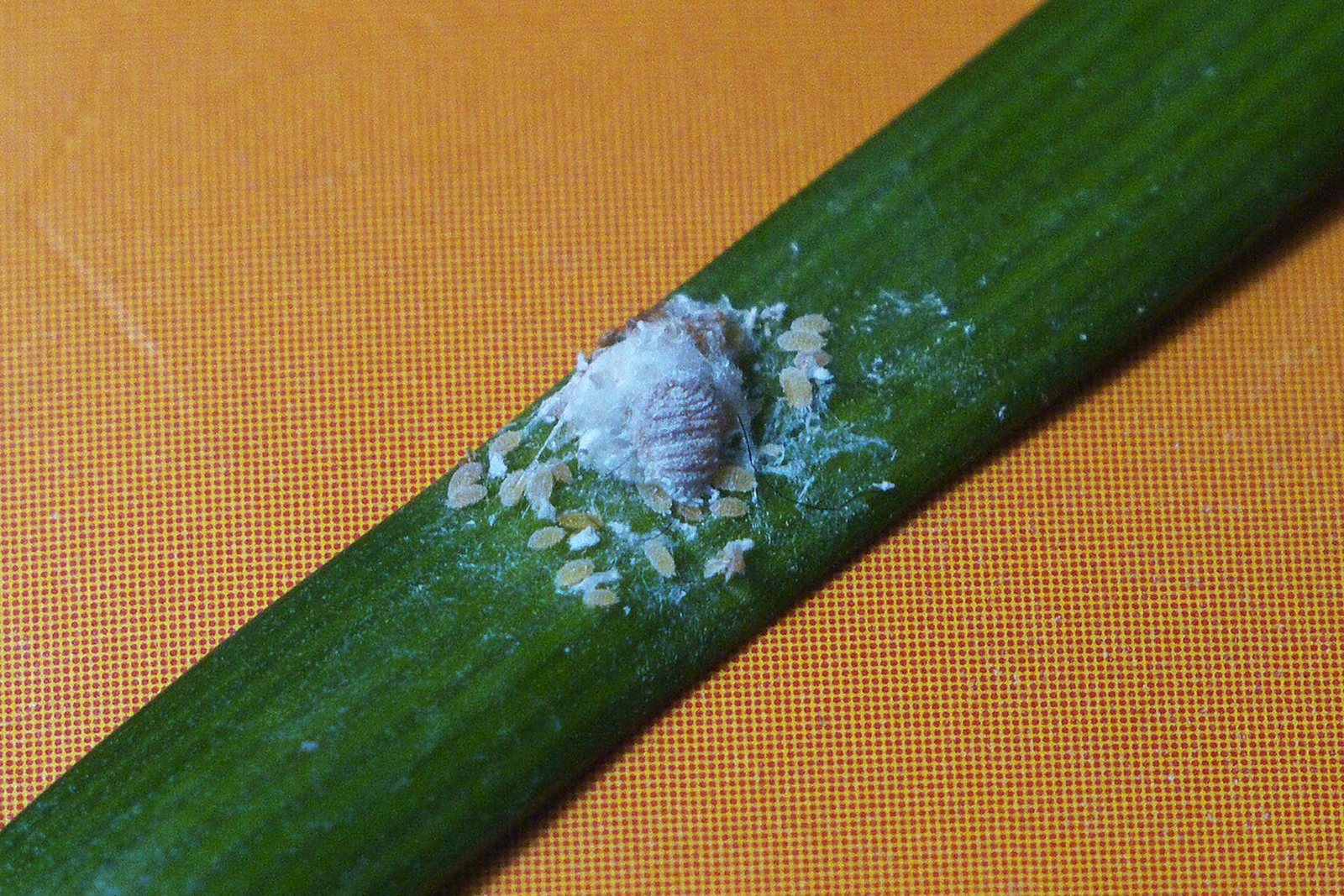
| Mealybugs | Suppression | Hit every colony; see mealybugs |
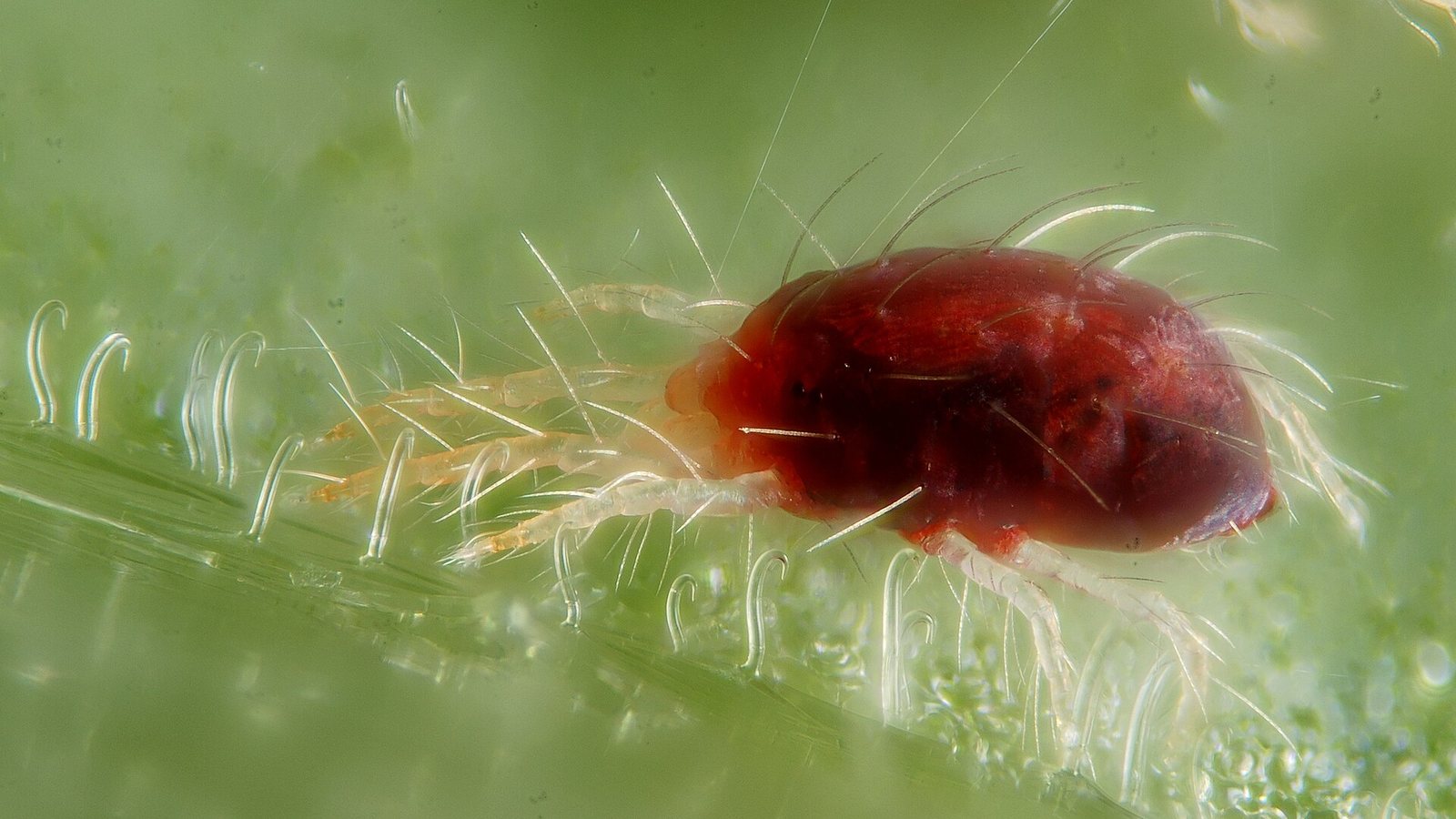
| Spider mites | Marginal | Colorado State prefers horticultural oil; see spider mites |
| Whiteflies | Nymphs only, not adults | Repeat as the label says |
| Scale insects | Only newly hatched crawlers | Adults are protected by their shell |
| Fungus gnats | Not effective | The larvae live in the soil |
So soap is a tool for aphids and young soft pests, not for everything. If you are unsure what is on the plant, start with a strong rinse of plain water, wiping and pruning off the worst infested parts, as in our natural pest prevention guide.
If you still use dish soap, how do you lower the risk?
The better choice is a product labelled for houseplants, used as the label directs. If you have only dish soap, Clemson gives a 1 to 2% solution, which is 2.5 to 5 tablespoons per US gallon, roughly 10 to 20 mL per litre, and says never go stronger. Colorado State allows 1 to 3% for commercial concentrates and says the product label takes precedence. Then follow these steps:
- Use a mild liquid, no extras. Avoid dry dish detergents and laundry products altogether (Clemson).
- Mix in a clean sprayer with water; if you live in a hard-water area, mix a jar of soap and water and let it stand for 15 minutes. If scum forms, use distilled or bottled water (Clemson).
- Test one leaf first. Spray a small area and wait 24 hours for damage before treating the whole plant (Clemson, UConn).
- Spray in the morning or evening, never in full sun or above 32 °C (90 °F), and cover both sides of the leaves, but stop before it runs off.
- Do not treat stressed plants, whether dry, overheated or newly transplanted (Clemson, Colorado State, UConn).
- Repeat every 4 to 7 days if pests persist (Clemson), and stop if leaves brown. Excessive sprays can accumulate damage.
Which plants should never get a soap spray?
Clemson lists portulaca, hawthorn, sweet pea, cherry, plum, Japanese maple, bleeding heart, maidenhair fern, crown of thorns, lantana, nasturtium, gardenia and Easter lily as highly sensitive, and begonia, fuchsia, geranium, impatiens and azalea as somewhat sensitive. UConn adds chrysanthemum, palms and poinsettia to the "caution" list and notes the waxy bloom on grapes and spruces can be altered. Plants with a bluish waxy coating may lose their colour (Clemson).
How do you know if the spray worked, or harmed the plant?
Check in two ways. First, scout the plant after treating: UConn gives no fixed repeat schedule and says to repeat based on follow-up checks, while Clemson's label-based interval is every 4 to 7 days. If live pests are still there after one or two rounds, soap is not the right tool for that pest (see the table), and more spraying only adds risk. Second, look for harm: wilting or browned leaf edges within a few hours is the warning sign Clemson describes. If you see it, rinse the leaves with clean water, stop spraying, and keep the plant out of strong sun while it recovers. Excessive applications can accumulate leaf damage, so do not escalate.
Is it safe for pets, children and water?
Insecticidal soap is toxic to fish and aquatic life, so never spray near ponds or let runoff reach water (UConn). Colorado State advises spraying outdoors where possible to limit indoor exposure, and the product label tells you how long to keep pets and children away. For any questions about a pest product, the EPA lists the National Pesticide Information Center at 1-800-858-7378. If a pet or child swallows a spray, call your vet or local poison line, which in Türkiye is UZEM 114 for a person.
What is the safest first step instead?
Try the gentle things in order: a shower of plain water, wiping leaves with a damp cloth (see how to clean plant leaves), pruning heavily infested parts, and isolating the plant. Move to a product labelled for houseplants only if pests remain. If you cannot tell the pest, Flori can help you narrow it down from a photo, and the Lab tools can analyse pests, before you spray anything.
Frequently asked questions
Can I use Dawn or other dish soap on houseplants?
It is not recommended. Clemson says homemade soap sprays carry a substantially higher risk of plant injury than commercial insecticidal soap, and UConn says detergents can dissolve the leaf's waxy cuticle.
How much dish soap per litre of water?
If you must, Clemson gives 1 to 2% and says never go stronger: about 10 to 20 mL per litre. Test one leaf and wait 24 hours first.
Does soap spray kill spider mites or fungus gnats?
Colorado State rates soap as only marginal on spider mites and not effective on fungus gnats. Use oil for mites and treat gnats at the soil.
Is soap spray safe near pets and fish?
Follow the label for keeping pets and children away, and never spray near water: insecticidal soap is toxic to fish and aquatic life (UConn).
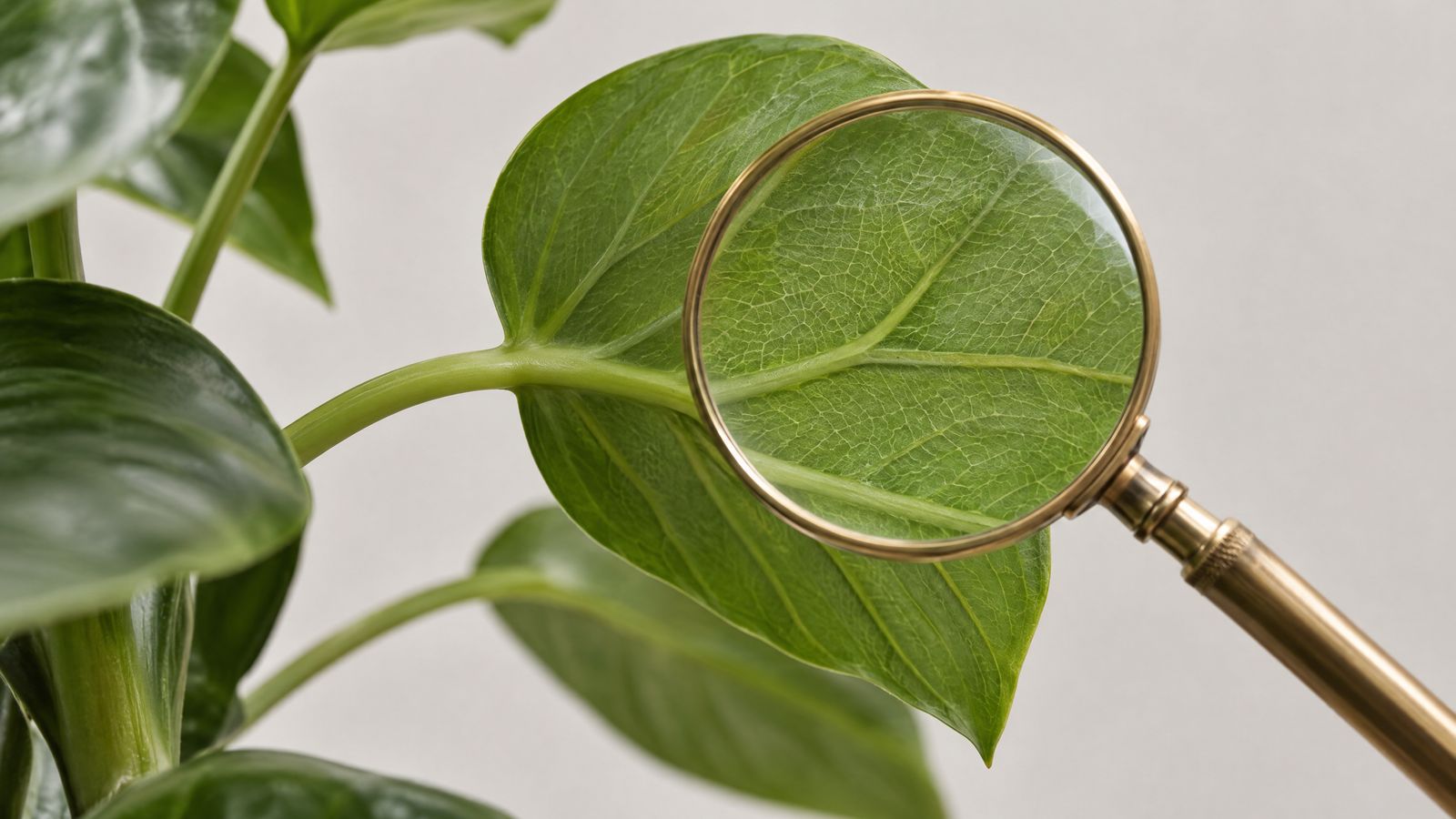
Stop spider mites, mealybugs, scale and fungus gnats early: quarantine new plants, check leaf undersides weekly and use the least-toxic fix first.
Sources
Written and fact-checked by the Flori team. Every guide cites horticultural sources such as the RHS, university extension services and the ASPCA, and is updated when the advice changes. How we write our guides
General plant care information. Plants vary; when a plant is valuable or a problem spreads quickly, consult a local nursery or plant specialist.