Child-Safe Houseplants: Non-Toxic Choices for Families
Child-safe houseplants: six options not flagged as toxic, with light and size, plus plants to keep away from toddlers and what to do if a child chews one.
 By Flori editorial team · Updated
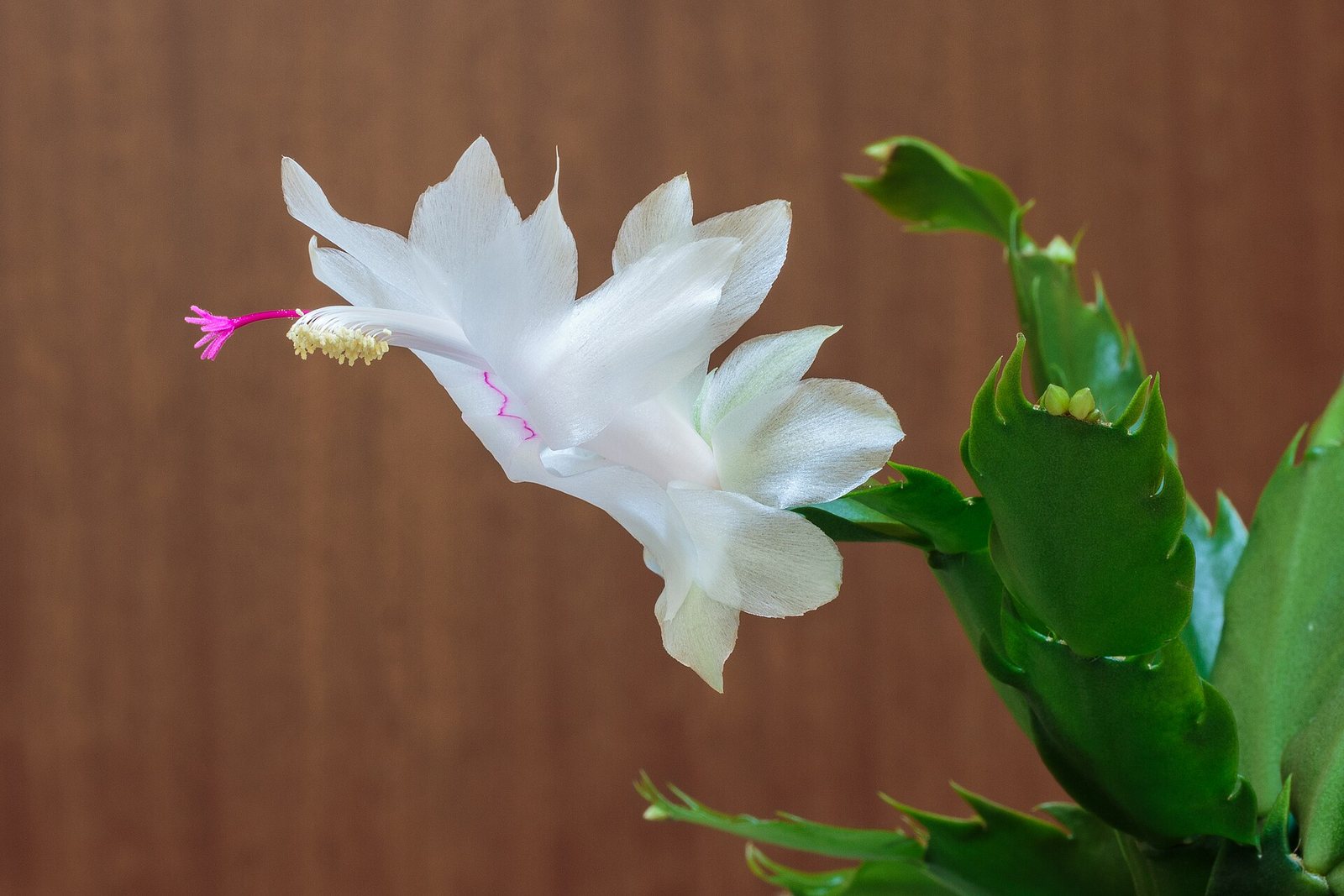
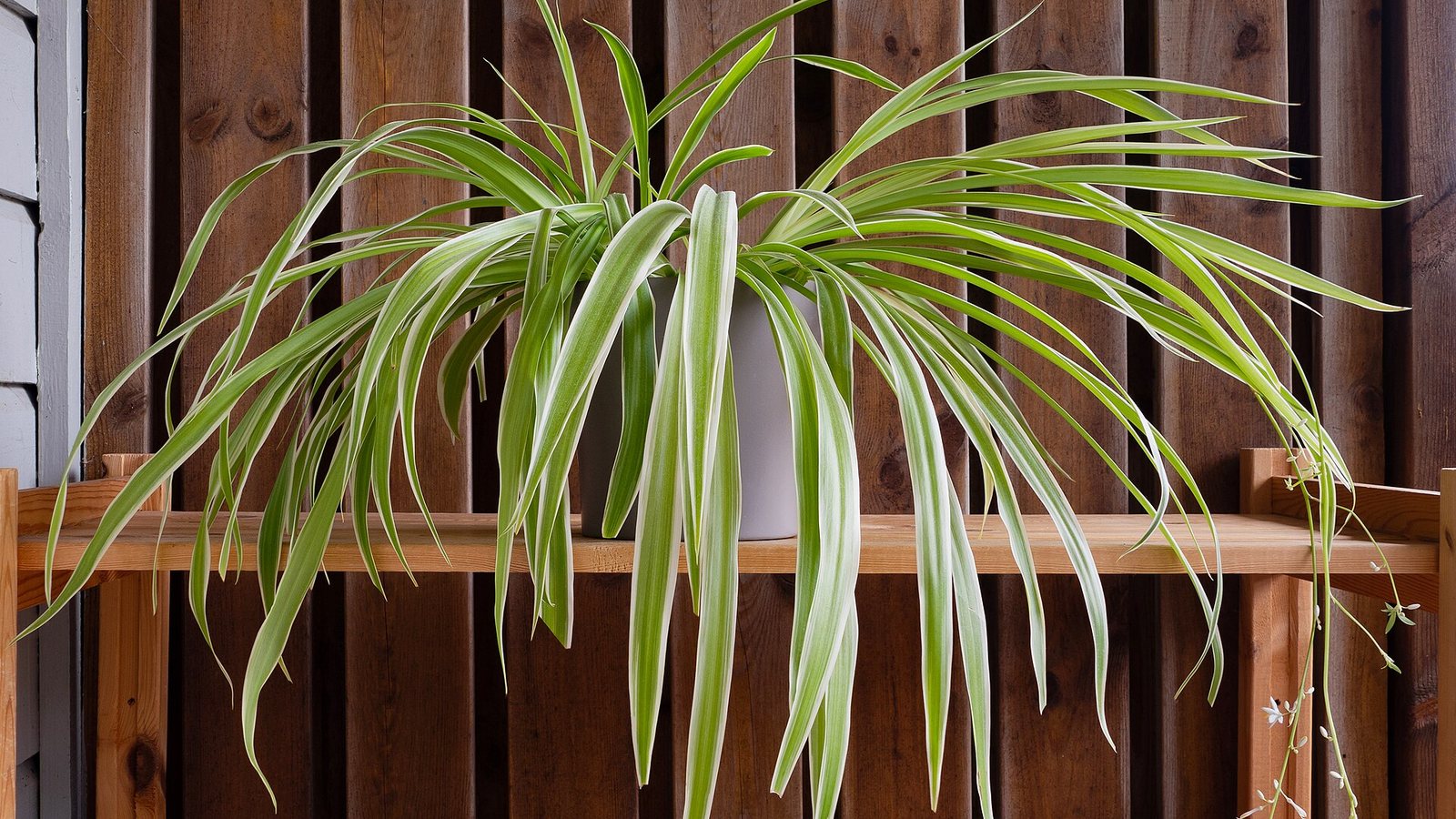 Photo: W.carter · CC0
No plant is meant to be eaten, but spider plant, parlor palm, Boston fern, African violet, Christmas cactus and prayer plant are not flagged as toxic in the sources we checked. Avoid dumb cane and pothos around toddlers. If a child chews a plant, call the poison line.
Key takeaways
- Six houseplants are not flagged as toxic in the ASPCA and NC State sources: spider plant, parlor palm, Boston fern, African violet, Christmas cactus and prayer plant.
- Pet-safe ratings do not mean children can eat a plant; keep teaching that plants are not food.
- Dumb cane (high toxicity) and golden pothos (medium) are common plants to keep away from toddlers.
- Place pots out of reach in heavy containers and cover loose soil.
- If a child chews a plant, note the species, call the poison line (UZEM 114, US 1-800-222-1222, UK 111) and keep a leaf.
On this page7
- Are there really child-safe houseplants?
- Six houseplants that are not flagged as toxic
- Which common houseplants should families keep away from children?
- How do you place plants around babies and toddlers?
- What if a child eats part of a houseplant?
- Which of the six is easiest to look after?
- What about pets and children together?
Are there really child-safe houseplants?
Honestly, no plant is made to be eaten, so "child-safe" means "listed as non-toxic and low risk if a toddler gets hold of a leaf", not "safe to chew". This guide gives you six houseplants that the sources we checked do not flag as toxic, with the light and size facts you need to choose one, plus the common plants to keep out of reach. The non-toxic ratings below come from the ASPCA, which rates plants for cats and dogs, and from NC State Extension's plant profiles; where a source says nothing about people, we say so. If you also share your home with pets, the ASPCA list is a useful first filter, and our pet-safe houseplants guide goes further on that side.
Six houseplants that are not flagged as toxic
| Plant | Toxicity note | Light | Size |
|---|---|---|---|
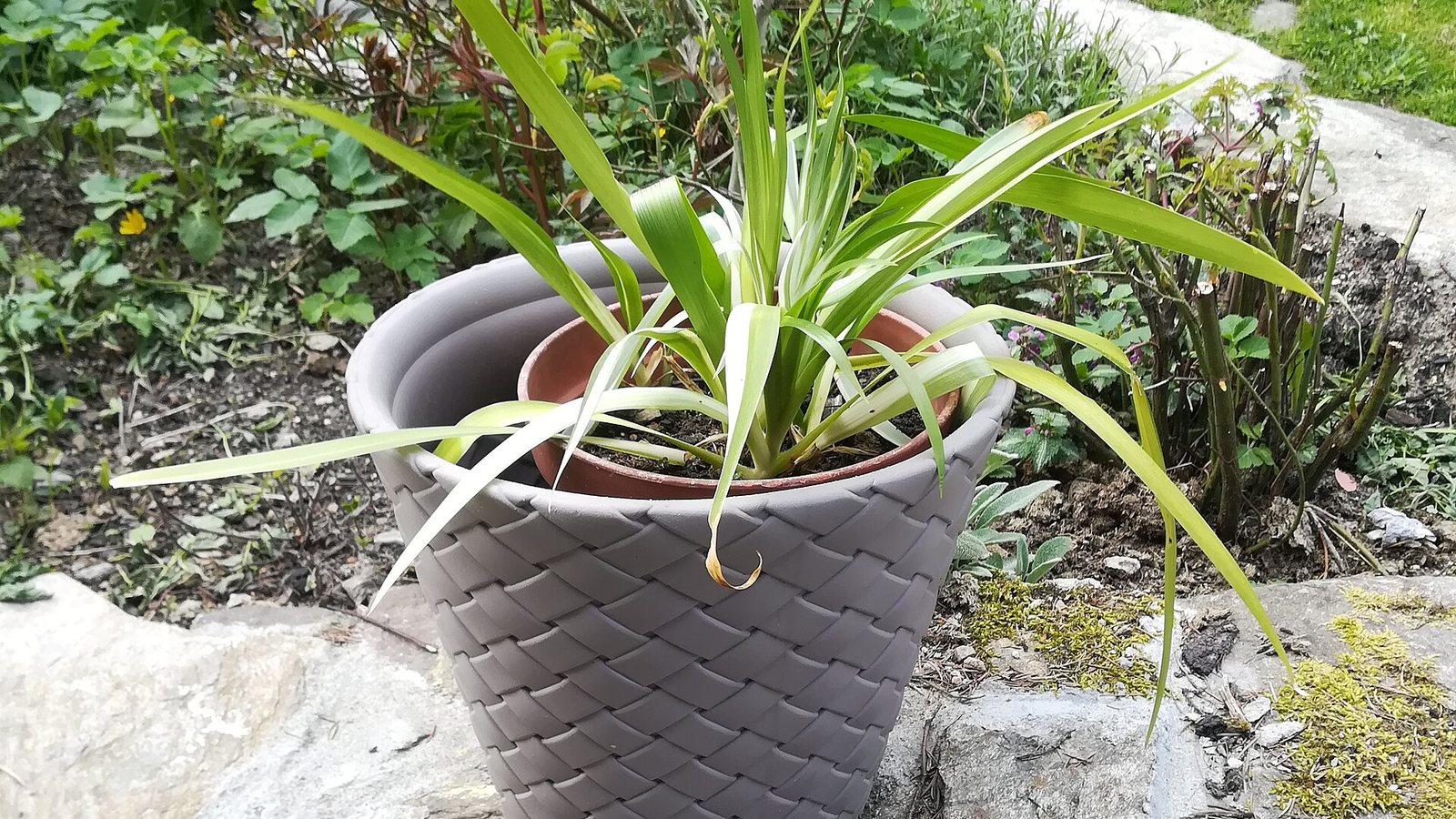
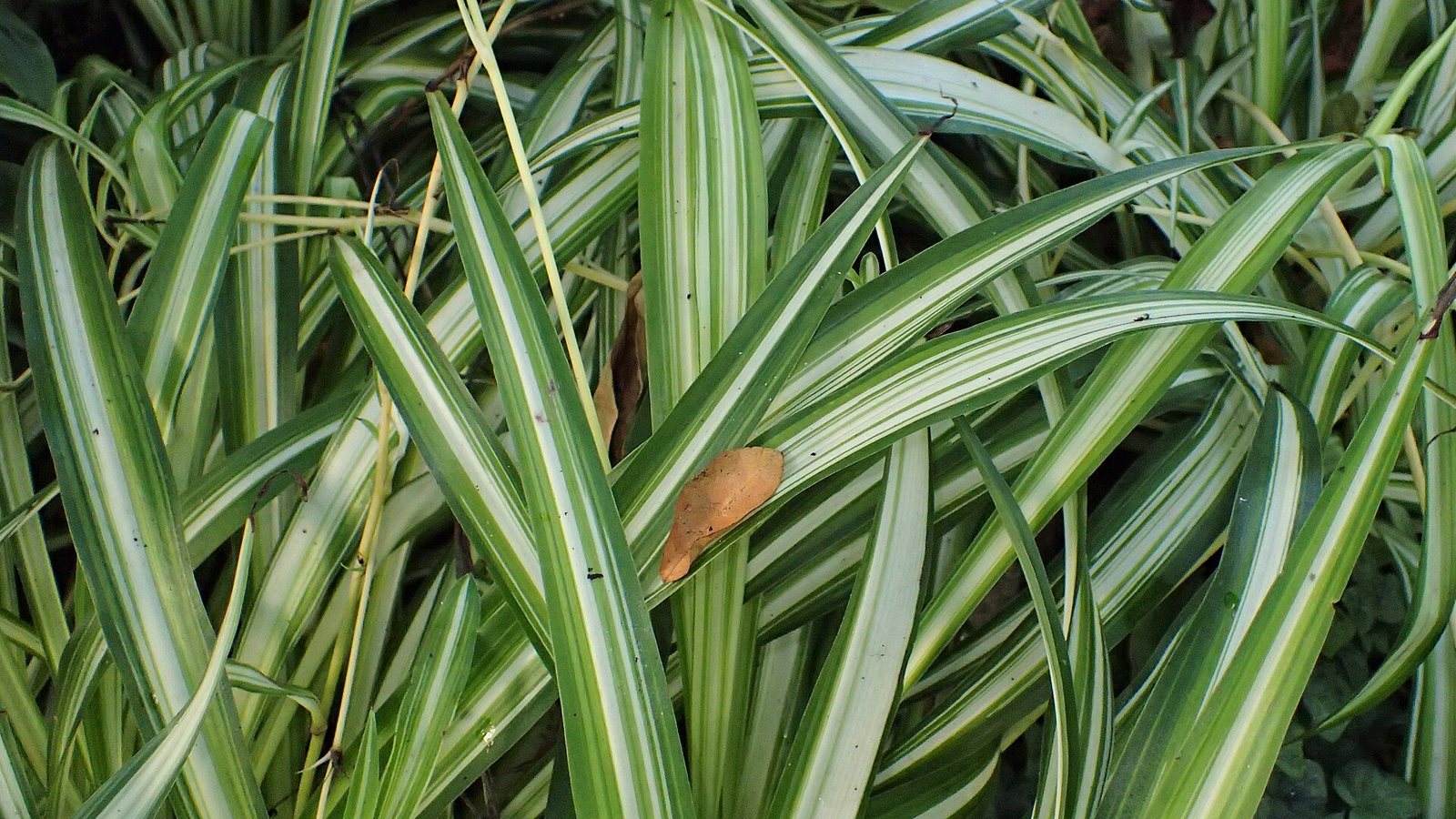
| Spider plant (Chlorophytum comosum) | Non-toxic to cats and dogs (ASPCA) | Medium light; no direct sun (NC State) | 30–45 cm (1–1.5 ft) tall, 30–60 cm wide |
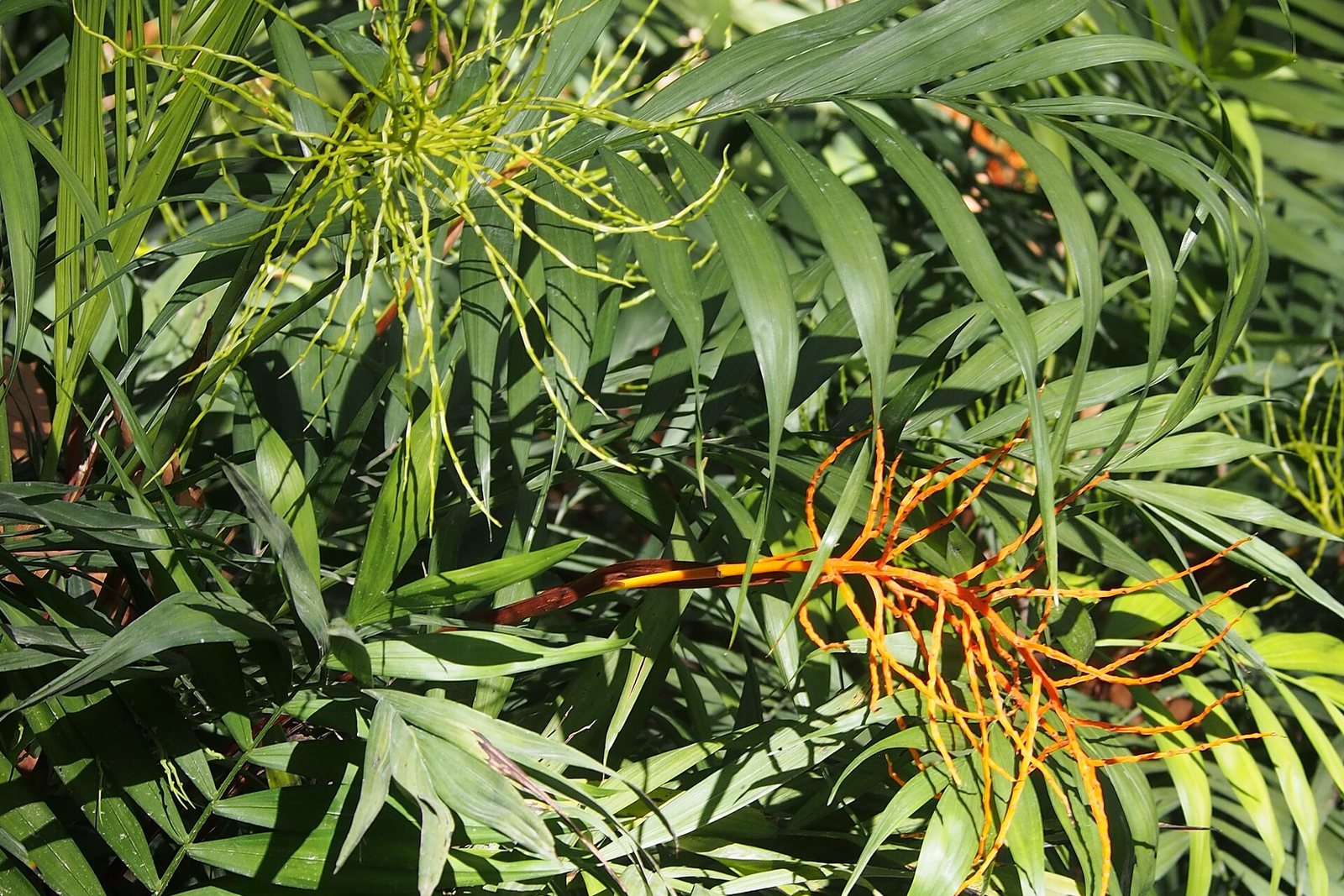
| Parlor palm (Chamaedorea elegans) | Non-toxic to cats and dogs (ASPCA); NC State rates it low severity, with fruit and sap that can irritate the skin | Bright, indirect; tolerates low light | Usually under 1.5 m (5 ft) indoors, slow-growing |
| Boston fern (Nephrolepis exaltata) | Tagged non-toxic to cats and dogs (NC State) | Bright, indirect; needs high humidity | 60–90 cm (2–3 ft) tall and wide |
| African violet (Saintpaulia) | Non-toxic to cats and dogs (ASPCA) | Bright, filtered light | 15–23 cm (6–9 in) tall |
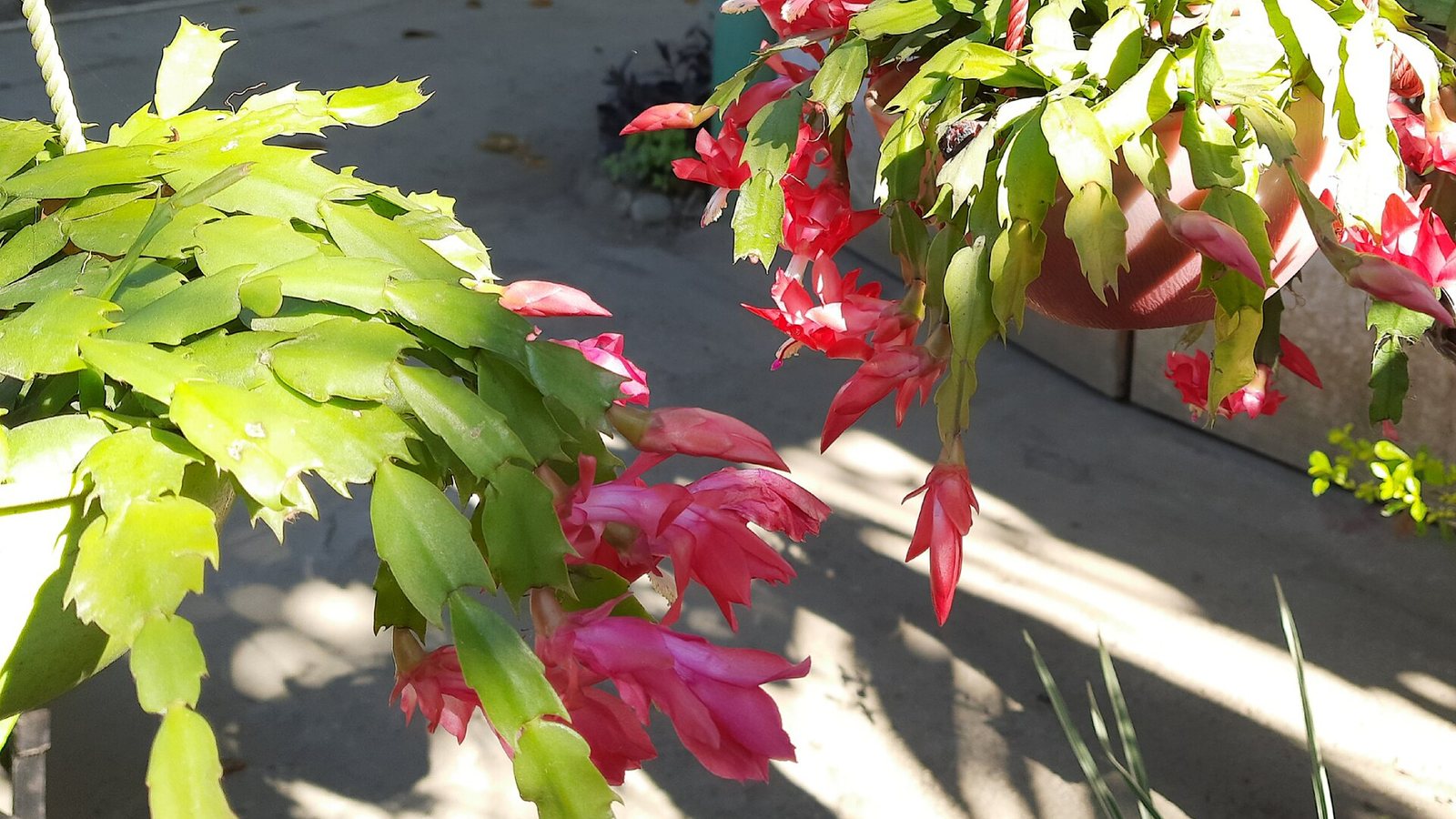
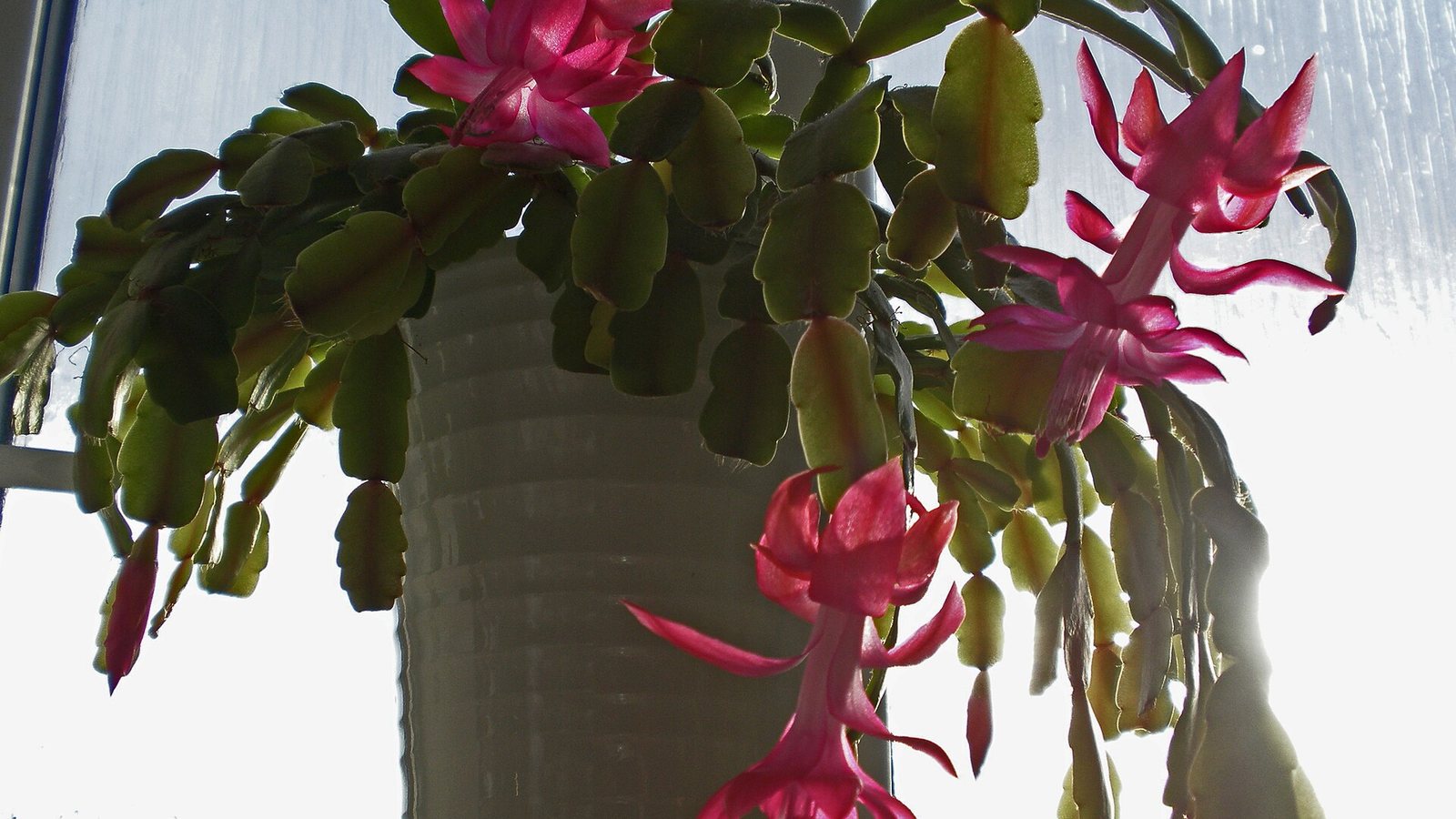
| Christmas cactus (Schlumbergera) | Non-toxic to cats and dogs (ASPCA) | Bright light in winter, shade from hot summer sun | 23–30 cm (9–12 in) tall, 30–60 cm wide |
| Prayer plant (Maranta, Calathea) | ASPCA lists prayer plant as non-toxic to cats and dogs | Bright, indirect; tolerates low to medium; no direct sun | 15–30 cm (6–12 in) tall |
Two cautions on this table. First, "non-toxic" on a pet list is not a statement that children can eat the plant: the ASPCA notes that eating any plant material can upset the stomach of dogs and cats, and the same caution is sensible for children. Second, NC State's profiles for spider plant, Boston fern and Christmas cactus do not give a human toxicity rating, so we do not claim one. Treat these plants as lower-risk choices and keep teaching children that plants are not food.
Which common houseplants should families keep away from children?
These are widely sold and worth moving or skipping if toddlers can reach them:
- Dumb cane (Dieffenbachia): NC State rates its toxicity to humans as high. Calcium oxalate crystals cause burning and swelling of the lips, tongue and throat, trouble speaking and swallowing, and the sap can irritate skin and, if it reaches the eyes, damage the cornea.
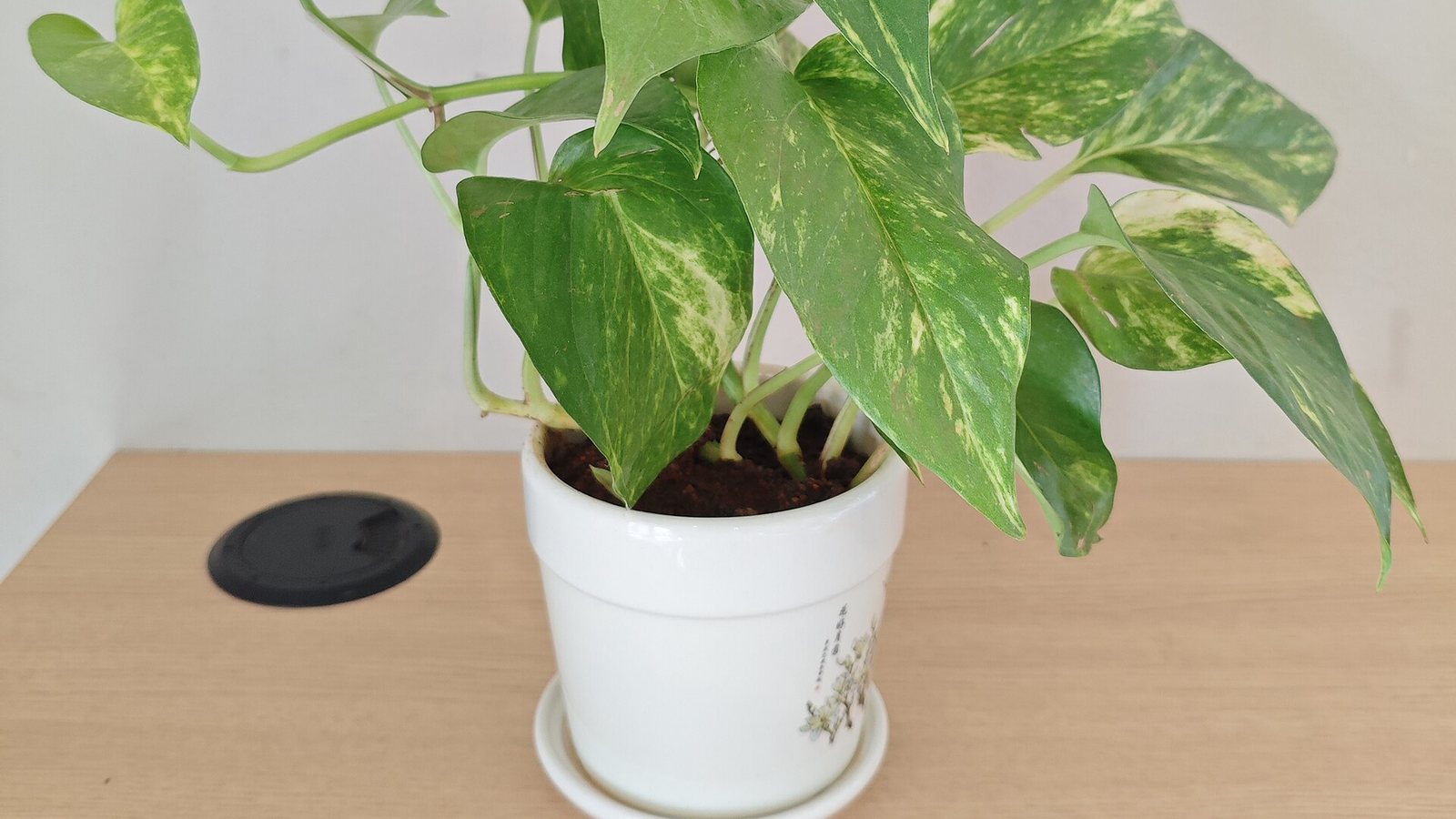
- Golden pothos (Epipremnum aureum): NC State rates it medium, with oral irritation, pain and swelling of the mouth, drooling and vomiting. It is also toxic to cats and dogs, so check plants toxic to cats if you have both.
- Castor bean and yew: Poison Control describes the castor bean seed as releasing ricin when crushed or chewed and the yew as poisonous if eaten. They are mostly garden plants, so look at the garden too.
How do you place plants around babies and toddlers?
Safe choice plus smart placement beats either alone. Put pots on a shelf or hook out of reach, in heavy pots that cannot be tipped, and cover loose soil with a layer of stones the child cannot swallow. Sharp plants such as cacti with spines are an injury risk even though they are not poisonous; choose spine-free plants. Keep fallen leaves and flowers swept up, because that is what a crawling child actually finds. For lists of plants and how often to care for them, see beginner plants that forgive mistakes: several are non-toxic.
What if a child eats part of a houseplant?
- Take the plant out of reach and wipe the mouth, then note which plant it was and roughly how much.
- Call the poison line. United States: Poison Control 1-800-222-1222 (or the online triage tool at poison.org). Türkiye: UZEM 114 (Ulusal Zehir Danışma Merkezi). United Kingdom: NHS 111. Poison Control says both options are free, expert and confidential.
- Call emergency services at once if the child collapses, has a seizure, has trouble breathing or cannot be woken.
- Keep a leaf or the plant tag so a clinician can confirm the species. Do not try home remedies; follow what the poison line tells you.
Not sure what a plant is? Flori can identify plants from a photo, and each care profile shows light, watering, humidity, temperature and toxicity, which helps you decide where it can live. This is information, not medical advice, and an app cannot replace a call to the poison line.
Which of the six is easiest to look after?
For a busy family the spider plant is the simplest: NC State says it prefers medium light, tolerates deep shade and is intolerant of direct sun. It notes that chlorine and fluoride in tap water can cause leaf-tip burn, so filtered or non-tap water helps, and that you should water less in winter. The parlor palm is slow-growing and wants the soil to dry slightly between waterings. The Boston fern is the most demanding: NC State says to keep its soil moist, never let it dry out and give it high humidity, for example near a bathroom or kitchen or on a tray of wet pebbles. If your home is dry or you travel often, start with the spider plant or parlor palm.
What about pets and children together?
The plants above are all rated non-toxic to cats and dogs by the ASPCA or tagged so by NC State, so most of the list works for both. If your child or pet has chewed any plant, contact Poison Control or ASPCA Animal Poison Control and your vet. For a longer pet-focused list, see pet-safe houseplants, and for holiday plants, Christmas plants to give explains which seasonal plants are safer.
Frequently asked questions
Is the spider plant safe for toddlers?
The ASPCA lists it as non-toxic to cats and dogs and NC State gives no human toxicity rating. Treat it as a lower-risk choice, but still keep it out of reach.
Which common houseplants are most toxic to children?
NC State rates dumb cane (Dieffenbachia) as high toxicity to humans and golden pothos as medium. Keep both out of reach of small children.
What should I do if my child chewed a houseplant?
Move the plant away, note which one it was and how much, and call the poison line: Türkiye UZEM 114, US 1-800-222-1222, UK NHS 111. Call emergency services if the child collapses or has trouble breathing.
Are cactus plants safe for children?
Spines can injure, even if the plant is not poisonous. The Christmas cactus is rated non-toxic to cats and dogs by the ASPCA; choose spine-free plants for toddlers.
14 pet-safe houseplants checked against the ASPCA cat and dog lists, with light needs, the toxic plant each replaces and what to do if your pet chews one.
Sources
Written and fact-checked by the Flori team. Every guide cites horticultural sources such as the RHS, university extension services and the ASPCA, and is updated when the advice changes. How we write our guides
General plant care information. Plants vary; when a plant is valuable or a problem spreads quickly, consult a local nursery or plant specialist.