Slugs and Snails: How to Protect Your Plants
Which slug and snail controls really work? Hand-picking, traps and nematodes vs eggshells and copper tape, plus pet-safe advice, in one comparison table.
 By Flori editorial team · Updated
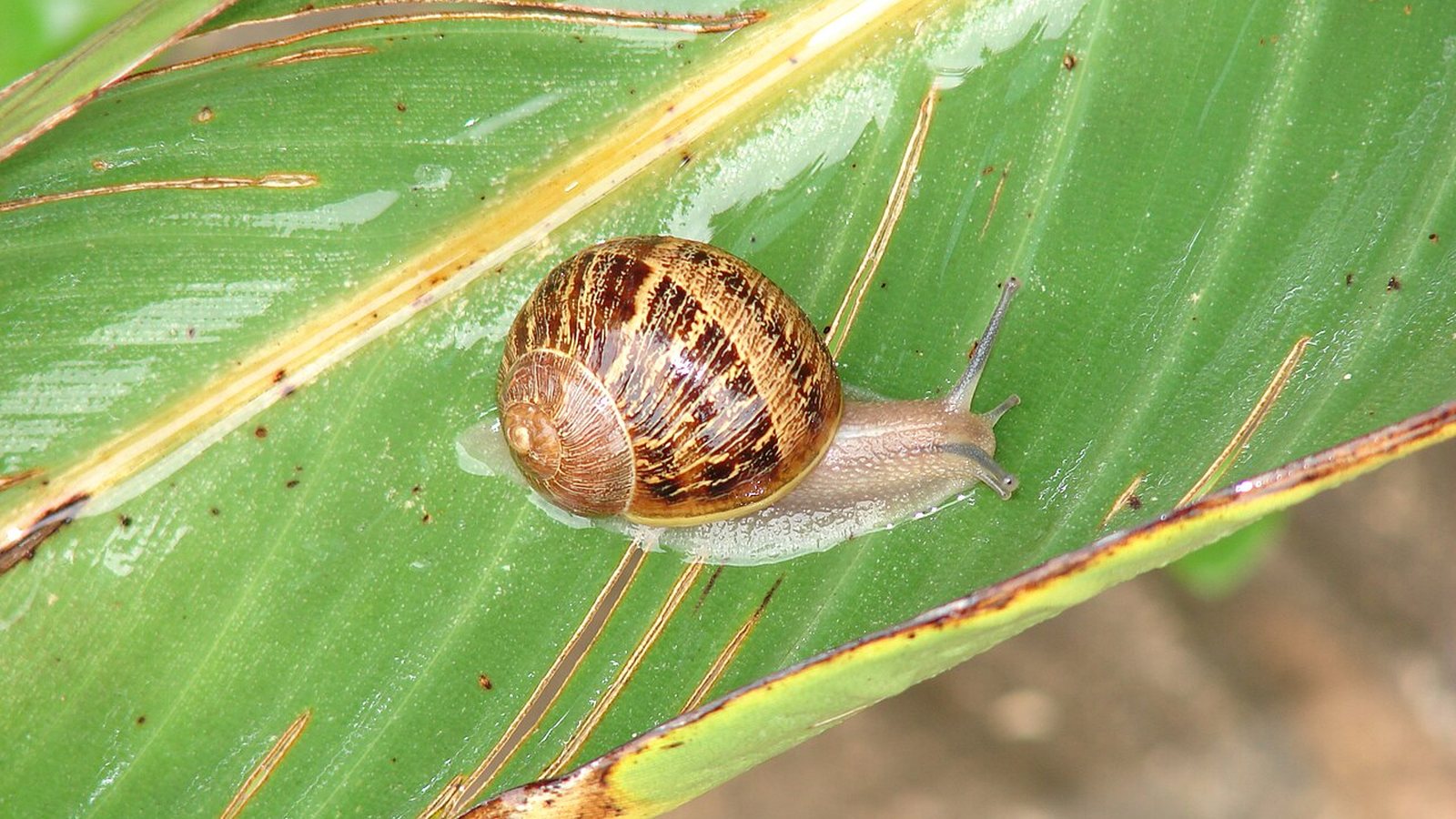 Photo: Fdb · Public domain
Remove hiding places, hand-pick after dark, set traps and grow plants slugs dislike. In an RHS study, eggshells, bark mulch, grit and wool pellets did not reduce damage, and even organic pellets harm wildlife. Metaldehyde baits are highly toxic to dogs and cats, so keep them away from pets.
Key takeaways
- Slugs feed at night: ragged holes and silvery trails are the clue.
- Hand-picking, clearing hiding places and traps have evidence; eggshells, bark and grit did not work in an RHS study.
- Nematodes work on slugs but not snails, and only in warm, moist soil.
- Metaldehyde pellets are highly toxic to dogs, cats and birds.
- Hosta, the favourite target, is toxic to dogs and cats (ASPCA).
On this page7
What actually protects plants from slugs and snails?
Slugs and snails are best controlled by taking away their hiding places, hand-picking at night, setting traps and growing plants they dislike. The popular barriers (eggshells, bark, grit, wool pellets) did not reduce damage in an RHS study, and even "organic" slug pellets harm garden wildlife. This guide puts every common method in one table so you can see which ones have evidence behind them, and which ones are dangerous to a dog.
The rules are the same in a damp garden on the Black Sea coast of Türkiye, a Mediterranean garden that is wet in winter and a temperate northern garden in the UK or the northern US: slugs and snails need moisture and shelter, so they are worst in mild, wet weather and in shady, cluttered corners.
How do you know it is slugs or snails?
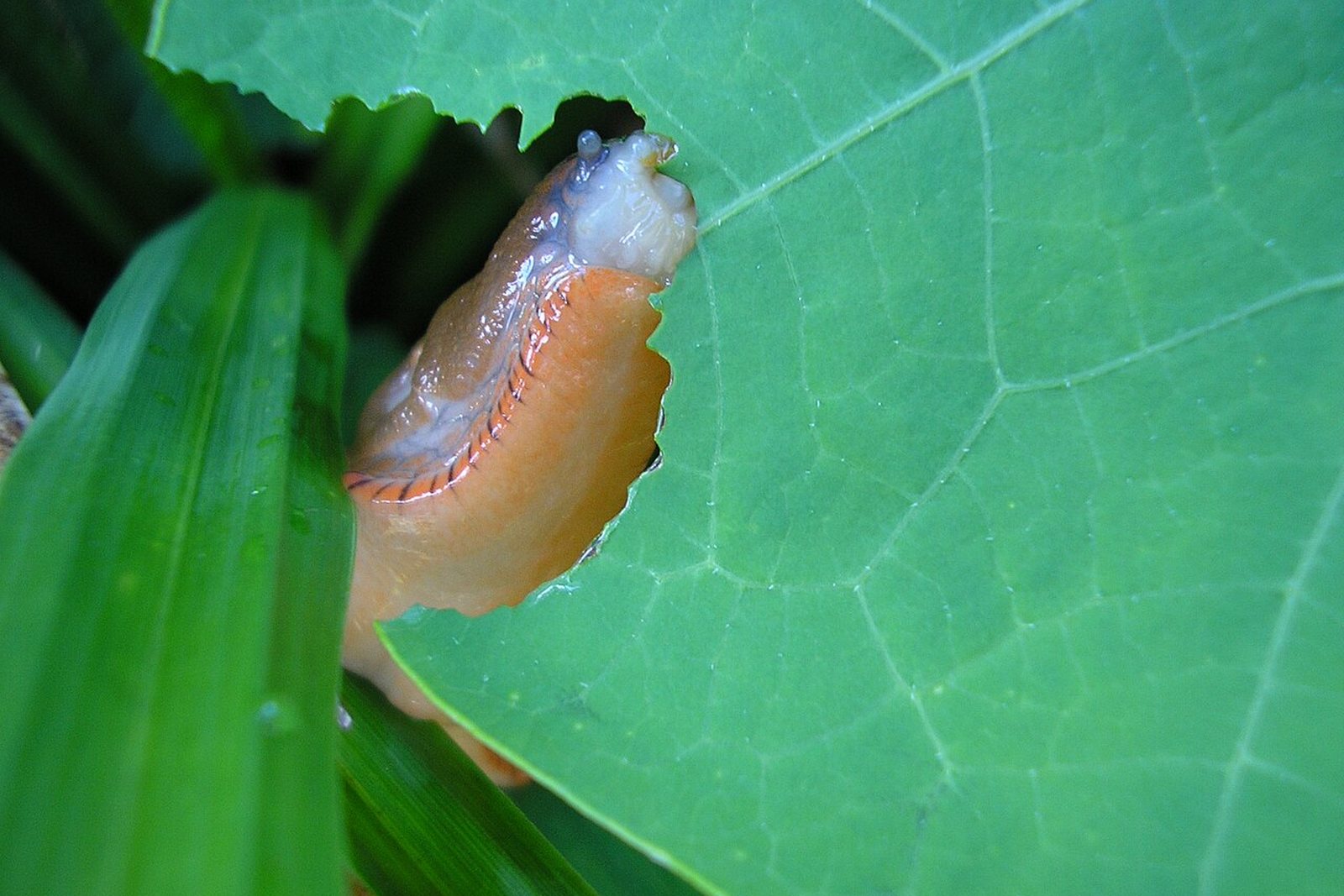
The RHS describes the damage as ragged holes in soft, fleshy leaves and seedlings, made by rasping mouthparts. They feed at night, so the holes and the silvery slime trails are often the only clue. Hostas are "particularly tasty" and are severely eaten. If you see holes but no trail, other chewers are possible; see holes in plant leaves for the other suspects.
It also helps to know why they bounce back. According to UC IPM, a brown garden snail lays about 80 eggs per clutch, up to 6 times a year, and takes about 2 years to mature. Slugs mature in 3 to 6 months and lay batches of 3 to 40 eggs. One clean-up is never enough; you are keeping numbers down, not wiping them out.
Which methods work, and which are myths?
| Method | Verdict | What the sources say |
|---|---|---|
| Hand-picking after dark | Works | Search with a torch on mild, damp evenings; UC IPM suggests daily at first, then weekly once numbers drop |
| Remove hiding places | Works | Clear boards, stones, debris, weeds and dense ivy where they shelter by day (UC IPM) |
| Water in the morning, or use drip | Helps | Both sources: less evening moisture means a less friendly garden |
| Grow less tasty plants | Works | Woody plants and plants with thick or waxy leaves are less likely to be eaten (RHS) |
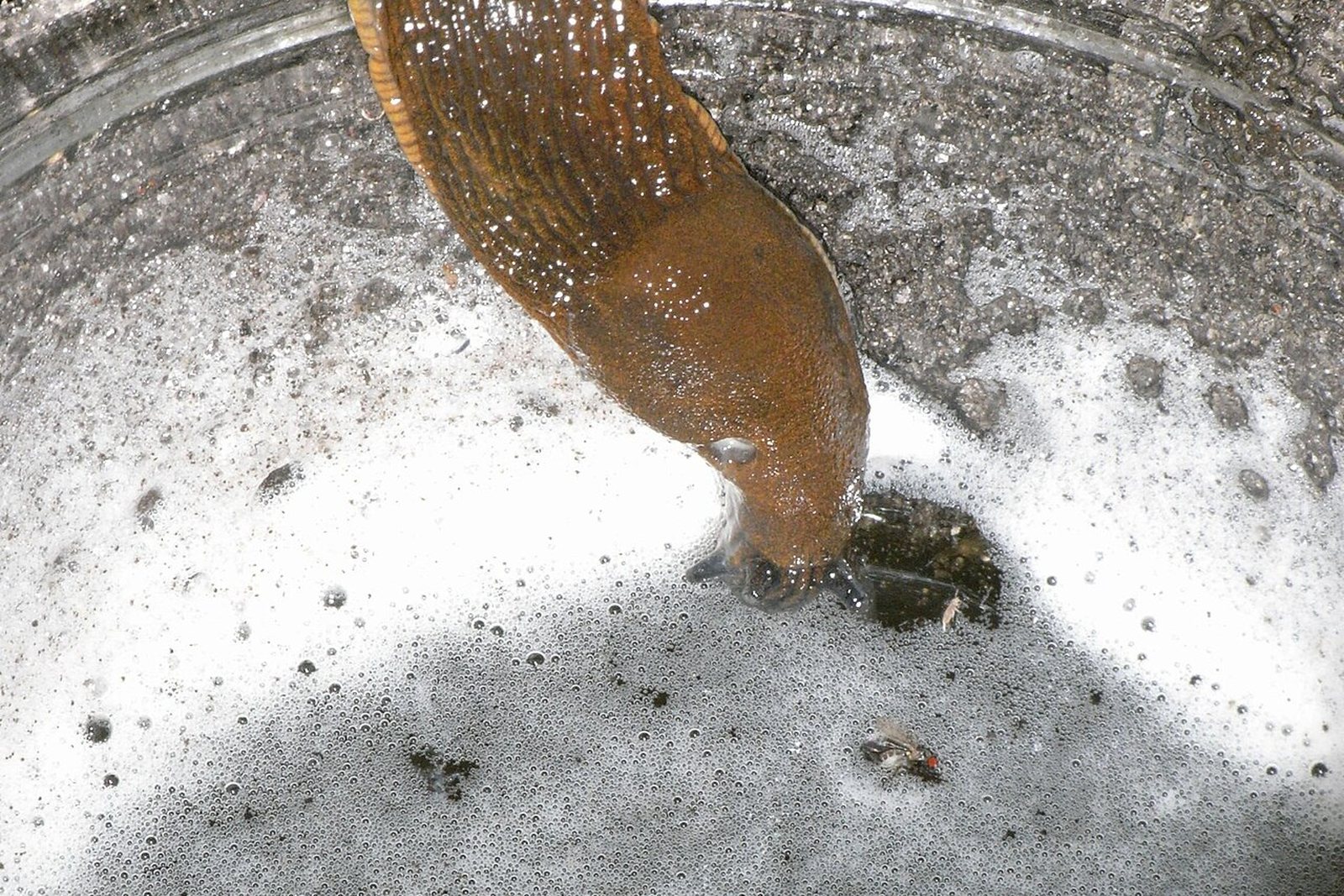
| Beer or fruit-skin traps | Works, locally | Sunk jars or upturned citrus or melon skins; empty every morning. Beer traps only attract from a few feet (about 1 m) |
| Nematodes (Nemaslug) | Works on slugs, not snails | Watered into soil at 5–20 °C (41–68 °F), spring to early autumn; they affect all slug species and are less effective in heavy clay (RHS) |
| Iron phosphate bait | Works, slowly | UC IPM calls it safer around children, pets and wildlife; snails die in about 7 days |
| Copper tape | Sources disagree | An RHS study found no reduction in damage; UC IPM says a wide, clean copper band can work but tarnishes |
| Eggshells, bark mulch, sharp grit, wool pellets | No evidence | The RHS study found no reduction in slug damage |
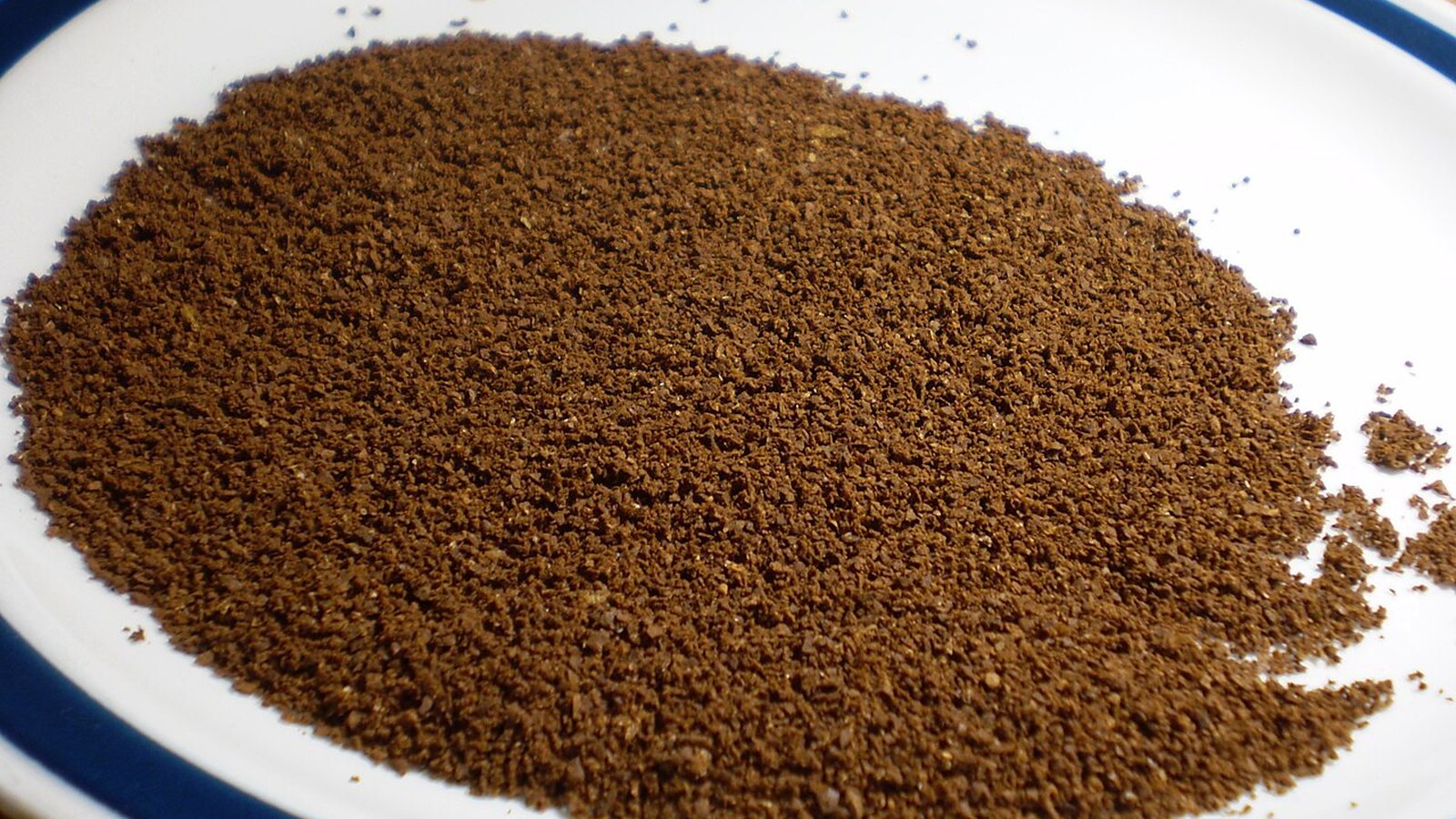
| Coffee grounds | Not proven | UC IPM: eggshells and coffee grounds are not proven effective |
| Salt | Do not use | UC IPM: it raises soil salinity |
| Metaldehyde pellets | Dangerous to pets | UC IPM: highly toxic to dogs, cats and birds, and the pellets attract dogs |
What should you do first?
- Go out with a torch after dark, ideally after watering in the late afternoon, and look at the hostas, lettuces and seedlings first.
- Collect what you find. UC IPM suggests sealed bags or soapy water; the RHS says you can also move them to the compost heap or leave them for predators, but some will return.
- Remove daytime shelter: stones, old pots, boards, weeds and ground cover near your vulnerable plants.
- Switch to morning watering or drip irrigation.
- Set a few traps near the worst-hit plants and empty them every morning.
How do you protect seedlings and vulnerable plants?
The young are the most at risk. The RHS suggests transplanting sturdy potted plantlets instead of tiny seedlings and covering transplants with cloches. UC IPM adds that susceptible plants should be placed as far from hiding places as possible. Highly susceptible plants include basil, beans, cabbage, dahlia, delphinium, hosta, lettuce, marigolds and strawberries. Less susceptible ones include lavender, rosemary, sage, ferns, cyclamen, hydrangea, nasturtium and most woody ornamentals. In the RHS's list, acanthus, bergenia, euphorbias, geraniums and sedum are also less likely to be eaten.
If the garden is plagued year after year, think of the garden as a habitat. The RHS says birds, frogs, toads, hedgehogs, slow-worms and ground beetles all eat slugs and snails, and that raking soil and removing fallen leaves in winter can expose eggs to birds. Do this with care: it can also make the garden less welcoming to predators.
Are slug and snail treatments safe for dogs, cats and wildlife?
Not all of them. Metaldehyde baits are highly toxic to dogs, cats and birds, and the pellets attract dogs (UC IPM). If you do use any pesticide, follow the label, keep children and pets away from treated areas and try the least-toxic option first, which is also the US EPA's basic advice. Iron phosphate is described as safer around pets and wildlife, but even organic pellets can harm garden wildlife according to the RHS, so treat them as a last resort rather than a first move. UC IPM also warns that baits kill beneficial decollate snails and that baits alone do not give long-term control.
Plants matter too: the ASPCA lists hosta as toxic to dogs, cats and horses (saponins; vomiting, diarrhoea, depression), so the plant slugs love most is also one to keep away from a chewing pet. If a pet has eaten a bait or a plant and seems unwell, call your vet at once. Our guides on plants toxic to dogs and what to do when a dog eats a plant cover the next steps.
A simple monthly routine
Because they breed repeatedly, the routine matters more than any product. In the growing season, walk the garden after dark once a week, empty your traps daily while numbers are high, and keep the ground around vulnerable plants free of clutter. In winter, rake and clear fallen leaves in the beds with the highest damage. If you use the Flori app, you can photograph a damaged leaf and ask Dr. Flori what is chewing it, and set a care reminder for weekly checks.
For more natural options, see natural pest prevention, and for the specific myth about leftover grounds, read coffee grounds for plants.
Frequently asked questions
What is the best way to get rid of slugs and snails?
Combine hand-picking after dark, removing hiding places, morning watering and traps. Baits alone do not give long-term control, according to UC IPM.
Do eggshells or coffee grounds stop slugs?
No evidence supports them. An RHS study found no reduction in slug damage from eggshells, and UC IPM says eggshells and coffee grounds are not proven effective.
Do slug nematodes work on snails?
No. The RHS says the nematode Nemaslug is unlikely to affect snails, works on all slug species and needs soil at 5–20 °C (41–68 °F).
Are slug pellets safe for dogs?
Metaldehyde pellets are highly toxic to dogs, cats and birds, and attract dogs. Iron phosphate is described as safer, but follow the label and call your vet if a pet eats any bait.
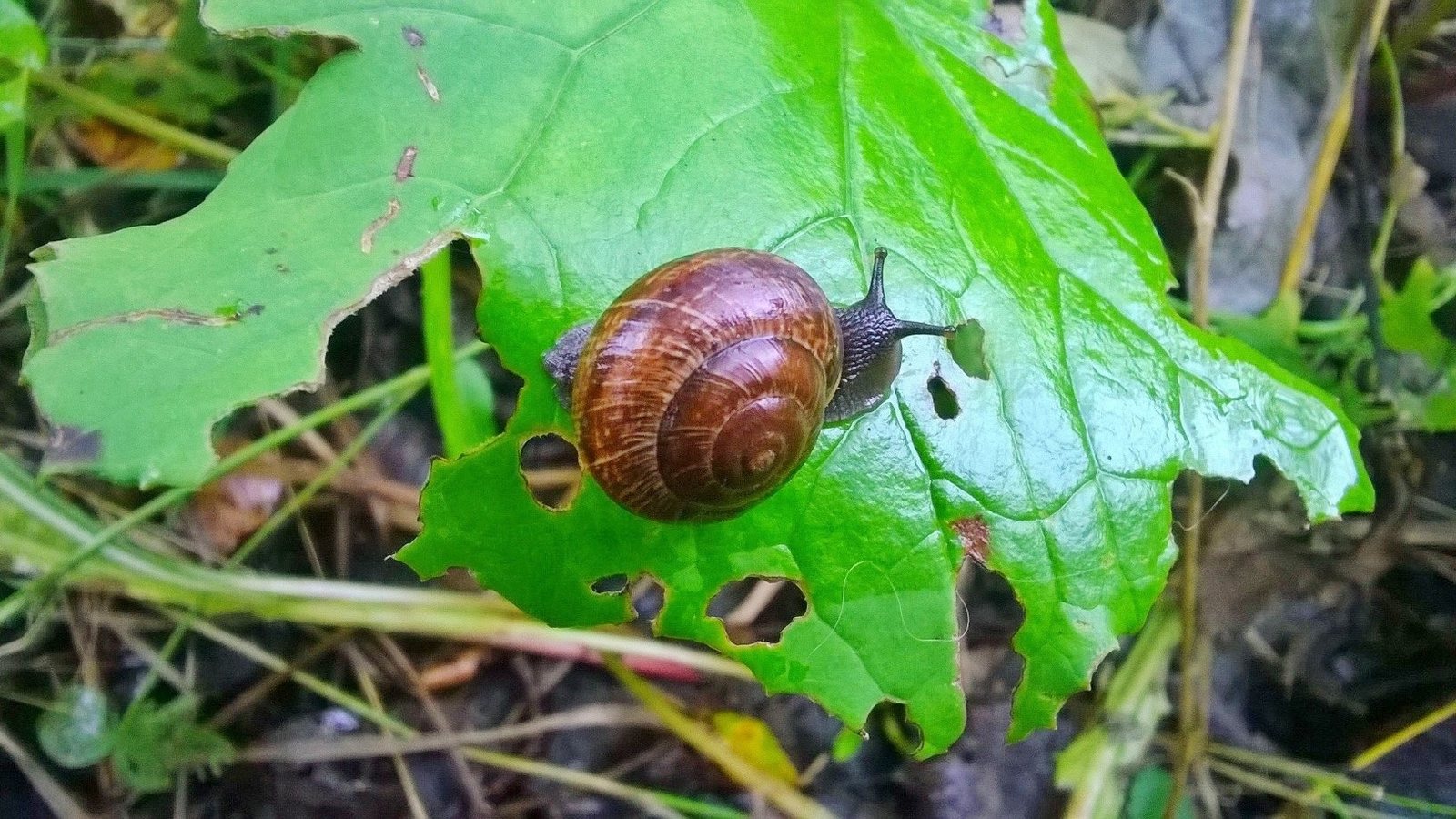
Holes in plant leaves can come from caterpillars, slugs, snails or beetles, or be normal. Use the table to read the damage, then follow the first steps.
Sources
Written and fact-checked by the Flori team. Every guide cites horticultural sources such as the RHS, university extension services and the ASPCA, and is updated when the advice changes. How we write our guides
General plant care information. Plants vary; when a plant is valuable or a problem spreads quickly, consult a local nursery or plant specialist.