Coffee Grounds for Plants: Do They Really Help?
Coffee grounds help compost, but are no fertilizer or acidifier. Use used grounds, up to 20% of compost, or thin mulch. See the myth table and pot risks.
 By Flori editorial team · Updated
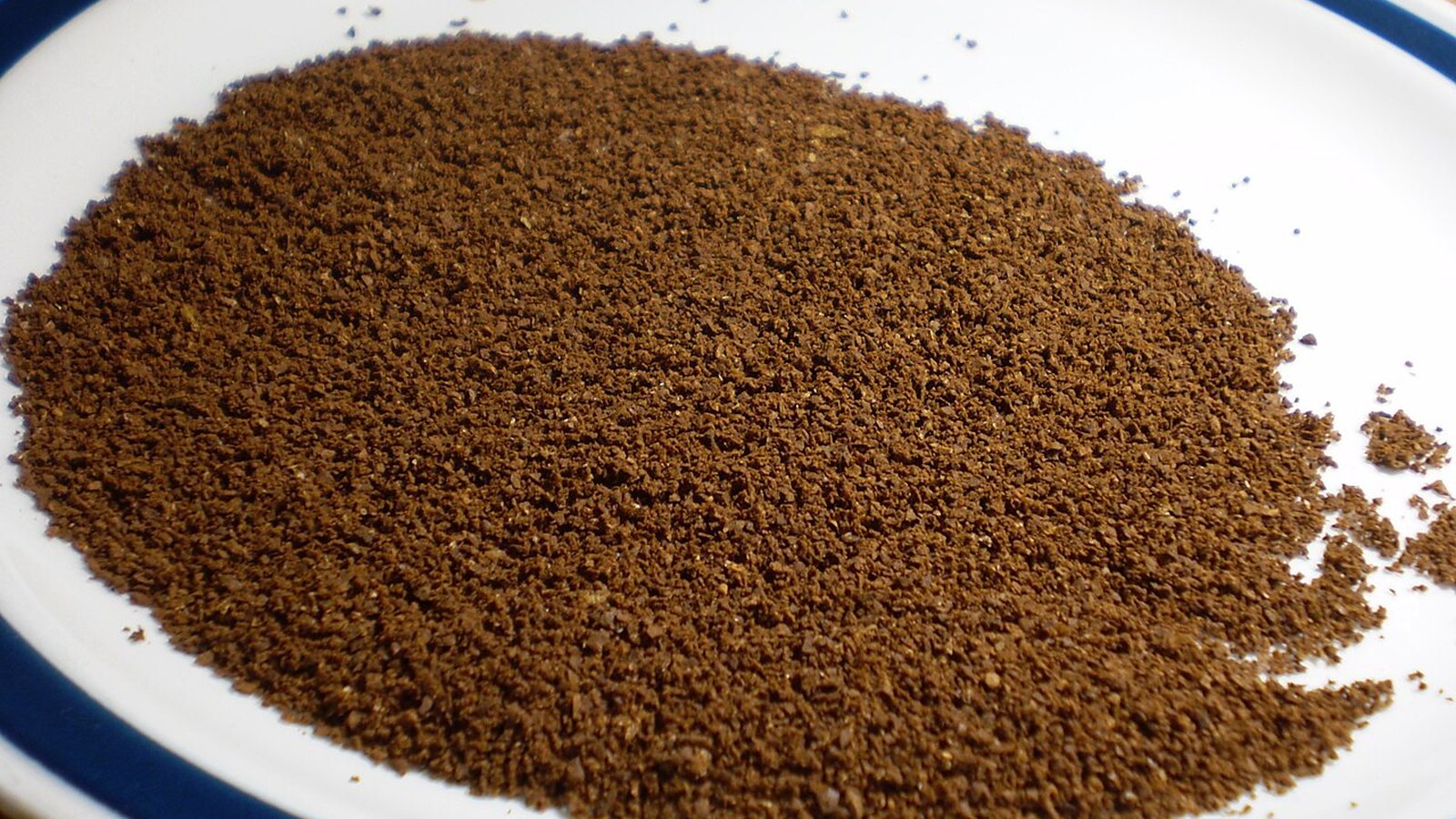 Photo: Kulmalukko · CC BY-SA 3.0
Used coffee grounds help a little, mainly in compost, where they should be no more than 20% by volume. They are not a real fertilizer (about 1-2% nitrogen), they do not reliably acidify soil (near pH 6.5-6.8), and fresh grounds can harm plants. Extension sources do not recommend them for houseplant pots.
Key takeaways
- Grounds are near neutral (about pH 6.5-6.8), so they will not acidify soil for acid-loving plants.
- They hold about 1-2% nitrogen, which is too little to count as fertilizer.
- Compost them: no more than 20% of the pile by volume. Never use fresh grounds on plants.
- In the garden use a layer no thicker than 1.3 cm (half an inch) under coarse mulch.
- No extension source recommends grounds for houseplants; a wet layer invites gnats and compacts.
On this page9
- Do coffee grounds really help plants?
- Coffee grounds myth check
- Do coffee grounds make soil acidic?
- Are coffee grounds a fertilizer?
- What is the best way to use coffee grounds?
- Should you put coffee grounds on houseplants?
- Do coffee grounds keep slugs and pests away?
- A quick checklist before you use coffee grounds
- Are coffee grounds safe for pets?
Do coffee grounds really help plants?
A little, but not in the ways the internet promises. Used coffee grounds are a useful ingredient for compost and a mild soil improver in the garden. They are not a fertilizer, they do not reliably make soil acidic, and fresh grounds can harm plants. The university extension services of Oregon State, Washington State and Illinois all say versions of this. The common advice to sprinkle grounds on every houseplant is the part no extension source backs.
Coffee grounds myth check
| Claim | Verdict | What the sources say |
|---|---|---|
| Grounds make soil acidic | Mostly a myth | Brewed grounds are near neutral, about pH 6.5-6.8 (Oregon State). Washington State found decomposing grounds ranged from mildly acidic to somewhat alkaline, with any change staying close to the grounds. Illinois calls the claim backed by very little research. |
| Grounds are a good fertilizer | Weak | About 1-2% nitrogen, which does not meet plant needs (Oregon State). Microbes can tie up nitrogen while the grounds break down. |
| Fresh grounds are fine on plants | False | Washington State says fresh grounds are harmful to many plants; Oregon State mentions caffeine residues that can slow germination and growth. |
| Grounds repel slugs and pests | Unproven | The research Oregon State cites used caffeine solutions, not dry grounds. Illinois says the effect on pests is unknown. |
| Grounds improve compost and soil structure | True, in small amounts | Up to 20% of the pile by volume (Oregon State and Washington State). |
Do coffee grounds make soil acidic?
Not reliably. The idea comes from coffee being acidic to drink, but once the coffee has been brewed the grounds are close to neutral. Oregon State says they will not lower pH enough to help acid-loving plants, and Illinois recommends elemental sulfur if you really need a lower pH. So do not use grounds as a pH treatment, and if a plant needs acidic soil, buy a mix labelled for it. A soil test tells you the real number.
Are coffee grounds a fertilizer?
Grounds contain 1-2% nitrogen and traces of potassium, phosphorus and other minerals, according to Oregon State, and these amounts do not meet a plant's needs. Their main benefit is structure: microbes bind soil particles into stable crumbs, which improves drainage. While they decompose, the microbes can temporarily take nitrogen from the soil, so Oregon State suggests adding a nitrogen source such as composted manure or grass clippings. If your plants look pale or grow slowly, use a real fertilizer; our guide to fertilizing houseplants and our NPK numbers explained show how.
What is the best way to use coffee grounds?
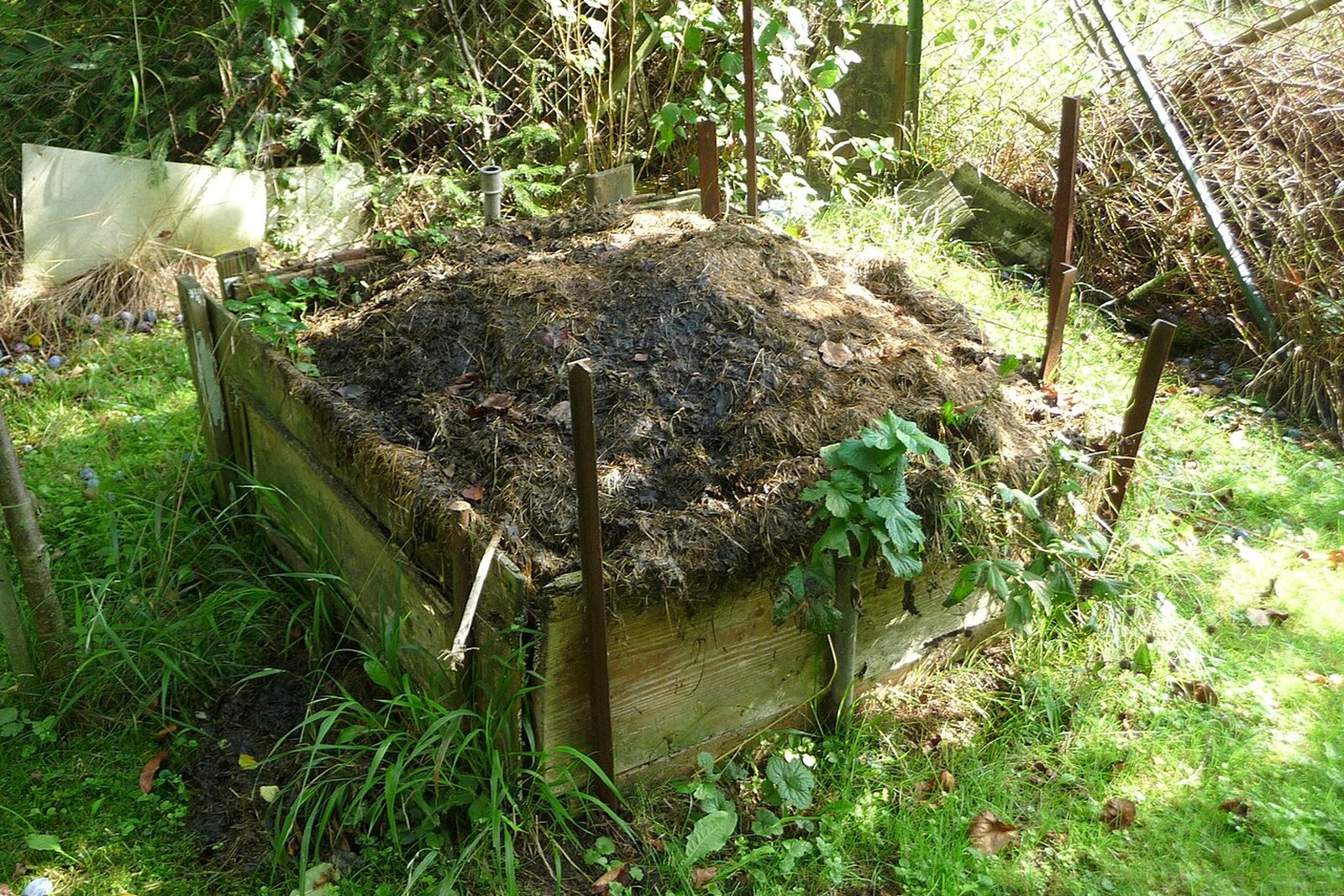
The safest method is compost, and extension services agree on the amount.
- Compost them. Keep grounds to no more than 20% of the pile by volume. Oregon State's recipe is 3 parts leaves, 1 part fresh grass clippings and 1 part grounds by volume, turned weekly. Let them cool before adding them to the pile, as Washington State advises.
- Use a thin mulch layer in the garden. Washington State says that if a soil test shows low nutrients you can apply a layer of composted grounds no thicker than 1.3 cm (half an inch), and cover it with about 10 cm (4 in) of coarse mulch such as wood chips so it cannot compact. Do not use thick layers of grounds alone, because the fine texture blocks water and air.
- Skip seed beds. Grounds can reduce germination and growth, so keep them away from where you sow.
- Watch for mould. Mould on stored grounds is harmless in compost (Oregon State), but you should not put mouldy grounds near seedlings or houseplants.
The sources differ on mixing grounds into soil: Oregon State suggests working about 1.3 cm (half an inch) into the top 10 cm (4 in), while Washington State says to leave them on the surface. When advice differs, the cautious choice is a thin layer on the surface under mulch.
Should you put coffee grounds on houseplants?
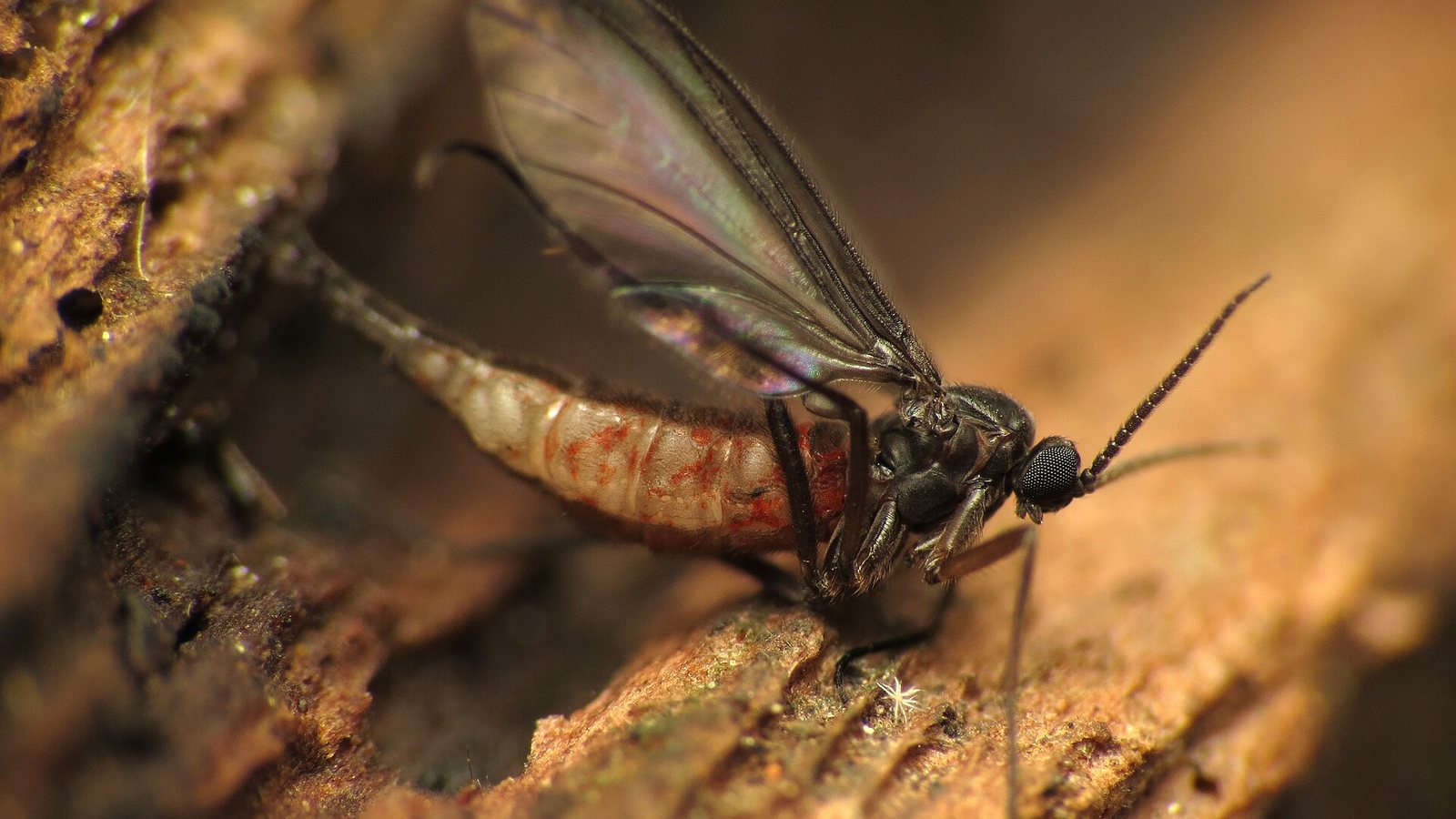
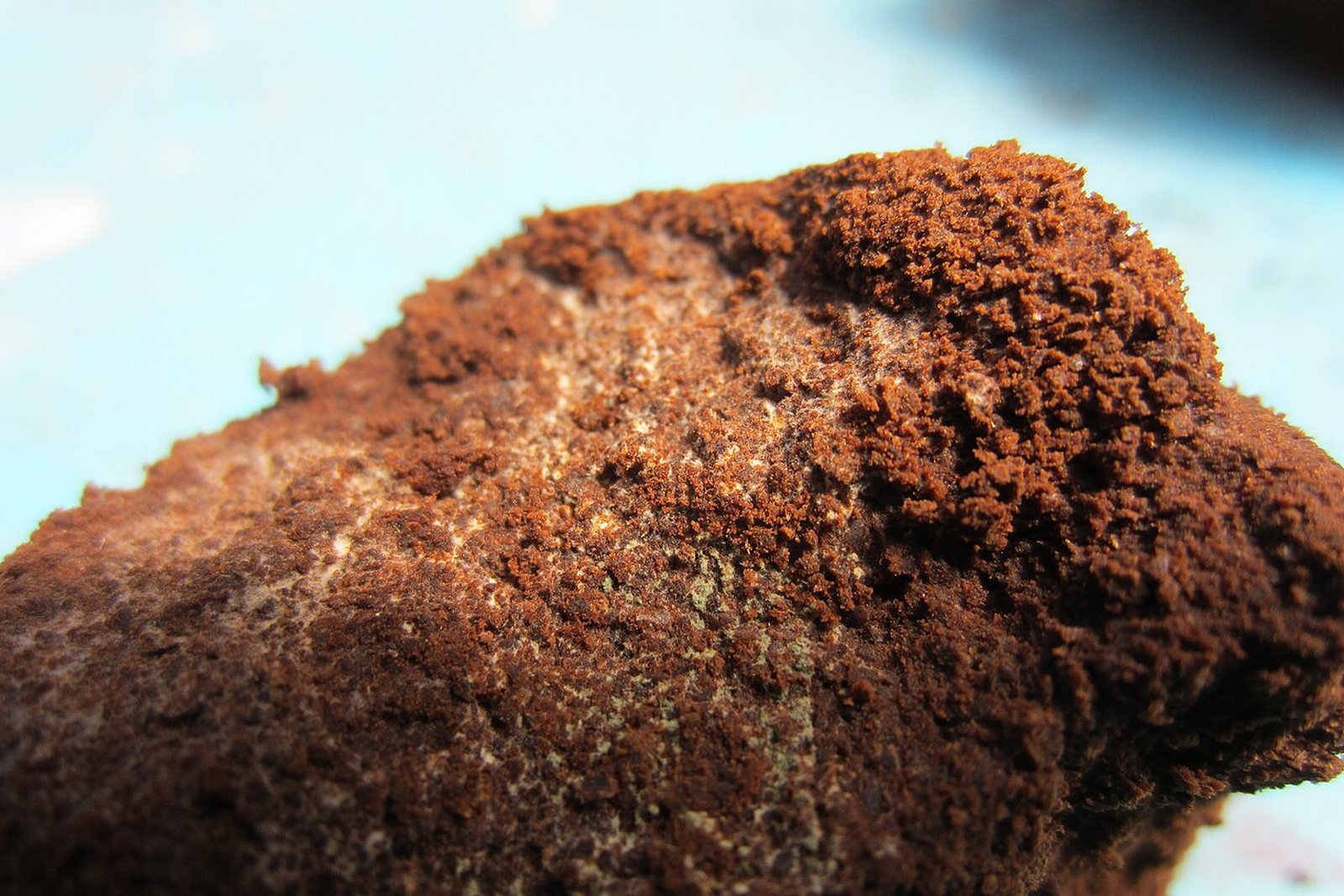
The extension pages above are about gardens and compost. None of them recommends coffee grounds for pots, and Washington State does not address containers at all. Two things make pots a poor place for them. The first is compaction: a fine, wet layer can block air and water at the surface of a small pot. The second is gnats. The RHS says fungus gnats thrive in damp compost with a lot of organic matter, so a moist coffee layer is more likely to feed them than your plant. If you want to try it anyway, use composted grounds in a very small amount mixed into a bigger pile of compost first, never fresh grounds on the pot surface. For better pot soil, our guide to the best soil mix for houseplants is a safer starting point. If you see white fuzz on the soil, read about white mold on houseplant soil, and if tiny flies appear, our fungus gnat guide has the fix.
Do coffee grounds keep slugs and pests away?
Possibly in a laboratory, not proven in your garden. Oregon State's article cites research in which a 1-2% caffeine solution drenched into soil drove slugs out, and notes that it did not name the studies or say whether the results held in field conditions. Illinois says the impact of these applications on pest communities remains unknown. A layer of dry grounds is not the same as a caffeine solution, so do not count on it. For pests on houseplants, use natural pest prevention instead.
A quick checklist before you use coffee grounds
- Are they used, cooled and free of mould? Never use fresh grounds on plants.
- Is the amount small: under 20% of a compost pile, or a thin layer under mulch?
- Are you outdoors or in a compost bin, not in a houseplant pot?
- Are you using them for structure and compost, not as a fertilizer or a pH fix?
- Are pets kept away from the pile, the mulch and the bin?
If the answer to any of these is no, leave the grounds out. A balanced fertilizer, a soil test and a proper potting mix will do more for your plants than a cup of grounds ever will.
Are coffee grounds safe for pets?
Treat them as a risk. The ASPCA warns that coffee and other sources of caffeine are toxic to pets, with signs such as vomiting, heavy breathing, restlessness, tremors and seizures at higher doses. Its page does not mention coffee grounds specifically, so we cannot say how much is too much. Keep grounds and any mulch containing them out of reach, and if your pet has eaten them, note the amount and call your vet or ASPCA Animal Poison Control on (888) 426-4435.
Frequently asked questions
Are used coffee grounds good for houseplants?
The extension sources we checked do not recommend them for pots. A wet, fine layer can compact and, as the RHS notes, damp compost rich in organic matter suits fungus gnats.
Do coffee grounds lower soil pH?
Not reliably. Oregon State puts brewed grounds at about pH 6.5-6.8, and Illinois calls the acidifying claim a myth with very little research behind it. Use elemental sulfur if you need to lower pH.
How much coffee grounds can I put in compost?
Oregon State and Washington State both say no more than 20% of the pile by volume. Mix them with leaves and grass clippings and turn the pile.
Can I put coffee grounds straight on soil?
Only as a thin layer under mulch. Washington State says no thicker than 1.3 cm (half an inch) of composted grounds and advises against fresh grounds, which can harm many plants.
When to fertilize houseplants, how often and how strong, which plants to skip, and how to spot and flush fertilizer salt build-up, from extension advice.
Sources
- Oregon State University Extension: Coffee grounds boost soil health, help control slugs
- Washington State University Extension: Using Coffee Grounds in Gardens and Landscapes
- University of Illinois Extension: Garden MythBusters
- Royal Horticultural Society: Fungus gnats (sciarid flies)
- ASPCA: People Foods to Avoid Feeding Your Pets
Written and fact-checked by the Flori team. Every guide cites horticultural sources such as the RHS, university extension services and the ASPCA, and is updated when the advice changes. How we write our guides
General plant care information. Plants vary; when a plant is valuable or a problem spreads quickly, consult a local nursery or plant specialist.