Fertilizer NPK Numbers Explained for Houseplants
What the three NPK numbers on fertilizer mean, what nitrogen, phosphorus and potassium do, and how to pick and dilute a houseplant feed safely.
 By Flori editorial team · Updated
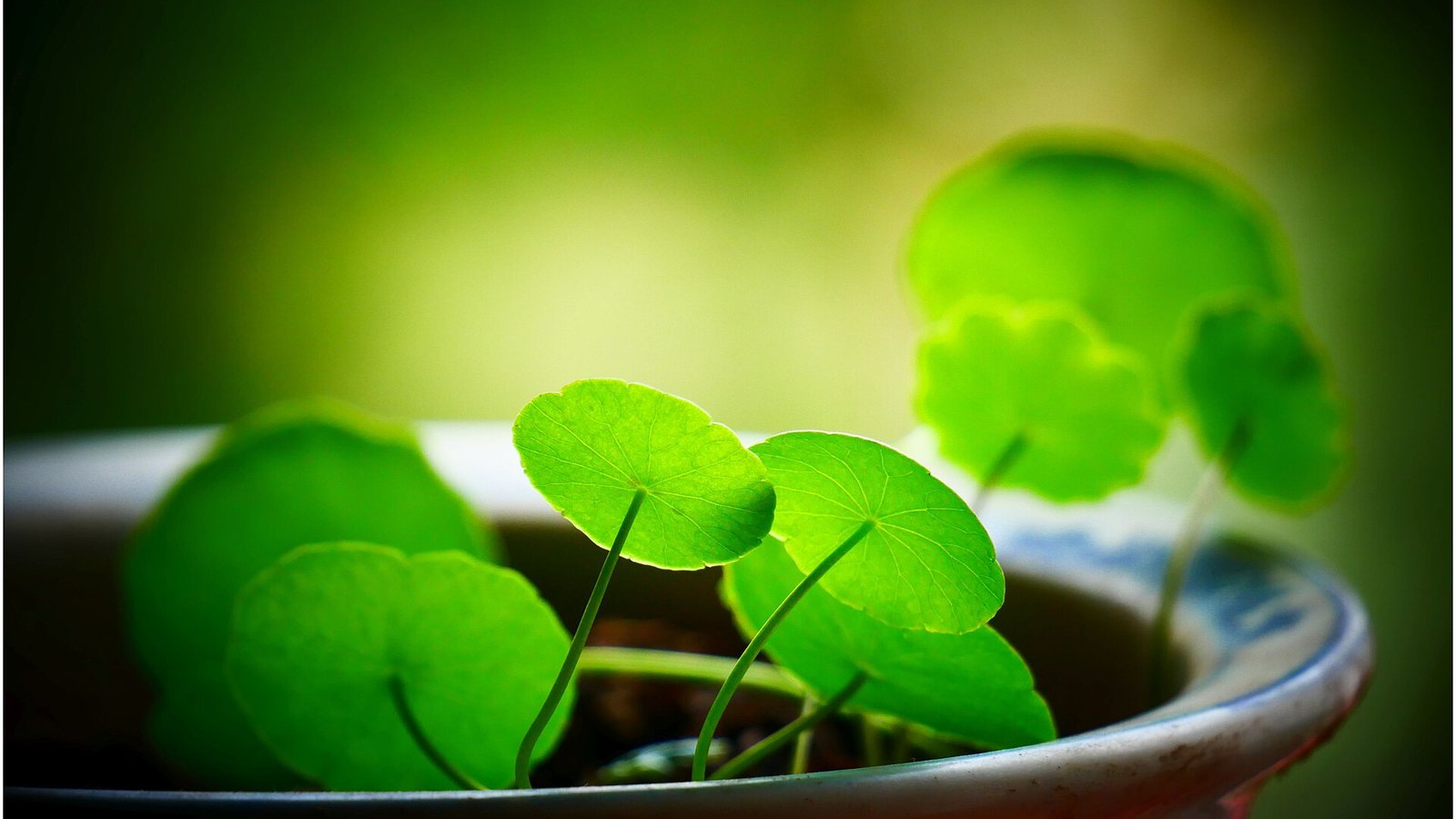 Photo: GeorgeTan#5 · CC0
The three NPK numbers are the percentages by weight of nitrogen, phosphorus and potassium, always in that order. Nitrogen drives leaves, phosphorus roots, potassium flowers and fruit. A higher number is only a stronger product, not a better one: dilute houseplant feed to label strength or less, and use it only while plants grow.
Key takeaways
- NPK numbers are the percentages by weight of nitrogen, phosphorus and potassium, always in that order; 1 kg of 10-10-10 holds about 100 g of each.
- The RHS says nitrogen supports leafy growth, phosphorus roots, and potassium flowering and fruiting.
- Phosphorus and potassium are printed as oxides, so a label like 7:7:7 can be nitrogen-heavy, as the RHS shows with Growmore.
- Higher numbers mean a more concentrated product; Iowa State advises half or quarter label strength for general-purpose fertilizer on houseplants.
- Quick-release feeds act fast and let you adjust the dose; slow-release pellets need fewer applications.
On this page8
- What do the three NPK numbers on fertilizer mean?
- What do nitrogen, phosphorus and potassium do for a plant?
- Why is a "balanced" fertilizer not always balanced?
- Which NPK numbers should you choose for houseplants?
- Does a higher number mean a better fertilizer?
- What is the difference between quick-release and slow-release fertilizer?
- How does too much fertilizer harm a houseplant?
- What should you remember when reading a label?
What do the three NPK numbers on fertilizer mean?
The three numbers on a fertilizer label, such as 10-10-10 or 20-10-20, are the percentages by weight of nitrogen (N), phosphorus (P) and potassium (K) in the product, always in that order. Clemson Extension gives the simplest example: a 100 lb bag of 18-4-10 holds 18 lb of nitrogen, 4 lb of phosphate and 10 lb of potash, and the rest is a carrier. In metric terms, 1 kg of 10-10-10 holds about 100 g of each. This guide goes one step further than a label decoder: it shows what each nutrient does, why a "balanced" label is not always balanced, and how to choose and dilute a houseplant feed so a bigger number does not burn your plants. For when and how often to feed, see our guide to fertilizing houseplants.
What do nitrogen, phosphorus and potassium do for a plant?
| Number | Nutrient | Main job (RHS) | Why it matters indoors |
|---|---|---|---|
| First | Nitrogen (N) | Chlorophyll production; leafy growth | Foliage plants such as pothos or monstera are grown for leaves |
| Second | Phosphorus (P) | Root development | Helpful for young or recently repotted plants, but potting mixes often supply some |
| Third | Potassium (K) | Linked to reproduction: flowering and fruiting | The number to look at for flowering houseplants |
The Royal Horticultural Society says nitrogen supports chlorophyll and leafy growth, phosphorus supports roots, and high-potassium feeds boost flowering and fruiting. It also notes that a shortage of nutrients shows as stunted growth, poor flowering and discoloured leaves, and that the pattern of the discoloration helps identify which nutrient is lacking. The RHS adds a caution: nitrogen-rich fertilisers particularly encourage lush growth, which can make plants less resilient.
Why is a "balanced" fertilizer not always balanced?
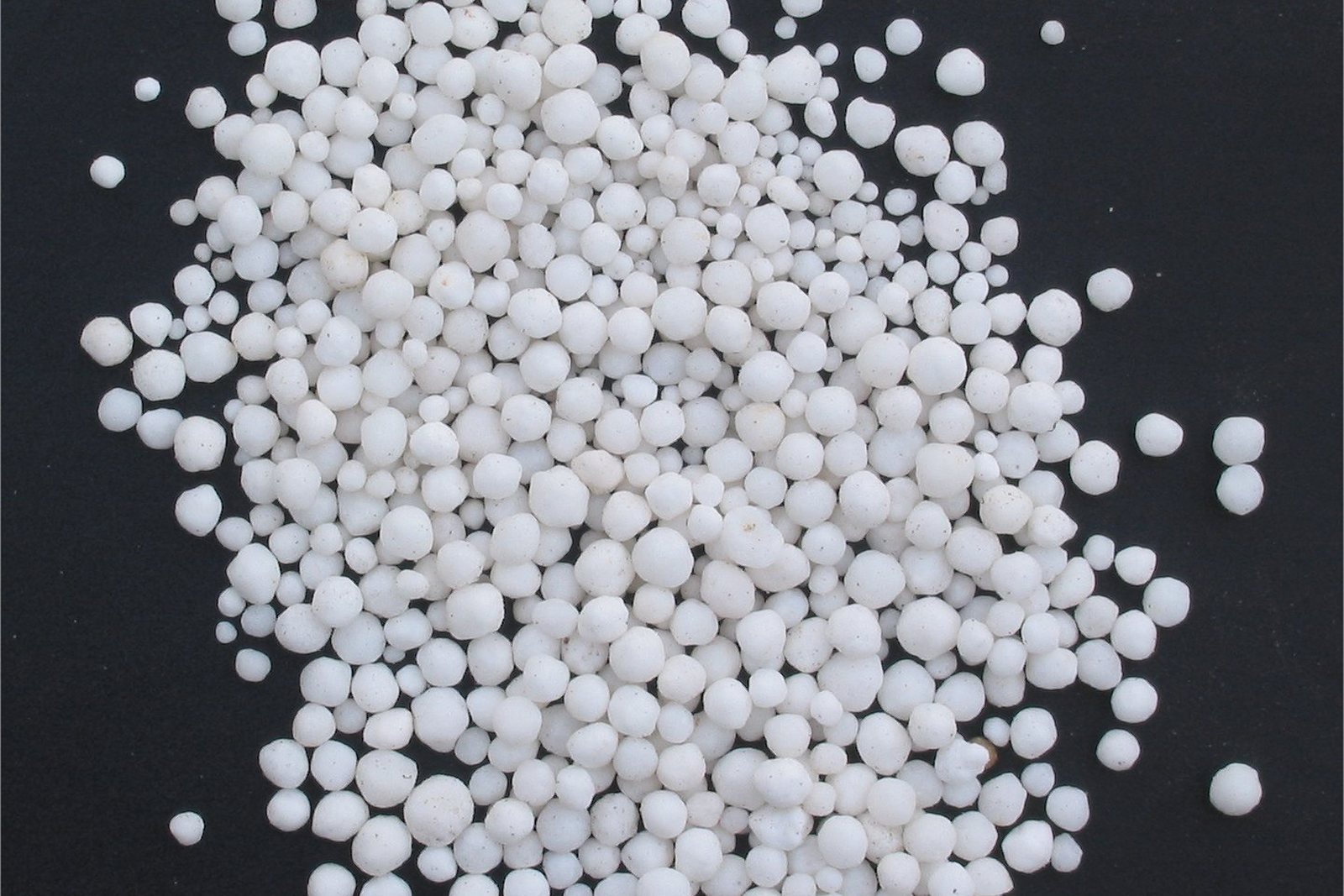
Phosphorus and potassium are usually printed as oxides (phosphate and potash), not as the elements. Clemson Extension says P is shown as P2O5 and K as K2O, and the RHS explains that labels may give a second figure in brackets for the element a plant can actually use. The RHS example is Growmore: its label reads 7:7:7, but the element content is 7% nitrogen, 3.1% phosphorus and 5.8% potassium, so the RHS calls it a high-nitrogen feed rather than a balanced one. Clemson defines a "balanced" fertilizer as one with equal numbers such as 10-10-10, and a "complete" fertilizer as one with all three nutrients.
A quick way to see the ratio is to divide every number by the smallest. An 18-4-10 label is 4.5 parts nitrogen to 1 part phosphorus to 2.5 parts potassium, which is nitrogen-heavy, good for leaf growth. A 10-10-10 label is 1:1:1.
Which NPK numbers should you choose for houseplants?
The RHS suggests that foliage houseplants benefit from a liquid general-purpose or houseplant feed once or twice a month from March to October in the northern hemisphere, and that orchids need a specialist orchid feed throughout the year. Neither the RHS nor the other extension pages we use sets one magic ratio, so use these rules of thumb and follow the label of the specific product:
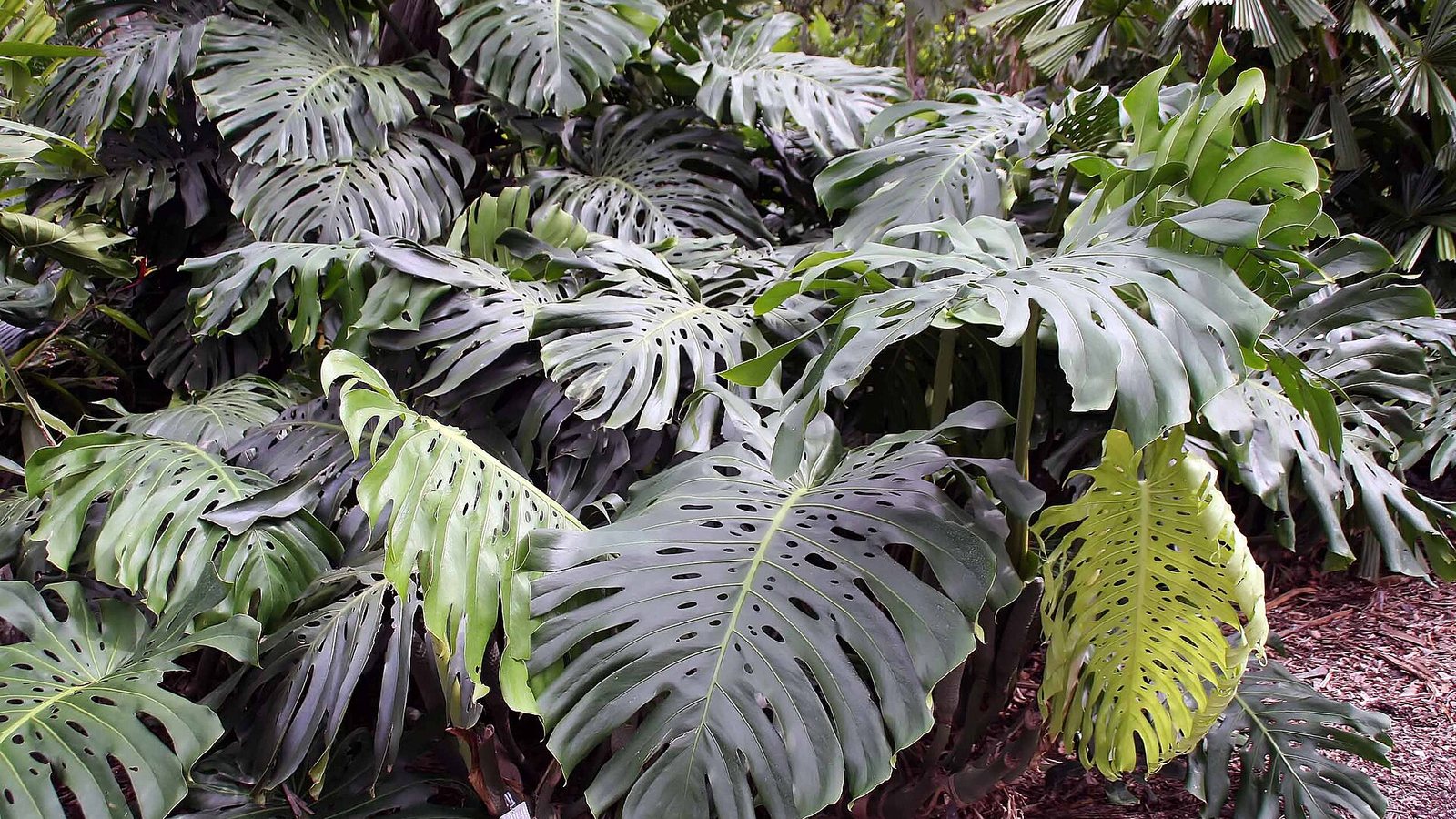
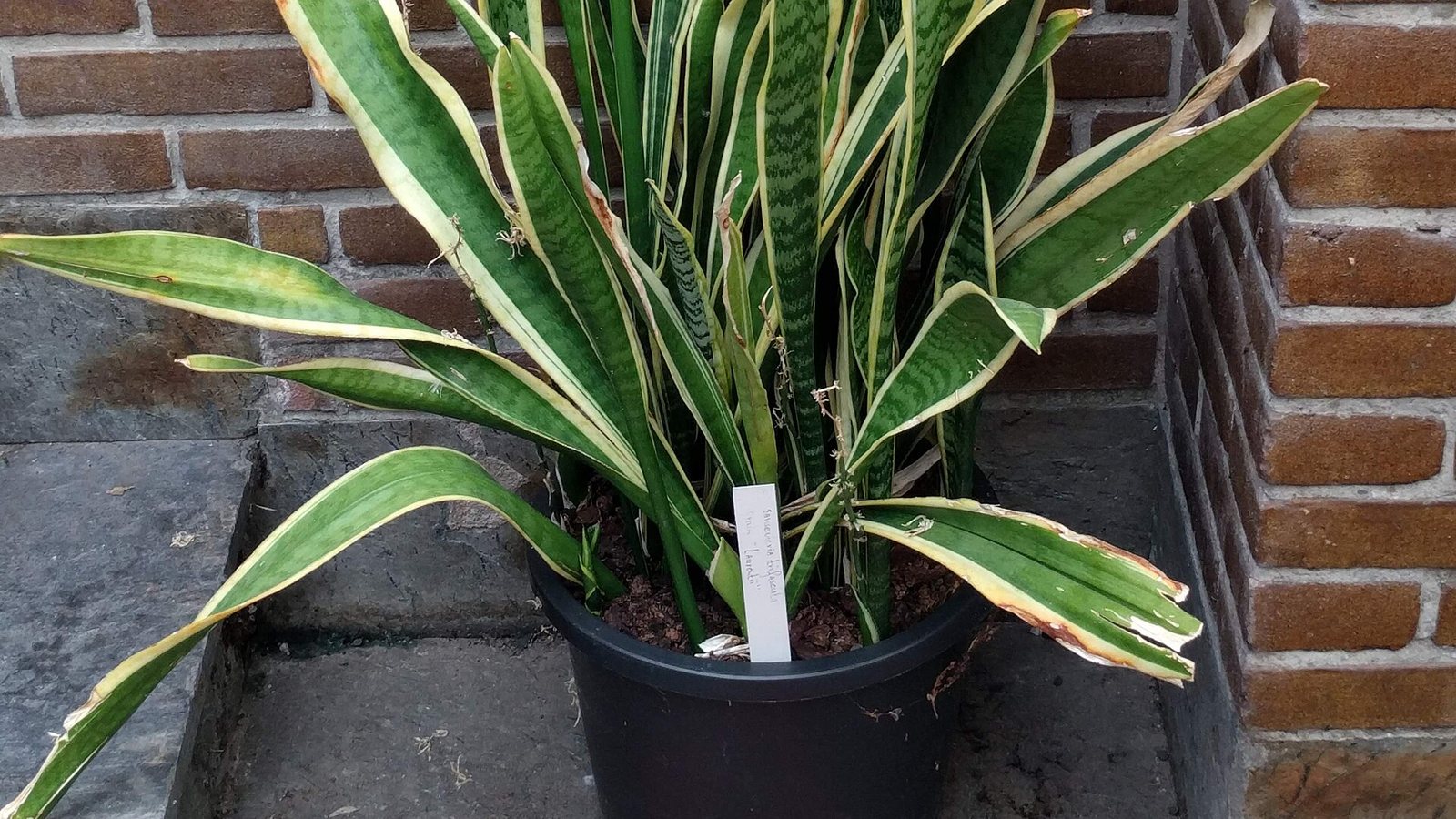
- Foliage plants (pothos, snake plant, monstera): a houseplant feed with a nitrogen number at least as high as the others.
- Flowering plants: a feed sold for flowers, with potassium not lower than nitrogen, used only while the plant is growing and in bud.
- Orchids: an orchid feed; see our guide on how to water orchids for the rhythm that goes with it.
- Succulents and cacti: a very dilute feed, only in the growing season.
These are our suggestions based on what each nutrient does, not rules from the sources.
Does a higher number mean a better fertilizer?
No. A higher number means a more concentrated product, so you use less of it. Iowa State Extension says houseplants grow more slowly than outdoor plants and "don't need much": for a general all-purpose fertilizer it advises mixing at half or quarter of the label strength, and it warns that too much can cause spindly, weak growth. The RHS says to check the label, because instructions vary, and to use the recommended dose. If a plant looks unhappy, do not simply feed it more.
What is the difference between quick-release and slow-release fertilizer?
The numbers describe how much of each nutrient there is, not how fast it arrives.
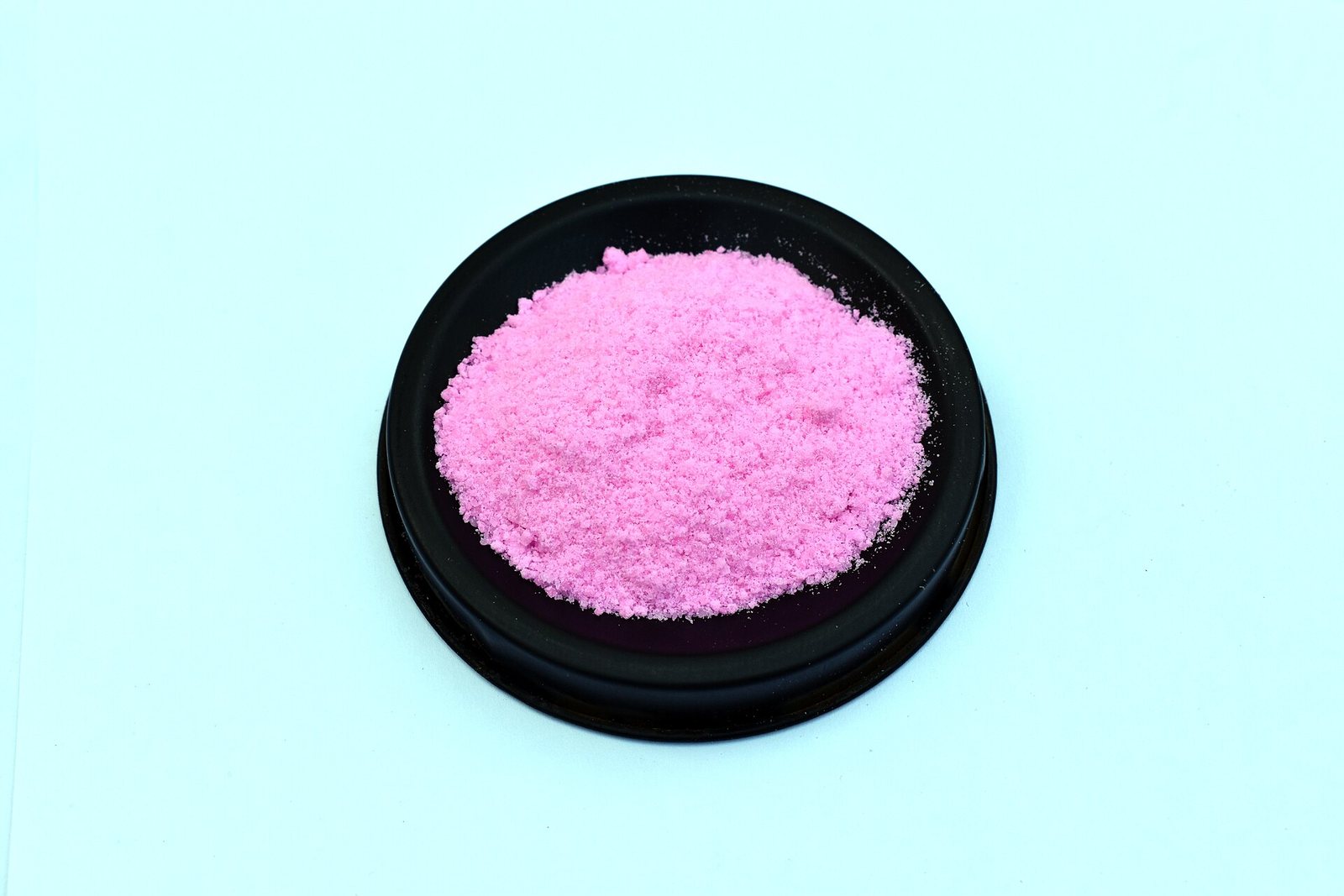
- Quick-release (water-soluble liquids, powders and crystals): plants take them up fast, so you can adjust dose and timing through the year. How often depends on the product, so follow the label.
- Slow-release (pellets or granules): they break down over weeks or months and need less frequent applications. Clemson Extension notes that, by law, a product sold as slow-release has to carry at least one-third of its nitrogen in slow-release form, and recommends 50% or more for a longer supply.
If your potting mix already contains fertilizer, do not stack more on top. Iowa State also says to wait 2 to 4 weeks after repotting before regular feeding.
How does too much fertilizer harm a houseplant?
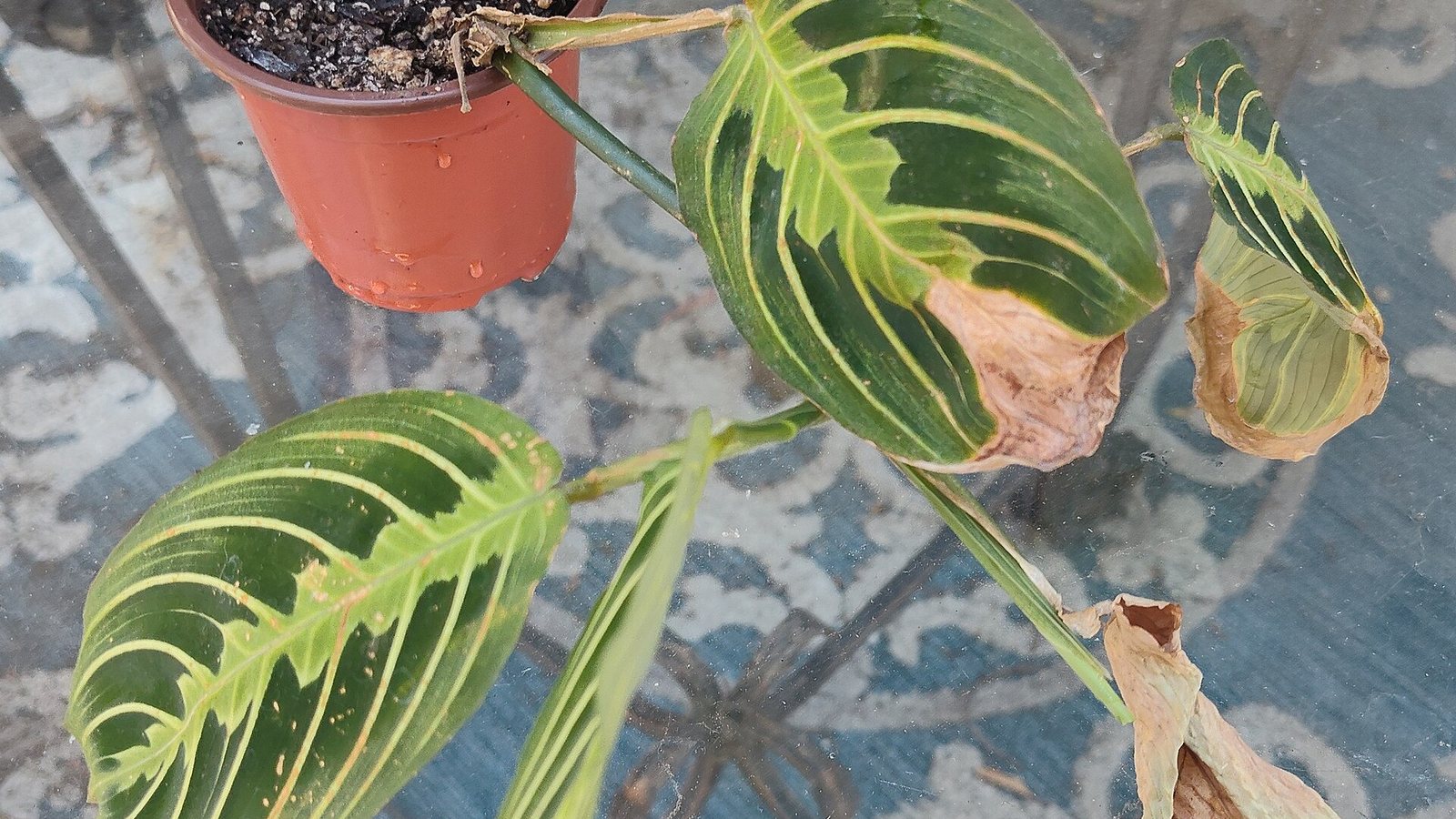
Unused fertilizer leaves salts in the pot. Iowa State says excess salts and metals can cause symptoms that look much like over-fertilization. A white crust on the soil or tips of the leaves turning brown can be a clue; our guide to brown leaf tips separates salt problems from low humidity and watering mistakes. Iowa State says regular repotting and thorough watering that flushes the soil can help. Do not feed through the dark months either: fertilizing houseplants in winter explains when to stop and when a bright window or grow light changes the answer.
What should you remember when reading a label?
- The order is always N-P-K, and the numbers are percentages by weight.
- Look at the ratio, not just the size of the numbers.
- Choose a product made for houseplants and follow its label for dose and frequency; dilute rather than strengthen.
- Feed during growth, not rest, and never in a dry, stressed or newly repotted plant.
Flori's care reminders can nudge you to fertilize on the right schedule for each plant, so you are not guessing from memory.
Frequently asked questions
What does 10-10-10 mean on fertilizer?
It means the product is 10% nitrogen, 10% phosphate (as P2O5) and 10% potash (as K2O) by weight. Clemson Extension calls an equal-number fertilizer like this balanced.
Which NPK is best for houseplants?
There is no single best ratio. The RHS suggests a liquid general-purpose or houseplant feed for foliage plants and a specialist feed for orchids. Choose a houseplant product and follow its label.
Is a higher NPK number better?
No. A higher number only means a more concentrated fertilizer. Iowa State advises half or quarter of the label strength for general-purpose fertilizer on houseplants, and too much can cause weak growth.
What is the difference between slow-release and quick-release fertilizer?
Quick-release feeds dissolve in water and act fast, so you adjust dose and timing. Slow-release pellets break down over weeks or months and need fewer applications. Clemson says slow-release products must carry at least one-third of their nitrogen in slow-release form.
When to fertilize houseplants, how often and how strong, which plants to skip, and how to spot and flush fertilizer salt build-up, from extension advice.
Sources
Written and fact-checked by the Flori team. Every guide cites horticultural sources such as the RHS, university extension services and the ASPCA, and is updated when the advice changes. How we write our guides
General plant care information. Plants vary; when a plant is valuable or a problem spreads quickly, consult a local nursery or plant specialist.