My Dog Ate a Plant: What to Do Right Now
Your dog ate a plant? Remove it, photograph it, call your vet or the ASPCA line (888) 426-4435, and use our plant-by-plant urgency table and checklist.
 By Flori editorial team · Updated
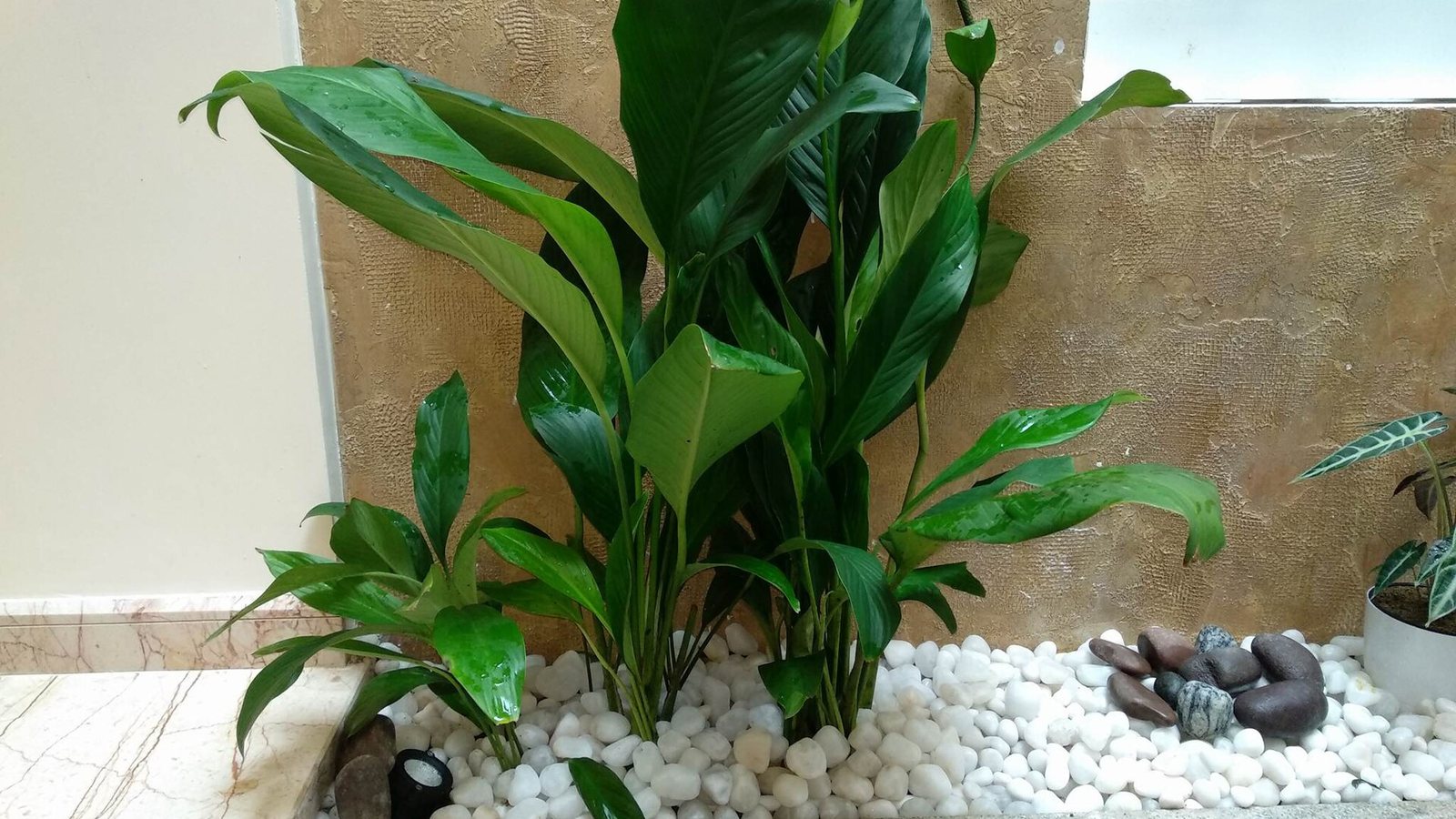
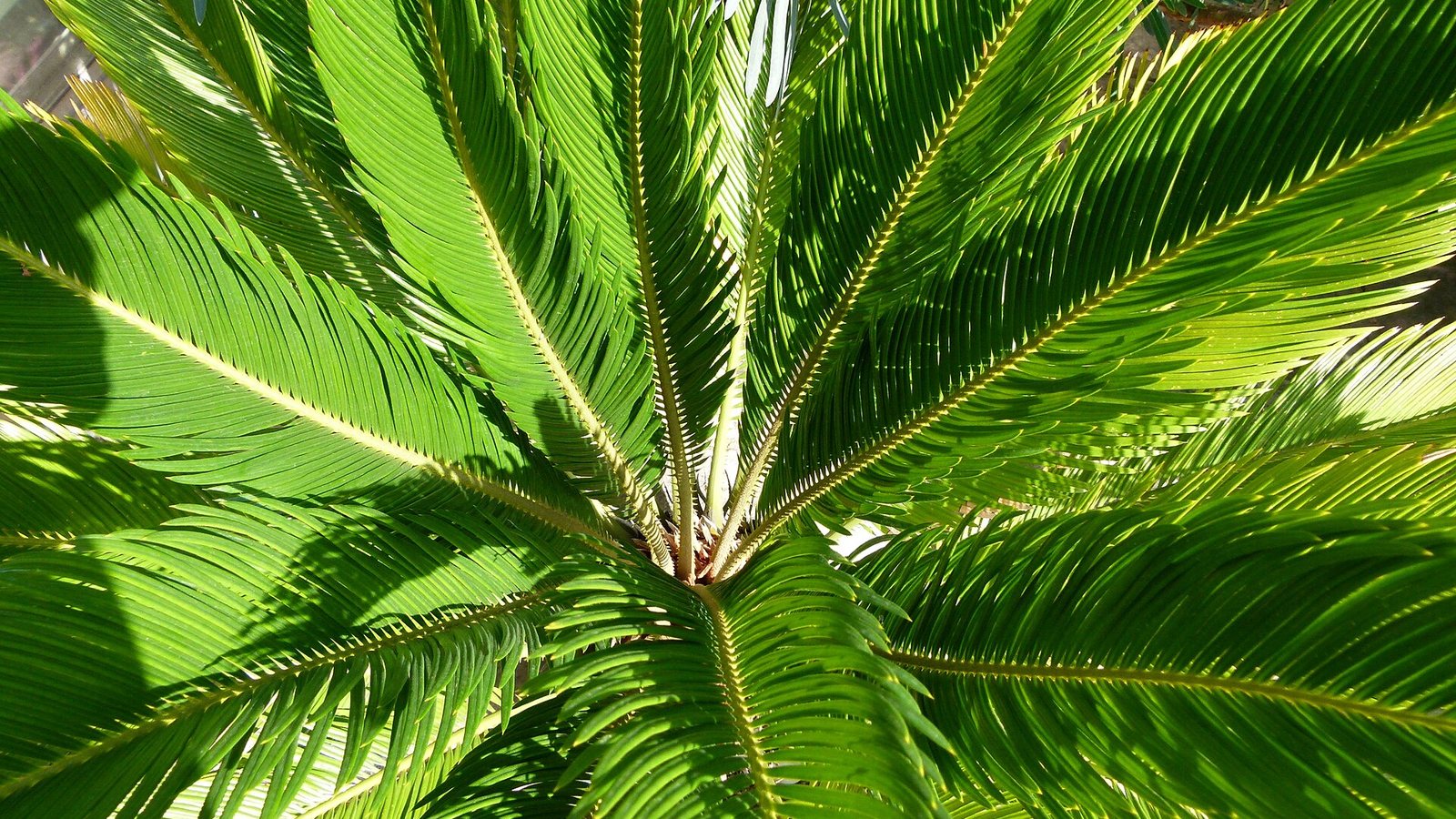
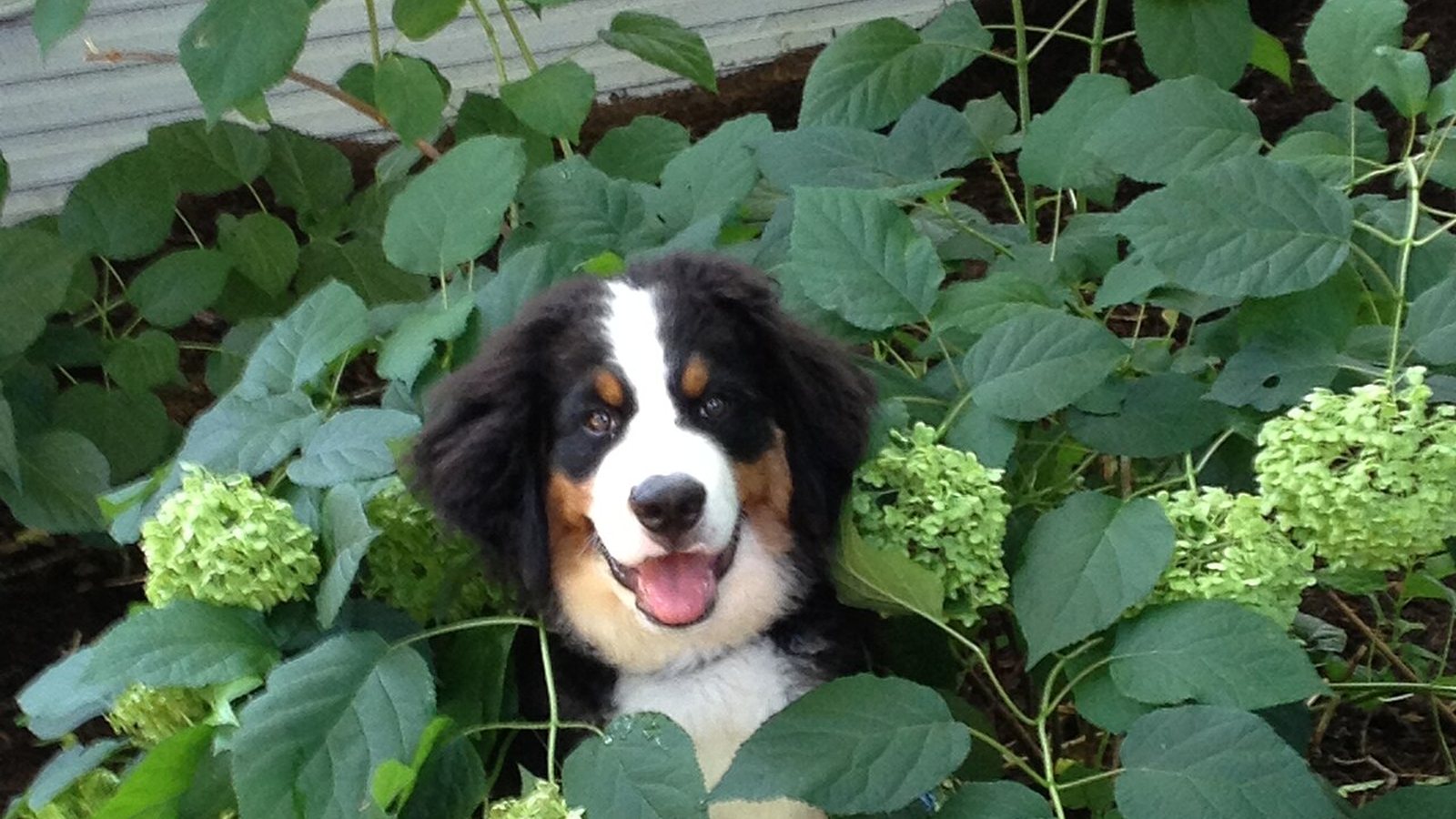 Photo: Rothmannia · CC BY-SA 4.0
Take the plant away, photograph it, and call your vet or an animal poison line right away, such as the ASPCA on (888) 426-4435. Do not make your dog vomit unless told to. Sago palm, yew and autumn crocus are emergencies even if your dog looks fine. Go to a vet at once if swallowing or breathing is hard.
Key takeaways
- Remove the plant, photograph it, keep a piece, and call your vet or poison line before signs appear.
- Sago palm, yew and autumn crocus are emergencies; pothos, peace lily and hosta usually cause milder mouth and stomach trouble.
- Never make your dog vomit or give home remedies unless a vet tells you to.
- Tell the vet the plant, the part eaten, how much, when, and your dog's weight.
- Trouble swallowing or breathing, seizures or collapse mean going to a vet immediately.
On this page9
- What should you do right now if your dog ate a plant?
- Which plants are emergencies and which are mild?
- What should you tell the vet or the poison line?
- What signs should you watch for?
- What should you not do?
- What if you do not know what plant it was?
- What if you also have a cat?
- What about mushrooms and garden bulbs?
- How do you stop it happening again?
What should you do right now if your dog ate a plant?
Stay calm and work through five steps. The ASPCA's advice is to call your vet or its poison control line as soon as possible if you suspect your pet has eaten a toxic plant, and to go to a vet at once if signs are severe.
- Remove the plant and any bits still in your dog's mouth, and move your dog away from the rest of it.
- Identify the plant. Take a photo of the whole plant and one leaf, and keep a piece in a bag. A name decides everything that follows.
- Call your vet or an animal poison line now. In the US the ASPCA Animal Poison Control Center answers on (888) 426-4435 around the clock; a consultation fee may apply. In the UK or Türkiye, call your own vet or the nearest emergency clinic. Do not wait for symptoms.
- Follow what they say. Do not give anything or try to make your dog vomit unless the vet tells you to.
- Go in if your dog has trouble swallowing or breathing, and stay calm on the way. The ASPCA says to bring such a dog straight to a veterinary hospital.
If a person in the household also swallowed some of the plant, that is a separate call: in Türkiye the national poison line (UZEM) is 114, in the US it is Poison Control on 1-800-222-1222, in the UK NHS 111.
Which plants are emergencies and which are mild?
Plant name decides urgency. The signs below are the ones the ASPCA lists. This table is for orientation only: the vet decides, and the amount and size of your dog matter too.
| Plant | What the ASPCA says | Treat it as |
|---|---|---|
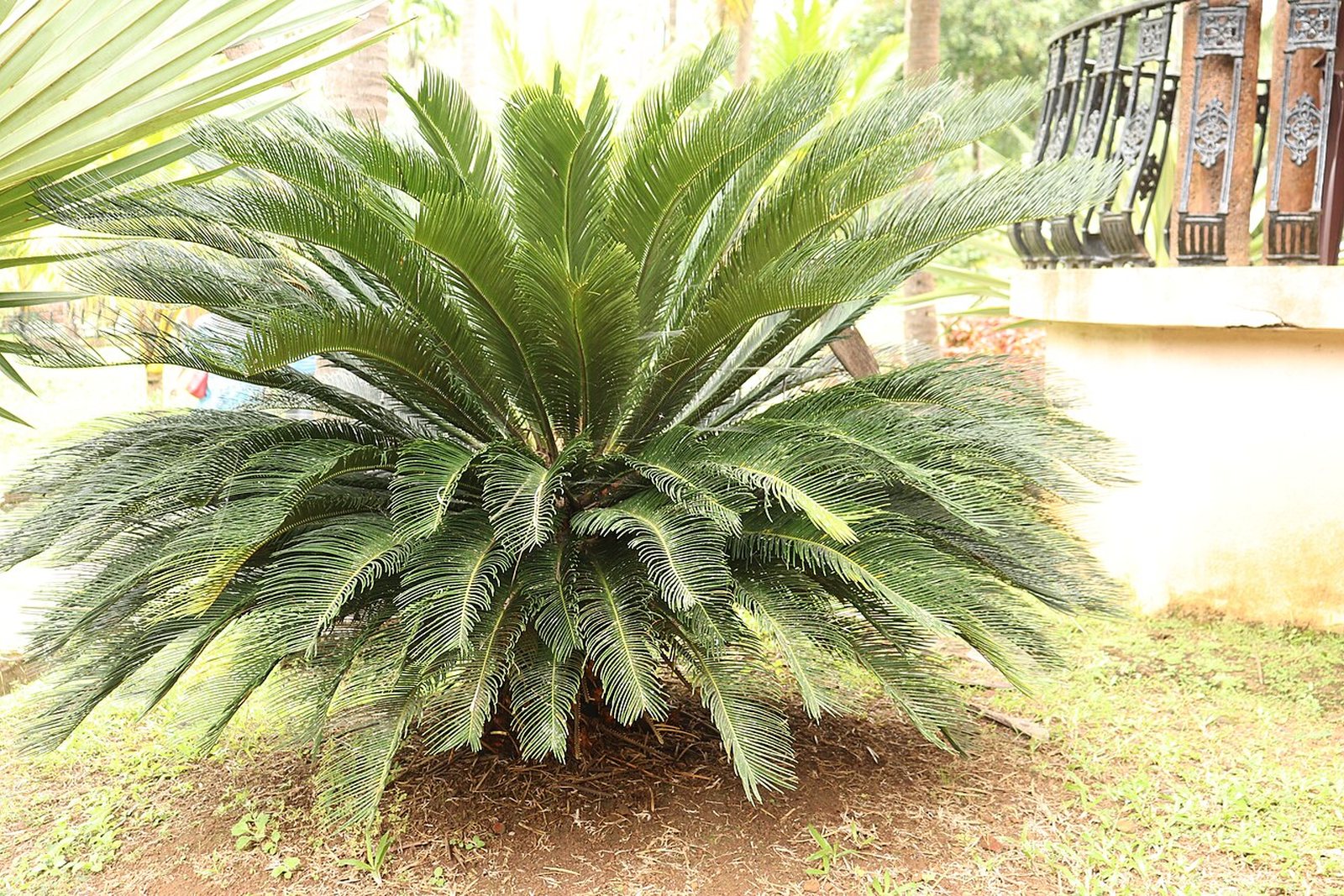
| Sago palm (Cycas revoluta) | Whole plant toxic, seeds most. Vomiting, black tarry stool, bruising, liver failure, death | Emergency, call at once |
| Yew (Taxus) | Tremors, breathing difficulty, vomiting, seizures, sudden death from heart failure | Emergency |
| Autumn crocus (Colchicum autumnale) | Bloody vomiting, diarrhoea, shock, multi-organ damage | Emergency |
| Azalea, rhododendron | Large amounts: irregular heartbeat and seizures. Small amounts usually stomach upset | Call the vet |
| Tulip, daffodil bulbs | Stomach upset, sometimes severe; big pieces of bulb can block the gut; daffodil can lower blood pressure | Call the vet |
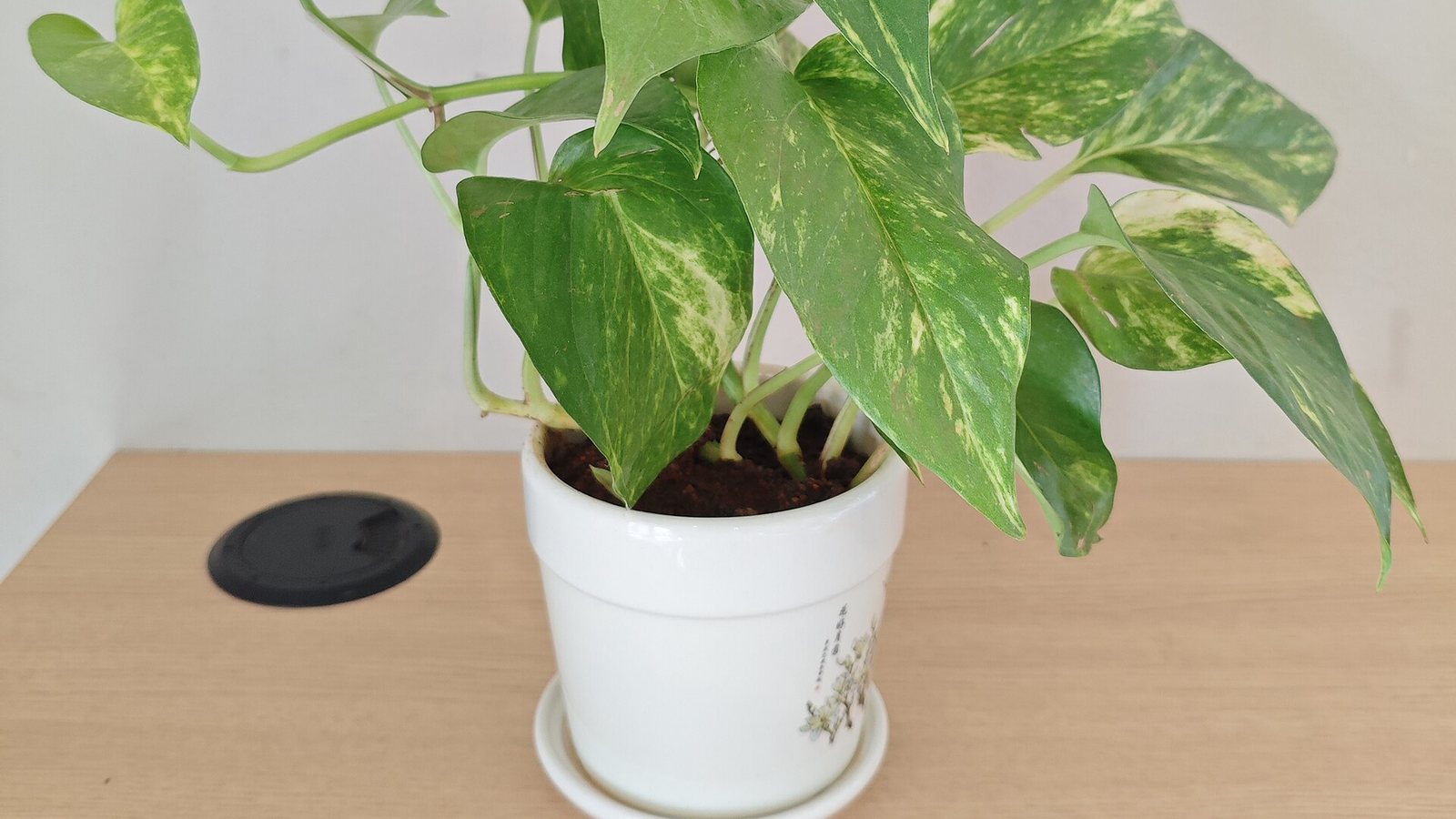
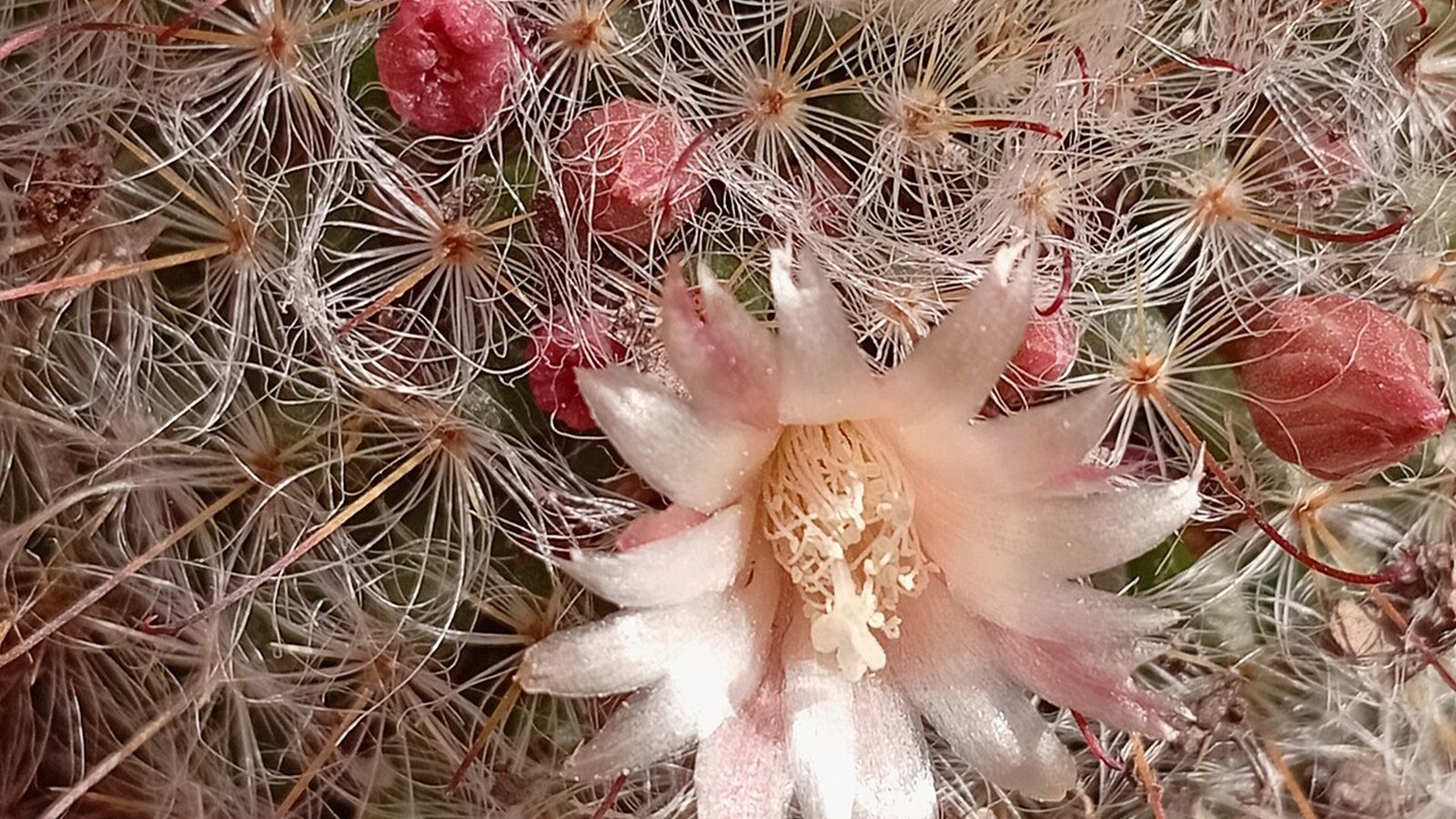
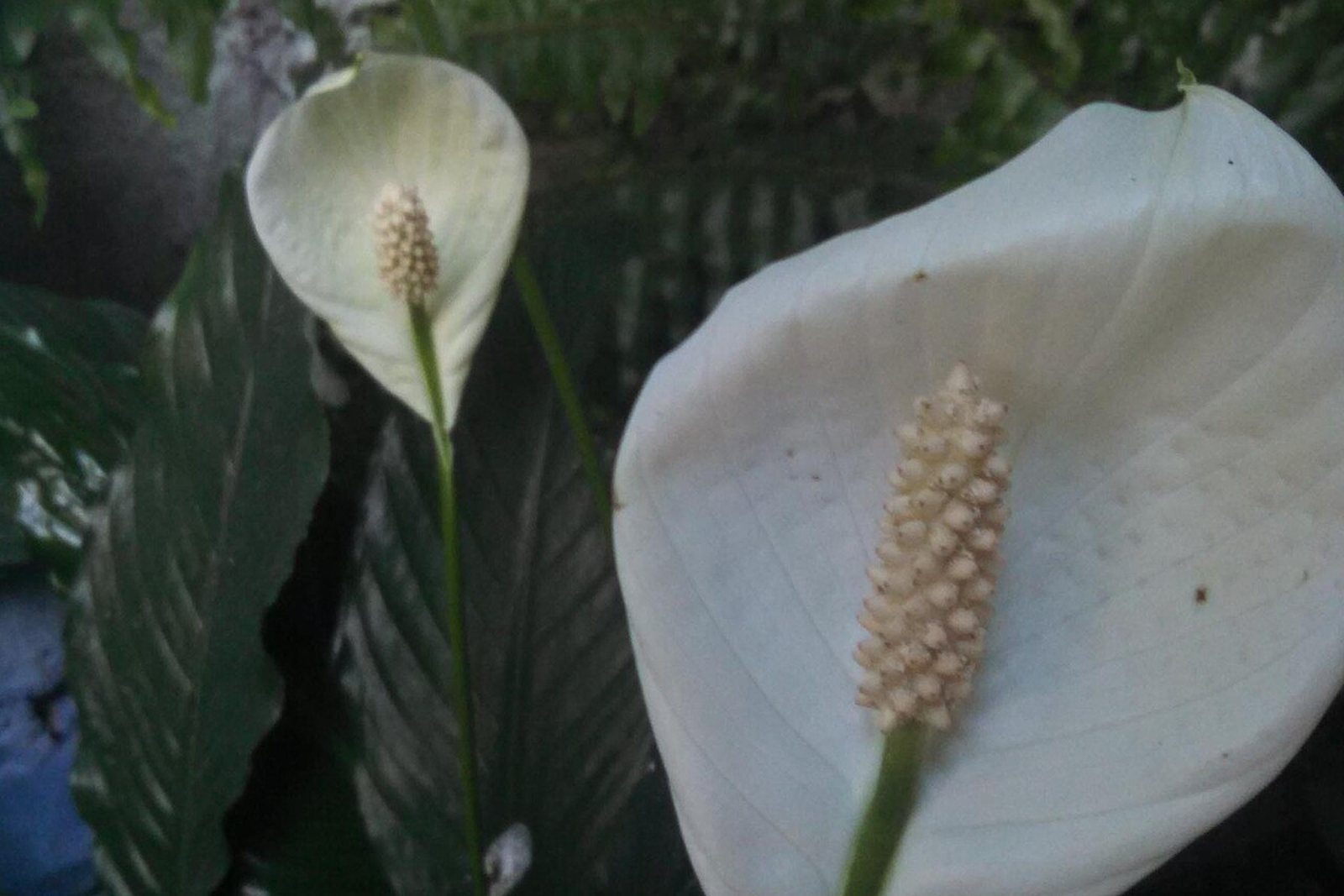
| Pothos, peace lily, philodendron, monstera, dieffenbachia (calcium oxalate group) | Mouth pain, drooling, retching, vomiting. Severity is low; rarely, throat swelling and breathing trouble | Call for advice; hospital if breathing is affected |
| Hydrangea, hosta | Usually only stomach upset | Call if more than mild |
One thing the table cannot tell you: the ASPCA says that eating any plant material may cause vomiting and an upset stomach in dogs, even for plants it lists as non-toxic. Our full lists are in plants toxic to dogs and pet-safe houseplants.
What should you tell the vet or the poison line?
They will ask for the same things, so have them ready:
- The plant name, or photos of the whole plant, a leaf and any flower or berry.
- Which part was eaten (leaf, flower, bulb, seed) and roughly how much.
- When it happened.
- Your dog's weight, age and health, and any medicines.
- Anything on the plant: fertiliser, pesticide or other products, with the label if you have it.
- What signs you have seen, if any.
What signs should you watch for?
For the calcium oxalate houseplants (pothos, peace lily and relatives) the ASPCA lists drooling, retching, nausea, loss of appetite, vomiting and diarrhoea, and head shaking or pawing at the mouth. Other plants in the table add tremors, seizures, bloody vomiting, black stool, weakness or collapse. Treat breathing trouble, trouble swallowing, seizures or collapse as an emergency and go to a vet at once. Some poisonings, such as sago palm and autumn crocus, are serious even when your dog looks fine at first, which is why you call before signs appear.
What should you not do?
- Do not make your dog vomit and do not give salt, oil, milk or other home remedies unless the vet or poison line tells you to.
- Do not wait and see with sago palm, yew, autumn crocus or an unknown plant.
- Do not throw the plant away before you have a photo and a sample.
- Do not trust an app alone. A name from a photo helps the vet, but never replaces calling.
What if you do not know what plant it was?
Look at where your dog was, and photograph everything nearby. Flori can identify a plant from a photo, and the plant's care profile shows its toxicity, which helps you give the vet a name. Treat the answer as a lead rather than a verdict, and tell the vet if you are not sure. If you have houseplants, a collection list in the app also tells you what your dog can reach.
What if you also have a cat?
Check the animal as well as the plant. The ASPCA says true lilies, including Asiatic lilies and daylilies, cause mostly stomach upset in dogs, but any exposure in cats (leaves, flowers, pollen or even the water from the vase) can cause acute kidney injury and death. If a cat has touched a lily, call a vet right away. Our guide to houseplants toxic to cats lists the rest.
What about mushrooms and garden bulbs?
Dogs that dig and sniff on walks also meet mushrooms and bulbs. Tulip and daffodil bulbs are on the ASPCA lists above, and a freshly planted pot is a risk, as our bulb lasagna guide warns. For wild mushrooms, do not try to work out whether the mushroom was safe: read poisonous mushrooms and dogs and call a vet at once.
How do you stop it happening again?
- Put sago palm, yew, oleander and autumn crocus out of a dog's reach, or do not grow them.
- Raise or hang houseplants, and check a plant on the ASPCA list before you buy it. Our guide to checking toxicity before you buy shows how.
- Walk the garden first with a puppy on a lead, and cover freshly planted pots.
- Give a bored dog something safe to chew, so it leaves the plants alone.
Frequently asked questions
What should I do if my dog ate a houseplant?
Remove the plant, take a photo of it and call your vet or an animal poison line such as the ASPCA on (888) 426-4435 right away. Go to a vet at once if your dog has trouble swallowing or breathing.
Should I make my dog vomit after it ate a plant?
No, not unless a vet or poison line tells you to. Call first, with the plant name, the part eaten, roughly how much and your dog's weight.
Is pothos poisonous to dogs?
The ASPCA lists pothos as toxic: it contains calcium oxalate crystals that cause mouth pain, drooling and vomiting. It says signs are unlikely to be severe, but call for advice and keep the plant out of reach.
Which plants are emergencies for dogs?
Sago palm, yew and autumn crocus are the clearest ones in the ASPCA lists. Call a vet immediately for any of them, even if your dog looks fine.
Which house and garden plants are toxic to dogs? ASPCA-listed plants grouped by danger, from sago palm and yew to tulip bulbs, and what to do after a chew.
Sources
Written and fact-checked by the Flori team. Every guide cites horticultural sources such as the RHS, university extension services and the ASPCA, and is updated when the advice changes. How we write our guides
General plant care information. Plants vary; when a plant is valuable or a problem spreads quickly, consult a local nursery or plant specialist.