Bulb Lasagna: Layering Bulbs in One Pot
How to plant a bulb lasagna: which bulbs go in which layer, pot size, compost depths, winter care and why the pot flowers for weeks. RHS-based steps.
 By Flori editorial team · Updated
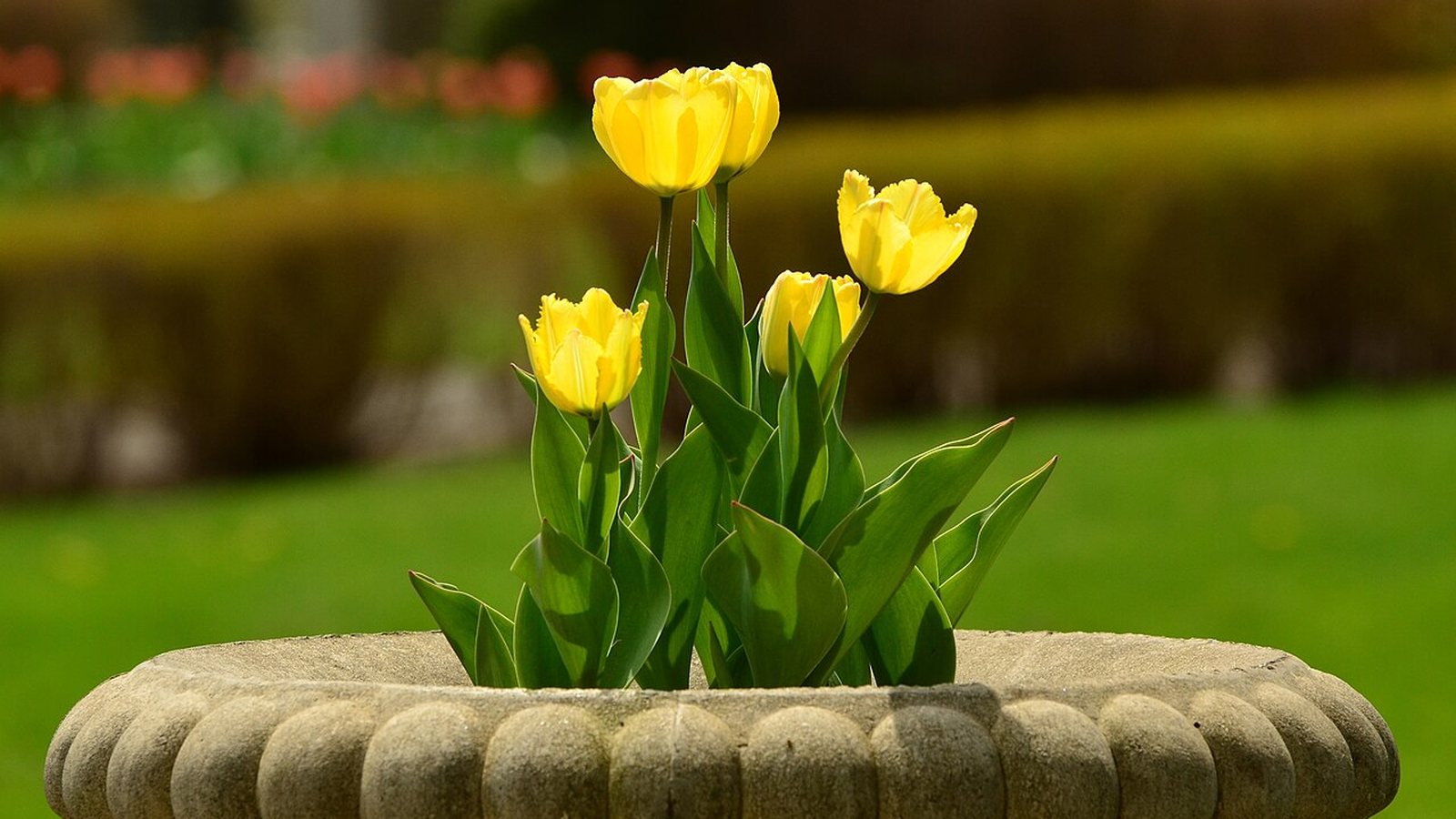 Photo: Letartean · CC BY 3.0
A bulb lasagna is one deep pot (at least 30 cm / 1 ft) planted in layers: largest, latest-flowering bulbs at the bottom, smaller earlier ones above, compost between layers and 5-10 cm (2-4 in) on top. Plant it in autumn, keep the compost moist but never soggy, and you get weeks of flowers.
Key takeaways
- Put the largest, latest-flowering bulbs deepest and the smallest, earliest ones on top.
- Use a pot at least 30 cm (1 ft) wide and deep with drainage holes, and 10 cm (4 in) of compost under the first layer.
- Bulbs only need about a bulb's width between them, so you can pack each layer.
- Spring bulbs need roughly 12 to 15 weeks of cold, which matters in mild coastal climates.
- Tulips, daffodils and hyacinths are toxic to dogs and cats, bulbs most of all, so keep the pot covered.
On this page9
- What is a bulb lasagna, and does it really work?
- Which bulbs go in which layer?
- What pot and compost do you need?
- How do you plant a bulb lasagna, step by step?
- When should you plant a bulb lasagna?
- How do you look after the pot in winter and spring?
- Will the bulbs flower again next year?
- Why did my bulb lasagna fail?
- Are the bulbs poisonous to pets?
What is a bulb lasagna, and does it really work?
A bulb lasagna is one pot planted with two or three layers of spring bulbs, the way you build a lasagna: big bulbs at the bottom, compost between the layers, small bulbs on top. The point is a longer show from one pot. The lowest, largest bulbs flower last, the top, smallest ones flower first, and each set of leaves hides the fading foliage of the one before. The Royal Horticultural Society (RHS) describes exactly this layout for a long-lasting display, and Iowa State Extension says that different bulbs in one pot may not all bloom at the same time, but you will have colour for several weeks.
It works best when you match each bulb to a layer by size and flowering time, which is what the table below does.
Which bulbs go in which layer?
The rule is simple: the largest, latest-flowering bulbs go deepest, and the smallest, earliest ones go on top. The examples come from the RHS.
| Layer | Bulb size | Examples (RHS) | Flowers |
|---|---|---|---|
| Bottom | Largest | Late tulips, late pheasant's eye narcissi | Last |
| Middle | Slightly smaller | Early miniature daffodils, mid-season daffodils | In between |
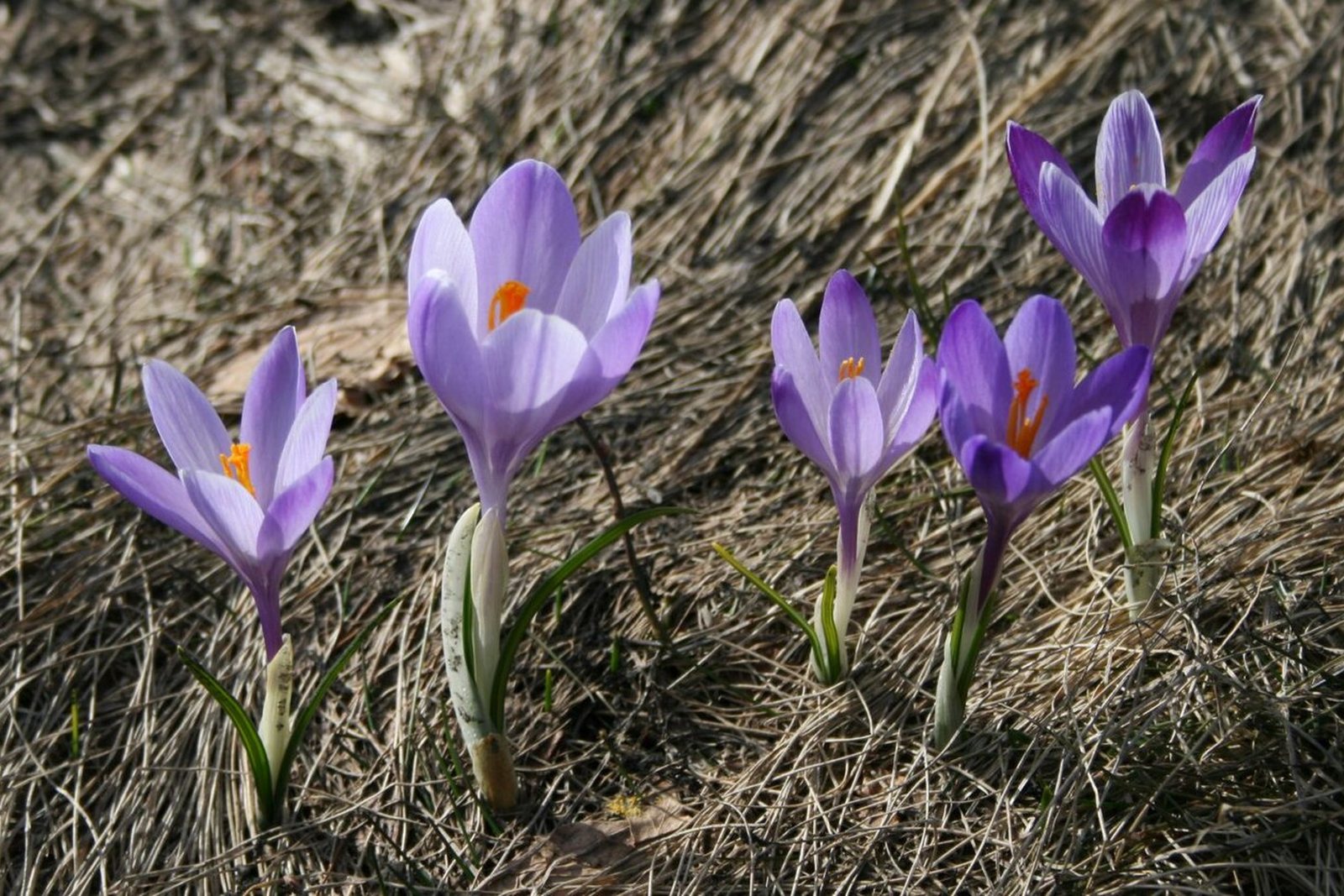
| Top (if there is room) | Smallest | Crocuses, snowdrops | First |
A myth worth dropping: you do not need to leave big gaps between bulbs. The RHS says you can plant each layer only a bulb's width apart, to fit in as many as possible. Pack each layer, cover it with compost, and then start the next one.
What pot and compost do you need?
- A big, deep pot. The RHS says at least 30 cm (1 ft) wide and deep, with drainage holes. A shallow pot only fits one layer.
- Drainage. If there is a single large hole, cover it with a few pieces of broken pot so the compost does not wash out. Bulbs prefer good drainage and rot in sodden compost.
- Compost. Ordinary peat-free multi-purpose compost, as the RHS suggests. For the pot itself, our guide to choosing the right pot covers materials and sizes.
- Healthy bulbs. Choose large, firm bulbs and throw away any that are soft or show rot, as both the RHS and Iowa State advise.
How do you plant a bulb lasagna, step by step?
- Put at least 10 cm (4 in) of compost in the bottom of the pot.
- Set the first layer (largest bulbs) pointed end up, about a bulb's width apart.
- Cover them completely with compost and firm it down gently.
- Add the second layer of slightly smaller bulbs the same way, and cover with compost.
- Add a third layer of the smallest bulbs if there is still room.
- Finish with 5-10 cm (2-4 in) of compost on top, roughly three times the height of the bulbs in the top layer, firmed gently. The surface should end up at least 2 cm (1 in) below the rim.
- Water well to settle the compost, and spread gravel on top if you have some, to deter weeds.
If you are new to this, start with two layers, for example daffodils under crocuses. It is easier to get right, and you can add a third layer next year.
When should you plant a bulb lasagna?
In autumn. In the UK the RHS says spring-flowering bulbs such as daffodils, crocuses and hyacinths are best planted by the end of September, and tulips in November. If your lasagna has tulips at the bottom, plant it in late autumn. In the southern hemisphere the same autumn window falls roughly between March and May.
Why cold matters: Iowa State says spring-blooming bulbs need a chilling period of at least 12 to 15 weeks to build roots, stems and flower buds. That is no problem on an inland Anatolian balcony, where winters are cold. On the mild Mediterranean and Aegean coast, where it rarely freezes, the pot may not get enough cold, so check the supplier's instructions for each bulb and, if it asks for it, chill the bulbs before planting. Where the pot can freeze solid, as on the inland plateau or in a cold northern winter, put it against a sheltered wall.
How do you look after the pot in winter and spring?
- Winter: put the pot outdoors in a sunny spot, as the RHS says, and keep checking it. The RHS asks you to make sure pots do not dry out completely even in winter, but never leave them waterlogged.
- Squirrels and digging animals: the RHS suggests a chicken-wire cover over the pot after planting, removed once the first shoots appear. It names squirrels as a pest mainly of tulips and crocuses.
- Spring: once shoots emerge, water regularly. From then until the foliage dies down, the RHS suggests feeding every seven to ten days with a high-potassium fertiliser such as liquid tomato feed, following the dose on the pack.
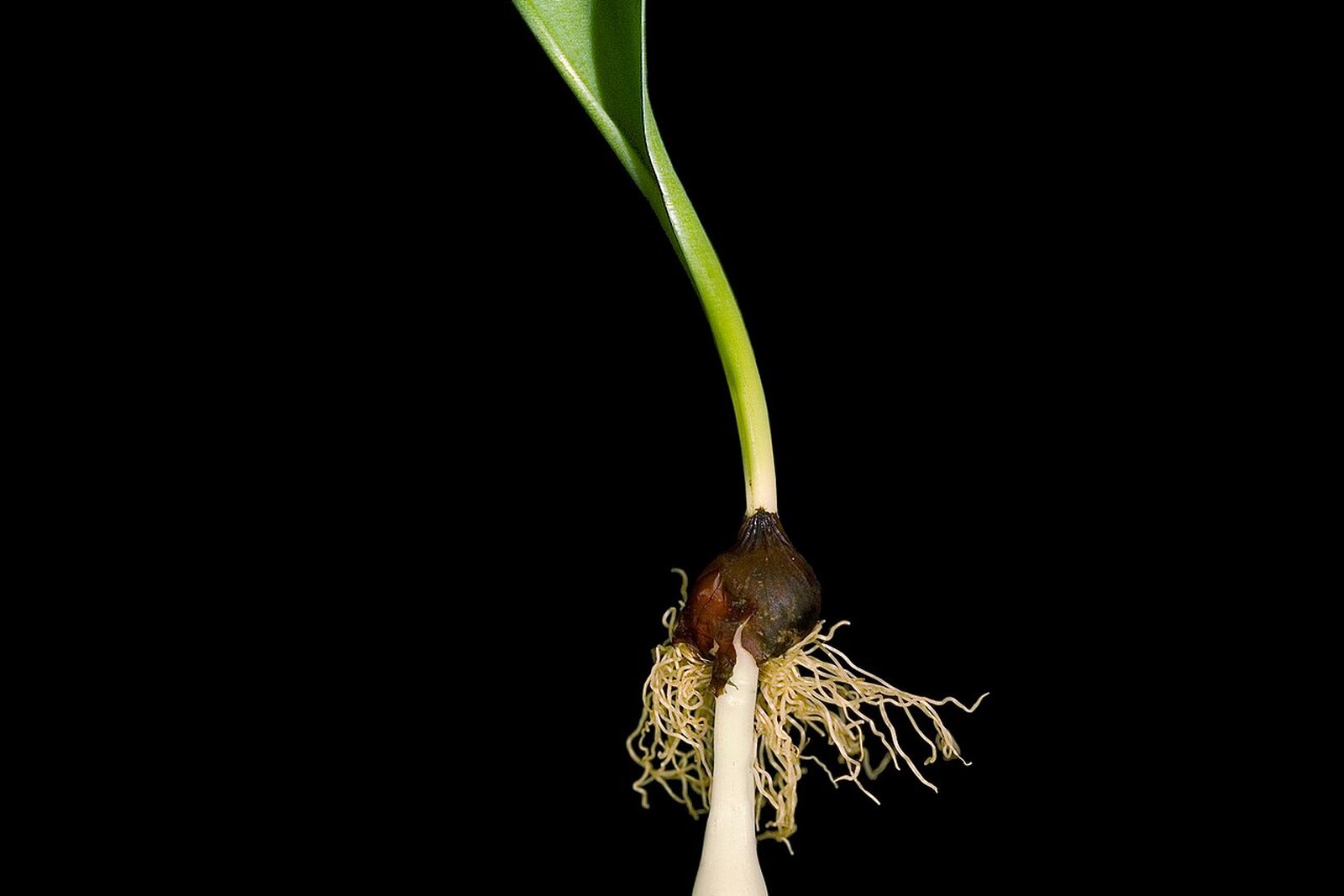
- After flowering: deadhead the faded flowers and let the leaves die down naturally, because they refill the bulbs. The RHS says bulbs need plenty of water for six weeks after flowering, until the leaves die down.
Flori's care reminders can carry the winter-and-spring routine: add the pot to your balcony or garden collection and set a watering reminder, and the care log records when you fed it.
Will the bulbs flower again next year?
Not as well. The RHS says that bulbs planted closely in containers flower less well in their second year and are best replaced every year. After flowering, move the pot to a less prominent spot until the next spring, or plant the bulbs out in a border (the RHS suggests both). For a pot you want to look good every spring, plan on fresh bulbs each autumn. Our what to plant in November and autumn garden checklist show what else is worth doing at the same time.
Why did my bulb lasagna fail?
Most failures trace back to a few causes. A pot that is too shallow leaves no room for layers. Planting too late or using bulbs that were stored too long can mean poor flowering, the RHS warns, so plant as soon as you have bought them and discard soft or rotten ones. Waterlogged compost rots bulbs, so check drainage. Cutting the leaves off early starves the bulbs for next year. And a pot that gets no real cold, as on a warm coastal balcony, may give leaves but few flowers.
Are the bulbs poisonous to pets?
Yes. The ASPCA lists tulips, daffodils and hyacinths as toxic to dogs, cats and horses. The highest concentration of toxin in a tulip is in the bulb, and for daffodils the bulbs are the most poisonous part, so a dog that digs up a new pot is at real risk. The ASPCA gives vomiting, drooling and diarrhoea as the common signs. Cover the pot with wire mesh or keep it out of reach, and if your pet chews a bulb, call your vet right away. Our guide to plants toxic to dogs has more, and the pet-safe plants list has indoor alternatives.
Frequently asked questions
How deep do you plant bulbs in a bulb lasagna?
Put at least 10 cm (4 in) of compost in the pot, set the first layer, cover it completely, repeat for each layer, and finish with 5-10 cm (2-4 in) of compost on top. The RHS says the surface should sit at least 2 cm (1 in) below the rim.
How many layers can you plant in one pot?
Two or three. The RHS describes up to three layers in a pot at least 30 cm (1 ft) deep. Start with two if you are new to it.
Do bulb lasagnas need to be watered in winter?
Yes, a little. The RHS says to keep checking pots in winter so they do not dry out completely, and to avoid waterlogging. Water regularly once the shoots emerge in spring.
Will a bulb lasagna flower again next year?
Usually less well. The RHS says bulbs planted closely in containers flower less well in the second year and are best replaced each year, or planted out in a border after flowering.

In November you can still plant tulip bulbs, garlic, broad beans, fruit trees and a pot of chives, if the soil is not frozen or waterlogged. Here's how.
Sources
Written and fact-checked by the Flori team. Every guide cites horticultural sources such as the RHS, university extension services and the ASPCA, and is updated when the advice changes. How we write our guides
General plant care information. Plants vary; when a plant is valuable or a problem spreads quickly, consult a local nursery or plant specialist.