Choosing the Right Pot: Size, Material, Drainage
How to choose a plant pot: a drainage hole first, only 2–5 cm wider than the old pot, and terracotta, plastic, glazed or metal matched to the plant.
 By Flori editorial team · Updated
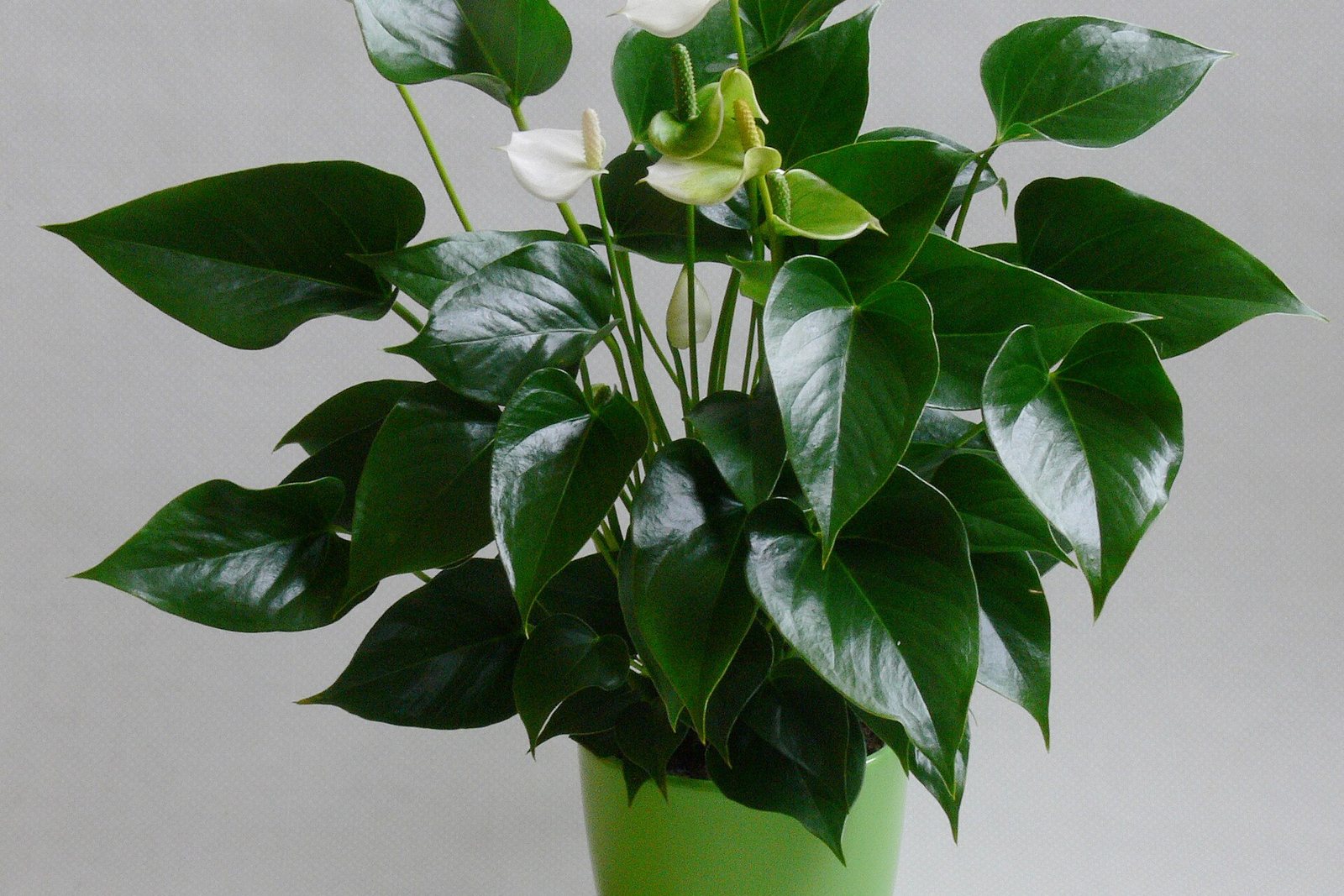
 Photo: Steffen Mokosch · CC BY-SA 4.0
Choose a pot with at least one drainage hole, only 2–5 cm (1–2 in) wider than the current one. Then match the material to the plant: unglazed terracotta dries fastest and suits succulents, while plastic and glazed pots hold moisture longer for thirsty plants. Put a pot without a hole around a plastic nursery pot instead.
Key takeaways
- A drainage hole matters more than anything else; pots without one raise the risk of root rot.
- Go up only 2–5 cm (1–2 in) in diameter: an oversized pot keeps the mix wet for too long.
- Unglazed terracotta is porous and dries quickly; plastic and glazed pots hold water longer.
- Do not put gravel in the bottom: it slows drainage instead of helping it.
- Use a pretty pot without a hole as a cover pot around a plain pot that drains.
On this page7
How do you choose the right pot for a plant?
Choosing the right pot comes down to three questions, in this order: does it drain, is it the right size, and is the material right for how this plant likes to be watered? Most pot advice stops at "get one with a hole". This guide adds a material comparison table, so you can match terracotta, plastic, glazed ceramic or metal to your plant and to how often you water, and explains how to use a decorative pot that has no hole at all.
If you are moving a plant into a new pot right now, our repotting guide covers when and how to do it. This one is about choosing the pot itself.
Do plant pots need drainage holes?
Yes. The RHS calls drainage holes in the base of a container essential, and University of Illinois Extension says containers with drainage holes are best for most plants, while plants in pots without them carry a greater risk of root rot. Without a hole, extra water collects at the bottom, the roots there run out of air and start to rot, and you cannot see it happening.
One hole is enough for a small pot; larger pots drain better with several. Clemson Extension suggests laying a small piece of broken clay pot over the hole so the mix does not wash out. A square of mesh does the same job.
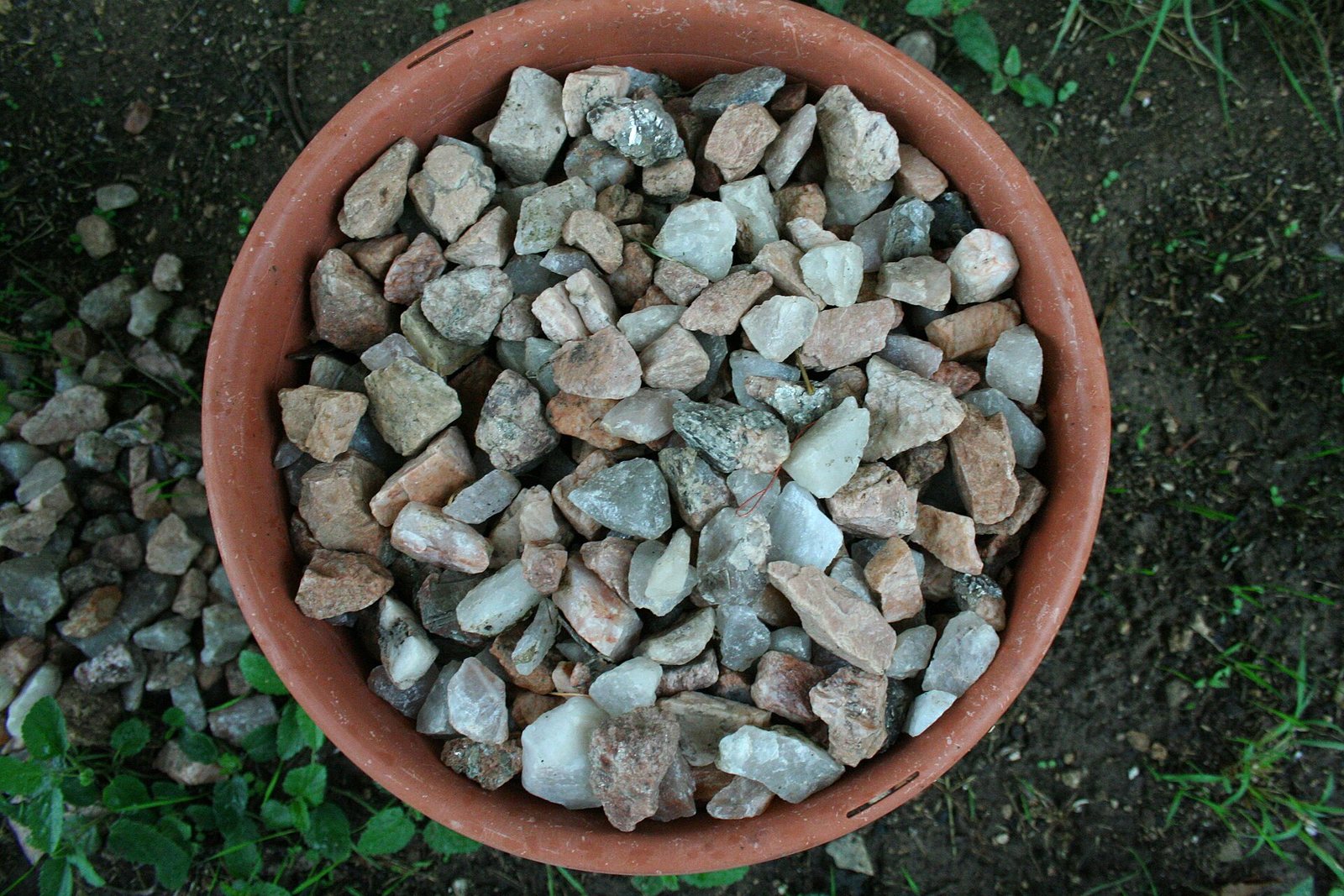
Should you put gravel in the bottom of a pot?
No. It is one of the most repeated tips, and it is wrong. Clemson says not to add a layer of clay pieces or rocks, because it actually slows water movement through the pot. Iowa State Extension adds that a gravel layer is not a substitute for a drainage hole. Water does not drain from fine potting mix into coarse gravel until the mix above is saturated, so the gravel simply raises the wet zone closer to the roots. Fill the whole pot with potting mix instead.
What size pot should you use?
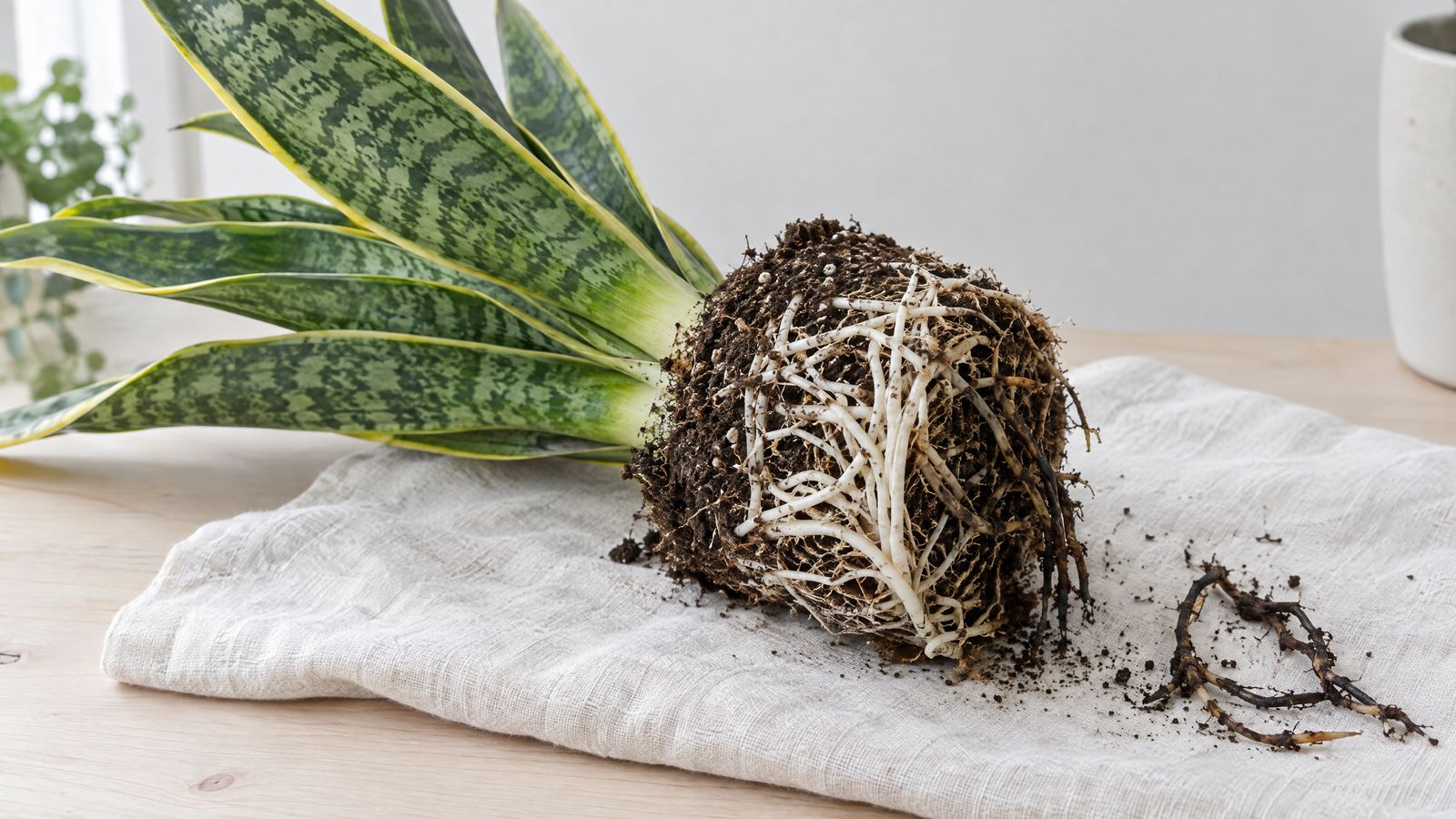
Only slightly bigger than the root ball. Clemson and Illinois both recommend a pot 2–5 cm (1–2 in) wider in diameter than the current one, and the RHS says the ideal pot is only slightly larger than the root ball. The reason is water: Illinois warns that a small plant in a large pot sits in soil that stays too wet for too long, and the RHS notes that the extra compost can easily become waterlogged.
Size also changes how often you water. UF/IFAS points out that the smaller the container, the more often it needs watering, and the RHS adds that shallow containers dry out quickly while large ones dry slowly. Clemson's signs that a plant has outgrown its pot are roots in a solid mass around the root ball, roots growing out of the drainage hole, or a plant that needs water very often or wilts soon after watering.
Terracotta, plastic, glazed or metal: which pot material is best?
There is no single best material, only a better match. The key difference is porosity. The RHS explains that unglazed pots are porous, so they dry out more quickly than other materials, while plastic pots are lighter and do not dry out as easily. Glazed ceramic is sealed by the glaze, so for watering it behaves more like plastic than like bare terracotta.
| Material | Moisture | Good for | Watch out for |
|---|---|---|---|
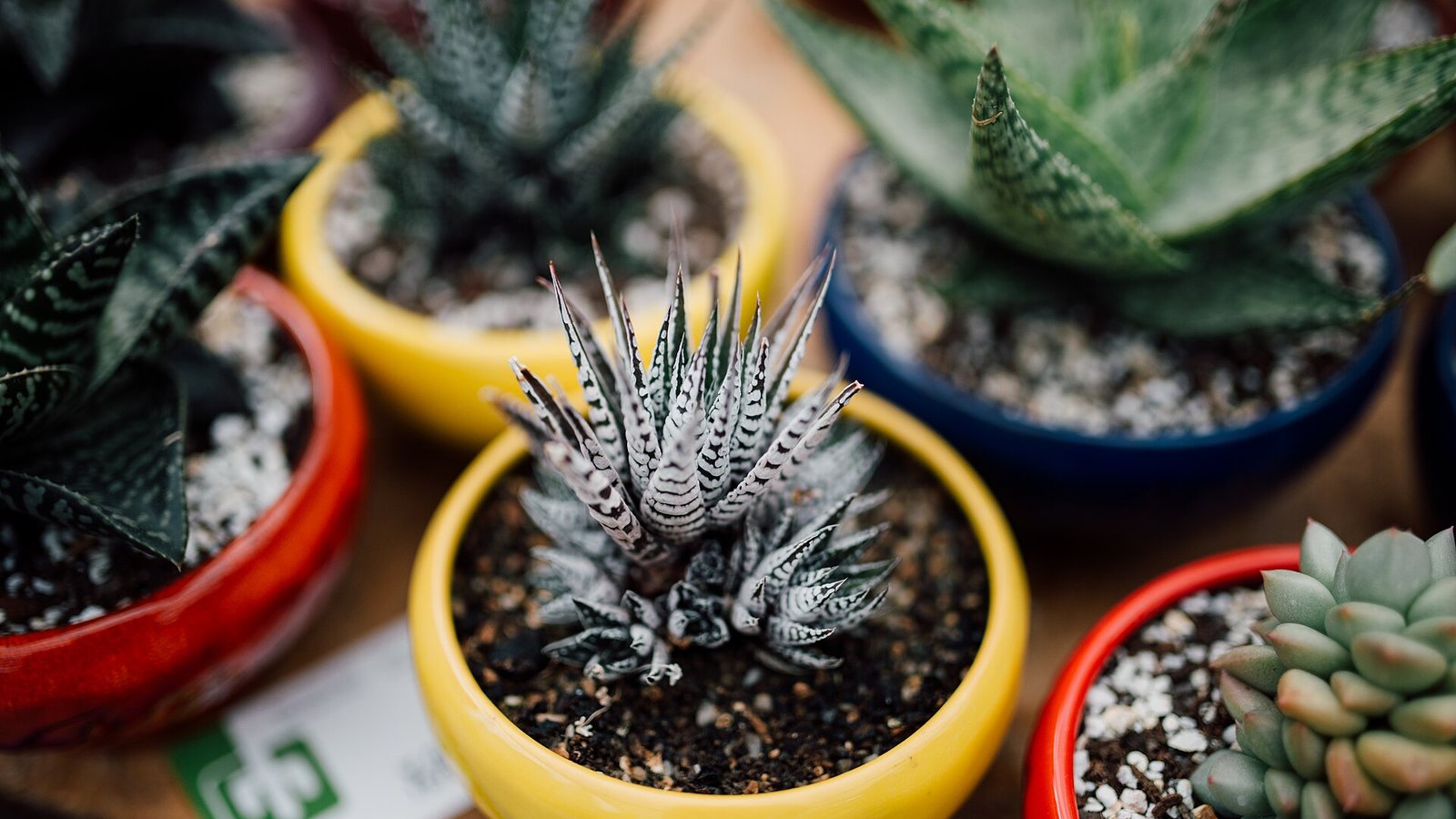
| Unglazed terracotta | Porous, dries fastest | Succulents, cacti, plants prone to root rot, people who overwater | Heavier; needs water more often; may crack in frost outdoors unless frost-proof |
| Plastic | Holds moisture longer | Ferns, calatheas and other thirsty plants; large plants you need to move | Easy to overwater; can degrade in strong sun |
| Glazed ceramic | Holds moisture like plastic | Most houseplants, as long as there is a hole | Often sold without a hole; heavy |
| Metal | Not porous | Cover pots indoors | Heats up fast in sun and gets very cold in winter (RHS) |
| Wood | Holds some moisture | Large outdoor planters | Rots over time; line it (RHS) |
A practical rule: if you tend to overwater, or the plant hates wet roots, choose terracotta. Iowa State calls clay or terracotta ideal for succulents because it lets the mix dry more quickly; our succulent soil guide pairs it with the right mix. If you forget to water, or the plant likes to stay evenly moist, plastic or glazed pots give you more time between waterings. Either way, the mix matters as much as the pot; our soil mix guide has recipes by plant type.
Can you use a pot without drainage holes?
Yes, as a cover pot. Iowa State describes the method: grow the plant in a slightly smaller pot with drainage and set it inside the decorative one. This is often called double potting, and the outer pot is called a cachepot. Lift the inner pot out to water at the sink, let it drain, then put it back, or tip out any water that collects in the outer pot after watering. UF/IFAS notes that you can sometimes drill a hole yourself, depending on the material.
Do not plant straight into a pot with no hole and try to water carefully. Even small amounts collect at the bottom over time, and our root rot rescue plan shows where that leads.
Saucers, weight and other details
- Empty the saucer. A saucer protects furniture, but tip it out after watering so the pot is not left standing in water.
- Outdoors in winter. The RHS advises removing saucers before winter and raising pots on pot feet so holes stay clear. Choose frost-proof, not just frost-resistant, terracotta.
- Tall or top-heavy plants. A heavy terracotta or ceramic pot stops them toppling; the RHS suggests a layer of stones in the base of tall outdoor pots for stability, which is weight, not drainage.
- Clean old pots. Wash out old soil and salt crusts before reusing a pot.
Flori can set a repotting reminder for each plant, so you check the roots once a year instead of waiting for them to come out of the hole.
Frequently asked questions
Is terracotta or plastic better for houseplants?
Neither is better for every plant. Terracotta is porous and dries fast, which suits succulents and anyone who overwaters. Plastic holds moisture longer, which suits thirsty plants and people who forget to water.
How much bigger should a new pot be?
About 2–5 cm (1–2 in) wider in diameter than the current pot. A much larger pot holds more wet mix than the roots can use, which raises the risk of root rot.
Can I put rocks in the bottom of a pot without drainage?
No. A layer of rocks or gravel slows drainage and is not a substitute for a hole. Use the pot as a cover pot around a plain pot that drains instead.
Are self-watering pots good?
They can suit plants that like evenly moist soil, but they are a poor match for succulents and plants that need to dry out. Check how wet the mix stays in the first weeks and adjust.
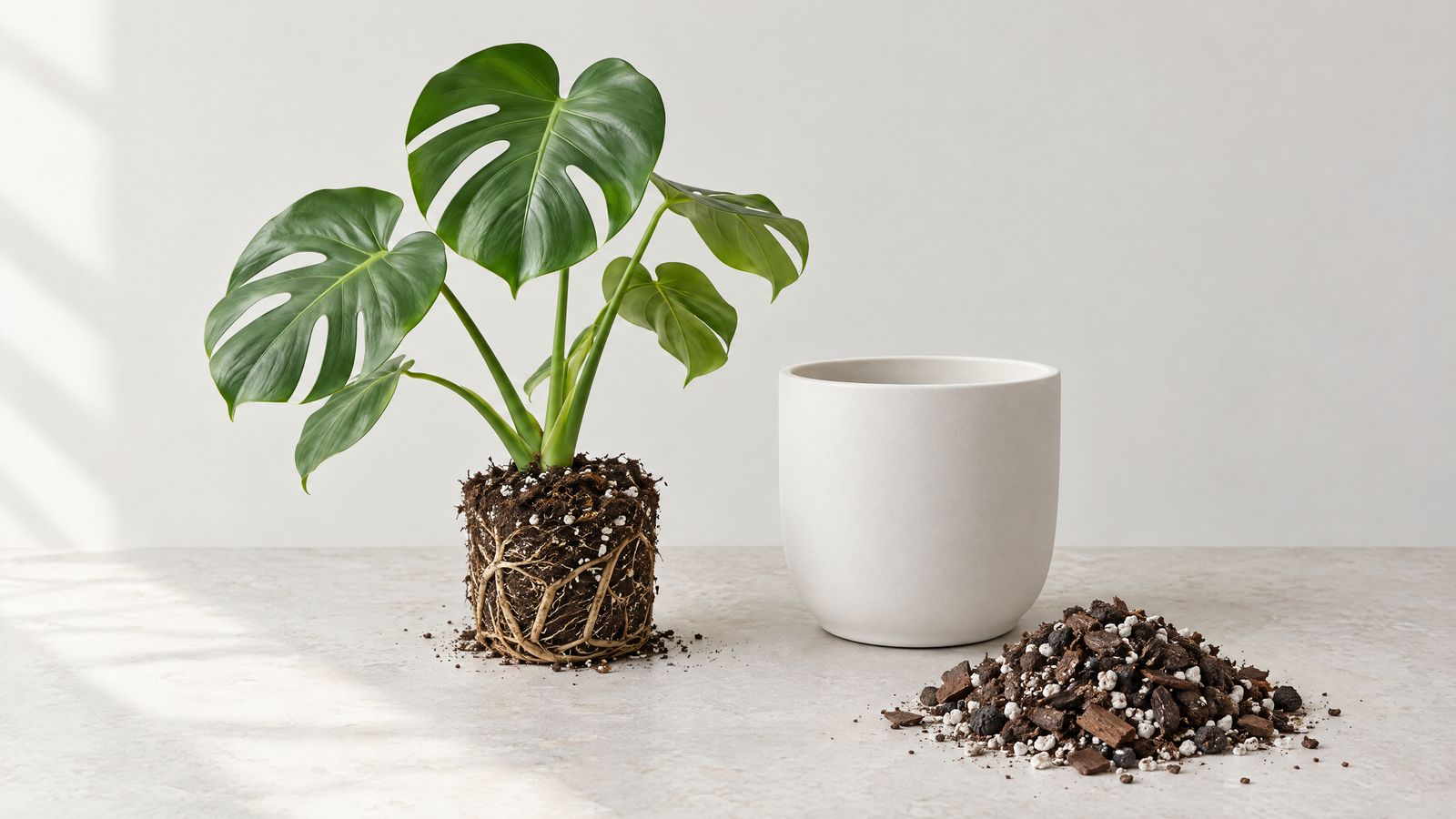
When to repot a houseplant, how much bigger the new pot should be, which potting mix to use and how to water afterwards so the plant settles in fast.
Sources
- Royal Horticultural Society: Growing plants in containers
- Clemson Cooperative Extension HGIC: Indoor Plants: Transplanting & Repotting
- University of Illinois Extension: Houseplants, Get Started
- Iowa State University Extension: Growing Succulents Indoors
- UF/IFAS Gardening Solutions: Choosing a Container for Your Plant
Written and fact-checked by the Flori team. Every guide cites horticultural sources such as the RHS, university extension services and the ASPCA, and is updated when the advice changes. How we write our guides
General plant care information. Plants vary; when a plant is valuable or a problem spreads quickly, consult a local nursery or plant specialist.