Holes in Plant Leaves: What Is Eating Your Plant?
Holes in plant leaves can come from caterpillars, slugs, snails or beetles, or be normal. Use the table to read the damage, then follow the first steps.
 By Flori editorial team · Updated
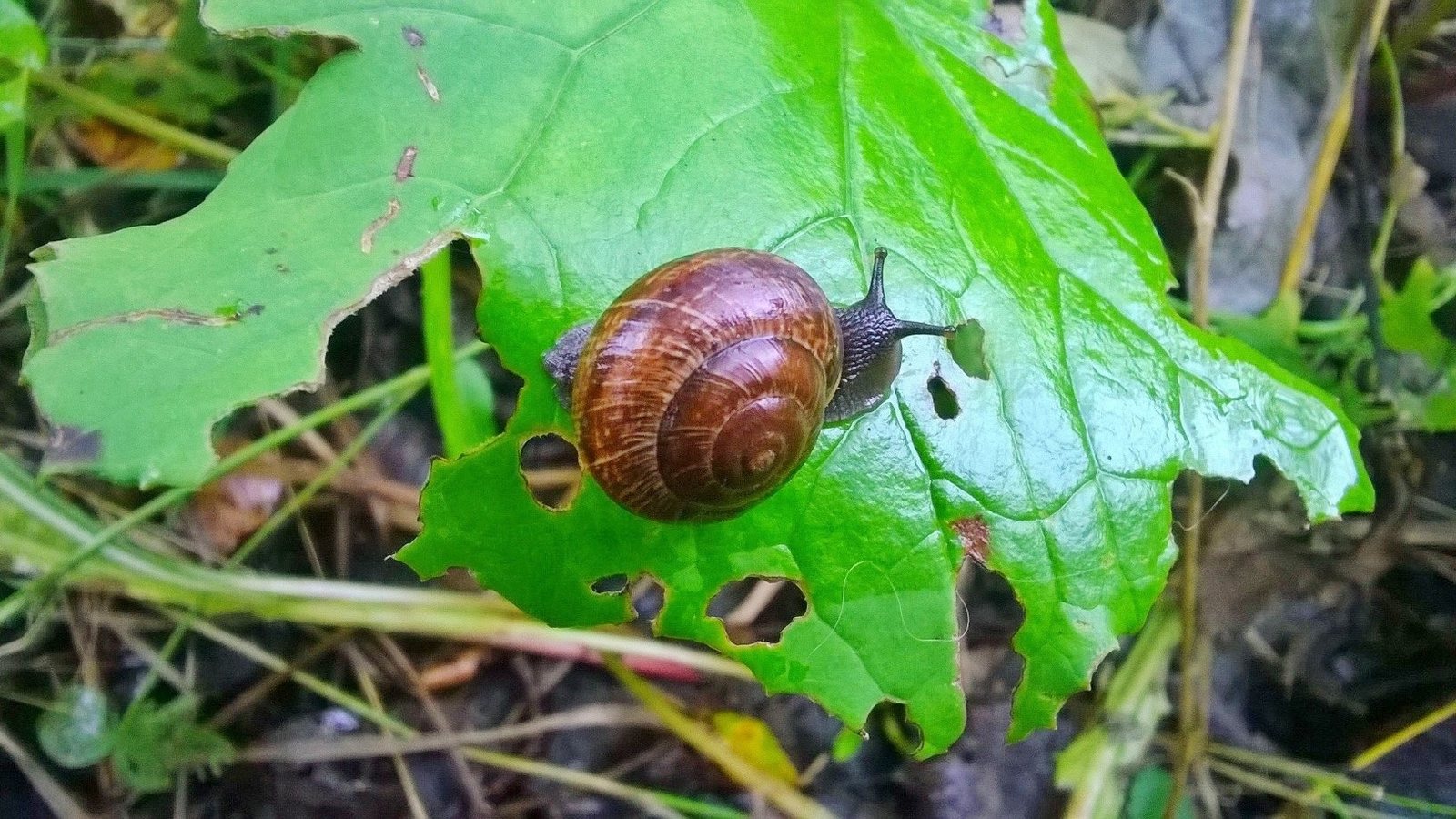 Photo: Paasikivi · CC BY-SA 4.0
Ragged holes with slime trails or dark droppings mean a chewing pest such as slugs, snails or caterpillars. Search the plant by torchlight after dark, check leaf undersides and pick pests off by hand. Neat holes on a mature monstera leaf are normal, and dead spots or knocks can also leave holes.
Key takeaways
- Slime trails point to slugs or snails; dark droppings (frass) point to caterpillars.
- Sap feeders such as aphids and spider mites cause speckling and distortion, not holes.
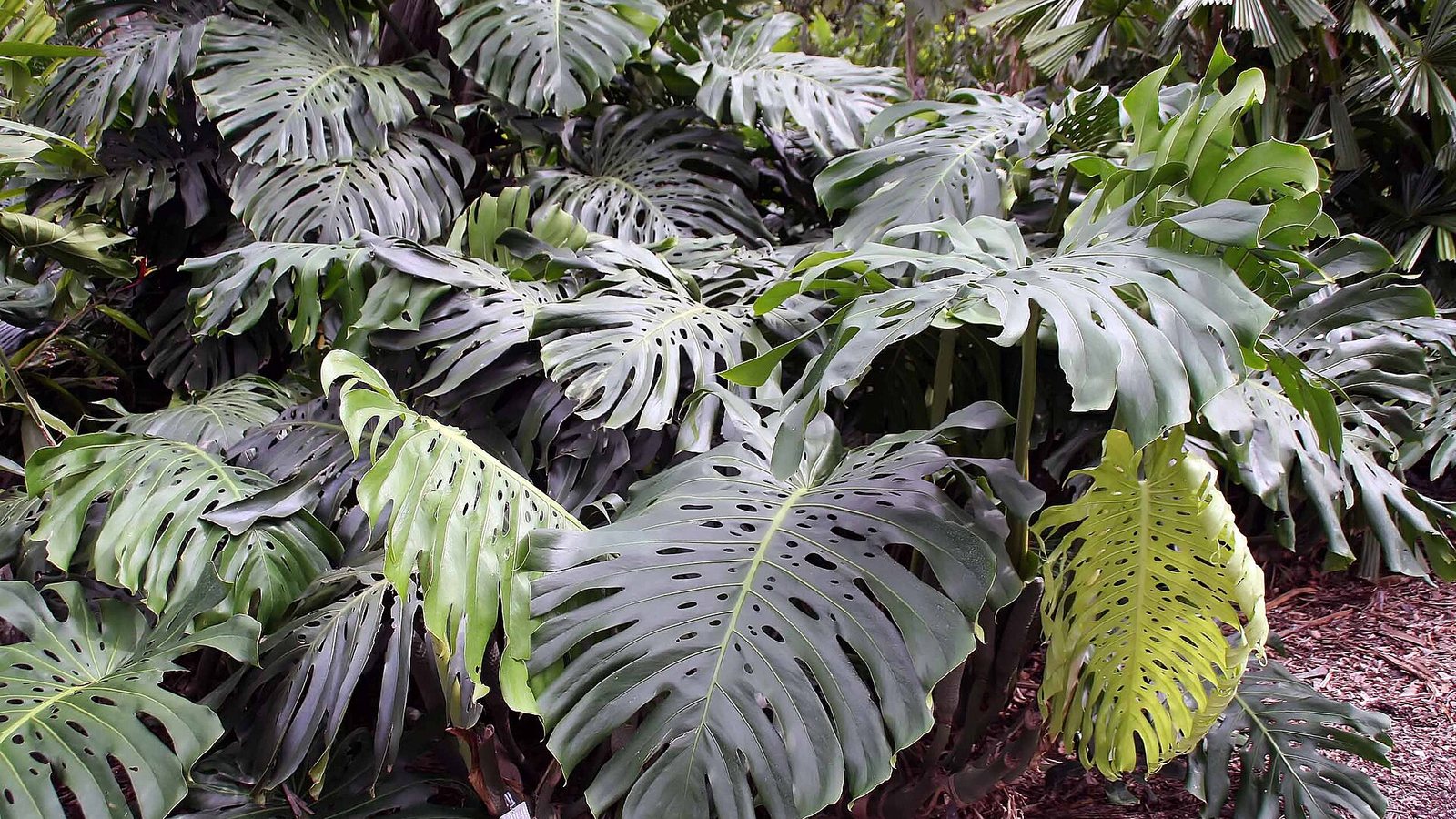
- Mature monstera leaves are meant to have holes and splits.
- Hand-picking comes first; use sprays last, the least toxic first, and follow the label.
- A pet chewing a toxic plant like monstera is a safety issue; call your vet or poison line.
On this page9
Why does my plant have holes in its leaves?
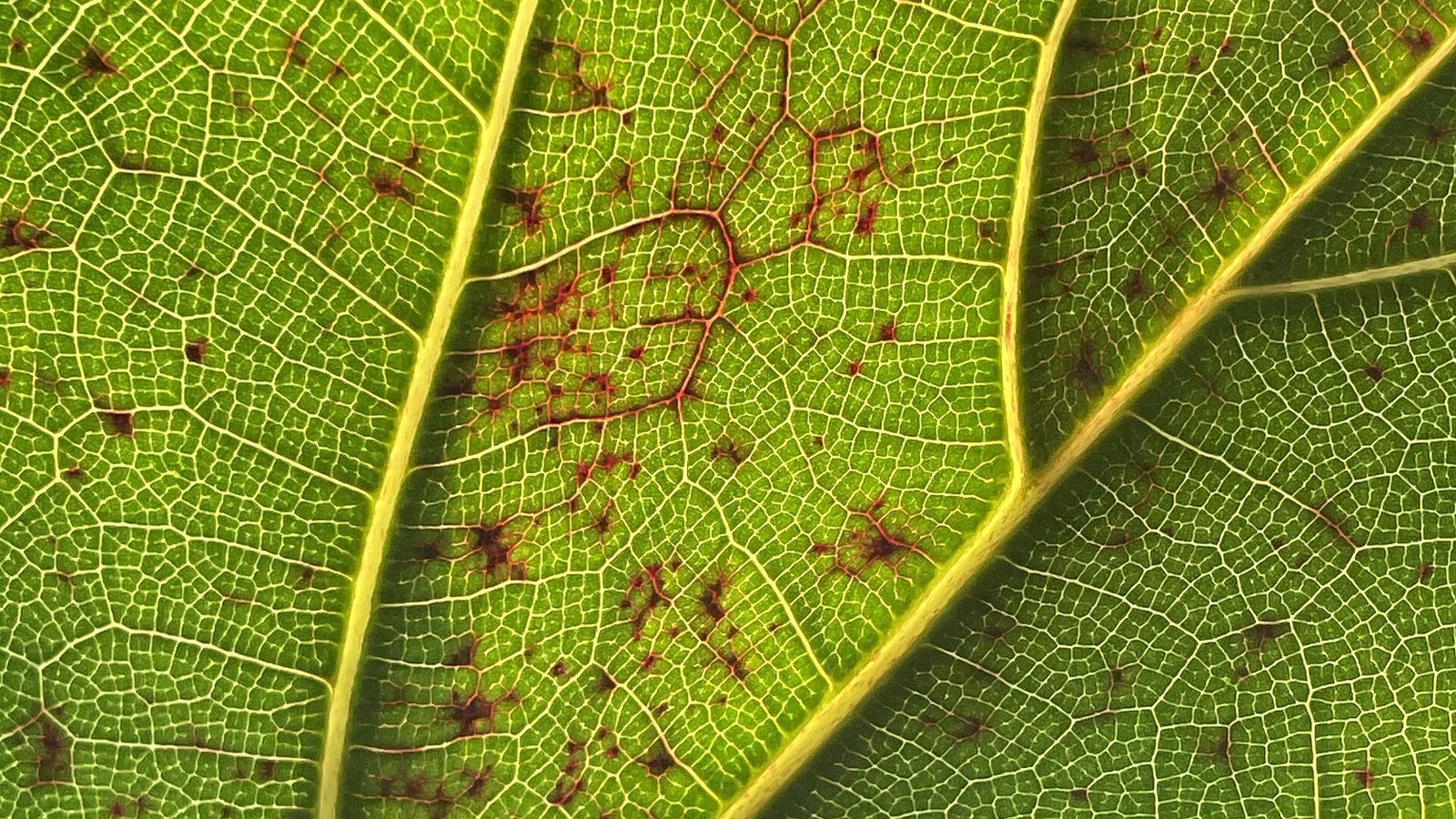
Holes in plant leaves usually mean something is chewing them, but not always: a few plants grow holes on purpose, and dead patches can crumble out and look like bites. This guide helps you work out which one you have from the shape of the hole, where it sits on the leaf and when it appeared, with a symptom, cause and fix table. Sap-feeding pests such as aphids, mealybugs, scale and spider mites are not the first suspects: Iowa State University Extension notes that they cause mottling, yellowing, stunting or distorted leaves rather than holes.
Before you treat anything, look closely. Check both sides of several leaves, the stems, the soil surface and the rim of the pot, ideally in good light and with a magnifying glass.
What do different holes tell you?
| What you see | Likely cause | What to do |
|---|---|---|
| Ragged holes in soft leaves, slime trails, damage appearing overnight | Slugs or snails | Search by torchlight, hand-pick, lift plants off the ground |
| Chewed edges or large bites, dark droppings (frass) on leaves or below | Caterpillars | Check leaf undersides, remove caterpillars and eggs by hand |
| Notches and holes, with beetles on the plant | Beetles | Remove the beetles by hand |
| Neat holes and splits on the mature leaves of a monstera | Normal growth | Nothing; see below |
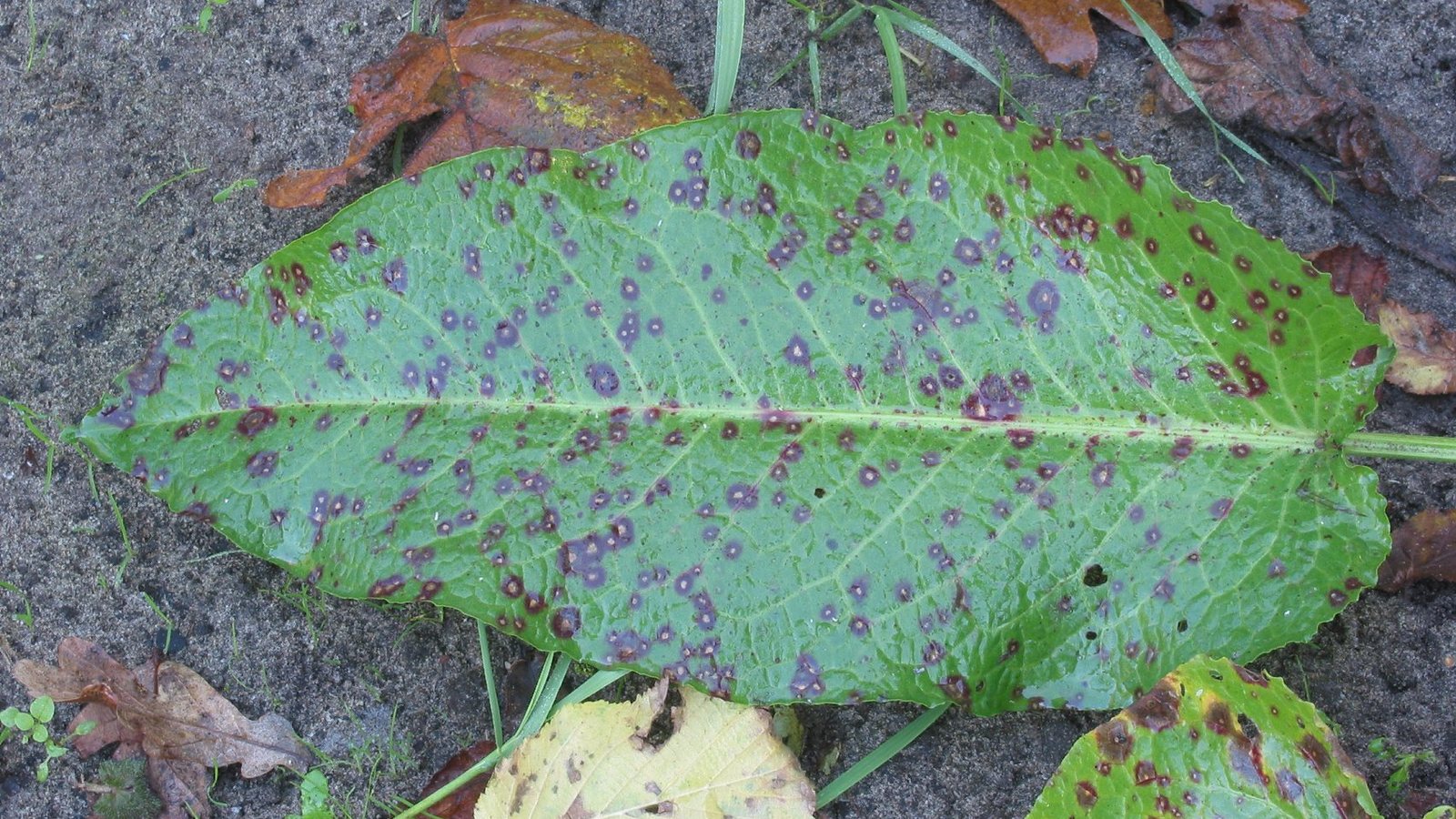
| Dead brown spot with a yellow rim that dries and drops out | Leaf spot or damage, not a chewer | Remove affected leaves, keep leaves dry |
| Tear or split across the leaf, no chewing marks | Knocks, pets or people brushing past | Move the plant out of the traffic; trim the ragged edge if you like |
Is it normal for some plants to have holes?
Yes. Monstera leaves are meant to have holes. NC State Extension describes the leaf of Monstera deliciosa as perforated with several holes, some of which split the margin so the leaf looks deeply lobed, and says only mature leaves have them, developing as the leaf grows. A young monstera with solid leaves is not damaged, just young. Holes with brown, chewed or slimy edges that appear on a leaf that was whole last week are a different story. Our monstera care guide covers the plant in more depth.
Caterpillars and beetles
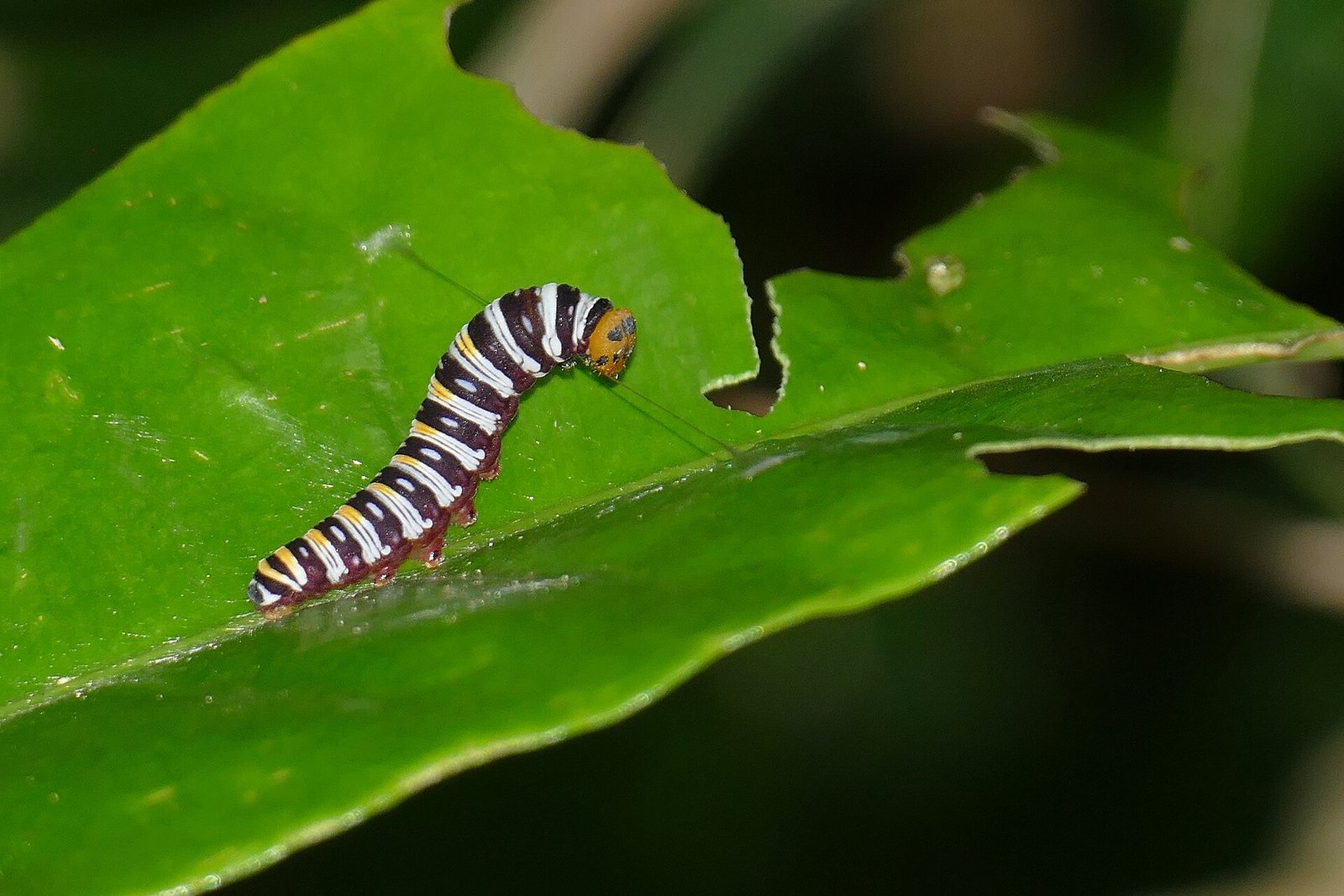
Clemson Cooperative Extension lists caterpillars and beetles among the leaf-chewing pests of houseplants. Frass, the small dark droppings on leaves and under the plant, is a good sign that caterpillars are at work. Look on the undersides of leaves too, because that is where eggs are laid. Clemson's advice for both is to remove and destroy them by hand. This is most likely on plants that spent the summer outdoors or on a balcony, so check them well before bringing them back inside for winter.
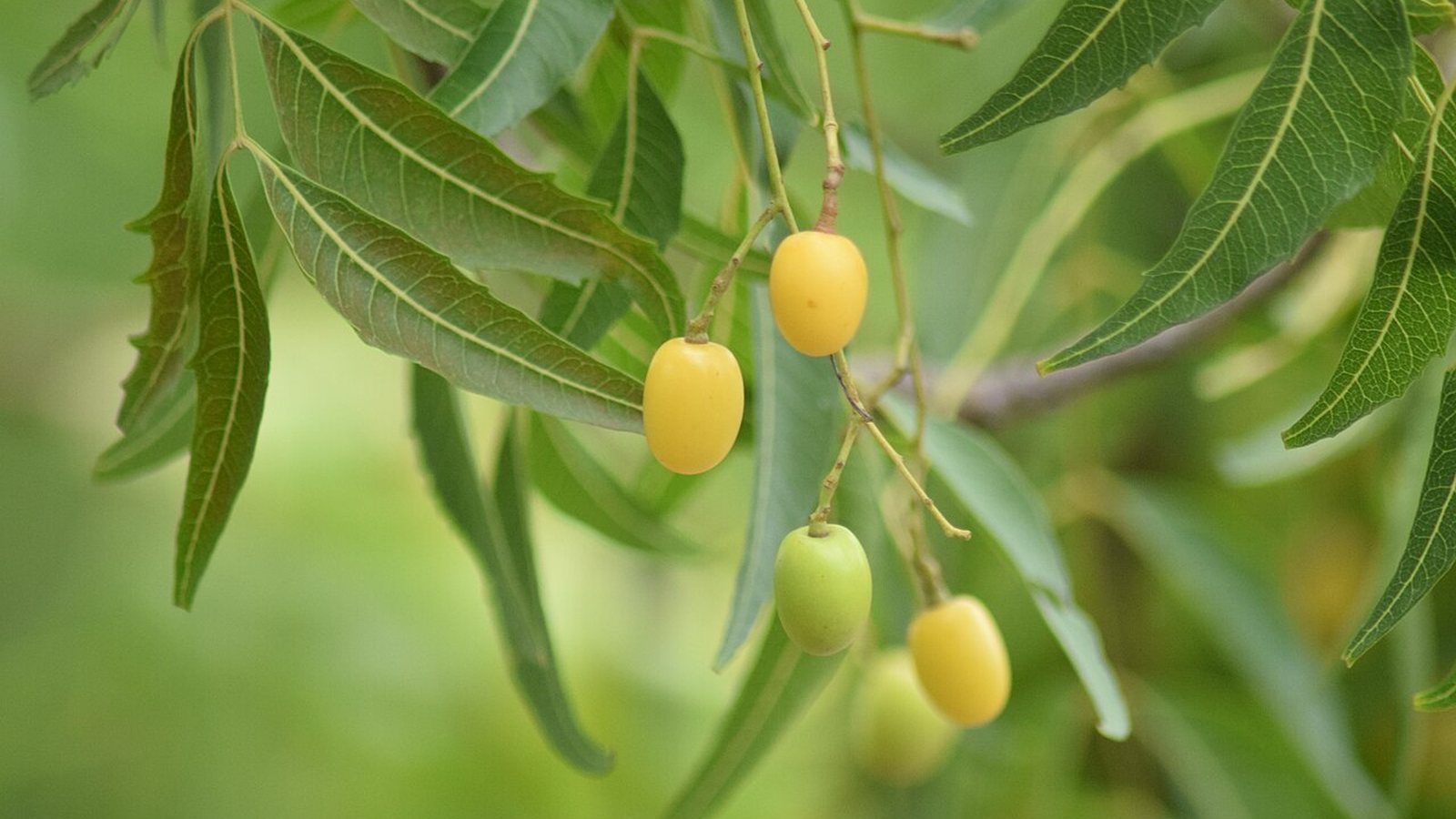
If feeding continues on plants kept outdoors, Clemson suggests trying gentler options first, such as insecticidal soap or neem oil, and only using products labelled for your plant and the pest. Spray in the shade in mild weather and let the leaves dry completely before the plant comes indoors. Test on a small part of the plant first, because some houseplants are sensitive to insecticidal soap. Our guide to natural pest prevention sets out a weekly routine that catches problems early.
Slugs and snails
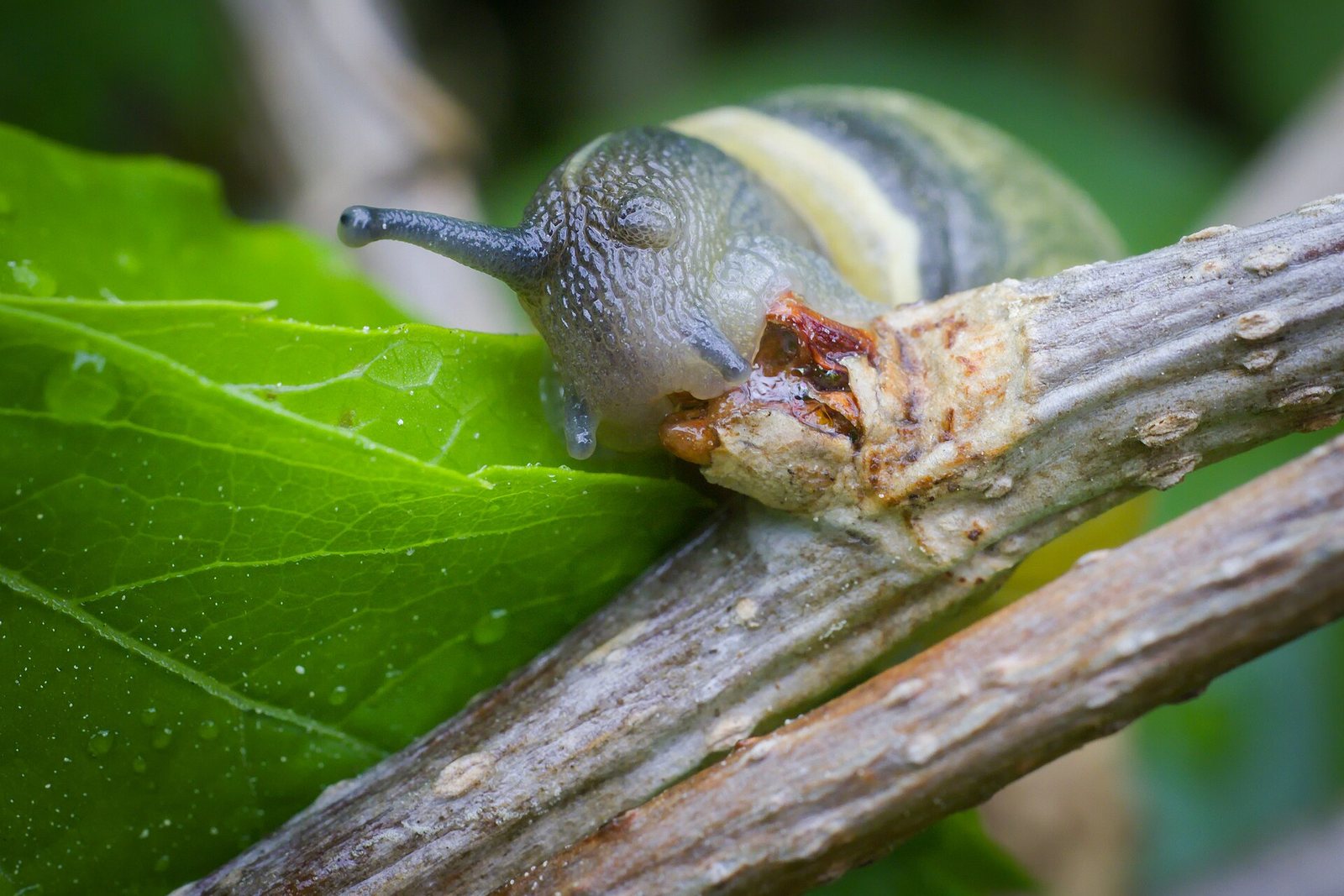
The RHS describes slug and snail damage as ragged holes in soft, fleshy leaves and seedlings, made by rasping mouthparts, with slime trails as another clue. They feed at night, so the holes and trails may be the only evidence. A torchlight search on a mild, damp evening is the best way to catch them. Collect them by hand and relocate them away from your plants; the RHS also suggests half a citrus or melon skin laid cut side down as a trap, emptied every morning. It adds that copper tape and bark mulch did not reduce slug damage in its study, and that even organic slug pellets harm garden wildlife, so do not rely on barriers or pellets. Indoors, slugs and snails usually arrive in pots that stood outside, so slide the plant out and check the root ball too.
What if there is no pest at all?
If you cannot find a culprit after a few nights of searching, think about the plant rather than the pest.
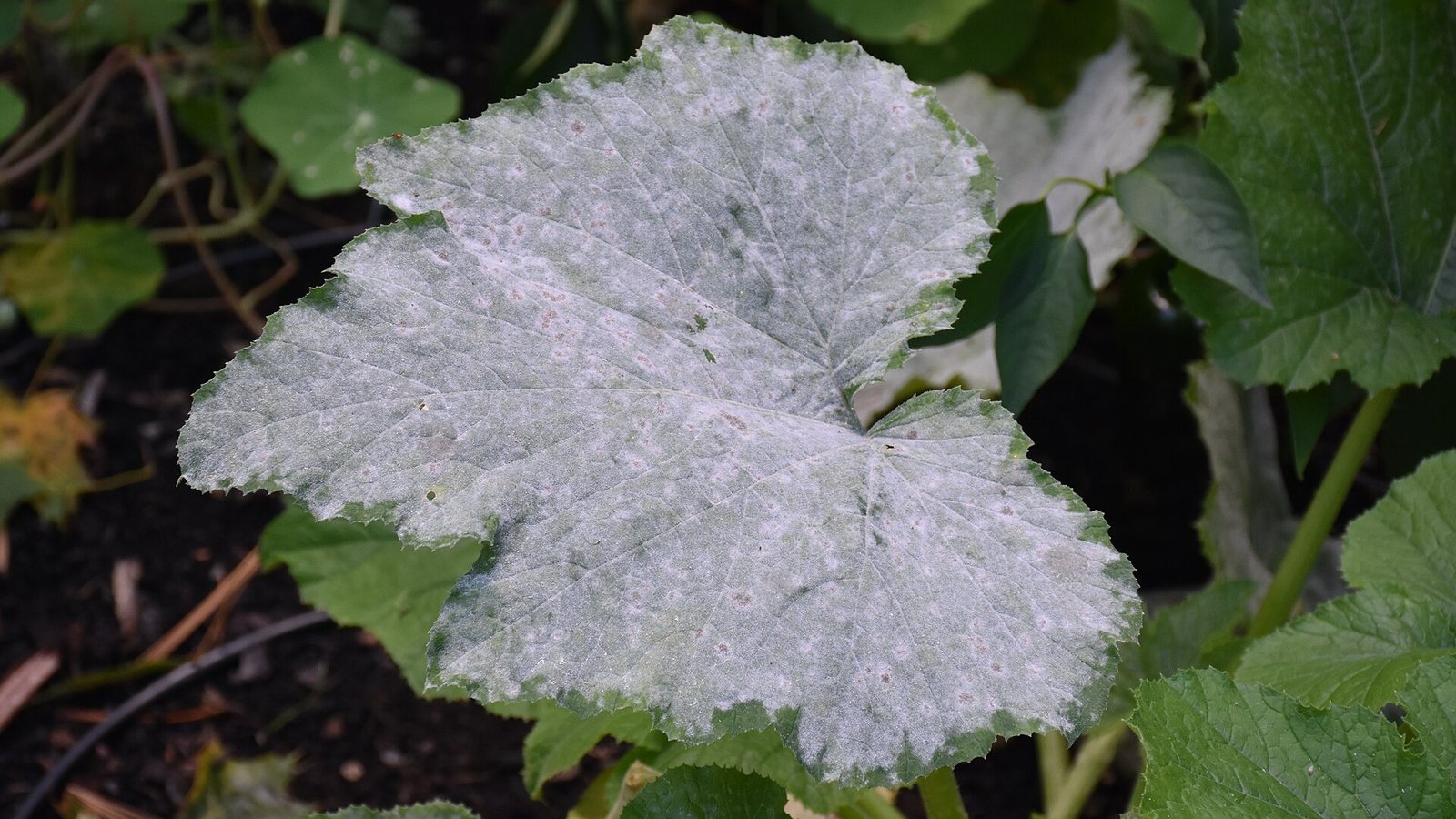
- Dead patches that fall out. Clemson describes fungal leaf spots as small brown spots with yellowish margins, sometimes in rings. A dead patch can dry and crumble, leaving a hole with a brown or yellow rim. See our guide to fungal leaf spot on houseplants and avoid wetting the leaves.
- Water blisters. Corky bumps and blisters that later burst can look like holes; that is edema.
- Physical damage. The RHS notes that leaves can be bruised by passing pets and people. Brushing past, a cat batting a leaf or a pot being moved is enough to tear a large leaf.
- Cold or splashes. Clemson says chilling can cause leaf drop and splashing cold water can leave white or straw-coloured spots, which can later break open.
What should you do first?
- Move the plant away from your others while you investigate.
- Inspect at night. Go over the plant and soil with a torch an hour or two after dark.
- Remove what you find by hand and dispose of it away from the plant. Cut off badly damaged leaves.
- Wipe or rinse the leaves to remove droppings and slime, so new damage is easy to spot.
- Recheck every few days for two weeks. Fresh holes with pale edges mean the cause is still active; old holes with dry brown edges mean it has stopped.
- Use sprays last. Start with the least toxic option and follow the label. Only use products labelled for your plant and the pest, and take care with soil-applied granular products around pets and children.
If you are unsure what you are looking at, Dr. Flori in the Flori app can ask follow-up questions from your description or a photo and name the likely cause. Our guide on how Dr. Flori diagnoses plant problems shows what to expect.
Could your cat or dog be chewing it?
Ragged edges on a leaf and a pet that sniffs plants deserve a second look. Chewing by a pet is a safety issue as well as a cosmetic one. The ASPCA lists monstera (cutleaf philodendron) as toxic to cats and dogs: its insoluble calcium oxalates cause irritation and burning of the mouth, drooling, vomiting and difficulty swallowing. If you think a pet has eaten a toxic plant, contact your vet or ASPCA Animal Poison Control at (888) 426-4435 straight away. See pet-safe houseplants for cats and dogs for plants that are safer to leave within reach.
How do you stop holes coming back?
- Inspect plants weekly, undersides included, especially after a summer outdoors.
- Keep new plants apart for a couple of weeks before putting them next to the rest.
- Keep leaves clean and dry, and water early in the day so the soil surface dries out.
- Do not leave plants overnight on the ground outdoors in wet weather, when slugs and snails roam.
- Move fragile large-leaved plants out of walkways.
Frequently asked questions
What makes holes in houseplant leaves overnight?
Slugs and snails feed at night and leave ragged holes and slime trails, and caterpillars leave dark droppings. Check the plant and soil with a torch an hour or two after dark.
Are holes in monstera leaves normal?
Yes, mature monstera leaves develop holes and splits as they grow, according to NC State Extension. Young leaves are solid. Holes with brown or chewed edges on an otherwise whole leaf are not the same thing.
Do spider mites or aphids make holes in leaves?
Not usually. Sap-feeding pests such as aphids, mealybugs, scale and spider mites cause mottling, yellowing or distorted leaves, according to Iowa State University Extension, rather than holes.
Should I spray a plant that has holes in its leaves?
Only after you have removed pests by hand and checked again to see that new holes are still appearing. Choose the least toxic option, such as insecticidal soap or neem oil, use only products labelled for your plant and pest, and follow the label.
How Dr. Flori diagnoses plant problems: what to send, why it asks follow-up questions, how to read the likely cause and urgency, and what comes next.
Sources
- Royal Horticultural Society: Slugs and snails
- Clemson Cooperative Extension HGIC: Common Houseplant Insects and Related Pests
- Iowa State University Extension: Diagnosing Houseplant Problems Caused by Insect Pests
- NC State Extension Gardener Plant Toolbox: Monstera deliciosa
- ASPCA: Cutleaf Philodendron (Monstera deliciosa)
Written and fact-checked by the Flori team. Every guide cites horticultural sources such as the RHS, university extension services and the ASPCA, and is updated when the advice changes. How we write our guides
General plant care information. Plants vary; when a plant is valuable or a problem spreads quickly, consult a local nursery or plant specialist.