Edema on Plant Leaves: Bumps and Blisters
Bumps or corky blisters under your plant's leaves? It may be edema, caused by wet compost and slow water loss. How to spot it, rule out pests and fix it.
 By Flori editorial team · Updated
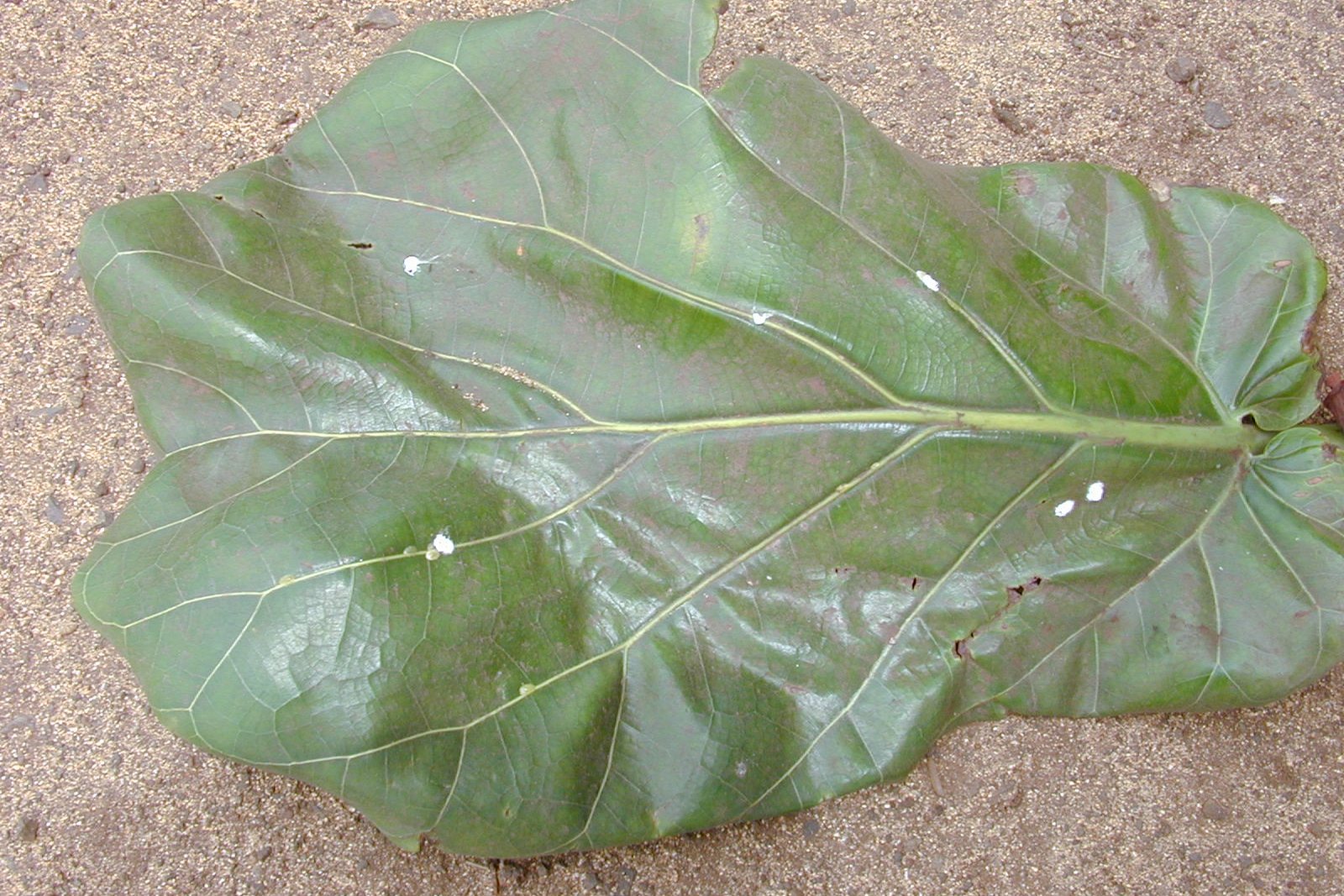
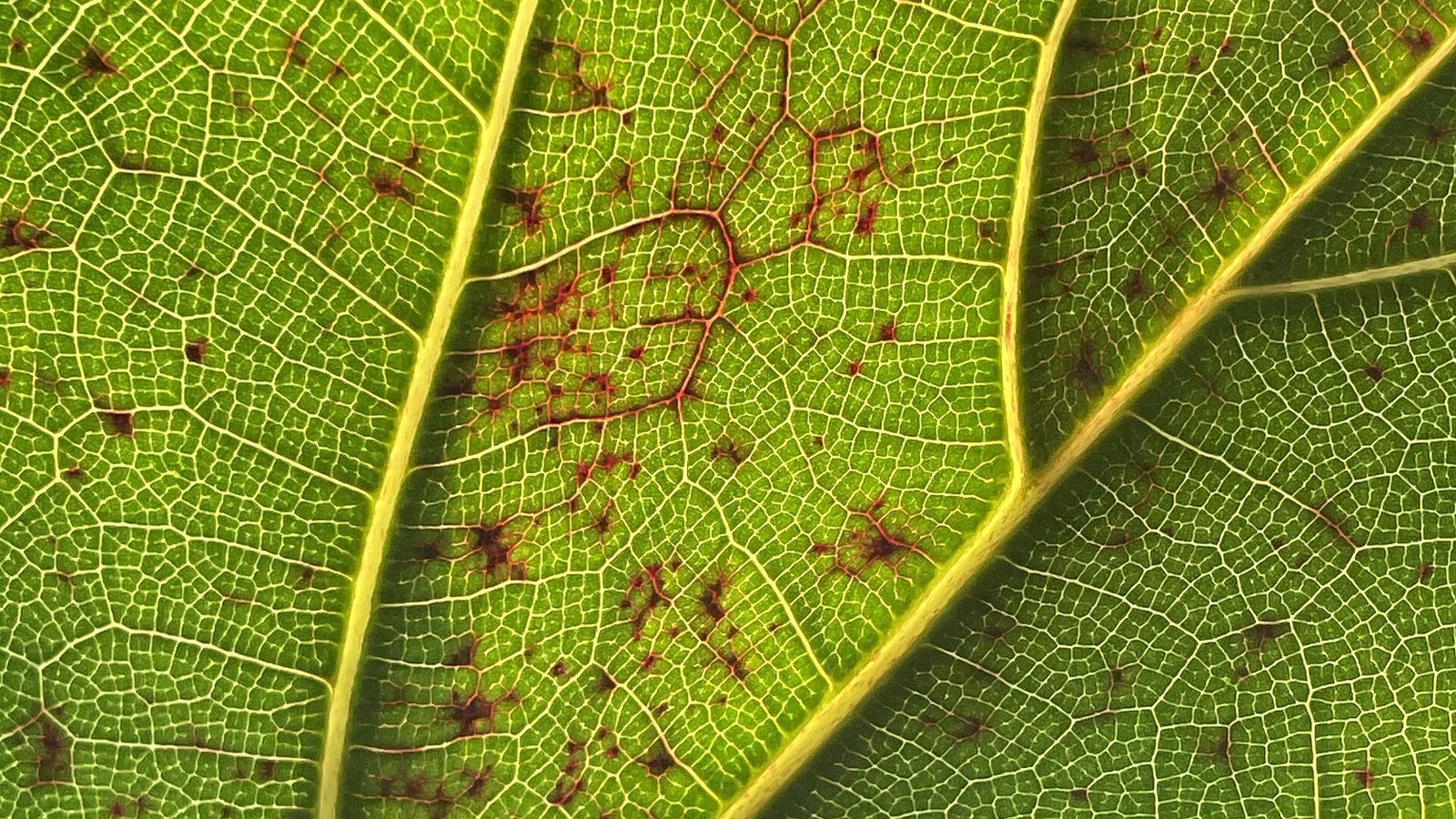 Photo: BezierBaby · CC BY-SA 4.0
Edema is a watering disorder, not a pest or disease: roots take up water faster than the leaves can lose it, so leaf cells burst into small blisters, mostly on the undersides of older leaves, that dry into corky brown scabs. Water less often in dull weather, water in the morning, empty saucers and improve light and airflow.
Key takeaways
- Edema is caused by growing conditions, so it does not spread from plant to plant.
- Look for watery blisters on leaf undersides that later turn tan and corky.
- Wet compost plus cool, humid, dim or still air is the usual trigger.
- Water less often in cloudy weather, water in the morning and empty saucers after about 30 minutes.
- Do not pick off affected leaves; the scars stay, but new growth comes in clean once conditions improve.
On this page8
What is edema on plant leaves?
Edema (also spelled oedema) is the name for small bumps and blisters that appear on plant leaves, usually on the undersides, when a plant takes up water faster than its leaves can lose it. It is a physiological disorder, not a pest or an infection: Penn State Extension describes it as non-contagious, caused by growing conditions, so it does not spread from plant to plant. This guide shows what edema looks like, how to tell it apart from look-alikes such as scale insects, rust and spider mites in one comparison table, and what to change so new leaves come in clean.
The mechanism is simple. Roots keep drawing water from wet compost, but in cool, humid, dim or still air the leaves give off very little. The University of Wisconsin Plant Disease Diagnostics Clinic explains that water builds up in the leaf cells until some of them burst, forming the blisters.
What does edema look like?
The first signs are easy to miss. According to the Wisconsin clinic and Penn State, look for:
- Small, translucent, watery blisters on the underside of the leaf, mostly on older leaves and often starting near the margins.
- Small yellow spots between the veins on the upper surface, directly above the blisters (Penn State describes this as an early sign on geraniums).
- Spots that look paler than the surrounding leaf when you hold it up to the light.
- Blisters that enlarge or merge, then burst and dry into tan or brown, corky, scabby patches.
- In bad cases, leaves that yellow, shrivel, roll and drop.
The RHS adds that the ruptured growths can look white and powdery or rust-coloured and scaly, and that woody plants such as camellias may develop corky spots or ridges. Blisters can also appear on stems and, occasionally, flowers.
What causes edema?
Anything that makes roots take up more water while slowing the leaves down. The sources list:
- Wet compost: waterlogged or constantly wet compost, especially when it is warm, so roots keep absorbing water.
- Air that slows water loss: high humidity, cool air, low light, cloudy weather and poor ventilation.
- Watering at the wrong time: compost left wet overnight, when temperatures drop and humidity rises.
- Less foliage: the RHS notes that removing leaves or shoots can trigger it, because fewer leaves are left to lose water.
- Sprays: occasionally a reaction to insecticide or fungicide sprays (RHS); the Wisconsin clinic mentions oil sprays, which interfere with normal water loss from leaves.
Indoors this combination is most common in the darker, cooler months, when compost stays wet for longer and plants grow slowly. If your compost rarely dries out, read our guide on how to water houseplants.
Which plants get edema?
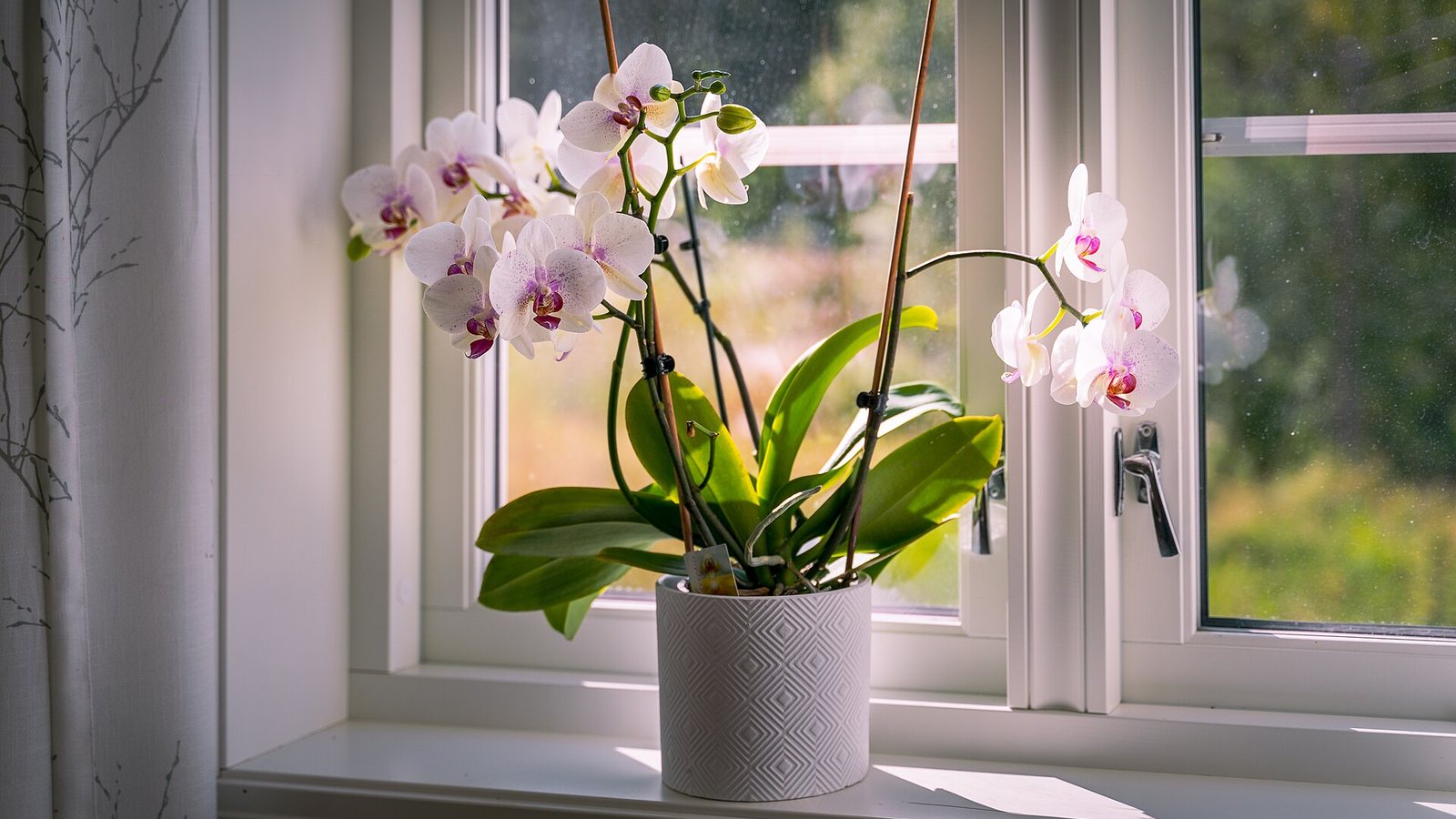
The RHS says any plant can be affected, but some are especially prone: cacti, succulents such as echeveria, camellias, eucalyptus, fuchsias, orchids, pelargoniums (often sold as geraniums), Peperomia species and vines. Penn State singles out ivy-leaved geraniums (Pelargonium peltatum), especially plants with a large root system compared with their top growth. On a windowsill, the plants to watch most closely are succulents, peperomias and pelargoniums kept in cool rooms over winter.
Is it edema or something else?
Edema is often mistaken for pests or disease. The RHS warns that it can be confused with fuchsia rust, and Penn State says the pattern on geraniums resembles bacterial blight. Use the table to narrow it down before you spray anything.
| What you see | Likely cause | How to check |
|---|---|---|
| Watery blisters turning to corky, tan scabs on leaf undersides, mostly older leaves | Edema | Bumps are part of the leaf; compost is wet; no insects, webbing or powder that wipes off |
| Small brown or grey bumps on stems and along veins, sticky leaves | Scale insects | Bumps lift off with a fingernail and leave a mark; see our sticky leaves guide |
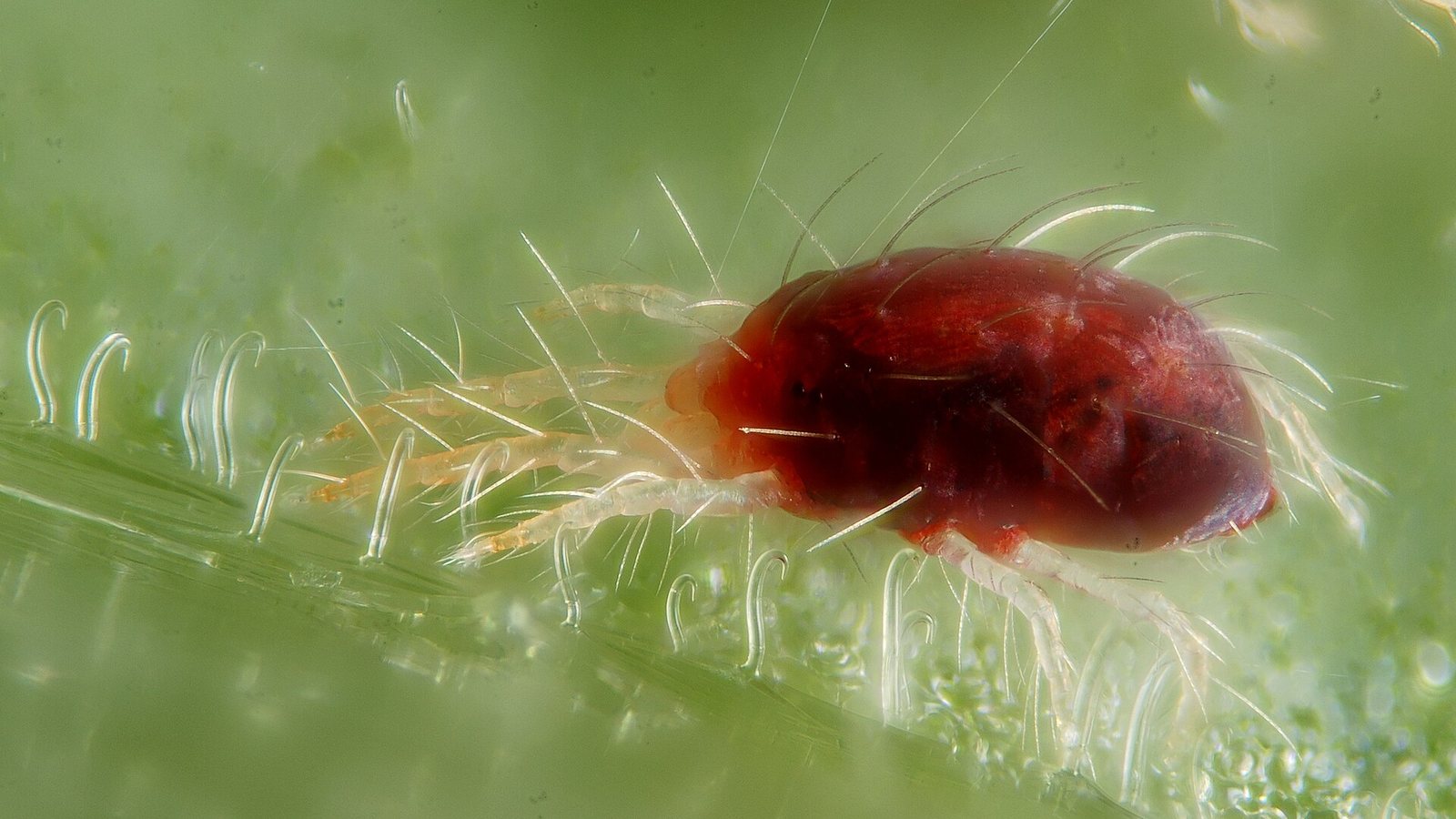
| Fine pale speckling on top of the leaf, webbing underneath | Spider mites | Tap a leaf over white paper and look for moving dots |
| Orange or brown powdery pustules that leave dust on a tissue | Rust (a fungus) | Rub a pustule with a white tissue; edema scabs do not leave spores |
| Spots that keep multiplying on new leaves and nearby plants | Fungal or bacterial leaf spot | Edema does not spread between plants; spreading spots point to an infection |
If you cannot decide, Dr. Flori can look at a close-up photo of the leaf underside, ask about watering and light, and name the likely cause. Mites are worth ruling out on geraniums: Penn State notes that spider mite feeding may contribute to edema. Our guide to spider mites shows how to confirm them.
How do you fix edema?
The fix is to bring water uptake and water loss back into balance. Work through these steps, starting with watering:
- Water less often in dull weather. The Wisconsin clinic advises watering less frequently during cloudy periods or low light. Check the compost first and water only when the top layer is drying, but do not let it dry out completely: the RHS recommends avoiding both extremes.
- Water in the morning, so the compost has drained before the cooler, more humid night.
- Empty saucers. Tip out standing water about 30 minutes after watering, as the Wisconsin clinic suggests.
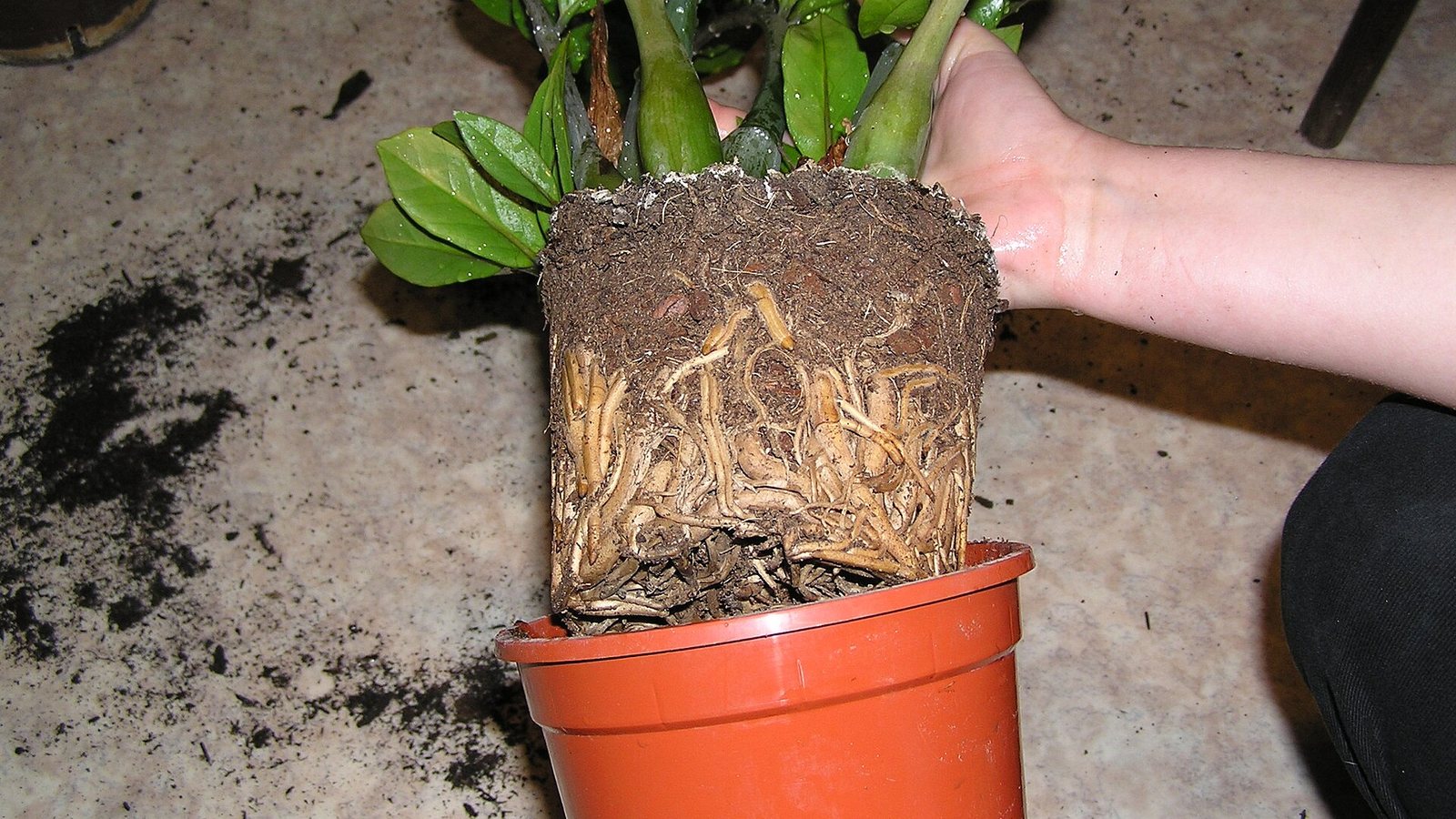
- Check the compost and drainage. Use a free-draining mix; if the compost stays soggy, the RHS suggests repotting into fresh compost and raising the pot on pot feet. Look at the roots while you are there, and if they are dark and soft, follow our root rot rescue plan.
- Improve air movement. Space plants out and ventilate, especially in conservatories, sunrooms and greenhouses.
- Give more light and warmth. A brighter spot and a slightly warmer room help leaves lose water normally.
- Keep leaves dry. Penn State advises against wetting the foliage, since wet leaves lose less water. Hold off on oil sprays while the plant recovers.
Be careful with humidity trays and humidifiers on edema-prone plants in a cool room: high humidity is one of the triggers. Our indoor plant humidity guide explains which plants actually need extra moisture in the air.
Should you remove leaves with edema?
No, at least not while the plant is still affected. The RHS warns that picking off affected leaves makes the condition worse, because it leaves fewer leaves to release water. The corky scars will not disappear, but they are cosmetic: the Wisconsin clinic says edema is typically not fatal, although heavy scarring reduces the leaf area that can photosynthesise. Judge recovery by the new leaves. Once the conditions are right, new growth should come in smooth and clean, and you can tidy up badly damaged old leaves later, a few at a time. Flori's Plant Hospital can keep the plant under watch with a follow-up plan while you wait for that new growth.
How do you prevent edema in winter?
Most indoor edema appears when days are short and rooms are cool. Water less often as growth slows, keep edema-prone plants such as succulents, peperomias and pelargoniums in the brightest spot you have, and avoid leaving them in a cold room with wet compost. Our winter houseplant care guide covers watering and light through the darker months.
Frequently asked questions
Is edema contagious to my other plants?
No. Edema is a physiological disorder caused by watering and growing conditions, not by a fungus, bacterium or insect, so it cannot spread from one plant to another.
Will the bumps from edema go away?
No, the corky scars stay on the affected leaves. Once you fix the watering, light and airflow, new leaves should come in smooth and clean.
Why do my succulents have bumps on the leaves?
Succulents and cacti are among the plants most prone to edema, especially in cool, dim conditions with wet compost. Water less often, give them more light and check that the compost drains freely.
Can I spray something to cure edema?
No spray cures edema, and oil sprays can even contribute to it. Change the watering and growing conditions instead; only treat for pests if you have confirmed them, and follow the label.
Water houseplants by checking the soil, not the calendar: when to water, how much to give, drainage, seasons and signs of over- or underwatering.
Sources
Written and fact-checked by the Flori team. Every guide cites horticultural sources such as the RHS, university extension services and the ASPCA, and is updated when the advice changes. How we write our guides
General plant care information. Plants vary; when a plant is valuable or a problem spreads quickly, consult a local nursery or plant specialist.