Fungal Leaf Spot on Houseplants: Signs and Treatment
Brown spots with yellow edges often mean fungal leaf spot. Tell it apart from bacterial spots, sun and cold water damage, and stop it spreading.
 By Flori editorial team · Updated
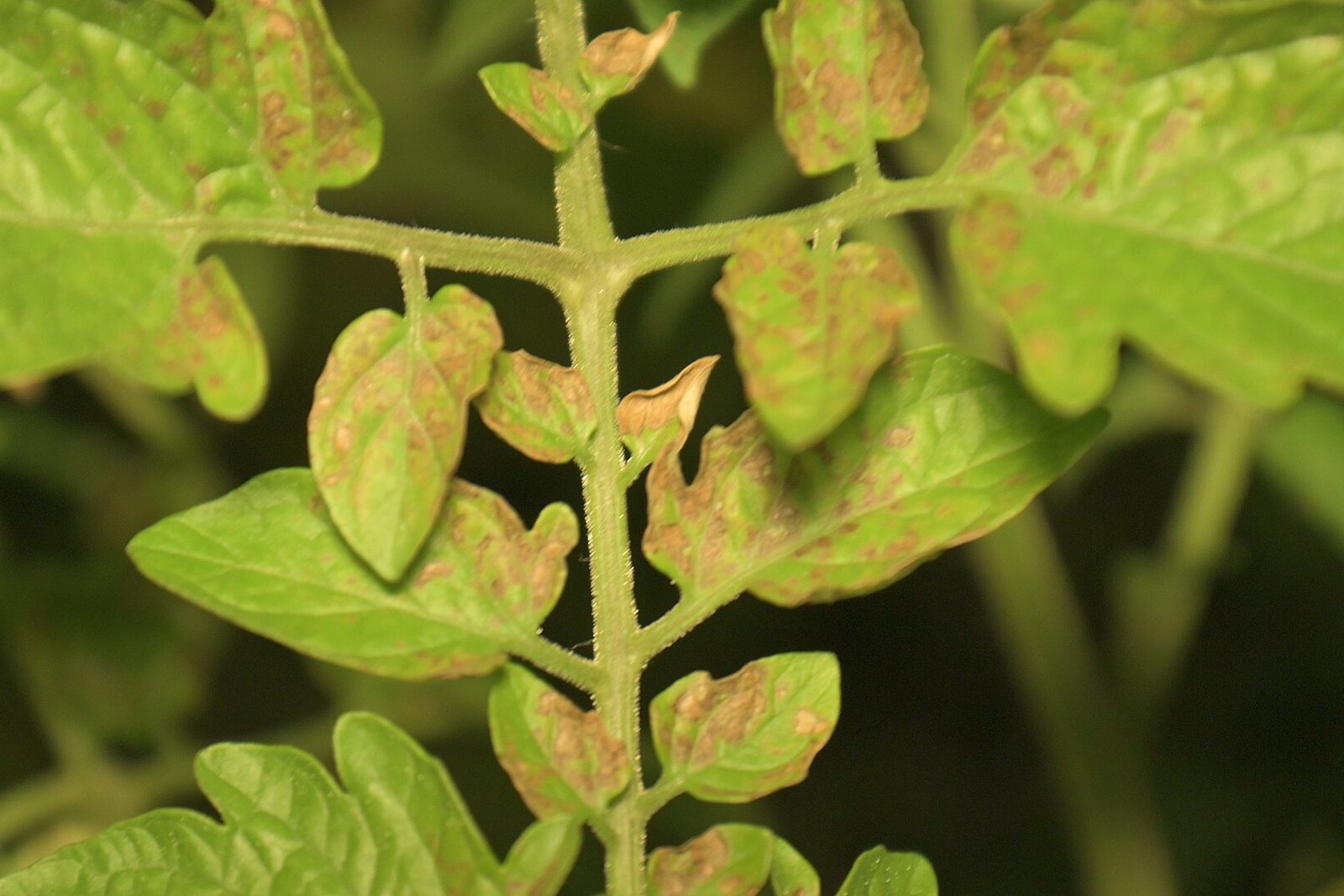
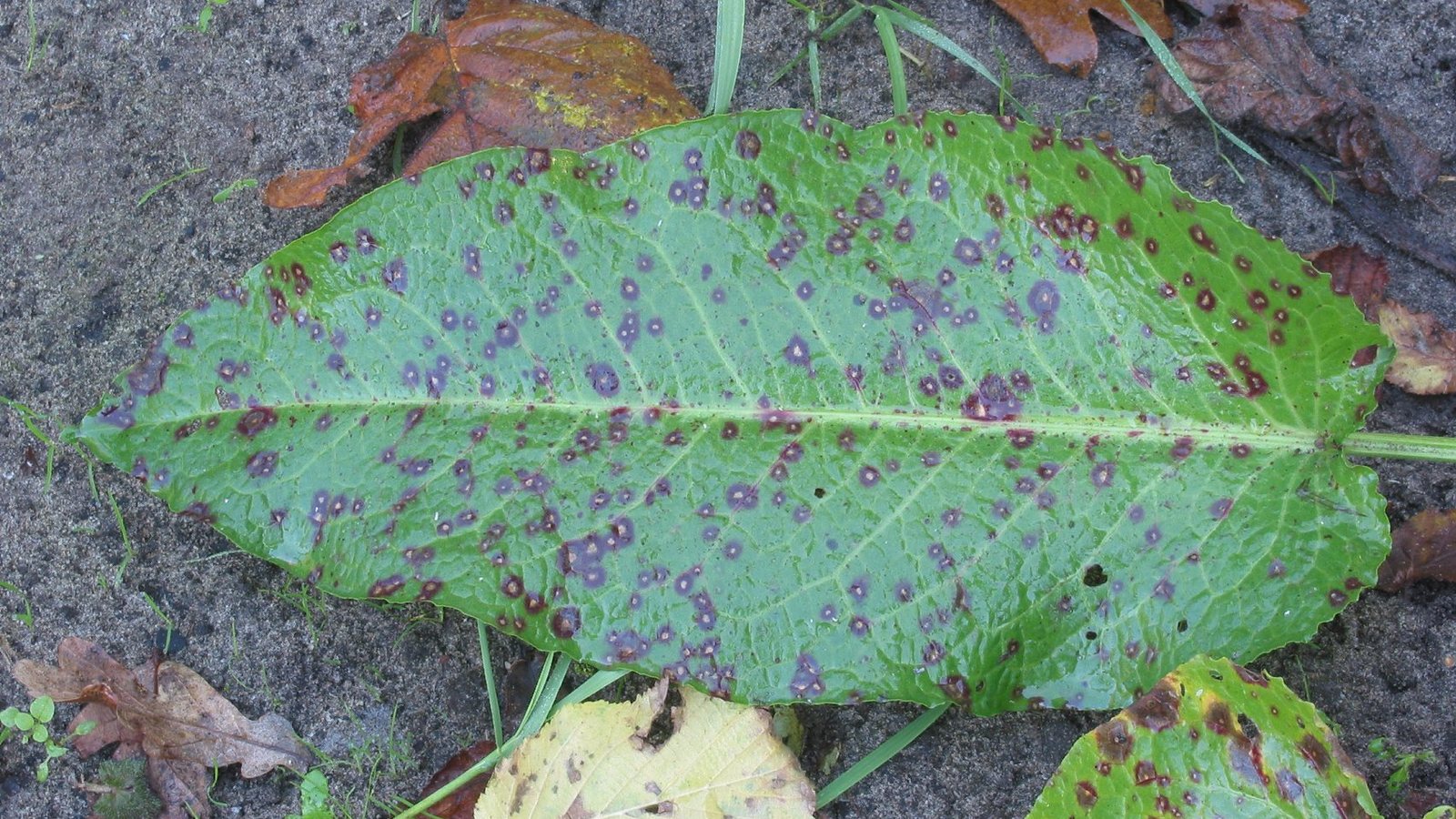 Photo: Rasbak · CC BY-SA 3.0
Fungal leaf spot shows as small brown spots with yellow edges, sometimes ringed, with tiny black dots in the centre. It spreads when leaves stay wet. Remove and bin the spotted leaves, clear fallen debris, water the soil instead of the leaves, improve air flow and stop misting. Most plants recover without any fungicide.
Key takeaways
- Brown spots with yellow margins and tiny black dots in the dead centre point to a fungus.
- Bacteria, cold water, too much sun, oedema and spider mites can leave similar spots, so rule them out first.
- Leaf spot fungi need wet leaves: water the soil in the morning and stop misting while spots are active.
- Remove and bin spotted leaves and fallen debris; in most cases no fungicide is needed.
- If you do spray, start with the least toxic product, check it is labelled for indoor use and follow the label.
On this page7
What does fungal leaf spot look like on houseplants?
Fungal leaf spot on houseplants usually starts as small brown spots, often with a yellow edge, scattered across otherwise healthy leaves. The trouble is that many other problems also leave spots: bacteria, cold water, too much sun, spider mites and a watering disorder called oedema. This guide gives you a look-alike table so you can rule those out first, then a simple plan to stop the spots spreading, starting with the gentlest steps.
Clemson Cooperative Extension describes fungal leaf spots as small brown spots with yellowish margins, sometimes with a target-like pattern of rings. In the dead centre you may see tiny black dots: these are the fruiting bodies of the fungus, and they are one of the best clues that a fungus is involved. Left alone, the spots can grow and merge until the whole leaf dies. The RHS gives the same short rule: dark spots with yellow margins suggest fungal leaf spot.
Is it fungal leaf spot or something else?
UC IPM points out that bacteria, insects, mites and non-living causes can all produce spots that look much the same. Before you treat anything, compare what you see with this table.
| What you see | Likely cause | What to do first |
|---|---|---|
| Brown spots with a yellow edge, sometimes ringed, tiny black dots in the centre | Fungal leaf spot | Remove spotted leaves, keep foliage dry, improve air flow |
| Water-soaked, even-sized spots, sometimes with a yellow halo, may ooze; reddish-brown and speckled once dry | Bacterial leaf spot | Remove all affected leaves; avoid cold, crowding and splashing |
| White or straw-coloured spots or rings after watering or spraying | Cold water or aerosol damage (RHS) | Use room-temperature water and keep sprays off the leaves |
| Pale or bleached patches on the leaves facing the window | Too much direct sun | Move the plant out of strong midday sun |
| Corky bumps on the underside of leaves | Oedema: too much water and poor air flow (RHS) | Water less often and give more light |
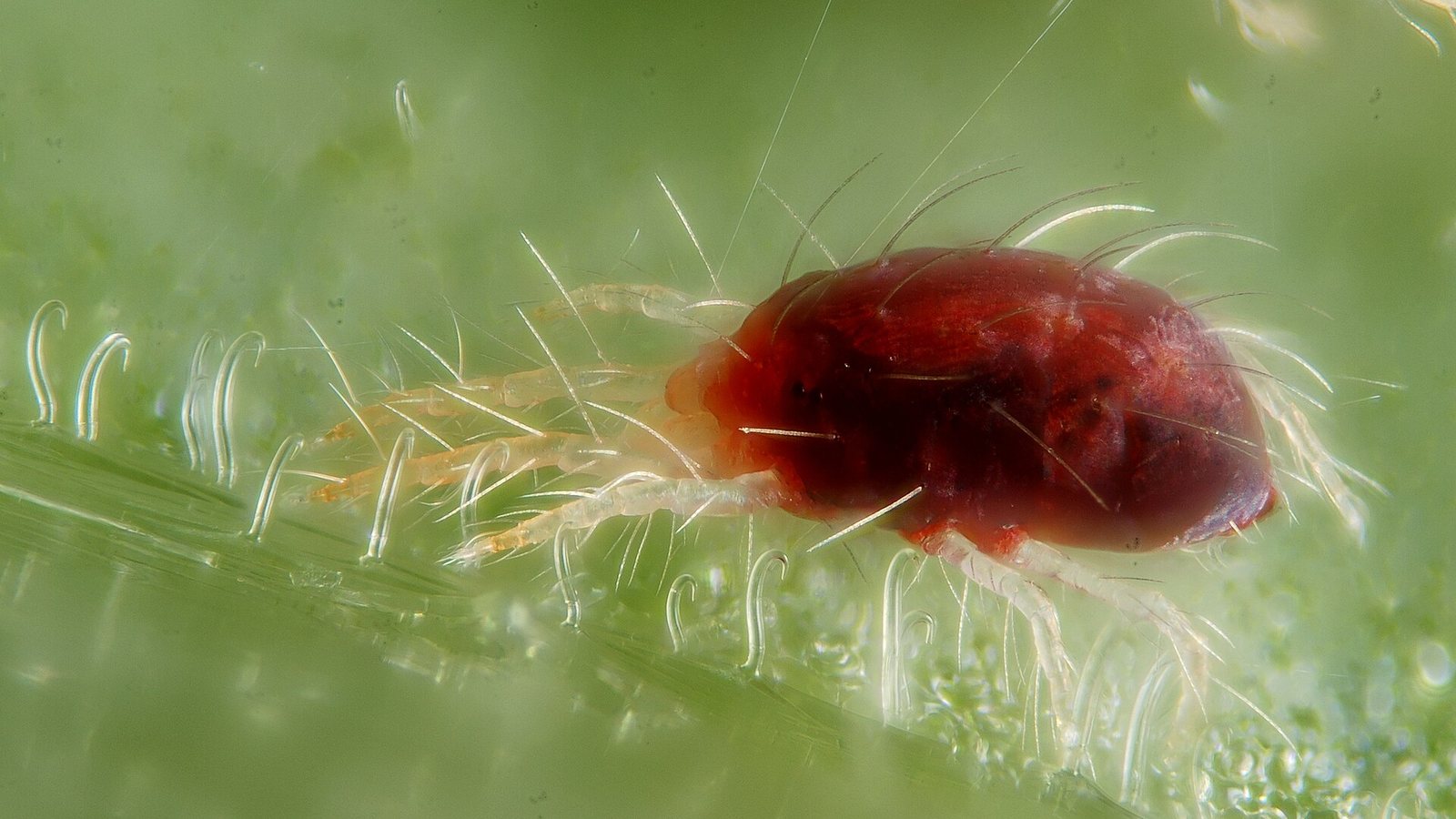
| Fine pale specks, sometimes with webbing underneath | Spider mites | Do the white paper test and see our spider mites guide |
If the spots are mostly yellow rather than brown, our yellow leaves diagnosis guide covers the many other reasons leaves change colour.
What causes fungal leaf spot indoors?
Leaf spot fungi need water on the leaf to infect it. UC IPM notes that many leaf spot pathogens are favoured by moisture on the foliage, and Clemson explains that the fungi survive on dead plant material in the soil. Put those two facts together and the usual indoor causes become clear:
- Splashing water. Watering from above with a strong stream splashes spores from the soil and old leaves onto healthy ones.
- Leaves that stay wet. Water left on the foliage overnight, frequent misting or a shower that never dries gives spores the time they need.
- Crowded plants and still air. Leaves that touch and rooms with little air movement dry slowly.
- Old debris. Fallen, spotted leaves left on the soil keep the fungus close to the plant.
Plants that spent the summer outdoors and came back in for autumn often bring infections with them, so check those first.
How to treat fungal leaf spot on houseplants
The good news from UC IPM is that in most cases leaf spot infections can be tolerated, and a fungicide is generally not warranted. Changing the conditions usually does more than any spray. Work through these steps in order.
- Isolate the plant. Move it a little away from its neighbours so leaves do not touch and splashes cannot reach them.
- Remove spotted leaves. Clemson advises removing and destroying infected material. Cut off the worst leaves with clean scissors, bag them and put them in the bin rather than the compost. Leave enough healthy leaves for the plant to keep growing.
- Clean up the soil surface. Pick up every fallen leaf and bit of debris, as UC IPM recommends.
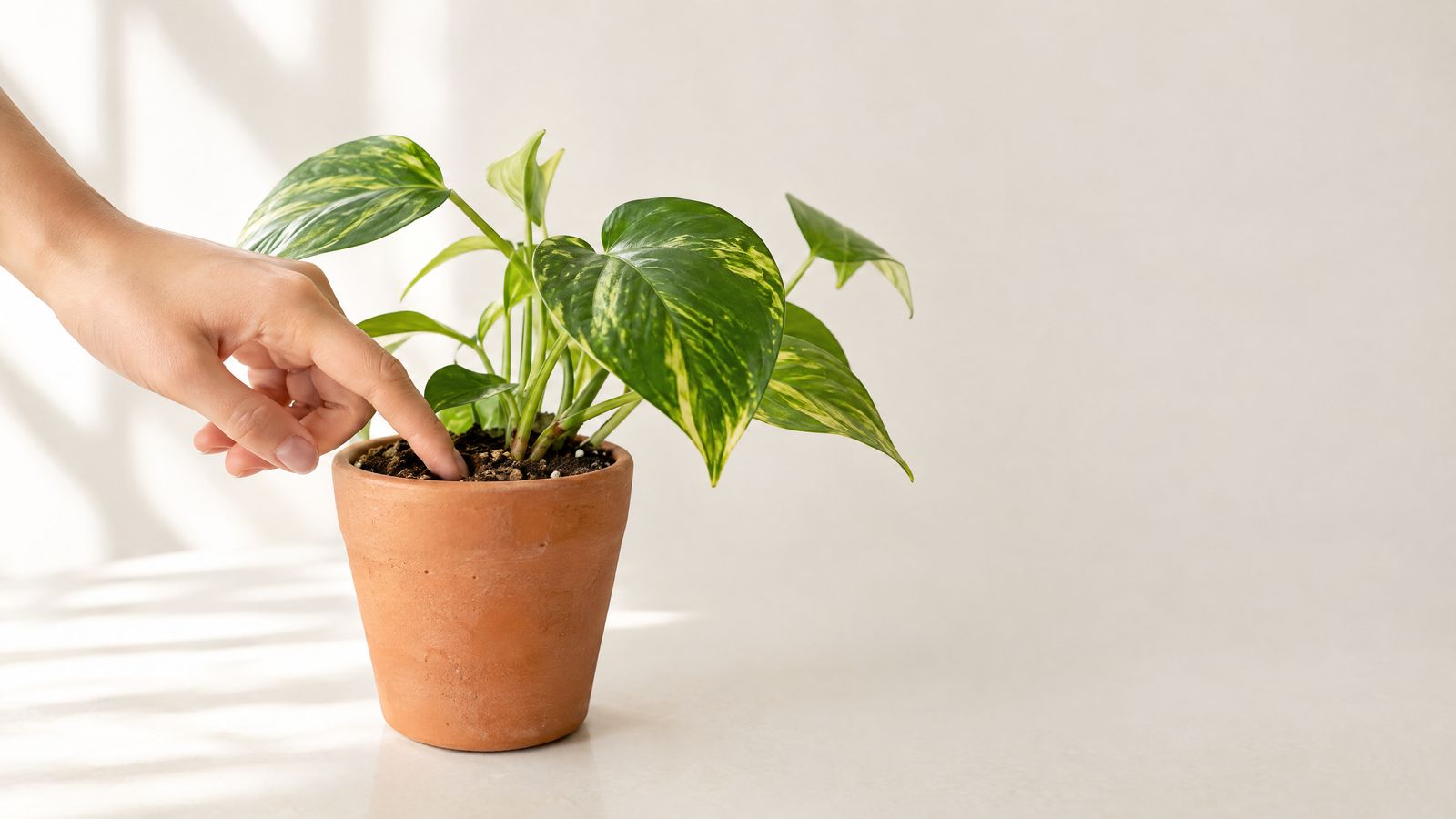
- Water at the soil, not the leaves. Pour water directly onto the potting mix and avoid wetting the foliage. UC IPM suggests watering early in the day so any leaves that do get wet dry quickly. Our guide to watering houseplants shows how to water thoroughly without splashing.
- Improve air flow. Space plants out and give the room some air movement. Clemson lists better air circulation as a key control.
- Stop misting while the spots are active. Since moisture on the leaves is what these fungi need, misting works against you. If the plant needs humidity, use one of the methods in our indoor plant humidity guide that raise the air moisture without wetting the leaves.
- Watch the new growth. Old spots will not disappear, but if new leaves come out clean for a few weeks, the problem is under control.
Do you need a fungicide for leaf spot?
Usually not. Use a product only if new spots keep appearing after you have removed the infected leaves and fixed the watering and air flow. Clemson lists copper soap, Bacillus amyloliquefaciens (a biological product) and several synthetic fungicides as sprays that may reduce future disease once infected parts have been removed. For bacterial leaf spot, its list is shorter: copper soap or Bacillus amyloliquefaciens. Start with the least toxic option.
Whatever you choose, check that the label allows indoor use on your plant and follow the label for dilution, timing and safety. Clemson notes that spraying houseplants is safest done outdoors, in the shade and in mild temperatures. Keep pets and children away from treated plants until the spray has dried, and remember that no spray brings a spotted leaf back.
Can a plant recover from leaf spot?
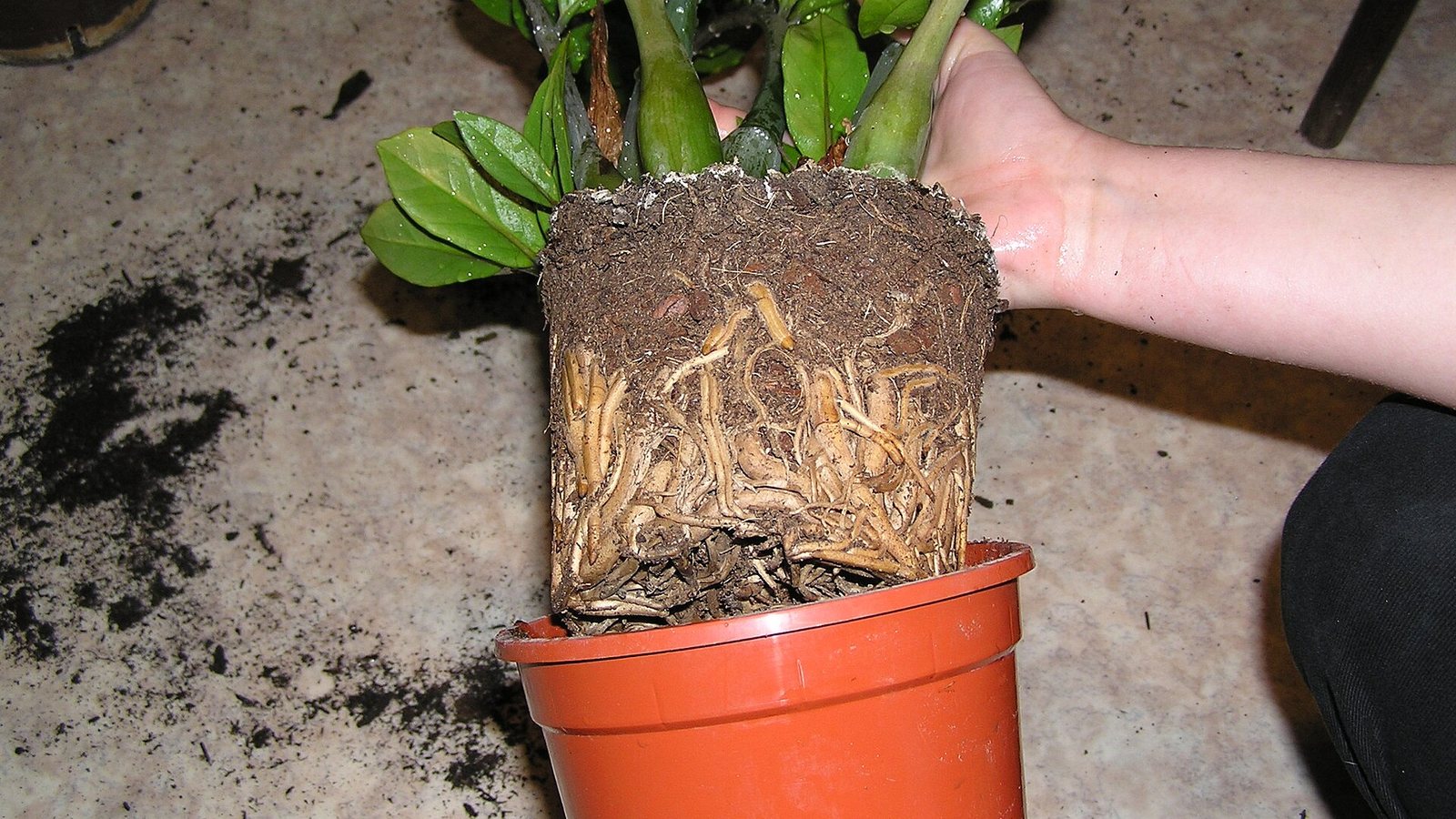
Most houseplants recover well because the disease stays on the leaves. UC IPM notes that severe infections can make leaves drop, but they rarely cause lasting harm. Expect the spotted leaves to stay marked; judge success by the new growth. If spots keep spreading despite drier leaves, or the stems are turning soft and dark too, the cause may be something else, such as a bacterial infection or a root problem, and it is worth a closer look.
When you cannot tell what the spots are, a clear photo of the top and underside of a leaf helps. Dr. Flori in the Flori app asks follow-up questions about watering and position, names the likely cause and how urgent it is, and Plant Hospital keeps the plant on a follow-up plan while the new leaves come through. Our guide to diagnosing plant disease from a photo shows how to take pictures that make the difference visible.
How to prevent leaf spot coming back
- Water the soil, not the leaves, and do it in the morning.
- Give plants space so the leaves dry quickly.
- Remove fallen leaves from the pot as soon as you see them.
- Check plants coming in from a balcony or garden before they join the others.
- Use clean scissors and wash your hands after handling a spotted plant.
Frequently asked questions
Should I cut off leaves with fungal leaf spot?
Yes. Remove the worst spotted leaves with clean scissors and throw them in the bin, not the compost. Leave enough healthy leaves for the plant to keep growing.
Can fungal leaf spot spread to my other houseplants?
It can, mainly through splashing water and leaves that touch. Move the plant away from others, water at the soil and remove fallen leaves until the new growth stays clean.
How do I tell fungal from bacterial leaf spot?
Fungal spots are usually brown with a yellow edge and may show tiny black dots in the centre. Bacterial spots often look water-soaked, are similar in size and may ooze. When unsure, treat both by removing affected leaves and keeping foliage dry.
Will the spots go away after treatment?
No. Damaged tissue stays marked. Treatment works when new leaves come out clean for several weeks.
Diagnose a plant disease from a photo: the five shots to take, a symptom to cause table, what a picture cannot show and what to do first.
Sources
Written and fact-checked by the Flori team. Every guide cites horticultural sources such as the RHS, university extension services and the ASPCA, and is updated when the advice changes. How we write our guides
General plant care information. Plants vary; when a plant is valuable or a problem spreads quickly, consult a local nursery or plant specialist.