Spring Bulbs: Names and When to Plant Each
Tulip, daffodil, hyacinth, crocus, allium and snowdrop: when to plant each spring bulb, how deep, and what to do in a mild winter. Includes Turkish names.
 By Flori editorial team · Updated
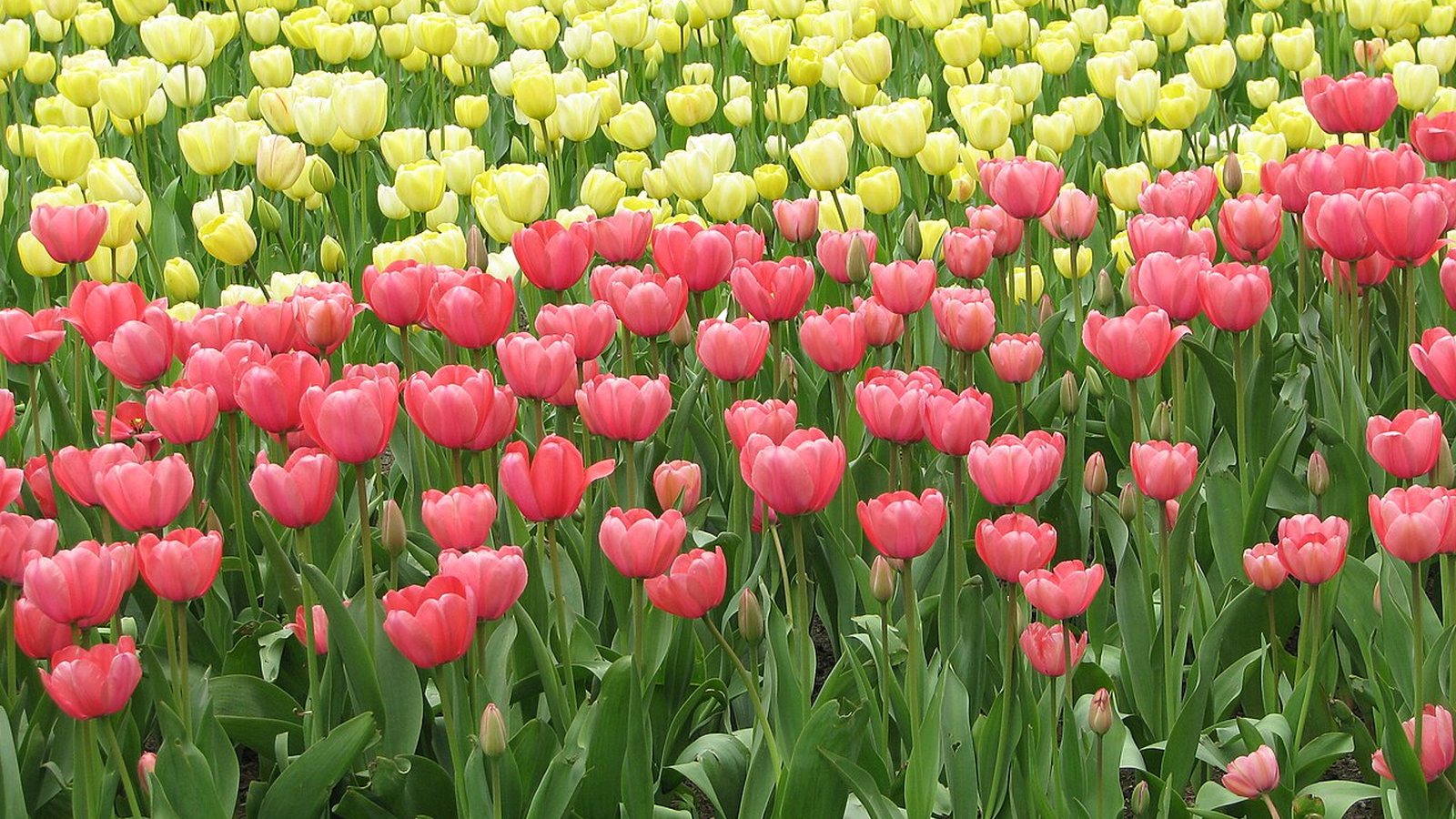 Photo: Simsala111 · CC BY-SA 3.0
Plant most spring bulbs in autumn while they are dormant: daffodils and hyacinths in early autumn, alliums in early to mid autumn, tulips up to November. Set them pointed end up at two to three times their height. Snowdrops are the exception: plant them just after flowering, with leaves still green.
Key takeaways
- Daffodils and hyacinths go in first (early autumn), alliums next, and tulips can wait until November.
- Plant two to three times the bulb's height deep: bulbs that fail to flower are often planted too shallow.
- Snowdrops are planted "in the green" just after flowering; dry snowdrop bulbs often dry out and fail.
- In mild-winter gardens, chill tulips and hyacinths in the refrigerator before planting; inland, plant before the ground freezes.
- Tulip, daffodil and hyacinth bulbs are toxic to dogs and cats, so store and plant them out of reach.
On this page8
- When do you plant spring bulbs, and which ones go in first?
- The six bulbs at a glance
- How deep should spring bulbs go?
- Does the soil matter more than the date?
- What about warm winters, like the Aegean or Mediterranean coast?
- Which spring bulbs are poisonous to pets?
- Which bulbs are easy to plant wrongly?
- A simple planting routine
When do you plant spring bulbs, and which ones go in first?
Spring bulbs go in the ground in autumn, while they are dormant, and each kind has its own sweet spot: daffodils and hyacinths early, alliums in early to mid autumn, tulips as late as November, and snowdrops at a completely different time, just after they flower. This guide gives you six common spring bulbs by name (with the Turkish name), a planting table you can screenshot, and the two mistakes that cost the most flowers: planting too shallow and planting into cold, wet soil. Dates below are for the Northern Hemisphere; in the Southern Hemisphere count the same autumn, roughly March to May.
The six bulbs at a glance
| Bulb | Turkish name | When to plant | Depth | Spacing |
|---|---|---|---|---|
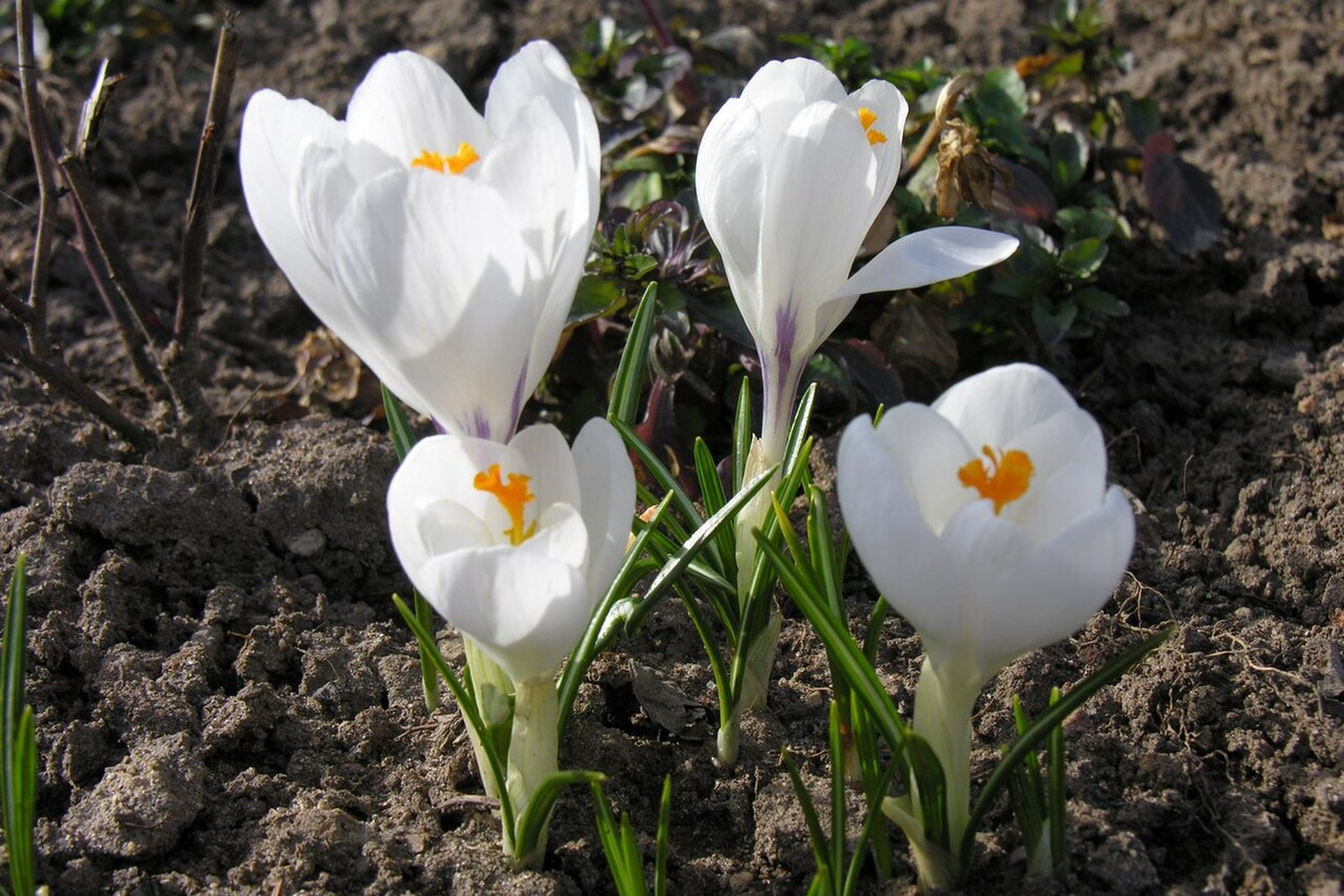
| Daffodil (Narcissus) | nergis | Early autumn, ideally September (RHS) | 3 times the bulb's height | Plant in bold groups |
| Hyacinth (Hyacinthus) | sümbül | Early autumn (RHS) | 10 cm (4 in) | At least 7.5 cm (3 in) |
| Allium (ornamental onion) | süs soğanı | Early to mid autumn (RHS) | About 4 times the bulb's diameter | 7.5–10 cm (3–4 in) for small types, 20 cm (8 in) or more for tall ones |
| Crocus | çiğdem | Autumn (RHS) | 7–10 cm (3–4 in) | About 9 cm (4 in) for large Dutch types |
| Tulip (Tulipa) | lale | September to November (RHS) | 2–3 times the bulb's height | At least twice the bulb's width |
| Snowdrop (Galanthus) | kardelen | "In the green" just after flowering (RHS) | Same depth as it grew | Small clumps |
The pattern is simple: the Royal Horticultural Society (RHS) puts daffodils and hyacinths in the early autumn slot, so buy those first. Tulips are the bulb that can wait until November. If you are not sure what you bought, the label is the first place to look; next spring you can also photograph the flower and let Flori identify it.
How deep should spring bulbs go?
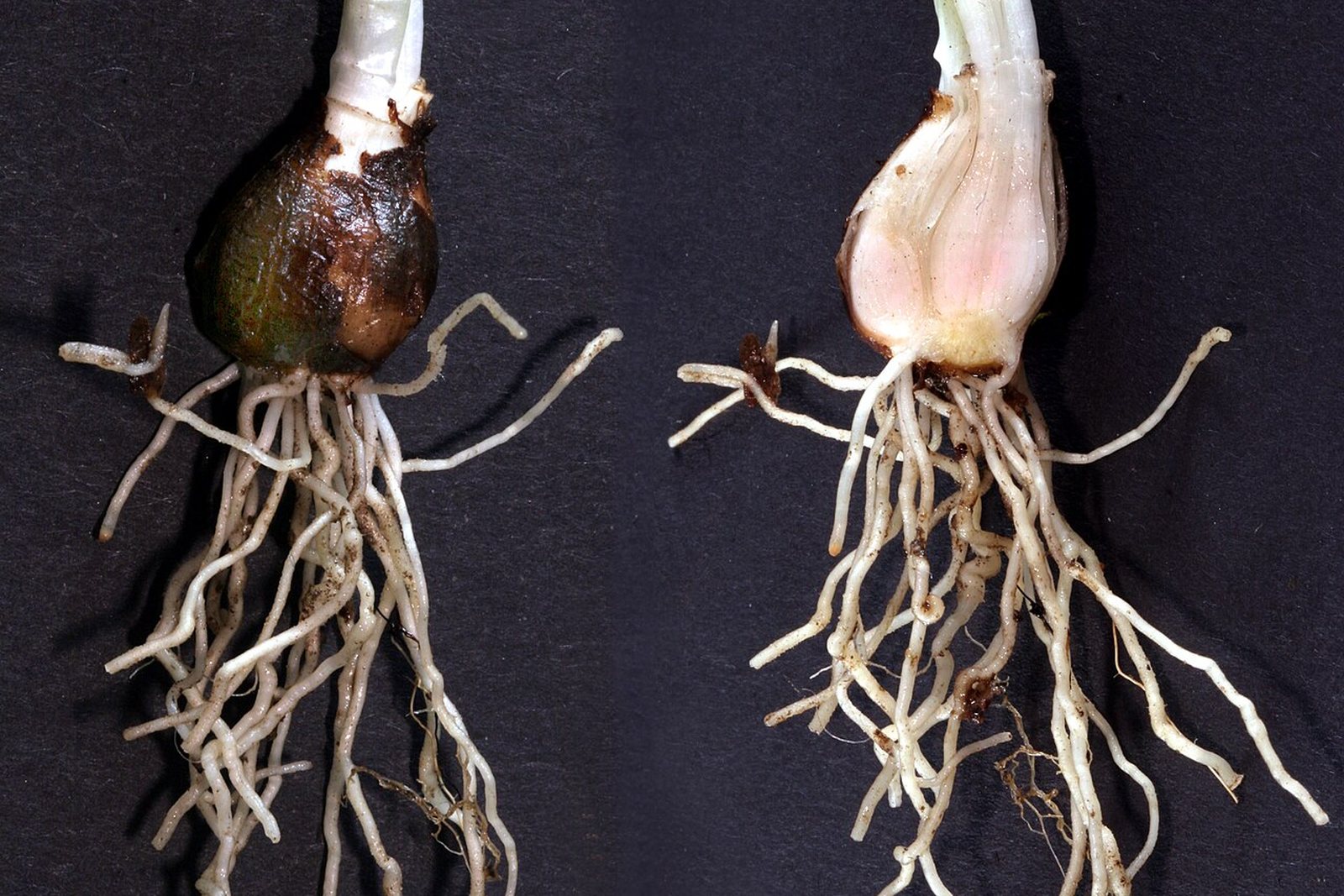
The rule most guides repeat is to plant at two to three times the bulb's own height, pointed end up. The RHS says it for tulips and daffodils, and adds a warning worth remembering: bulbs that fail to flower have often been planted too shallow. In areas with very cold winters, go deeper, because the extra soil protects the bulb from frost. Clemson Extension lists 15–20 cm (6–8 in) for full-size daffodils and tulips and about 8 cm (3 in) for crocus, which is why the small bulbs are the ones you plant on top in a pot.
Spacing follows the same logic: leave at least twice the bulb's width between tulips, and plant daffodils in groups of a dozen or more rather than singly, as the RHS recommends for the best show.
Does the soil matter more than the date?
For most bulbs, yes. Almost every bulb on this list wants sun and drainage, and almost every one rots in waterlogged soil. The RHS says tulips prefer neutral to alkaline soil that is not waterlogged, and that alliums dislike cold, exposed or waterlogged sites and freshly manured soil. Snowdrops are the exception: they prefer part shade and moist but well-drained soil with leaf mould or compost worked in.
Two quick checks before you plant: squeeze a handful of soil (if it forms a sticky ball or drips, wait or plant in pots) and make sure the ground is not frozen. Our November planting guide has the full two-minute soil test, and the autumn garden checklist shows where bulbs fit among the other jobs.
What about warm winters, like the Aegean or Mediterranean coast?
Bulbs from the cold-climate group need a cold period to flower well. Clemson Extension gives a 12- to 16-week chilling period for most spring bulbs and says too little cold produces short stems that bloom close to the ground. Its answer for mild-winter gardens is to chill the bulbs in the refrigerator before planting: six to eight weeks for hyacinths on the coast, and tulips planted after refrigeration, from November to late December. Keep bulbs away from fruit in the fridge, because the ethylene gas fruit releases can prevent blooming.
Clemson also notes that in its warm region tulips usually bloom for one season and are treated like annuals, while tazetta daffodils (the group that includes paperwhites) need no chilling at all. In Turkey this matters: the Aegean and Mediterranean coasts have much milder winters than inland Anatolia, where the ground freezes and bulbs get all the cold they need. Coastal gardeners should chill tulips and hyacinths; inland gardeners should simply plant before the ground freezes and mulch.
Which spring bulbs are poisonous to pets?
Several of the most popular spring bulbs are toxic, and the bulb is the dangerous part. The ASPCA lists tulips as toxic to dogs, cats and horses, with the highest concentration of toxin in the bulb; signs include vomiting, depression, diarrhoea and drooling. Daffodils are also toxic to dogs, cats and horses, and the ASPCA calls the bulbs the most poisonous part: mild cases cause vomiting, drooling and diarrhoea, and large amounts can cause seizures and heart rhythm problems. Hyacinth is listed as toxic to all three as well, with intense vomiting and diarrhoea. For crocus and any bulb not named here, look up the exact plant in the ASPCA database before you buy.
Practical rules: keep unplanted bulbs in a closed container out of reach, firm the soil over planted bulbs so a dog cannot dig them up, and never leave dug-up bulbs on the ground. If your pet has eaten any bulb, call your vet or an animal poison line straight away; in the US the ASPCA Animal Poison Control Center is on (888) 426-4435. For pet-friendly colour indoors, see our pet-safe houseplants list.
Which bulbs are easy to plant wrongly?
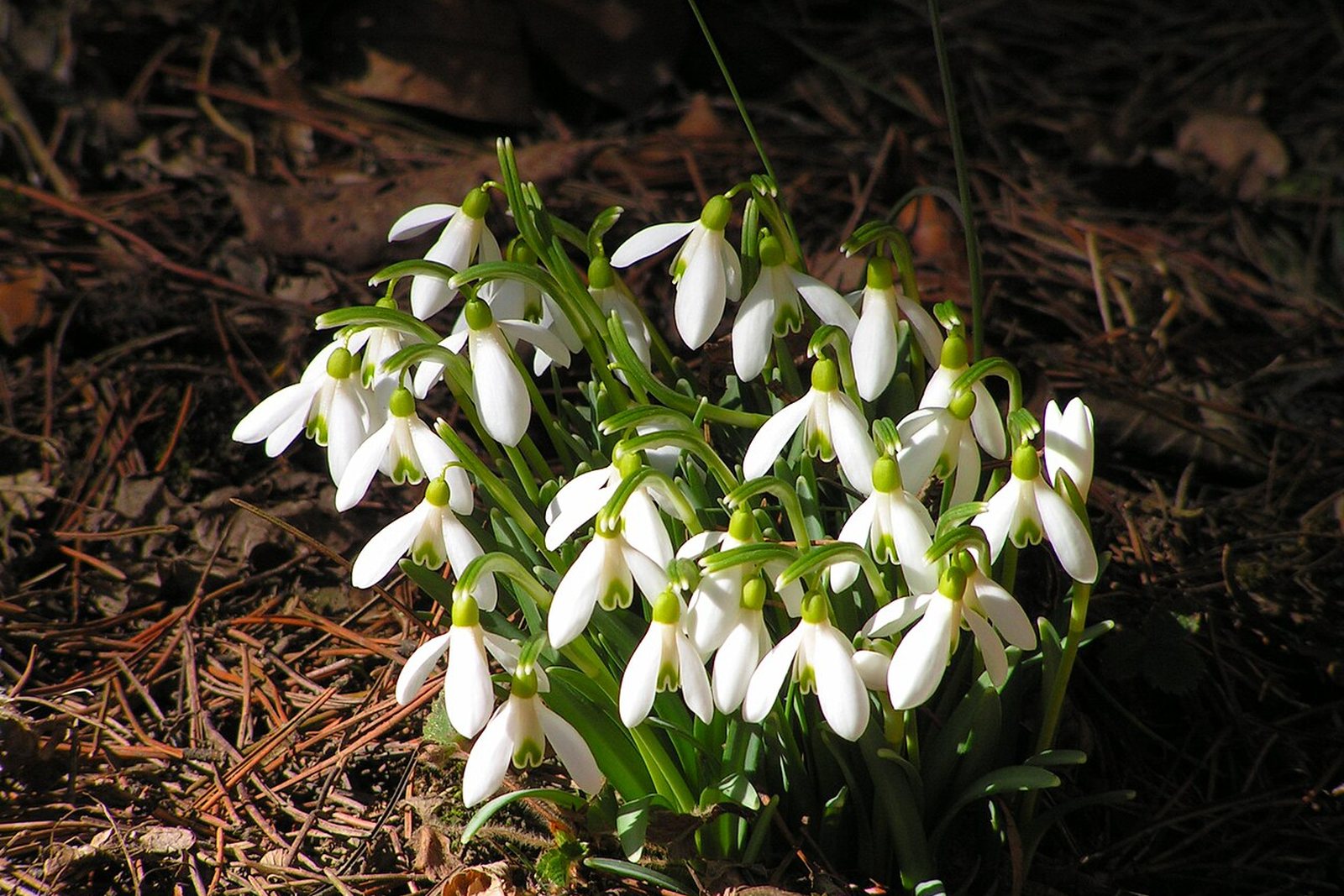
- Snowdrops are not planted like the others. Dry snowdrop bulbs dry out quickly and often fail. The RHS says the best way is to plant freshly lifted bulbs when the foliage is just dying back in late spring; the next best is to buy "in the green" just after flowering, with the leaves still on.
- Hyacinths for Christmas are a separate product. The RHS says prepared hyacinth bulbs are planted in September for Christmas flowers, while ordinary bulbs planted in early autumn flower in March and April. For indoor bulbs that bloom for the holidays, see our amaryllis and paperwhites guide.
- Squirrels and rodents. Clemson says animals often dig up and eat tulip and crocus bulbs but rarely eat daffodils; the only sure protection it lists is wire mesh around the bulbs. The RHS suggests planting daffodils among tulips, as squirrels avoid daffodils.
A simple planting routine
- Buy firm bulbs with no mould or soft spots, and keep them cool and dry until planting.
- Check the soil: workable, not frozen, not soggy.
- Dig a hole three times the bulb's height, or follow the table.
- Place the bulb pointed end up, cover, firm and water once if the soil is dry.
- Label the spot so you do not dig it up in spring.
Pots work too: for tulips the RHS suggests about 12 bulbs in a 45 cm (18 in) pot, or up to 20 for a fuller display, with sharp sand under the bulbs for drainage.
Frequently asked questions
Is it too late to plant spring bulbs in November?
Not for tulips: the RHS gives September to November for them. Plant while the ground is workable, not frozen or waterlogged. In mild climates tulips can be planted after refrigeration into December.
How deep do you plant tulip bulbs?
The RHS says two to three times the bulb's height, pointed end up and at least twice their width apart. Go deeper where winters are very cold.
When do you plant snowdrops?
Just after flowering, while the leaves are still green ("in the green"). The RHS says dry snowdrop bulbs are very prone to drying out.
Are daffodil bulbs poisonous to dogs?
Yes. The ASPCA lists daffodils as toxic to dogs, cats and horses and calls the bulbs the most poisonous part. Call your vet at once if a pet has eaten one.

In November you can still plant tulip bulbs, garlic, broad beans, fruit trees and a pot of chives, if the soil is not frozen or waterlogged. Here's how.
Sources
Written and fact-checked by the Flori team. Every guide cites horticultural sources such as the RHS, university extension services and the ASPCA, and is updated when the advice changes. How we write our guides
General plant care information. Plants vary; when a plant is valuable or a problem spreads quickly, consult a local nursery or plant specialist.