Winter Vegetables for Balcony Pots: What to Grow
Lettuce, rocket and spinach can grow in balcony pots all winter. See when to sow, pot sizes, frost cover and a fix-it table for coastal and inland climates.
 By Flori editorial team · Updated
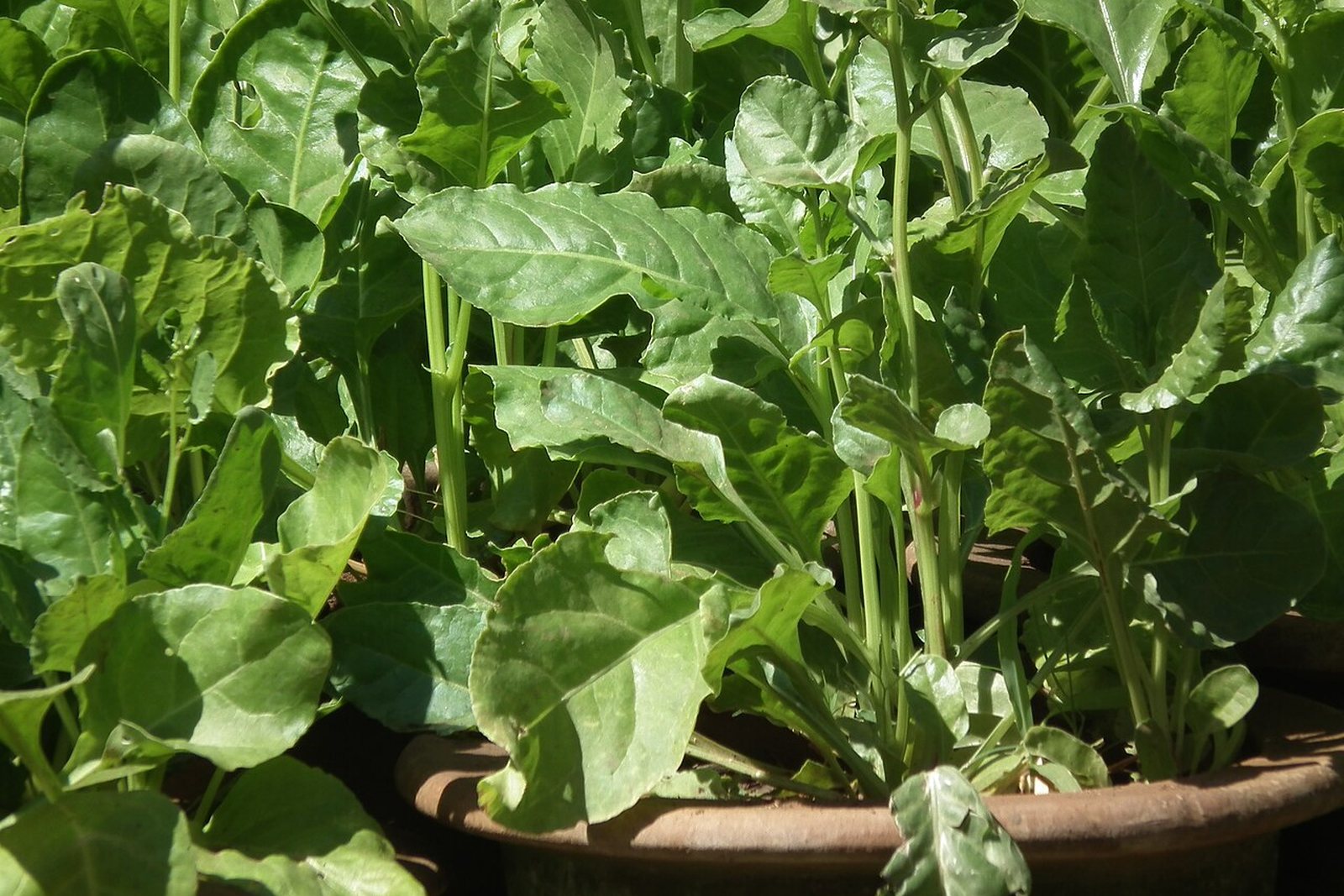
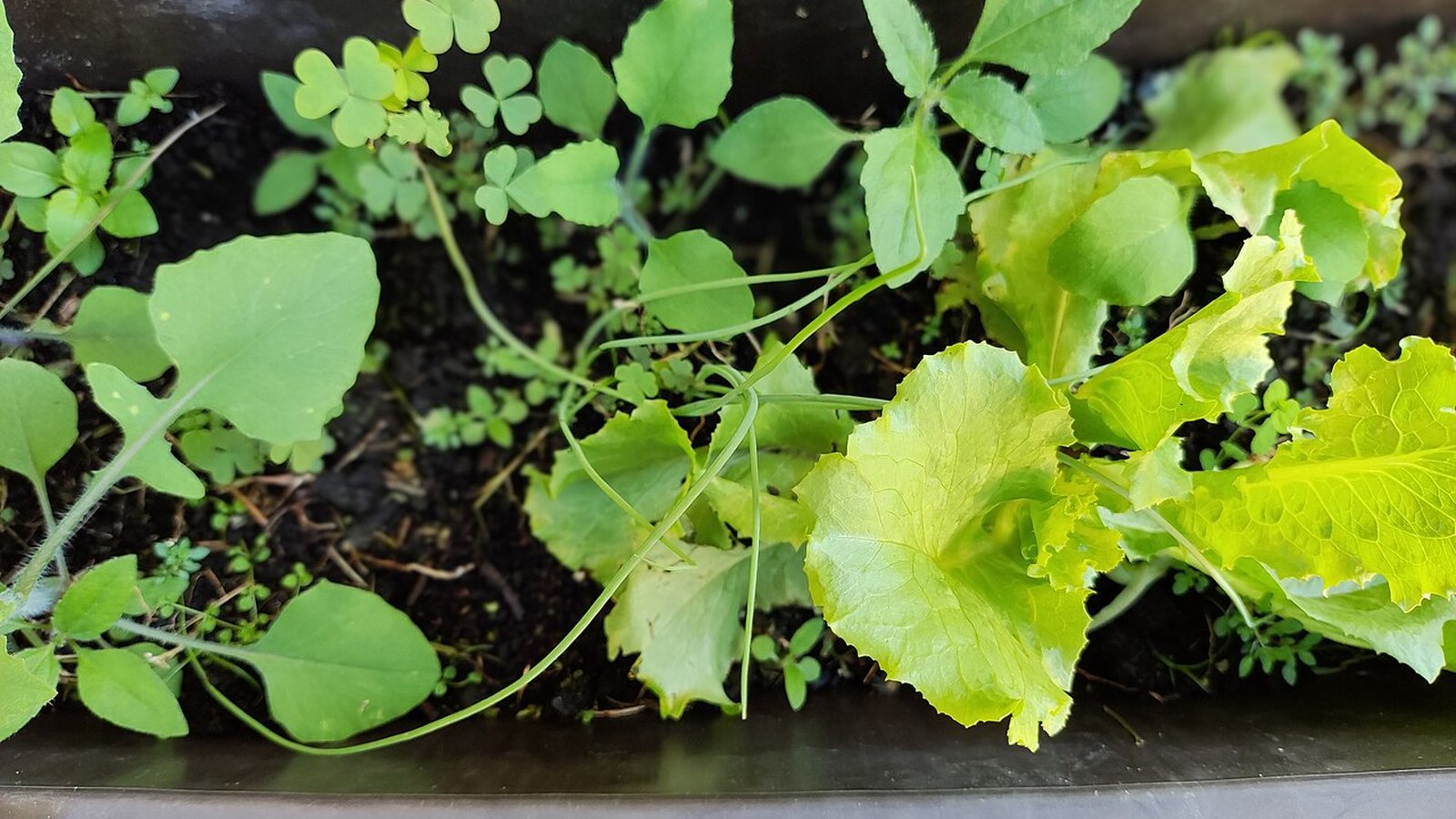 Photo: 999real · CC0
Lettuce, rocket (arugula) and spinach are the easiest winter vegetables for balcony pots. Use pots at least 30 cm (12 in) wide, sow in late summer or early autumn, cover with fleece or a cloche on frosty nights, and water sparingly. Baby leaves can be ready in 4 to 8 weeks.
Key takeaways
- Lettuce, rocket and spinach grow in the cold; they struggle only when pots freeze solid or dry out in wind.
- Use pots at least 30 cm (12 in) wide and sow small batches every few weeks.
- Cover with fleece or a cloche on frosty nights; heavier fleece gives about 2 °C of protection.
- Water less in winter but never let the compost dry out; empty saucers so roots do not sit in cold water.
- On mild coasts the pots can stay out; in inland, frosty areas move them to a sheltered spot.
On this page8
Can you grow vegetables on a balcony in winter?
Yes, as long as you pick the right ones. Lettuce, rocket (arugula) and spinach are cool-season leaves: they grow in the cold, slow down in the dark months and only complain when the pot freezes solid or the wind dries them out. The trick is not a special fertiliser but timing, container size and a little cover. This guide is the winter vegetable plan for pots; for ornamental plants that survive outside, see plants that survive winter on a balcony.
A note on climate, because it changes the answer. On the Mediterranean and Aegean coasts of Türkiye, and in mild maritime climates, these leaves can usually stay outside all winter. In inland Anatolia and anywhere with hard, repeated frost, the pots need a roof, a sheltered wall or a move to an unheated, bright, frost-free spot. The RHS advice quoted below is written for the UK, so read its months as northern-hemisphere months; in the southern hemisphere, shift them by six months.
Which vegetables work best in winter pots?
| Vegetable | Why it suits winter pots | Time to first pick (RHS) | Pot size (RHS) |
|---|---|---|---|
| Loose-leaf lettuce | Cut-and-come-again; a hardy cos such as 'Winter Density' is the RHS's winter pick | About 4–6 weeks | At least 30 cm (12 in) wide; plants 15 cm (6 in) apart |
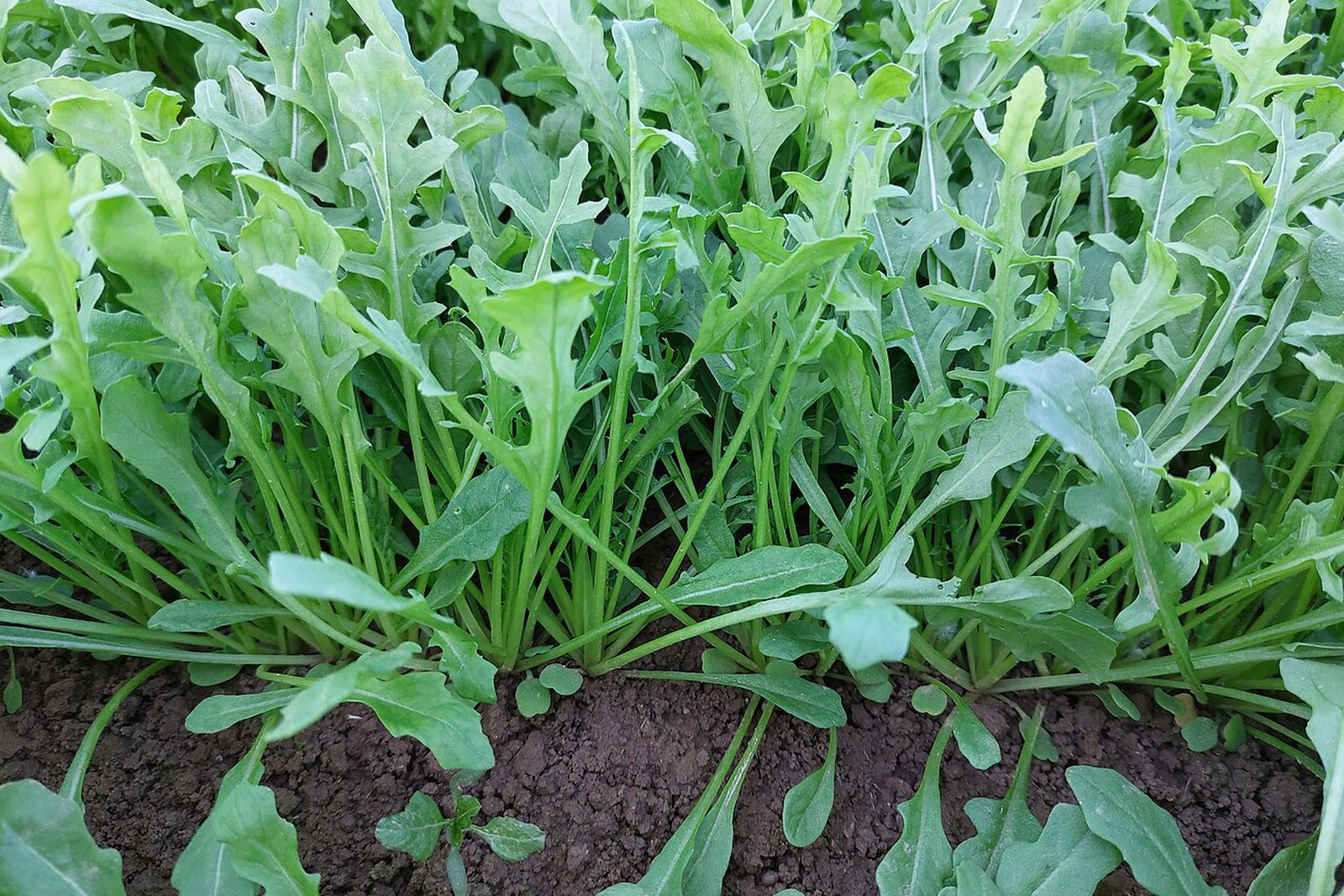
| Rocket (arugula) | Wild rocket can keep cropping into winter under a cloche or in a coldframe | About 4–6 weeks | At least 30 cm (12 in) wide; plants 15 cm (6 in) apart |
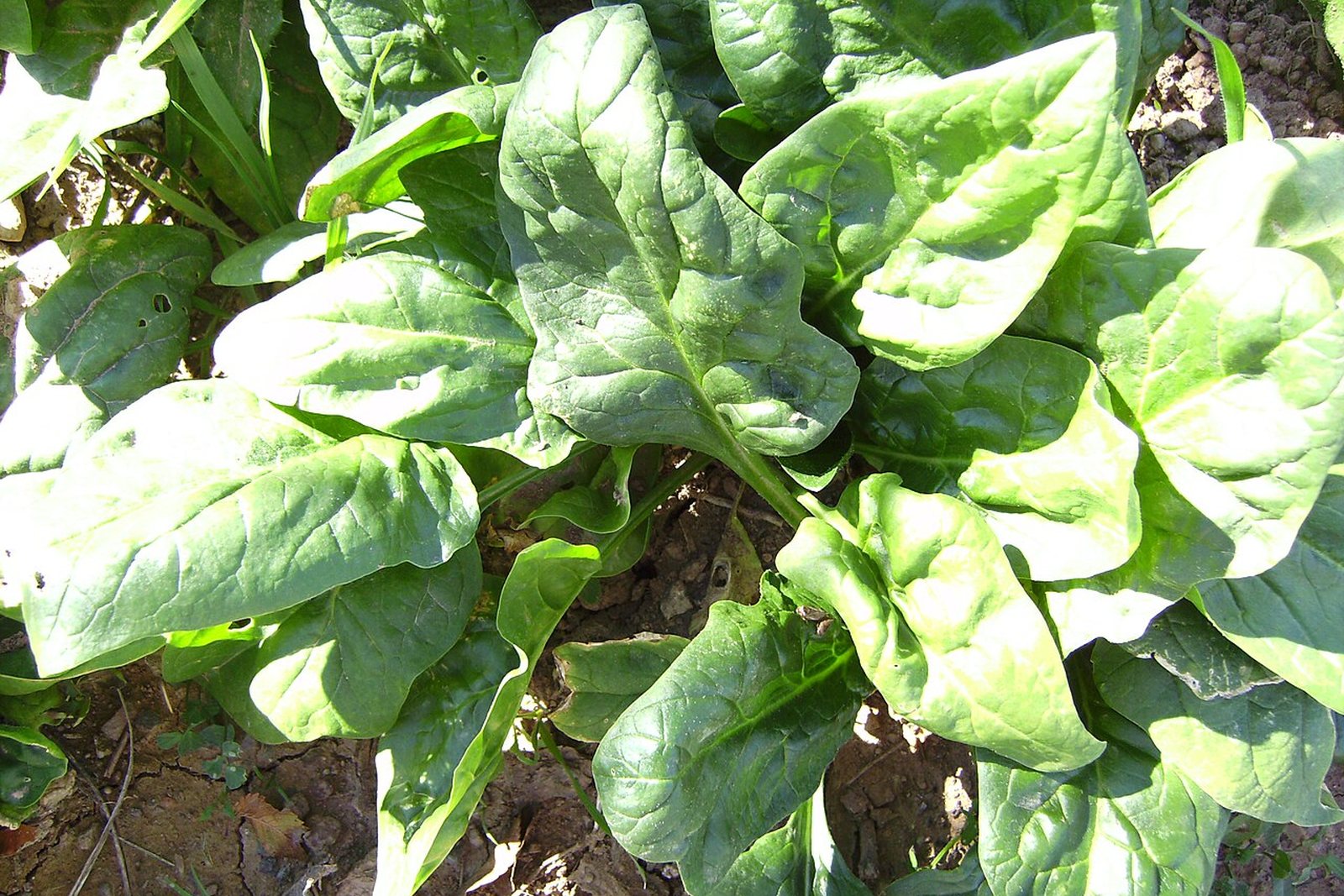
| Spinach | Choose hardy varieties for overwintering; baby leaves come fast | As little as 1 month for baby leaves, about 2 months for mature ones | At least 30 cm (12 in) wide and deep |
| Oriental salad mixes (mizuna, mustard) | Cut-and-come-again leaves through autumn, and winter if covered | As little as 6–8 weeks | More than 15 cm (6 in) deep, plenty of drainage holes |
Hearting lettuces take much longer, about 10–14 weeks according to the RHS, so in winter loose-leaf types are the better bet. Loose-leaf lettuce and rocket give you something to eat soonest, which is why they are the pair to start with.
When should you sow, and how?
Sow earlier than you think. The RHS suggests sowing winter salad leaves in a container in August, and sowing early-winter lettuce in early August with cloches from late September. Spinach and rocket can be sown outdoors until early September, plus one more month under cloches or fleece. That is the northern-hemisphere calendar: count back from your first hard frost, because plants need to be growing well before the light fades.
If you are already late (it is mid-November and nothing is sown), do not give up. Sow in small batches every few weeks, as the RHS recommends for rocket, and keep the pot in the brightest, most sheltered spot you have. Plants will grow slowly, but baby leaves are worth picking at any size. Our what to plant in November guide covers the other jobs that fit the month.
The basic method is the same for all of them: peat-free multi-purpose compost, pots with drainage holes raised on feet, seeds scattered thinly, covered lightly and watered with a fine spray. Spinach likes to be sown at 15–20 °C (60–70 °F), so delay sowing in late-summer heat. Thin seedlings as they grow and eat the thinnings.
How do you protect the pots from frost and wind?
These crops tolerate cool weather, but not all cold is equal. Clemson Cooperative Extension notes that lettuce and spinach do not like to be frozen, and suggests cold frames or a cover of cloth or hay when it turns cold.
- Fleece or a cloche. The RHS says to cover lettuce and spinach with cloches or fleece from October unless your area is very mild. Heavier grades of fleece give about 2 °C of frost protection, so they help on a cold night but will not rescue a hard freeze.
- Move the pots. Stand them against the house wall, under the overhang or on the sunniest side of the balcony. The RHS also suggests moving containers into a greenhouse or coldframe before the cold arrives.
- Insulate the pot. Bare concrete pulls heat from below. Raise the pot on feet (which also helps drainage) and wrap its outside in bubble wrap or sacking on freezing nights. This is common-sense advice rather than a figure from the sources.
- Watch the wind. A windy balcony dries leaves faster than frost damages them, so a solid screen or a spot against the wall helps.
For wrapping pots and covering plants in more detail, see how to protect garden plants from frost.
How much should you water in winter?
Less often than in summer, but never let the compost dry out completely. The RHS says container lettuce can need watering daily in summer; in winter growth is slow and the compost stays wet for days. Check with a finger: if the top 2–3 cm (1 in) is damp, wait. Water in the morning so leaves are not wet and freezing overnight. A pot with no drainage hole, or a saucer full of ice-cold water, is the most common way to lose a winter pot, so empty saucers after rain.
How and when do you harvest?
Pick the outer leaves and leave the centre growing. The RHS describes this cut-and-come-again method for rocket and spinach: take a few leaves from each plant every few weeks rather than many from one. For spinach you can also cut the whole plant just above the base after a couple of months, and an established plant should regrow for at least one more harvest. Loose-leaf lettuce is ready when the leaves are around 10 cm (4 in) long.
Pick in the morning when you can. In the coldest weeks, harvest only what you need, because the plants will not replace leaves quickly.
What goes wrong in winter pots?
| Problem | Likely cause | What to do |
|---|---|---|
| Leaves glassy, then brown and slimy | Frozen leaves or waterlogged compost | Cover on frosty nights, empty saucers, pick off damaged leaves |
| Plants stall and stay small | Little light and cold; normal in midwinter | Move to the brightest spot, pick lightly and wait for spring |
| Tiny round holes in leaves | Flea beetles, mostly on rocket and oriental leaves (RHS: cosmetic damage on rocket) | Cover with fleece; water seedlings well |
| Tall flower stalk, bitter leaves | Bolting; spinach does it quickly | Remove the plant and sow a fresh batch |
If a leaf looks odd and you cannot tell why, a photo in Flori can help you work out whether it is cold damage, pests or watering. For what else copes with a cold balcony, see our hardy balcony plants guide.
Are these vegetables safe around pets?
Lettuce, spinach and rocket are food crops, but the ASPCA list covers garden and house plants and does not include every salad leaf, so check any specific plant there before letting a cat or dog chew your balcony pots. If you grow herbs alongside, note that some, such as parsley and mint, are listed as toxic. In an emergency, call your vet.
Frequently asked questions
Which vegetables grow best in pots in winter?
Loose-leaf lettuce, rocket (arugula), spinach and oriental salad leaves such as mizuna are the easiest. They can give baby leaves in 4 to 8 weeks and keep growing in cool weather.
Can lettuce survive frost on a balcony?
Lettuce and spinach do not like to be frozen, according to Clemson Extension. Cover pots with fleece, a cloche or cloth on frosty nights, or move them to a sheltered spot.
How big should the pot be?
The RHS recommends containers at least 30 cm (12 in) wide for lettuce, rocket and spinach, with drainage holes. Oriental salad mixes can grow in a container more than 15 cm (6 in) deep.
Is it too late to sow winter vegetables in November?
Not necessarily. Sow small batches every few weeks in the brightest, most sheltered spot. Growth will be slow, but baby leaves are worth picking at any size.

Which plants survive winter on a balcony, which must come inside, and what to grow on a shady balcony, with pet safety and pot care for the cold.
Sources
Written and fact-checked by the Flori team. Every guide cites horticultural sources such as the RHS, university extension services and the ASPCA, and is updated when the advice changes. How we write our guides
General plant care information. Plants vary; when a plant is valuable or a problem spreads quickly, consult a local nursery or plant specialist.