Christmas Plants Toxic to Pets: Holly, Mistletoe and More
Which Christmas plants are toxic to cats and dogs? Holly, mistletoe, amaryllis, lilies and yew, what the ASPCA lists, safe swaps and what to do.
 By Flori editorial team · Updated
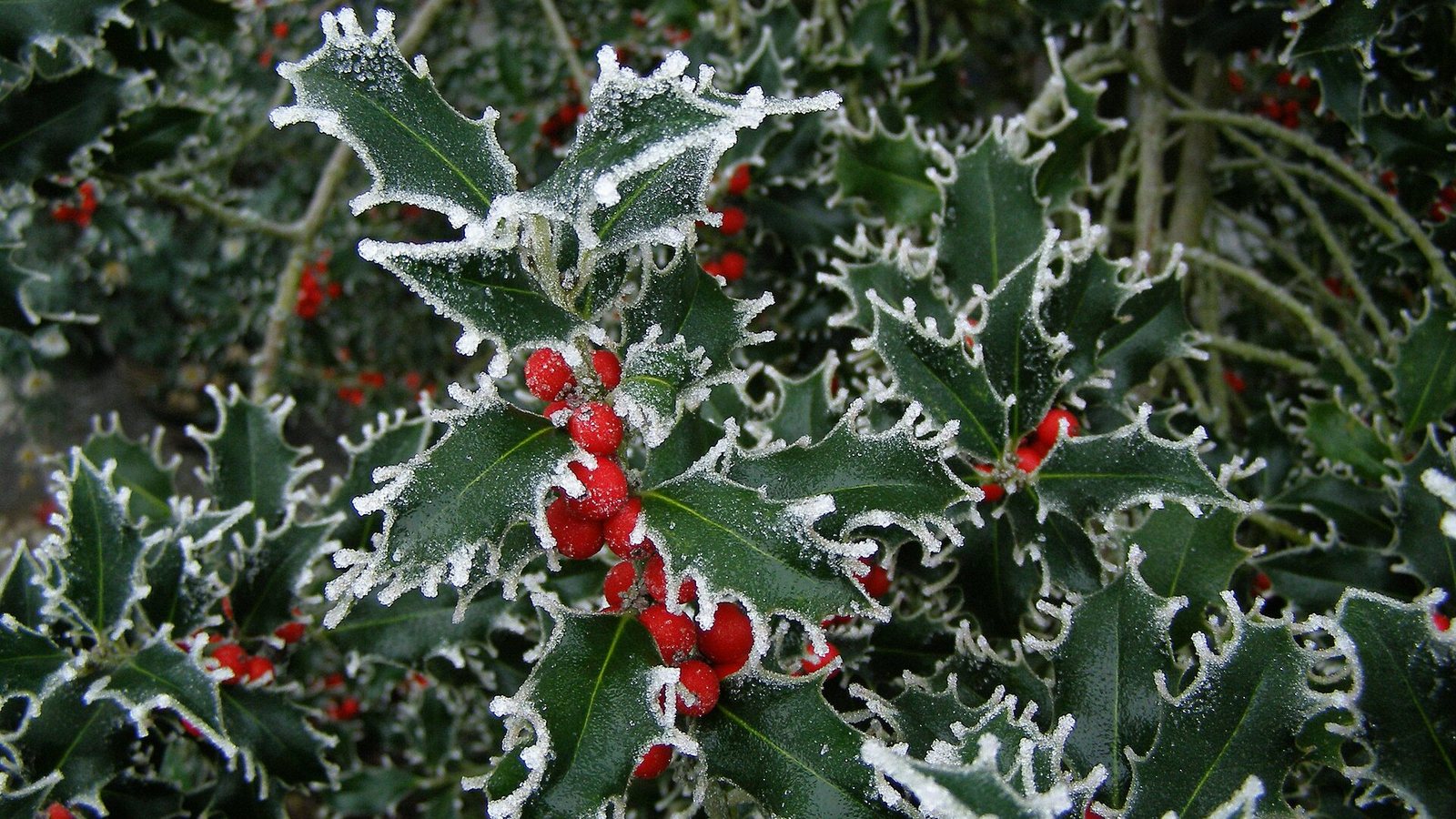 Photo: Erich Ferdinand · CC BY 2.0
Holly, American mistletoe, poinsettia, amaryllis, cyclamen, narcissus, hyacinth, ivy and yew are all listed by the ASPCA as toxic to cats and dogs; lilies are especially dangerous to cats. Christmas cactus, Norfolk Island pine and rosemary are listed as non-toxic. If a pet chews a plant, call your vet or the ASPCA hotline.
Key takeaways
- The ASPCA lists holly, American mistletoe, poinsettia, amaryllis, cyclamen, narcissus, hyacinth, ivy and yew as toxic to cats and dogs.
- Easter lily can cause kidney failure in cats; check every bouquet.
- Poinsettia is irritating but, in the ASPCA's words, generally over-rated in toxicity.
- Christmas cactus, Norfolk Island pine and rosemary are listed as non-toxic to cats and dogs.
- If your pet chews a plant, call your vet or the ASPCA Animal Poison Control hotline, (888) 426-4435.
On this page8
Which Christmas plants are toxic to pets?
Holiday plants arrive in a rush: a wreath on the door, a poinsettia on the table, amaryllis bulbs on the windowsill, a bouquet with lilies. Most of them are listed by the ASPCA as toxic to cats, dogs or both, but the danger is very uneven: some cause a bit of vomiting, one (lilies, for cats) can cause kidney failure. This guide ranks the common Christmas plants by what the ASPCA says they do, names the safe alternatives, and tells you what to do if your pet has chewed one. It focuses on pet safety only; for gifting ideas see Christmas plants to give, and for keeping a poinsettia going see poinsettia care after the holidays.
Timing matters in both hemispheres: in the Northern Hemisphere these plants arrive in winter, while in the Southern Hemisphere Christmas falls in summer, so pets that spend time in the garden meet holly, ivy and mistletoe outdoors too.
One general note from the ASPCA: eating any plant material may cause vomiting and stomach upset in dogs and cats, and its list is not all-inclusive, so always check the exact plant name. If you believe an animal has eaten something poisonous, contact your local vet or the ASPCA Animal Poison Control 24-hour hotline, (888) 426-4435.
The quick table
| Plant | ASPCA: cats / dogs | Signs the ASPCA lists |
|---|---|---|
| Holly (Ilex) | Toxic / toxic | Vomiting, diarrhoea and depression |
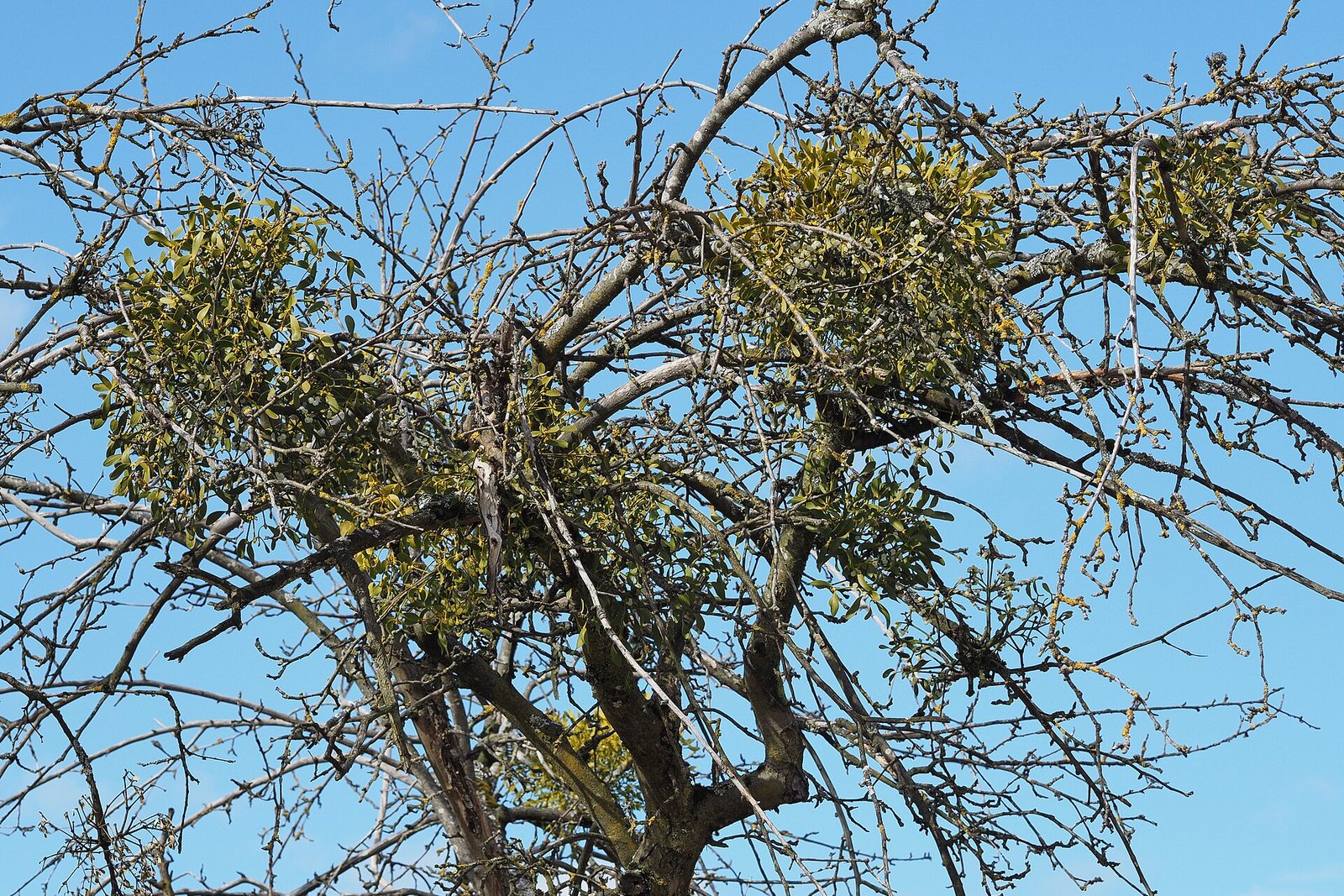
| American mistletoe (Phoradendron) | Toxic / toxic | Vomiting, diarrhoea, difficulty breathing, low heart rate, rarely low blood pressure |
| Poinsettia | Toxic / toxic | Irritation of the mouth and stomach, sometimes vomiting; "generally over-rated in toxicity" |
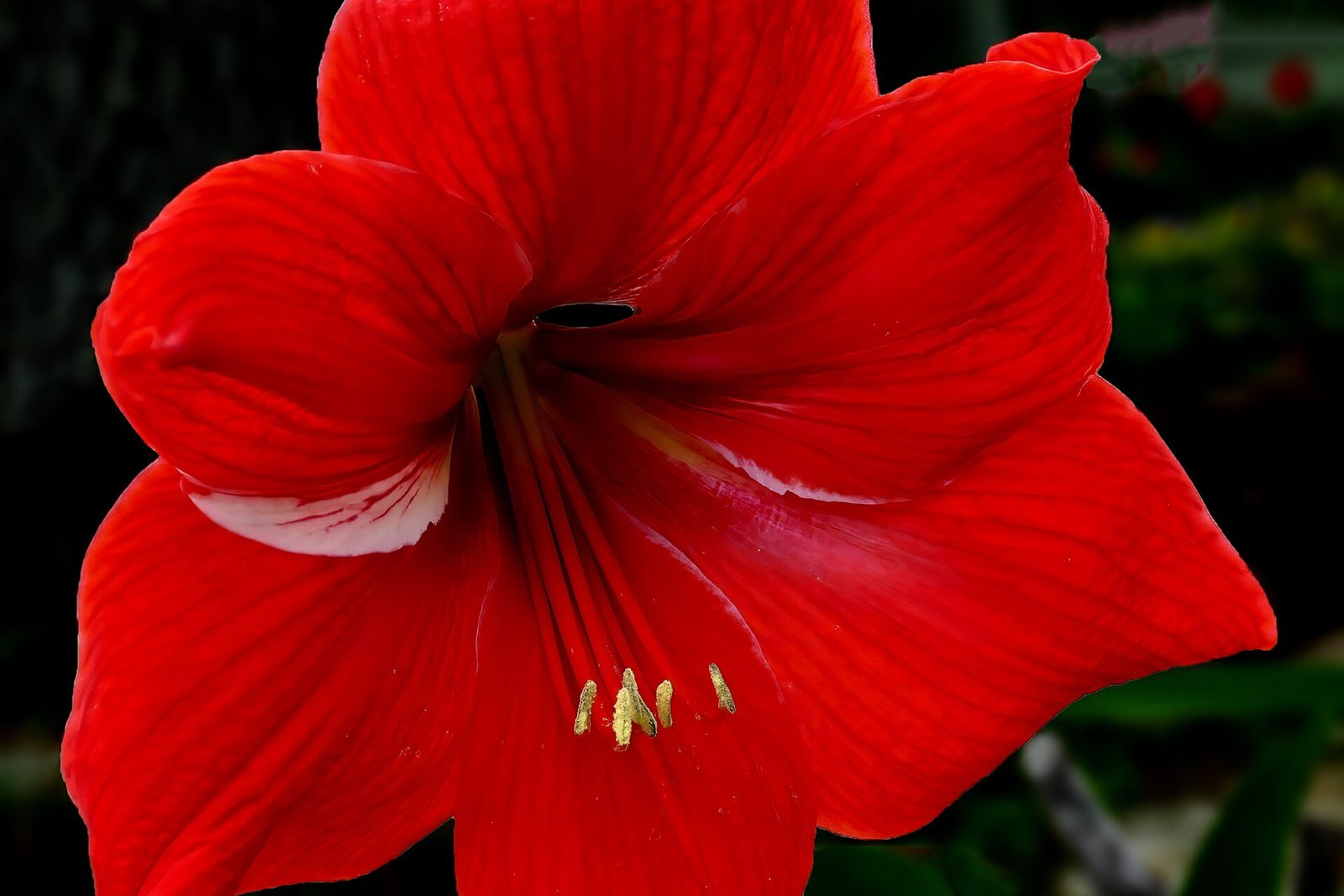
| Amaryllis | Toxic / toxic | Vomiting, depression, diarrhoea, abdominal pain, drooling, tremors |
| Christmas rose (Helleborus niger) | Toxic / toxic | Drooling, abdominal pain, diarrhoea, depression |
| Cyclamen | Toxic / toxic | Drooling, vomiting, diarrhoea; large amounts of tuber: heart rhythm problems, seizures, death |
| Easter lily (Lilium longiflorum) | Toxic / non-toxic | Vomiting, lethargy, kidney failure, and death is possible |
| Paperwhite narcissus | Toxic / toxic | Vomiting, drooling, diarrhoea; large amounts: convulsions, tremors, cardiac arrhythmias |
| Hyacinth | Toxic / toxic | Intense vomiting, diarrhoea, depression, tremors |
| Jerusalem cherry | Toxic / toxic | Gastrointestinal upset and ulceration; seizures and shock possible |
| Yew (Taxus), used in wreaths | Toxic / toxic | Sudden death from heart failure; tremors, breathing difficulty, seizures |
Which are the most dangerous?
Three deserve special care. Lilies are the biggest threat to cats. The ASPCA lists the Easter lily as toxic to cats with kidney failure and death as possible outcomes, and as non-toxic to dogs. Lilies also appear in festive bouquets, so check every bouquet with a cat in the house, and ask the florist for the plant names. Yew is used in wreaths and garlands, and the ASPCA lists sudden death from acute heart failure as a sign, so keep cut yew out of reach entirely. Cyclamen becomes dangerous mainly if an animal eats the tubers, but the whole plant can cause drooling and vomiting.
What about poinsettia?
Poinsettia has a deadly reputation it does not deserve. The ASPCA lists it as toxic to cats and dogs but describes it as irritating to the mouth and stomach, sometimes causing vomiting, and "generally over-rated in toxicity". That does not mean it is safe to leave in reach: a pet that chews it may drool, retch or vomit, and some animals react more strongly than others. If your pet is unwell, call your vet.
Mistletoe, holly, ivy and berries
Mistletoe and holly are classic kissing-bough plants, and both are listed as toxic to cats and dogs. The ASPCA lists vomiting, diarrhoea and depression for holly, with leaves and berries described as low toxicity, and a longer list for American mistletoe, including breathing difficulty and a slow heart rate. The ASPCA did not list European mistletoe among the pages we checked, so do not assume it is safe: keep both away from pets. English ivy, common in garlands, is also toxic to cats and dogs, with vomiting, abdominal pain and drooling. Jerusalem cherry, sold as an ornamental pepper with bright berries, is toxic too. Hang or place all of these where pets cannot reach, and sweep up fallen berries and leaves.
Bulbs and flowers on the windowsill
Amaryllis, paperwhite narcissus and hyacinth are popular winter bulbs, and the ASPCA lists all three as toxic to cats and dogs. Pets are often drawn to potted plants, so place them out of reach. Grow them on a high shelf or in a room the pet cannot enter. For a second look at cat-specific risks see our list of plants toxic to cats.
Which Christmas plants are safe for pets?
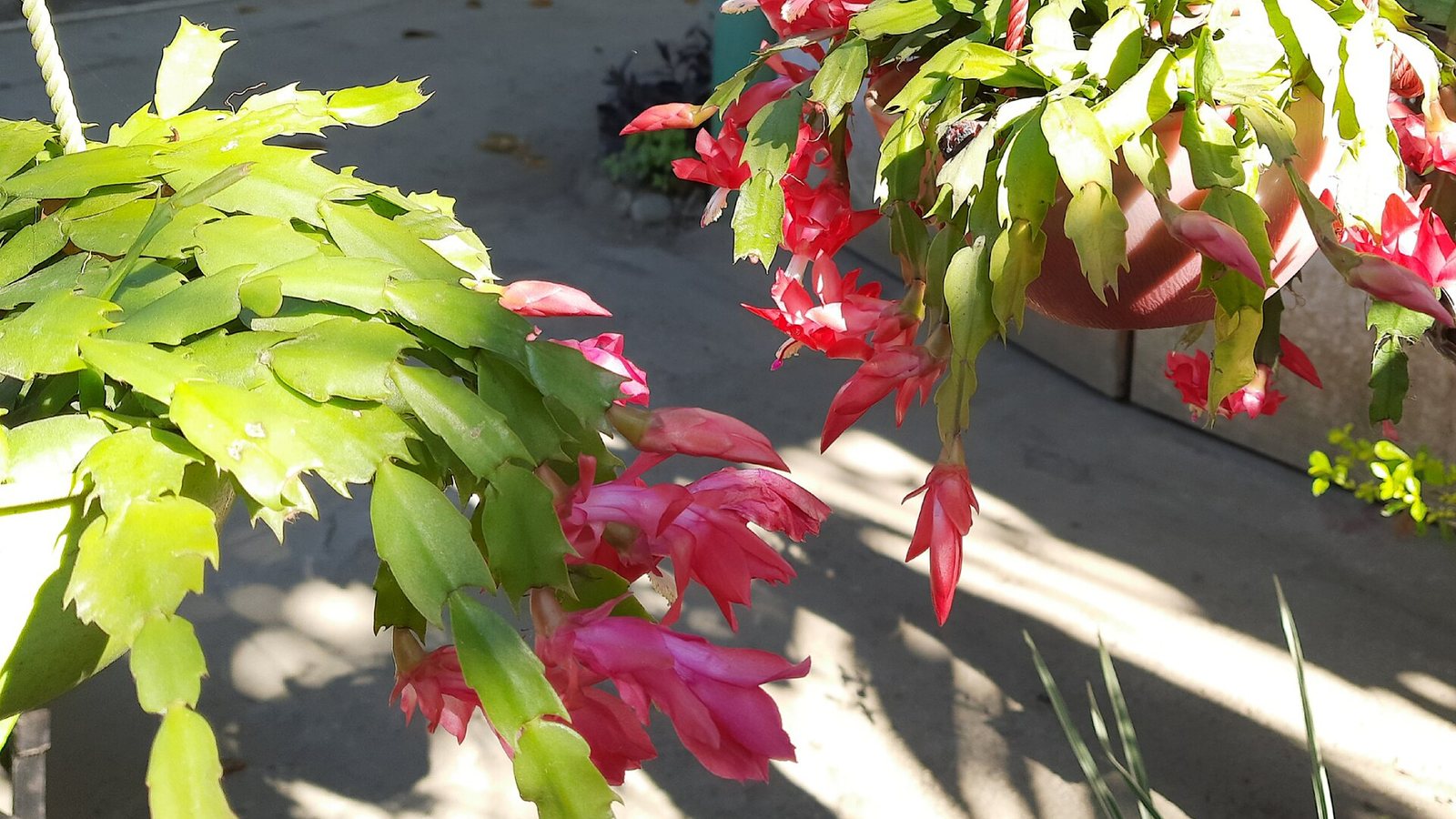
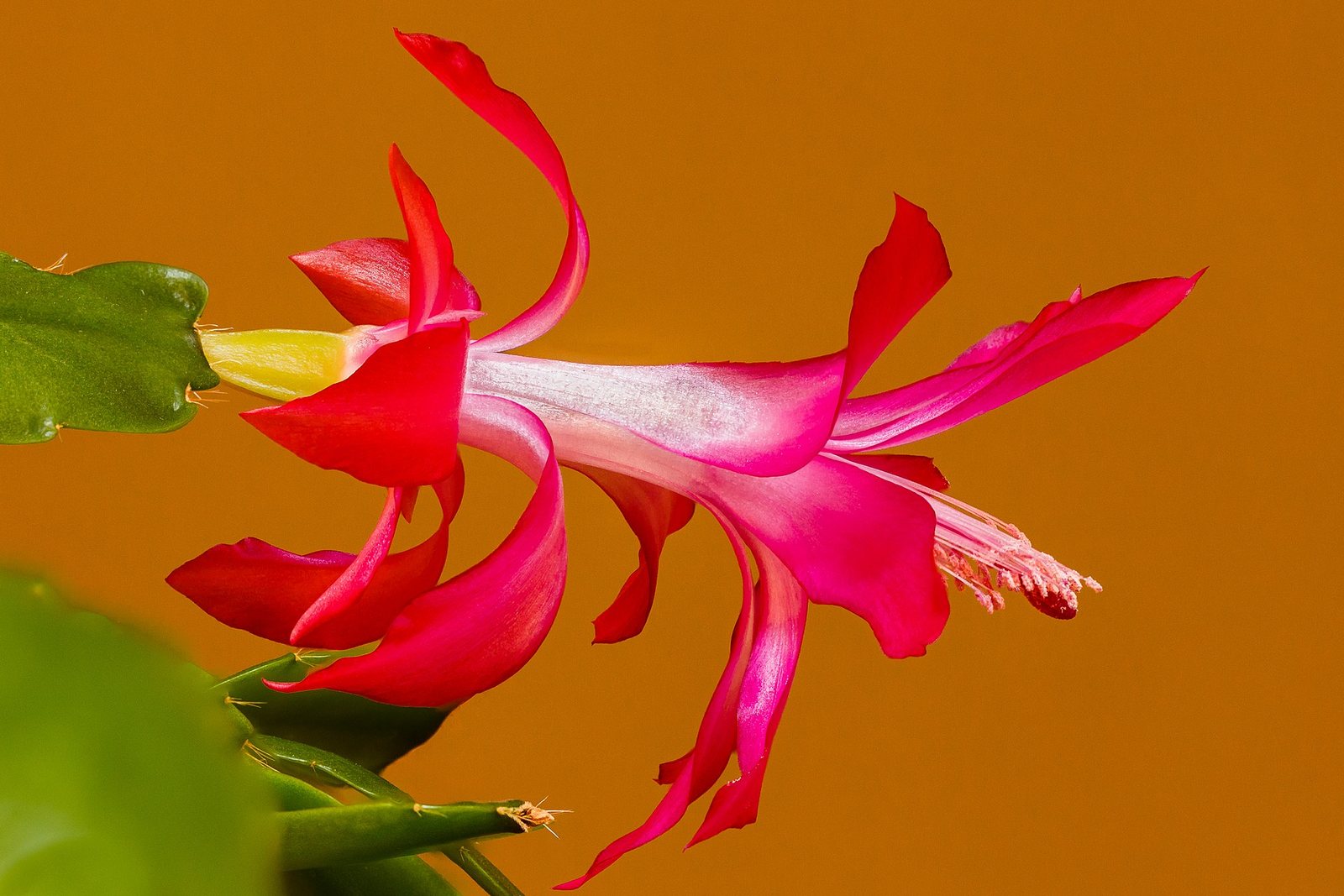
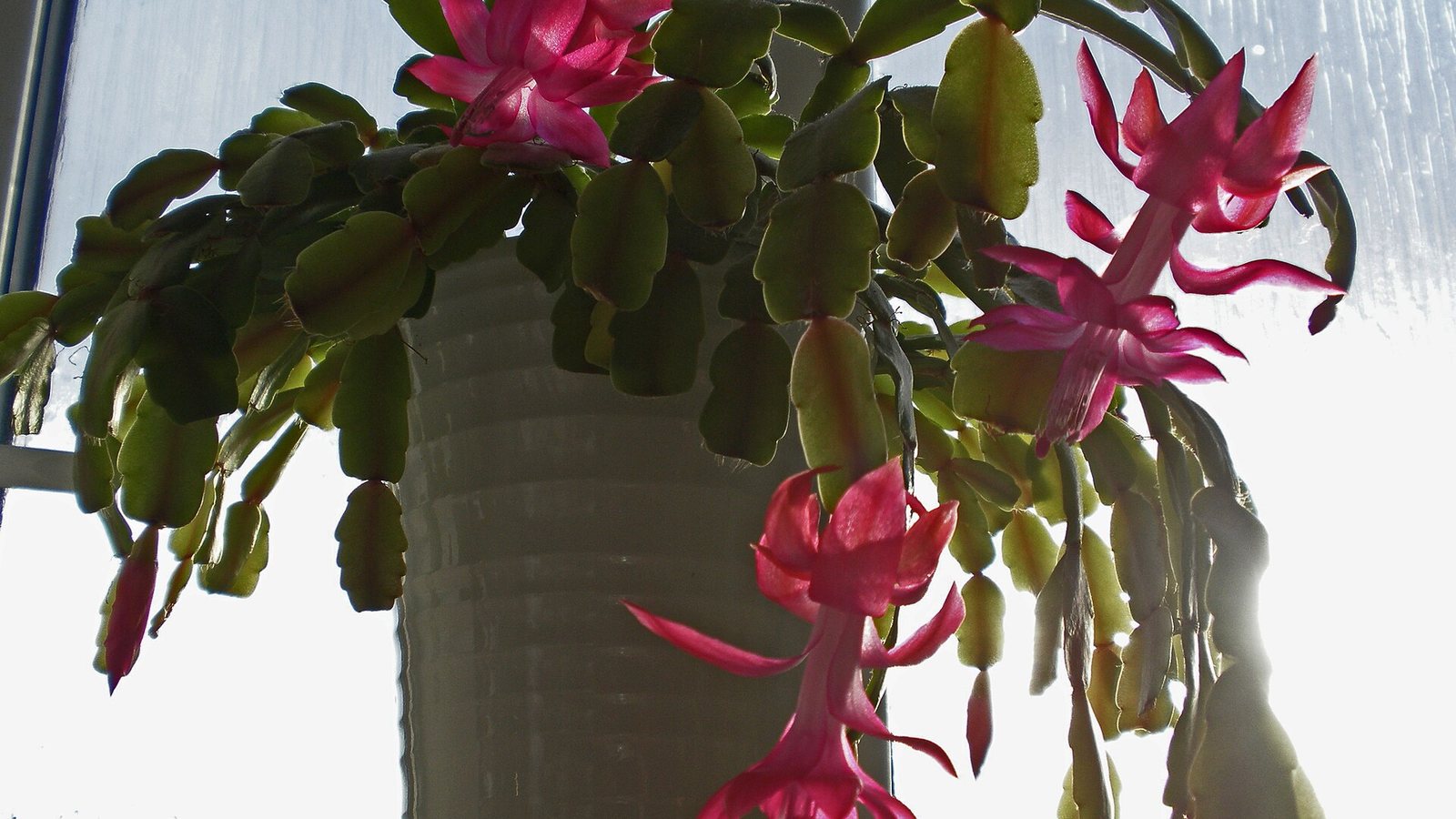
A few classics are listed by the ASPCA as non-toxic to cats and dogs: Christmas cactus (Schlumbergera), Norfolk Island pine (Araucaria heterophylla) and rosemary. A Norfolk Island pine in a pot makes a good living mini Christmas tree, and a Christmas cactus gives winter colour. The ASPCA also lists Kalanchoe as toxic, so do not swap it in as a "safe" festive plant. Our guide to pet-safe houseplants for cats and dogs lists more, and Flori's care profile for each plant shows its toxicity before you buy.
What should you do if your pet eats a Christmas plant?
- Remove the plant and any pieces from your pet's mouth and keep the plant name or a photo.
- Call your local vet or the ASPCA Animal Poison Control hotline, (888) 426-4435, without waiting for symptoms.
- Tell them the plant, how much and when.
- Follow their instructions; this guide does not give treatment advice.
For a real Christmas tree, the ASPCA entries we checked did not include a separate fir or pine page, so treat it as a place where a pet may chew and not as proven safe: keep the water dish covered and sweep up needles, and call your vet if your pet seems unwell. See winter houseplant care for keeping the rest of your plants healthy through the holidays.
Frequently asked questions
Is poinsettia poisonous to cats and dogs?
The ASPCA lists it as toxic but says it is irritating to the mouth and stomach, sometimes causing vomiting, and generally over-rated in toxicity. Keep it out of reach and call your vet if your pet seems unwell.
Is mistletoe toxic to pets?
The ASPCA lists American mistletoe as toxic to cats and dogs, with vomiting, diarrhoea, difficulty breathing and a low heart rate among the signs. Keep all mistletoe out of reach.
Which Christmas plants are safe for cats and dogs?
The ASPCA lists Christmas cactus, Norfolk Island pine and rosemary as non-toxic to cats and dogs. Always check the exact plant name on the ASPCA list.
What should I do if my pet eats a Christmas plant?
Call your vet or the ASPCA Animal Poison Control hotline, (888) 426-4435, and tell them the plant, how much and when. Do not wait for symptoms.
The best Christmas and New Year gift plants, with the room temperature each needs and which are safe for cats and dogs, for both hemispheres.
Sources
Written and fact-checked by the Flori team. Every guide cites horticultural sources such as the RHS, university extension services and the ASPCA, and is updated when the advice changes. How we write our guides
General plant care information. Plants vary; when a plant is valuable or a problem spreads quickly, consult a local nursery or plant specialist.