
Is It Safe to Pick Wild Mushrooms?
Picking wild mushrooms to study is low risk where the rules allow it; eating them is not. How to collect, the myths, and what to do after a mistake.
 By Flori editorial team · Updated
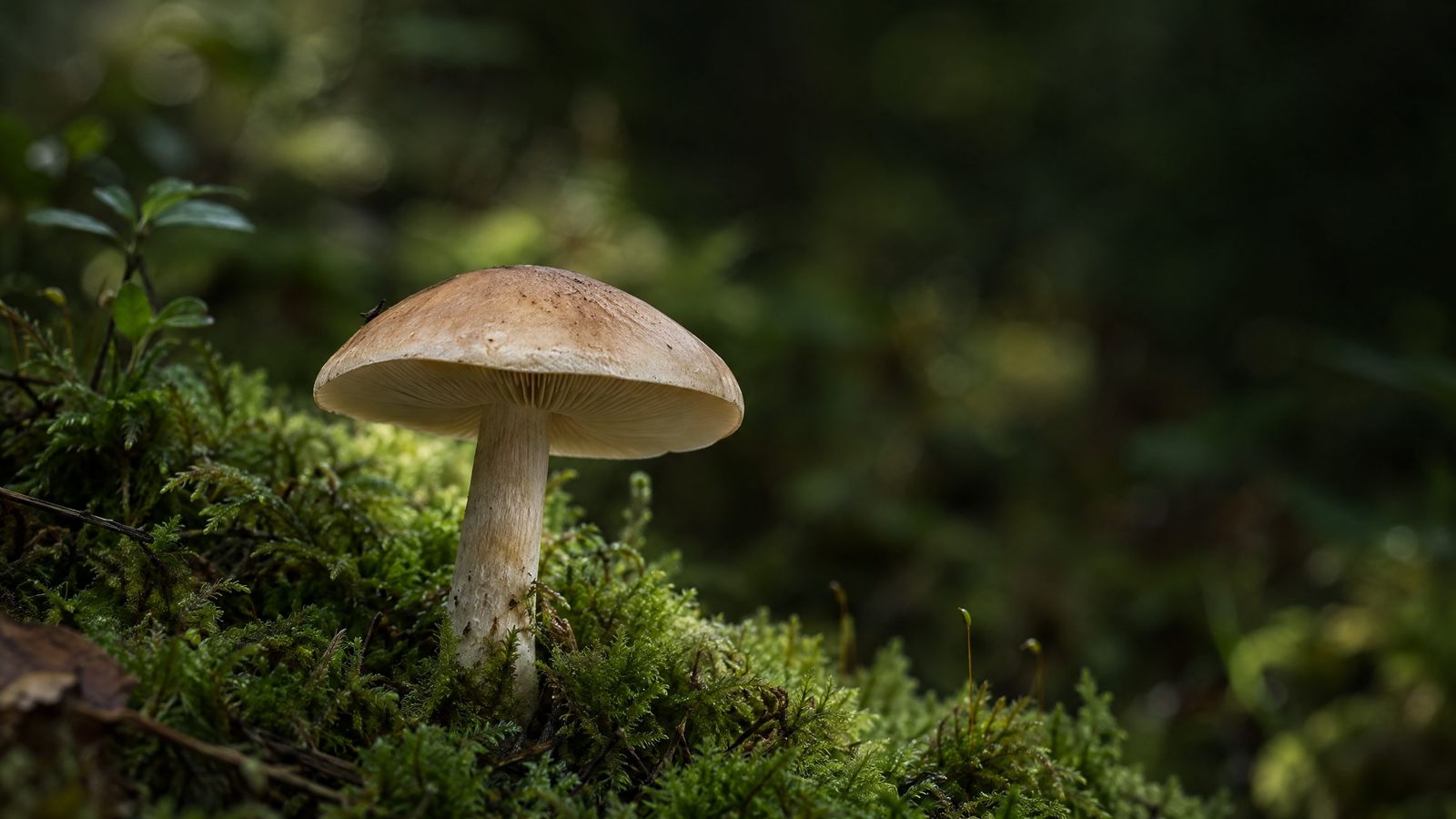
Picking wild mushrooms to photograph, study or show an expert is generally low risk if the land rules allow it and you keep finds away from children, pets and food. Eating them is the real danger: no test, photo or app can prove a mushroom is safe. Eat only what an experienced identifier confirmed in person.
Key takeaways
- Picking and eating are separate questions: collecting to study is low risk, eating an unconfirmed mushroom is not.
- Check the rules for the land first, photograph the mushroom, then dig out the whole thing including the base.
- Carry finds in paper or wax paper, never plastic, and keep unknown kinds away from anything you plan to cook.
- Silver spoons, peeling caps, smell, colour, animals and cooking are myths; a single photo is never enough.
- If anyone ate a wild mushroom, call a poison line now and keep a sample; do not wait for symptoms.
Is it safe to pick wild mushrooms?
Picking wild mushrooms and eating them are two different questions, and most advice blurs them. Collecting a mushroom to photograph, study or show to an expert is generally a low-risk hobby, as long as the land rules allow it and you follow a few simple habits. Eating one is where people get hurt: there is no shortcut test, and a mistake with a deadly species can cost a liver or a life. This guide separates the two with a table of what is safe to do, a step-by-step way to collect a mushroom so it can actually be identified, the myths that still mislead foragers, and what to do straight away if someone has already eaten a wild mushroom.
Picking, carrying, eating: what is actually safe?
| What you want to do | Is it safe? | How to do it |
|---|---|---|
| Look at and photograph mushrooms where they grow | Yes | Photograph the top, the side and the underside before you touch it, with a coin or small ruler for scale (Iowa State Extension). |
| Pick a mushroom to identify or study | Usually, if the land rules allow it | Check the rules first (NAMA), take the whole mushroom including the base, and take only what you need. |
| Carry finds home | Yes, with care | Use wax paper or small paper bags, not plastic, and keep them cool and out of the sun. Keep unknown kinds apart from anything you might cook. |
| Let small children or dogs handle finds | No | NAMA advises keeping unknown mushrooms away from small children and pets; dogs also eat mushrooms in gardens and on walks. |
| Eat a mushroom you identified from a book, photo or app | No | Treat every mushroom as poisonous until it is properly identified (Ohio State Extension). Show it in person to an experienced identifier. |
| Eat a mushroom an expert confirmed in hand | Lower risk, never zero | Ohio State advises eating it cooked, never raw, in good condition, one kind at a time, not in large amounts, and keeping a sample. |
How to pick a mushroom so it can be identified
A cap snapped off at ground level is often impossible to identify. If you are allowed to collect, these steps give an expert everything they need.
- Check the rules for the land. NAMA notes that some public lands ban mushroom collecting entirely while others allow limited personal harvesting. On private land, ask the owner.
- Photograph it first. Take the side profile, the top and the underside with something for scale, before you disturb it.
- Take the whole mushroom. Dig around the base with a spoon or trowel so it stays intact (Iowa State). NAMA advises removing the entire mushroom rather than breaking off the cap, because important identifying features can be at the base of the stem. That is exactly where the deadly amanitas hide some of theirs.
- Write down the habitat. Note what it was growing on (a living or dead tree and which kind, wood chips, soil, roots), whether it grew alone or in a cluster, any distinct smell and the time of year.
- Pack each kind separately. Wax paper or a small paper bag, numbered to match your notes. Avoid plastic bags. Some mushrooms change colour when touched or turn to liquid before you get home; Iowa State points out that these changes are useful clues, so note them.
- Take only what you need. Fungi are part of the ecosystem, and NAMA encourages collecting that does not damage them or their habitat.
- Wash your hands afterwards and do not snack from the same basket.
Why you cannot judge edibility yourself
Ohio State University Extension is blunt: there is no test or characteristic that distinguishes edible from poisonous mushrooms, and look-alikes can grow side by side. The folk tests that still circulate are all myths:
- Silver spoons or coins turning black say nothing about toxins.
- A cap that peels does not mean it is edible.
- Squirrels, slugs or insects eating it proves nothing; NAMA notes insect damage is no guide.
- Growing on wood, in meadows or being white is no reassurance. Ohio State warns that some of the most dangerous mushrooms are white.
- Colour and smell are not reliable tests (NAMA).
- Cooking, parboiling, drying or pickling does not make a poisonous mushroom safe (Ohio State, Poison Control).
Experience does not travel well either. Poison Control points out that knowing mushrooms in one area is not reliable for identifying them in another, so a forager who moves country or region starts again. Our guide on how to tell if a mushroom is poisonous checks each myth in more detail, and edible wild mushrooms and their look-alikes shows how close the dangerous doubles can be.
Can an app or a photo tell you a mushroom is safe to eat?
No. NAMA says a single photograph is never enough. Experienced identifiers look at the structure of the cap and stem, whether there are gills, pores or teeth underneath, colour changes when the flesh is cut or bruised, the habitat and what the mushroom grows on, and the spores; difficult cases need a microscope or even DNA sequencing. A photo cannot show most of that.
Flori can suggest what a wild mushroom might be from a photo, which is handy for learning names, reading about a species and knowing what to ask a local expert. Treat that result as a starting point for curiosity, never as permission to eat. Our guide on whether an app can identify mushrooms safely explains the limits.
If you still want to forage for the table
Plenty of people do it safely for decades. They share a few habits:
- They learn with people. Ohio State recommends good field guides and joining a mushroom club, where finds are checked in hand.
- They learn the killers first. Ohio State stresses learning the characteristics of the Amanita mushrooms; start with the death cap. It also says not to eat false morels.
- They never eat raw wild mushrooms. NAMA notes that even true morels must be thoroughly cooked; raw or undercooked morels have caused serious poisoning.
- They eat little, and one kind at a time, and only mushrooms in good condition (Ohio State).
- They keep a sample of every wild mushroom they eat, so it can be identified if anyone becomes ill.
What to do if someone ate a wild mushroom
Act now, even if the person feels completely well. Poison Control warns that symptoms can be delayed for many hours, and some toxic mushrooms cause no immediate effects while they damage the liver. Amanita poisoning can even seem to ease before the liver damage shows.
- Call a poison line immediately. In Türkiye call UZEM (Ulusal Zehir Danışma Merkezi) on 114. In the US call Poison Control on 1-800-222-1222. In the UK call NHS 111. Elsewhere, call your local poison centre or emergency number.
- Keep a sample. Save any leftover mushrooms, raw or cooked, in a paper bag, plus photos of where they grew, so experts can identify the species.
- Do not wait for symptoms and do not try home remedies. Follow the poison centre's or doctor's instructions.
If a dog or cat ate a mushroom, call your vet or ASPCA Animal Poison Control straight away.
Frequently asked questions
Is it dangerous to touch a poisonous mushroom?
The danger the safety sources warn about is eating, not looking or collecting. Still, wash your hands after handling wild mushrooms, keep unknown ones away from food, and keep them out of reach of children and pets.
Should I cut wild mushrooms or pull them out?
For identification, take the whole mushroom. NAMA and Iowa State Extension advise removing it with the base intact, because key identifying features can be at the bottom of the stem.
Is it legal to pick wild mushrooms?
It depends on the land. NAMA notes that some public lands ban collecting while others allow limited personal harvesting, so check the local rules or ask the landowner first.
Can I eat a wild mushroom if an app says it is edible?
No. A photo cannot show the features experts need, and NAMA says a single photograph is never enough. Only eat a wild mushroom confirmed in person by an experienced identifier.
Sources
- North American Mycological Association: Wild Mushroom Safety: Identification, Cooking, and Poison Awareness
- North American Mycological Association: Mushroom Foraging 101: How to Explore Responsibly
- Iowa State University Extension: Tips for Collecting and Identifying Mushrooms
- Ohio State University CFAES: Wild Mushrooms (PLPATH-GEN-11)
- Poison Control (poison.org): Mushroom poisoning: Don't invite "the death angel" to dinner
Written and fact-checked by the Flori team. Every guide cites horticultural sources such as the RHS, university extension services and the ASPCA, and is updated when the advice changes.
General plant care information. Plants vary; when a plant is valuable or a problem spreads quickly, consult a local nursery or plant specialist.