Live Christmas Tree Care: Keep It Alive
Keep a Christmas tree alive: fresh cut and plain water for cut trees, a few days indoors for potted ones, and what to do after New Year.
 By Flori editorial team · Updated
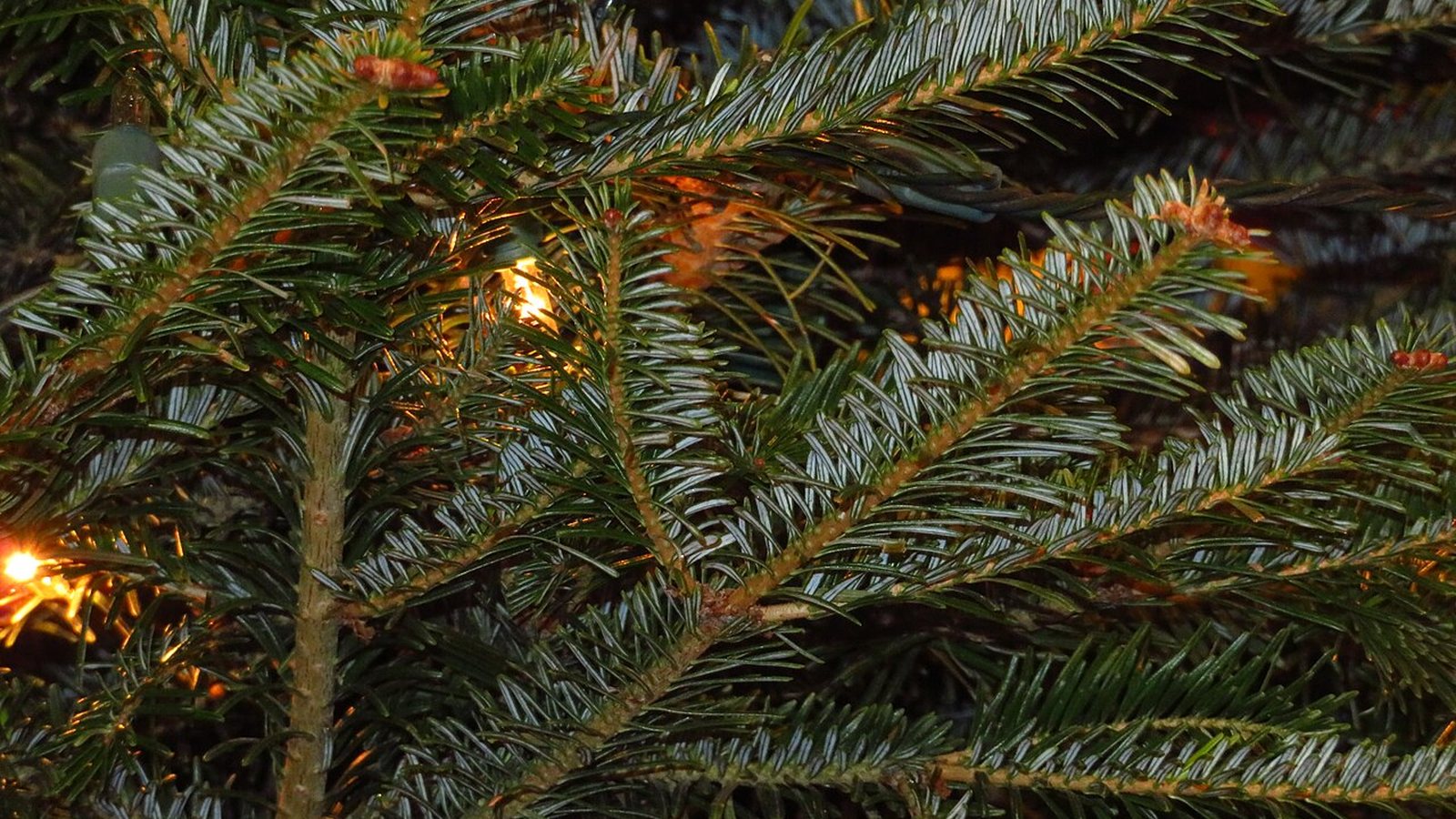 Photo: Trevor Webb · CC BY 4.0
A cut tree stays fresh in a stand that never runs dry, filled with plain water, in a cool spot away from heat. A living, rooted tree should stay indoors only days, not weeks, with a moist root ball. After New Year, plant it outside or keep it in a pot.
Key takeaways
- Decide first whether the tree is cut or rooted; they need opposite care.
- A cut tree needs a fresh trunk cut, a stand of about 1 quart per inch of stem diameter and daily checks; add nothing to the water.
- A living tree should ideally spend 4 to 5 days indoors, and the sources cap it between one week and 12 days.
- Acclimate a rooted tree outdoors before and after its indoor stay; keep the root ball moist, not soaked.
- After New Year, plant it outdoors or repot it each year; recycle a cut tree.
On this page8
- Cut tree or living tree: which one are you keeping alive?
- How do you keep a cut Christmas tree fresh?
- Do sugar, aspirin or bleach help a cut tree?
- How do you keep a living tree alive indoors?
- What do you do with a living tree after New Year?
- Which trees drop the fewest needles?
- Is a Christmas tree safe for pets?
- Quick checklist
Cut tree or living tree: which one are you keeping alive?
The advice for a live Christmas tree depends on one question: is it cut, or does it still have roots? A cut tree is a short-term decoration that you keep drinking. A living tree, in a pot or with a wrapped root ball, is a plant you must not keep indoors for long. In Türkiye the tree is often called a yılbaşı ağacı (New Year tree). This guide uses Penn State Extension, the Royal Horticultural Society (RHS) and Clemson Cooperative Extension. For plants to give or to keep pets safe, see Christmas plants to give and Christmas plants toxic to pets.
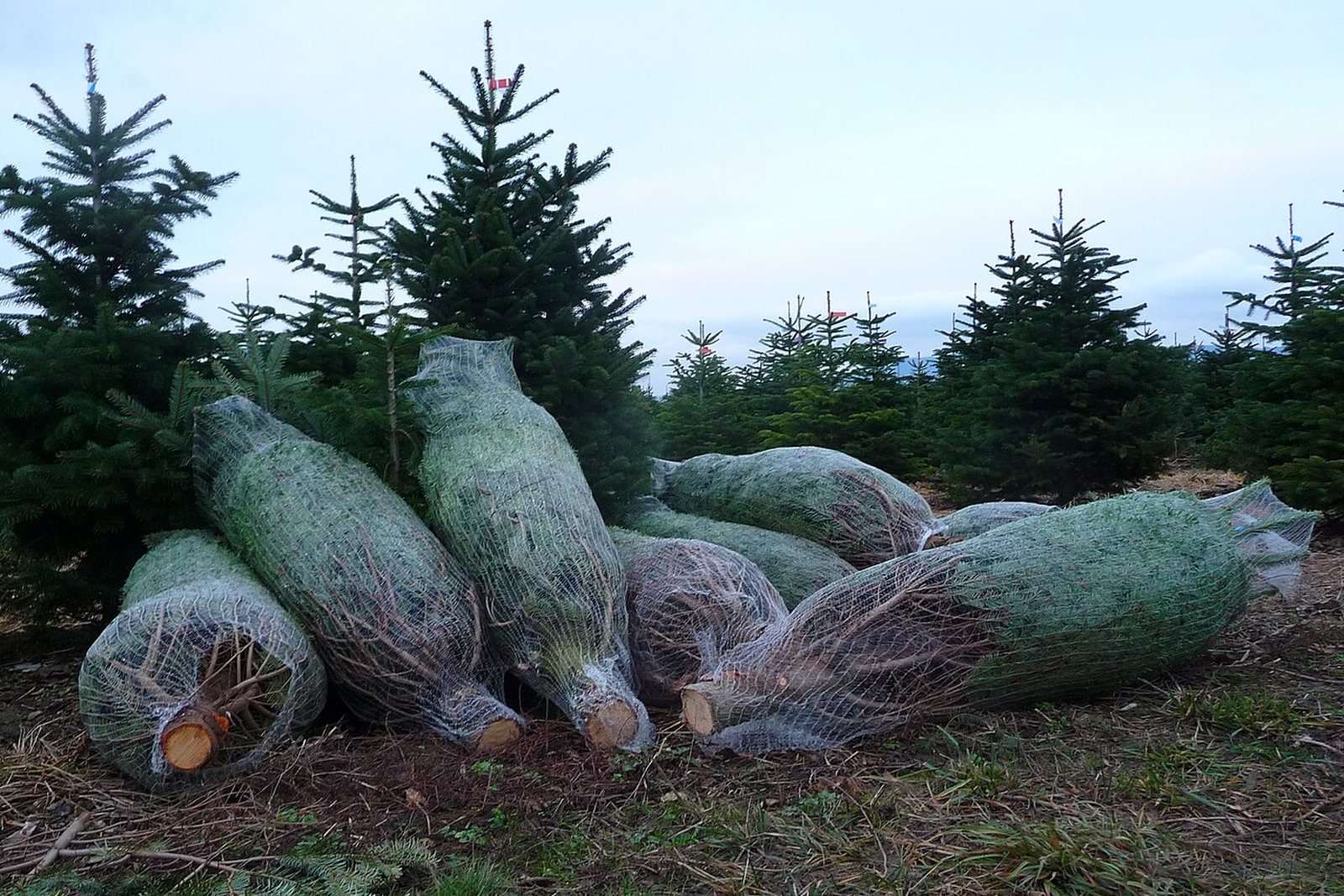
| Cut tree | Container tree | Balled and burlapped (B&B) tree | |
|---|---|---|---|
| What it is | Sawn at the base, sold dry | Usually a small tabletop tree in a pot | Large root ball wrapped in burlap or fabric |
| Indoors for | About four weeks with care (RHS) | 4 to 5 days ideal, no more than a week (Penn State) | Same, and acclimate outdoors first |
| Water | Stand filled daily | Check soil daily; moist, not standing in water | Check root ball daily indoors |
| After Christmas | Recycle or shred | Plant out if hardy, otherwise keep in pot | Must be planted outdoors |
How do you keep a cut Christmas tree fresh?
- Recut the trunk if needed. Penn State says a tree cut within the past 12 hours needs no recut; otherwise remove a disk about 6 mm (1/4 in) thick, cut straight across, not at an angle or into a V. The RHS suggests taking about 2.5 cm (1 in) off the base.
- Choose a big enough stand. Penn State says the basin should hold 1 quart of water per inch of stem diameter, which is about 1 litre per 2.5 cm, and at least 1 gallon (about 4 litres) for most trees. Do not whittle the trunk to fit.
- Never let it run dry. Keep the water above the base of the trunk and check daily, especially in the first week, when the tree drinks most.
- Keep it cool. Stand it away from fireplaces, heaters, heat vents and direct sunlight. The RHS adds that heat and radiators dry the tree and cause needle drop.
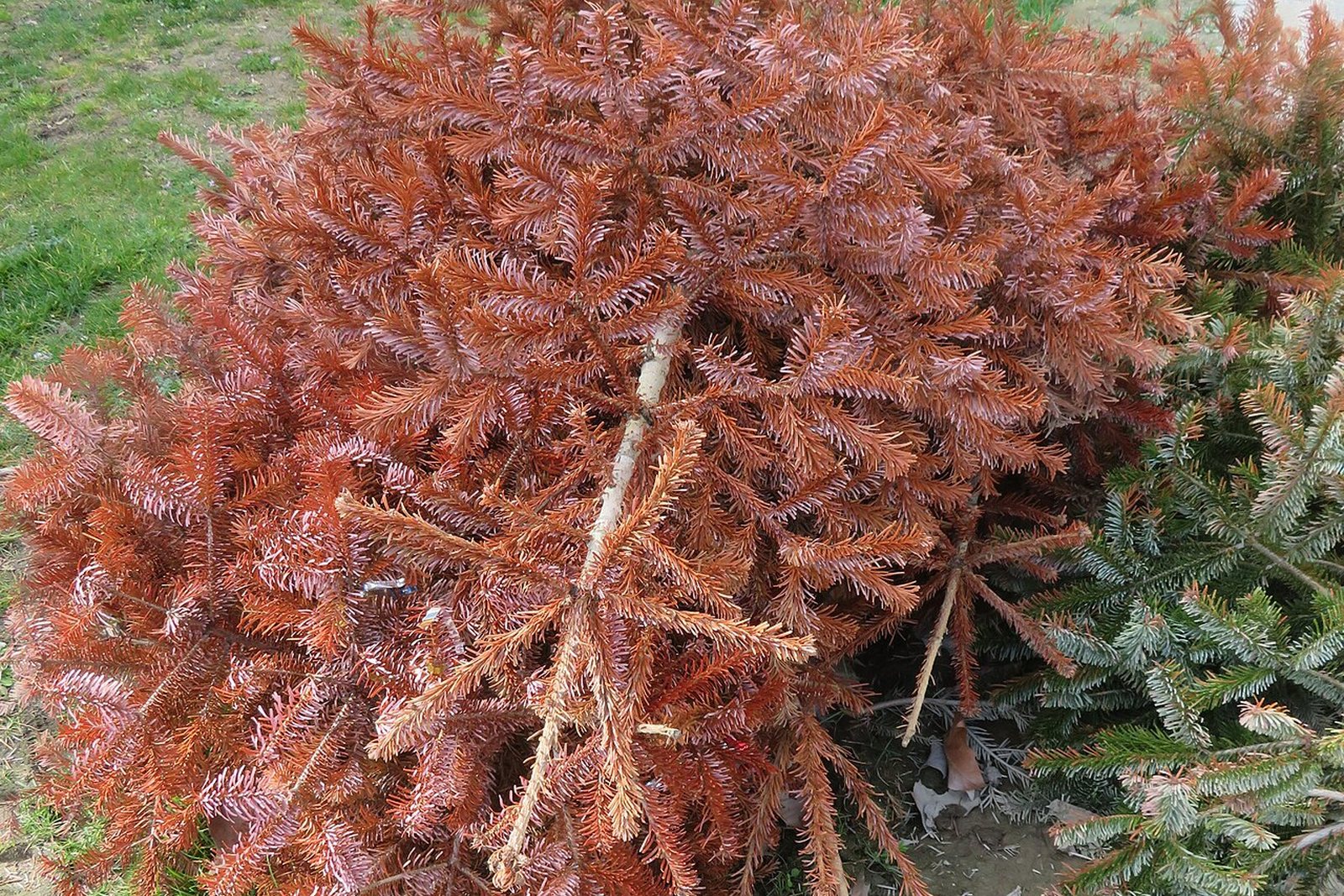
- Test the needles. If they feel dry and brittle or fall off easily, Penn State says the tree is too dry and should go.
If the tree must wait a couple of days before you put it up, Penn State says to keep the trunk in water in a cool, shaded spot such as an unheated garage.
Do sugar, aspirin or bleach help a cut tree?
No. This is the myth most worth sharing. Penn State says to use clean water only and not to add floral preservatives, commercial tree preservatives, sugar, honey, bleach, soft drinks or aspirin. It adds that drilling holes in the trunk, IV-style water devices, anti-transpirant sprays and water-holding gels do not help either, and that water temperature does not affect uptake. Plain water is also the safe choice if a dog or cat drinks from the stand.
How do you keep a living tree alive indoors?
Keep it inside for as short a time as you can. Sources give different limits, so take the shortest if you can. Penn State says 4 to 5 days is ideal and no more than a week, Clemson says no more than 7 to 10 days because longer periods can kill the tree, and the RHS says no more than 12 days and to move it back outside if it looks unhappy. The reason is that a living conifer wants its winter rest; a warm room tells it to wake up.
- Acclimate first. Penn State says to keep a balled and burlapped tree in a garage, shed or sheltered outdoor spot for 1 to 2 weeks before bringing it in. Container trees, often already kept indoors, can come straight in. The RHS says to bring a potted tree in as late as possible.
- Keep the root ball moist, not soaked. Container mixes dry quickly indoors, so Penn State says to check daily. Keep a B&B tree in a watertight tub with stones in the bottom so it does not sit in water.
- Pick a cool spot. Away from heat sources and direct sunlight.
- Use LED or low-temperature lights, not older incandescent bulbs, says Penn State.
What do you do with a living tree after New Year?
Move it back to an unheated, sheltered place first. Clemson says to return it to that area for several days before planting; Penn State says to adjust the time to the weather, shorter if unseasonably warm and longer if very cold. Then you have two options.
- Plant it. Penn State says to dig the hole before the ground freezes, make it 30 to 60 cm (1 to 2 ft) wider than the root ball, plant with the root flare level with or slightly above the ground, remove burlap, wire and twine, water well and mulch. Clemson says to plant as soon as possible rather than waiting for spring and not to fertilize until spring.
- Keep it in a pot. The RHS says to repot into a slightly larger pot each year until it is about 45 cm (18 in) across and deep, and warns that potted trees may survive only a few years.
If the ground is frozen, Penn State says to store the tree in an unheated place and plant in spring, or in a sheltered outdoor spot out of the wind with the root ball mulched. In Türkiye that matters: coastal Aegean and Mediterranean gardens rarely freeze hard, while the ground in inland and eastern Anatolia can be frozen solid by January, so prepare the planting hole early or plan to pot it on. In the southern hemisphere Christmas falls in summer, so the same principles hold, with short indoor time and a cool room, but this guide found no source for local timing, so ask your nearest nursery.
Which trees drop the fewest needles?
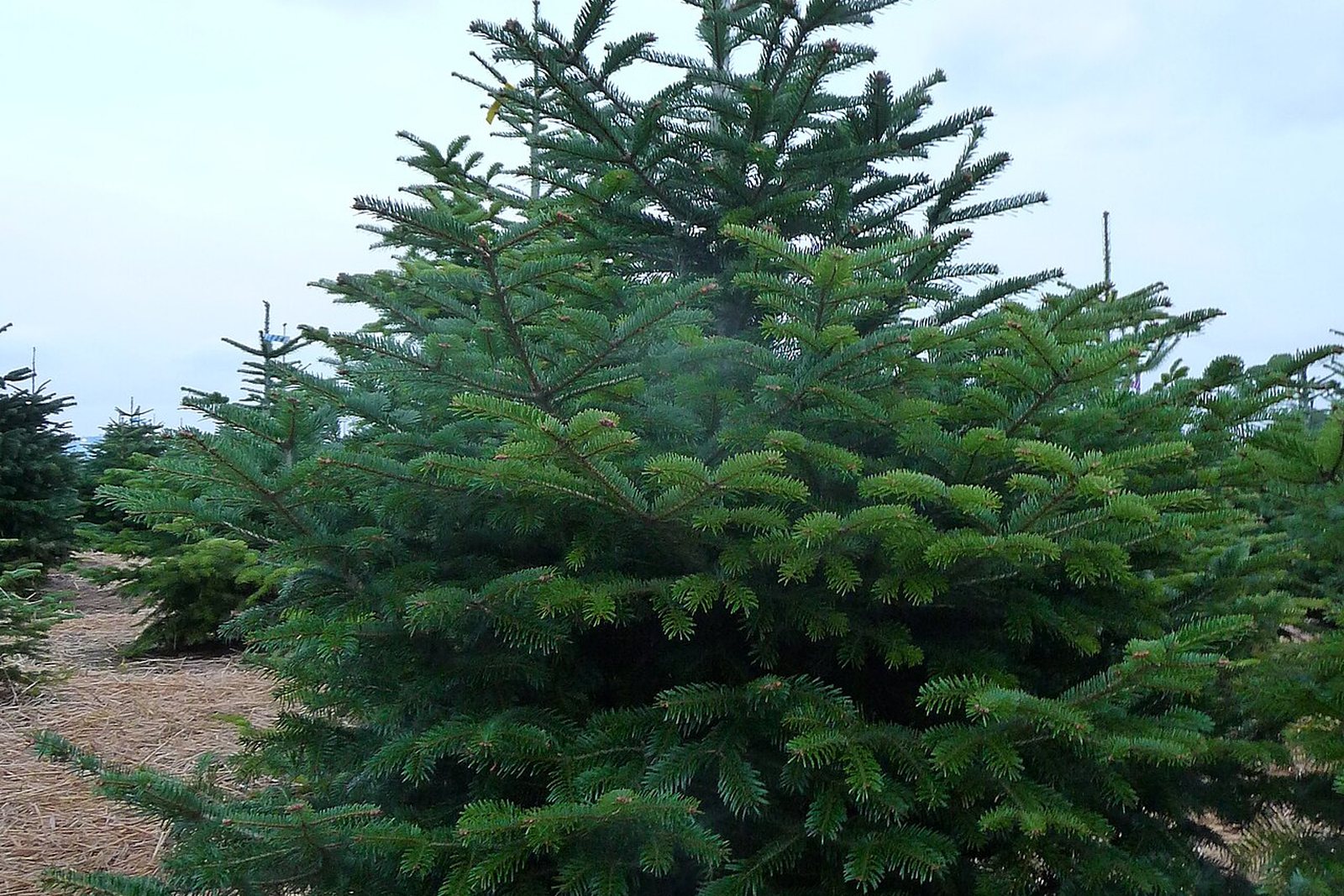
The RHS lists Nordmann fir (Abies nordmanniana) as dark green and very slow to drop needles, Korean fir (Abies koreana) as excellent at keeping them, and Fraser fir (Abies fraseri) as good, with a pine scent. Norway spruce (Picea abies) smells good but drops needles quickly, and blue spruce (Picea pungens) holds them better but is prickly. For a year-round pot, the RHS also names Norfolk Island pine (Araucaria heterophylla), grown as a houseplant. More winter conifers are in evergreen plants for winter gardens.
Is a Christmas tree safe for pets?
The ASPCA says that eating any plant material may cause vomiting and an upset stomach in dogs and cats, and it advises calling your vet or the ASPCA Animal Poison Control Center on (888) 426-4435 if a pet eats part of a tree. The ASPCA entry for Christmas trees could not be opened for this guide, so check it before you rely on a particular species. Sweep up needles, use only clean water in the stand and keep cables out of reach. If a child swallows needles or a decoration, call UZEM (Ulusal Zehir Danışma Merkezi) on 114 in Türkiye.
Quick checklist
- Cut tree: fresh cut, big stand, plain water, check daily, away from heat.
- Living tree: acclimate outdoors, indoors for days not weeks, moist root ball, LED lights.
- After New Year: shred or recycle a cut tree; plant a living tree once it has readjusted outside.
Flori can identify a potted conifer from a photo and show its care profile if the label has gone missing. For other plants that stay green in winter, browse our winter balcony plants.
Frequently asked questions
How long can a living Christmas tree stay indoors?
As briefly as possible. Penn State says 4 to 5 days is ideal and no more than a week, Clemson says 7 to 10 days, and the RHS says up to 12 days. Longer stays can kill it.
Should I add sugar or aspirin to the tree water?
No. Penn State says to use clean water only. Preservatives, sugar, bleach, aspirin and water-holding gels do not help a cut tree.
How much water does a cut Christmas tree need?
Penn State says the stand should hold 1 quart per inch of stem diameter, at least 1 gallon for most trees. Check it daily, especially in the first week.
What do I do with a potted Christmas tree after New Year?
Return it to an unheated, sheltered place for a few days, then plant it out if it is hardy. If the ground is frozen, keep it sheltered and plant in spring, or repot it.
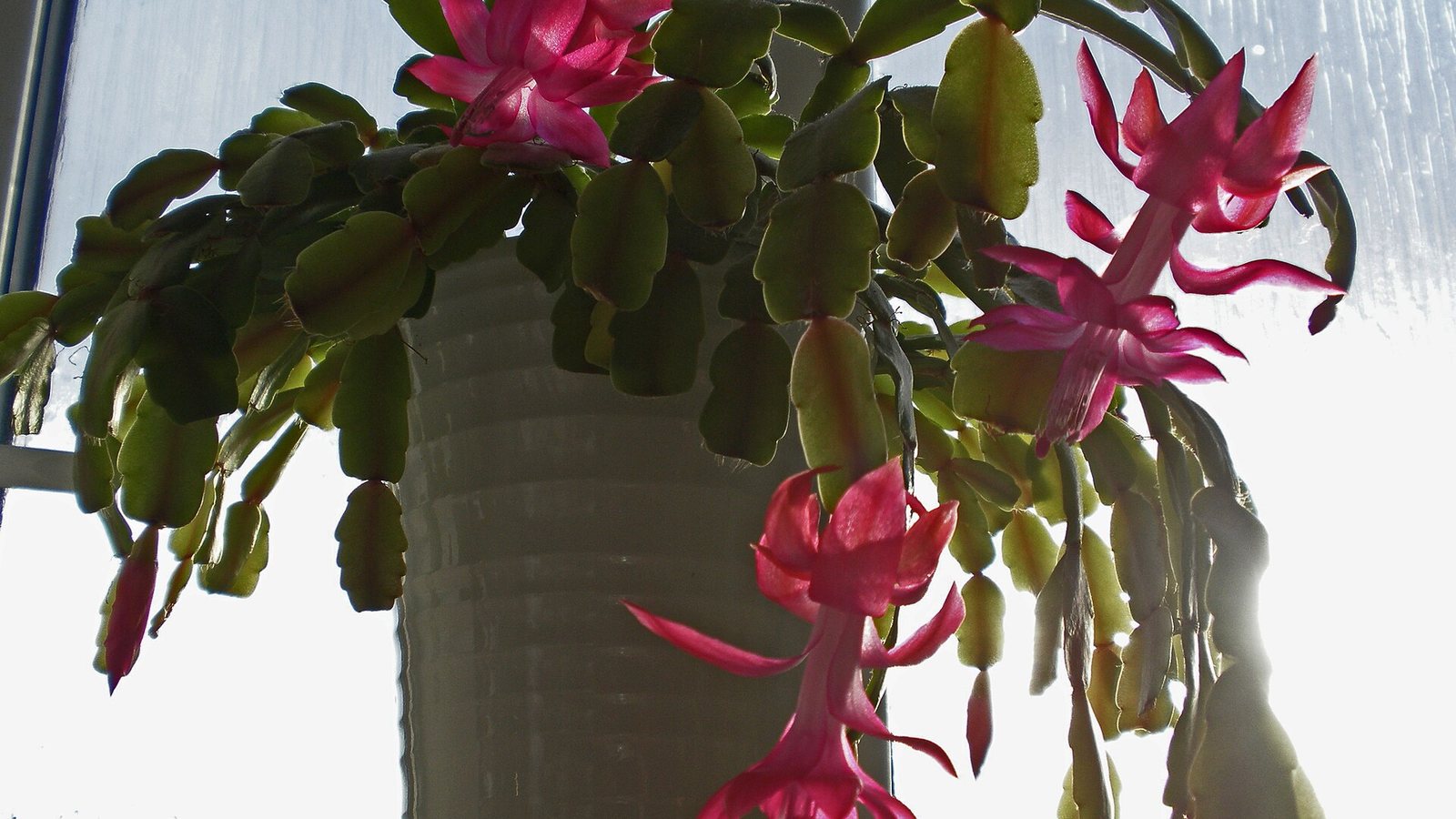
The best Christmas and New Year gift plants, with the room temperature each needs and which are safe for cats and dogs, for both hemispheres.
Sources
Written and fact-checked by the Flori team. Every guide cites horticultural sources such as the RHS, university extension services and the ASPCA, and is updated when the advice changes. How we write our guides
General plant care information. Plants vary; when a plant is valuable or a problem spreads quickly, consult a local nursery or plant specialist.