What to Plant in November in the Southern Hemisphere
November is late spring in the south: plant tomatoes, courgettes, beans and sweetcorn after frost, and shield new plants from heat with deep watering.
 By Flori editorial team · Updated
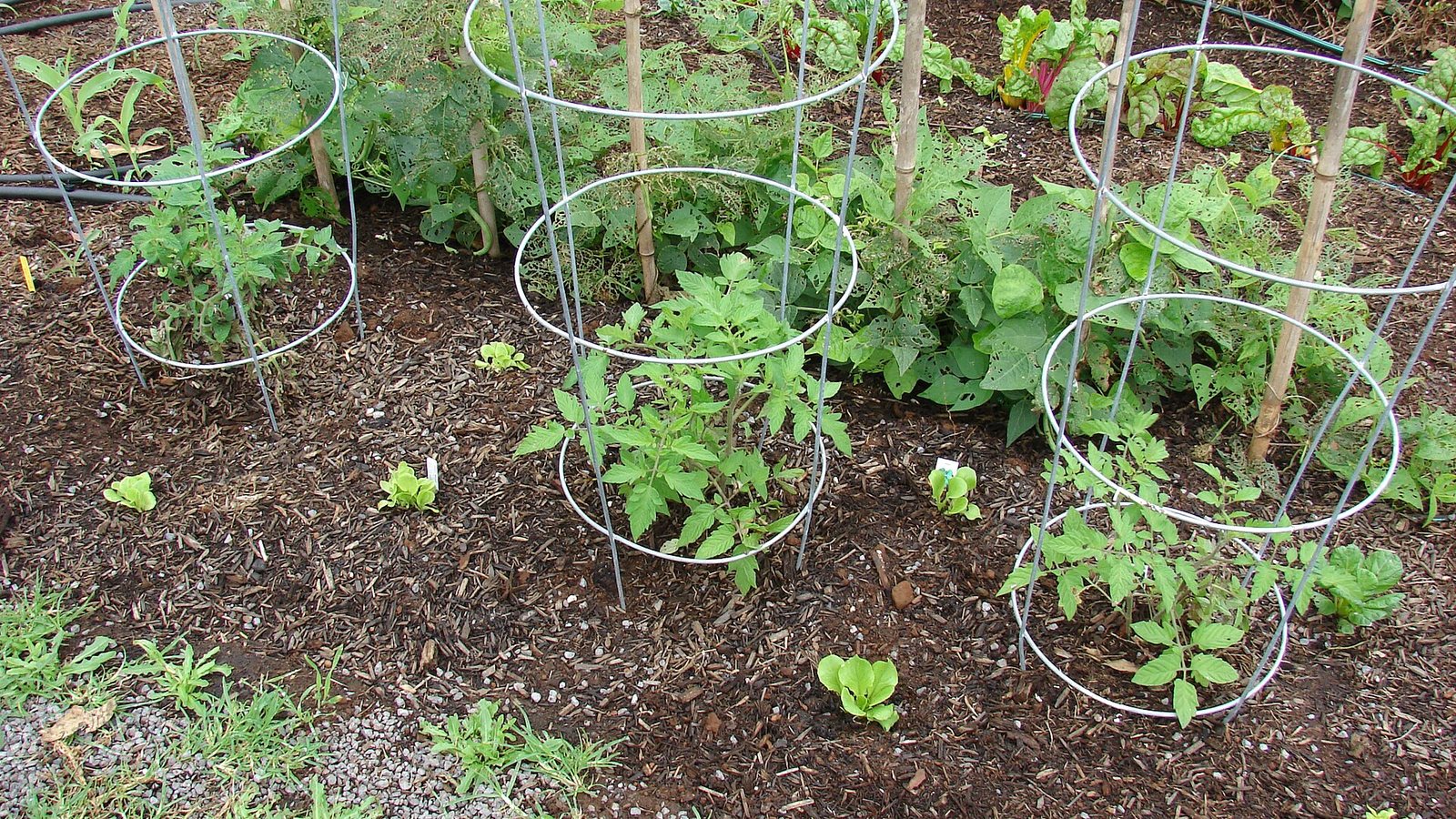 Photo: Forest and Kim Starr · CC BY 3.0 us
In the Southern Hemisphere, November is late spring, so plant warm-season crops once frost has passed: tomatoes above 16 °C (60 °F), courgettes, beans, cucumbers, pumpkins, sweetcorn and basil. Harden seedlings off for 10 to 14 days, water deeply and early, and mulch 5–7.5 cm (2–3 in). Tomato plants are toxic to cats and dogs.
Key takeaways
- November in the south roughly matches May in the north: plant out tomatoes, courgettes and pumpkins once frost risk has passed.
- Plant tomatoes only when temperatures are reliably above 16 °C (60 °F), and harden seedlings off for 10 to 14 days first.
- Courgettes need at least 90 cm (3 ft) between plants; sweetcorn goes in a grid, not a single row, for pollination.
- In heat, soak deeply and early in the morning, and mulch at least 5 cm (2 in) deep, keeping it off woody stems.
- The ASPCA lists tomato plants as toxic to cats and dogs, while basil and zucchini are non-toxic.
On this page8
- What can you plant in November in the Southern Hemisphere?
- Is it safe to plant out yet? Check frost and temperature first
- What to plant in November at a glance
- What is the planting-day checklist?
- How do you plant tomatoes in a Southern Hemisphere spring?
- Courgettes, squash and sweetcorn: planning for space
- How do you protect new plants from the heat?
- Which plants should you leave until autumn?
What can you plant in November in the Southern Hemisphere?
In Sydney, Cape Town, Auckland, Buenos Aires or Santiago, November is late spring heading into summer, which makes it the main month for warm-season crops: tomatoes, courgettes (zucchini), beans, cucumbers, pumpkins, sweetcorn and basil. Most November planting guides assume the Northern Hemisphere, where the same month means frost and tulip bulbs. This one is written for the south: it gives the planting rules from the Royal Horticultural Society (RHS), shifted six months, and then adds what heat does to new plants. If you live north of the equator, see our what to plant in November guide instead.
Is it safe to plant out yet? Check frost and temperature first
The seasons are reversed, so November in the south roughly matches May in the north, and the RHS May job list is a useful guide: plant out tomatoes, courgettes and pumpkins that were started under cover once the risk of frost has passed, and sow French beans, runner beans, squash, cucumbers and pumpkins directly outdoors, keeping cloches or fleece ready for late frosts. Treat this as an approximation, because climate differs widely across the hemisphere. A warm coastal garden and a frosty inland valley can be a month or more apart. Two numbers from the RHS tomato guide help you decide:
- Plant tomatoes out only when temperatures are reliably above 16 °C (60 °F).
- Harden plants off first. The RHS says to acclimatise young plants to outdoor conditions for 10 to 14 days before planting out.
If your local last-frost date has passed and nights are mild, you are ready. If not, keep seedlings on a bright windowsill and wait a week or two.
What to plant in November at a glance
| Crop | How to start | Space it | Watch out for | Cats and dogs (ASPCA) |
|---|---|---|---|---|
| Tomatoes | Plant out seedlings above 16 °C (60 °F) | 45–60 cm (18–24 in) in the ground; one per 30–45 cm (12–18 in) pot | Uneven watering splits fruit or causes blossom end rot | Plant toxic (solanine); ripe fruit non-toxic |
| Courgettes (zucchini) | Plant out after the last frost, or sow outdoors 2.5 cm (1 in) deep | At least 90 cm (3 ft) apart; container at least 45 cm (18 in) wide | Dry soil while fruiting | Non-toxic |
| French and runner beans, cucumbers, squash, pumpkins | Sow outdoors, with fleece ready for late frosts | Follow the seed packet | Slugs on seedlings | Check each plant on the ASPCA list |
| Sweetcorn | Sow outdoors, two seeds per hole | In a grid, not a single row, so wind pollination works | Dry spells at flowering | Check on the ASPCA list |
| Basil | Plant out only when nights are consistently warm | In a pot, a few plants together | Cold nights and wet roots | Non-toxic |
Sources: RHS grow-your-own guides and its May job list for timing and spacing; ASPCA for pets. For beans, cucumbers and sweetcorn, read the seed packet for spacing, and check each plant on the ASPCA list if you have pets. Our pet-safe plants guide is a good starting point for the indoor side.
What is the planting-day checklist?
- Have the seedlings been hardened off for at least 10 to 14 days?
- Are nights reliably warm enough, above 16 °C (60 °F) for tomatoes?
- Has each plant got its space: 45–60 cm (18–24 in) for tomatoes, 90 cm (3 ft) for courgettes?
- Have you watered well after planting and mulched the soil?
- Is there a plan for slugs on seedlings: hand removal, traps, biological controls or natural predators, as the RHS suggests?
If you can tick every box, plant. If not, fixing the missing one usually costs a week or two of waiting.
How do you plant tomatoes in a Southern Hemisphere spring?
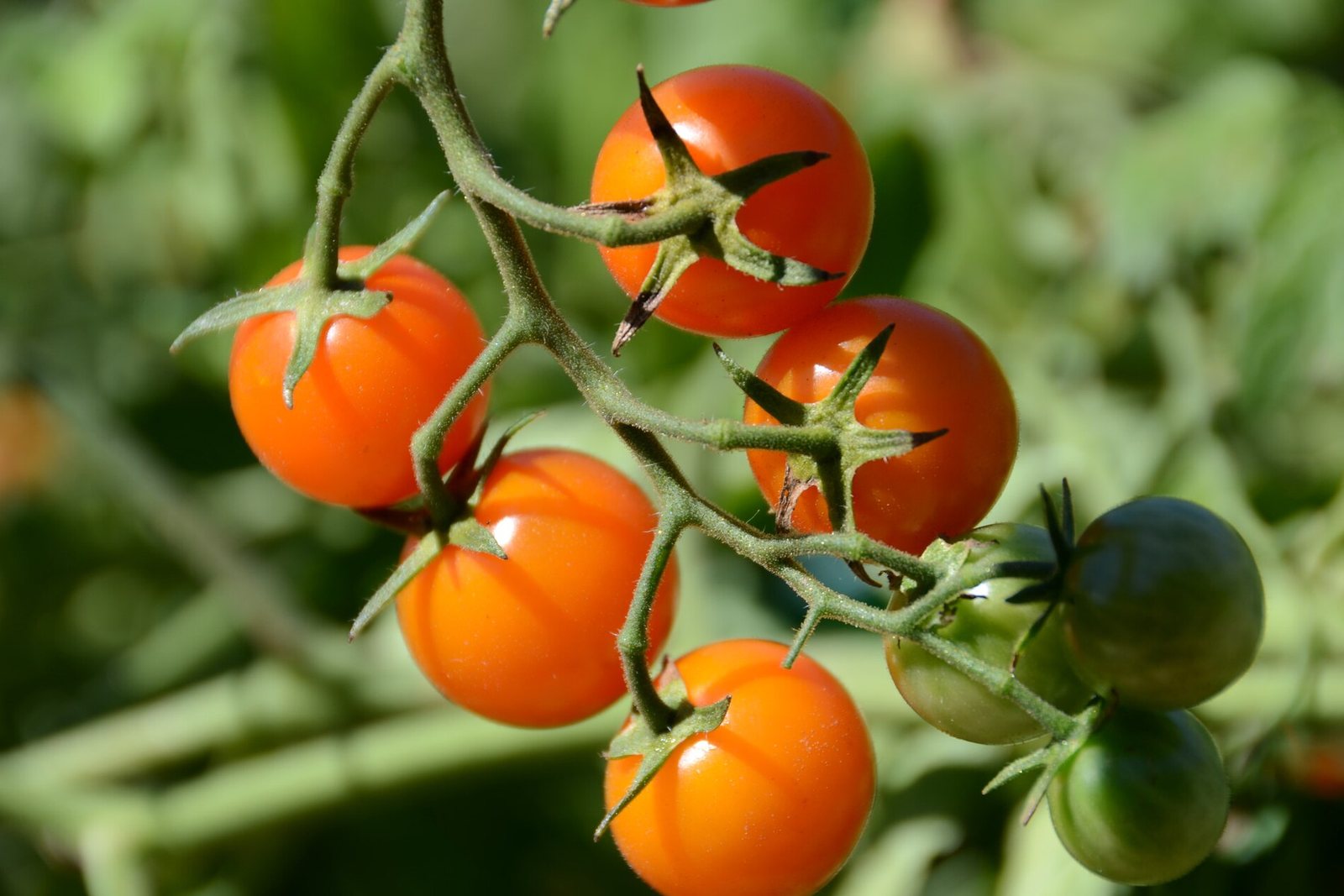
The RHS says to harden off first and plant out above 16 °C (60 °F). Give each plant 45–60 cm (18–24 in) in the ground, or a 30–45 cm (12–18 in) pot. Water regularly to keep the soil evenly moist, since fluctuating moisture can cause fruit to split or blossom end rot, and container plants may need watering daily in hot weather. Once the first fruits start to swell, container plants benefit from a high-potassium liquid feed every 10 to 14 days. The ASPCA lists the tomato plant as toxic to dogs and cats, with drooling, stomach upset and weakness among the signs, so keep pets away from the leaves and stems; ripe fruit is non-toxic.
Courgettes, squash and sweetcorn: planning for space
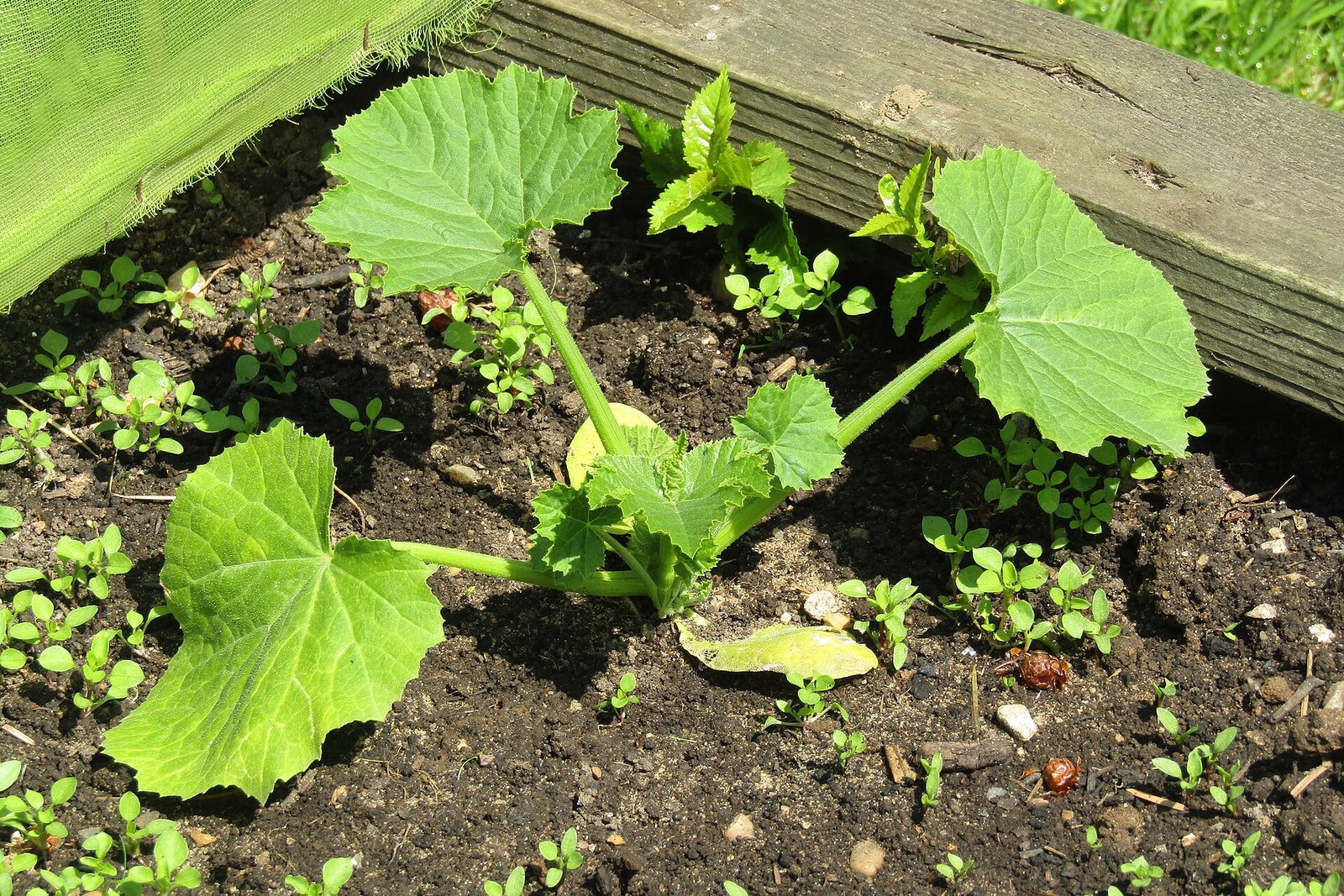
These crops need room. The RHS says courgettes need at least 90 cm (3 ft) between plants, about a square metre each, and a container at least 45 cm (18 in) wide for a compact variety. Water at the base rather than over the leaves, and the RHS suggests sinking a 15 cm (6 in) pot next to the plant to send water straight to the roots. Plant sweetcorn in a block or grid, because the RHS says this improves wind pollination, and water more during dry spells when flowering starts and when cobs begin to swell. If you are not sure whether your garden has space, a few containers on a sunny patio will hold a tomato and a courgette.
How do you protect new plants from the heat?
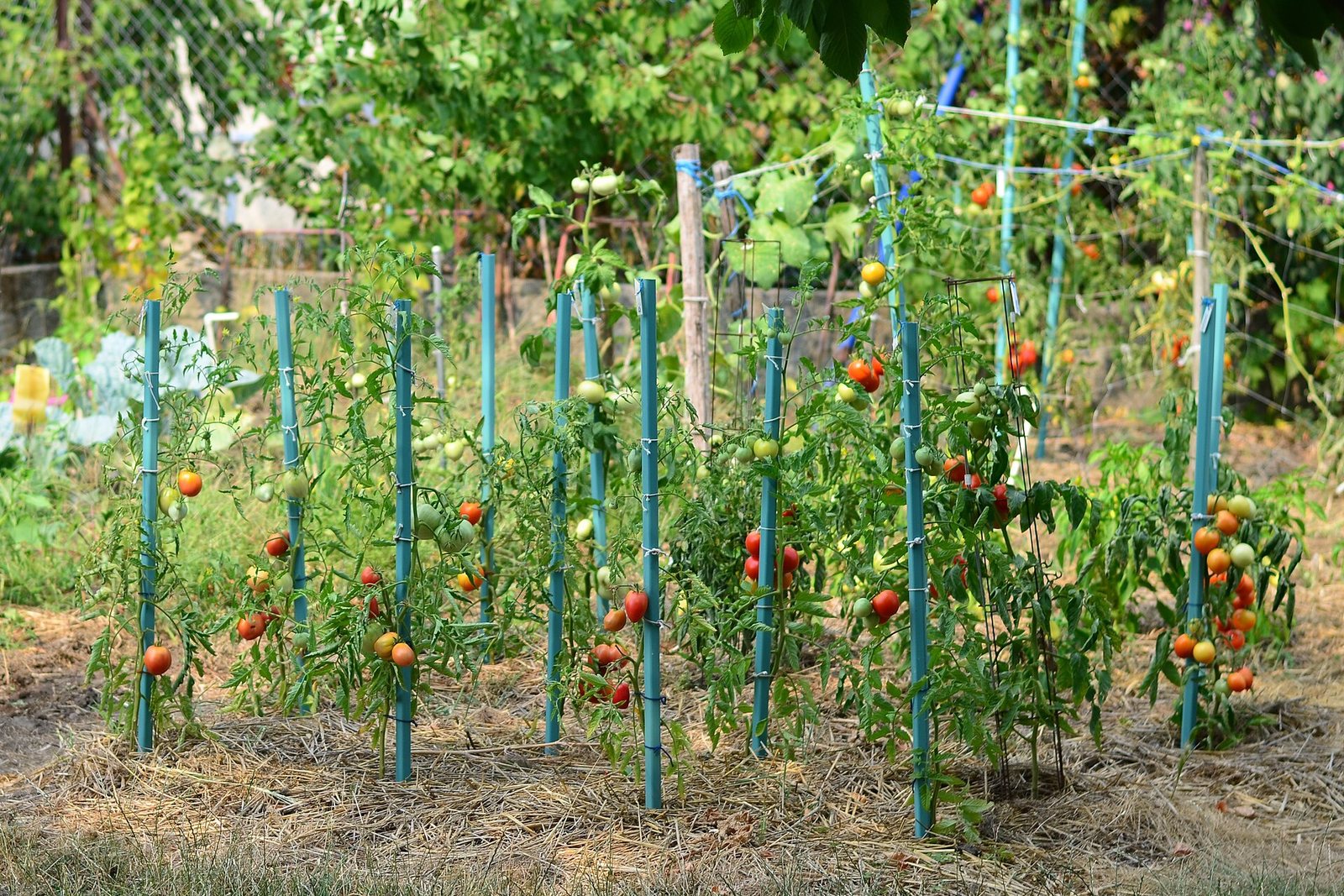
November warmth can turn into a heatwave, and new plants have small roots. Three RHS rules cover most of it:
- Soak deeply, not little and often. The RHS says deep, occasional watering encourages deep roots and drought-tolerant plants, and recommends checking soil moisture with a trowel or your finger instead of a fixed schedule. Water newly planted perennials until the soil is evenly moist to about 15 cm (6 in).
- Water early. Early morning is best because less evaporates. Evening works, but leaves that stay damp overnight can encourage fungus, and midday watering mostly evaporates.
- Mulch. The RHS says mulch helps soil retain moisture and suppresses weeds, and to apply at least 5 cm (2 in), ideally 7.5 cm (3 in), over moist soil, keeping it clear of the stems of woody plants.
Pots dry out faster than beds. Move them out of the afternoon sun during a heat spike, and see how indoor plants cope in hot weather in houseplants in summer heat.
Which plants should you leave until autumn?
The bulbs, garlic and broad beans in the Northern Hemisphere guide belong to your autumn, which in the south is roughly March to May. Planting them now is too warm. For a year-round overview, use the seasonal plant care calendar, which names both hemispheres.
If you grow on a balcony or in pots, Flori's care reminders can prompt you to water and check your plants as the weather warms, and its plant library shows the care profile for each plant you add.
Frequently asked questions
What vegetables can I plant in November in Australia or South Africa?
Warm-season crops such as tomatoes, courgettes (zucchini), beans, cucumbers, pumpkins, sweetcorn and basil, once frost risk has passed. Check your own last-frost date, since climates vary widely.
Is November too late to plant tomatoes in the Southern Hemisphere?
No. November is a prime time for planting out tomatoes, as long as temperatures are reliably above 16 °C (60 °F) and you have hardened the seedlings off first.
How do I stop new plants drying out in a heatwave?
Soak deeply and less often rather than little and often, water in the early morning, and apply a mulch at least 5 cm (2 in) thick over moist soil, keeping it off woody stems.
Are tomato plants safe for cats and dogs?
No. The ASPCA lists the tomato plant as toxic to dogs and cats because of solanine, although ripe fruit is non-toxic. Keep pets away from the leaves and stems.

In November you can still plant tulip bulbs, garlic, broad beans, fruit trees and a pot of chives, if the soil is not frozen or waterlogged. Here's how.
Sources
Written and fact-checked by the Flori team. Every guide cites horticultural sources such as the RHS, university extension services and the ASPCA, and is updated when the advice changes. How we write our guides
General plant care information. Plants vary; when a plant is valuable or a problem spreads quickly, consult a local nursery or plant specialist.