Summer Heat: How to Protect Your Houseplants
Protect houseplants in summer heat: a symptom, cause and fix table, which plants can stay on a hot sunny sill, watering in a heatwave and moving pots outdoors.
 By Flori editorial team · Updated
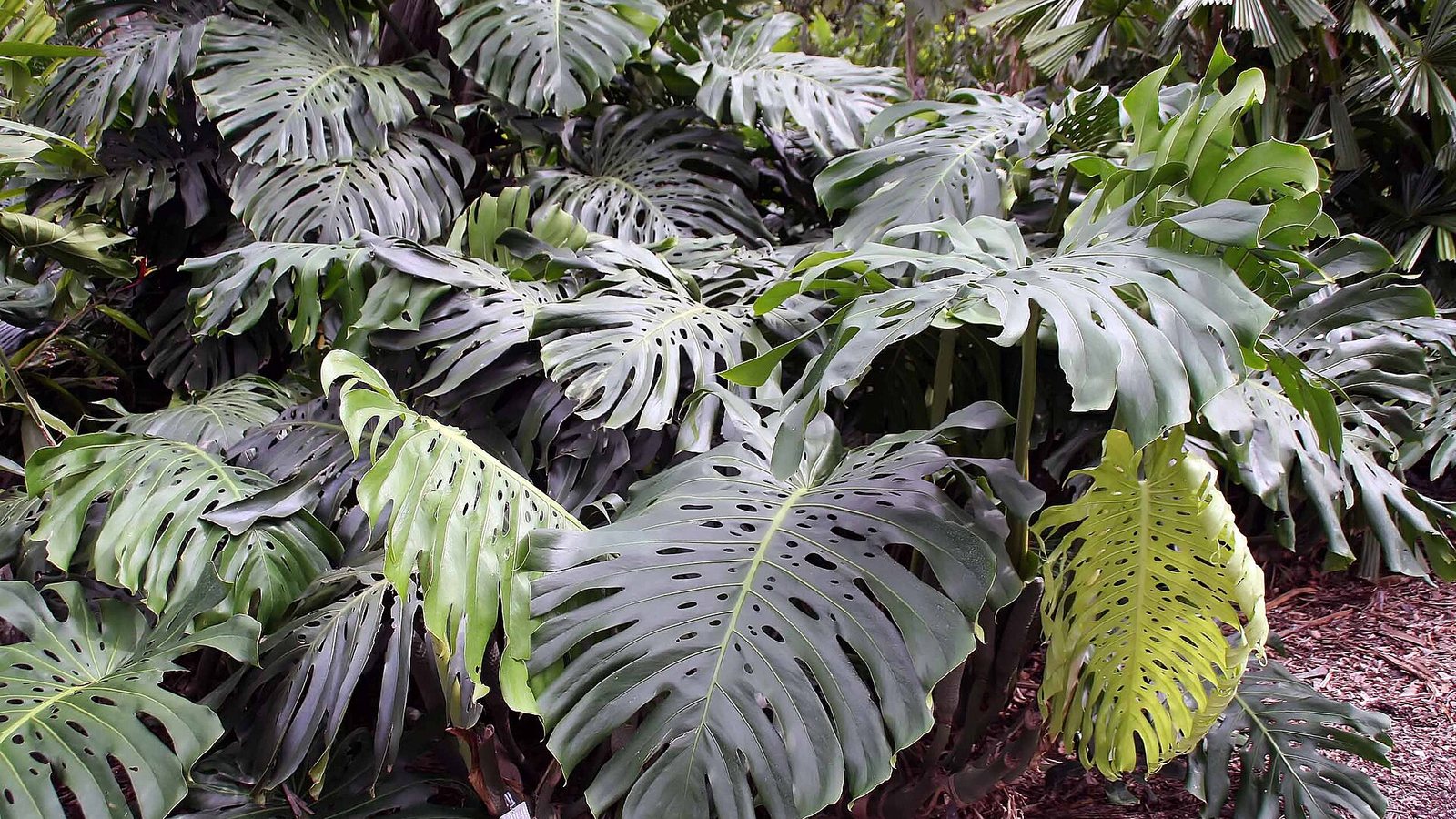
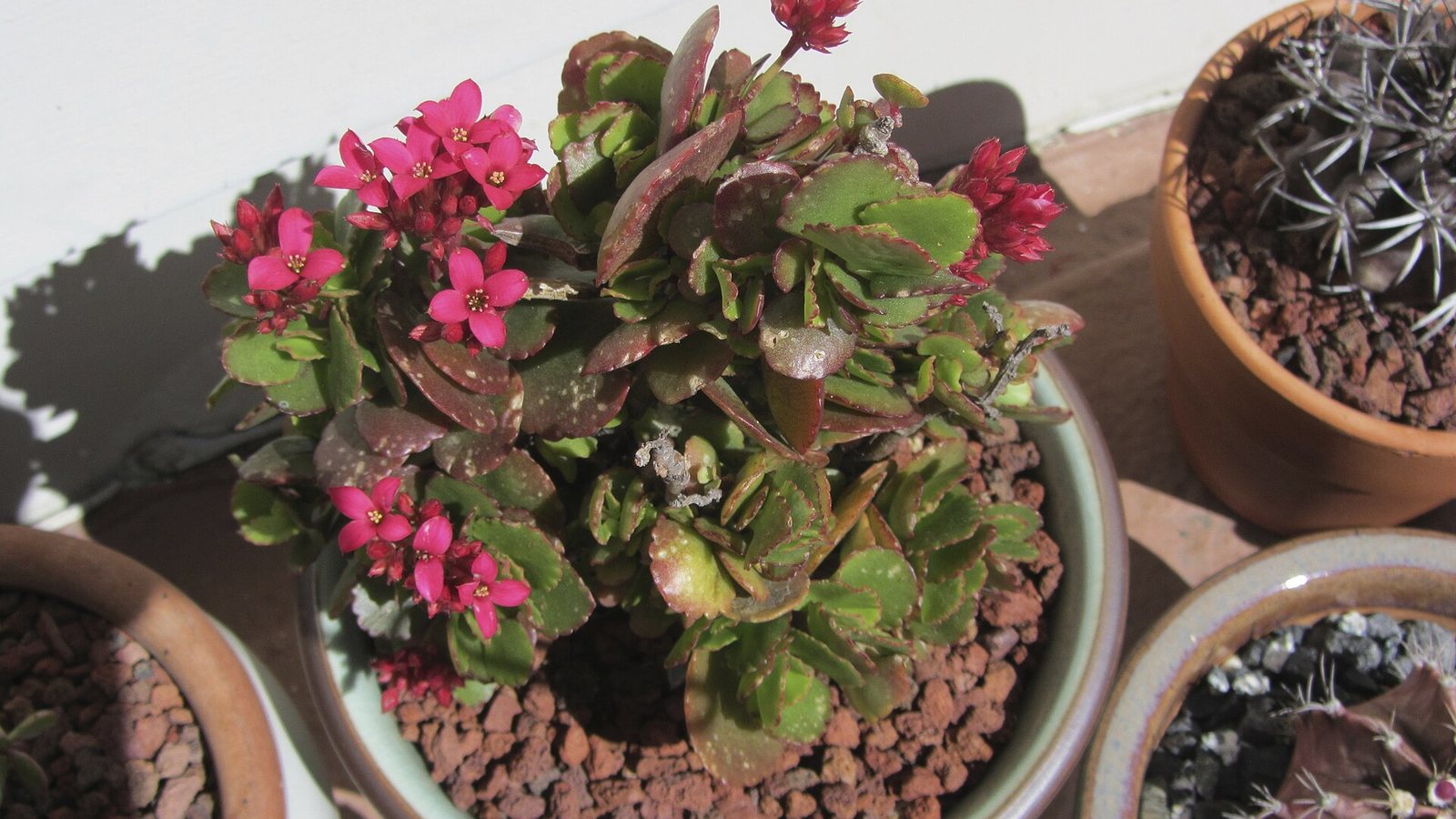 Photo: Akos Kokai · CC BY 2.0
Protect houseplants in summer heat by moving them back from hot, sunny glass, checking the soil more often, and watering thoroughly in the morning or evening when it is dry. Most houseplants prefer 18–24 °C (65–75 °F) by day. Hold off on fertiliser while plants are stressed, and give pots moved outdoors shade first.
Key takeaways
- Most houseplants grow best at 18–24 °C (65–75 °F) by day and 16–18 °C (60–65 °F) at night.
- The hottest spots are right behind sunny glass and pots standing on paving or next to sun-baked walls.
- Only desert plants such as cacti, aloes and echeverias are at home on a baking sunny windowsill.
- In summer pots dry out faster: check more often, water thoroughly in the morning or evening, and skip fertiliser during heat stress.
- Plants moved outdoors need full shade first and 10–14 days to adjust before any direct sun.
On this page8
- How do you protect houseplants in summer heat?
- How hot is too hot for houseplants?
- Signs of heat stress: symptom, cause and fix
- Which plants can stay on a hot windowsill?
- How should you water houseplants in a heatwave?
- Air conditioning, fans and dry air
- Moving houseplants outdoors for the summer
- Heatwave checklist
How do you protect houseplants in summer heat?
Summer heat is hard on houseplants in a different way from winter cold. The room gets warmer than most of them like, the sun through the glass gets stronger, and pots dry out in days rather than weeks. Whether your summer runs from December to February in the Southern Hemisphere or from June to August in the Northern, the fixes are the same. This guide gives you a heat symptom, cause and fix table, a plant-by-plant view of who can stay on a hot windowsill and who should move, and the short checklist that matters most during a heatwave.
How hot is too hot for houseplants?
Most houseplants come from the tropics and subtropics, but that does not mean they enjoy heat. Iowa State University Extension says most houseplants grow well with daytime temperatures of 18–24 °C (65–75 °F) and nights of 16–18 °C (60–65 °F), and advises keeping them away from radiators and hot air vents. A room that sits well above that range for days, or a sill that bakes in afternoon sun, pushes many plants past their comfort zone.
There is no single upper limit that applies to every houseplant. For outdoor trees and shrubs, Rutgers Cooperative Extension notes that heat stress can begin once temperatures exceed 29 °C (85 °F). Treat that as a signal to start checking your plants more often, not as a hard line.
Two places get much hotter than the room thermometer suggests: the strip directly behind a sunny window, and pots standing on a balcony floor, a terrace or next to a wall that soaks up the sun. Rutgers advises extra water for plantings next to driveways, concrete patios and other surfaces that absorb and radiate heat.
Signs of heat stress: symptom, cause and fix
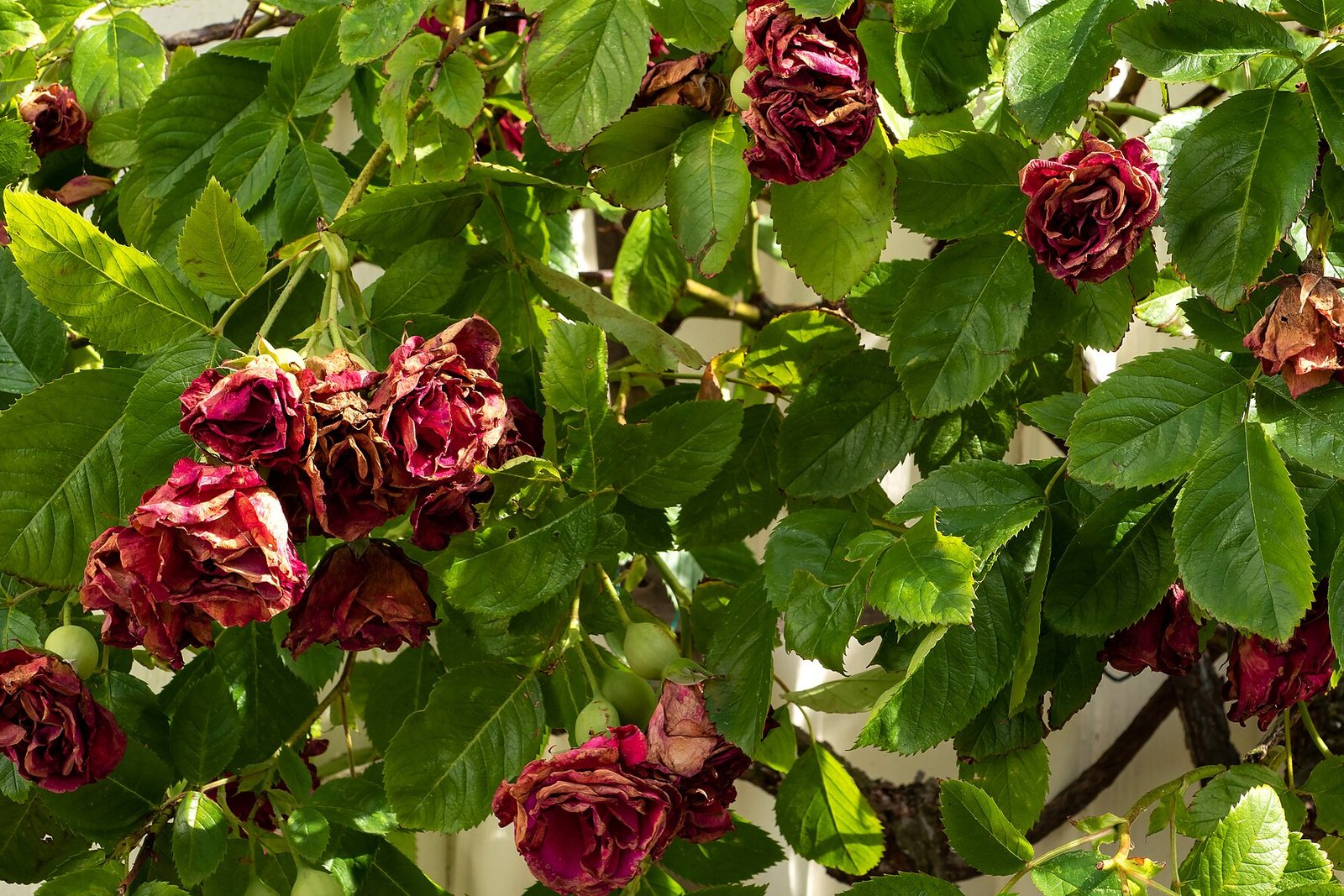
Rutgers lists the typical effects of heat stress as leaf scorch, curled leaves, discoloured leaves, leaf drop, dieback and temporary wilting. Not every summer symptom is heat, though, so check the soil before you act.
| What you see | Likely cause | What to do first |
|---|---|---|
| Leaves droop in the afternoon and recover by evening; soil still moist | Temporary wilting in heat | Do not water again; move the plant out of the hottest light |
| Wilting, light pot, mix shrinking from the sides | The mix dried out | Water thoroughly until it drains, then check more often |
| Yellow or white patches on the side facing the window, later turning brown | Sun scorch | Move the plant back from the glass or to an east or west window |
| Curled leaves, discoloured edges, leaves dropping | Heat stress | Find a cooler spot with bright but indirect light; keep watering steady |
| Crisp brown leaf tips | Dry air, uneven watering or salts | See our guide to brown leaf tips |
| Wilting while the soil is wet | Root problems, not heat | Do not water; read our guide to a drooping plant |
Which plants can stay on a hot windowsill?
The sunniest window faces south in the Northern Hemisphere and north in the Southern. The Royal Horticultural Society (RHS) describes this as a baking hot windowsill where only a select group of houseplants is at home all year round, and says to think of desert plants rather than rainforest ones. East- or west-facing sills, which get plenty of light without being baked all day, are ideal for most other houseplants.
| Plant group | Hot, sunny sill in summer? | What to do |
|---|---|---|
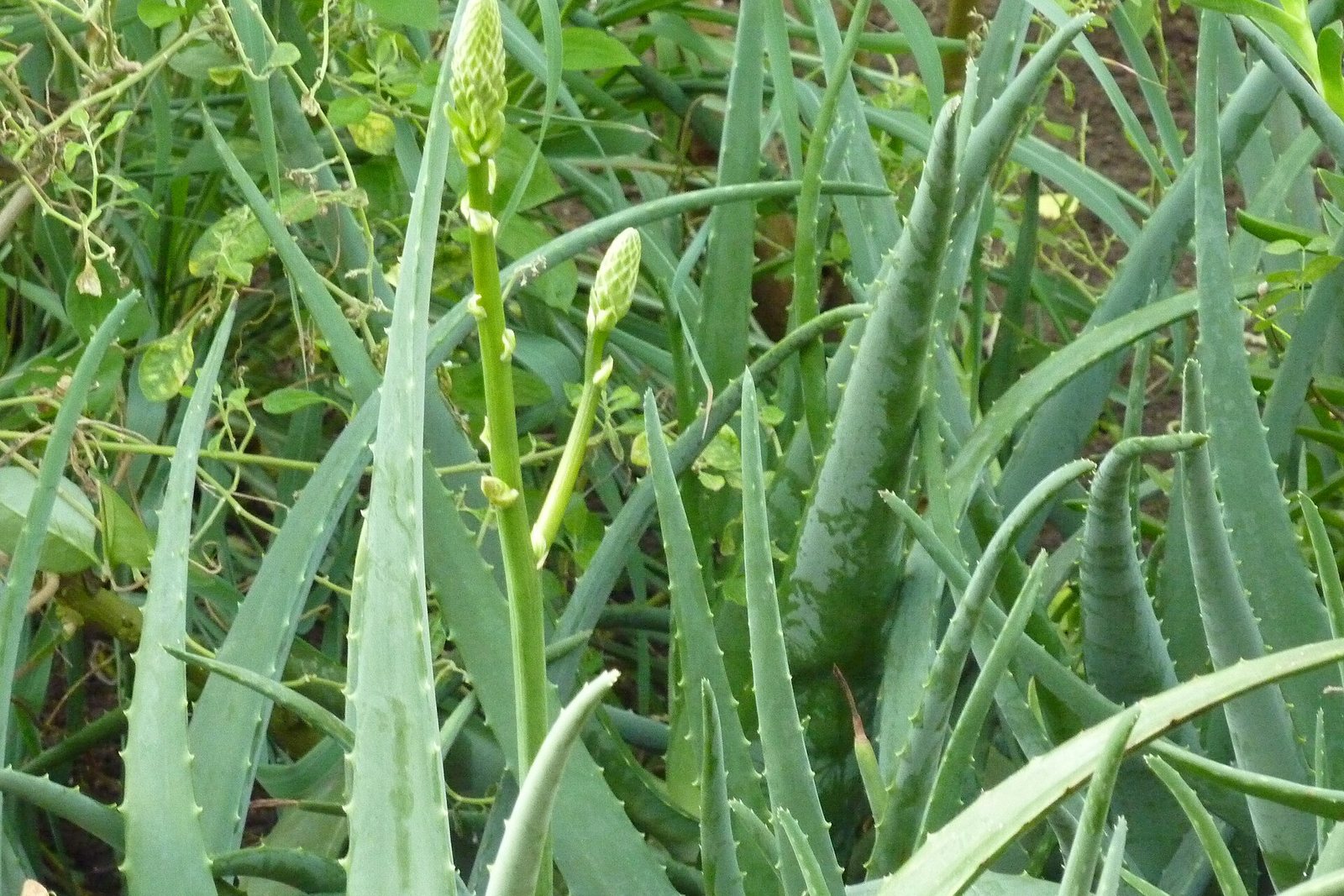
| Cacti, aloes, echeverias, kalanchoes | Yes: the RHS names these desert plants for hot, dry sills | Water only when the mix has fully dried out and never leave them standing in water |
| Ferns, calatheas and other thin-leaved plants | No: the RHS says to keep them out of sunny spots | Move them to an east or west window, or well back into the room |
| Typical leafy plants such as pothos, monstera and philodendron | Not in strong afternoon sun | Bright light, but away from the hottest glass in the afternoon |
Even desert plants can scorch if you move them suddenly from a dim corner into full sun, so make any change of position gradual. If sunny sills are where your plants have to live, the RHS suggests glazed or plastic pots, which dry out more slowly in hot weather than unglazed terracotta.
How should you water houseplants in a heatwave?
The RHS notes that in summer, with higher temperatures, plants are more active and dry out faster, and it still advises checking that a pot needs water before you pour. In practice that means checking more often, not watering on autopilot. Feel the mix a couple of centimetres (about 1 in) down and lift the pot: a dry pot is clearly lighter.
- Water in the morning or evening. Rutgers recommends watering thoroughly in the early morning or evening, before the hottest part of the day.
- Water deeply, then drain. Let water run out of the drainage holes and empty the saucer, so roots get air as well as water.
- Skip the fertiliser. Rutgers advises avoiding fertilising during periods of heat stress. Feed again once the plant looks settled.
- Expect the rhythm to change. A pot that lasted a week in spring may need water every few days in a heatwave. Our guide on how often to water houseplants explains what sets the pace.
If your watering reminders in Flori are set for spring, shorten them for the hottest weeks so they prompt you to check, and lengthen them again when the heat breaks.
Air conditioning, fans and dry air
Iowa State's advice to keep houseplants away from cold drafts and hot air vents applies to air-conditioning units too: do not stand a plant in the direct stream of cold air. Heat and dry air together are what crisp the edges of thin leaves, so humidity lovers such as ferns and calatheas suffer first. Our indoor plant humidity guide covers what actually raises humidity around a plant.
Moving houseplants outdoors for the summer
A balcony or shady garden can be a good summer home, but only with a slow start. Iowa State Extension says to wait until night temperatures stay reliably above 10 °C (50 °F), place plants in full shade first, and add light gradually over 10 to 14 days; never move plants from indoors straight into full sun. Purdue Extension advises no more than half a day of morning sun, since afternoon sun is usually too strong, and describes sunburn as leaves turning yellow or white and finally brown. Iowa State adds that sun damage to succulents can be permanent.
Outdoors, wind increases water loss and plants grow faster, so Purdue notes they need water more often. When nights fall back towards 10 °C (50 °F), Iowa State says to bring plants in, check them for scale, mealybugs, aphids and whiteflies, rinse the foliage, and keep them apart from your other houseplants for 3 to 4 weeks. Our seasonal plant care calendar shows where this fits in the year.
Heatwave checklist
- Move plants back from hot glass, or draw a light curtain across the sunniest window in the afternoon.
- Check the soil daily in the hottest spots and water in the morning or evening when it is dry.
- Lift pots off hot paving and group balcony plants in the shade.
- Pause fertiliser until the heat passes.
- Look under the leaves: Rutgers notes that heat-stressed plants are more vulnerable to insects and diseases.
If a leaf has scorched or a plant keeps collapsing even after you have watered, describe it to Dr. Flori or send a photo: it asks follow-up questions, names the likely cause and gives a recovery plan.
Frequently asked questions
What temperature is too hot for houseplants?
Most houseplants grow best at 18–24 °C (65–75 °F) by day, according to Iowa State Extension. There is no single upper limit, but well above that range, especially behind sunny glass, many plants show heat stress.
Should I water houseplants more in hot weather?
Check more often rather than watering on a schedule. The RHS notes that plants dry out faster in summer; water thoroughly when the mix is dry, ideally in the morning or evening.
Can I put my houseplants outside in summer?
Yes, once nights stay above about 10 °C (50 °F). Start in full shade and add light over 10 to 14 days, and limit them to morning sun, as Iowa State and Purdue Extension advise.
Will sunburned leaves recover?
The scorched patches will not turn green again, but the plant usually carries on. Move it to softer light and remove badly damaged leaves once new growth appears.
Sources
- Iowa State University Extension: What is the proper temperature for houseplants during the winter months?
- Iowa State University Extension: Moving Indoor Plants Outside for the Summer
- Purdue Extension, Indiana Yard and Garden: Summer Houseplant Care
- Rutgers Cooperative Extension: Managing Heat Stress in Nursery and Landscape Plants
- Royal Horticultural Society: Best houseplants for sunny rooms
Written and fact-checked by the Flori team. Every guide cites horticultural sources such as the RHS, university extension services and the ASPCA, and is updated when the advice changes. How we write our guides
General plant care information. Plants vary; when a plant is valuable or a problem spreads quickly, consult a local nursery or plant specialist.