Best Plants for a Closed Terrarium or Jar Garden
Fittonia, small peperomias, polka dot plant and moss thrive in a closed jar; succulents and big plants do not. Best plants, light, water and pet safety.
 By Flori editorial team · Updated
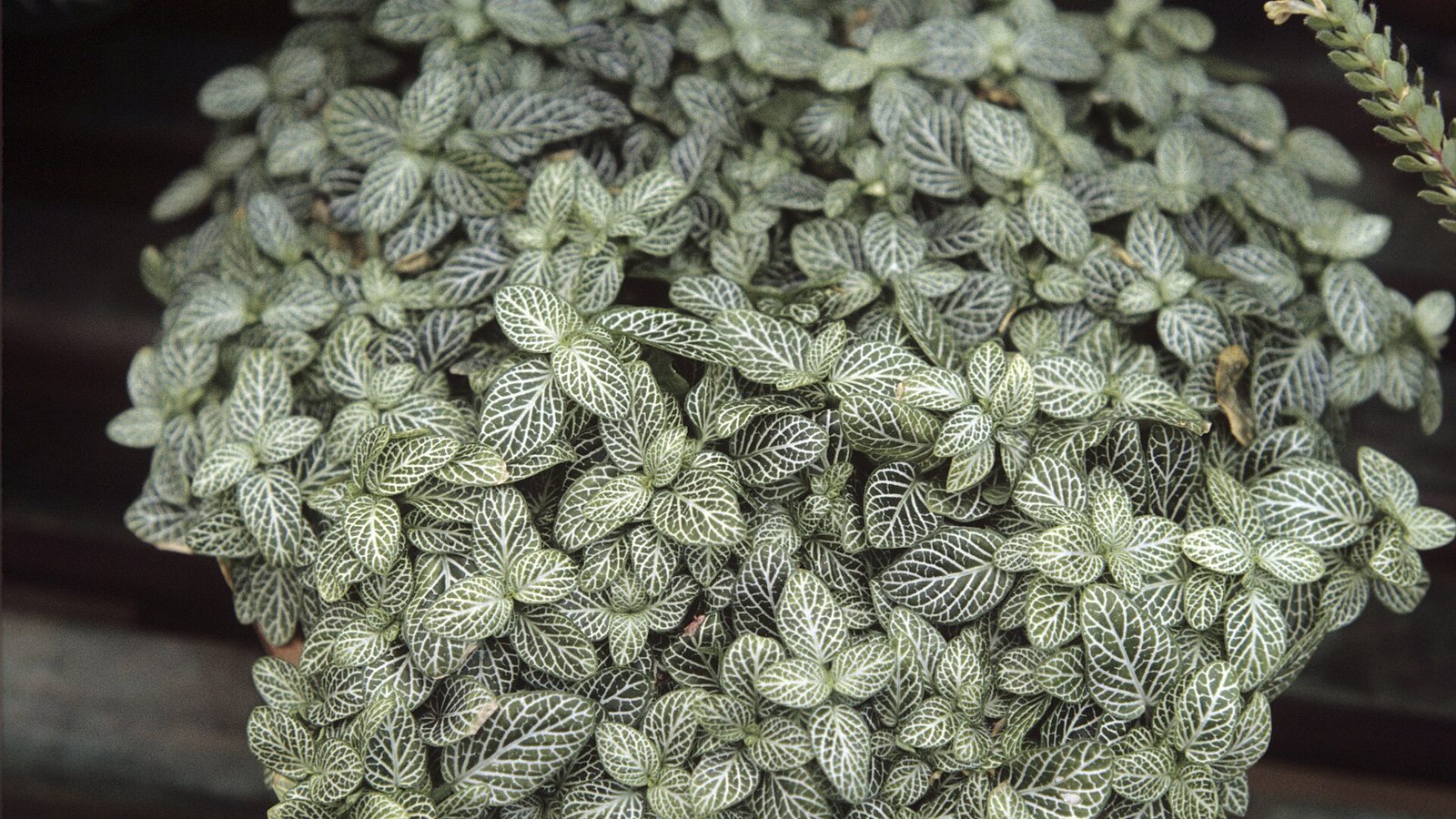 Photo: WayneRay · Public domain
The best plants for a closed terrarium are small, slow-growing, humidity-loving ones: fittonia, small peperomias, polka dot plant, creeping pilea, selaginella and cushion moss. Avoid succulents, cacti, flowering plants and vigorous houseplants. Give bright, indirect light with no direct sun, and water only a few times a year.
Key takeaways
- Choose small, slow, humidity-loving plants: fittonia, small peperomias, hypoestes, pilea, selaginella and moss.
- Succulents and cacti rot in a closed jar; keep them for an open dish garden instead.
- Bright, indirect light with no direct sun: glass in the sun overheats and cooks the plants.
- Light condensation means the moisture is right; heavy condensation means open the lid for a day or two.
- Fittonia, peperomia, hypoestes and aluminum plant are listed as non-toxic to cats and dogs; ti plant is toxic.
On this page8
- What are the best plants for a closed terrarium?
- Which plants should you avoid in a closed terrarium?
- What jar, soil and size should you use?
- How do you plant a closed terrarium?
- How much light does a terrarium need?
- How and when do you water a closed terrarium?
- How do you stop mould and rot?
- Are terrarium plants safe for pets?
What are the best plants for a closed terrarium?
A closed terrarium is a tiny, humid climate in a jar, so the best plants are the ones that already love high humidity and stay small. Water that evaporates condenses on the glass and runs back down, which is why a sealed jar may need watering only a few times a year. The wrong plant, a big grower or a succulent that hates wet air, turns the jar into a green mess within months. This guide lists plants that work, the ones that do not, light and watering rules, and which are safe if a cat or dog gets into the jar. For the wider question of which plants like humid air, see our plant-by-plant humidity guide.
| Plant | Why it works | Light | Cats and dogs (ASPCA) |
|---|---|---|---|
| Fittonia, nerve plant (Fittonia albivenis) | Needs moist air, low and spreading, grows slowly | Bright, no direct sun; keep above 17 °C (63 °F) | Non-toxic |
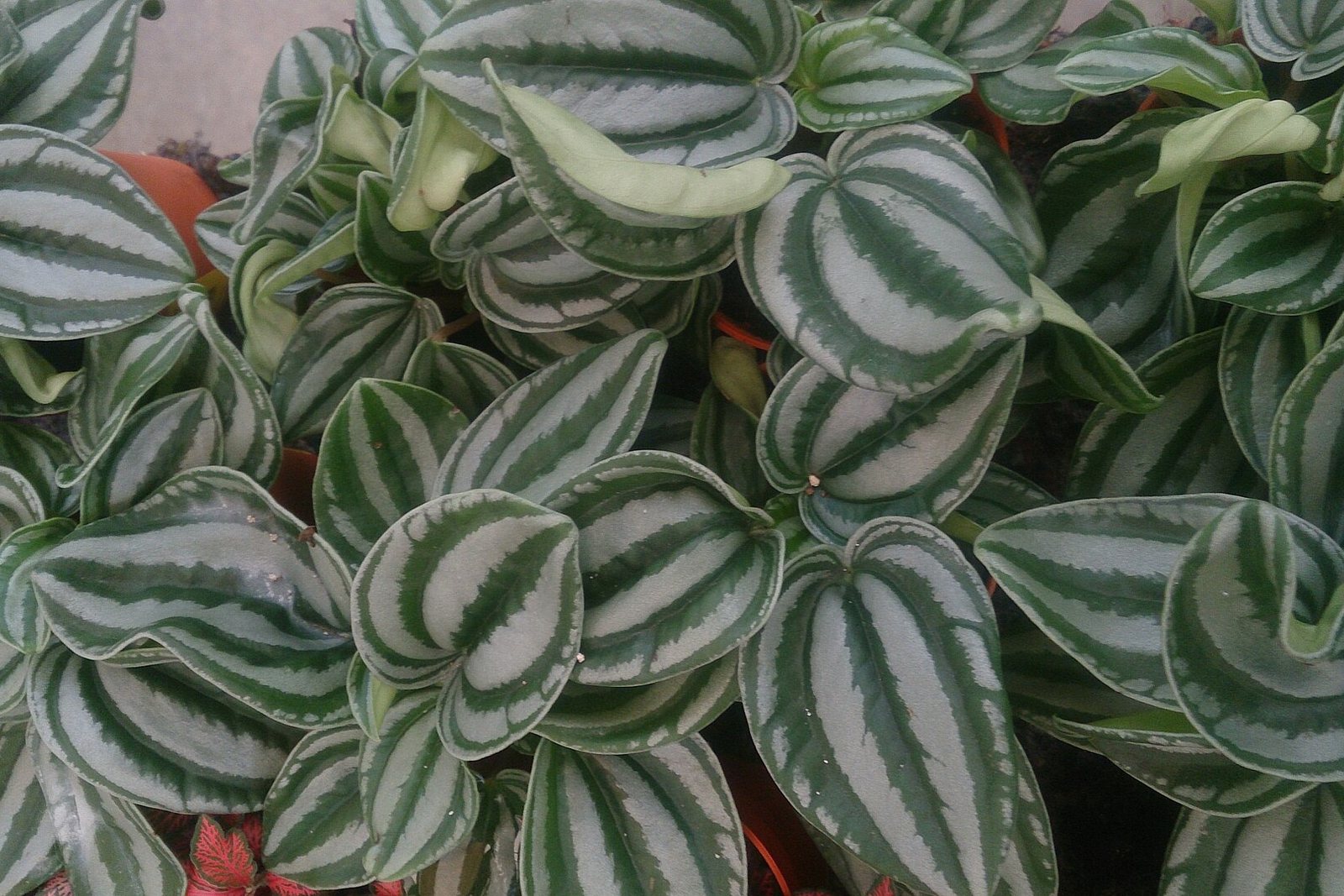
| Small peperomias (Peperomia argyreia, P. caperata) | Compact and slow; small tropical types suit bottle gardens | Bright, indirect | Non-toxic (watermelon peperomia) |
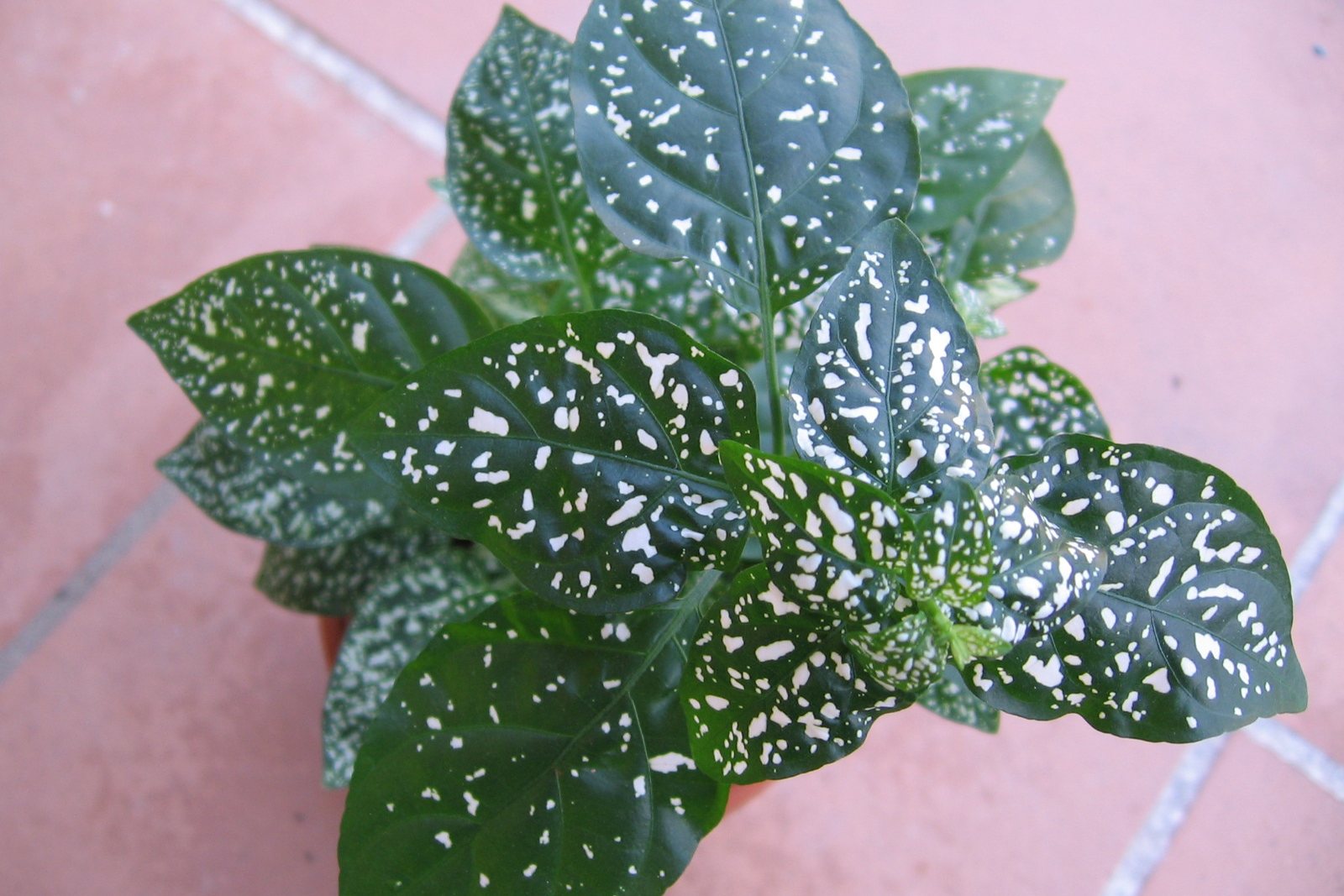
| Polka dot plant (Hypoestes phyllostachya) | Colourful foliage in a compact plant, listed by the RHS | Bright, indirect | Non-toxic |
| Aluminum plant (Pilea cadierei) | Compact pilea listed by the RHS for terrariums | Bright, indirect | Non-toxic |
| Selaginella (Selaginella kraussiana) | Low, mossy carpet that loves humid air | Bright, indirect | Not checked; look it up before you buy |
| Cushion moss or sustainably sourced sphagnum | Covers the compost and holds moisture | Bright, indirect | Not applicable |
Which plants should you avoid in a closed terrarium?
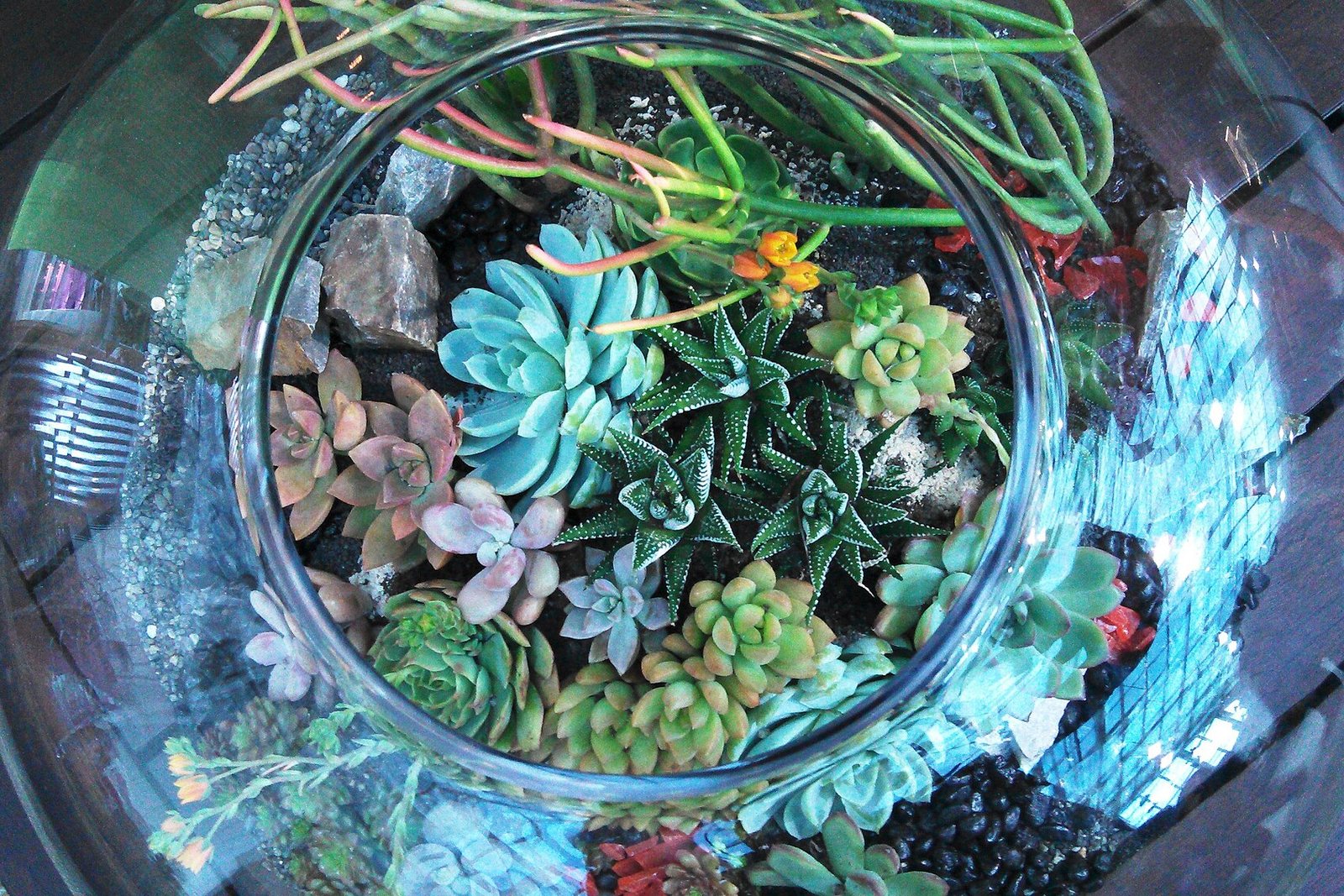
- Succulents and cacti. Penn State Extension says plainly that they do not make good closed-terrarium plants; they suit open terrariums or dish gardens.
- Vigorous houseplants. The RHS warns against standard houseplants that grow too fast and says to check the mature height and spread on the label.
- Flowering plants. The RHS notes that opening the case to remove faded blooms upsets the humidity balance.
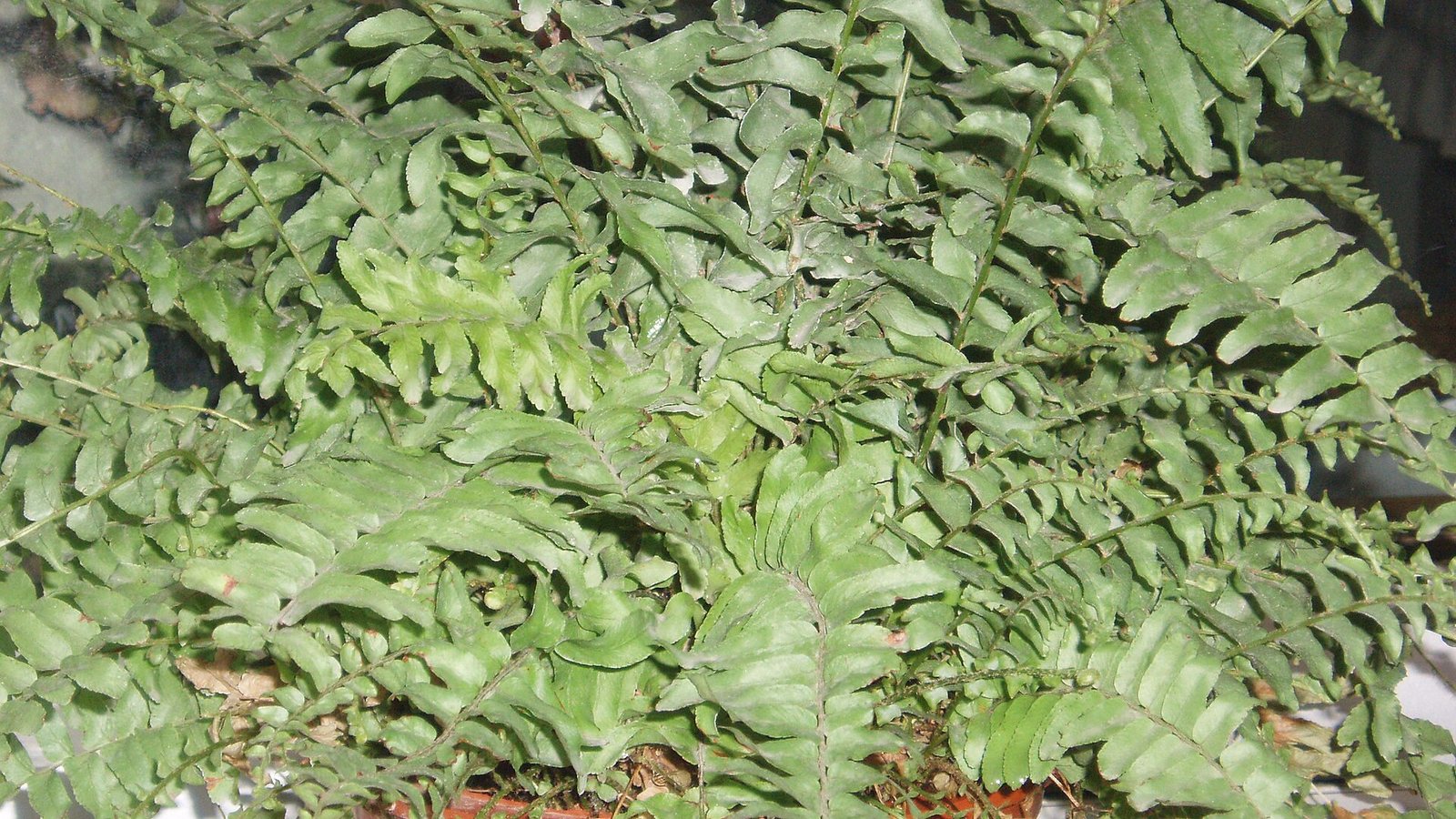
- Big ferns. The sources disagree here. The RHS suggests small-leaved ferns such as Nephrolepis exaltata 'Fluffy Ruffles' and Pellaea rotundifolia, while Clemson says do not use ferns because they take over. If you want one, pick a compact, slow cultivar and trim it.
- Ti plant. It is listed as a terrarium plant by some sources, but the ASPCA lists it as toxic to cats and dogs (saponins), so skip it if you have pets.
What jar, soil and size should you use?
The RHS recommends clear glass with a sealable, ideally glass, lid; opaque lids cut light and metal screw tops can rust. Around 30 cm (12 in) wide and tall is optimal, and smaller jars work but limit the plant choice. For compost, the RHS suggests peat-free multi-purpose compost mixed with horticultural grit at about four parts to one. It puts washed gravel under the compost for drainage, while Penn State Extension says a rock layer is not considered helpful and suggests a soilless, low-fertility mix with a handful or two of charcoal instead. Both agree on one thing: fill to the depth of the largest root ball and keep the compost just damp, and start with a clean container and clean tools to avoid carrying in disease.
How do you plant a closed terrarium?
- Clean the jar. Wash it and start with clean tools and clean rocks or wood, as the RHS says, so you do not bring in pests or disease.
- Add the base layers. Washed gravel (RHS), or a soilless mix with a little charcoal (Penn State Extension), then compost to the depth of the largest root ball.
- Plant. Choose plants that fit with room to spare and that share light and moisture needs, then firm the compost around the roots.
- Finish. Water gently or mist, keep the compost just damp, and let water on the leaves dry before you close the lid, as Penn State Extension advises.
- Place it. Put the jar in bright, indirect light and look again in a few days: light condensation means you are done.
How much light does a terrarium need?
Bright, indirect light. The RHS says at least six hours a day, ideally from a north- or east-facing window, with a south- or west-facing one acceptable in winter. Keep it out of direct summer sun and away from radiators, because sealed glass heats up fast. If the room is dim, grow lights work; the RHS says ordinary domestic bulbs are not suitable. Our grow light guide explains what to buy. Group plants with similar light needs, since mixing low-light and high-light plants means one of them struggles.
How and when do you water a closed terrarium?
Rarely. The RHS says to water only a few times a year, and sparingly. The signal is the glass. Light condensation means the moisture level is right; no condensation at all means the jar needs water. Penn State Extension describes healthy condensation as a light fog; if it is heavier, take the lid off for a day or two. Water gently or mist onto the glass so it runs down, then check again after a couple of days. Excess water is hard to remove, so add less than you think. Clemson notes that a closed terrarium may go four to six months without water, and that it is better to be a little too dry than too wet.
How do you stop mould and rot?
Most problems are caused by too much water or too little air. Remove dead leaves and debris promptly, as the RHS advises, and wipe heavy condensation or leave the lid off for a while. Penn State Extension says diseases usually appear in the first few weeks, so check closely and remove any infected plant material straight away, and it suggests taking the lid off for up to 15 minutes a week once the terrarium is established to let in fresh carbon dioxide. White fuzz on the compost is common in a new jar; our guide on white mould on houseplant soil explains what it is. Yellow or dying leaves usually mean overwatering, according to the RHS.
Are terrarium plants safe for pets?
Four of the plants above are listed as non-toxic to cats and dogs by the ASPCA, but a pet that eats a lot of any plant can still vomit, and a jar with a loose lid is an easy target. Keep it on a shelf pets cannot reach. See pet-safe houseplants for more plants that are safe. Flori can look up a plant's care profile, including humidity and toxicity, before you buy it for your jar.
Frequently asked questions
What plants can live in a sealed jar?
Fittonia, small peperomias, polka dot plant, aluminum plant, selaginella and moss are the standard choices because they stay small and like humid air.
Can I put succulents in a closed terrarium?
No. Penn State Extension says succulents and cacti do not make good closed terrarium plants; they rot in the humid air. Use an open dish garden instead.
How often do you water a closed terrarium?
Only a few times a year, and sparingly. Water when condensation has stopped forming and the plants droop or the compost feels dry.
Does a closed terrarium need sunlight?
It needs bright, indirect light but not direct sun, which overheats the glass. A north- or east-facing window is ideal, and a grow light works in a dim room.
Which houseplants need high humidity, which cope with dry air, and how to read the signs, plant by plant, using an extension service humidity table.
Sources
Written and fact-checked by the Flori team. Every guide cites horticultural sources such as the RHS, university extension services and the ASPCA, and is updated when the advice changes. How we write our guides
General plant care information. Plants vary; when a plant is valuable or a problem spreads quickly, consult a local nursery or plant specialist.