Common Garden Weeds: Names and How to Identify Them
Eight common garden weeds with Latin names, the leaf or root clue that identifies each, how it spreads and what removes it for good. Includes a quick ID table.
 By Flori editorial team · Updated
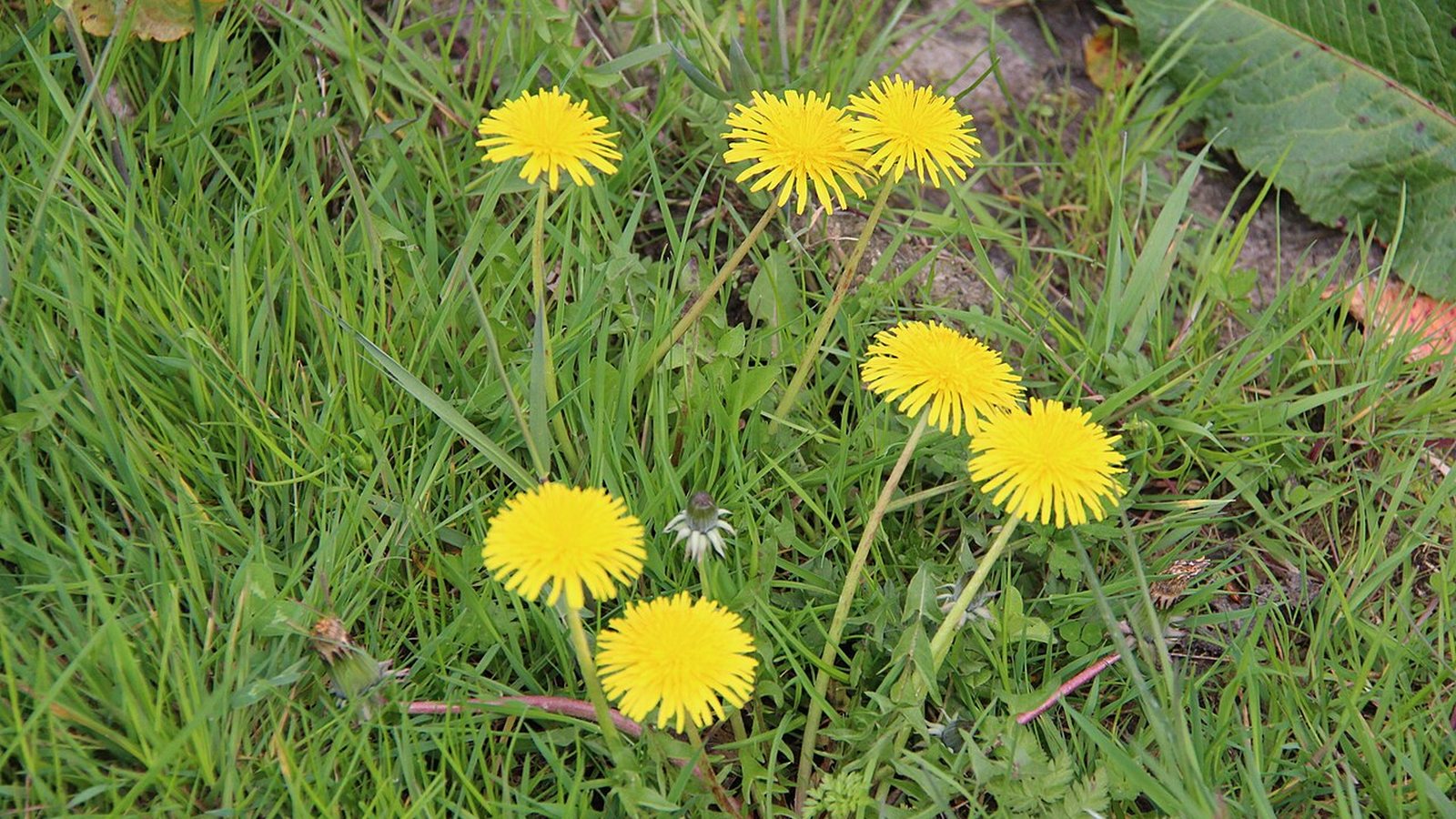 Photo: Peter van der Sluijs · CC BY-SA 3.0
Common garden weeds include dandelion, field bindweed, purslane, couch grass, oxalis, creeping buttercup, hairy bittercress and horsetail. Identify each by its leaf, flower or root, then remove it by how it spreads: dig out dandelion taproots whole, keep hoeing bindweed, and pull seed-spreading annuals before they flower.
Key takeaways
- Name the weed first: root spreaders such as bindweed and couch grass need every fragment removed, seed spreaders need pulling before they flower.
- A dandelion regrows from a taproot piece as short as 2.5 cm (1 in), and mowing does not control it.
- Field bindweed roots can reach 6 m (20 ft) and fragments of 5 cm (2 in) regrow, so hoe regrowth every 2–3 weeks.
- Mulch weeded beds with wood chips or bark at least 7.5 cm (3 in) deep.
- Never eat a wild plant because an app or a photo says it is safe.
On this page6
What are the most common garden weeds, and how do you tell them apart?
Most gardens are invaded by a short list of repeat offenders. Once you can name them, you know how each one spreads, and that tells you how to remove it for good rather than for a fortnight. Below are eight common weeds with the leaf, flower or root clue that identifies each, and the one fact that changes how you remove it. Latin names are given because common names differ from country to country.
| Weed | How to identify it | How it spreads | What works |
|---|---|---|---|
| Dandelion (Taraxacum officinale) | Rosette of deeply toothed leaves, no true stem, yellow flowers that become white puffballs | Wind-blown seed; regrows from the taproot | Dig out the whole taproot |
| Field bindweed (Convolvulus arvensis) | Arrowhead-shaped leaves 1.3–5 cm (½–2 in) long, white to pink trumpet flowers | Seed and deep roots; pieces as short as 5 cm (2 in) regrow | Repeated hoeing; exclude all light |
| Purslane (Portulaca oleracea) | Flat, spreading, fleshy stems and small succulent leaves, small yellow flowers | Many tiny seeds; sometimes stem pieces | Pull before it sets seed |
| Couch grass (Elymus repens) | Clumps of grass blades; thin, wiry white roots just below the surface | Creeping roots, and seed | Lift every strand of root |
| Oxalis (Oxalis species) | Clover-like leaves, green or red-purple, small yellow or pink flowers | Exploding seed pods, bulbils, rooting stems | Remove before the pods ripen |
| Creeping buttercup (Ranunculus repens) | Yellow flowers, divided leaves often spotted white | Seed and rooting runners | Dig out and follow the runners |
| Hairy bittercress (Cardamine hirsuta) | Rosette of small rounded leaflets, spikes of tiny white flowers | Seed pods that burst open | Pull while small |
| Horsetail (Equisetum arvense) | Light brown spring stems, later green fir-like shoots | Deep roots and root pieces | Patient, repeated removal |
The identifying features for oxalis, creeping buttercup, hairy bittercress, couch grass and horsetail come from the Royal Horticultural Society's weed guide; dandelion, bindweed and purslane come from UC IPM.
Why does the dandelion keep coming back?
Because pulling the leaves does not remove the plant. UC IPM describes a dandelion as a perennial with no true stem, a rosette of leaves and a strong taproot, mostly in the top 15–45 cm (6–18 in) of soil. Buds on the upper root can regrow even when the plant is cut at or below the soil surface, and root pieces as short as 2.5 cm (1 in) can form new plants. Hand-pulling or hoeing alone is usually futile unless repeated over a long period.
Mowing does not control it either, because the rosette sits below the mower blade. What works is digging out the entire taproot, ideally before the plant sets seed, then checking the spot for several months. Dense, healthy turf shades the soil and leaves fewer gaps for new seedlings, so the lawn is your best long-term weeder.
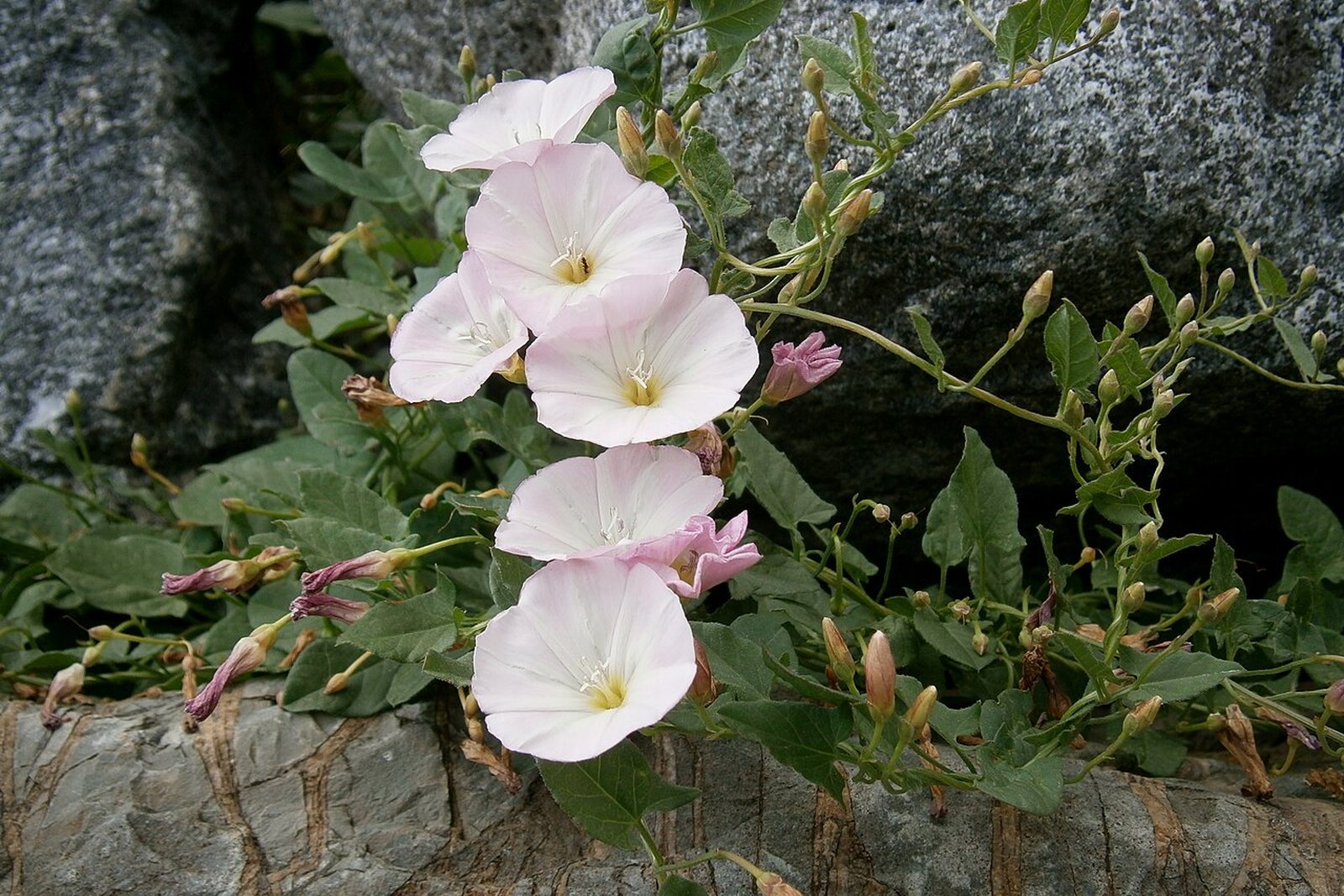
Why is bindweed so hard to get rid of?
Because most of the plant is underground. UC IPM reports vertical roots that can reach 6 m (20 ft) or more, with root and rhizome fragments as short as 5 cm (2 in) able to form new plants. Its seeds are also long-lived: seeds 60 years old have been found viable. So digging is rarely enough on its own, and pulling the top growth just feeds the roots.
- Hoe or cut regrowth every 2–3 weeks so the plant keeps using up its stored energy, and start while seedlings are young.
- Exclude all light. Cardboard, black plastic or landscape fabric works only if no light reaches the plant and the edges overlap. UC IPM says killing it this way can take 3 to 5 years.
- Stop it flowering so it cannot add to the seed bank.
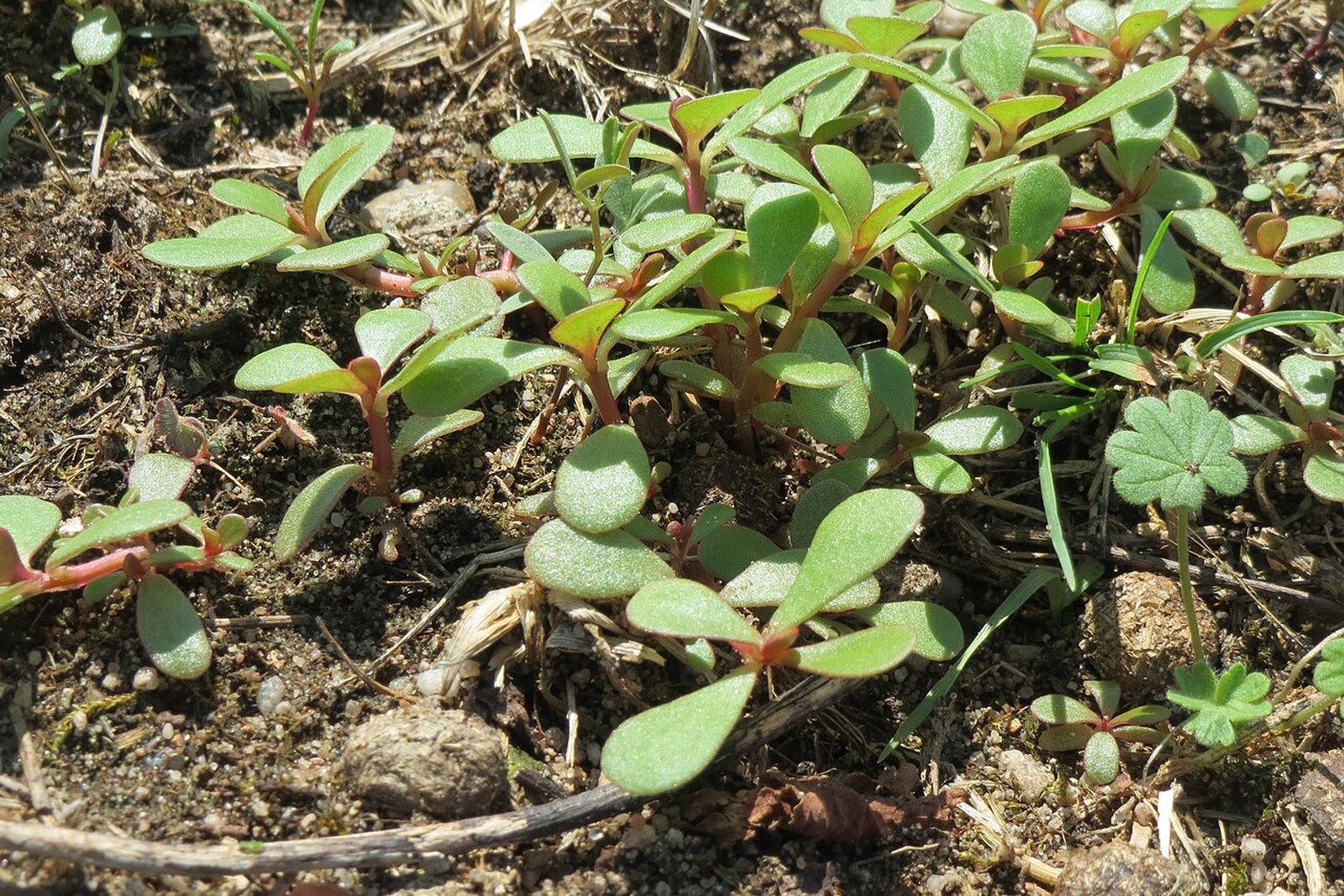
Which weeds spread by creeping roots, and which by seed?
This is the most useful split. Seed spreaders are the annuals and quick biennials: purslane, hairy bittercress and, to a degree, oxalis. They are easy to pull, but each plant left to ripen throws seed widely. Hairy bittercress and oxalis have seed pods that burst open, according to the RHS. Remove them while they are small and before they flower.
Root spreaders are the perennials: couch grass, bindweed, creeping buttercup and horsetail. Each leaves fragments behind. Couch grass forms dense mats of thin, wiry white roots just below the surface, so fork the soil gently and lift every strand. Creeping buttercup travels along rooting runners, so follow each runner to its end. Horsetail has deep roots that regrow from small fragments, so expect to keep at it for more than one season.
In practice, do not put roots of persistent perennials or ripe seed heads into a cold compost heap, because fragments can survive. How to compost at home explains what belongs in the heap.
What if you cannot tell which weed it is?
Take a clear photo of the whole plant, the leaf and, if present, the flower, and check it against a reliable guide. Flori can identify a plant from a photo, which gives you a starting name to confirm. Do not treat any app or photo as proof, especially if you plan to eat a wild plant. Some wild plants look like harmless weeds but are poisonous, so never eat one on the strength of a photo or an app. The ASPCA notes that eating any plant material may cause vomiting and stomach upset in dogs and cats, so keep pets away from weeds you are unsure of. See also how to identify a plant from a photo.
When should you pull weeds in autumn and winter?
Weeds do not take a winter break everywhere. In the mild, wet winters of the Mediterranean and Aegean coast of Türkiye and in similar climates, weeds such as hairy bittercress and oxalis can keep growing, so a monthly pass is worthwhile. On the inland Anatolian plateau and in cold northern gardens, growth slows or stops under frost, but perennial roots stay alive underground and wake in spring. In the southern hemisphere, the same tasks fall in the local spring and summer.
- Autumn: clear weeds before they seed, as set out in the autumn garden checklist.
- Lawn: thicken thin patches so seedlings find no gaps; see lawn care in autumn and winter.
- Beds: mulch after weeding. UC IPM suggests wood chips or bark at least 7.5 cm (3 in) deep, topped up as they break down.
Weeding never needs to be a chemical job. Where you do use a weedkiller, follow the label exactly and choose the least toxic option first.
Frequently asked questions
What is the most common garden weed?
Dandelion is among the most widespread: a perennial rosette with a strong taproot and yellow flowers that turn into white puffballs. Others very common in gardens are bindweed, oxalis and creeping buttercup.
Why do weeds come back after I pull them?
Perennial weeds regrow from roots left in the soil. UC IPM says a dandelion can regrow from taproot pieces as short as 2.5 cm (1 in) and bindweed from root fragments of 5 cm (2 in).
Does mowing kill dandelions?
No. UC IPM says mowing does not control dandelion because the rosette grows below the mower blade. Dig out the whole taproot instead.
Can I identify a weed from a photo?
A photo of the whole plant, leaf and flower gives a good starting name, but confirm it with a reliable guide. Never eat a wild plant on the strength of a photo or an app.

Autumn garden checklist for both hemispheres: clear and feed soil, make leaf mould, protect tender plants from frost, drain hoses and store tools.
Sources
Written and fact-checked by the Flori team. Every guide cites horticultural sources such as the RHS, university extension services and the ASPCA, and is updated when the advice changes. How we write our guides
General plant care information. Plants vary; when a plant is valuable or a problem spreads quickly, consult a local nursery or plant specialist.