Tomato Flowers but No Fruit: Causes and Fixes
Tomato plant flowering but not fruiting? Check heat, cold nights, pollination, water and nitrogen with a symptom-cause-fix table and a daily tap trick.
 By Flori editorial team · Updated
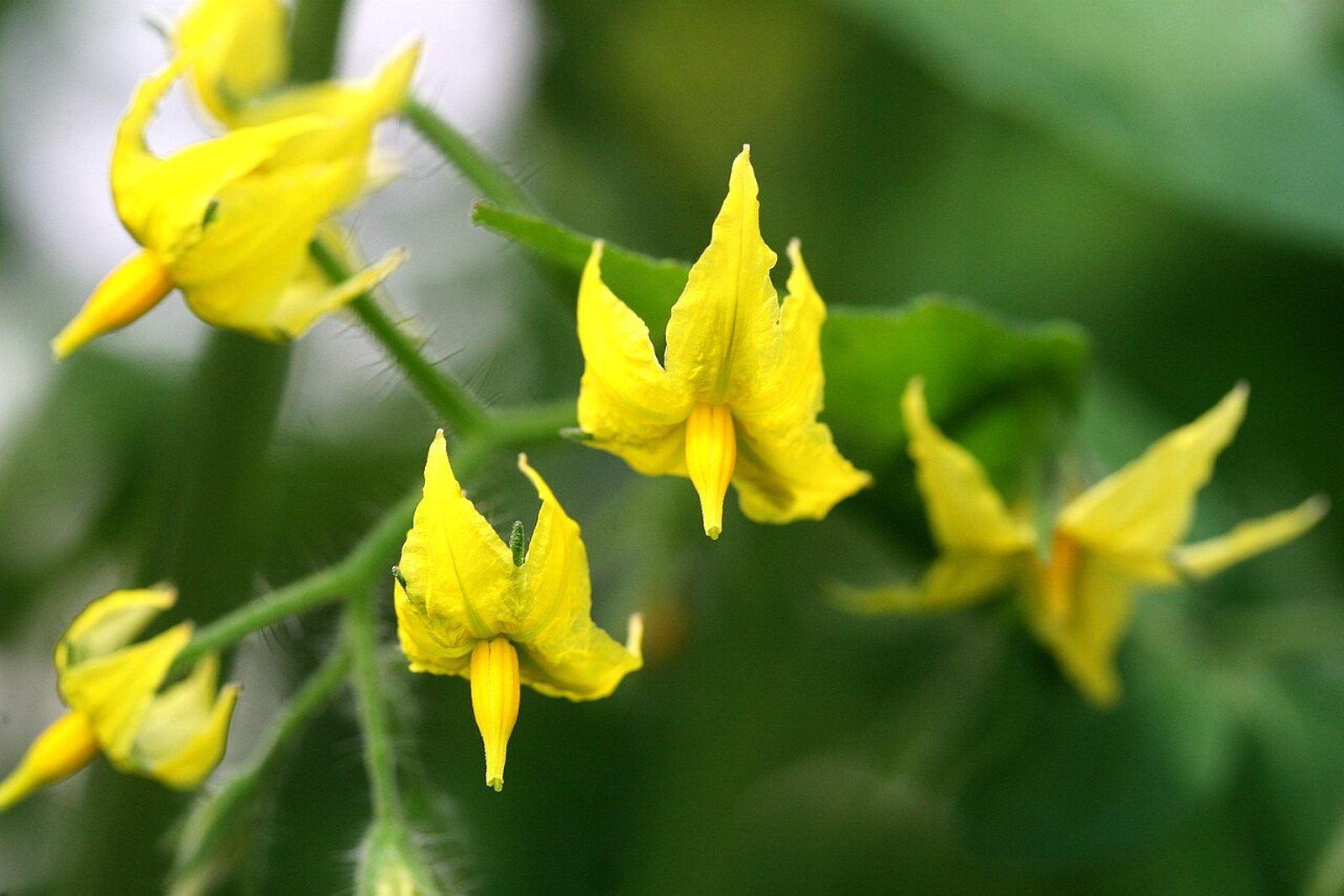
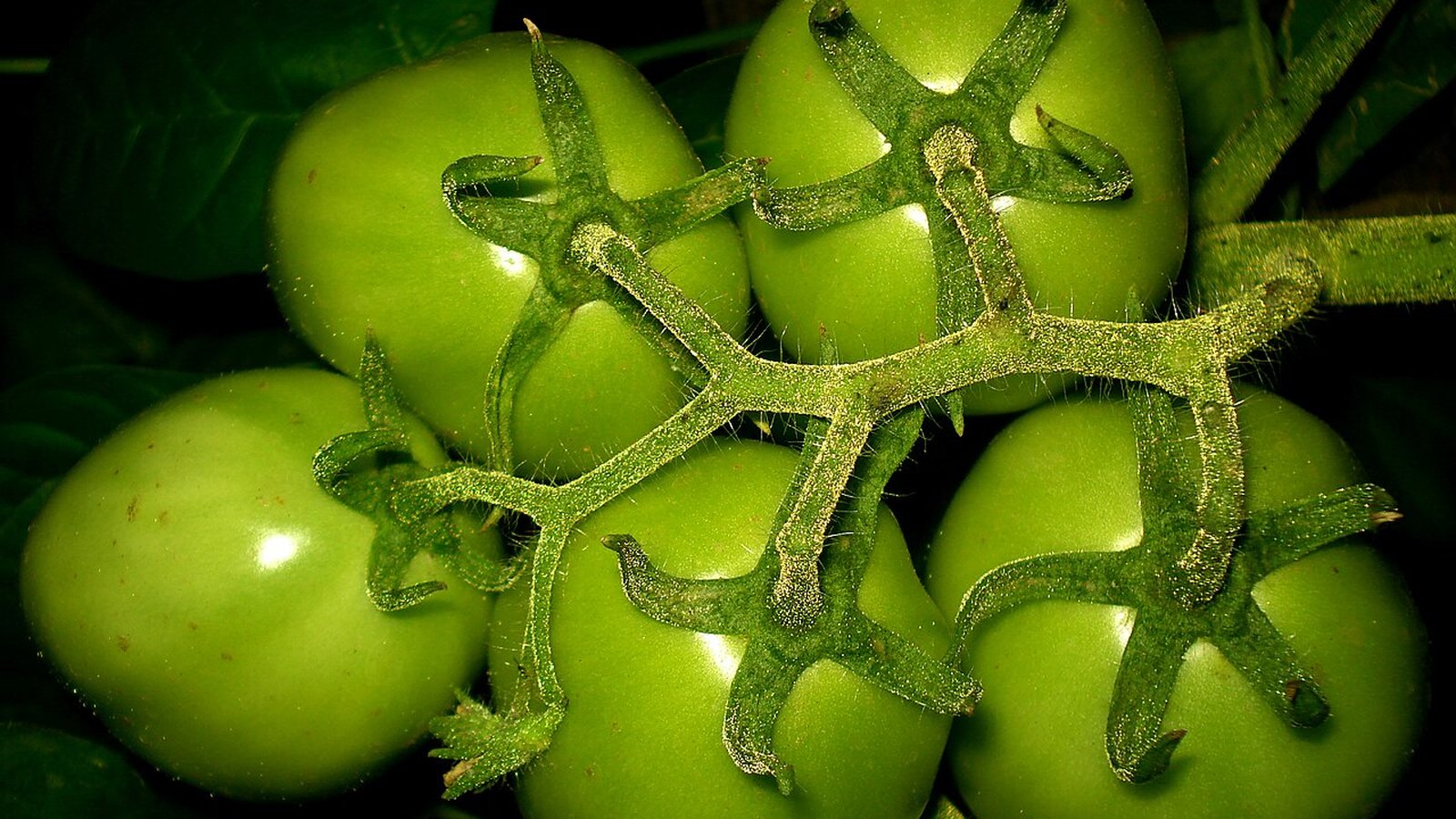 Photo: S.mini · CC BY-SA 3.0
Tomatoes flower without fruiting mainly because of temperature: nights below about 13 °C (55 °F) or above about 24 °C (75 °F), or days above about 32 °C (90 °F), stop pollen working. Poor pollination, uneven watering, too much nitrogen and heavy fruit load also cause blossom drop. Fix the cause and fruit set resumes.
Key takeaways
- Blossom drop is usually temporary: fruit set resumes once temperatures return to the comfortable range.
- Nights below about 13 °C (55 °F) or above about 24 °C (75 °F) and days above about 32 °C (90 °F) stop pollen working.
- On a sheltered balcony or indoors, tap or shake open flowers daily to move the pollen.
- Water evenly and avoid heavy nitrogen feeding; use a high-potassium feed once fruit starts to swell.
- Give each plant a 30 to 45 cm (12 to 18 in) pot in full sun.
On this page9
- Why is my tomato plant flowering but not setting fruit?
- The quick checklist: what you see and what to do
- Is it too hot or too cold for the flowers to set?
- Is the plant being pollinated?
- Can watering and feeding stop tomatoes setting fruit?
- What else can cause flowers to drop?
- Myths to skip
- First time it happens? Do not panic
- When will my tomatoes set fruit again?
Why is my tomato plant flowering but not setting fruit?
Most of the time the plant is healthy and the flowers simply failed to turn into fruit, a problem gardeners call blossom drop. The usual causes are temperatures outside the range pollen likes, too little pollen movement, uneven watering, the wrong amount of nitrogen, or too much fruit already on the plant. This guide gives you a symptom, cause and fix table you can screenshot, then explains each cause in turn.
A word on climate, because it changes which cause you suspect. On the hot Mediterranean and Aegean coasts of Türkiye, and in any region with heat waves, midsummer heat is the likely culprit. In inland Anatolia and in cool northern climates such as the UK or northern Europe, a cold night after planting out is more likely. The numbers below come from the University of California and the Royal Horticultural Society (RHS); the UC article is written for California, so treat its temperatures as a guide rather than a law.
The quick checklist: what you see and what to do
| What you see | Likely cause | First fix |
|---|---|---|
| Flowers shrivel and drop during a heat wave | Days above about 32 °C (90 °F), especially with very dry air | Water evenly, shade the pot at midday, wait; fruit set resumes when it cools |
| Flowers drop after a cold spell | Nights below about 13 °C (55 °F) | Move pots to a sheltered wall or indoors at night |
| Hot nights, flowers drop | Nights above about 24 °C (75 °F) | Choose heat-tolerant varieties next season; keep roots evenly moist |
| Flowers open and dry out, no tiny fruit | Pollen not moving: still air, balcony shelter, indoors | Tap or shake the open flowers daily |
| Dark, bushy leaves, few flowers or fruit | Too much nitrogen | Stop high-nitrogen feed; switch to a high-potassium tomato feed once fruit swells |
| Wilting, curling leaves, flowers drop | Soil too dry, or soggy | Water deeply and regularly; check drainage |
| Plant carries many fruit and keeps dropping new flowers | Heavy fruit load | Be patient; harvest ripe fruit and wait for the next flush |
Is it too hot or too cold for the flowers to set?
Temperature is the most common cause. UC Master Gardeners say that nights below 55 °F (about 13 °C) or above 75 °F (about 24 °C) interfere with pollen tube growth, which stops normal fertilisation. Days above 90 °F (about 32 °C), especially with very low humidity, also hamper fruit set. The best fertilisation happens with days around 80 to 85 °F (27 to 29 °C) and nights above 62 °F (about 17 °C) but below 72 °F (about 22 °C).
The RHS gives the other end of the season: plant tomatoes out only once temperatures are reliably above 16 °C (60 °F). If your flowers formed during a cold week in spring, they may drop even though the plant looks fine, and later trusses set normally.
You cannot change the weather, but you can soften it on a balcony. Pots on a south or west wall heat up fast, so in a heat wave move them where they get morning sun and afternoon shade. In a cold snap, move them against the house wall or indoors overnight. UC also lists planting heat-tolerant varieties as a remedy for hot-summer regions. Fruit set normally resumes when temperatures return to the comfortable range.
Is the plant being pollinated?
Tomato flowers need their pollen shaken loose. Outdoors, wind and insects do this; on a sheltered balcony, in a greenhouse or indoors, they may not. UC notes that bumblebees are more effective than honeybees because they vibrate the flowers, and the RHS advice is to lightly tap or shake flowers once they are fully open to help pollen transfer.
- Wait until the petals are fully open and bent back.
- In the middle of the day, tap the flower stem or the truss with a finger a few times, or shake the plant gently by its cage or stake.
- Repeat daily while the plant flowers.
The RHS also says misting open flowers with water can help. If you grow under cover, open the vents regularly so pollinating insects can get in.
Can watering and feeding stop tomatoes setting fruit?
Yes. UC lists both too little and too much soil moisture, and both too little and too much nitrogen, among the causes of blossom drop. The RHS adds that uneven moisture also causes split fruit and blossom end rot, and that containers may need watering daily in hot weather. A pot dries out far faster than a bed, so a self-watering pot can take the guesswork out of it.
For feeding, the RHS suggests container plants get an organic, high-potassium liquid feed every 10 to 14 days once the first fruits start to swell. Before that, go gently: a plant fed lots of nitrogen grows leaves instead of fruit. The NPK numbers guide shows how to read the label, and our Epsom salt guide explains what that popular add-on does and does not do.
What else can cause flowers to drop?
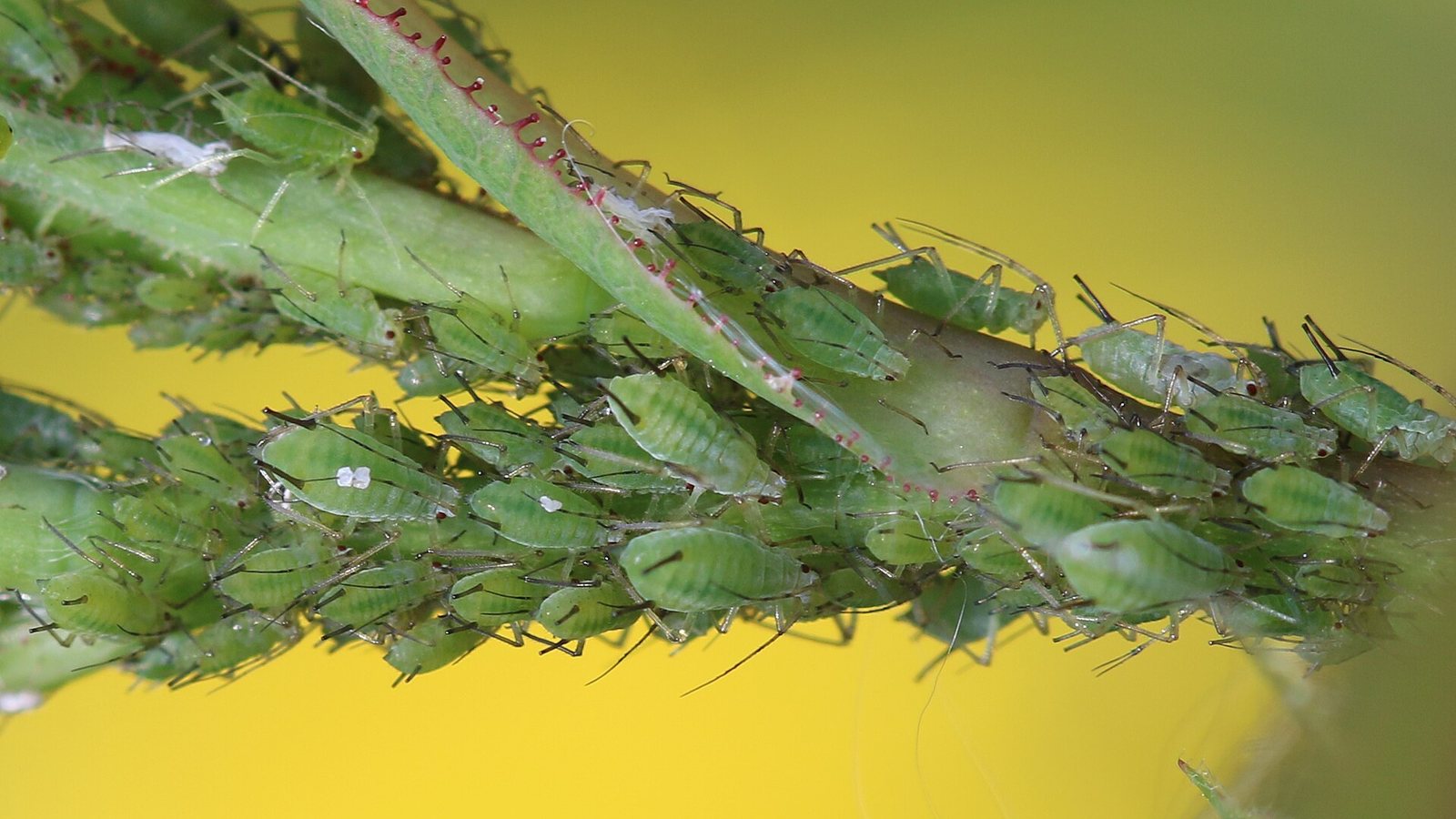
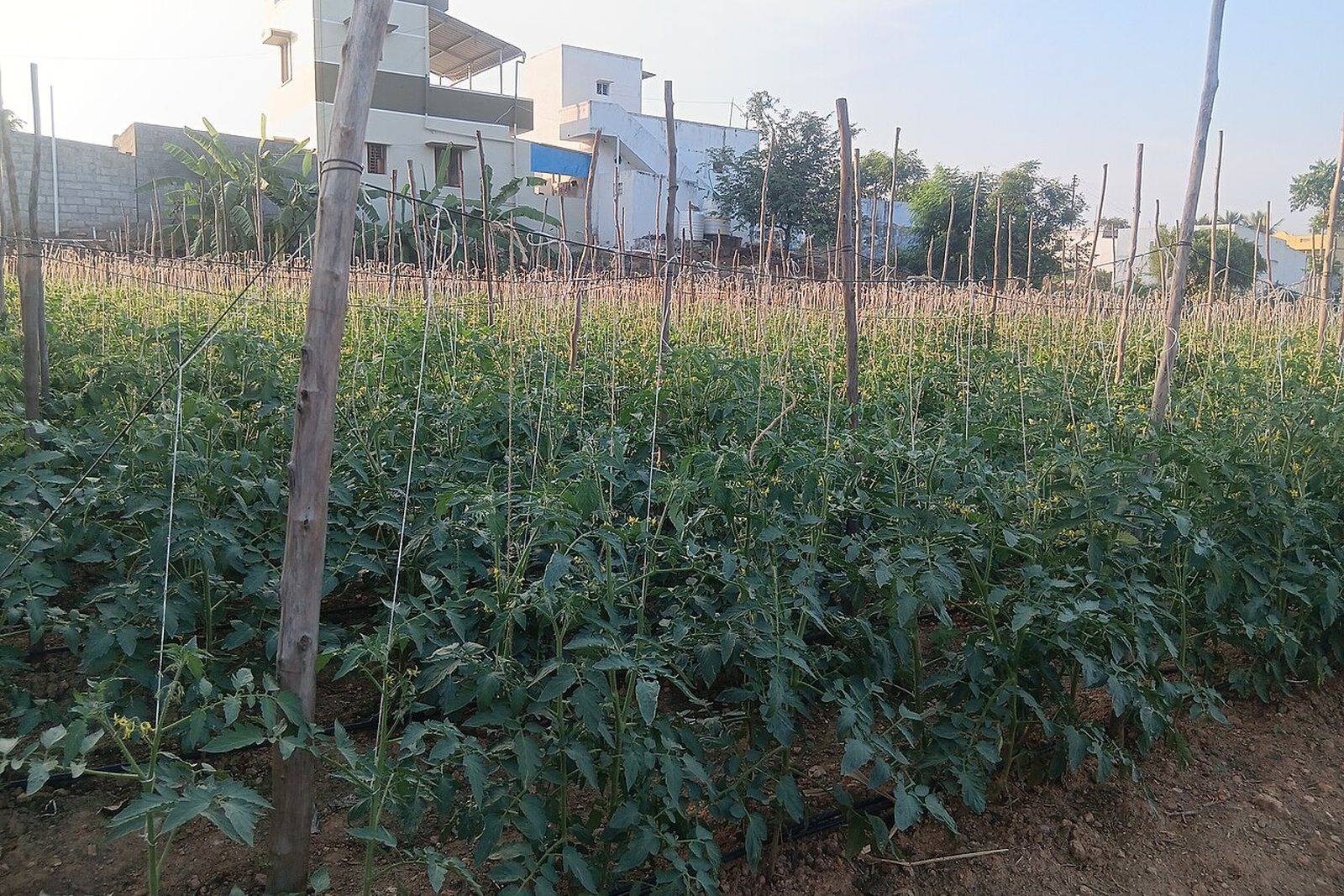
UC also lists a very heavy fruit load, insect damage and disease, and planting varieties that are not heat tolerant. Check the undersides of the leaves and the flower trusses for pests such as aphids, which weaken a plant. Pot size matters too: the RHS recommends one plant per 30 to 45 cm (12 to 18 in) pot, in full sun. A cramped pot in partial shade is a recipe for a plant that flowers and then gives up.
If you plant tomatoes with other crops, our companion planting chart shows which neighbours are tradition and which have evidence.
Myths to skip
- "More fertiliser means more tomatoes." Too much nitrogen is a listed cause of blossom drop.
- "You need honeybees." UC says honeybees are not a major factor; bumblebees are better, and you can imitate them by tapping.
- "Pinch off every flower to force a reset." No source we checked recommends this. Fix the cause and new flowers will set.
- "The plant is broken." Blossom drop is usually temporary. Fruit set resumes once conditions return to the comfortable range.
First time it happens? Do not panic
Losing a few flowers, or a whole truss, can be normal. If heat or humidity went wrong for a week, that week's flowers will not set while later trusses do. Find the likely cause in the table, fix one thing and wait; trying a new remedy every day tires you and the plant.
When will my tomatoes set fruit again?
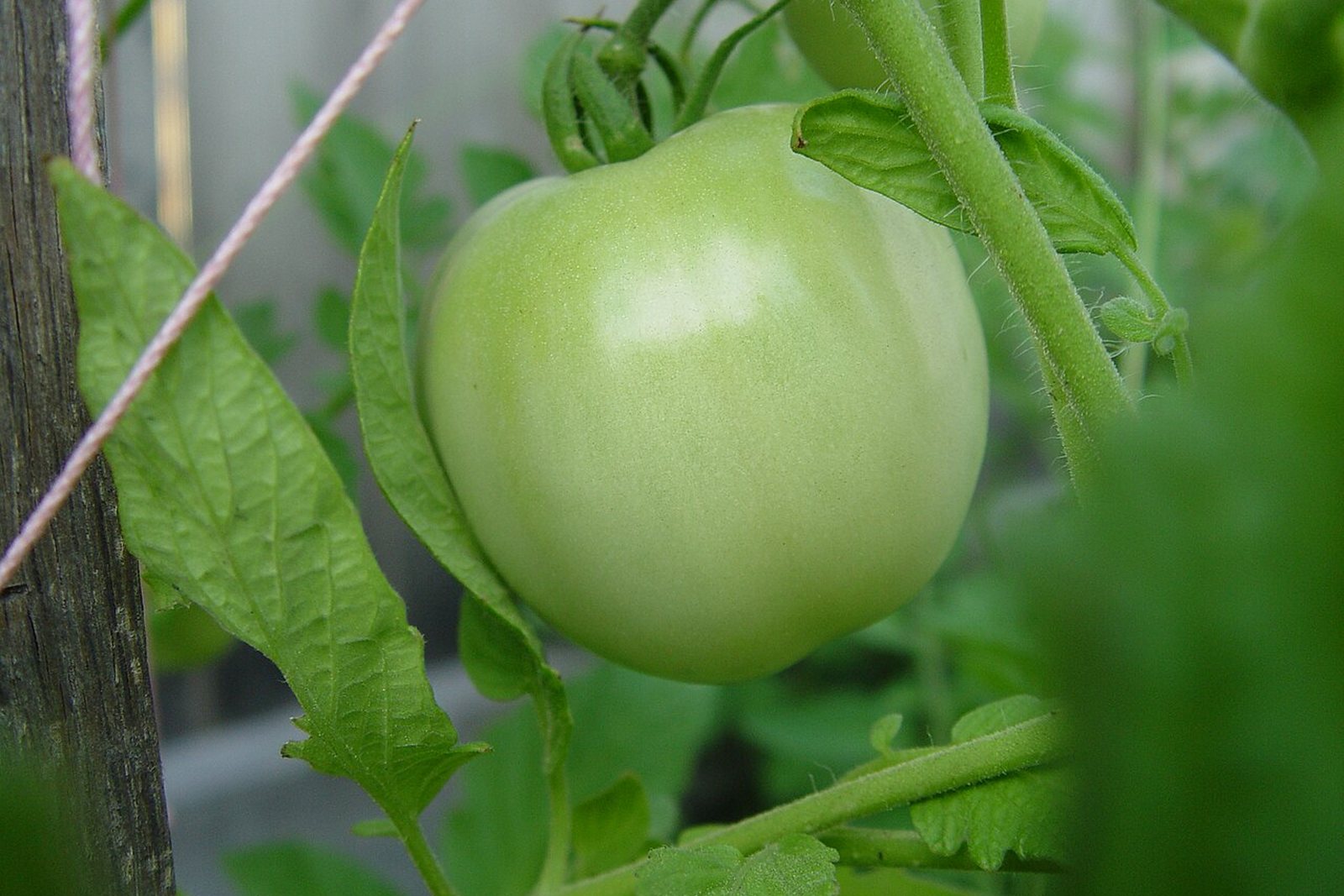
Once temperatures are back inside the comfortable range and the soil stays evenly moist, new flowers should start to set within a few weeks; the timing depends on the variety and the weather, so treat that as approximate. Keep a short note of the weather on the day flowers dropped: it tells you next year whether to choose a heat-tolerant variety, plant later or give the pot more shelter.
Frequently asked questions
Why does my tomato plant have flowers but no tomatoes?
The flowers are usually failing to be fertilised. Too hot or too cold nights, still air, uneven watering and too much nitrogen are the most common causes.
How do you hand-pollinate tomato flowers?
Once the flowers are fully open, lightly tap the flower stem or shake the plant gently in the middle of the day. The RHS advises tapping or shaking open flowers to help pollen transfer.
Do tomatoes need bees to set fruit?
No. UC Master Gardeners say honeybees are not a major factor. Bumblebees help because they vibrate the flowers, and tapping or shaking does a similar job.
How hot is too hot for tomatoes to set fruit?
UC Master Gardeners report that days above 90 °F (about 32 °C), especially with very low humidity, hamper fruit set, and nights above 75 °F (about 24 °C) interfere with fertilisation.
What the three NPK numbers on fertilizer mean, what nitrogen, phosphorus and potassium do, and how to pick and dilute a houseplant feed safely.
Sources
Written and fact-checked by the Flori team. Every guide cites horticultural sources such as the RHS, university extension services and the ASPCA, and is updated when the advice changes. How we write our guides
General plant care information. Plants vary; when a plant is valuable or a problem spreads quickly, consult a local nursery or plant specialist.