Epsom Salt for Plants: When It Helps and When Not
Epsom salt is magnesium sulfate. It helps only when a plant truly lacks magnesium; otherwise it is a myth. Symptoms, RHS doses and look-alikes to rule out.
 By Flori editorial team · Updated
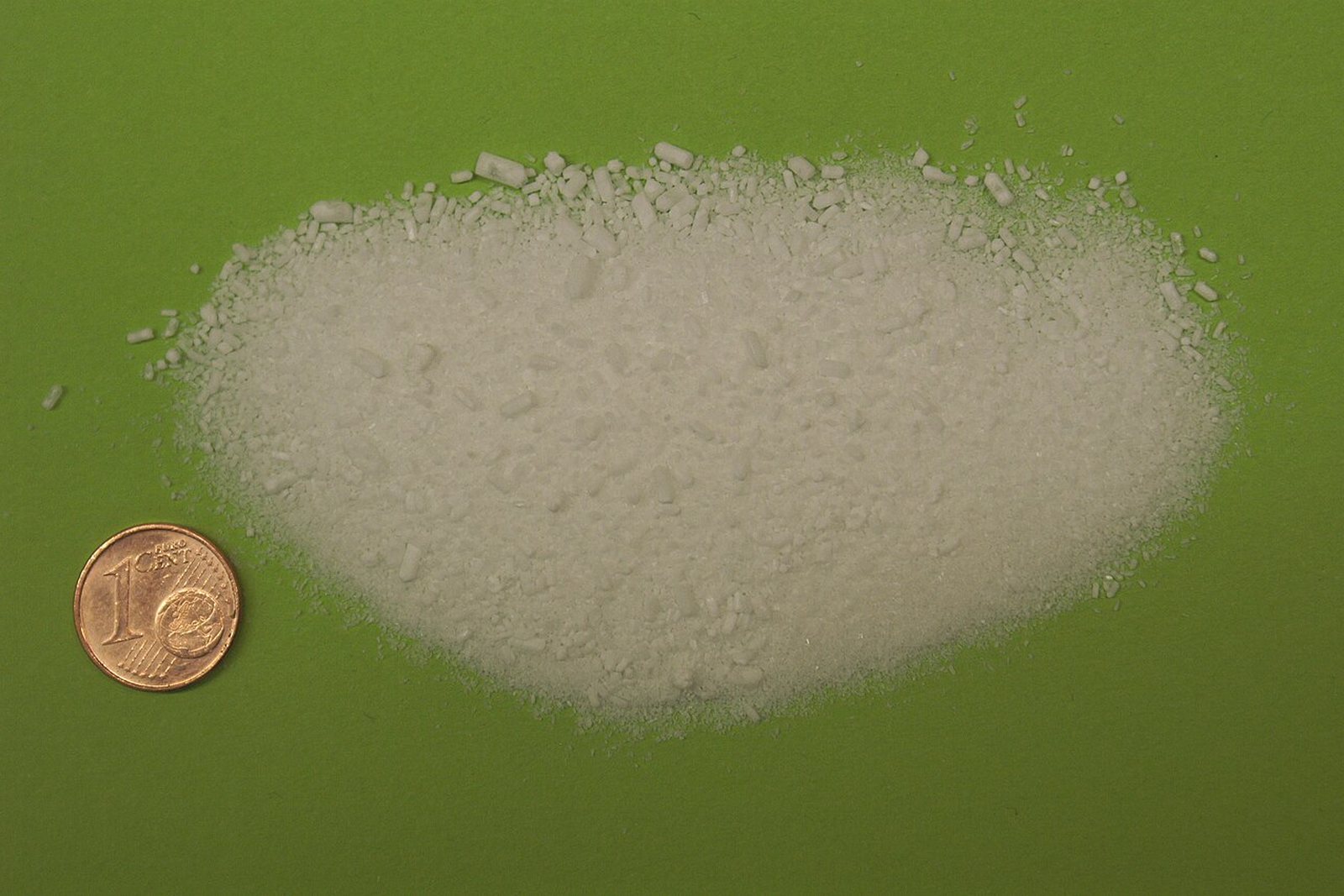
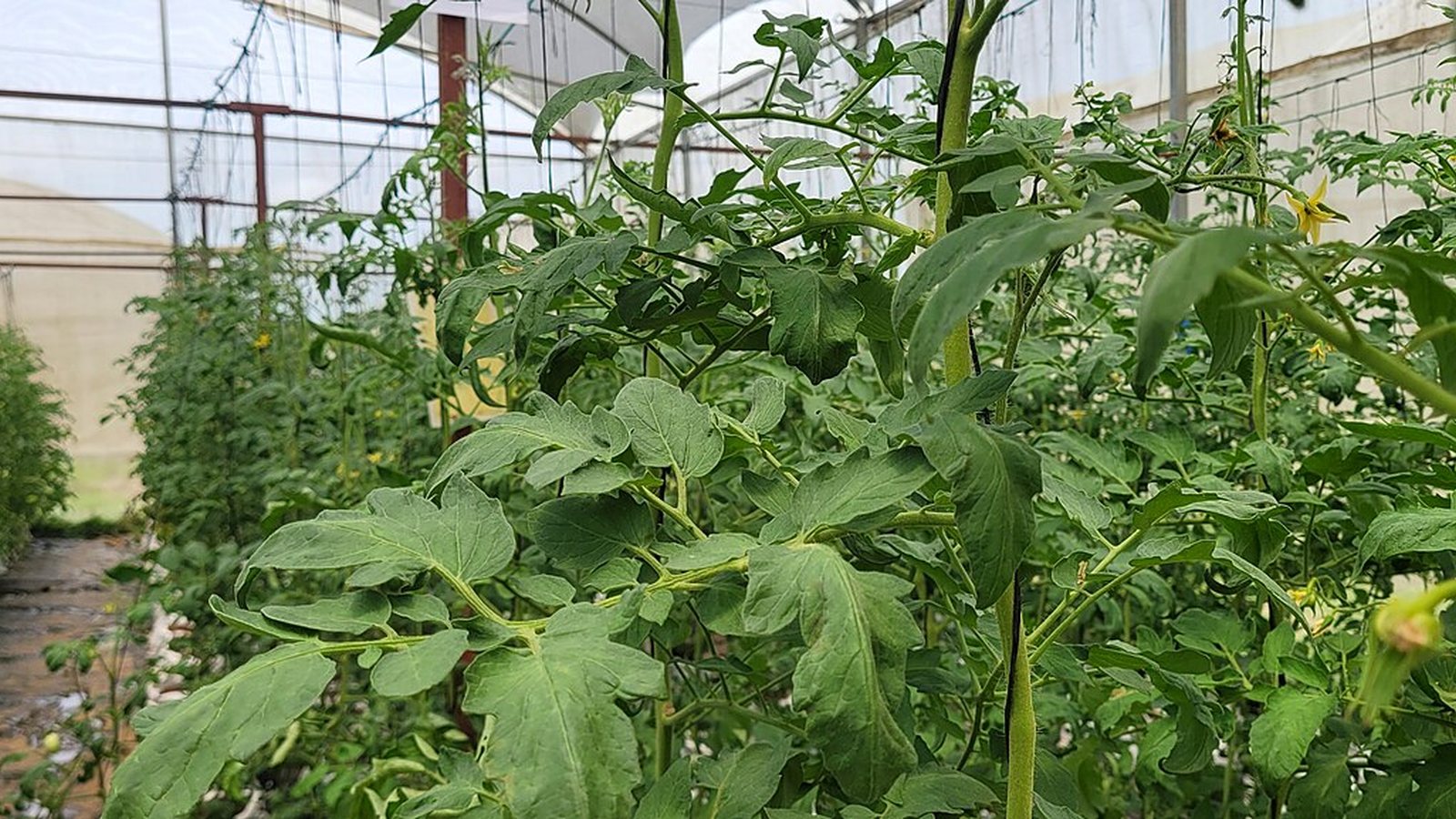 Photo: Pascal Kings · CC BY-SA 3.0
Epsom salt is magnesium sulfate, and it helps only when a plant really lacks magnesium: yellowing between the veins of older leaves. Extension experts call the wider claims (more growth, better germination, bigger harvests) unsupported by research. Rule out watering and light problems, test the soil, and never apply it as a routine tonic.
Key takeaways
- Epsom salt is magnesium sulfate, not a general plant tonic; it fixes only a real magnesium shortage.
- The sign of low magnesium is yellowing between the veins of older leaves, often with reddish-brown tints.
- Drought, waterlogging and poor light can mimic deficiency, so rule them out and check soil pH first.
- The RHS dose for a quick fix is 20 g per litre as a leaf spray, applied in dull weather to avoid scorch.
- Overuse can cause salt injury and deficiencies of iron, boron and potassium (UGA).
On this page8
Is Epsom salt good for plants?
Only in one situation: when the plant is short of magnesium. Epsom salt is magnesium sulfate, sold as bath salts and as a garden "cure-all", and the honest answer is that it fixes a real magnesium deficiency and does almost nothing else. Claims that it makes tomatoes, peppers and roses grow bigger, speeds up seed germination or keeps slugs away rest on anecdote, not on research. This guide shows what a real deficiency looks like, how to rule out the look-alikes, the doses the RHS gives, and why more is not better. It applies to garden beds and containers; no source we checked gives a houseplant dose, which is part of the answer.
| Common claim | What the sources say |
|---|---|
| Greener leaves and more growth | Only if the plant is short of magnesium (RHS); otherwise no benefit |
| Better seed germination and nutrient uptake | Iowa State Extension: no scientific evidence |
| Bigger tomatoes, peppers and roses | UGA: many researchers say the claims lack research support |
| Deters slugs | Listed among the unproven claims (UGA) |
| Fixes yellowing between leaf veins on older leaves | This is a real magnesium sign; RHS lists Epsom salts as a remedy |
What does magnesium deficiency look like?
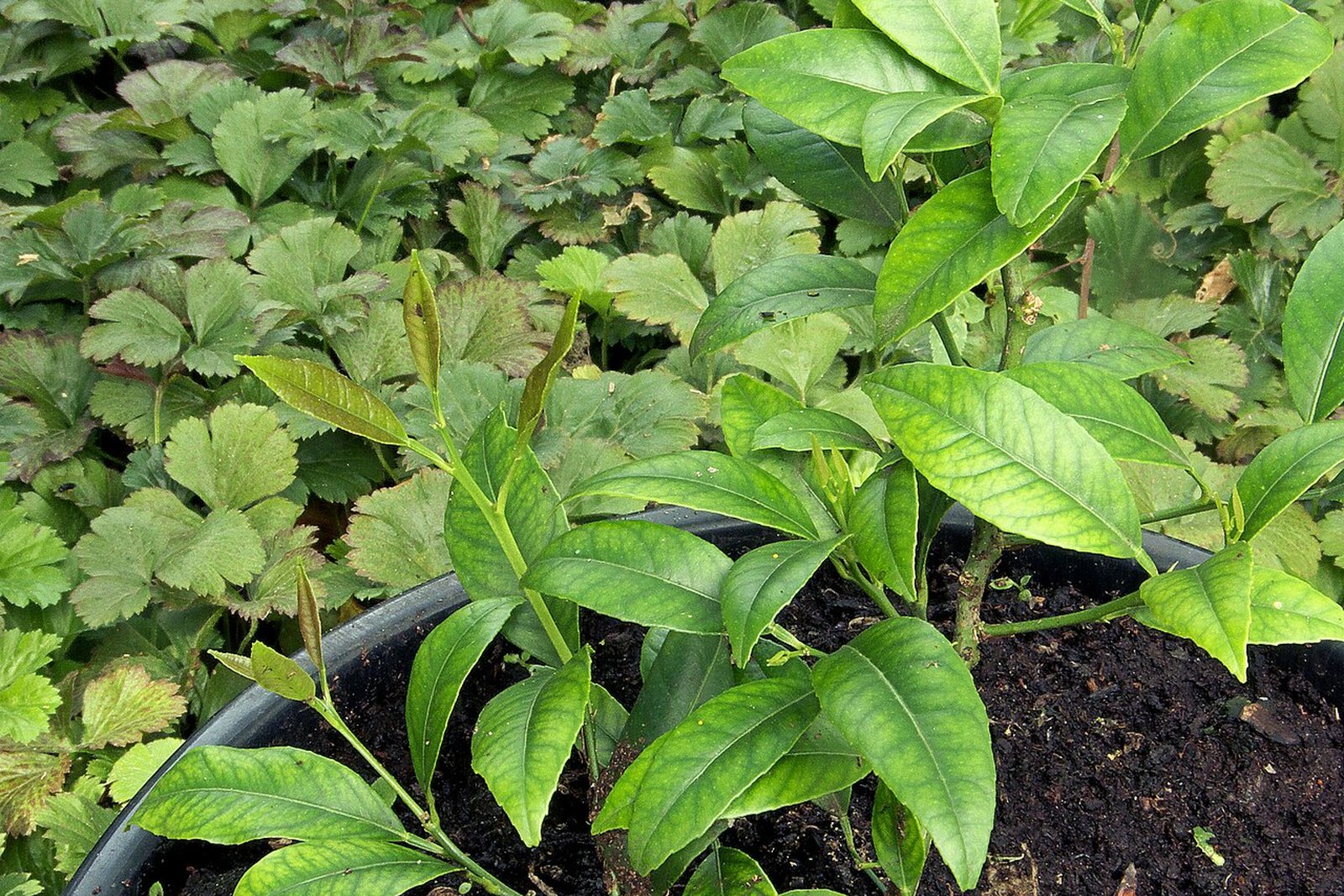
The RHS describes yellowing between the leaf veins, sometimes with reddish-brown tints, then browning and dead patches on older leaves that drop early. It names tomatoes, apples, plums, grapevines, raspberries, roses and rhododendrons as common victims. Because the plant moves magnesium to new growth, the damage starts on older leaves, which is a useful clue. Two things make a deficiency likely: low magnesium in light, sandy soil, and heavy use of potassium-rich feeds such as tomato feed, since the plant takes up potassium in preference to magnesium.
The RHS also notes that alkaline or chalky soils make magnesium less available. That matters if your garden has lime in the soil, so test soil pH with a simple kit before you reach for Epsom salt.
What else looks like magnesium deficiency?
Several deficiencies look alike, and the RHS warns that drought, waterlogging, lack of light and poor establishment can mimic them. Rule these out first, because yellow leaves have many causes, and our yellow leaves diagnosis guide and the page on pale or light green leaves walk through the cheaper explanations.
| Symptom | Check first | Epsom salt? |
|---|---|---|
| Yellow between veins on older leaves, veins stay green | Soil type, potassium-rich feeding, soil pH | Possibly, after a test |
| Whole leaf yellow, soil constantly wet | Waterlogging, drainage | No: fix watering |
| Pale, stretched growth toward the window | Light level | No: more light |
| Dry, crisp, drooping leaves | Drought, root health | No: water correctly |
How much Epsom salt should you use?
If a deficiency is likely, the RHS gives two routes. For a short-term fix, dissolve 20 g of Epsom salts in 1 litre of water (about 0.7 oz in 34 fl oz) and spray or wet the leaves, repeating two or three times during summer. Spray in dull weather, or in the early morning or evening, because foliar feeding in bright sun can scorch leaves. For a long-term fix on light, free-draining soil, the RHS says to apply magnesium sulfate at 30 g per square metre (about 1 oz per sq yd) around the roots and avoid high-potassium feeds. On acidic soil it prefers dolomite limestone at 100 g per square metre, but not near acid-loving plants such as rhododendrons, camellias, heathers and blueberries.
Those are garden doses. We found no extension or RHS dose for houseplants, so for a pot use a balanced houseplant fertiliser at label strength instead. Our houseplant fertilising guide explains how often, and the NPK numbers guide shows how to read the label. Some feeds list magnesium on the label, so read it before adding more.
Why can too much Epsom salt hurt?
The University of Georgia says that without knowing what is in the soil, adding Epsom salt could do more harm than good: overuse can cause salt injury and lead to deficiencies of iron, boron and potassium. Linda Chalker-Scott, a Washington State University horticulturist cited by the University of Washington, says Epsom salts are useful mainly in intensive crop production where magnesium is known to be lacking, advises home gardeners not to use them, and recommends regular compost instead. UGA adds that lawns will rarely be low in magnesium, and that a soil test is the only way to know.
What should you do instead?
- Look at the pattern. Older leaves yellow between the veins, veins green?
- Rule out water and light. Check drainage, pot weight and window light before anything else.
- Test the soil and its pH. A simple pH kit is enough to start; a lab soil test is better for a whole bed.
- Feed correctly. Avoid heavy high-potassium feeds, and use compost to build soil.
- Treat once, then reassess. If a test or the pattern points to magnesium, use the RHS dose once and watch new growth rather than repeating monthly.
If you are unsure what your plant is telling you, describe it to Dr. Flori in the app: it asks follow-up questions, names the likely cause and gives a recovery plan, which beats guessing with a kitchen cupboard remedy. Other pantry myths are checked in our guides to banana water, eggshells and rice water and coffee grounds for plants.
Should you buy a bag of Epsom salt?
| Your situation | Verdict |
|---|---|
| Older leaves yellow between green veins, sandy soil, heavy tomato feeding | Worth considering; check pH first |
| Yellow leaves on a houseplant, no soil test | Not recommended: no sourced houseplant dose |
| Hoping for bigger fruit or more flowers | No: the claims are unsupported |
| Hoping to repel slugs or pests | No: listed as an unproven claim |
Does climate change the answer?
Not really, but the soil does. Light, sandy soils tend to be low in magnesium, and chalky or alkaline soils make it less available (RHS). A Turkish reader on a lime-rich inland soil and an English reader on chalk can both see the same pale leaves for a reason that has nothing to do with the climate. Test, then decide.
Frequently asked questions
Is Epsom salt good for tomato plants?
Only if they are short of magnesium. The RHS lists tomatoes as a common victim of deficiency, but UGA says many researchers find the bigger-harvest claims unsupported by research.
How do you use Epsom salt on plants?
The RHS gives 20 g per litre of water as a leaf spray, repeated two or three times in summer in dull weather, or 30 g per square metre on light soil. Use it only for a real deficiency.
Can Epsom salt hurt plants?
Yes. The University of Georgia says overuse can cause salt injury and deficiencies of iron, boron and potassium, so test the soil before applying it.
Is Epsom salt good for houseplants?
None of the sources we checked gives a houseplant dose. Use a balanced houseplant fertiliser at label strength, and check for watering and light problems before suspecting magnesium.
What are the signs of low magnesium in plants?
The RHS lists yellowing between the leaf veins, sometimes with reddish-brown tints, and older leaves that brown and drop early.
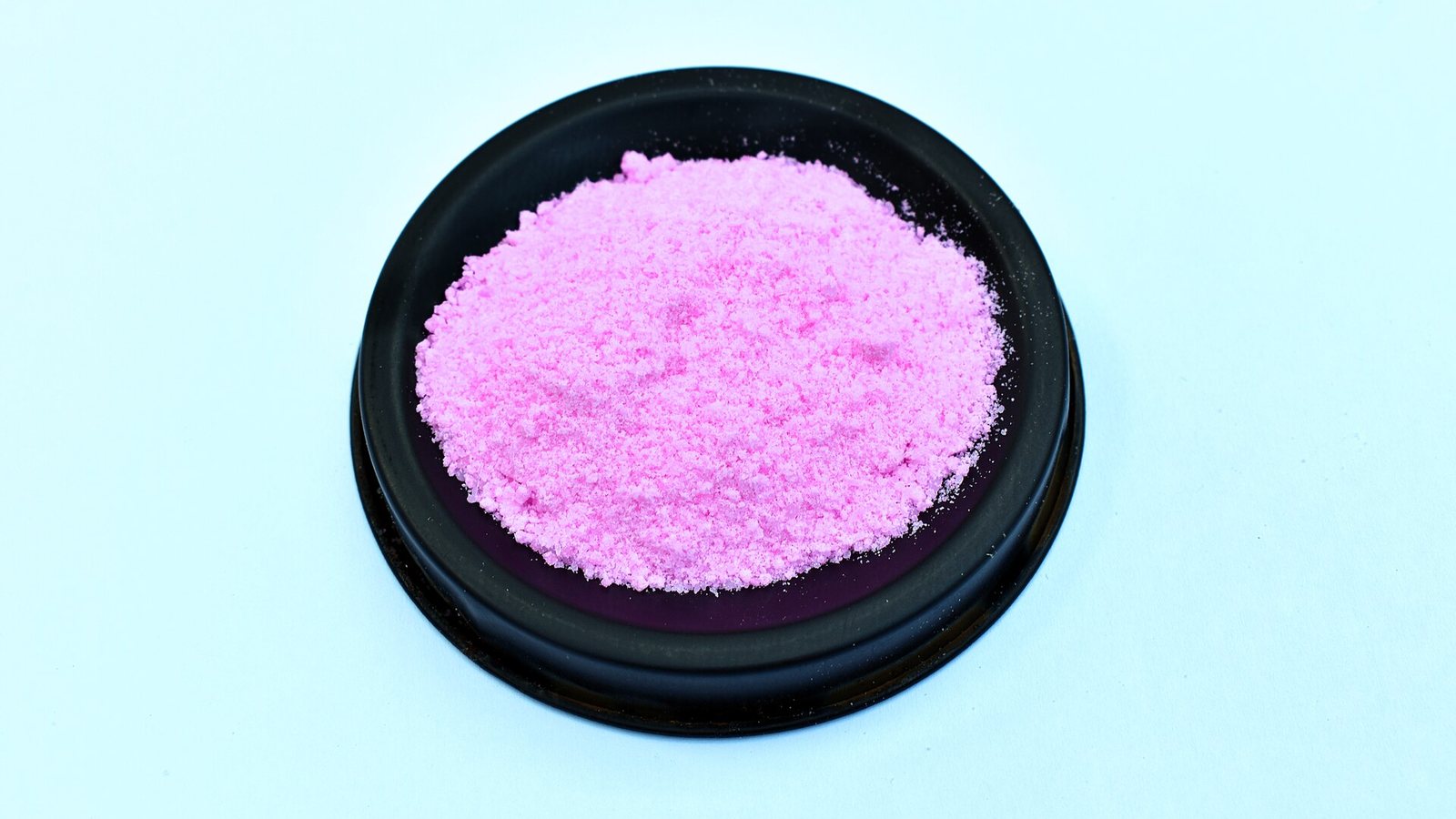
When to fertilize houseplants, how often and how strong, which plants to skip, and how to spot and flush fertilizer salt build-up, from extension advice.
Sources
Written and fact-checked by the Flori team. Every guide cites horticultural sources such as the RHS, university extension services and the ASPCA, and is updated when the advice changes. How we write our guides
General plant care information. Plants vary; when a plant is valuable or a problem spreads quickly, consult a local nursery or plant specialist.