Pale or Light Green Leaves: Light, Food or Iron?
Pale or light green leaves? Check where the paleness starts: all over means light, old leaves hunger, new leaves with green veins iron. Fixes in order.
 By Flori editorial team · Updated
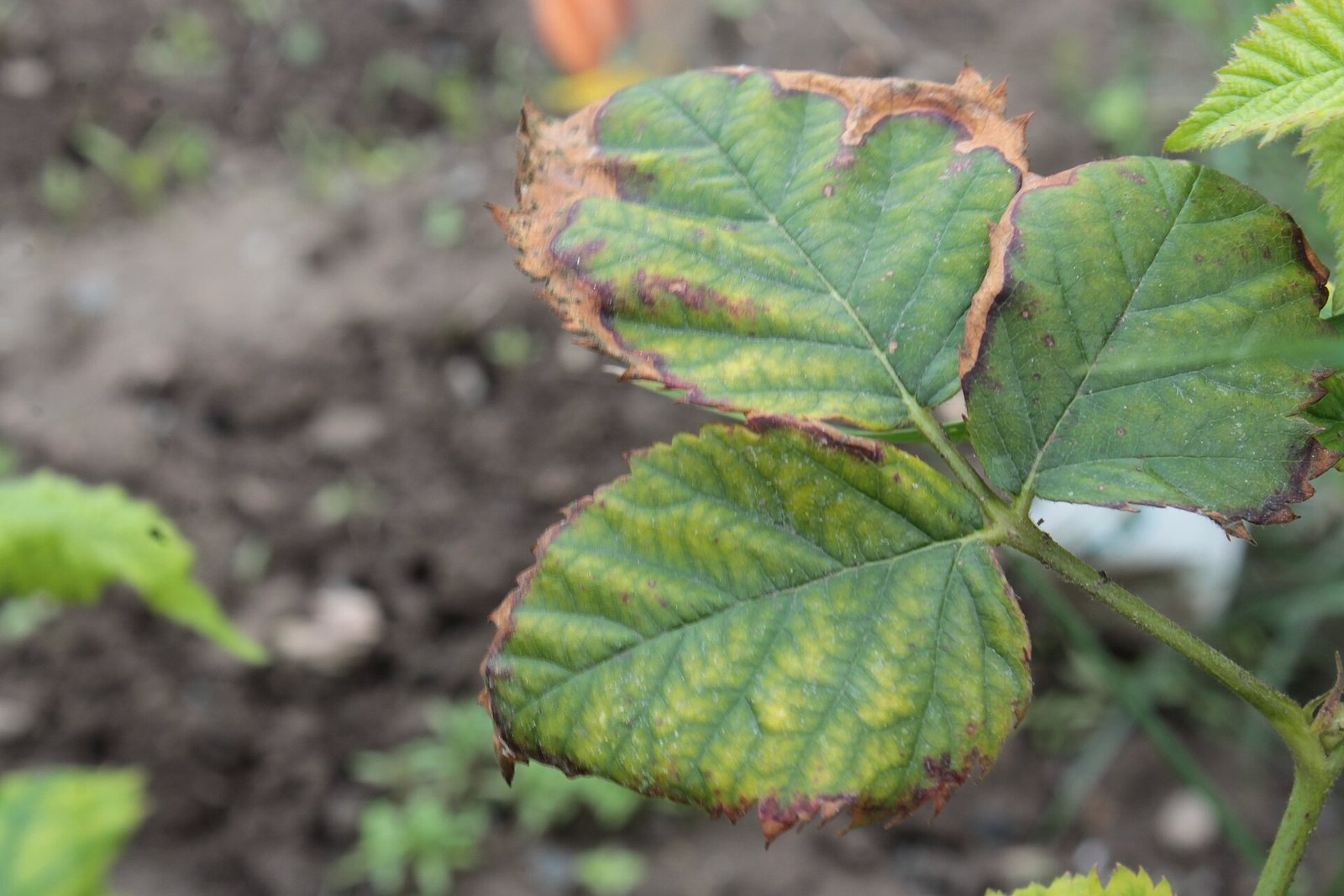
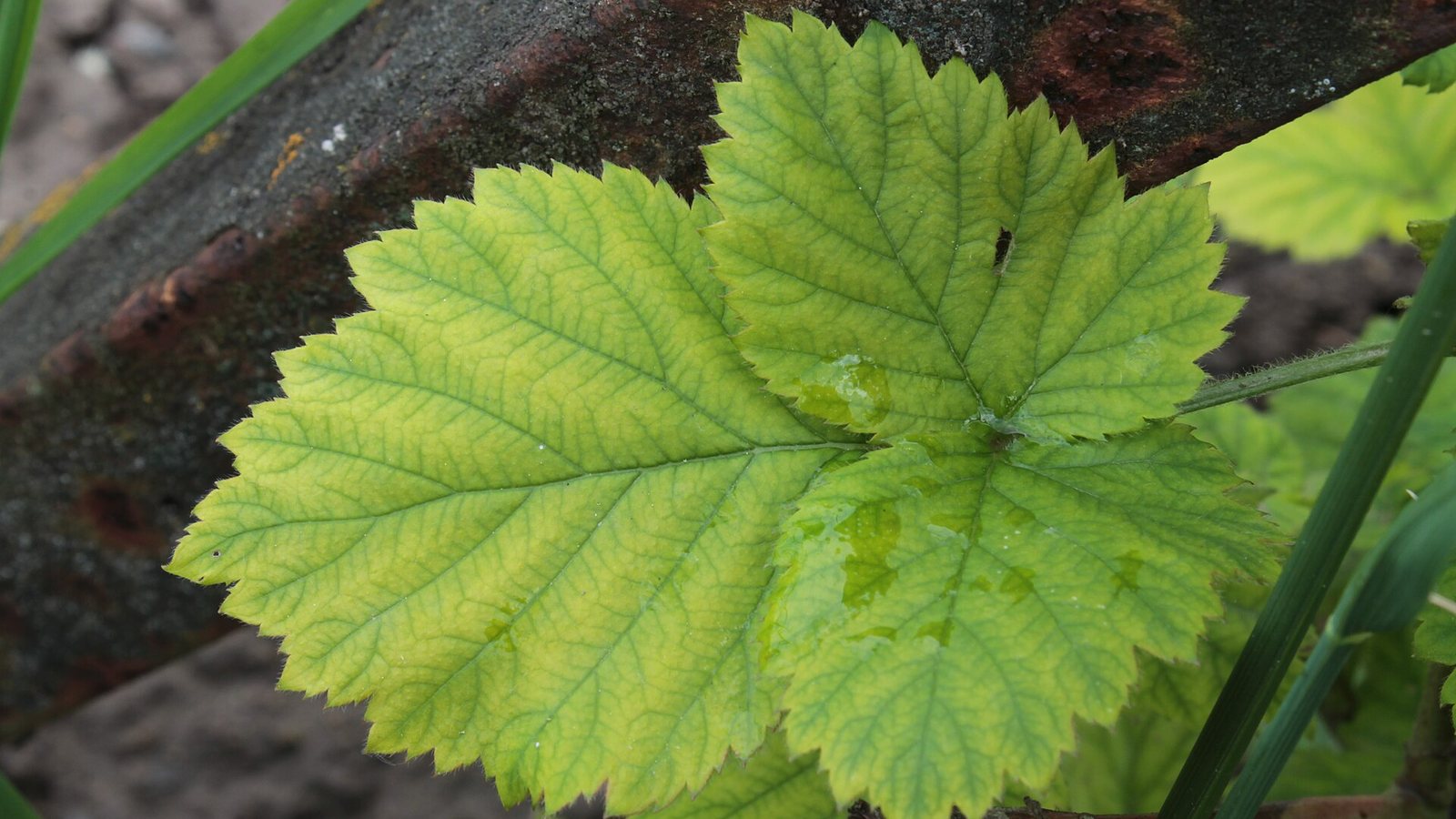 Photo: I.Sáček, senior · CC0
Pale or light green leaves usually mean too little light, too little food, an iron problem or wet roots. Check which leaves fade first: the whole plant means light, old leaves mean nitrogen, new leaves with green veins mean iron. Fix light, water and soil first, then feed only a growing plant.
Key takeaways
- Where the paleness starts is the clue: all over, old leaves or new leaves.
- The RHS lists weak, spindly growth and pale leaves as signs of too little light.
- Pale old leaves in an old pot usually mean nitrogen or general hunger; refresh the mix and feed in the growing season.
- New leaves that are pale with green veins point to iron, often locked up by high pH or wet roots.
- Fix light, watering and soil before adding feeds, and follow the label on any iron product.
On this page7
Why are my plant's leaves pale or light green?
Pale or light green leaves almost always mean the plant cannot make enough chlorophyll, the green pigment, and the usual reasons are too little light, too little food, an iron problem or wet roots. The cause shows in where the paleness starts: all over, on the old leaves, or on the newest leaves only. This guide turns that into a quick check, so you can fix the real cause instead of reaching for fertiliser by reflex. If the leaves are properly yellow rather than pale, our yellow leaves diagnosis guide is the better starting point.
First, rule out the plant itself. Some plants are naturally light, lime or variegated, so compare the new growth with the plant's own earlier leaves, not with another plant. If the colour has faded from a deeper green, read on.
| What you see | Likely cause | First fix |
|---|---|---|
| Whole plant evenly pale, stretched stems, small leaves | Too little light (RHS) | Move to a brighter spot; measure the light |
| Oldest, lowest leaves pale then yellow, slow growth, plant in the same pot for years | Nitrogen or general nutrient shortage (Clemson, RHS) | Fresh mix and a regular, balanced feed in the growing season |
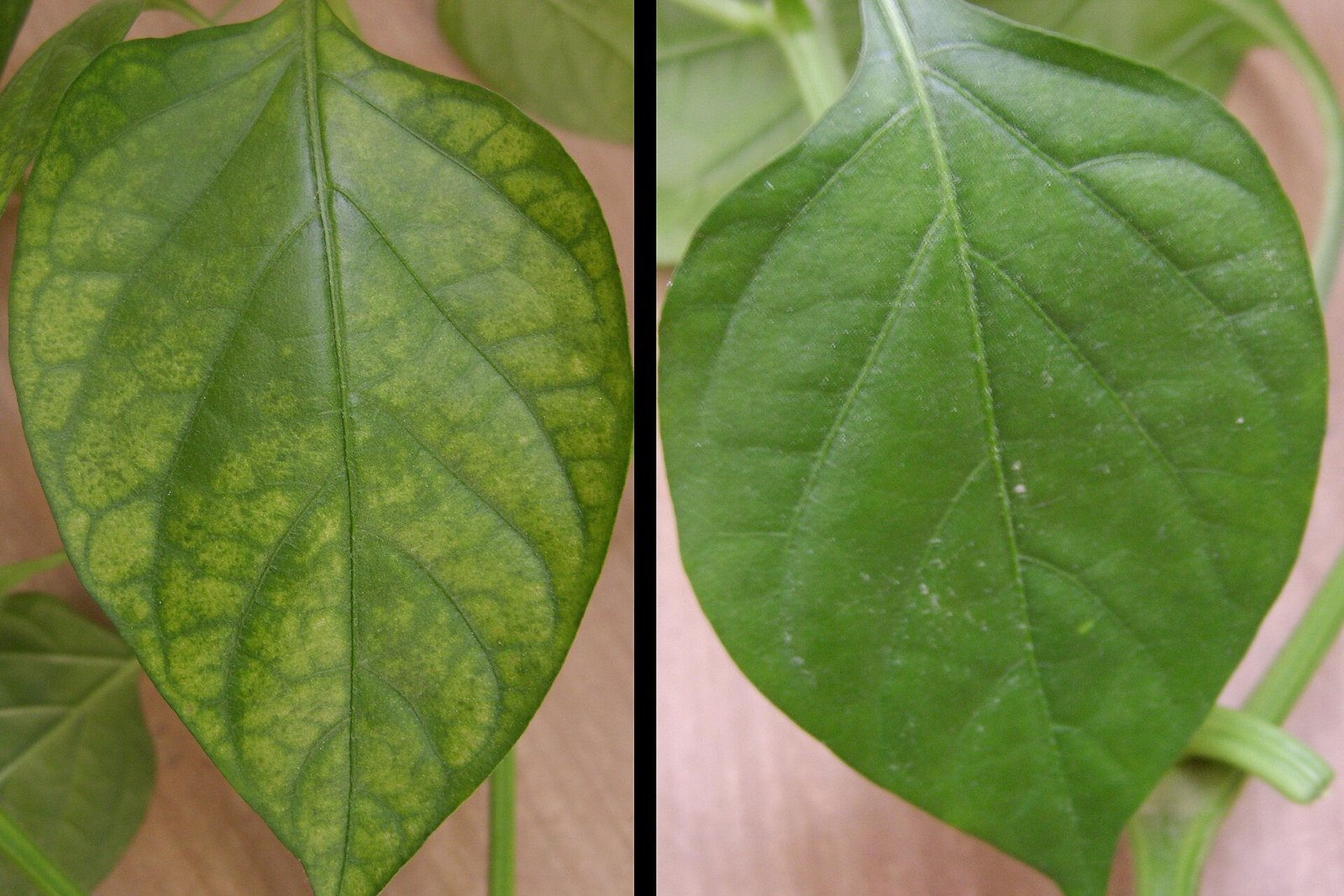
| Newest leaves pale or yellow with green veins | Iron shortage (RHS), often caused by high pH or wet roots | Check watering and water type; use chelated iron as per label |
| Pale old and new leaves, soil stays wet, leaves dropping | Overwatering, root problems (RHS, Clemson) | Lift the plant and check the roots |
| Fine pale speckles, dusty look, fine webbing | Sap-sucking mites (Clemson) | Inspect the leaf undersides |
Is it too little light?
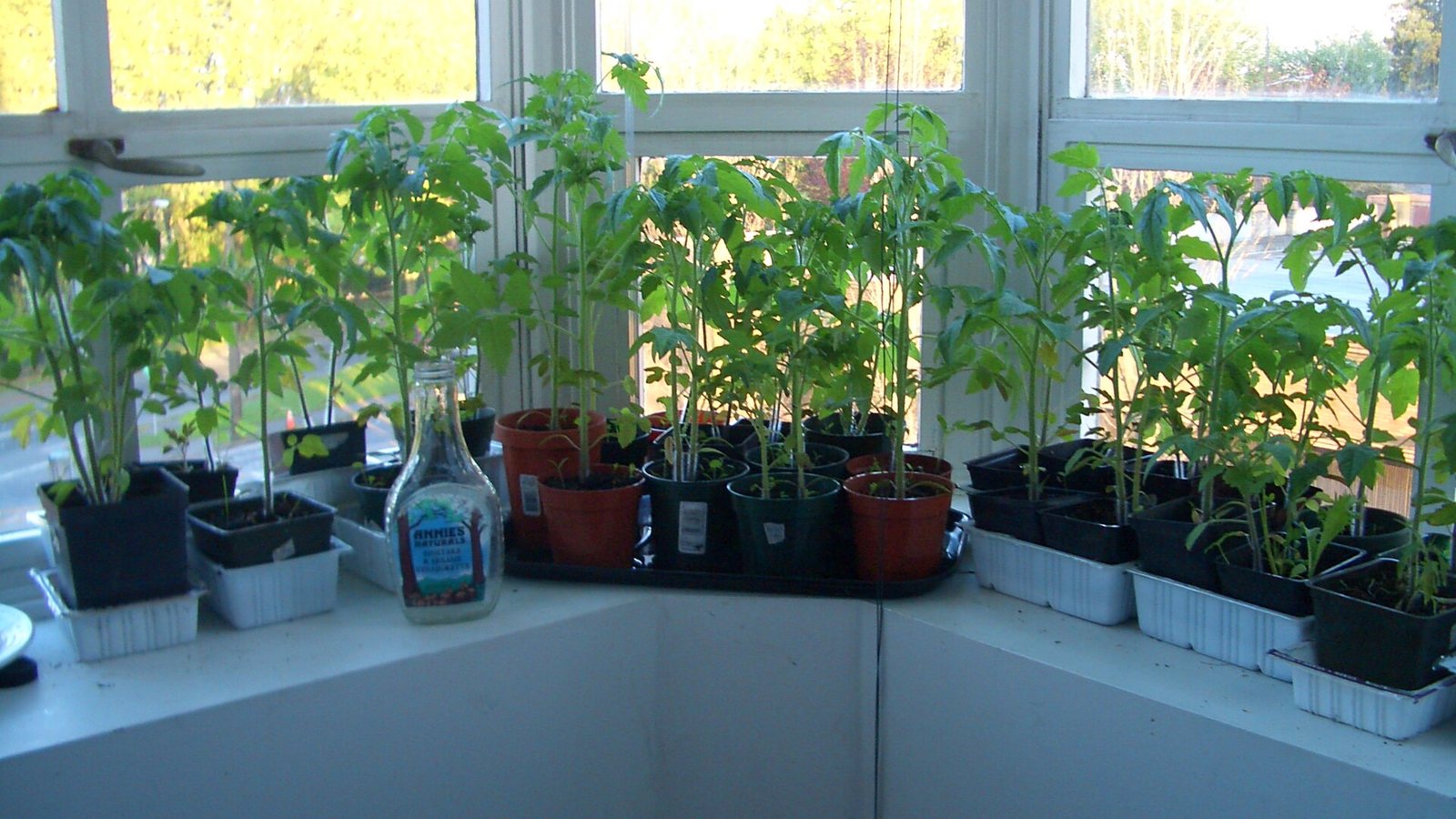
This is the most common cause, and the easiest to fix. The RHS says weak, spindly growth, pale leaves and poor flowering are all signs a plant is not getting enough light, and that lower leaves may yellow and drop. In winter the problem often appears suddenly because the sun is low and days are short; the RHS suggests moving the plant closer to a south- or west-facing window, which in the Southern Hemisphere means a north- or west-facing one.
Look for the companion signs: stems stretching toward the window, wider gaps between leaves, and smaller new leaves. Our guide on signs your plant needs more light show the pattern in detail. If you are not sure how bright your spot really is, the Smart light meter in Flori measures it with your phone camera, and our light-measuring guide explains how to read the result. Bleached, papery patches on the side facing the glass are a different problem: sunburn.
Could it be hunger, or nitrogen?
A plant that has been in the same pot for years has used up the nutrients in its mix. The RHS says houseplants kept in the same pot for years can run short of nutrients, and Clemson ties yellowing of the lower leaves to nitrogen or iron deficiency, with pot-bound plants especially prone. The RHS adds that nitrogen deficiency produces broad yellowing starting on the older leaves, often with reduced vigour. So pale old leaves and sluggish growth in a tired pot point to hunger.
- Repot or refresh the mix. The RHS suggests repotting into fresh peat-free compost if growth is weak.
- Then feed. Use a suitable liquid feed during the growing season, from spring to autumn (RHS). Clemson recommends fertilising regularly and repotting periodically with fresh soil to prevent nitrogen and iron deficiency.
- Do not overdo it. Clemson warns that too much fertiliser causes salt build-up and leaf damage. Iowa State suggests half or quarter strength and feeding only when the plant is actively growing. Our fertilising guide gives the schedule.
What does iron deficiency look like?
Iron shortage has a very recognisable pattern: the newest leaves turn pale or yellow while the veins stay green. The RHS says iron deficiency affects the youngest leaves first, whereas magnesium and manganese problems tend to start on the older ones. That is the quickest way to tell it from a nitrogen shortage, which hits old leaves first.
The twist is that the soil usually does contain iron. Colorado State Extension explains that high pH locks iron into forms roots cannot absorb, and that overwatering and compaction make it worse. In a pot this can happen when:
- the plant sits in waterlogged, compacted mix (drainage first);
- you water with very hard, alkaline tap water; the RHS notes that tap water in hard-water areas can contribute to nutrient problems and prefers rainwater at room temperature where possible;
- the mix is old and the plant is pot-bound.
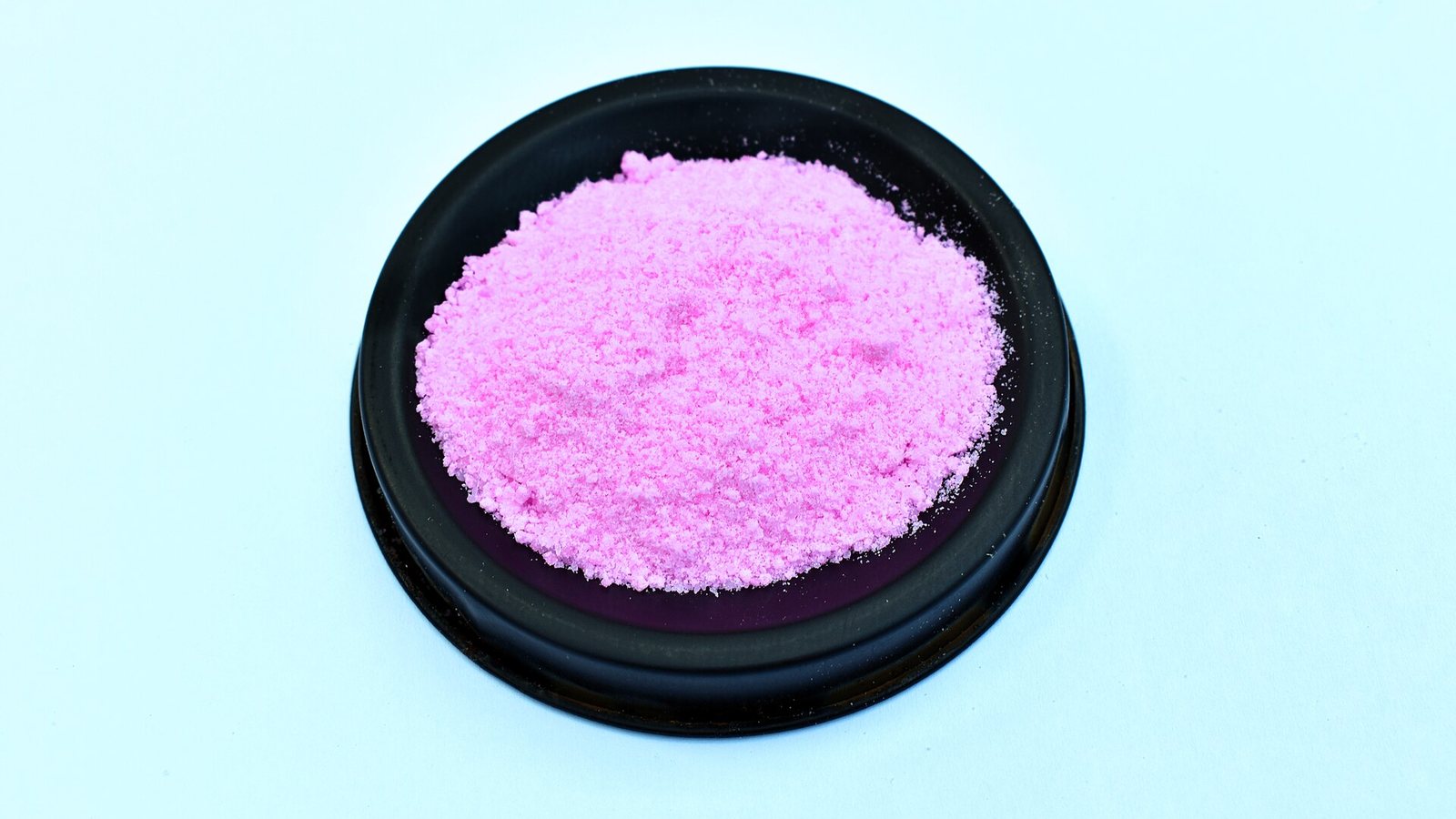
Fix the drainage and the water first. If the pattern persists, a chelated iron product is usually the most effective treatment according to Colorado State; it notes that at higher pH only high-pH chelates such as EDDHA work well, and plain iron added to the soil alone is ineffective because it quickly becomes unavailable. That advice is written for garden trees, so for a houseplant follow the label on the product for the dose and never use more than it says. Check that the product is suitable for indoor plants.
Is overwatering making the leaves pale?
Yes, it can. Clemson calls overwatering the most common cause of yellowing, because excess water reduces oxygen around the roots and encourages root disease. The RHS links yellowing on both old and new leaves, often with dropping, to too much water, and suggests lifting the plant out of its pot to check for water pooling in the base and for dark, mushy roots. Water only when the soil is dry an inch or two down, as Iowa State advises; if in doubt, wait another day. If the roots are soft and brown, follow our root rot rescue plan.
What if pests are the cause?
Pale, speckled foliage with a dusty look can be mites. Clemson lists insect pests and mites among the causes of yellowing foliage. Check the undersides of leaves with a magnifying glass; fine webbing or tiny moving dots point to spider mites. Our spider mite guide covers the least-toxic treatments, and if you use any product, follow the label.
How do you fix pale leaves in the right order?
- Check the pattern: all over, old leaves or new leaves.
- Fix light, water and mix first. The RHS says to get these basics right before adding feeds or controls.
- Feed only a plant that is growing, and in a lower dose than the label's maximum.
- Treat iron separately if new leaves have green veins and the other basics are right.
- Remove completely yellow leaves. The RHS says they will not recover and can be cut off.
- Wait. New leaves show the improvement; existing pale leaves rarely turn fully green again.
If you cannot tell which cause fits, describe the plant to Dr. Flori with a photo and it will ask about the leaves, light and watering and name the likely cause.
Frequently asked questions
Why are the new leaves on my plant pale green?
Pale new leaves with green veins point to iron deficiency, as the RHS says it affects the youngest leaves first. High pH, hard water and waterlogged mix can stop roots taking up iron that is present.
Do pale leaves turn green again?
Rarely. The RHS says completely yellow leaves will not recover, so fix the cause and judge the result by the new leaves.
Should I fertilise a plant with pale leaves?
Only if the plant is growing and the light and watering are right; the RHS says to sort those basics before adding feeds. Never exceed the label dose, because Clemson warns that too much fertiliser causes salt build-up.
Can too much light make leaves pale?
Too little light is far more common, but bleached, papery patches on the side facing the glass can be sunburn. Move the plant back from the window.
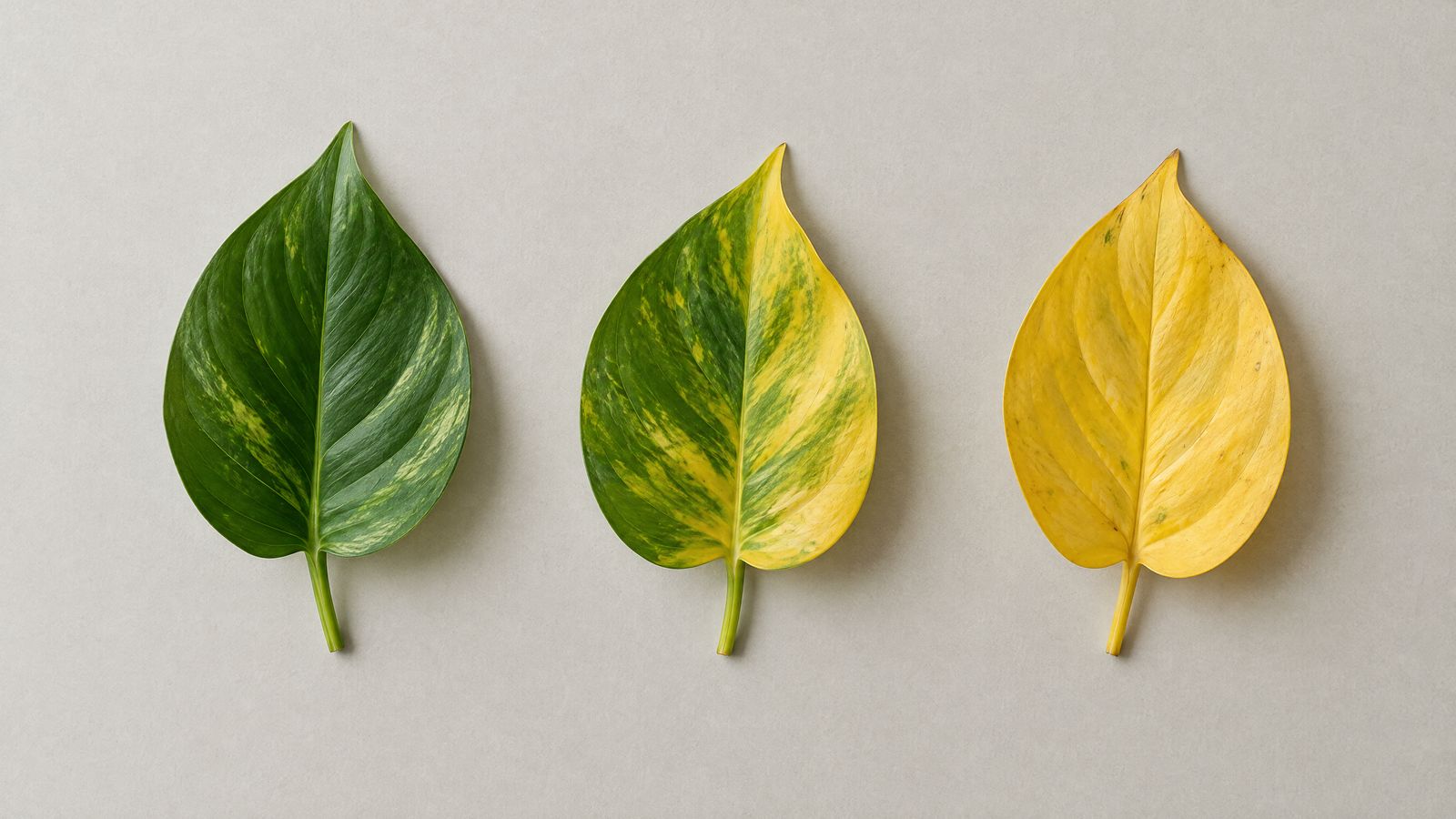
Why are your plant's leaves turning yellow? Read which leaves yellow first, check soil and roots, and match the pattern to its cause and first fix.
Sources
Written and fact-checked by the Flori team. Every guide cites horticultural sources such as the RHS, university extension services and the ASPCA, and is updated when the advice changes. How we write our guides
General plant care information. Plants vary; when a plant is valuable or a problem spreads quickly, consult a local nursery or plant specialist.