Leggy Plants: Why They Stretch and How to Fix It
Leggy plants stretch for light, and stretched stems never shrink. How to fix the light first, then prune, pinch and propagate, with fixes by plant type.
 By Flori editorial team · Updated
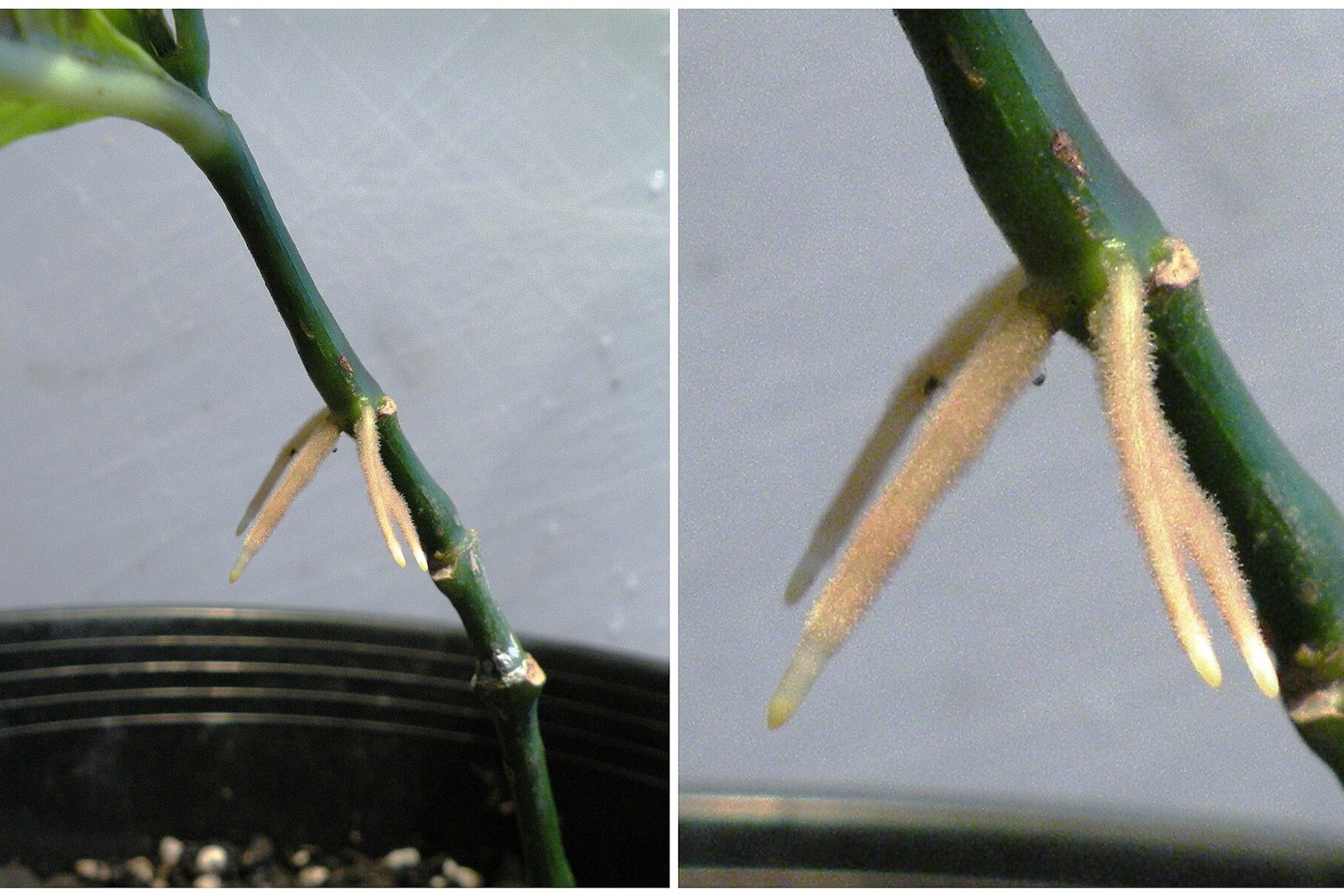
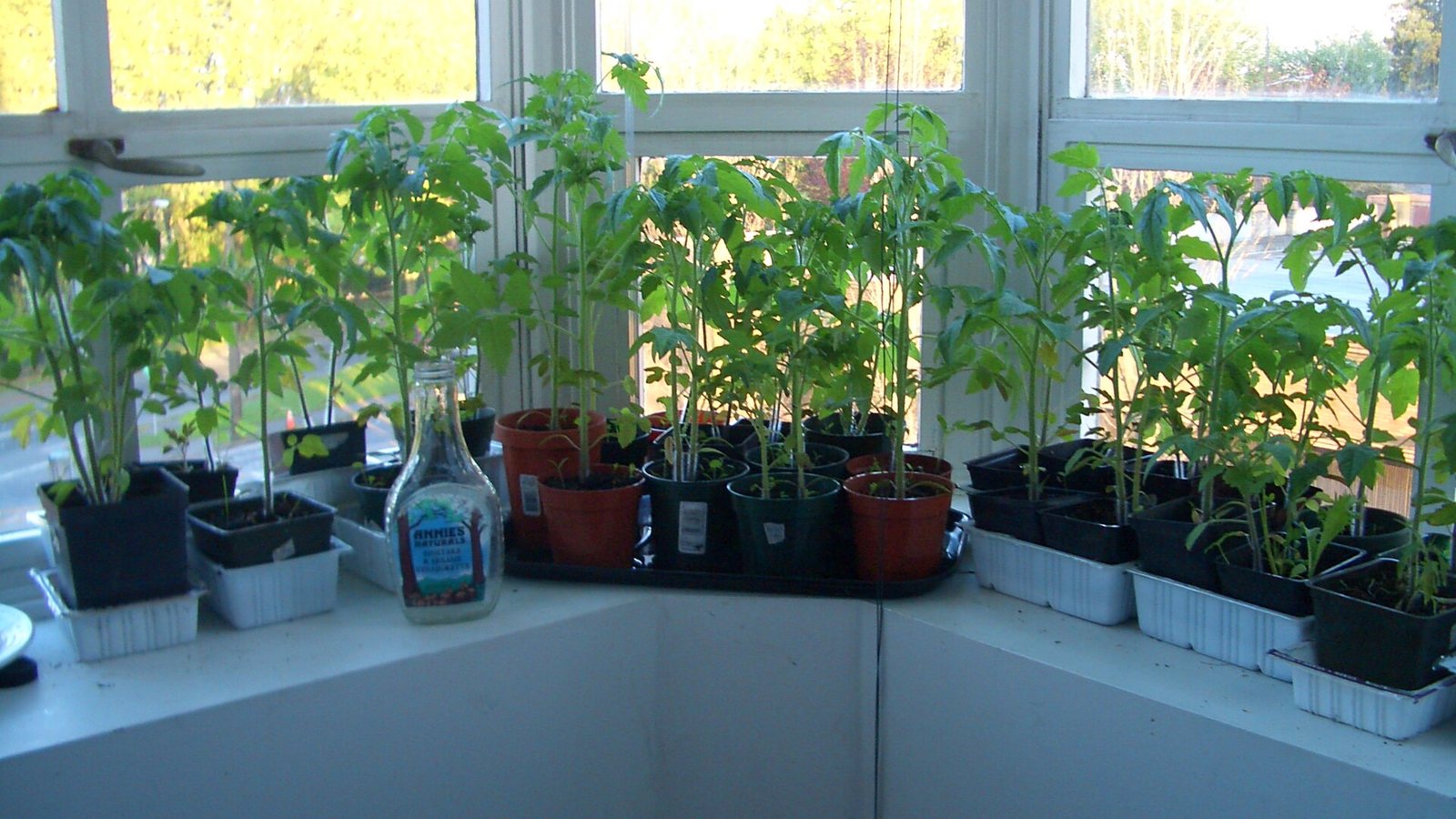 Photo: User:Vmenkov · CC BY-SA 3.0
Plants turn leggy because they get too little light: they stretch the stem between leaves to reach it. The stretched parts will not shorten, so move the plant to brighter light first, then cut long stems back just above a leaf node and root the cuttings to refill the pot. New growth in good light stays compact.
Key takeaways
- Leggy growth is almost always caused by too little light; the stems stretch and lean towards the window.
- Stretched stems never shrink back, so pruning is the only way to fix the shape.
- Fix the light first, moving plants closer gradually or adding a grow light.
- Cut long stems just above a node and pinch tips to make the plant branch.
- Root the cuttings and replant them in the same pot to make a thin plant fuller.
On this page9
- What does a leggy plant look like?
- Why do plants get leggy?
- Step 1: fix the light first
- Will a leggy plant get bushy again on its own?
- Step 2: prune or pinch to rebuild the shape
- Step 3: turn the cut-off stems into new plants
- How to fix a leggy plant, by type
- Is pruning safe around pets?
- How to stop plants getting leggy again
What does a leggy plant look like?
A leggy plant has long, thin stems with big gaps between the leaves, small or pale new leaves, and often a bare lower stem with all the foliage bunched at the tip. It may lean hard towards the window. Leggy plants are common in autumn and winter, and the question most people search is not just why it happened but whether the plant can be fixed. It can, but not in the way many expect: stretched stems never shrink back. This guide explains why plants stretch, then shows how to fix the shape plant by plant, with a table for vines, cane plants, succulents and seedlings.
If you are not sure light is the problem, our guide to the signs your plant needs more light covers the other symptoms of a dim spot. Here we deal with the stretch itself and what to do about it.
Why do plants get leggy?
Almost always because of too little light. The RHS explains the mechanism: light intensity affects a plant hormone, gibberellin, which controls the length of stem between leaves (the internode). In good light plants stay compact; in low light they become tall and spindly, a response called etiolation. When light comes from one side, another hormone, auxin, builds up on the shaded side of the stem, which grows faster and bends the plant towards the window. That is phototropism, and it is why a leggy plant usually leans.
Iowa State University Extension describes the same thing in succulents: tall, spindly, lanky new growth that is pale in colour shows light levels are too low, and rosette succulents flatten their leaves outwards to catch more light. The RHS adds that weak, spindly growth, pale leaves and poor flowering are all signs a houseplant is not getting enough light, and it uses a leggy arrowhead plant (Syngonium) as its example.
Two things make it worse. Feeding a plant heavily in a dim room pushes soft, weak growth the light cannot support. And some plants simply age: Iowa State notes that a dragon tree (Dracaena) tolerates low light but will bend and stretch excessively, and over time its stem goes bare beneath the leaves.
Step 1: fix the light first
Pruning a leggy plant and putting it back in the same dim spot only gives you a second leggy plant. So start with light:
- Move it closer to the window. The RHS says that if a plant is stretching to reach the light, move it to a sunnier position, and that in winter many houseplants benefit from being moved closer to south- or west-facing windows (north- or west-facing in the Southern Hemisphere).
- Move gradually. Iowa State warns that a plant shifted suddenly from low light into direct sun can scorch, and that scald scars on succulents are permanent. Step it closer over a week or two.
- Add a grow light if the window is not enough. For succulents, Iowa State suggests placing them within 30 cm (12 in) of a grow light for 12 to 16 hours a day. Our guide to grow lights for houseplants explains the options.
- Turn the pot. A quarter turn every week or so stops one side always being shaded, so growth stays more even.
If you are unsure how bright a spot really is, Flori's Smart light meter gives you a reading for that place, which is easier than guessing by eye.
Will a leggy plant get bushy again on its own?
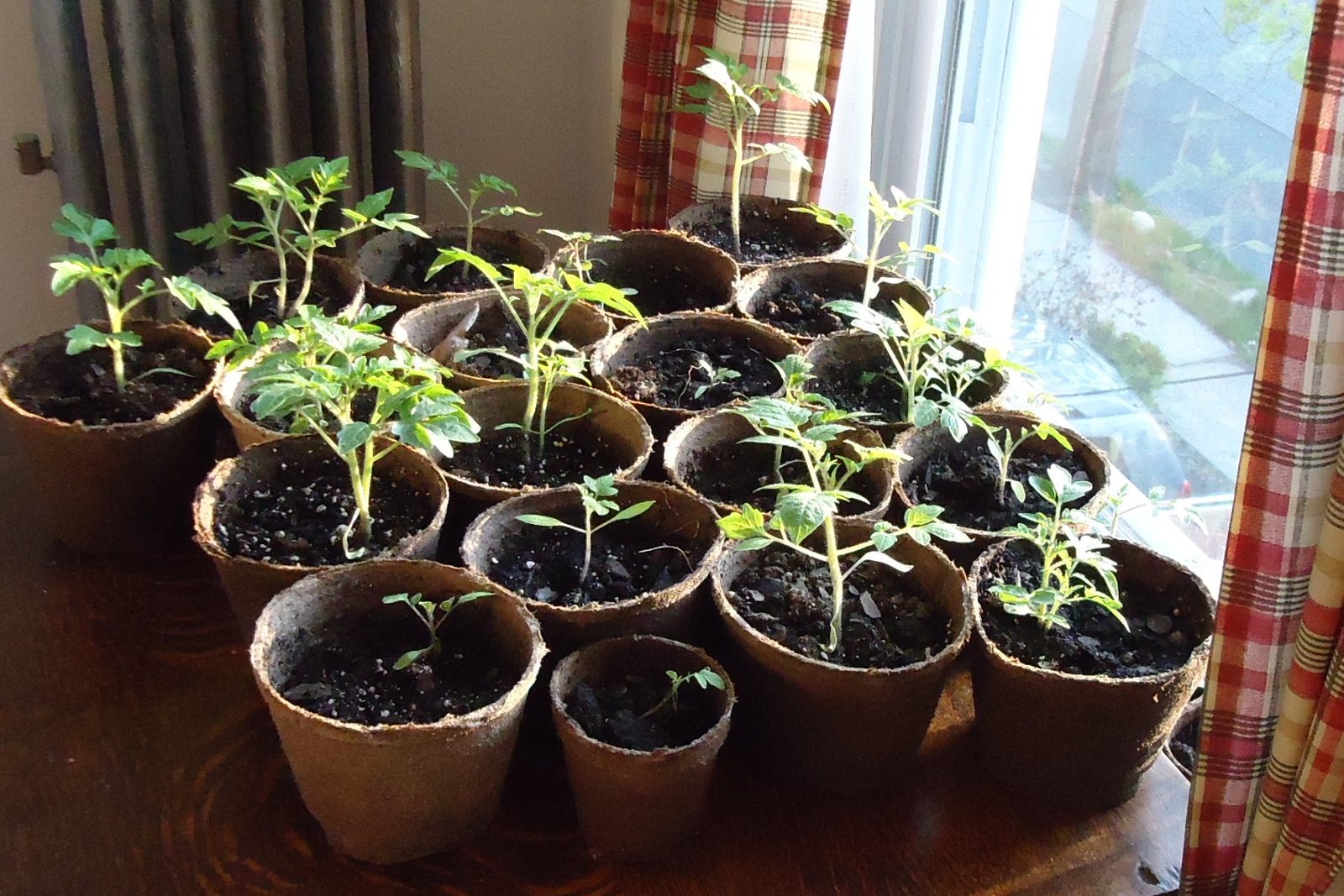
No. The stretched sections stay stretched; only new growth made in better light comes out compact. Iowa State notes that some plants need pruning to remove lanky growth once light improves, and that some never fully recover: barrel cacti can keep a narrow, misshapen section for good. So the real fix has two parts: better light for the future, and pruning or propagation for the shape you already have.
Step 2: prune or pinch to rebuild the shape
Once the plant is in better light and growing, cut it back:
- Use clean, sharp scissors or secateurs.
- Cut each long stem just above a node, the point where a leaf joins the stem. New shoots usually grow from the nodes just below the cut.
- Take off as much of the bare length as you need for a good shape; keep some leaves on every stem you leave.
- On bushy plants, pinch out the soft growing tips with your fingers to make them branch.
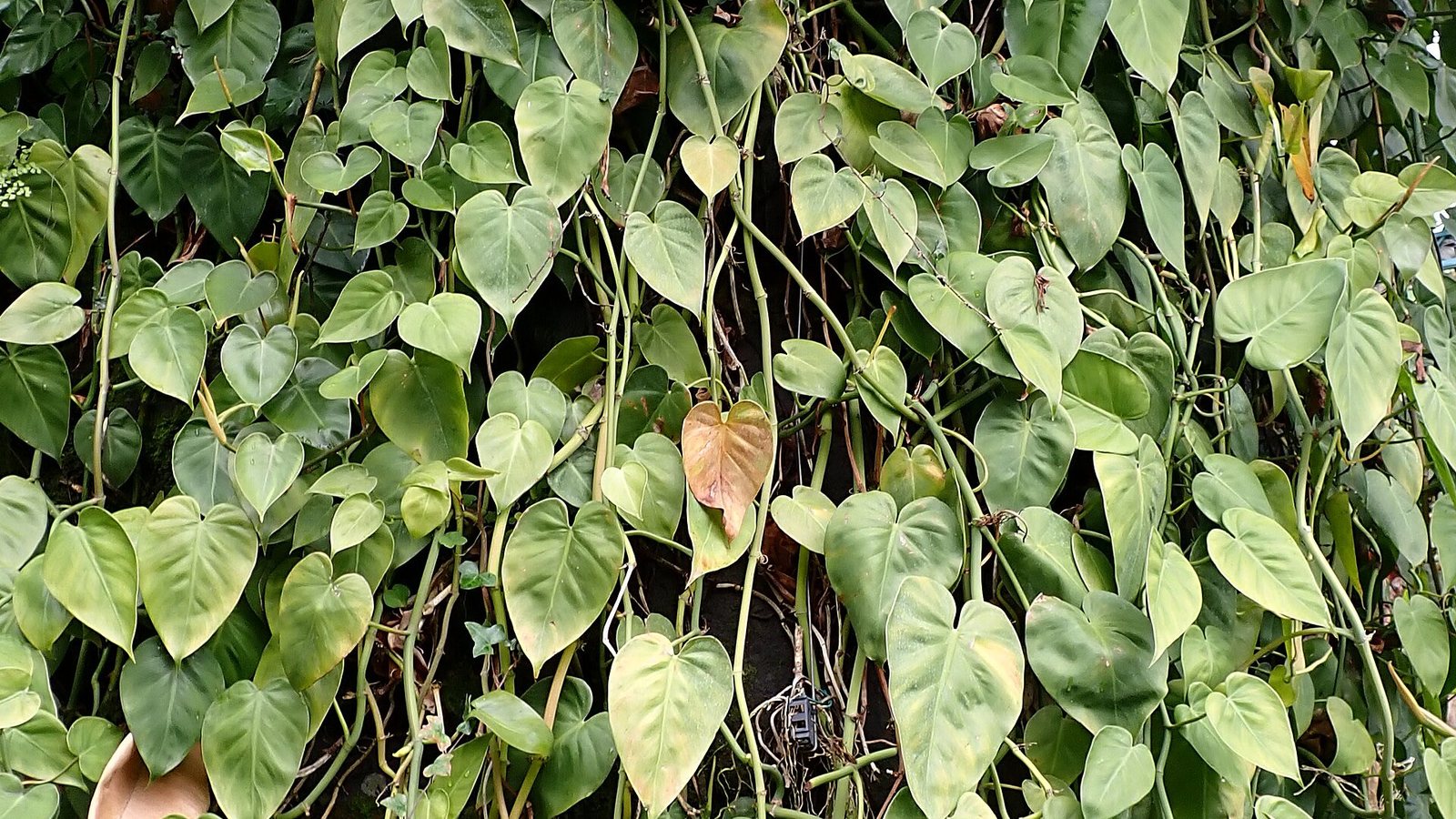
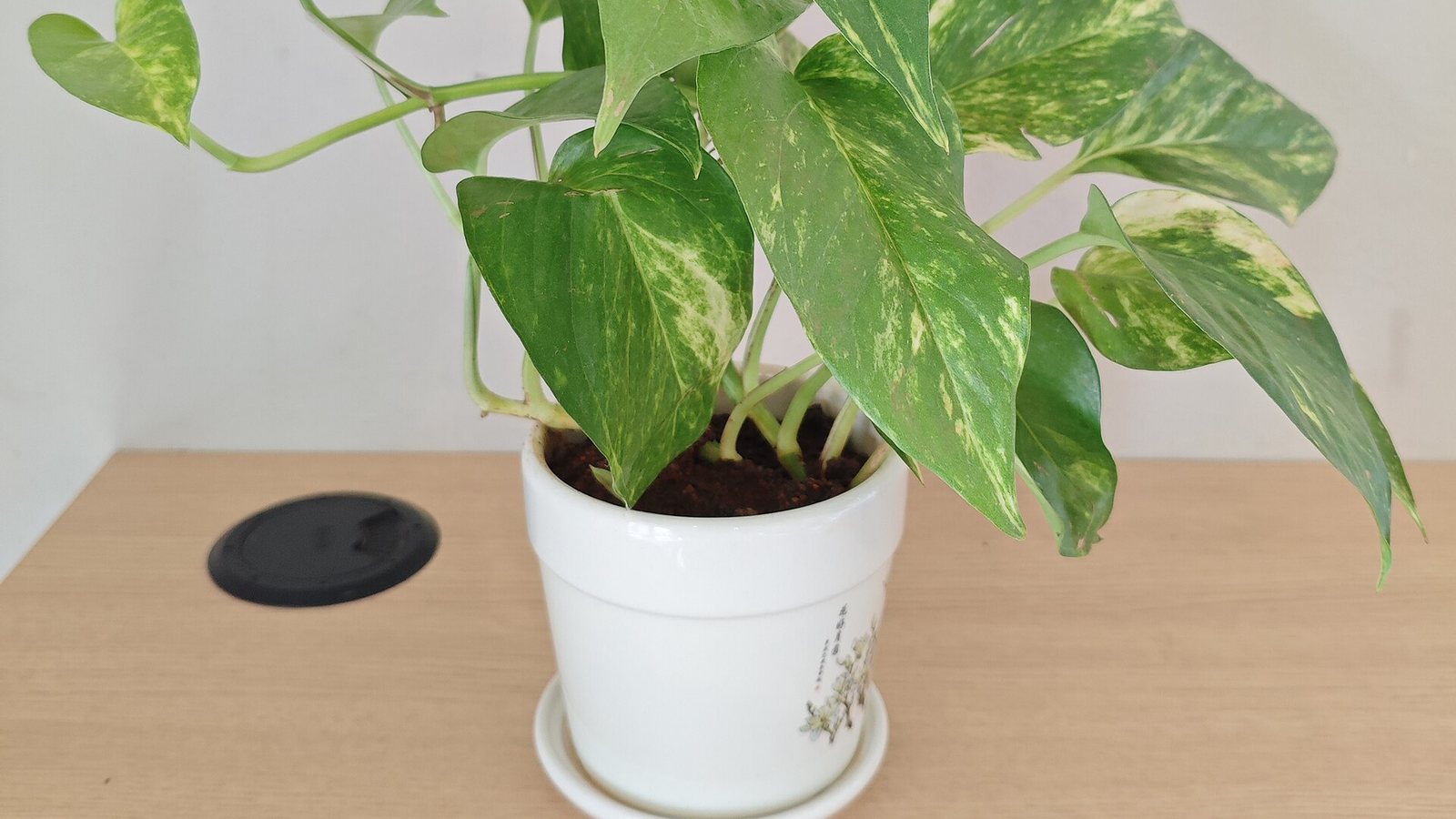
Iowa State gives exactly this advice for two of the most common leggy houseplants: pinch the tips of pothos to promote fullness, and when a heartleaf philodendron grows too long, cut back the stem to encourage new branches to develop.
Step 3: turn the cut-off stems into new plants
Pruning gives you material for free. Iowa State notes that pothos roots quickly from stem cuttings; root the pieces in water or mix and plant them back into the same pot to fill out a thin plant. For a dragon tree with a long, bare stem, Iowa State recommends air-layering the top, so the leafy crown roots while still attached and can then be potted on its own. For succulents that are too far gone, it suggests propagating the healthy-looking segments.
How to fix a leggy plant, by type
| Plant type | What leggy looks like | What to do |
|---|---|---|
| Trailing vines: pothos, heartleaf philodendron | Long bare vines, small leaves far apart | More light; pinch tips or cut back above a node; root the cuttings and replant them in the same pot |
| Arrowhead plant (Syngonium) | Thin stems flopping towards the light | Brighter spot; cut back the longest stems |
| Cane plants: dragon tree (Dracaena) | Tall bare stem, leaning, tuft of leaves at the top | More light; air-layer the top to make a shorter new plant |
| Rosette succulents (Echeveria and similar) | Rosette opens and flattens, pale, gaps up the stem | Bright light, introduced slowly; cut back or propagate healthy pieces |
| Cacti | Narrow, pale, pointed new growth | More light; the narrow section usually stays |
| Seedlings | Tall, thin, leaning stems | Move the lamp closer or give more light; sow later next time |
Is pruning safe around pets?
Clear up the clippings. The ASPCA lists golden pothos (Epipremnum aureum) as toxic to cats and dogs: it contains insoluble calcium oxalates, which can cause intense mouth irritation, drooling, vomiting and difficulty swallowing. Root cuttings in a jar out of reach of pets. Our list of pet-safe houseplants has alternatives if your cat chews everything.
How to stop plants getting leggy again
- Choose plants that suit the room. The RHS notes that shade-adapted plants have a weaker response to low light and stay neat and compact; it names aspidistras and ferns for dim rooms.
- Feed only when the plant is growing well in good light, not to push a struggling plant in a dark corner.
- Prune a little each growing season rather than waiting for bare stems.
- Check light again in winter, when the sun is lower and days are shorter; see our winter houseplant care guide.
If a plant is stretched and also losing leaves or yellowing, the cause may be more than light. Dr. Flori can work through the symptoms with you from a photo or description and give a recovery plan.
Frequently asked questions
Can a leggy plant be fixed?
Yes, but the stretched stems stay as they are. Move the plant into better light, then prune the long stems back above a node; the new growth will be more compact.
Where do I cut a leggy plant?
Just above a node, the point where a leaf meets the stem. New shoots usually grow from the nodes just below the cut, so the plant branches and fills out.
Why is my succulent stretching?
It is not getting enough light. Iowa State Extension says tall, pale, spindly new growth shows light is too low; move it to brighter light slowly and propagate healthy pieces if it is badly stretched.
Does fertilizer fix a leggy plant?
No. Feeding a plant in poor light pushes more weak growth. Improve the light first and feed only once the plant is growing well.
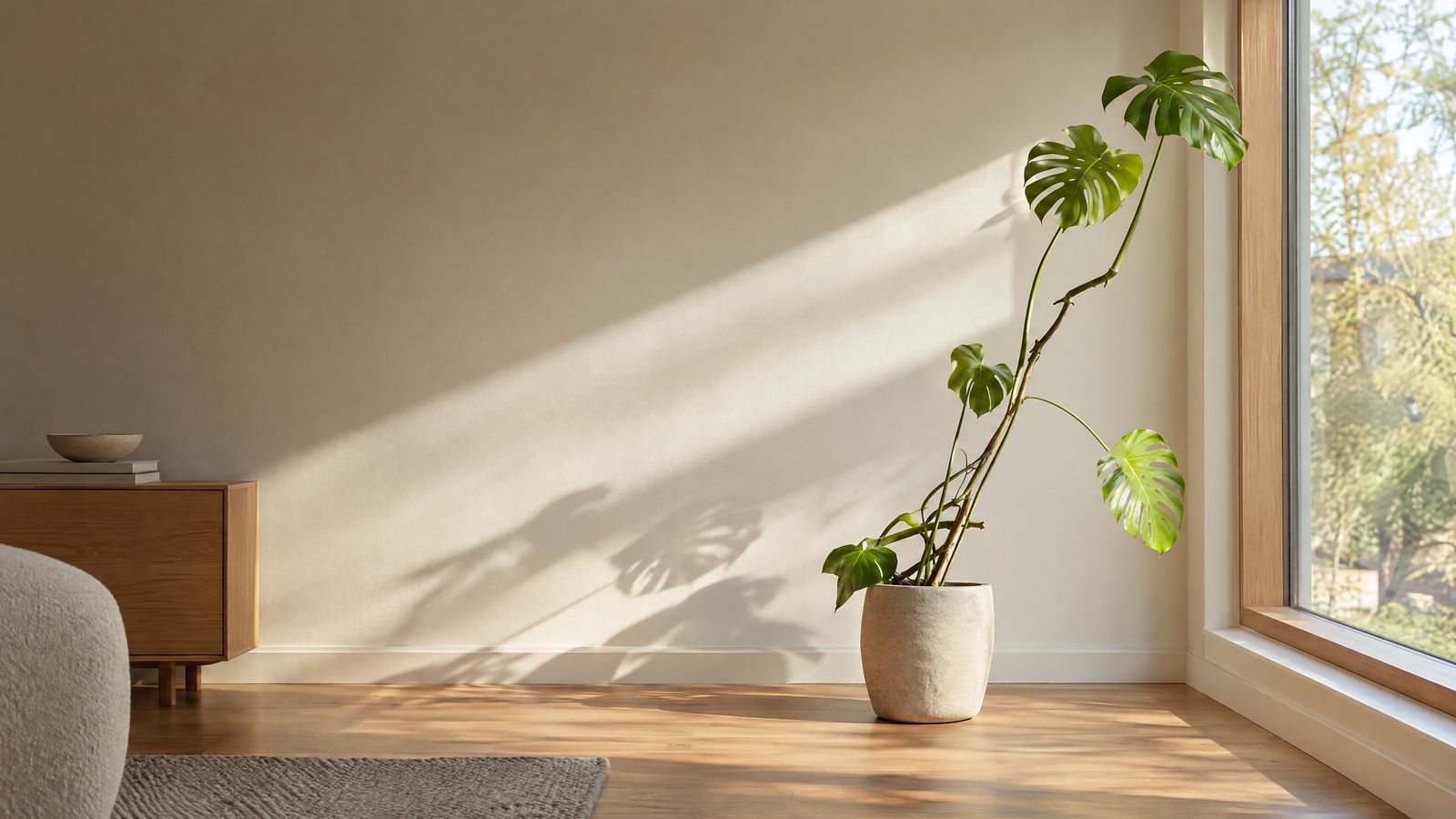
Leggy stems, leaning, small pale leaves and no flowers mean your plant needs more light. Learn how much light houseplants need and how to fix it.
Sources
Written and fact-checked by the Flori team. Every guide cites horticultural sources such as the RHS, university extension services and the ASPCA, and is updated when the advice changes. How we write our guides
General plant care information. Plants vary; when a plant is valuable or a problem spreads quickly, consult a local nursery or plant specialist.