Banana Water, Eggshells, Rice Water: Do They Work?
Do banana peel water, eggshells or rice water feed houseplants? What extension experts say about each, the fungus gnat catch, and what to use instead.
 By Flori editorial team · Updated
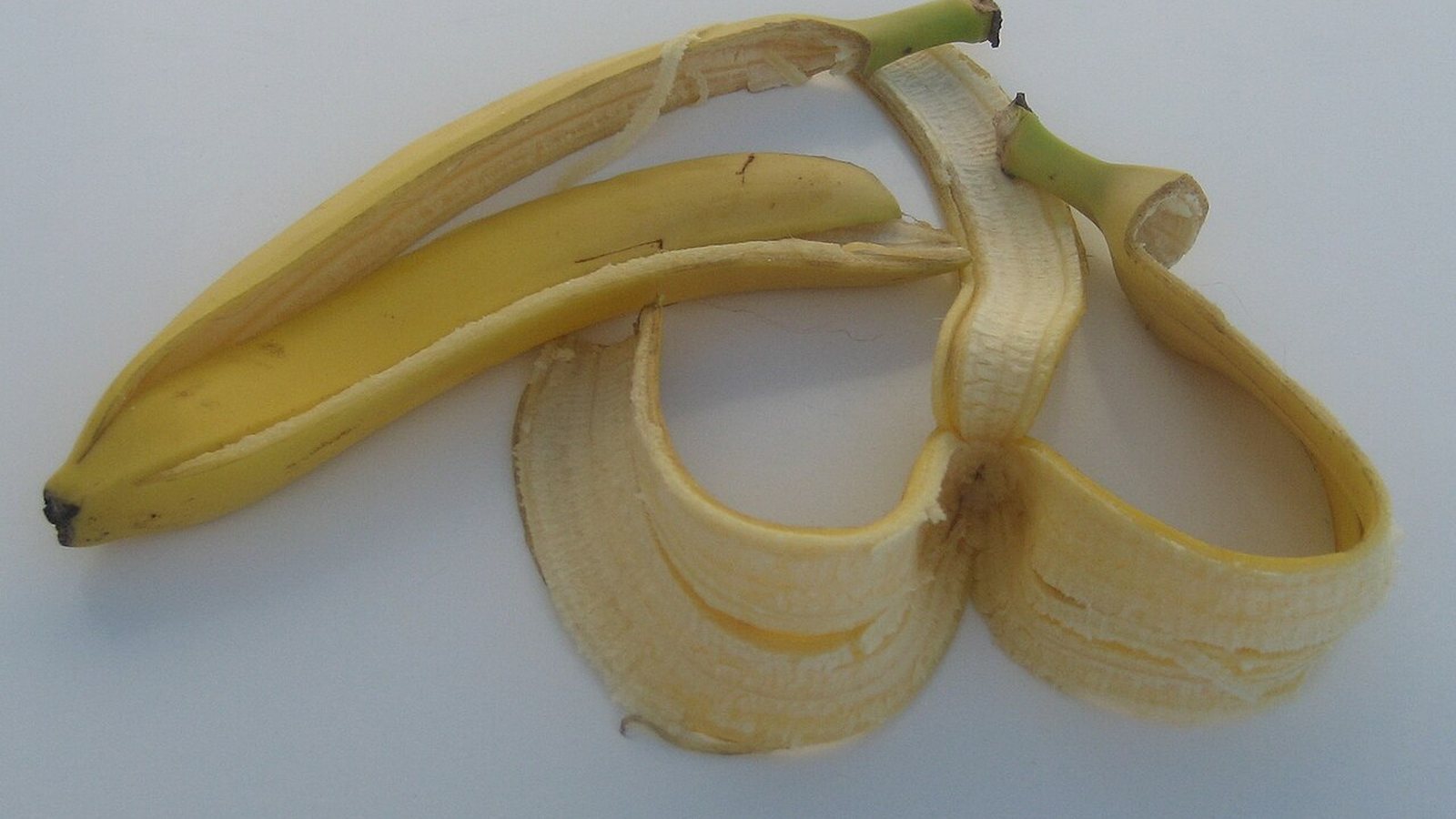 Photo: Priwo · Public domain
None of the three is a proven houseplant fertilizer. Extension experts know of no research supporting banana peel water, say eggshells decompose too slowly to feed a plant this season, and have no tested recipe or dose for rice water. Banana water can also attract fungus gnats indoors. Compost the scraps and feed with a labelled fertilizer.
Key takeaways
- No research supports banana peel water, and its sugars can attract fungus gnats on indoor plants.
- Eggshells decompose very slowly, possibly six years or more, so they do not feed a potted plant this season.
- Rice water has no tested home recipe or dose; one study used real soil, not potting mix, and rice can carry arsenic.
- Indoors, a labelled fertilizer at the label rate in the growing season is more predictable than any kitchen liquid.
- The best use for banana peels and eggshells is the compost bin.
On this page7
Do banana water, eggshells and rice water actually work on houseplants?
None of the three has been shown to work as a houseplant fertilizer, and one of them can backfire indoors. University extension experts say they know of no research supporting banana peel water, that eggshells break down far too slowly to feed a plant this season, and that rice water has no tested recipe or dose for home use. Below is what each claim says, what the extension answers say, and what to do with the scraps instead. This is a myth check, not a scolding: none of these is a disaster, and the honest verdict is "unproven" rather than "harmful", with one real exception.
The three kitchen fertilizers at a glance
| Remedy | The claim | What extension sources say | Verdict for houseplants |
|---|---|---|---|
| Banana peel water | Soaked peels release potassium | No research supports it; food scraps supply only very small amounts of nutrients; peels do contain some potassium | Unproven. Skip it indoors: the sugars can attract fungus gnats |
| Crushed eggshells | Slowly feed the plant calcium and stop blossom end rot | Decompose very slowly, possibly six years or more; not a short-term calcium source | Harmless but pointless in a pot. Compost them |
| Rice water | Starchy rinse water feeds plants | No research on home use; one study suggests some benefit in real soil; nutrient content varies; rice can carry arsenic | Unproven, with no safe dose. Use a labelled fertilizer |
The sources here are University of Maryland Extension and the national Ask Extension service of US land-grant universities, plus a University of Maryland page on indoor plant fertilizer. The same advice keeps coming back: if you want to feed a plant, use a product with a known nutrient content and dose, and put food scraps in the compost.
Is banana peel water good for plants?
Peels contain potassium, so the idea sounds reasonable, but the extension answer is blunt: "we are not aware of any research that supports that idea". Food scraps supply only very small amounts of nutrients, and the amount that leaches into soaking water is probably not enough to fertilize anything.
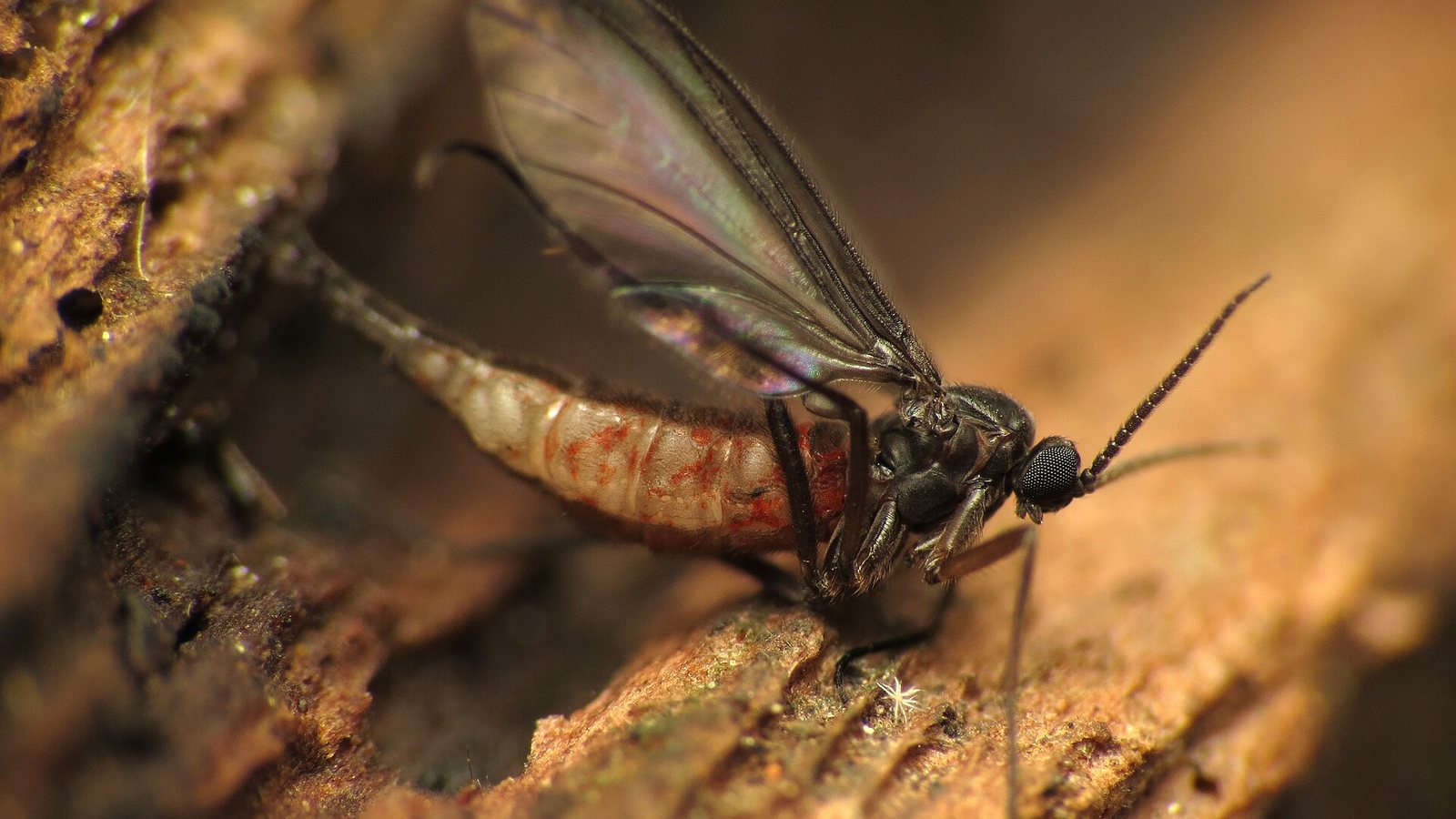
For pots there is a second, practical problem. An Ask Extension answer says to avoid banana peel tea entirely on indoor and potted plants, because the sugars and carbohydrates can attract fungus gnats, which are hard to get rid of. If you already have small flies around a pot, our fungus gnats guide explains how to deal with them. Another answer also says banana water will not make plants more drought-tolerant: regular, deep watering in hot, dry weather is what helps.
Do eggshells help potted plants?
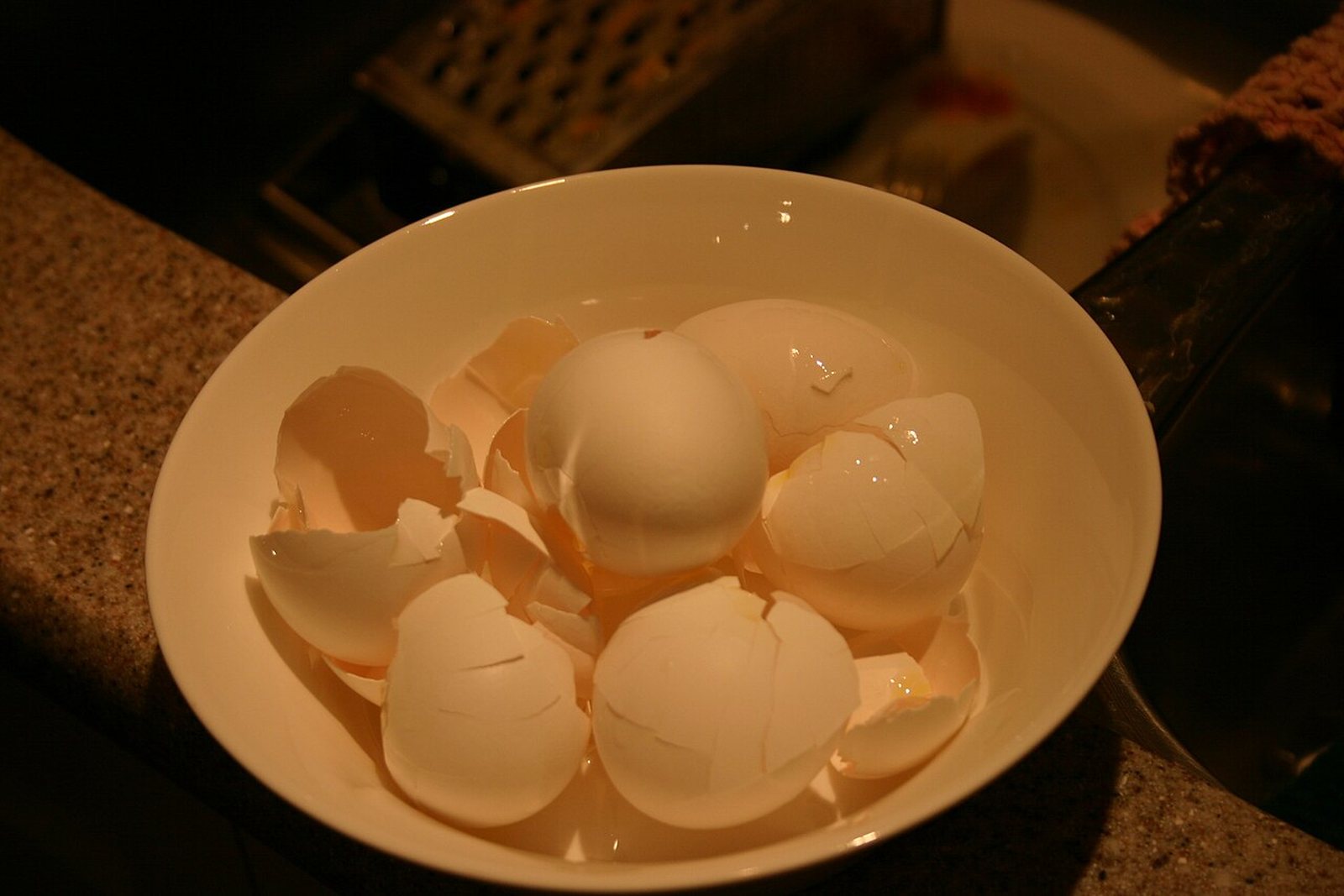
The eggshell myth comes mostly from tomatoes: crushed shells are said to supply calcium and prevent blossom end rot. Extension experts disagree. They say eggshells decompose slowly, possibly six years or more, so they are not a short-term calcium source, and that grinding them finer speeds the breakdown. They are probably harmless, but in raw form they do not do much for soil, and composting them first is the better option. Blossom end rot itself is usually tied to uneven watering, drought followed by wet soil, and too much ammonium nitrogen, not simply a lack of calcium in the soil.
For a houseplant in a pot the case is weaker still, because shells sitting on the surface do nothing for the roots and can look untidy or attract mould. Put them in your compost or worm bin, and use the finished compost in a garden bed.
Is rice water a good fertilizer?
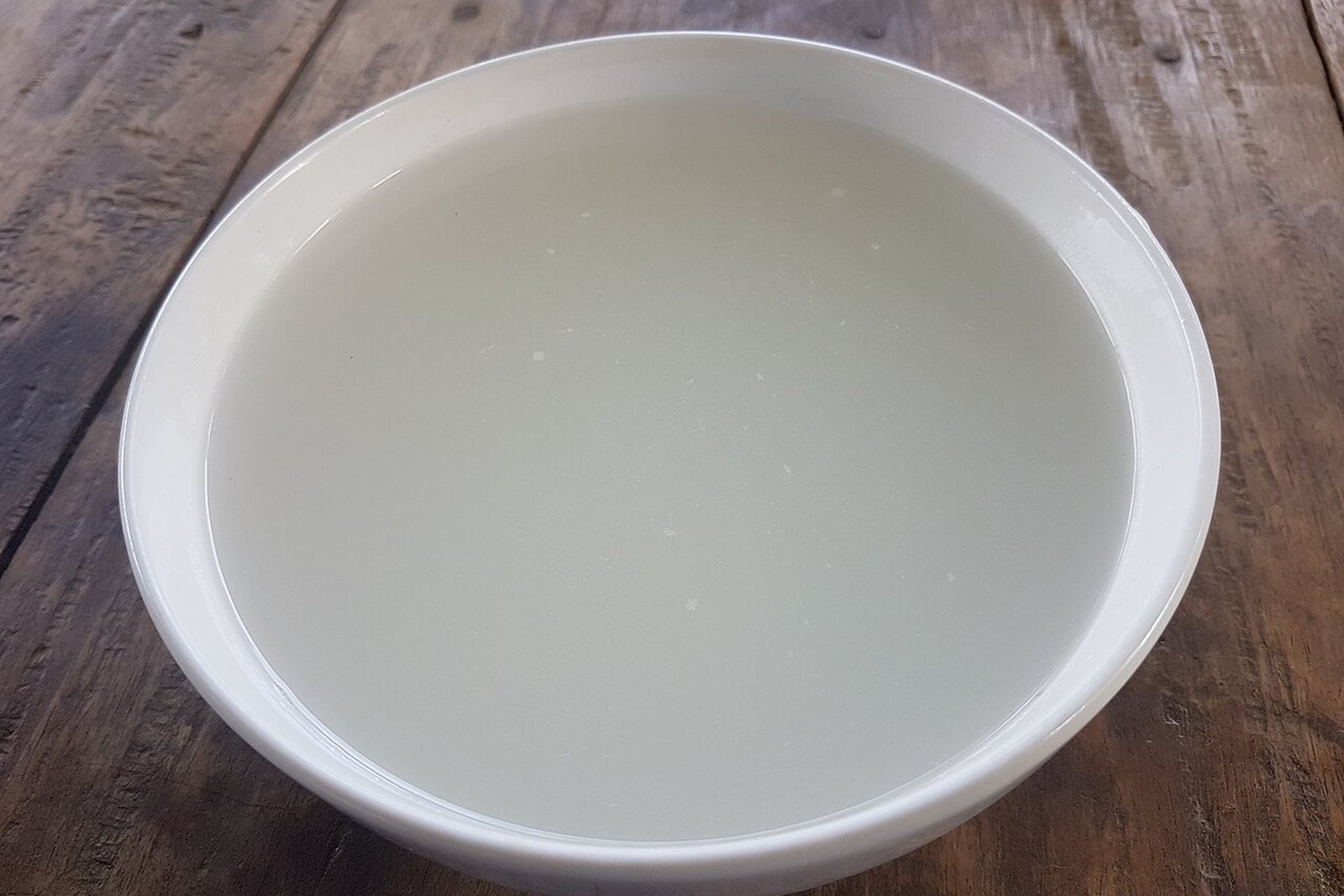
Rice water is the claim with the most research behind it, and even so the verdict is cautious. University of Maryland Extension says it has no research on home use of rice water, so it cannot give a recipe, a dose or a schedule. It found one recent study that suggests some benefit to plants in certain conditions, but that study used real soil, not soilless potting mix, so the result may not carry over to houseplants. Nutrient content varies with the rice variety, where it was grown and how the rice was cooked or rinsed.
The extension also raises a caution: rice plants readily take up heavy metals, especially arsenic, from soil, and contamination varies widely. That point is made about rice crops, not rice water specifically, but it is a reason to use a fertilizer with a declared analysis on indoor plants and anything you eat. If you want to water a non-edible outdoor plant with rinse water, the extension says it may be fine, but it has not researched it.
What should you feed houseplants instead?
The University of Maryland says the goal of fertilizing indoor plants is to add just enough nutrients for new growth to replace lost leaves, not to push fast growth. Its indoor-plant advice, for the Northern Hemisphere, is to fertilize from March through September and skip winter, because reduced light and temperature slow growth. In summer a monthly dose of diluted liquid fertilizer keeps most plants healthy, and slow-release pellets last three to four months. For a commercial product, follow the label. Our fertilizing guide and the NPK numbers explainer show how to read the label, and the winter fertilizing guide covers the off season.
The same page adds two details. Micronutrients can be replaced once a year with an indoor fertilizer that lists them, or with a small amount of compost or leaf mould. Magnesium leaches out with each watering, and the page suggests replacing it with one teaspoon of Epsom salts per gallon (about 4 litres) of water, twice a year or as a leaf spray.
- Compost the scraps. Banana peels and eggshells are good compost materials; extension experts prefer composting or burying scraps over soaking them.
- Feed with a labelled fertilizer in the growing season, at the rate on the pack, and stop when growth slows.
- Look for the real cause first. Pale or yellow leaves are more often about light and watering than hunger. Our pale leaves guide helps you check, and Dr. Flori in the app can ask follow-up questions from a description or photo.
- Test the soil for garden beds: extension answers recommend a soil test before adding any nutrients.
Can homemade fertilizer hurt your plant?
The UMD indoor-plant page says too much fertilizer builds up salts in the soil and causes excessive, leggy growth, and over-fertilizing can burn roots. A homemade liquid has no declared nutrient content, so there is no way to know how much you are adding. That uncertainty, more than any single ingredient, is the real argument against kitchen fertilizers on valuable plants. If you want a set-and-forget routine, Flori can send care reminders for fertilizing so you stick to the schedule on the label.
Frequently asked questions
Is banana peel water good for houseplants?
It is unproven. Extension experts know of no research supporting it, and one warns against using it on potted plants because the sugars can attract fungus gnats. Compost the peels instead.
Do crushed eggshells add calcium to potting soil?
Very slowly at best. Extension experts say eggshells can take six years or more to decompose, so they are not a short-term calcium source. Composting them first is better.
Is rice water safe to use on plants?
There is no tested recipe or dose for home use, according to University of Maryland Extension. Nutrient content varies and rice can take up arsenic, so a labelled fertilizer is the safer choice for indoor and edible plants.
What is the safest way to feed houseplants?
Use a fertilizer with a labelled nutrient content, follow the label, and feed in the growing season. University of Maryland Extension suggests fertilizing from March through September in the Northern Hemisphere and skipping winter.
When to fertilize houseplants, how often and how strong, which plants to skip, and how to spot and flush fertilizer salt build-up, from extension advice.
Sources
Written and fact-checked by the Flori team. Every guide cites horticultural sources such as the RHS, university extension services and the ASPCA, and is updated when the advice changes. How we write our guides
General plant care information. Plants vary; when a plant is valuable or a problem spreads quickly, consult a local nursery or plant specialist.