Companion Planting: Which Vegetables Grow Together
Companion planting chart: good companions and plants to keep apart for 12 vegetables, plus which pairings have research and which are folklore.
 By Flori editorial team · Updated
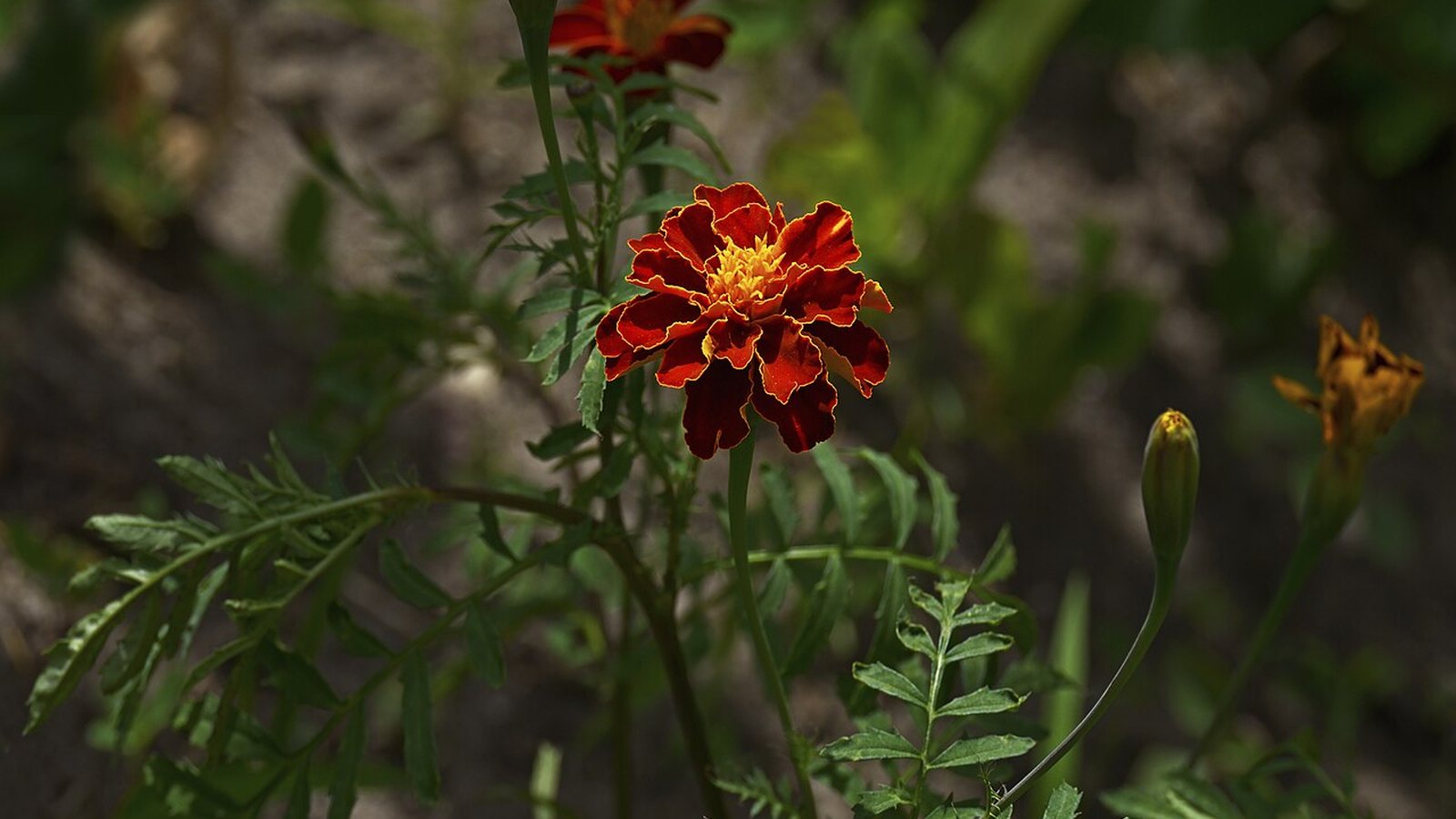 Photo: Ввласенко · CC BY-SA 3.0
Use the chart as a starting guess: tomato likes onions and marigold, and keep it from potato and fennel. Trap crops such as collards for diamondback moths have the best support; many other pairings are tradition, not tested science. Start from a pest problem, plant the trap crop early and keep notes.
Key takeaways
- The chart (good companions, keep apart) comes from Virginia Tech, which gives no study for its pairings.
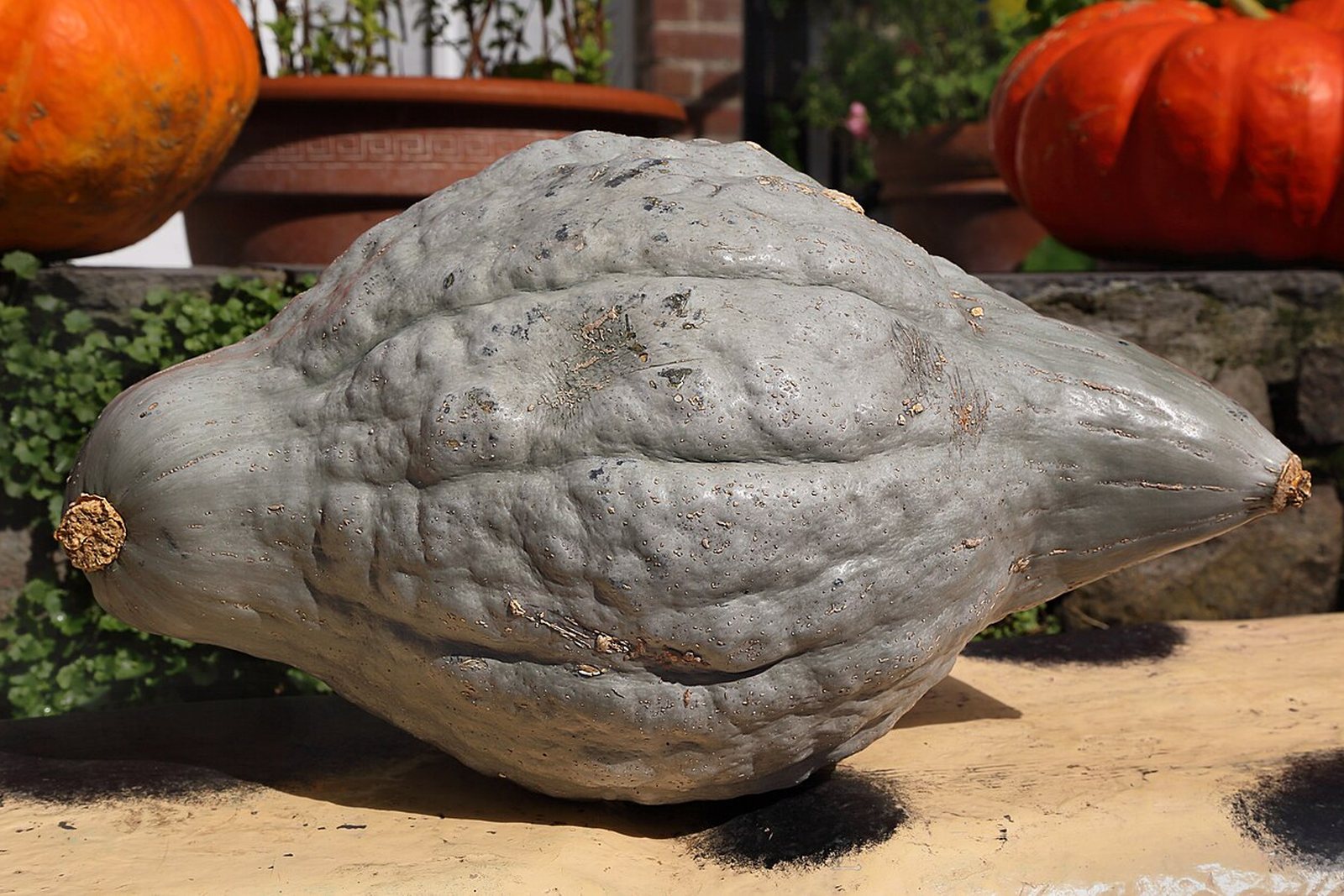
- Best-supported idea: trap crops, such as collards for diamondback moths and Blue Hubbard squash for cucumber beetles (UF/IFAS).
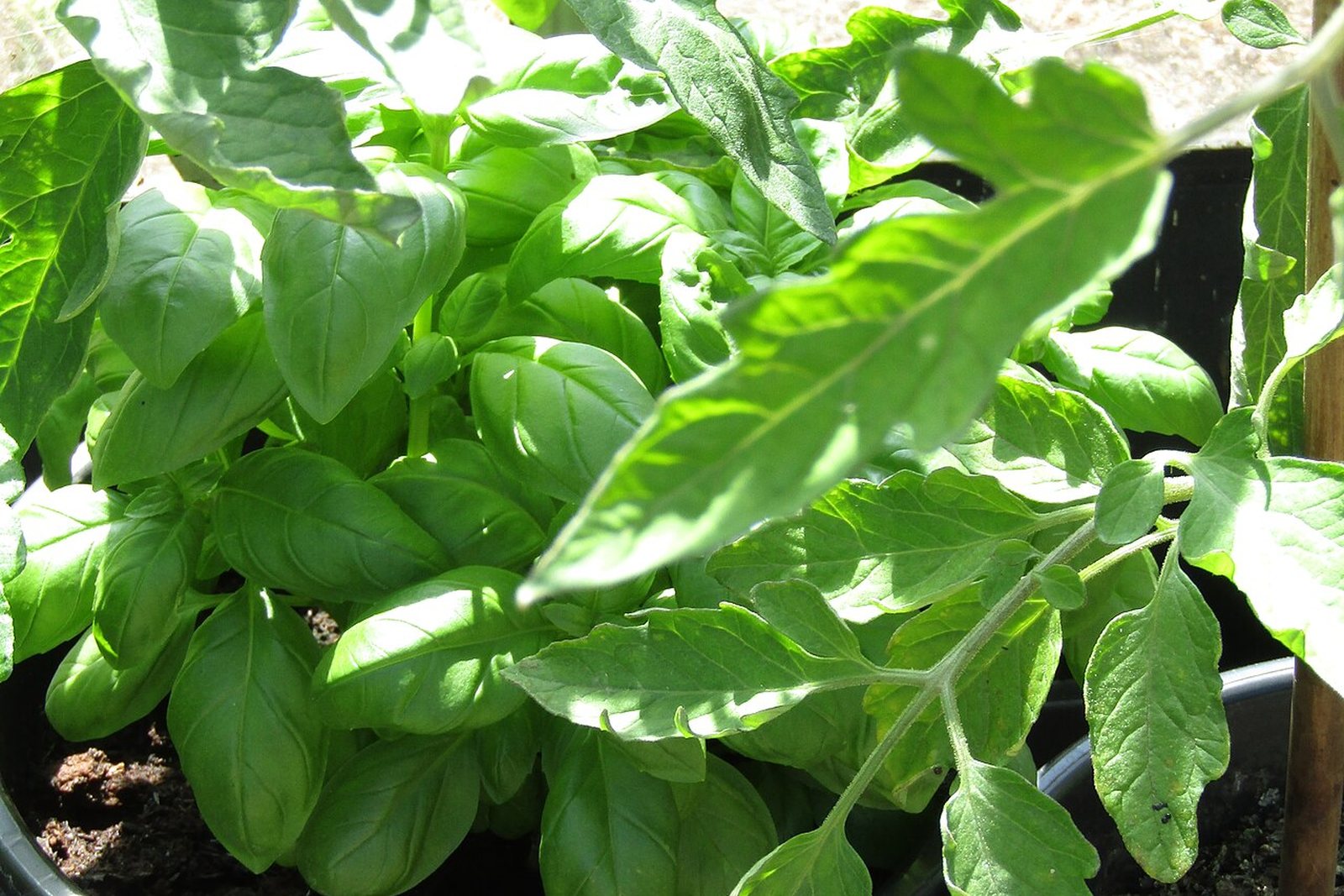
- A few studies support basil and marigolds reducing thrips on tomatoes; marigold works on nematodes only after tilling in.
- Three Sisters, flavour-boosting pairings and most 'keep apart' rules are untested tradition.
- Pick a problem first, plant trap crops 3-4 weeks early where needed, and keep notes.
On this page5
Companion planting chart: which vegetables grow together?
Here is the chart, and an honest warning that goes with it: most companion planting is tradition, not tested science. The Virginia Tech chart below is a typical "good with, keep apart" list, but its authors give no study for the pairings. The last column says which ones we found any research for. Use the chart as a starting guess, not a rule, and read the next section before you rearrange your beds.
| Vegetable | Good companions | Keep apart | Evidence we found |
|---|---|---|---|
| Tomato | Onion family, nasturtium, marigold, carrot, parsley, asparagus, cucumber | Potato, fennel, cabbage family | Some: basil and marigolds cut thrips in a few tomato studies. Potato shares pests and diseases with tomato |
| Cabbage family | Aromatic herbs, celery, beets, onion family, chamomile, spinach, chard | Dill, strawberries, pole beans, tomato | Some: marigold, nasturtium and onion lowered cabbage looper and imported cabbageworm in one study; collards trap diamondback moth |
| Cucumber | Beans, corn, peas, sunflowers, radish | Potato, aromatic herbs | Tradition |
| Squash and pumpkin | Nasturtium, corn, marigold | Potato | Some: Blue Hubbard squash lures cucumber beetles, squash bugs and vine borers; marigold and nasturtium results came from one small study |
| Potato | Beans, corn, cabbage family, marigold, horseradish | Pumpkin, squash, tomato, cucumber, sunflower | Partly: shared pests with tomato; marigold helps against nematodes only once tilled into the soil |
| Carrot | Peas, lettuce, onion family, tomato | Dill, parsnip, radish | Tradition; we found no study on onion with carrot |
| Lettuce | Carrot, radish, strawberry, cucumber | Garlic, onion, leek, chives | Tradition; sources disagree (one slide deck pairs lettuce with chives) |
| Onion family | Beets, carrot, lettuce, cabbage family, summer savory | Beans, peas | Tradition |
| Bush beans | Potato, cucumber, corn, strawberry, celery, summer savory | Onion | Tradition; legumes may cut fertilizer needs |
| Peas | Carrot, radish, turnip, cucumber, corn, beans | Onion family, gladiolus, potato | Tradition |
| Corn | Potato, beans, peas, pumpkin, cucumber, squash | Tomato | Three Sisters benefits are expected, not tested |
| Radish | Peas, nasturtium, lettuce, cucumber | Hyssop | Tradition |
Screenshot it, but treat the "keep apart" column the way you would a neighbour's gardening advice: worth a thought, not worth losing a harvest over.
Which companion planting claims have real support?
Trap crops are the best-supported idea. UF/IFAS says some research shows certain trap crops attract specific pests: collards have been used to draw diamondback moths away from cabbage, and Blue Hubbard squash lures cucumber beetles, squash bugs and squash vine borers. It also says trap cropping is "not the complete solution". Plant the trap crop 3-4 weeks before the main crop in some cases, aim for roughly 10-20% trap plants, keep trap plants at least 1.5 m (5 ft) from the crop for slow-moving pests, and scout several times a week.
Some pairings have a few studies behind them. Mississippi State Extension reports that basil and marigolds together reduced thrips on greenhouse and field tomatoes, that marigold, nasturtium and onion helped reduce cabbage pests in one study, and that African and French marigold compounds can kill root-feeding nematodes, but only after the plants are tilled into the soil. A University of Arizona slide deck describes an Iowa State study where marigolds reduced squash bug and cucumber beetle damage on zucchini, but notes the study was small and its results were "indicative" not "conclusive".
Diversity helps in general. Mississippi State says mixed plantings may confuse insects and that flowers and herbs may attract beneficial insects. The Iowa State study as summarized by University of Illinois Extension found that any herb companion helped pest management against the control for crops including tomato, broccoli and lettuce, though you may need many more companion plants than you expect for a lasting effect.
Which companion planting claims are folklore?
- Three Sisters (corn, beans, squash). University of Illinois Extension describes the benefits (beans add nitrogen, squash shades weeds, corn supports beans) as expectations with no research cited, and warns that harvesting in such dense planting can be hard.
- "Marigolds repel everything." Mississippi State says marigolds "may not provide the kind of protection" some gardeners credit them with.
- Pairings that improve flavour. We found no research supporting basil making tomatoes sweeter.
- Most of the rest. Illinois Extension states that much of the recommended companions "are not always tested out in a research study", and the list it checked was sourced from Pinterest, not a study. Even the University of Arizona deck says companion planting "is not a proven science".
Sources also disagree: one chart lists chives as a bad neighbour for lettuce, while an Arizona slide credits chives with protecting lettuce. That is what folklore looks like.
How do you use a companion planting chart without wasting a season?
- Start from a problem, not a pairing: thrips on tomatoes, caterpillars on cabbages, nematodes in the soil.
- Pick the pairing with evidence, such as a trap crop, then plant it earlier than the crop it protects.
- Use the reasons that need no study: tall plants shade small ones, quick radishes finish before slow carrots grow, and plants that attract the same pests are best kept apart, as with tomato and potato.
- Keep a note. The Arizona deck says to watch what works and write it down; your own bed is the test.
- Combine with other methods. Rotation, clean tools and watering at the right time matter more than any neighbour. See our natural pest prevention guide and, for aphids, aphids on plants.
If you are not sure what is eating a leaf, Dr. Flori can ask follow-up questions and name the likely cause from a description or photo.
Does the chart work in Turkey and in cooler climates?
The Virginia Tech chart is a US document, and pests differ by region. On the Mediterranean and Aegean coasts the warm season is long, so a tomato, basil and marigold bed can run for months; inland Anatolia has a short summer and late frosts, so plant after the last frost. In a temperate northern climate such as the UK, the same crops grow in a shorter window. Whatever the climate, trap crops and nectar flowers are the part most likely to travel well. For a small start, see starting a windowsill herb garden, winter vegetables in balcony pots and our guide to slugs and snails.
Frequently asked questions
Does companion planting really work?
Partly. Trap crops and a few pairings have research behind them, but University of Arizona slides say companion planting is not a proven science and much is folklore.
What should I not plant next to tomatoes?
The Virginia Tech chart says keep tomato away from potato, fennel and the cabbage family. It explains only the potato rule: shared pests and diseases.
Do marigolds protect vegetables?
Only in some cases. Marigolds with basil reduced thrips on tomatoes in a few studies, and marigold compounds kill nematodes only after the plants are tilled into the soil. They may not protect against everything.
What is a trap crop?
A plant that lures a pest away from the main crop, for example collards for diamondback moths. UF/IFAS says it is not the complete solution and works best alongside other pest management.

Stop spider mites, mealybugs, scale and fungus gnats early: quarantine new plants, check leaf undersides weekly and use the least-toxic fix first.
Sources
- Virginia Tech Extension: Companion Planting in Gardening
- Mississippi State Extension: Companion Planting: Myth or Truth?
- University of Illinois Extension: Companion Planting: Anecdotal or Tried and Tested?
- UF/IFAS Gardening Solutions: Trap Cropping
- University of Arizona Cooperative Extension: The Art of Companion Planting
Written and fact-checked by the Flori team. Every guide cites horticultural sources such as the RHS, university extension services and the ASPCA, and is updated when the advice changes. How we write our guides
General plant care information. Plants vary; when a plant is valuable or a problem spreads quickly, consult a local nursery or plant specialist.