Self-Watering Pots: Pros, Cons and How to Use Them
Self-watering pots keep soil evenly moist from a reservoir. Which plants suit them, which do not, and how to avoid salt build-up and soggy roots.
 By Flori editorial team · Updated
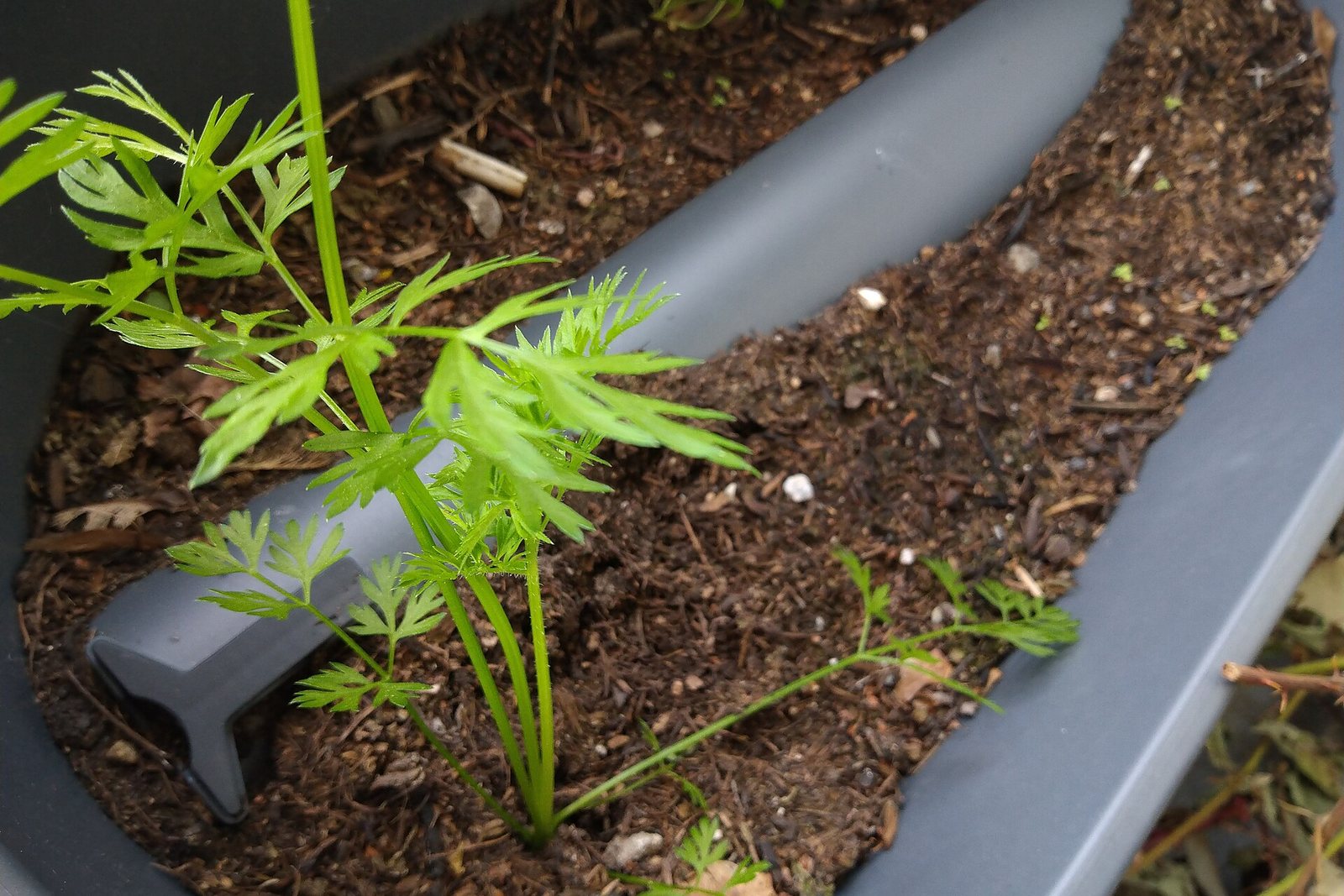
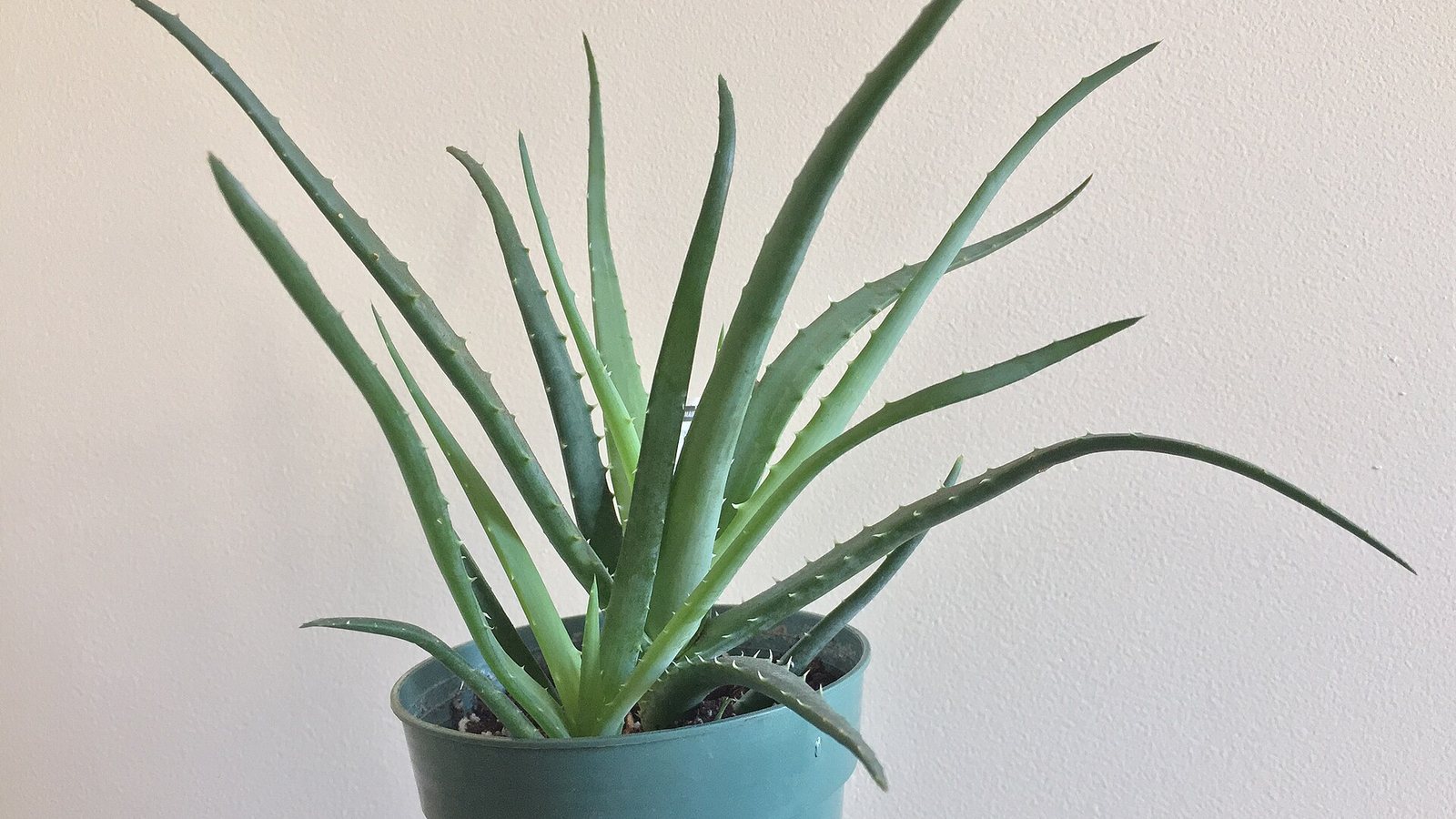 Photo: Krish Dulal · CC BY-SA 4.0
Self-watering pots hold water in a reservoir under the soil and wick it up as the soil dries. They suit plants that like evenly moist soil and save time, but they are a poor fit for succulents and cacti. Use potting mix, let the reservoir run dry before refilling, and flush from the top regularly to wash out salts.
Key takeaways
- A reservoir, a wick and an overflow hole keep the soil evenly moist without daily watering.
- They suit plants that like steady moisture and are a poor match for succulents, cacti and plants recovering from root rot.
- Let the reservoir empty and the top of the soil dry before refilling, so the roots get air.
- Water only moving upwards concentrates salts, so flush the pot from the top every few feeds.
- Check the soil by touch and weight; a self-watering pot does not replace looking at the plant.
On this page7
How do self-watering pots work?
Self-watering pots keep a store of water under the soil and let the soil draw it up as it dries. University of Illinois Extension describes the basic design: a reservoir at the bottom, a small basket of soil that sits down in the water and acts as a wick, and an overflow hole that stops the reservoir from filling too high. Some models use a fabric or rope wick instead of a soil basket; the principle is the same. Water moves up by capillary action, so the roots get a steady supply without you pouring water on top every few days. This guide sets out the honest pros and cons, which plants suit a self-watering pot and which do not, and the two habits that prevent the most common problems: salt build-up and soggy roots.
Self-watering pots: pros and cons
| Pros | Cons |
|---|---|
| Less frequent watering; Illinois Extension calls them a low-maintenance option | Soil stays moist all the time, which does not suit plants that like to dry out |
| Even moisture for plants that sulk when they dry out | Dissolved salts build up faster when water only moves upwards |
| Handy when you travel for a few days or have many plants | You cannot see the root zone, so problems show late |
| No water on the floor, less splashing on leaves | Good commercial models can be expensive; Illinois Extension notes this too |
| Less water lost to run-off | A constantly wet surface can attract fungus gnats |
Are self-watering pots good for houseplants?
They are good for some houseplants and a poor match for others. Colorado State Extension explains that plants differ: some need evenly moist soil and should be watered as soon as the top layer starts to feel dry, while others tolerate some drying and should be watered before the soil is completely dry. A self-watering pot is essentially a machine for even moisture, so it suits the first group far better than the second.
Penn State Extension makes the same point about a simpler gadget, glass watering globes: they can supply moisture for one to two weeks but only suit plants that need consistently moist soil, and they are no excuse for watering without checking. That logic applies here.
| Plant type | Self-watering pot? | Why |
|---|---|---|
| Plants that like evenly moist soil, such as many ferns and leafy tropical plants | Good fit | Steady moisture matches what they want |
| Thirsty plants in bright, warm spots and herbs on a windowsill | Good fit | Fewer emergencies on hot days |
| Plants that tolerate some drying (most foliage plants with thicker leaves) | Possible, with care | Let the reservoir run dry for a few days before refilling |
| Succulents and cacti | Poor fit | They need the soil to dry out between waterings |
| Plants recovering from root rot | Avoid for now | Roots need air and a chance to dry |
For a refresher on how wet different plants like their soil, see how often to water houseplants; succulent owners will find the right mix in our guide to soil for succulents and cacti.
How to use a self-watering pot, step by step
- Use potting mix, never garden soil. The wick only works if the mix stays open and absorbent. A good indoor mix is described in our best soil mix guide.
- Water from the top first. After potting, water the plant thoroughly from above so the mix is evenly moist and in contact with the wick. Dry mix will not start wicking on its own.
- Fill the reservoir through the filler tube until water just reaches the overflow hole or the gauge says full. Do not plug the overflow.
- Let it run dry, then wait. For most plants, refill only once the reservoir is empty and the top few centimetres of soil feel dry. For plants that tolerate drying, wait a few extra days. This gives the roots air.
- Check the soil, not the calendar. Colorado State's tests still apply: feel the soil, look at its colour and lift the pot. A reservoir that never empties is a warning sign.
- Flush from the top regularly (see below).
Why you still need to water from the top
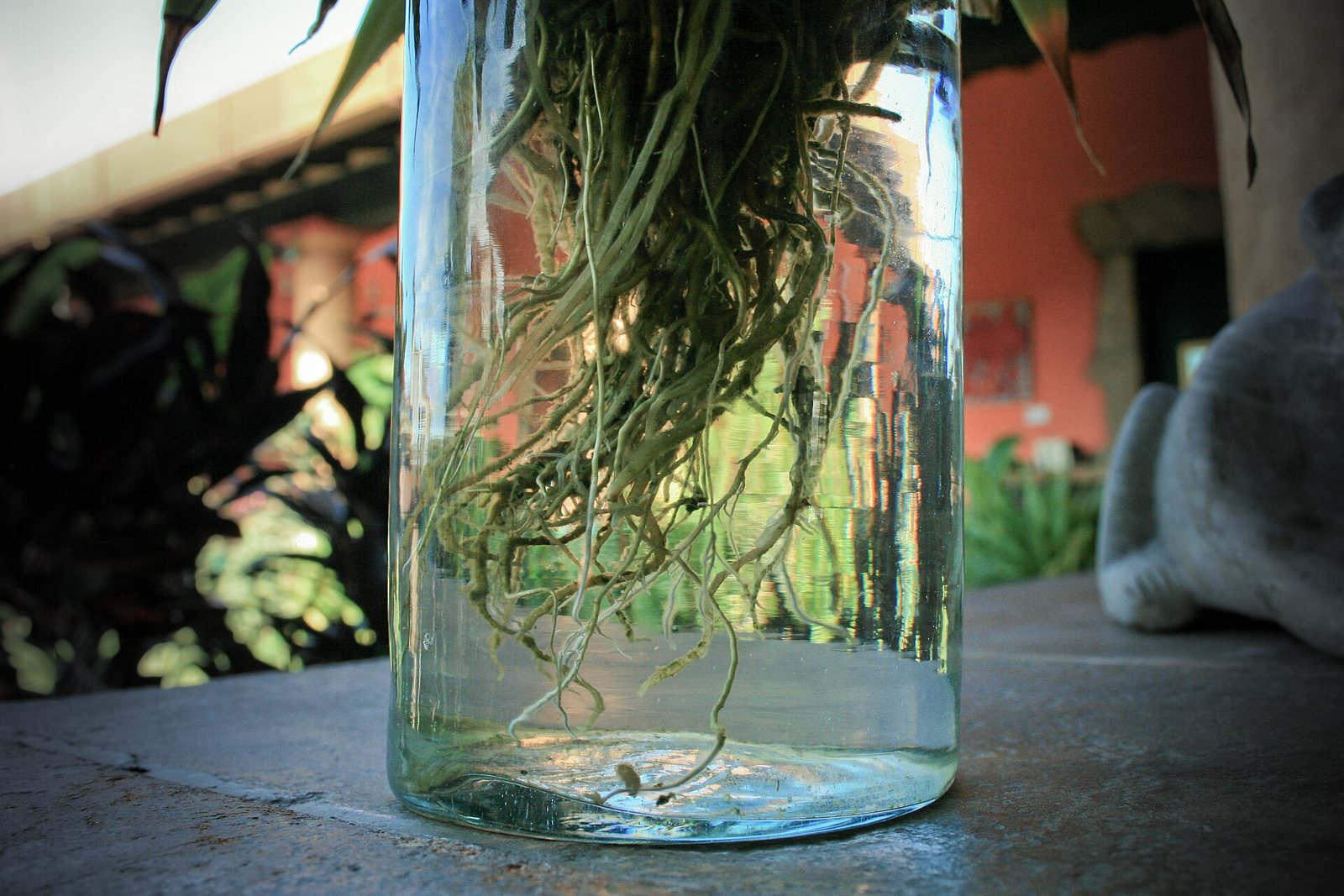
The most common long-term problem with self-watering pots is salt build-up. Colorado State Extension says top watering is generally better because bottom watering can build up soluble salts in and on the soil surface, and recommends watering from the top now and then to wash them out. New Mexico State University Extension puts it more strongly: irrigating potted plants from below can cause rapid accumulation of salts in the pot, and whichever way you water, water has to drain through the soil to carry dissolved salts away.
Why it matters: Colorado State notes that high salt levels can reduce water uptake, restrict root growth, burn foliage and inhibit flowering. A white crust on the soil surface or the rim, and brown leaf tips, are typical signs.
To flush, take the plant to a sink or bath, empty the reservoir, and pour water slowly through the soil until it runs out of the overflow or drainage hole for a minute. Empty the reservoir again afterwards so the plant does not soak up the salty water, a risk NMSU describes for saucers too. Doing this every time you feed, or at least every couple of months, keeps salts in check. Fertilizer adds salts, so feed at the rate on the label and no more.
Common self-watering pot problems
| Problem | Likely cause | Fix |
|---|---|---|
| Yellowing lower leaves, soggy mix, sour smell | Constant wet soil, roots short of air | Stop refilling, let the mix dry, check the roots |
| White crust on soil, brown leaf tips | Salt build-up | Flush from the top, empty the reservoir |
| Reservoir full for weeks, plant still wilting | Wick dry or broken contact with soil, or root damage | Water from the top, reseat the wick, inspect the roots |
| Small flies around the pot | Fungus gnats breeding in wet surface soil | Let the surface dry; see our fungus gnats guide |
| Plant drinks the reservoir in a day or two | Pot too small or root-bound | Move up a pot size in the growing season |
If the roots are brown and mushy when you look, treat it as root rot rather than a watering issue: our root rot rescue plan walks through what to cut and how to repot. Small black flies are covered in fungus gnats.
Self-watering pots when you travel
A full reservoir can carry many plants through a short trip, but how long it lasts depends on the plant, the pot, light and temperature, so test it at home first: fill it, note the date, and see how long it takes to empty. Do not leave a plant you have just potted into a self-watering container, because you do not yet know its rhythm. Flori's care reminders can be set for checking and refilling each pot, and the care profile for each plant tells you whether it prefers even moisture or a dry spell, which is the question that decides whether a self-watering pot is a good idea.
Frequently asked questions
Do self-watering pots cause root rot?
They can if the soil never gets a chance to dry, especially for plants that prefer a dry spell. Let the reservoir run empty for a few days before refilling, and use a well-draining potting mix.
How often should I fill a self-watering pot?
There is no fixed interval. Refill when the reservoir is empty and the top few centimetres of soil feel dry. Time how long a full reservoir lasts at home, because light, warmth and plant size change it.
Can I put succulents in a self-watering pot?
It is not a good idea. Succulents and cacti need their soil to dry out between waterings, and a self-watering pot is designed to keep it moist. Use a pot with a drainage hole and a gritty mix instead.
Do I ever need to water a self-watering pot from the top?
Yes. Water from the top when you first pot the plant, and flush the soil from the top regularly to wash out salts, then empty the reservoir so the plant does not take the salty water back up.
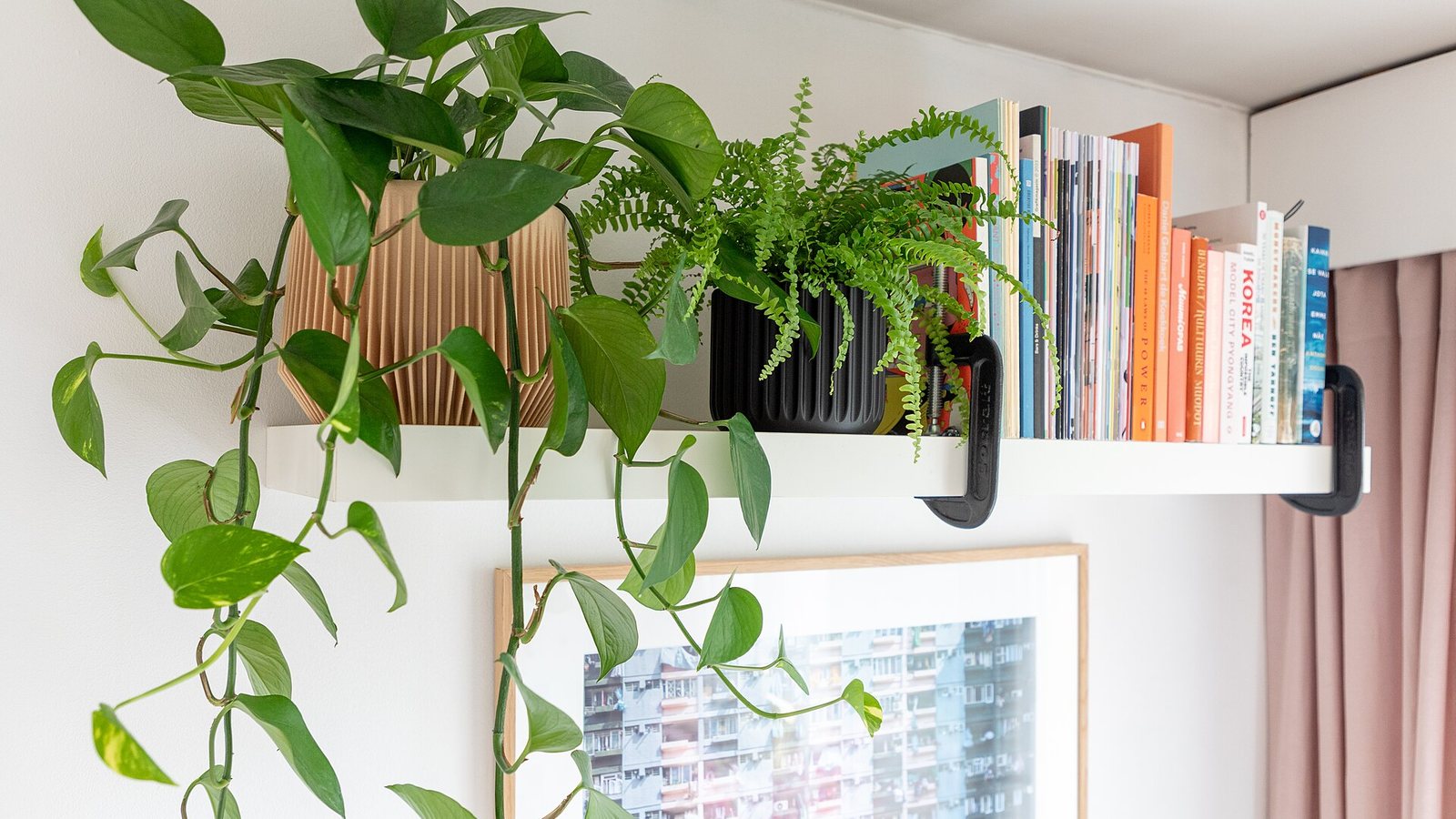
How often to water houseplants depends on plant type, pot, mix, light and season. Use our schedule table to set check days, then let the soil decide.
Sources
- University of Illinois Extension: Self-watering containers
- Colorado State University Extension PlantTalk: Houseplants: Watering
- New Mexico State University Extension: Southwest Yard & Garden (watering potted plants from below)
- Penn State Extension: To Buy or Not to Buy: The Gear Your Houseplants Really Need
Written and fact-checked by the Flori team. Every guide cites horticultural sources such as the RHS, university extension services and the ASPCA, and is updated when the advice changes. How we write our guides
General plant care information. Plants vary; when a plant is valuable or a problem spreads quickly, consult a local nursery or plant specialist.