Lawn Care in Autumn and Winter: What to Do and Skip
Autumn and winter lawn care: rake leaves, mow high, scarify and aerate in early autumn, feed only if needed, and stay off frosty grass. Numbers included.
 By Flori editorial team · Updated
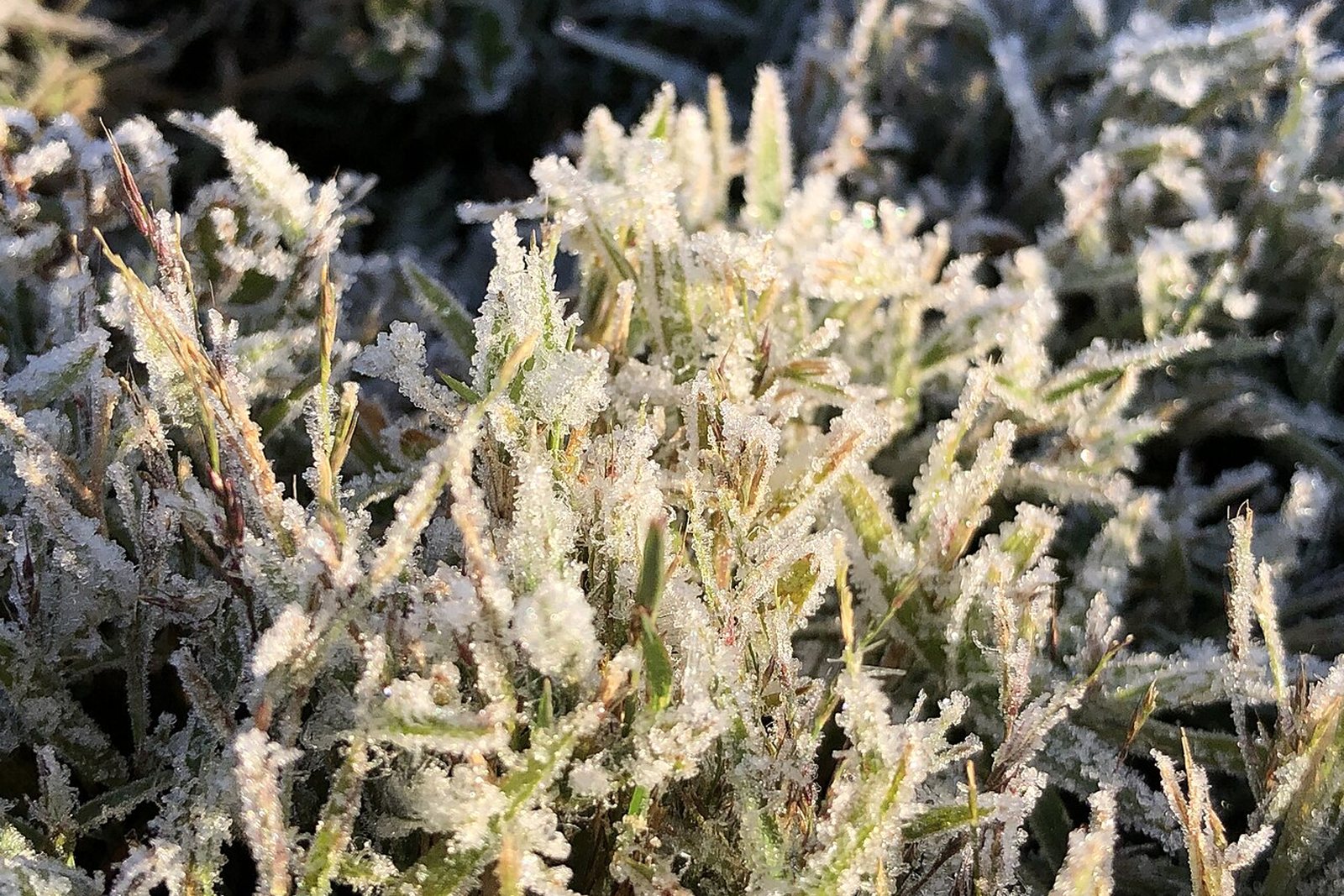
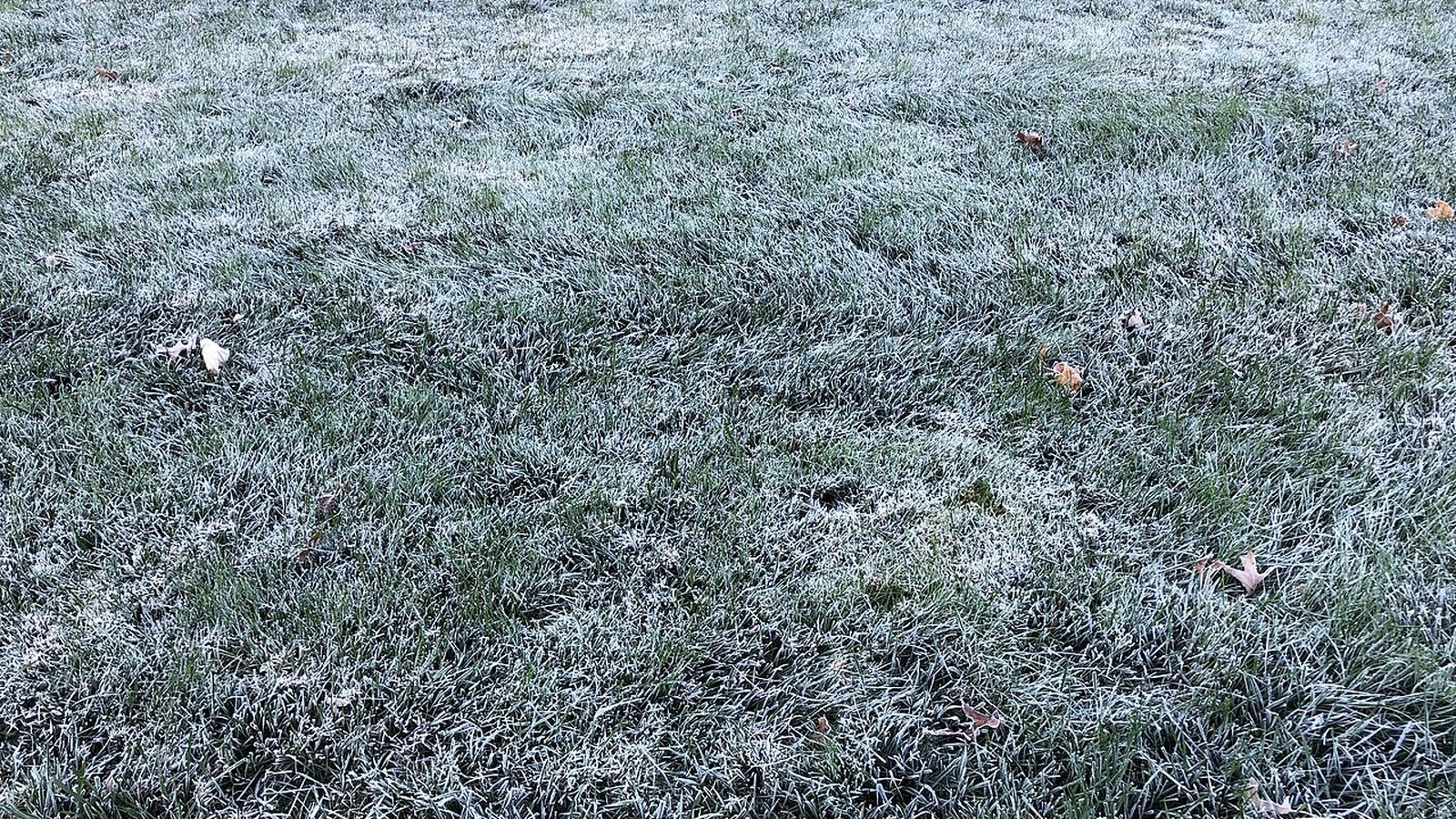 Photo: Famartin · CC BY-SA 4.0
In autumn rake or mulch leaves, keep mowing a little higher until growth stops, scarify and aerate early if needed, and feed only a thin or weak lawn. In winter mow rarely, never on frozen or soft ground, and stay off frosty grass, which is brittle and marks easily.
Key takeaways
- The RHS suggests about 4 cm (1.5 in) in autumn and winter, never removing more than one-third of the height in one cut.
- Scarify, aerate and top dress in early autumn, while the grass can still recover.
- Feed only if the lawn is thin, and use an autumn-formulated feed, not a spring one.
- Frosty or frozen grass is brittle: stay off it, because footprints can stay brown for a long time.
- Warm-season lawns browning in winter is normal dormancy, so do not fertilise after a freeze.
On this page10
- What does a lawn need in autumn and winter?
- Which kind of grass do you have?
- Autumn and winter lawn care at a glance
- How high should you mow in autumn and winter?
- What should you do about fallen leaves?
- Should you scarify, aerate and top dress?
- Should you feed the lawn in autumn?
- How do you look after the lawn in winter?
- Winter lawn problems: moss, patches and toadstools
- A simple plan by climate
What does a lawn need in autumn and winter?
Lawn care in autumn and winter is mostly about doing a few jobs once and then leaving the grass alone. In autumn you clear leaves, keep mowing a little higher, repair the surface (scarify, aerate, top dress) and feed only if the lawn needs it. In winter the best care is to stay off frozen or frosty grass and mow rarely, if at all. Autumn is roughly September to November in the Northern Hemisphere and March to May in the Southern.
Which kind of grass do you have?
The advice splits in two. Cool-season lawns (ryegrass, fescue, bluegrass, the usual mixes in the UK, northern Europe, the northern US and inland Anatolia) keep growing in mild autumn weather and benefit from autumn feeding and seeding. Warm-season lawns (St. Augustinegrass, bermudagrass, zoysia, bahiagrass, common on the Mediterranean and Aegean coasts of Turkey and in the southern US) slow down in the cold and go dormant. UF/IFAS says freezing turns such lawns brown and that this is a normal part of winter dormancy, not a reason to panic. If you do not know which you have, look at what the lawn does in winter: green and slow means cool-season; straw-coloured and still means warm-season dormancy.
Autumn and winter lawn care at a glance
| Job | When | Key number |
|---|---|---|
| Rake or mulch leaves | As they fall | Never leave a thick mat |
| Scarify (rake out thatch) | Early autumn, soil not waterlogged | Do it if you cannot see soil between blades (RHS) |
| Aerate with a fork | Early autumn | Holes 10 to 15 cm (4 to 6 in) apart, every 2 to 3 years (RHS) |
| Top dress | After aerating | 2 to 3 kg per sq m (4 to 7 lb per 10 sq ft) (RHS) |
| Feed (only if needed) | Early autumn, cool-season lawns | Autumn feed, about a handful per sq m (RHS) |
| Mow | Until growth stops | RHS: about 4 cm (1.5 in); one-third rule |
| Keep off the lawn | Frost, frozen or waterlogged ground | Frozen blades turn brittle (RHS) |
How high should you mow in autumn and winter?
Raise the blades, then mow less often. The RHS suggests keeping a normal lawn at about 4 cm (1.5 in) in spring, autumn and winter and about 2.5 cm (1 in) in summer, and its November advice is to set the mower about 5 mm (0.25 in) higher than in summer. Grass keeps growing in mild weather above 7 °C (45 °F), so a mow is only needed if the lawn is still growing and the ground is not soft, wet or frozen. Never remove more than one-third of the grass height in one cut. Sources differ because grass types differ: the University of Nebraska suggests 2.5 to 3 in (about 6 to 8 cm) for cool-season US lawns through autumn and a last cut of about 2 to 2.5 in (5 to 6 cm) to help prevent snow mould, while UF/IFAS recommends 3.5 to 4 in (9 to 10 cm) for St. Augustinegrass and bahiagrass all year.
What should you do about fallen leaves?
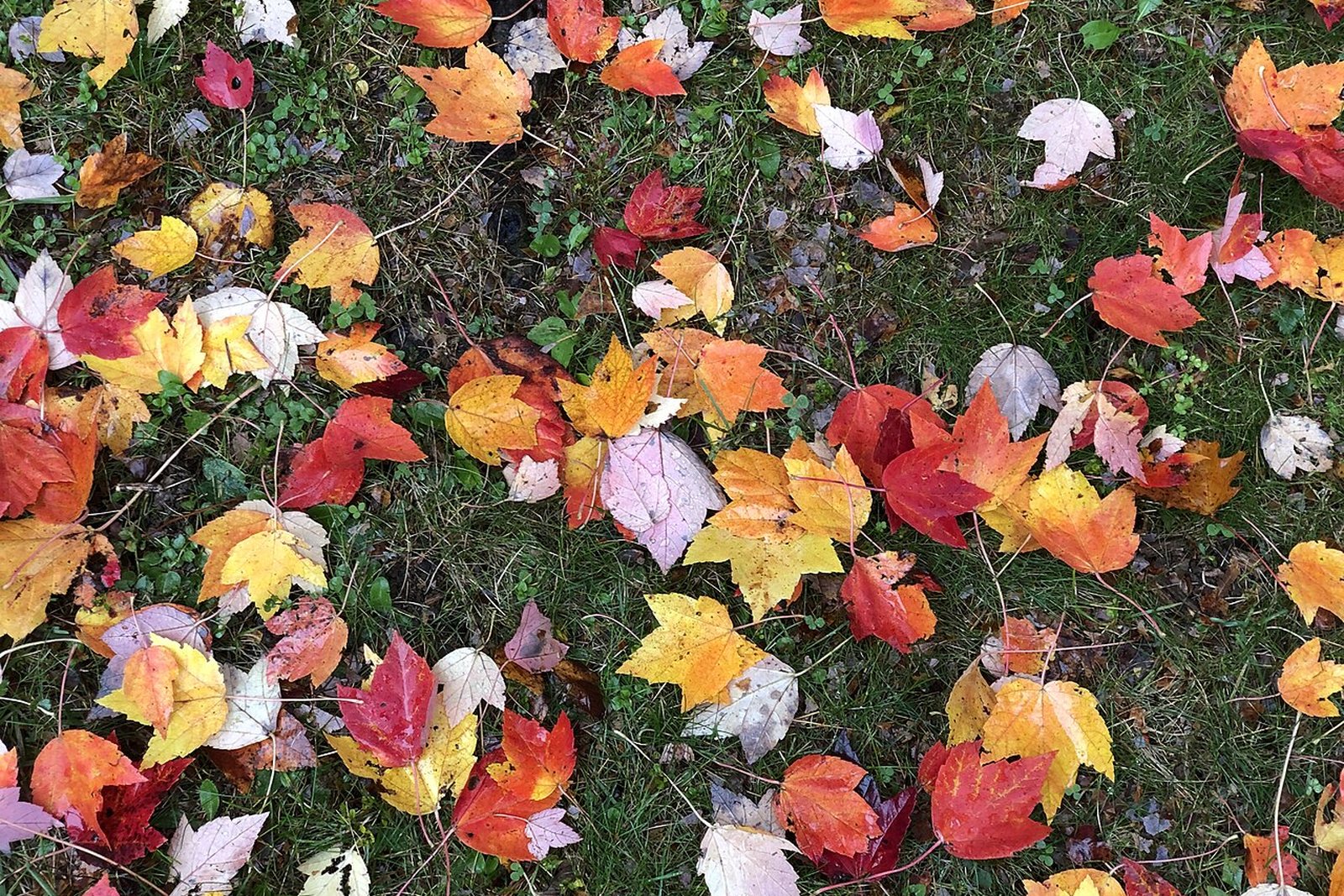
Do not let leaves sit. The RHS says to rake fallen leaves off lawns so they do not block light and moisture, and the University of Nebraska says leaves left to pile up can smother grass and encourage fungal problems. A thin scatter is different: the University of Nebraska says a mulching mower can chop leaves into pieces that break down and feed the soil. Use this rule of thumb: if you can still see grass through the leaves, mow over them; if the leaves form a layer, rake them up. See our autumn garden checklist for how to turn them into leaf mould.
Should you scarify, aerate and top dress?
Only if the lawn needs it, and only in early autumn while the grass can still recover. The RHS says to scarify if you cannot see soil between the grass blades: rake hard with a spring-tined rake in one direction, then across, and add the thatch to the compost. The lawn may look patchy afterwards but will recover. Then spike the lawn with a garden fork as deep as you can, with holes 10 to 15 cm (4 to 6 in) apart. Most lawns need this every two to three years; on clay or waterlogged soil the RHS suggests a hollow-tined aerator every three to four years. To finish, brush in a top dressing of three parts sandy loam, six parts sharp sand and one part well-rotted compost, about 2 to 3 kg per sq m. Do the jobs in this order, never on waterlogged soil or frost. Bare patches can be reseeded now; the RHS says seed is still fine in early November, but in cold areas wait for March or April.
Should you feed the lawn in autumn?
Usually not, unless it is thin or growing poorly. The RHS says most lawns recover without feeding and, if you do feed, to choose a lawn feed made for autumn because it encourages root growth through winter rather than leafy growth. It also says to skip areas you are managing for wild plants. The University of Nebraska adds that a balanced slow-release feed, or one higher in potassium, should go on about 4 to 6 weeks before the first expected frost, at the rate on the pack. For warm-season lawns the rule is the opposite: UF/IFAS says to avoid fertilising from October to the end of March in central Florida and from mid-September to mid-April in north Florida, and that fertilising after a freeze does more harm than waiting for spring green-up. Always follow the label.
How do you look after the lawn in winter?
Leave it alone. The RHS says to avoid frosty grass because frozen blades are brittle and walking or mowing on them can leave brown footprints that last a while. Wait until the lawn has defrosted, or postpone the job. Nebraska adds that you should limit foot and vehicle traffic over dormant grass and clear branches and objects off the lawn before snow arrives. Water only when the soil is dry: Nebraska suggests about 1 in (2.5 cm) a week including rain, less as it cools, and wants the soil moist before it freezes. If a warm-season lawn is brown, it may be dormant rather than dead: UF/IFAS suggests potting a few plugs with roots in a warm, sunny spot and watching for new growth. If the lawn does not recover by spring, remove dead material and replant with sod pieces or plugs before weeds take hold.
Winter lawn problems: moss, patches and toadstools
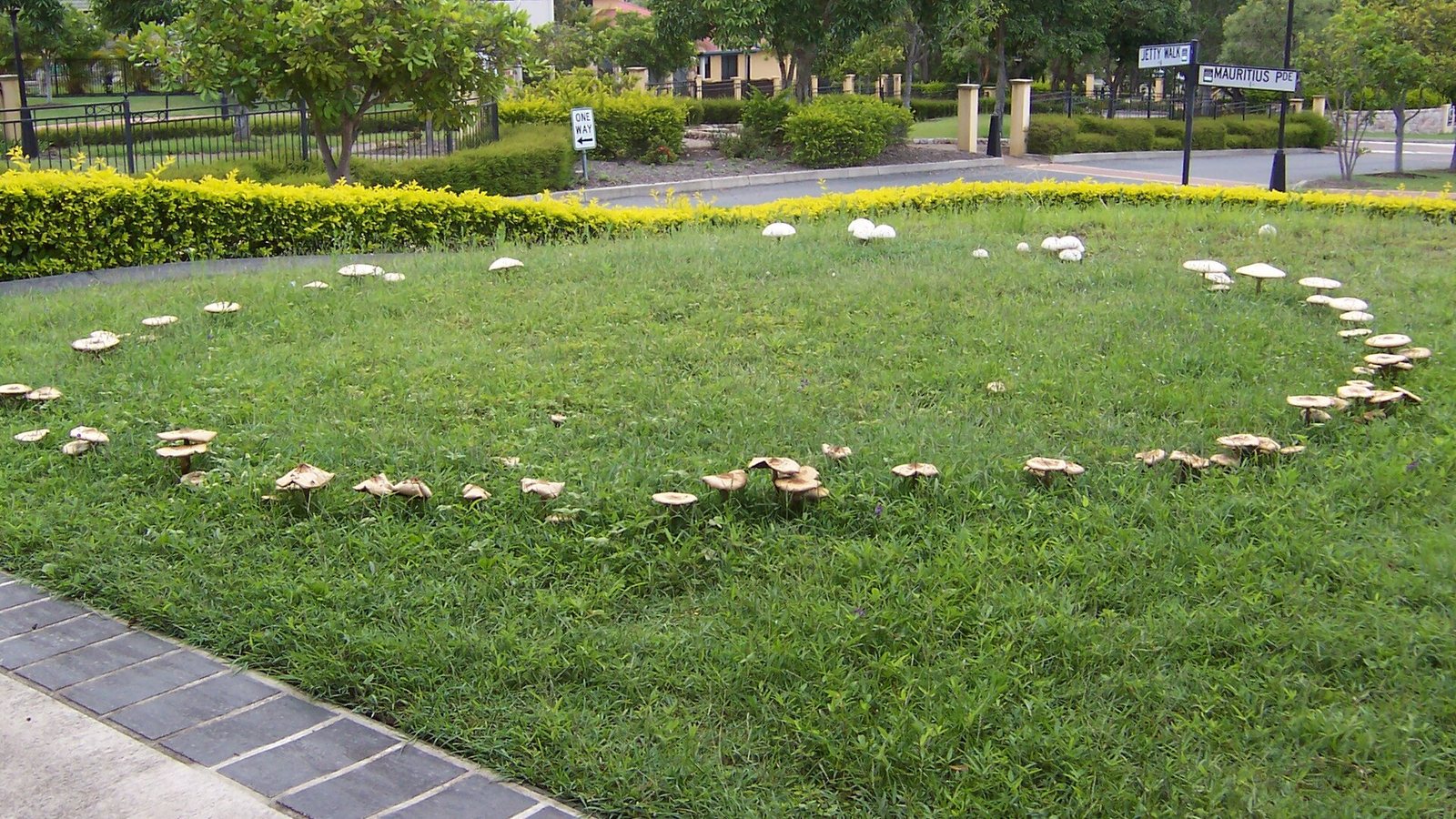
As wet weather arrives, the RHS says to watch for waterlogging, moss, algae and fusarium patch, which shows as yellow or brown patches. Snow mould is another winter risk, which is one reason for the lower last cut mentioned above. Toadstools and fairy rings are mostly harmless, according to the RHS, but remove them if small children use the lawn, wearing gloves. Never eat a mushroom from the lawn; read mushrooms in the lawn and garden and, for rings, mushrooms growing in a circle. Frost also hits the rest of the garden, so protect garden plants from frost on the same weekend.
A simple plan by climate
- Mediterranean and Aegean coast: warm-season lawns are common; expect browning in cold snaps, do not feed late, and leave them alone.
- Inland Anatolia and cold regions: cool-season grasses, hard frosts and snow; scarify and aerate early, mow high, and keep off frozen grass.
If you are not sure what is wrong with a patch of grass or a plant at its edge, Flori can identify a plant from a photo and Dr. Flori can suggest a likely cause.
Frequently asked questions
Should I mow the lawn in winter?
Usually not. The RHS says to mow only in mild weather while the grass is still growing (above about 7 °C / 45 °F), on a high setting, and never when the ground is soft, wet or frozen.
Should I rake leaves off the lawn?
Yes, when they form a layer. The RHS says leaves block light and moisture. A thin scatter can be mown over with a mulching mower, according to the University of Nebraska.
Is it OK to walk on a frosty lawn?
Avoid it. The RHS says frozen blades are brittle, and walking on them can leave brown footprints that last a while. Wait until the lawn has thawed.
Why is my lawn turning brown in winter?
If it is a warm-season grass, UF/IFAS says freezing weather turns it brown as part of normal winter dormancy. Wait for spring green-up and do not fertilise after a freeze.

Autumn garden checklist for both hemispheres: clear and feed soil, make leaf mould, protect tender plants from frost, drain hoses and store tools.
Sources
Written and fact-checked by the Flori team. Every guide cites horticultural sources such as the RHS, university extension services and the ASPCA, and is updated when the advice changes. How we write our guides
General plant care information. Plants vary; when a plant is valuable or a problem spreads quickly, consult a local nursery or plant specialist.