How to Compost at Home, Even on a Balcony
Compost in a flat or on a balcony with a worm bin, bokashi bucket or closed bin: what goes in, what never does, and how to fix smells and flies.
 By Flori editorial team · Updated
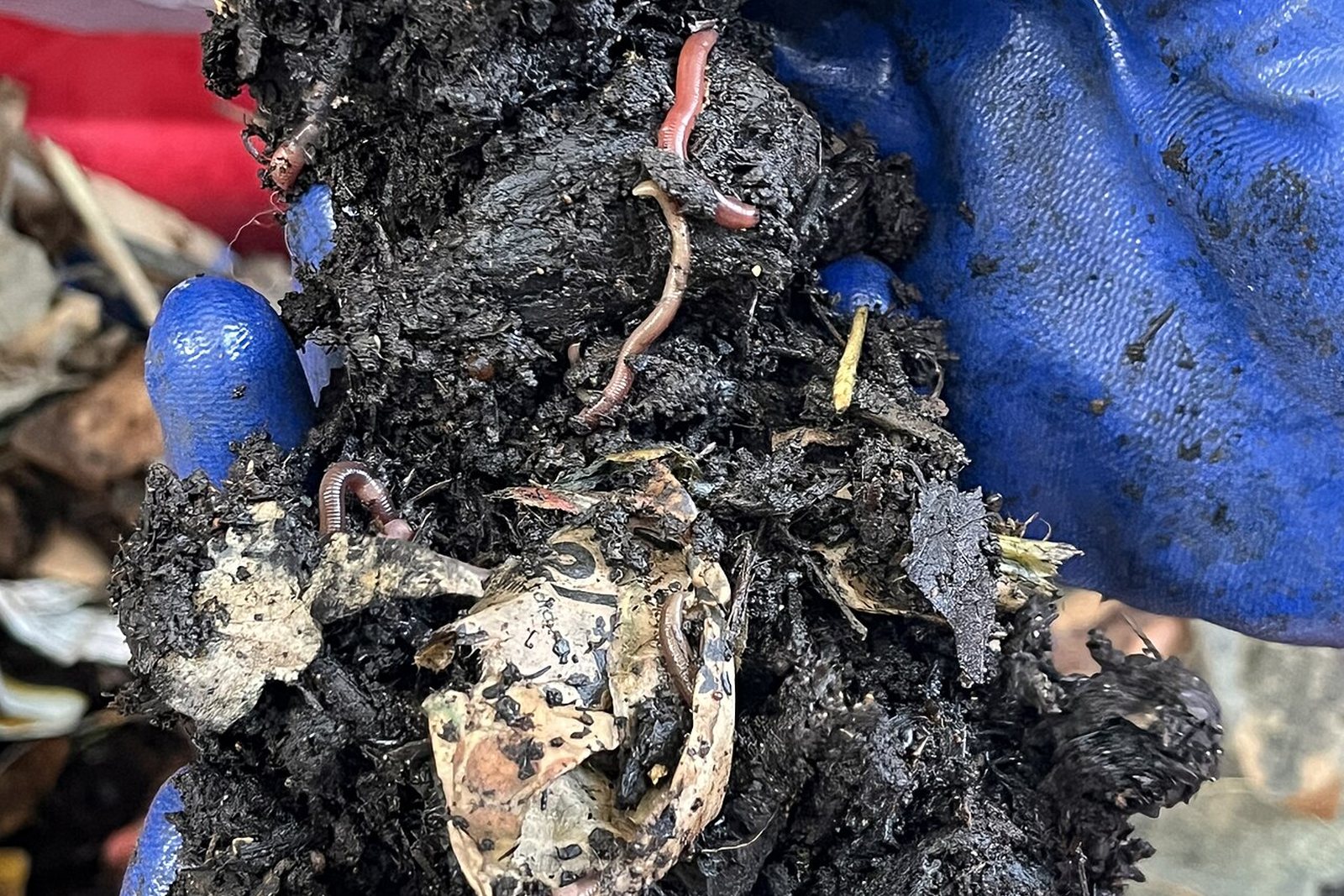
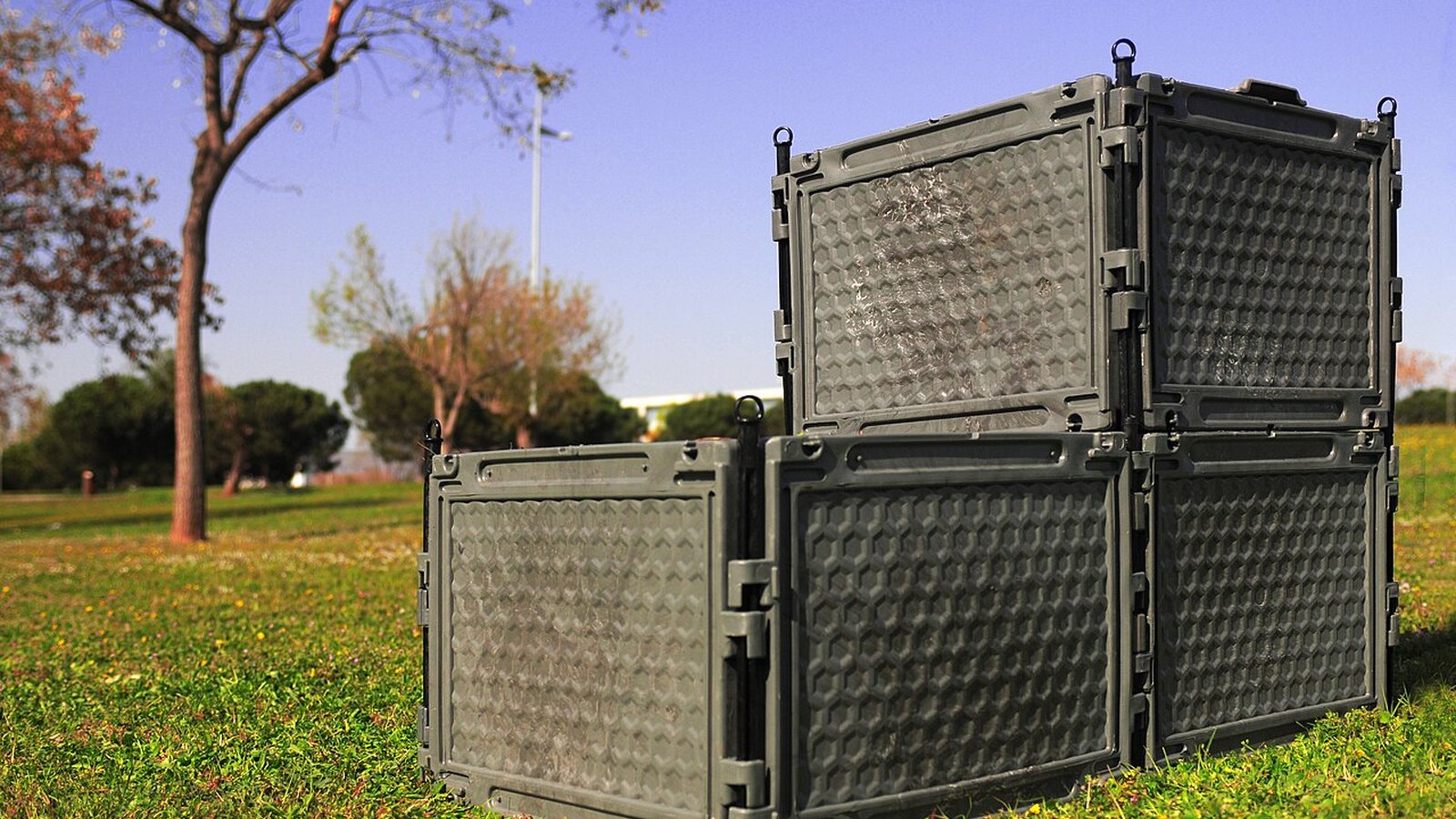 Photo: Yo mismo · CC BY-SA 4.0
You can compost without a garden by using a worm bin or bokashi bucket indoors, or a closed bin on a balcony. Balance wet greens (peels, coffee grounds) with dry browns (paper, leaves), keep it as damp as a wrung-out sponge, and never add meat, dairy or pet waste to a normal bin.
Key takeaways
- A flat needs a worm bin, a bokashi bucket or a small closed bin; small bins stay cool, so be strict about what goes in.
- Use roughly two parts dry browns to one part wet greens, and adjust by smell and moisture.
- Keep meat, dairy, grease, pet waste and diseased plants out of a normal bin; bokashi is the exception.
- Smell and flies usually mean too wet, too many scraps or food left uncovered: add browns and bury scraps.
- Expect months, not weeks, for a worm or balcony bin; bokashi ferments in about two weeks, then needs burying.
On this page7
Can you compost at home without a garden?
Yes. A garden helps, but a balcony or a kitchen corner is enough if you pick the right system. There are three realistic routes for a flat: a worm bin kept indoors, a bokashi bucket that ferments scraps, or a small closed bin or tumbler outside. The catch most guides skip is that a small balcony bin never gets hot enough to treat meat, dairy or weed seeds safely, so a flat needs stricter rules about what goes in. The tables below show what each system accepts, what to feed it and what to do when it smells or draws flies.
Which composting system suits a flat or balcony?
| System | Where it lives | What it takes | The catch |
|---|---|---|---|
| Worm bin | Indoors, away from heat, cold and washing-machine vibration (Penn State) | Fruit and vegetable scraps, coffee grounds, tea bags, small amounts of bread | Needs about 16-24 °C (60-75 °F); no meat, dairy, fats or citrus peel (Penn State) |
| Bokashi bucket | Indoors or on a balcony, sealed | Vegetables, cooked food, dairy, meat and small bones (NC State) | It ferments, it does not finish: the result must be buried at least 20 cm (8 in) deep or added to a compost bin or large pots |
| Closed bin or tumbler | Balcony or terrace | Garden-style scraps and browns | A small pile struggles to hold heat (Clemson suggests at least about 85 litres, 3 cubic feet), so it works slowly |
If you only have a flat and no outdoor space, the worm bin or bokashi bucket is the better choice. If you have a balcony and patience, a closed bin is the simplest.
What can you put in, and what should never go in?
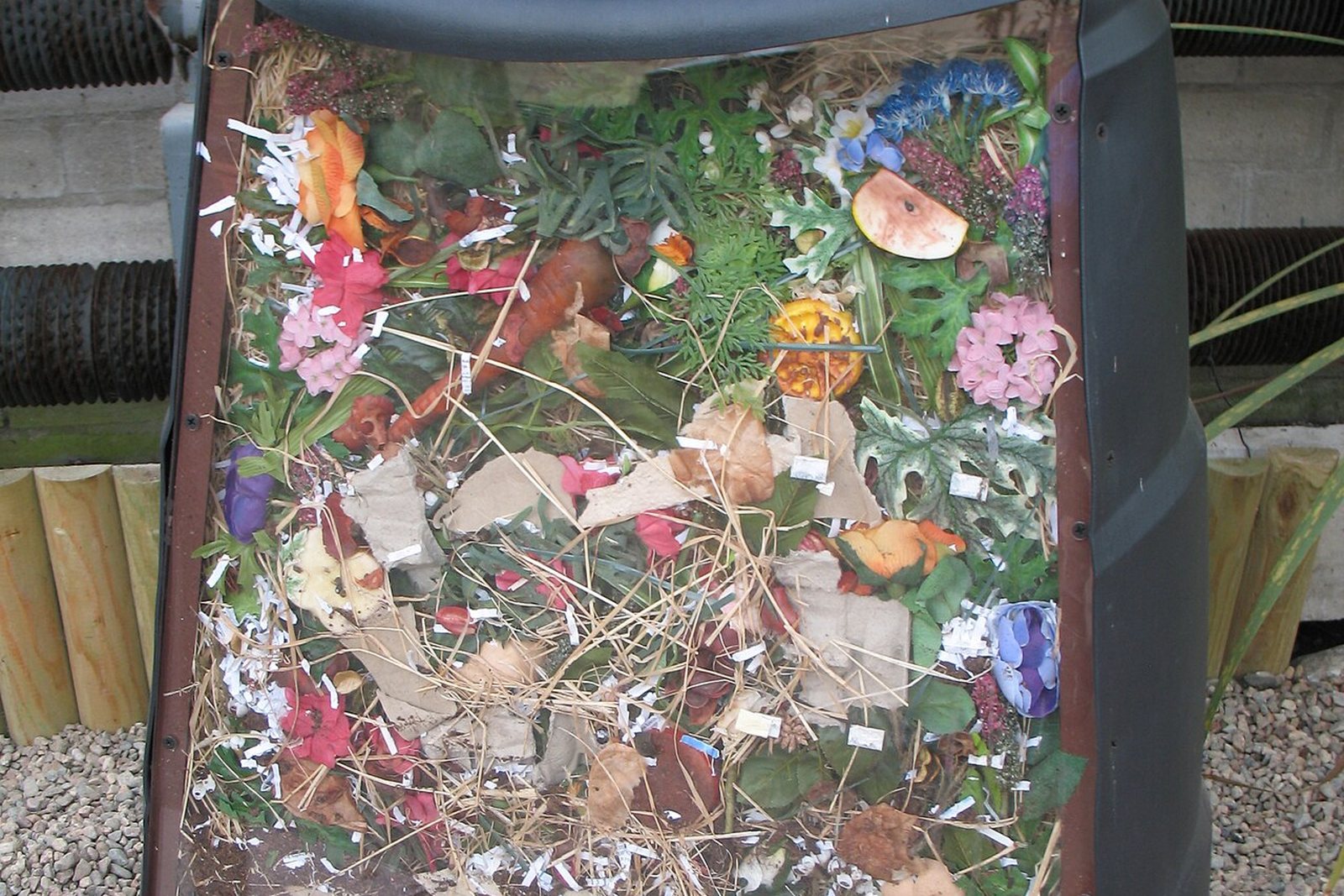
Composting is a balance of greens (wet, nitrogen-rich) and browns (dry, carbon-rich). NC State Extension recommends roughly two parts browns to one part greens; other extension pages give nearby figures, so treat it as an approximate starting point and adjust by smell and moisture.
| Greens (wet) | Browns (dry) |
|---|---|
| Fruit and vegetable peels, old vegetables | Shredded newspaper and plain cardboard |
| Coffee grounds, tea leaves and tea bags | Paper towels, egg cartons, paper bags, coffee filters |
| Eggshells, plain cooked rice or pasta, stale bread | Dry leaves, straw, twigs, pine needles |
| Houseplant trimmings and healthy dead plants | Natural fabrics, hair, wood chips |
Iowa State Extension lists these as greens and browns. Coffee grounds are a green, and our coffee grounds guide explains why they belong in compost more than on a houseplant pot. Eggshells break down very slowly, which is another reason to compost them rather than sprinkle them on soil; see banana water, eggshells and rice water.
Keep these out of a home bin:
- Meat, bones, fish, grease, oils and dairy: they attract animals and cause odours, and most home piles do not reach the 55 °C (131 °F) that Iowa State says is needed to treat them for 3 days. (Bokashi is the exception; it ferments them.)
- Dog and cat waste, litter and diapers.
- Diseased plants and weeds that have gone to seed.
- Plants treated with pesticide or herbicide; follow the product label.
- Glossy or heavily coated paper, treated wood, coal or charcoal ash.
How do you start a balcony compost bin step by step?
- Choose a lidded bin with ventilation and put it in a shaded spot. A lid helps control moisture (Clemson).
- Start with a layer of browns such as shredded paper or dry leaves. NC State suggests alternating layers of browns and greens.
- Chop scraps small. Smaller pieces rot faster, and large pieces slow everything down (Clemson).
- Add greens and cover them with browns each time so food is never left exposed (Clemson).
- Keep it as damp as a wrung-out sponge: a handful squeezed should give a few drops (Iowa State, NC State). Add dry browns if it is too wet and a splash of water if it is dry.
- Mix it. Clemson suggests turning about once a week to add air; if you cannot turn it, poke it with a handle.
In a Turkish summer on a hot Mediterranean or Aegean balcony, a bin in full sun dries out and smells; put it in shade and check moisture more often. In inland Anatolia a worm bin must stay indoors in winter, away from cold extremes (Penn State). In a temperate northern climate, the same applies: keep worm bins indoors and the outdoor bin will slow down in the cold.
Why does my compost smell, or draw flies?
| Problem | Likely cause | Fix |
|---|---|---|
| Rotten smell | Too wet, too many food scraps, or clumped material (Clemson) | Use a lid, add browns and coarse material, and mix |
| Sharp ammonia smell | Too much green or too little air (Clemson) | Break up clumps, add browns, mix |
| Flies around the bin | Scraps left exposed | Bury scraps under a brown layer (Clemson); freezing scraps first also helps (Penn State) |
| Foul bokashi bucket | Not enough bran | Add more bran; a pickled, sour smell is normal (NC State) |
| Worm bin smells | Overfeeding, especially cabbage-family scraps | Feed less and limit cabbage, broccoli, cauliflower and kale (Penn State) |
| Animals visiting | Meat, dairy or greasy food, or uncovered scraps | Remove those foods and bury scraps under browns (Clemson) |
Compost flies are not always the same as the tiny flies in a plant pot. If they live in your potting soil, see fungus gnats or small flies around houseplants.
How long does compost take?
| System | Time |
|---|---|
| Worm bin | "A few months" (Penn State); no exact figure given |
| Bokashi | About 2 weeks to ferment a full bucket, then 2-4 weeks once buried (NC State) |
| Hot pile (large, turned weekly) | Heats within days and stays hot for several weeks, then cures for roughly 4-12 weeks (NC State; its pages differ) |
| Slow, unturned pile | Leaves take about a year (NC State) |
A balcony bin is closer to the slow end. Expect months, not weeks, and treat any faster time as approximate.
What if you have no outdoor space at all?
A worm bin or bokashi bucket under the sink is enough, and bokashi can be finished in large pots (NC State). If you grow herbs or vegetables on the balcony, our list of hardy balcony plants helps you pick what to grow. For pot soil, keep to a proper mix; see the best soil mix for houseplants. If you track plant care in Flori, you can set reminders for fertilizing and repotting alongside your other plants.
Frequently asked questions
Can I compost in an apartment without it smelling?
Yes, if you balance greens and browns, keep the bin damp but not soggy and cover fresh scraps. Extension sources say smells usually come from too much moisture or too many food scraps.
What should I never put in a home compost bin?
Meat, bones, fish, grease, dairy, pet waste, diseased plants, weeds with seeds and anything treated with pesticide. Bokashi buckets can take meat and dairy because they ferment rather than rot.
How long does home compost take?
It depends on the system. Worm bins take a few months, bokashi about two weeks to ferment plus two to four weeks buried, and a slow unturned pile can take around a year.
Do I need worms to compost indoors?
No. Bokashi uses a sealed bucket and bran instead of worms, but its output must be buried or added to a compost bin or large pots to finish.
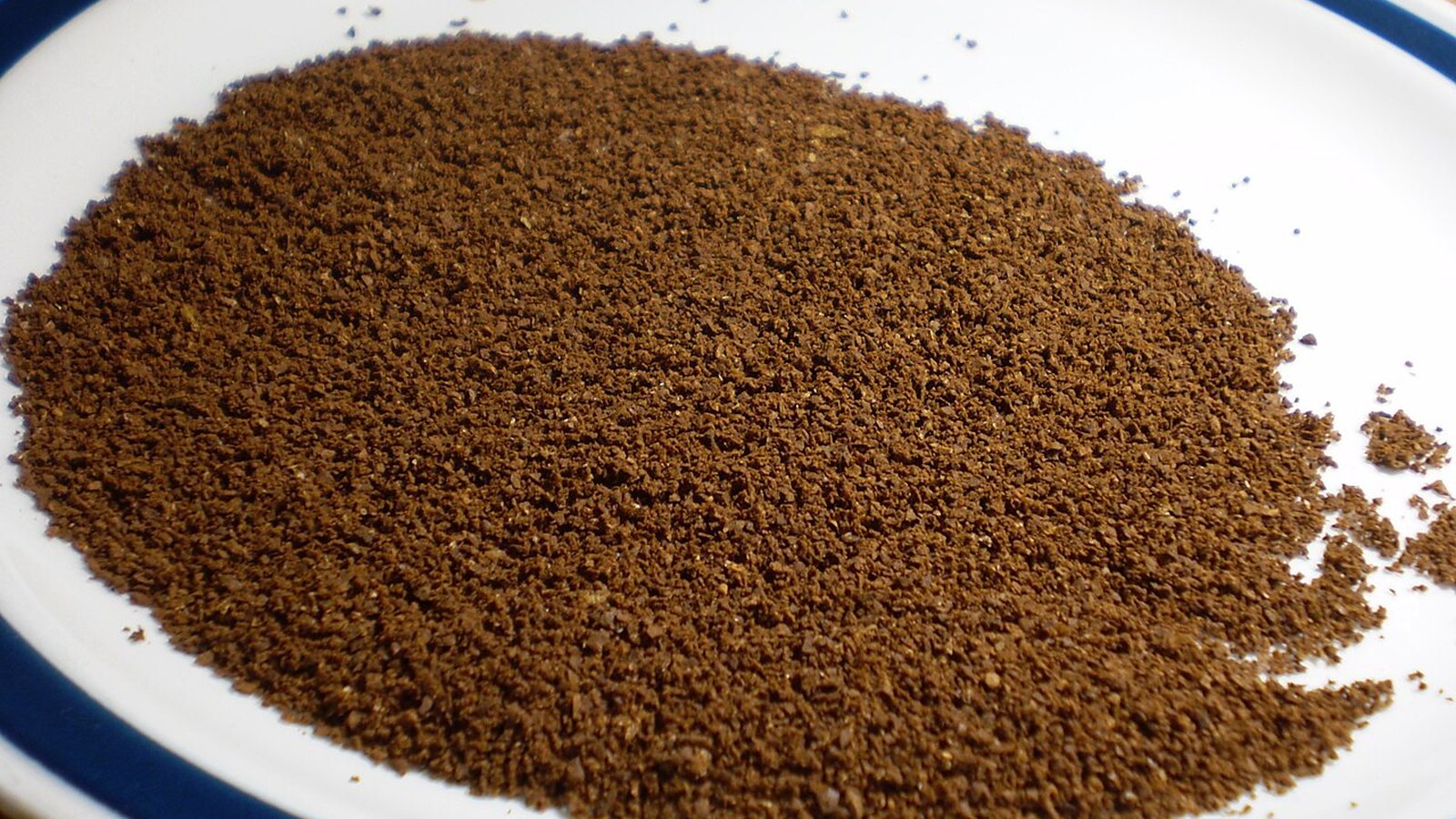
Coffee grounds help compost, but are no fertilizer or acidifier. Use used grounds, up to 20% of compost, or thin mulch. See the myth table and pot risks.
Sources
Written and fact-checked by the Flori team. Every guide cites horticultural sources such as the RHS, university extension services and the ASPCA, and is updated when the advice changes. How we write our guides
General plant care information. Plants vary; when a plant is valuable or a problem spreads quickly, consult a local nursery or plant specialist.