Small Flies Around Houseplants: Gnats or Fruit Flies?
Tiny flies around your houseplants? Tell fungus gnats from fruit flies and whiteflies by colour, behaviour and where they gather, then fix the real source.
 By Flori editorial team · Updated
 Photo: Vocis7473 · CC0
Small flies around houseplants are usually fungus gnats: dark, mosquito-like, weak fliers that rest on damp potting soil. Fruit flies are tan with red eyes and gather around ripe fruit and bins. White fluttering flies on leaf undersides are whiteflies. Find where they gather first, then dry the soil or remove the fruit.
Key takeaways
- Dark, slender flies running over damp soil are fungus gnats; tan flies with red eyes near fruit are fruit flies.
- Where the flies gather tells you the source: the pot, the fruit bowl, or the underside of a leaf.
- Fungus gnats follow wet soil, so let the top 2.5-5 cm (1-2 in) dry between waterings.
- Vinegar traps catch fruit flies but do not work for monitoring fungus gnats; use yellow sticky cards instead.
- A raw potato slice on the soil shows whether larvae are living in a pot within a few days.
On this page7
What are the small flies around my houseplants?
Three kinds of tiny flies show up near houseplants, and they are easy to mix up: fungus gnats, fruit flies and whiteflies. A fourth, the shore fly, looks similar to a fungus gnat. The fix is different for each, and the wrong fix, such as a vinegar trap or a spray, wastes weeks. Our fungus gnat guide covers treatment in depth; this page helps you decide whether fungus gnats are really your problem, using UC IPM, UW-Madison, Colorado State and Iowa State extension information.
Fungus gnats or fruit flies: how do you tell?
| Fungus gnats | Fruit flies | |
|---|---|---|
| Colour and shape | Dark brown or black, delicate, mosquito-like with long legs; clear wings with a Y-shaped vein | Brown to yellowish, stocky, clear wings, red eyes |
| Size | About 1.5-3 mm (1/16 to 1/8 in) | 2-3 mm (about 1/10 in) |
| Where you see them | Running or resting on potting soil, near windows and lamps | Around ripe fruit, bins and drains |
| Flight | Weak, stay near the plant | Hover and dart around food |
| What they breed in | Moist potting soil, especially peaty or old mix | Damaged, fermenting or overripe fruit |
| Best trap | Yellow sticky cards | A bait trap; vinegar does not work for gnats |
UW-Madison notes that fungus gnats are often mistaken for fruit flies but are different insects, and that vinegar traps used for fruit flies do not work to monitor fungus gnats. UC IPM adds that fruit fly adults of the common vinegar fly type have red eyes and breed in damaged or overripe fruit. In short, if the flies cluster over the plant pot, think gnats; over the fruit bowl, think fruit flies.
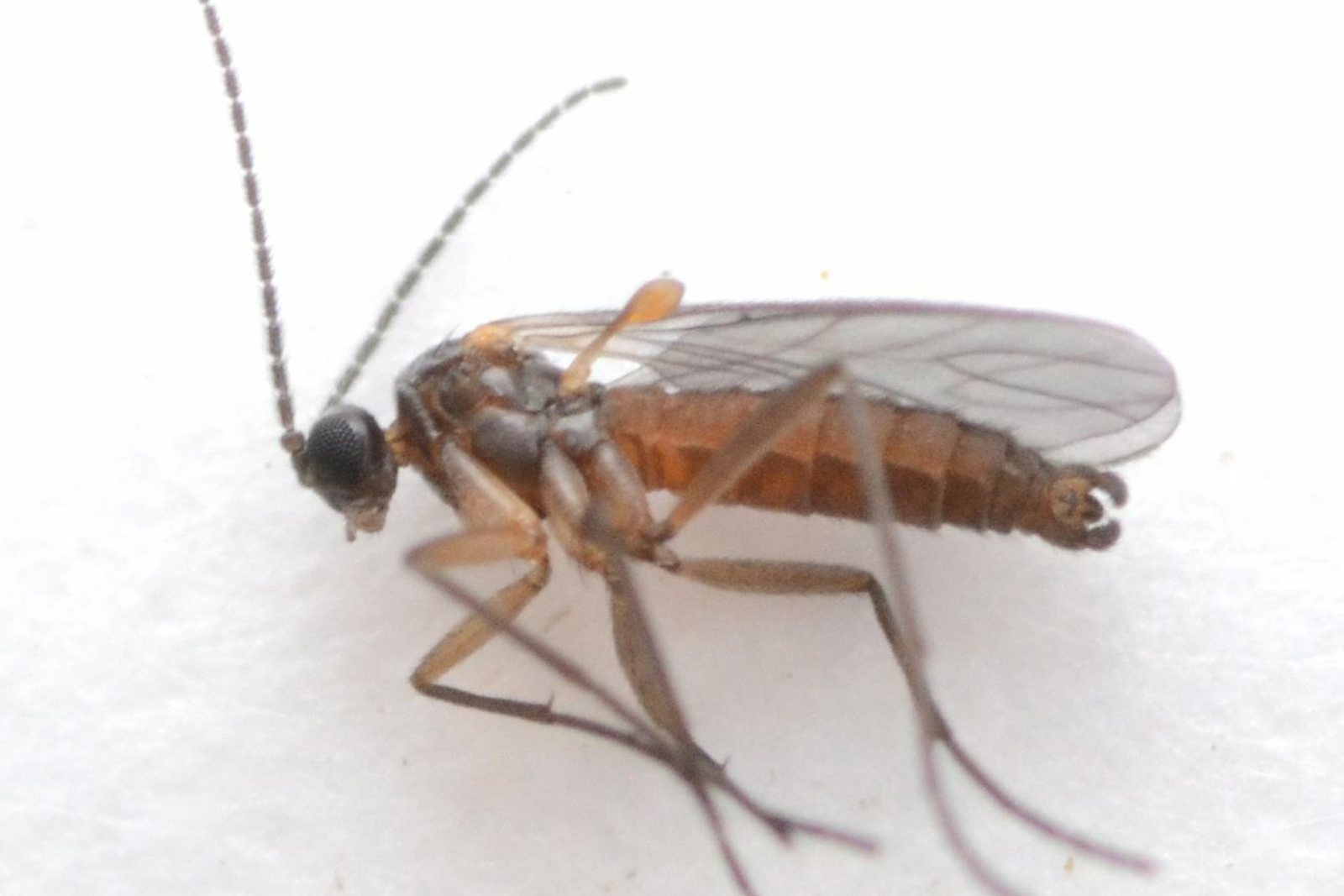
How can you check which one you have?
- Watch where they land. Gnats rest on the soil and the lower leaves. Fruit flies prefer ripe fruit.
- Hold a yellow sticky card near the pot overnight. Dark, slender flies stuck to it point to fungus gnats.
- Do the potato test. Lay a 6 mm (1/4 in) slice of raw potato on the soil. After three or four days, lift it. Pale, wormlike larvae with black heads underneath confirm gnats in that pot.
- Check the kitchen. Look at fruit, the bin and the sink. Iowa State reminds us gnats do not always come from plants: damp spots such as unused drains and condensation trays can breed them.
Shore flies look similar. UC IPM says they have short, bristle-like antennae, whereas fungus gnats have segmented antennae longer than their heads. For houseplants the answer is the same: a wet, algae-rich surface.
What if the flies are white?
White, powdery flies that flutter up from the underside of leaves when you brush the plant are not gnats at all. They are whiteflies, which Iowa State describes as small, white and flying, feeding on the leaf undersides. They need a separate plan: see our guide to whiteflies on houseplants. If you have not seen the insects up close, our other pest page on mealybugs shows another white pest that is easy to confuse with them.
How do you get rid of fungus gnats?
If the potato test says gnats, the cure is mostly about water:
- Let the soil dry. Colorado State says to let the top 2.5-5 cm (1-2 in) dry between waterings, which reduces egg and larval survival. UW-Madison expects three to four weeks for control.
- Empty saucers so roots and soil do not sit in standing water. Our guide to how to water houseplants shows how to check soil moisture.
- Trap the adults with yellow sticky cards under the plant canopy. They catch the flies but do not stop new ones from hatching.
- Treat the larvae with a product containing Bti (Bacillus thuringiensis israelensis), which targets the larvae in the soil. UW-Madison suggests repeating every five to seven days, and UC IPM says that repeat applications every five days may be needed. Follow the label.
- Repot if the mix has broken down and holds too much moisture.
The extension guides say insecticides are rarely needed indoors and are often ineffective, because the larvae live in the soil and the adults are too mobile to spray. Chemical sprays only make sense if the problem continues after the soil has been kept drier for several weeks.
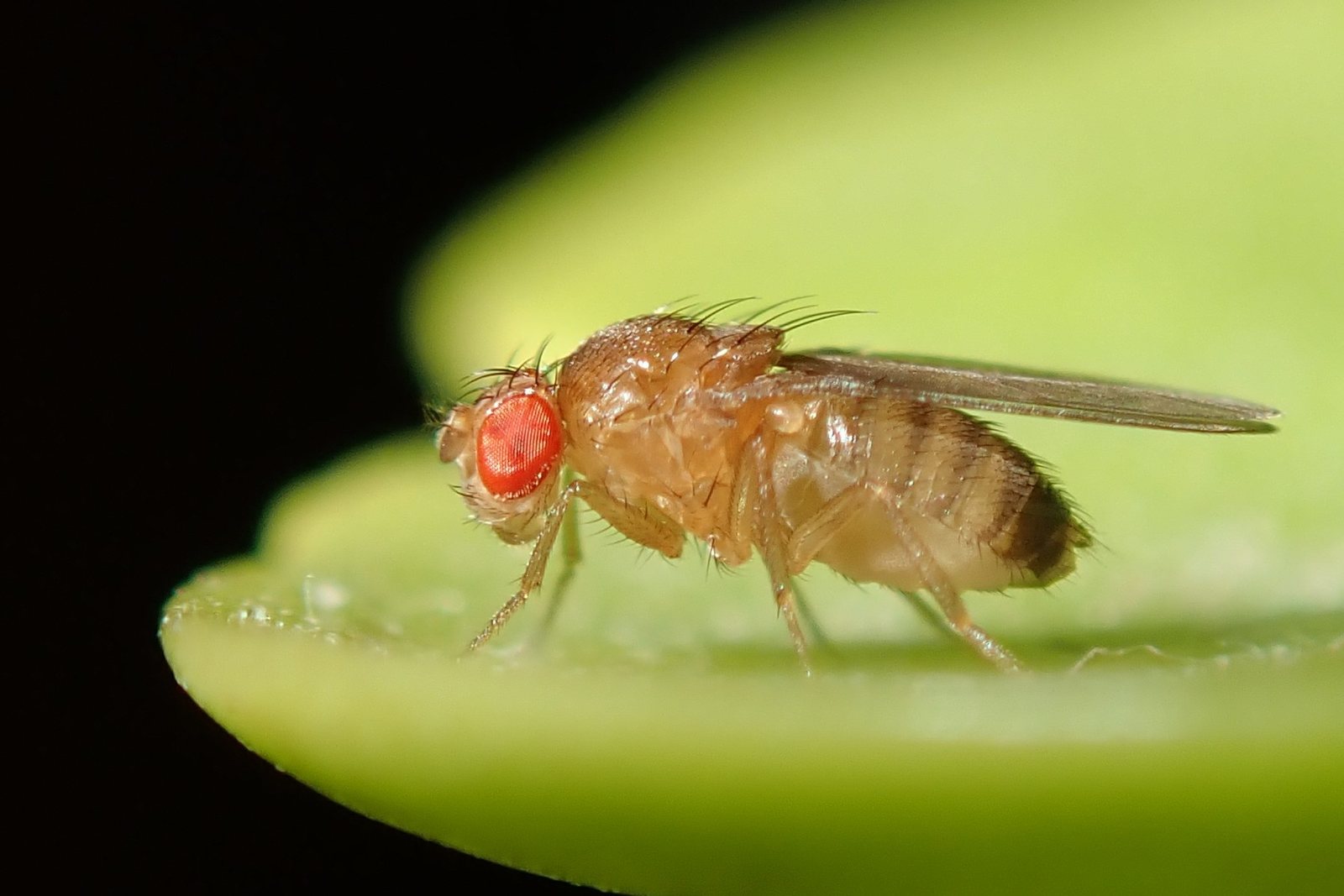
How do you get rid of fruit flies?
Treat the source, not the plant. UC IPM says fruit fly sanitation means removing and disposing of overripe fruit, including fruit that has dropped. In a home that means ripe fruit in the fridge or covered, emptying the bin often, and rinsing food containers before they go in the recycling. A kitchen bait trap can lower numbers, but traps rarely give complete control on their own. If the flies are only near your plants and not near food, the plants are the source after all.
Do fungus gnats harm houseplants?
Adults do not bite or feed on plants, and Iowa State says gnats do not cause notable damage to houseplants but are a big nuisance. Larvae feed mainly on fungi and decaying matter, but Colorado State says they can also feed on roots, and UC IPM says they can stunt seedlings and young houseplants indoors. They are also a clue: gnats mean the soil stays wet, which is the same condition that causes rot. If the plant is drooping or the lower leaves are yellowing, read our overwatering vs underwatering guide and check the roots. Flori's Lab tools can analyse a pest from a photo if you are still unsure what you are looking at.
Frequently asked questions
Why do I have tiny flies around my houseplants?
Most likely fungus gnats, which breed in moist potting soil. Overwatering or peaty, aged mix gives the larvae a place to live.
Are fungus gnats the same as fruit flies?
No. Fungus gnats are dark, slender and stay near damp soil. Fruit flies are tan with red eyes and breed in overripe fruit. UW-Madison says vinegar traps do not work to monitor fungus gnats.
Do fungus gnats hurt my plants?
Adults do not. Larvae mostly eat fungi and decaying matter but can feed on roots, so seedlings and young plants are most at risk.
How long does it take to get rid of fungus gnats?
UW-Madison expects three to four weeks of drier soil to bring them under control. Keep checking with sticky cards.
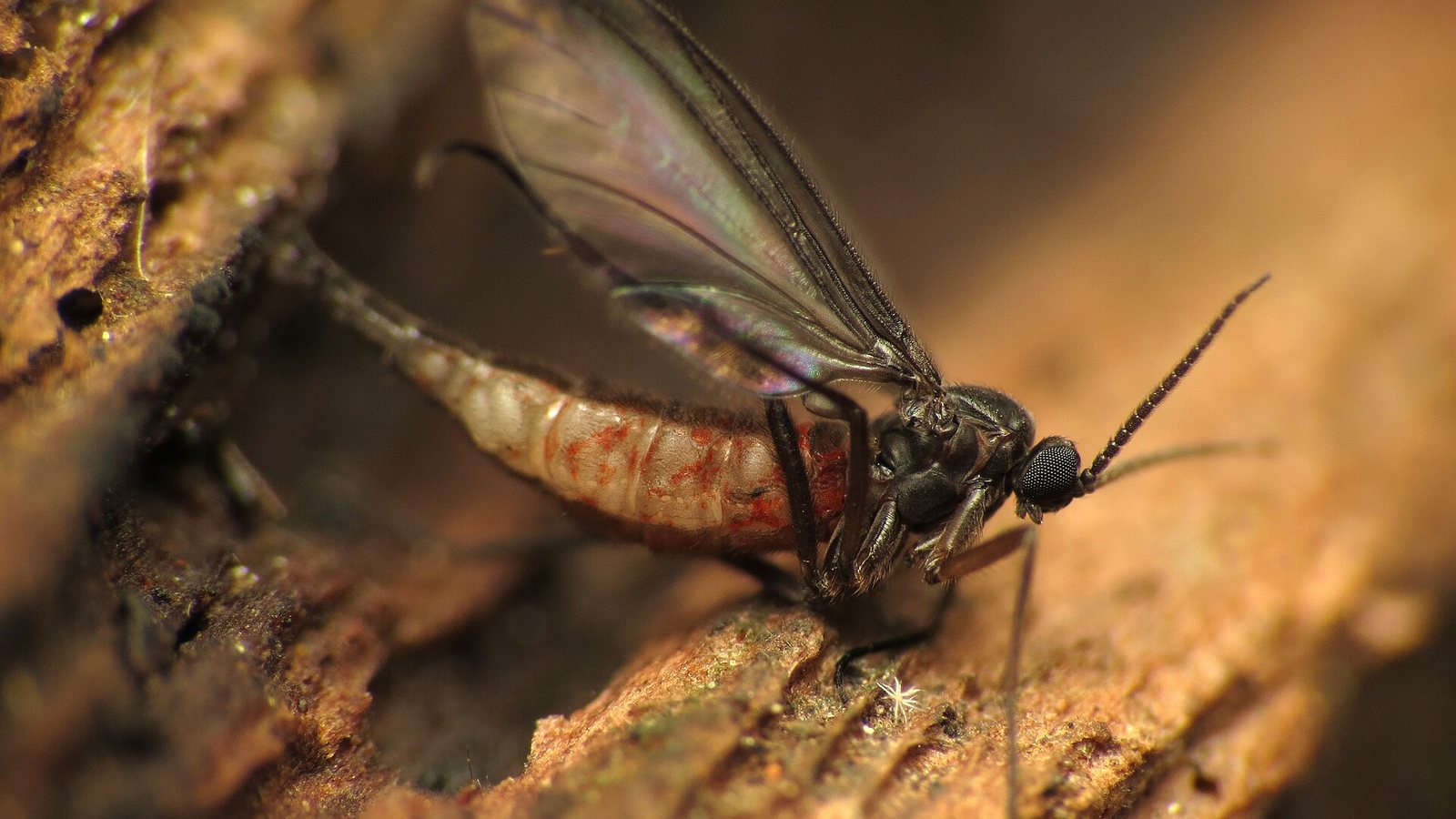
Get rid of fungus gnats by breaking their life cycle: dry the top 2.5–5 cm of soil, find larvae with potato slices, trap adults and treat with Bti.
Sources
Written and fact-checked by the Flori team. Every guide cites horticultural sources such as the RHS, university extension services and the ASPCA, and is updated when the advice changes. How we write our guides
General plant care information. Plants vary; when a plant is valuable or a problem spreads quickly, consult a local nursery or plant specialist.