Hydrogen Peroxide for Root Rot: Does It Work?
Does hydrogen peroxide cure root rot? Extension sources do not support it as a rescue. See what the evidence says and what to do instead.
 By Flori editorial team · Updated
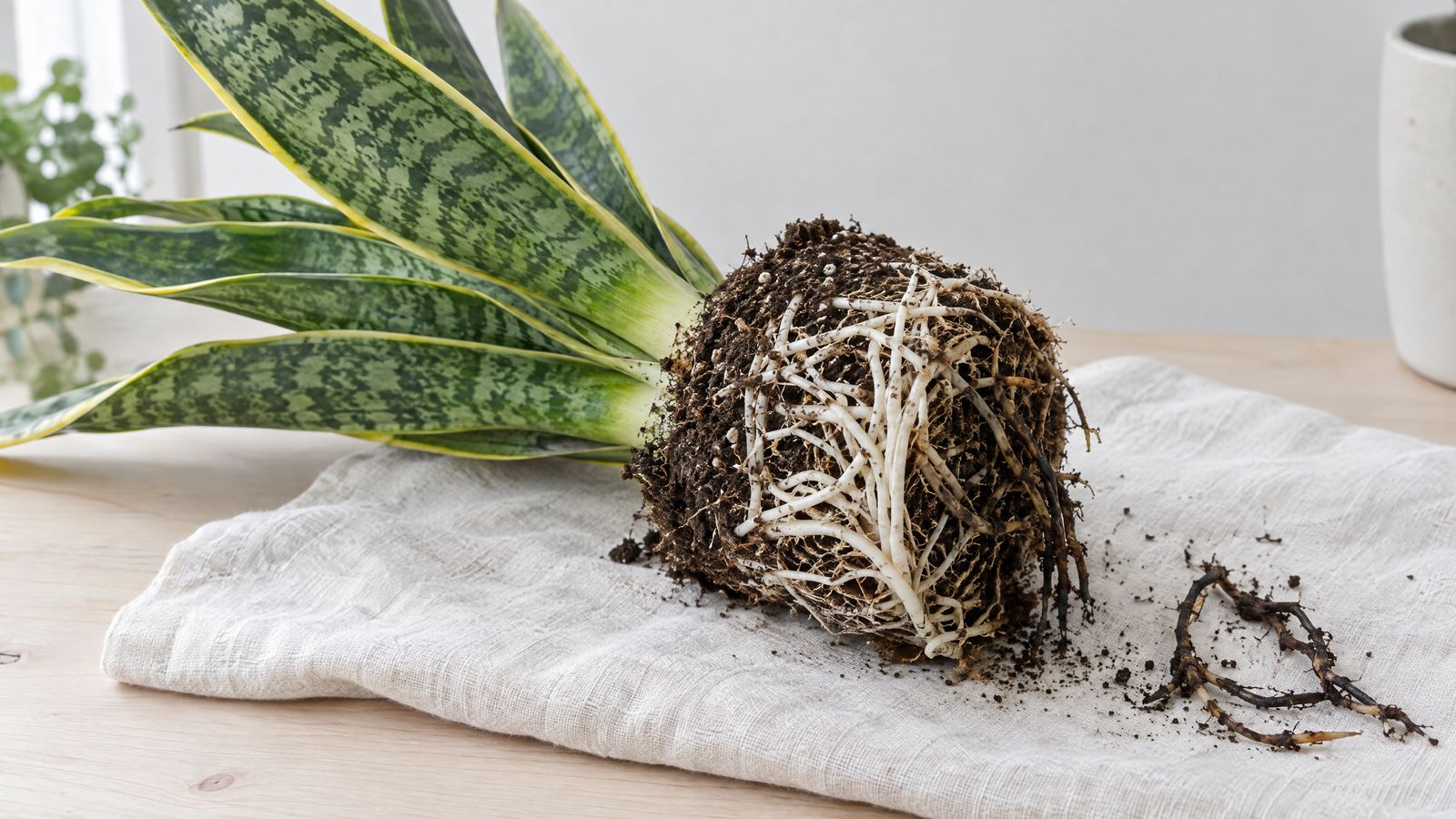
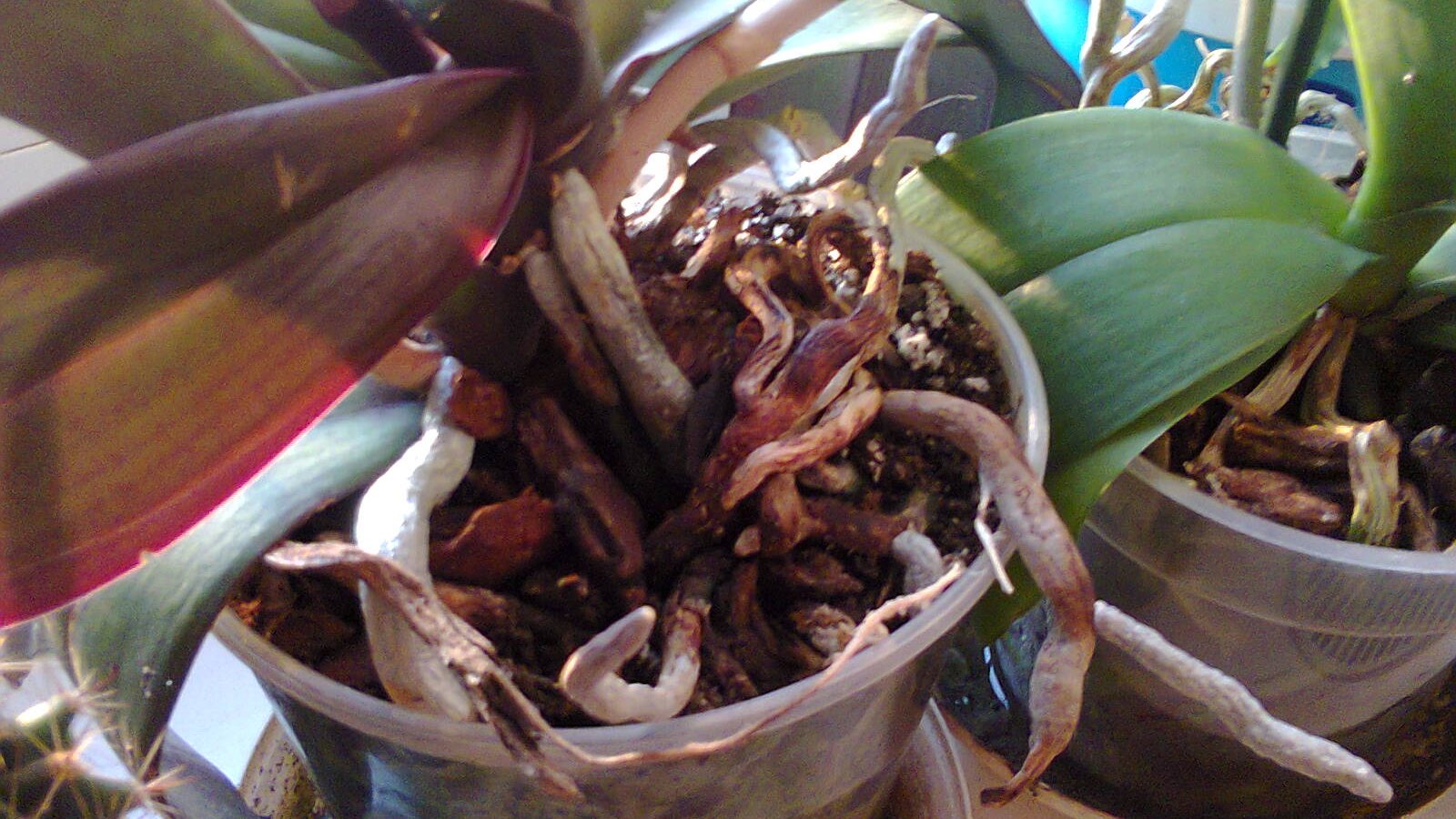 Photo: DenesFeri · CC BY-SA 4.0
No extension source we checked says hydrogen peroxide cures root rot, and dead roots do not recover. Peroxide products can disinfect pots and tools if you follow the label. To save the plant, cut away soft roots, repot in fresh well-drained mix and water less.
Key takeaways
- No extension source we read recommends a hydrogen peroxide drench to cure houseplant root rot.
- Dead roots do not recover; the plant must grow new roots, so removing rotten roots matters more than any liquid.
- Overwatering and poor drainage cause root rot, so fix watering, pot and mix.
- Peroxide-based products can disinfect pots and tools; follow the label and keep them away from children and pets.
- Act early: root rot is easier to manage in its early stages.
On this page8
- Does hydrogen peroxide cure root rot?
- What does the evidence say about hydrogen peroxide and root rot?
- Why do people think it works?
- Peroxide claim vs evidence: a quick table
- What should you do instead for root rot?
- When is peroxide reasonable to use?
- Can a plant with root rot be saved?
- How to prevent root rot after the rescue
Does hydrogen peroxide cure root rot?
Probably not, and no extension source we checked says it does. Hydrogen peroxide has a real use as a disinfectant, which is why it shows up in so many "root rot hack" posts, but root rot in a houseplant is a watering and drainage problem first and an infection second. This page separates what peroxide can plausibly do from what it cannot, and shows what the university and horticultural sources actually recommend. For the full rescue procedure, see our root rot rescue plan; this guide answers one question only: is a peroxide drench worth it?
What does the evidence say about hydrogen peroxide and root rot?
We read the extension pages below and found no trial or recommendation that treats a hydrogen peroxide drench as a way to cure a rotting houseplant. What they do say is more useful:
- Dead roots do not come back. Penn State Extension states that dead roots do not recover and that new roots must grow to replace them. Nothing poured on the soil can undo that.
- Fungicides control rather than cure. Penn State says fungicides usually do not fully eradicate the fungus, and Clemson Cooperative Extension notes that fungicides for houseplant root rot probably cost more than replacing the plant. If registered fungicides struggle, a kitchen chemical is unlikely to do better.
- The cause is wet soil. Iowa State University Extension names overwatering as the main trigger: fungal and fungus-like organisms such as Pythium and Phytophthora thrive in soggy, poorly drained mix and attack stressed roots.
- Peroxide products do appear in sanitation advice. Colorado State University lists hydrogen peroxide products intended for hydroponic systems among effective disinfectants for trays and troughs, and tells readers to follow all label instructions. That is about equipment, not about treating a living plant's roots.
In short, the honest summary is "unproven for rescue, reasonable for cleaning". If you see advice with exact peroxide mixtures and schedules for a rotting plant, remember that none of the extension sources above gives one.
Why do people think it works?
Peroxide fizzes on contact with damp organic matter, which looks like something is being killed. Fizzing proves only that it is reacting, not that the plant is being healed. A plant that perks up after a peroxide drench has usually also been trimmed, repotted or watered less, and those changes are the ones the extension pages recommend. The risk of relying on it is delay: root rot must be managed early to avoid losses, according to Penn State, and days spent on a drench are days of soggy roots.
Peroxide claim vs evidence: a quick table
| Claim | What the sources support |
|---|---|
| "Peroxide kills root rot in the pot" | No extension source we read supports this for houseplants |
| "It brings rotten roots back" | False: dead roots do not recover (Penn State) |
| "It replaces repotting" | No: Clemson advises cutting out infected roots and repotting in sterile soil |
| "It can disinfect pots and tools" | Supported in principle: peroxide products are listed as disinfectants (Colorado State); follow the label |
| "More is better" | No evidence; read the label of any product you use |
What should you do instead for root rot?
- Stop watering and confirm. Slide the plant out. Healthy roots are firm and white with many fine feeder roots; rotted roots are mushy and brown or reddish (Iowa State). A sour smell is another warning sign.
- Cut away every soft or brown root with clean snips. Clemson says that if only a few roots are infected, cut them out and repot in sterile soil.
- Repot in fresh, airy mix in a clean pot with drainage holes. Old mix carries the problem; see the best soil mix for houseplants, and size the pot to the smaller root ball using our pot-size guide.
- Water by need. Wait until the top of the mix is dry for the species, and empty saucers. The difference between too wet and too dry is explained in overwatering vs underwatering.
- Give light and time. A plant with fewer roots needs bright but not scorching light and patience, since new roots take weeks.
When is peroxide reasonable to use?
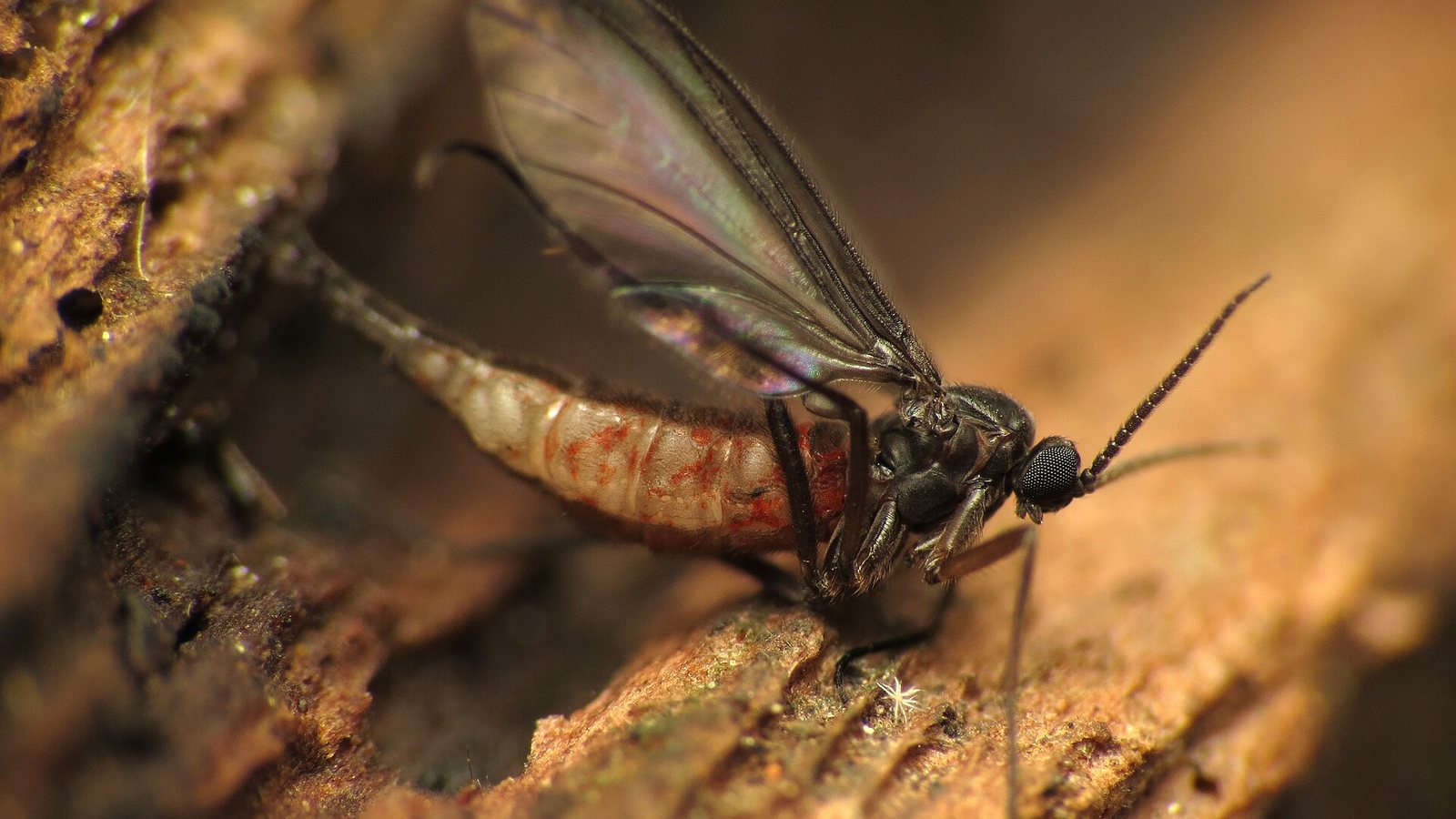
If you want to sanitise a reused pot or your snips between plants, a peroxide-based disinfectant used exactly as its label says is a fair option, in line with the sanitation advice from Colorado State. Penn State also notes that Pythium spreads on dirty tools and pots and by fungus gnats; clean tools matter, and if you also have gnats see fungus gnats. Keep any peroxide product out of reach of children and pets, do not mix products, and never pour a stronger solution on roots than the label allows.
Can a plant with root rot be saved?
Yes, if some firm white roots and a green stem remain. If the stem base is soft and black and no healthy roots are left, the plant is unlikely to recover; take a healthy stem cutting if one exists (see propagating plants from cuttings). Flori's Dr. Flori can ask follow-up questions about watering and soil, name the likely cause from a description or a photo and say how urgent it is, and the Plant Hospital keeps a recovering plant under watch with a follow-up plan.
How to prevent root rot after the rescue
- Water on need, not on a calendar, and check the mix first.
- Use drainage holes and well-drained mix; replace old compacted mix.
- Water less in low light and cool winter conditions.
- Disinfect pots and tools between plants.
Frequently asked questions
Can I water a plant with hydrogen peroxide to stop root rot?
We found no extension recommendation for this. Removing rotten roots, repotting in fresh well-drained mix and watering less are what the sources support.
Can I use hydrogen peroxide to disinfect pots and pruning tools?
Peroxide-based products are listed as disinfectants for growing equipment by Colorado State University. Follow the product label and keep it away from children and pets.
Do rotten roots grow back?
No. Penn State Extension says dead roots do not recover; the plant has to grow new roots to replace them.
Is a fungicide better than peroxide for houseplant root rot?
Fungicides control rather than cure rot, and Clemson notes they probably cost more than replacing a houseplant. Fixing watering and drainage matters more.
Signs of root rot, how to check the roots, and a step-by-step plan to trim, repot and water a rotting houseplant so it can recover, plus how to prevent it.
Sources
Written and fact-checked by the Flori team. Every guide cites horticultural sources such as the RHS, university extension services and the ASPCA, and is updated when the advice changes. How we write our guides
General plant care information. Plants vary; when a plant is valuable or a problem spreads quickly, consult a local nursery or plant specialist.