Curling Leaves: What Your Plant Is Telling You
Leaves curl from too much light, heat, dry soil, dry air, soggy roots or pests. Read which leaves curl and which way, then use the table to fix it.
 By Flori editorial team · Updated
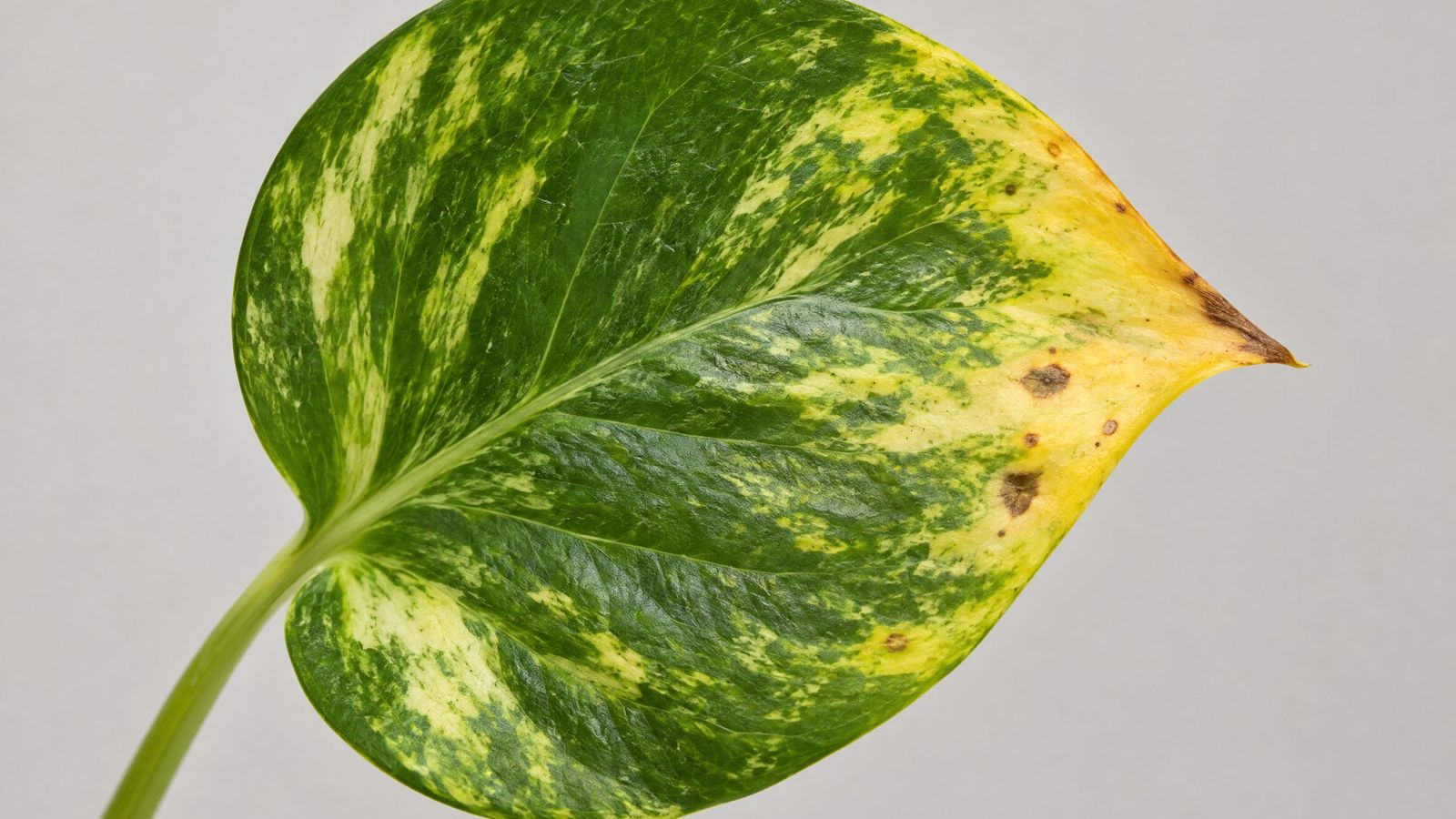
Leaves usually curl because the plant is losing water faster than its roots can supply it, or because pests damage new growth. Leaves curling under with small new leaves suggest too much light; inward rolling suggests heat, dry soil or dry air; curled lower leaves with wet soil suggest overwatering; distorted new leaves suggest aphids.
Key takeaways
- Check which leaves curl, which way they curl and how wet the soil is before changing anything.
- Leaves curling under with undersized new leaves point to too much light.
- Lower leaves that curl and wilt while the topsoil stays wet point to overwatering.
- Humidity below 20 percent can dry and curl leaves; 40 to 60 percent is the target.
- Distorted, curled new growth often hides aphids on the leaf undersides.
Why are my plant's leaves curling?
Curling leaves are a plant's way of saying it is losing water faster than it can replace it, or that something is damaging the leaf as it grows. The most common causes are too much light or heat, dry soil, very dry air, soggy roots, and sap-sucking pests such as aphids. The trick is that each cause curls leaves in a slightly different way: which leaves curl (new or old), which direction (up, down or inward), and what the soil feels like. This guide turns those three clues into a symptom, cause and fix table, so you can find the likely culprit in a couple of minutes instead of trying every remedy at once.
First: is the curling normal?
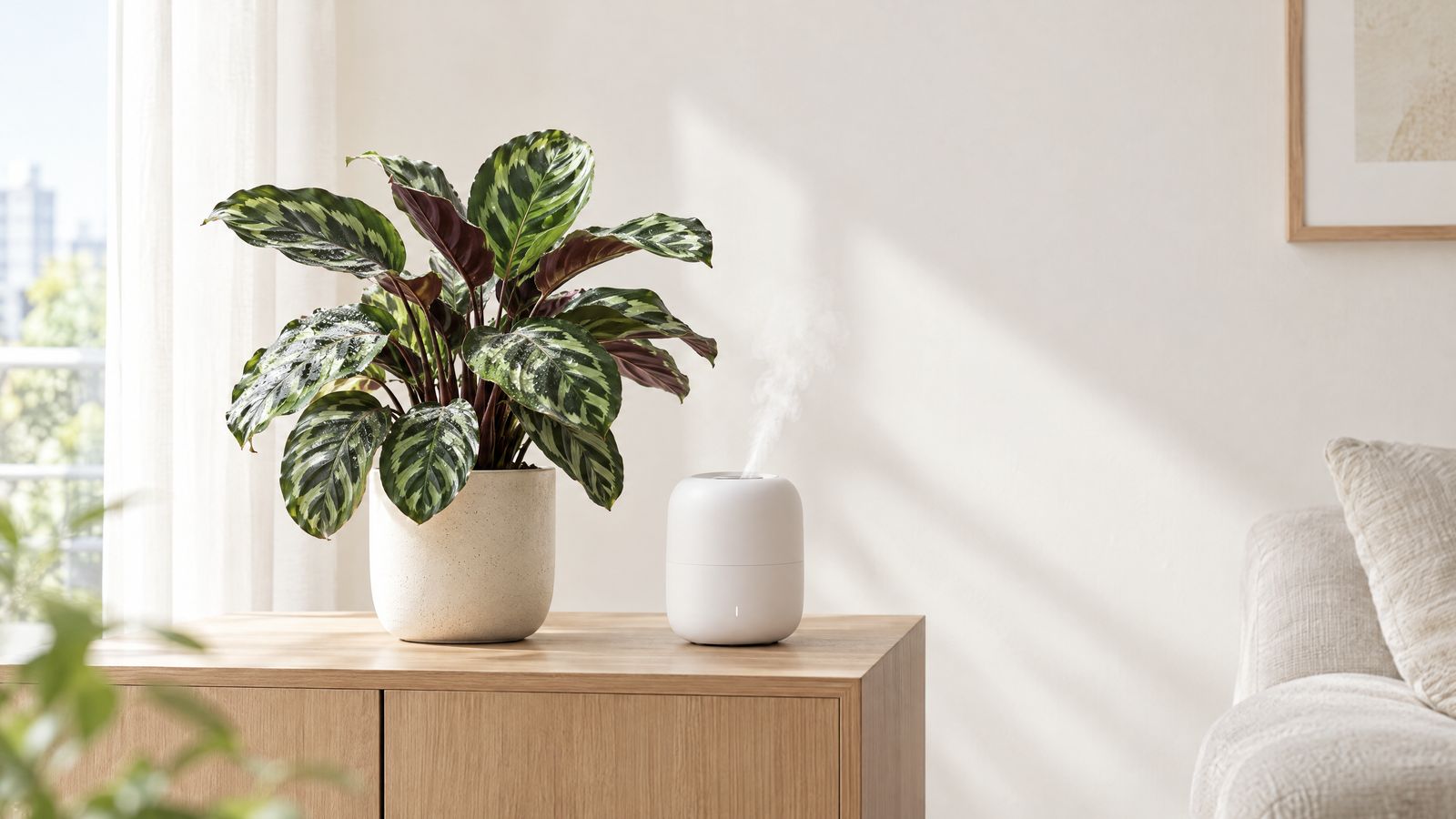
Some plants move their leaves on purpose. Calatheas and their relatives, such as the prayer plant (Maranta), fold their leaves upwards at night like hands in prayer, a movement the RHS describes as normal. If the leaves open again in the morning and look healthy, there is nothing to fix. Curling that stays all day, gets worse over a week, or comes with crisp edges, spots or distorted new growth is the kind worth investigating.
Read the curl: three quick checks
- Which leaves? Curling on new growth points to pests or too much light near the top of the plant. Curling on lower, older leaves points more often to roots and watering.
- Which way? Edges rolling inwards or upwards (like a taco) usually mean water loss: heat, strong light, dry soil or dry air. Leaves curling under, with small new leaves, are a sign of too much light. Twisted, puckered or crumpled leaves suggest pests.
- What does the soil say? Push a finger into the soil. Bone dry and a light pot point to thirst. Constantly wet soil with soft stems points to overwatering.
Curling leaves: symptom, likely cause and first fix
| What you see | Likely cause | First fix |
|---|---|---|
| Leaves curl under; new leaves are smaller than usual | Too much light | More shade, or move the plant further from the grow light |
| Leaves roll inwards and feel limp; soil is dry; pot feels light | Too little water | Water thoroughly until it runs out of the drainage hole, then let the top dry before the next drink |
| Lower leaves curl and wilt; stems soft and dark; topsoil always wet | Too much water, possibly root rot | Water less often; empty the saucer; check the roots |
| Leaves dry out and curl, edges brown, especially in winter with heating on | Very low humidity | Group plants, use a pebble tray or a humidifier |
| New leaves curled and distorted, sticky residue, tiny insects underneath | Aphids or other sap-sucking pests | Inspect undersides, rinse off, remove badly affected shoots |
| Leaves roll up during hot, dry spells, mostly outdoors | Heat and drought stress | Water consistently, give shade at the hottest time of day |
Too much light or heat
A Washington State University Extension guide to houseplant problems lists leaves that curl under, with undersized new leaves, as a sign of too much light, and the fix is simple: give the plant more shade or move it farther from grow lights. This is common after moving a plant to a south-facing sill or putting it close to a new lamp. Outdoors and on balconies, heat does the same. University of Illinois Extension explains that in very hot, dry weather tomato leaves curl and sometimes wilt to reduce water loss, a response called physiological leaf roll; mild cases recover, but long spells of heat can cause severe rolling. Light is a balance: our guide to the signs a plant needs more light covers the opposite problem, so you do not overcorrect.
Dry soil or soggy roots
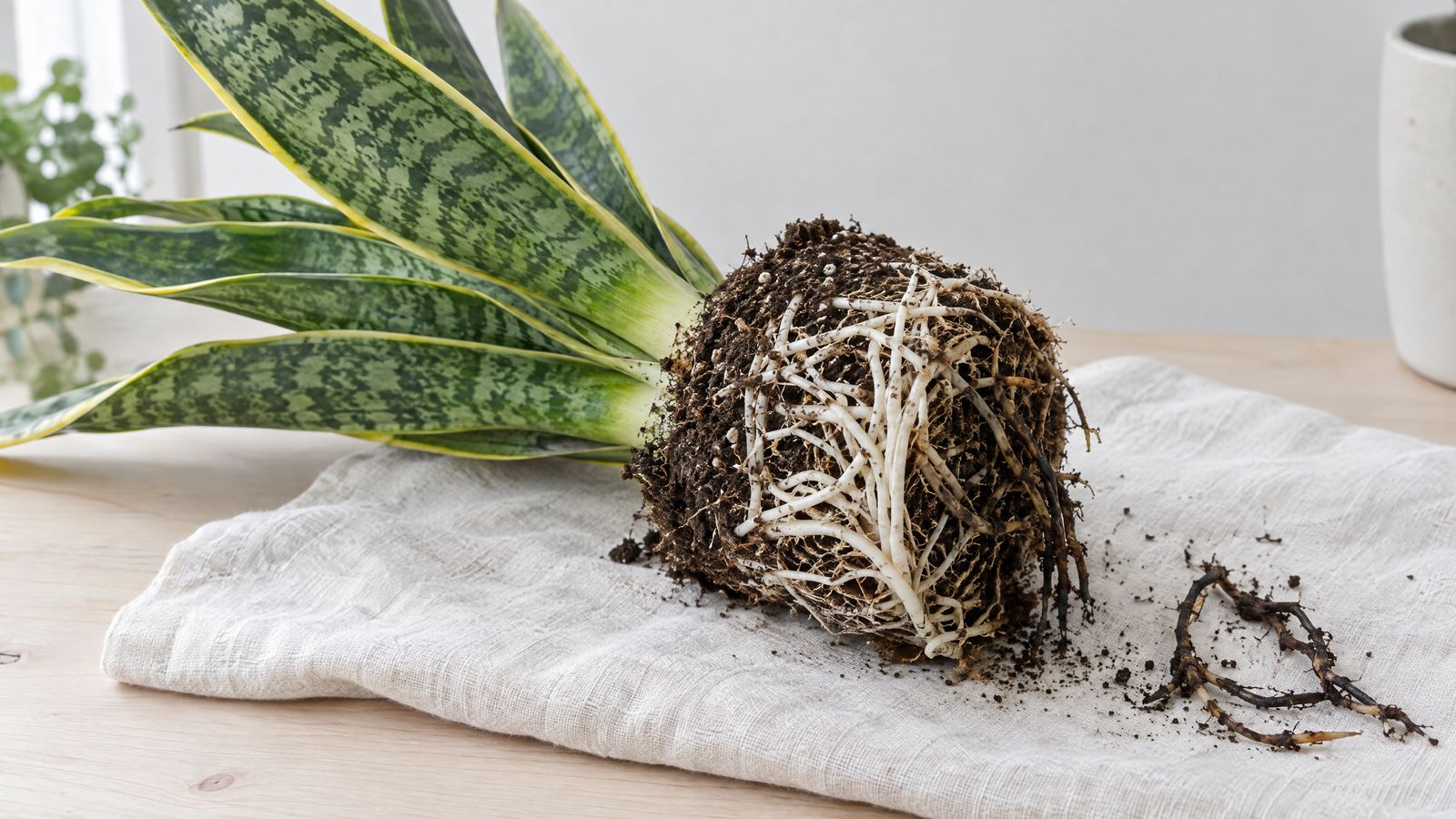
Both extremes curl leaves, because both stop the roots from supplying water. Thirsty plants are easy to spot: the soil is dry well below the surface and the pot feels light. Overwatering is the sneakier one. WSU Extension describes mushy, dark stems and lower leaves that curl and wilt while the topsoil stays constantly wet. Its advice: water only when the topsoil is dry to the touch, check the drainage hole is not blocked, and do not leave the plant standing in water in its saucer for more than half an hour. If stems are already soft, follow our root rot rescue plan.
Dry air in winter
University of Nebraska–Lincoln Extension notes that most houseplants are injured when humidity falls below 20 percent, with succulents the exception, and that leaf drying and curling are the symptoms. It recommends 40 to 60 percent and warns that heated homes can drop below 20 percent in winter. Calatheas, ferns and other rainforest plants show it first; the RHS links brown leaf tips and edges on calatheas to low humidity. A cheap humidity monitor tells you where you stand. Grouping plants, a tray of damp pebbles or a humidifier all help, and our indoor plant humidity guide explains which works best.
Aphids, mites and other pests
If the newest leaves are crumpled, twisted or cupped, turn them over. UC IPM explains that aphids feed on soft new growth, often on the undersides of leaves, and some species inject a toxin that causes leaves to curl and distorts growth. WSU Extension describes them as small green, yellow or brown insects clustered on leaves, buds and shoot tips; UC IPM adds that they leave sticky honeydew. Spider mites leave fine webbing and silvery speckles instead.
- Rinse the plant with a strong spray of water (in the shower for houseplants).
- Cut off heavily infested, curled shoots, since the curl shelters the insects.
- If you still need a product, UC IPM suggests insecticidal soaps and oils as the least-toxic choice. Use one registered for houseplants and follow the label.
For step-by-step treatment, see aphids on plants and spider mites on houseplants.
Will curled leaves uncurl?
Leaves that curled from thirst, heat or a hot afternoon often relax within a day once the cause is fixed. Leaves that were distorted while growing, by pests or too much light, usually stay that way; judge your success by the new leaves instead. Remove leaves only once they are mostly brown or yellow, since a curled but green leaf still feeds the plant. If you cannot tell which cause fits, describe the curl and the soil to Dr. Flori or send a photo; it asks follow-up questions and suggests the most likely cause and a recovery plan.
Frequently asked questions
Why are my plant's leaves curling inward?
Inward or upward rolling usually means the leaf is losing water faster than the roots can replace it: heat, strong light, dry soil or very dry air. Check the soil first, then the plant's position.
Why are my plant's leaves curling down?
Leaves curling under, especially with small new leaves, are a sign of too much light. Give more shade or move the plant further from a grow light.
Can overwatering cause curling leaves?
Yes. Constantly wet soil damages roots, and the lower leaves can curl and wilt while stems turn soft and dark. Water only when the topsoil is dry and check the roots.
Is it normal for calathea leaves to curl at night?
Yes. Calatheas and prayer plants fold their leaves upwards at night and open them again by day. Only curling that lasts all day needs a closer look.
Sources
- Washington State University Extension: What Can Go Wrong With Houseplants (C064)
- University of Nebraska–Lincoln Extension: Guide to Growing Houseplants (G2205)
- UC IPM: Aphids Pest Notes
- University of Illinois Extension: Causes of rolling, wilted tomato leaves
- Royal Horticultural Society: How to grow calatheas
Written and fact-checked by the Flori team. Every guide cites horticultural sources such as the RHS, university extension services and the ASPCA, and is updated when the advice changes.
General plant care information. Plants vary; when a plant is valuable or a problem spreads quickly, consult a local nursery or plant specialist.