How to Dry Flowers: 4 Methods That Work
Four ways to dry flowers at home: air drying, silica gel, pressing and the microwave. See timings, which flowers suit each method and how to avoid mould.
 By Flori editorial team · Updated
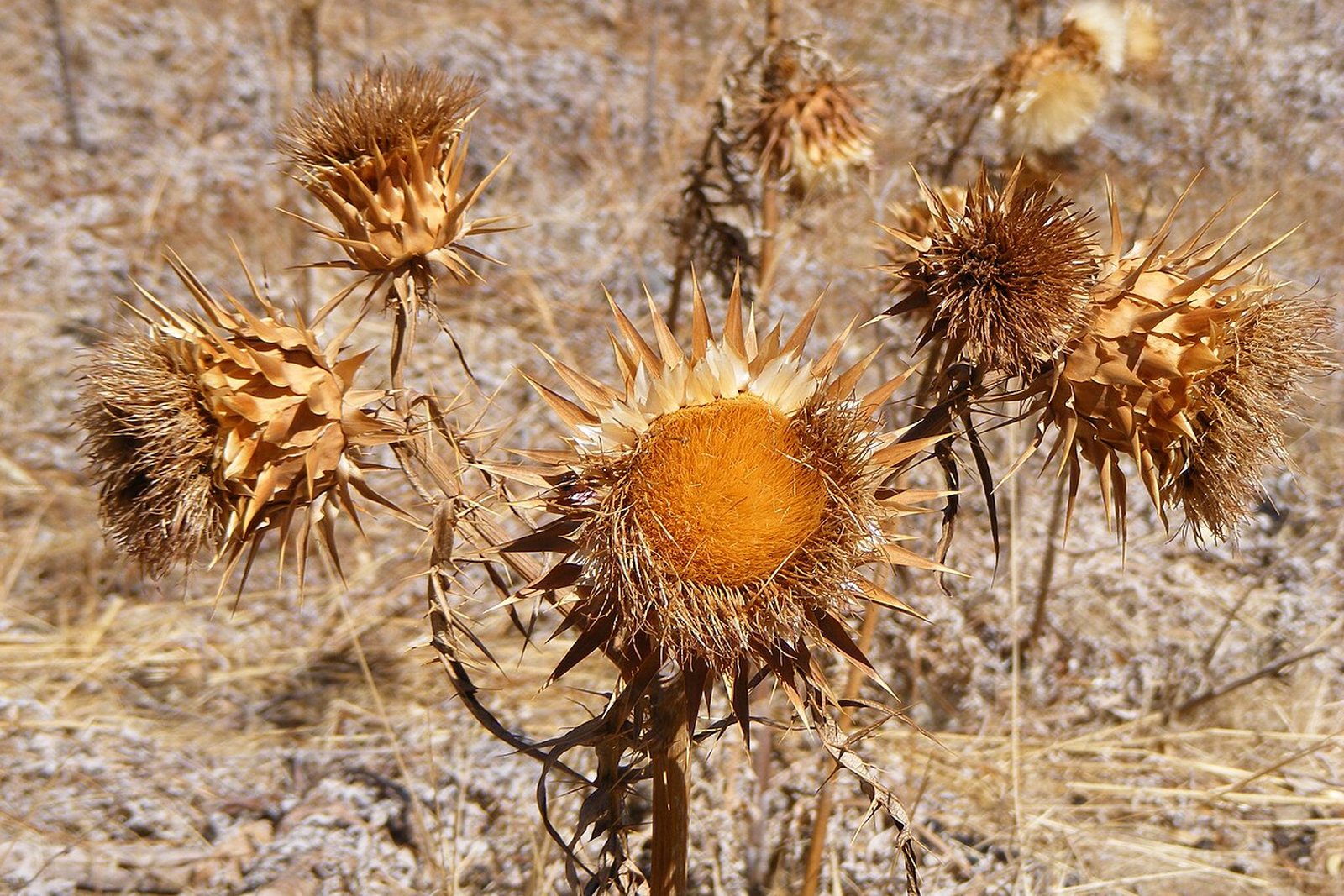
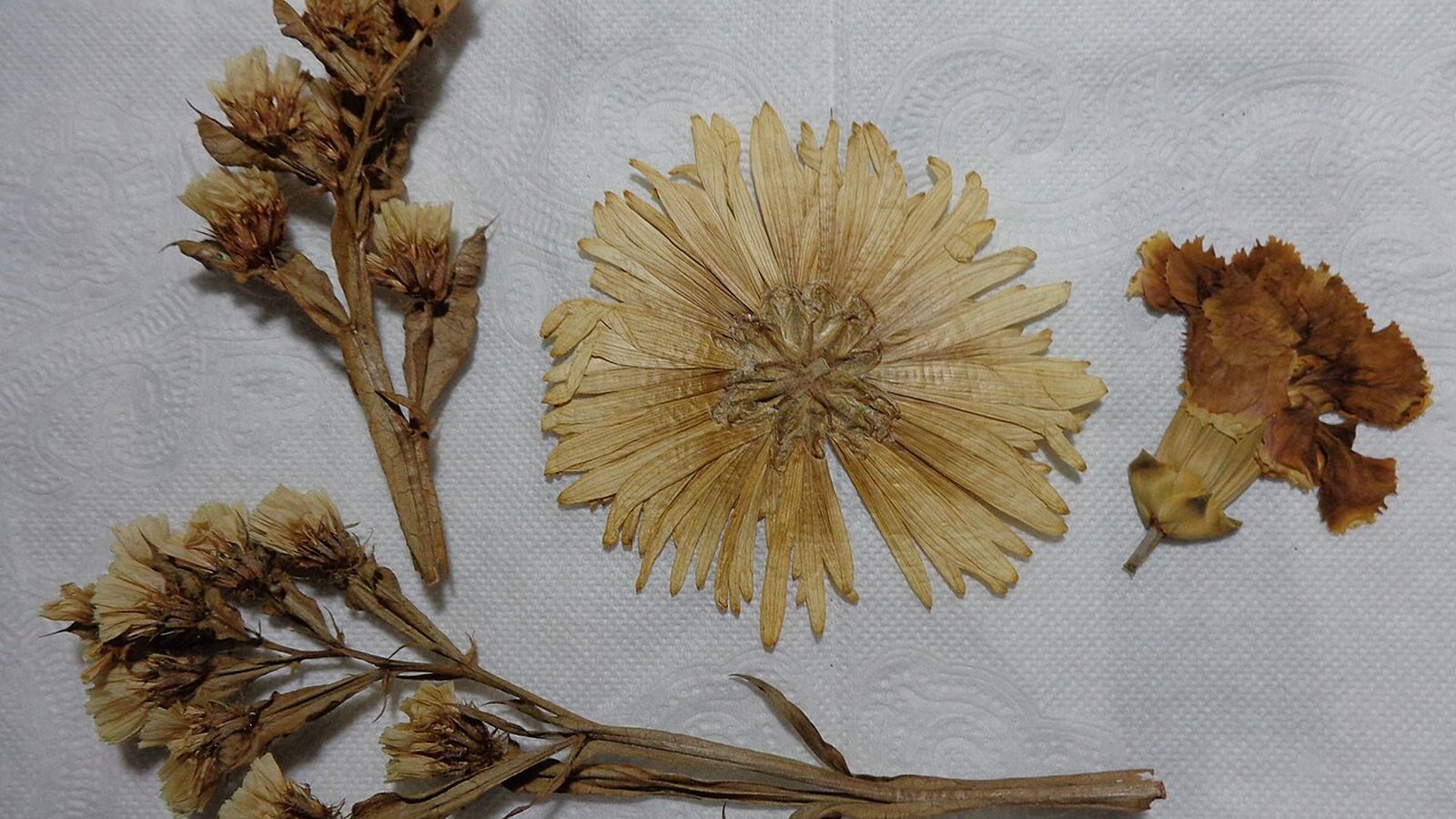 Photo: Nguyenthibeut · CC BY-SA 3.0
The easiest way to dry flowers is to strip the lower leaves, tie small bunches and hang them upside down somewhere dark, dry and ventilated for two to three weeks. For rounder blooms such as roses, silica gel dries them in about a week and keeps more shape and colour. Pressing and the microwave suit flat flowers and quick jobs.
Key takeaways
- Pick flowers that are dry, undamaged and just before fully open, and dry them as soon as you can.
- Air drying is the simplest: bunches hung upside down in a warm, dark, dry, ventilated place take about two to three weeks.
- Silica gel dries in roughly 3 to 7 days and keeps better colour, which suits roses, peonies and other full flowers.
- Pressing suits pansies, violets and ferns and takes about a week; the microwave is quick but needs care.
- Keep dried flowers out of sun and damp rooms, because mould is the usual reason they fail.
On this page9
- What is the easiest way to dry flowers at home?
- When should you pick flowers for drying?
- Which of the four methods suits which flower?
- How do you air dry flowers?
- How does silica gel keep roses looking fresh?
- How do you press flowers?
- Can you dry flowers in the microwave?
- How do you make dried flowers last?
- Are dried flowers safe around pets?
What is the easiest way to dry flowers at home?
The easiest way to dry flowers at home is to hang them upside down in the dark. The RHS says no equipment is needed: pick good-quality stems, strip the lower leaves, tie them with a rubber band and hang them in a spot with low light and good ventilation. Iowa State Extension adds that stems should be tied into small bunches, hung somewhere warm, dark, dry and well ventilated, and left for two or three weeks. That one method suits most beginners. For roses, peonies and other full, round flowers, silica gel gives better shape and colour, and pressing is best for flat flowers. This guide compares the four methods that work and shows which flowers suit which.
When should you pick flowers for drying?
Pick on a dry day, free of dew or rain, and choose flowers without insect or disease damage, as Iowa State advises. Clemson Extension says to cut flowers just before they fully open, because blooms keep opening while they dry. The RHS reminds readers to use the best-quality flowers you can find, since no drying method fixes a poor bloom. Dry them soon after cutting.
Where you live matters. On humid coasts such as the Black Sea, Aegean and Mediterranean shores of Türkiye, or in a damp climate such as the UK, air drying takes longer and mould is the main risk, so pick the driest room you have. Inland Anatolia, with its dry air, is kinder to air drying.
Which of the four methods suits which flower?
| Method | Time | Best for | Watch out for |
|---|---|---|---|
| Air drying | 2 to 3 weeks | Statice (Limonium), grasses, yarrow, poppy seedheads, baby's breath | Mould in damp rooms; pink flowers fade, roses and peonies shrink |
| Silica gel | About a week (3 to 7 days) | Roses, peonies, hellebores, full round flowers | Must be sealed airtight; gel costs more but can be reused |
| Pressing | About a week | Pansies, violets, primroses, larkspur, small leaves, ferns | Only flat, simple flowers work |
| Microwave | A few minutes, plus 24 hours resting | Zinnia, rose, cosmos, delphinium, lilac | Magnolia and hyacinth do not dry well |
If you are unsure, start with air drying: it costs nothing and shows you how your room behaves. Try silica gel next for a favourite rose, and press a few pansies for a card. Whichever method you choose, label the bunch with the date so you know when to check it.
How do you air dry flowers?
- Strip the lower leaves and any foliage that would be trapped in the bunch.
- Tie small bunches with a rubber band.
- Hang them upside down in a warm, dark, dry, well-ventilated spot, such as an attic or a shed. Hanging keeps stems straight.
- Wait two to three weeks; some take longer depending on moisture in the plant material, the RHS says.
- Check often for mould and remove any mouldy stems.
Clemson Extension says darkness helps preserve flower colour, that blue and yellow flowers keep their colour better, and that pink flowers fade. Good air-drying choices from the RHS include statice, grasses, yarrow, poppy seedheads and sunflowers, and Clemson adds baby's breath and goldenrod. Hydrangeas, yarrow, bells of Ireland and celosia are also named by Clemson for a "water-drying" method in which stems dry standing in a little water.
How does silica gel keep roses looking fresh?
Silica gel pulls moisture from the petals fast, so they keep their shape better. Clemson says silica gel is good for quick drying and for flowers with tightly packed petals such as roses, and that flowers dry in about a week in a sealed container; Iowa State says 3 to 7 days and that flowers usually keep good colour. The RHS gives these steps: put a layer of gel in a plastic tub, snip off the flower heads and set them on the gel, then cover them completely with more gel. Check every couple of days, because the gel changes colour as it absorbs moisture. Fine sand is a cheaper substitute, though the RHS warns to avoid blue gels, which are copper-based, and gels containing plastic beads. Iowa State says silica gel is probably the best material, though rather expensive, and that it can be reused indefinitely; Clemson says it can be oven-dried at 150 °C (300 °F) and reused. Store the finished flowers in an airtight container.
How do you press flowers?
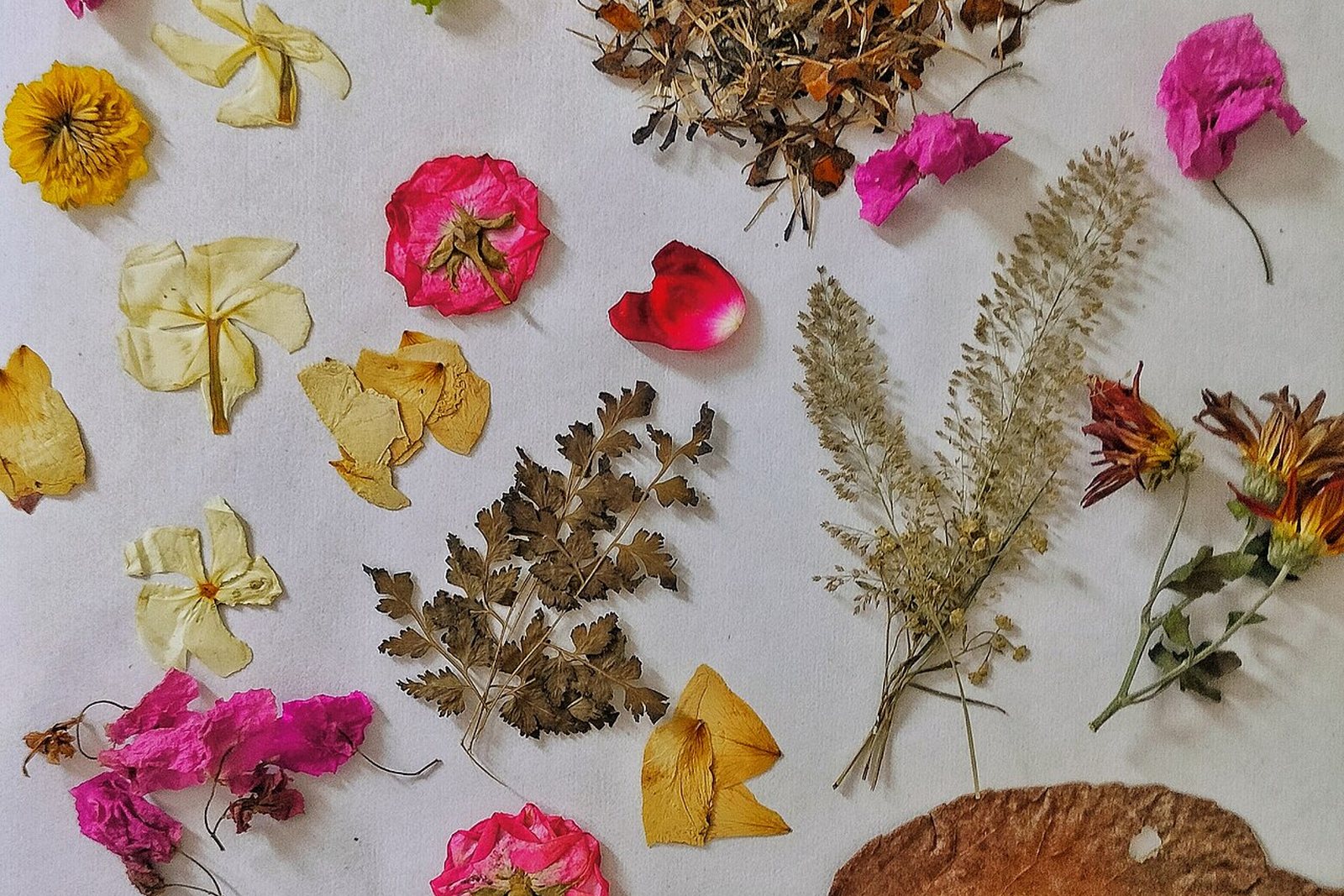
Pressing is for flat, simple flowers. The RHS says to place them between sheets of scrap paper and weigh them down with books; they should be dry in about a week and keep their colour well. Pansies, primroses and small leaves work well, and Clemson adds violets, larkspur and ferns. Flat, simple flowers work best. Pressed flowers suit cards, bookmarks and framing.
Can you dry flowers in the microwave?
Yes, but it needs care. Clemson Extension describes drying flowers in silica gel in the microwave: pick flowers just before they open, use a low power setting (power setting 4, about 300 W, or the defrost setting), and use a metal-free microwavable thermometer in the gel, stopping when it reaches about 70 °C (160 °F). As a rough guide, about 225 g (half a pound) of silica gel takes about 2.5 minutes, then the covered container should sit about 24 hours before you uncover it. Clemson says magnolia and hyacinth do not dry well this way. Microwave ovens differ, so follow your own appliance's instructions for microwave-safe containers.
How do you make dried flowers last?
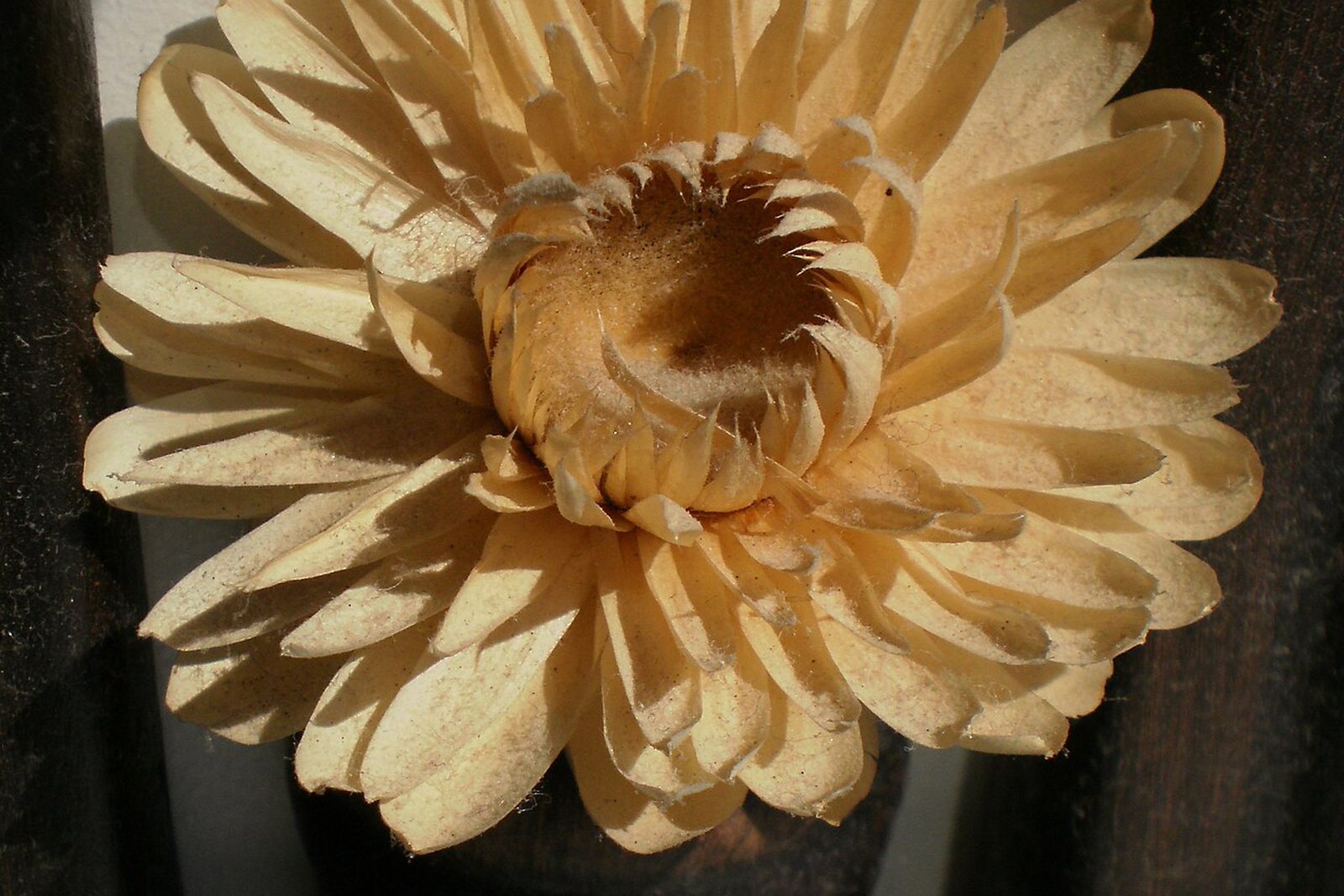
- Keep them out of direct sunlight, which fades colour, and away from moist rooms such as bathrooms and kitchens, where they may go mouldy, according to the RHS.
- Dust them occasionally with a hairdryer on low heat, as the RHS suggests.
- Store silica-dried flowers in an airtight container until you arrange them, as Iowa State advises.
- If a flower smells musty or shows fuzzy growth, throw it out.
Expect dried flowers to fade over time even with good care. For living colour through the cold months, see flowering houseplants, and for what else to do in the garden this season, our autumn garden checklist. Damp is the enemy: our humidity guide shows how to read your room.
Are dried flowers safe around pets?
Drying does not make a toxic flower safe, so if you have a cat or dog that chews, check each plant before you bring it indoors. The ASPCA has a searchable list of toxic and non-toxic plants. Our guides to plants toxic to cats and pet-safe plants are a good starting point. If you do not know a bloom, Flori can identify a plant from a photo and show its toxicity. If your pet eats part of a plant, call your vet. In Türkiye you can also call UZEM (Ulusal Zehir Danışma Merkezi) on 114.
Frequently asked questions
How long does it take to dry flowers?
Air drying takes about two to three weeks, silica gel 3 to 7 days, and pressing about a week. The microwave takes minutes, plus a 24-hour rest, according to Clemson Extension.
Why did my dried flowers go mouldy?
Usually too much moisture or too little air. Hang flowers in a dry, ventilated place, keep them out of damp rooms and remove any mouldy stems quickly, as the RHS advises.
Which flowers dry best for beginners?
The RHS suggests statice, grasses, yarrow, poppy seedheads and sunflowers for air drying, and pansies, primroses and small leaves for pressing. Roses and peonies do better in silica gel.
Do dried flowers keep their colour?
Partly. Clemson says darkness helps, blue and yellow flowers keep colour, pink fades, and roses and peonies shrink when air dried. Silica gel usually keeps better colour.

Autumn garden checklist for both hemispheres: clear and feed soil, make leaf mould, protect tender plants from frost, drain hoses and store tools.
Sources
Written and fact-checked by the Flori team. Every guide cites horticultural sources such as the RHS, university extension services and the ASPCA, and is updated when the advice changes. How we write our guides
General plant care information. Plants vary; when a plant is valuable or a problem spreads quickly, consult a local nursery or plant specialist.