When and How to Plant Tulip Bulbs
Plant tulip bulbs in autumn when the soil is below about 15 °C (60 °F): pointed end up, 15-20 cm deep, in drained soil. Pots, mild climates, pets.
 By Flori editorial team · Updated
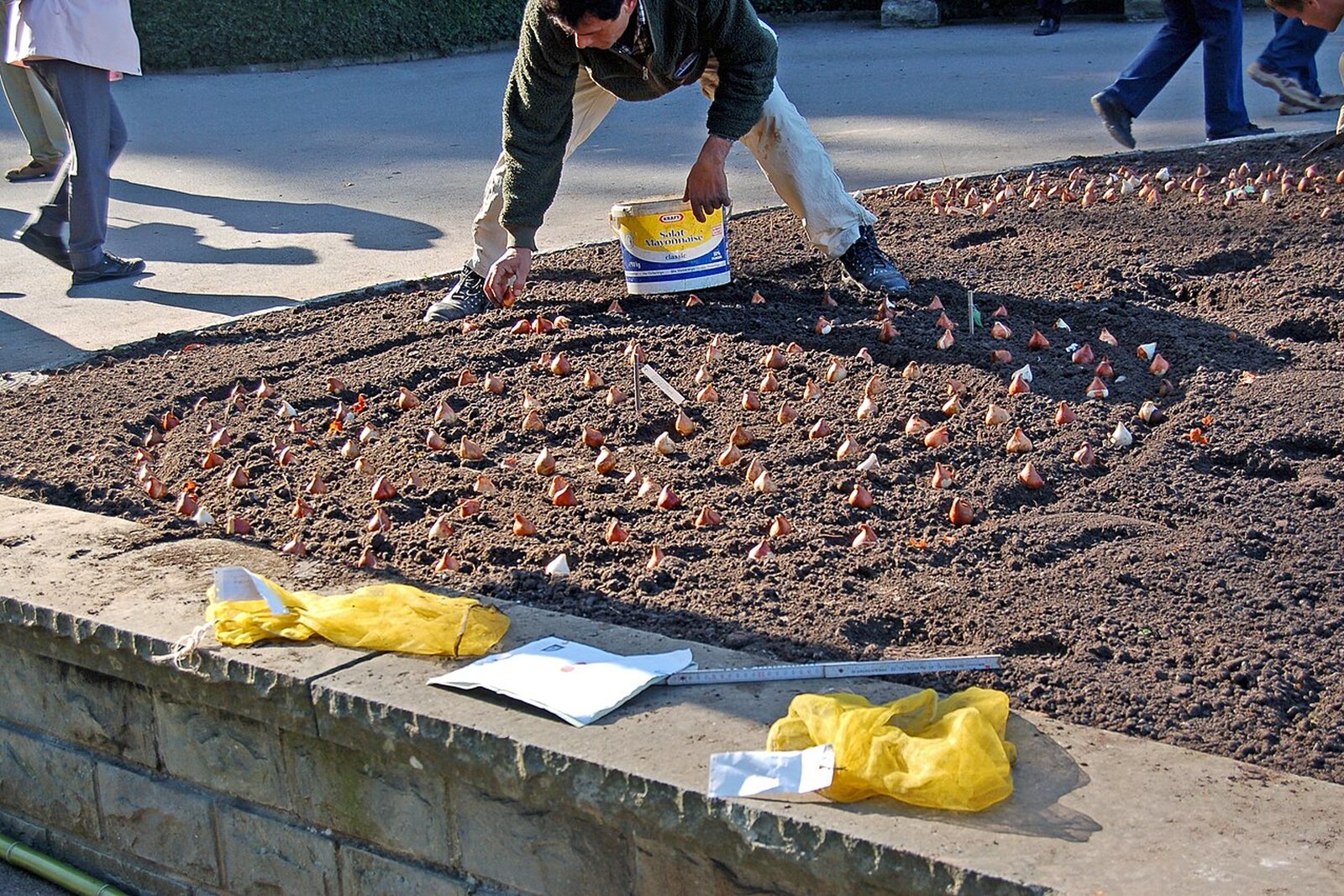
 Photo: Harke · CC BY-SA 3.0
Plant tulip bulbs in autumn, once the soil at planting depth stays below about 15 °C (60 °F), usually September to November in the north. Set them pointed end up, 15-20 cm (6-8 in) deep and 10-15 cm apart, in full sun and well-drained soil. Protect them from squirrels with wire mesh, and keep them away from pets.
Key takeaways
- Follow the soil, not the date: plant when it is below about 15 °C (60 °F) at planting depth.
- Plant pointed end up, about 15-20 cm (6-8 in) deep and 10-15 cm apart; drainage matters most.
- Pots work: 3 parts compost to 1 part grit, about 12 bulbs in a 45 cm (18 in) pot.
- In mild winters chill bulbs in the fridge first, and keep them away from fruit.
- Tulip bulbs are toxic to cats and dogs; leave the leaves on for six weeks after flowering.
On this page9
- When do you plant tulip bulbs?
- Tulip planting at a glance
- How deep and how far apart should tulips go?
- Which way up, and what soil?
- Can you grow tulips in pots?
- What if your winters are mild, like the Aegean or Mediterranean coast?
- How do you stop squirrels and mice digging them up?
- What do you do after the tulips flower?
- Are tulips poisonous to cats and dogs?
When do you plant tulip bulbs?
Plant tulip bulbs in autumn, after the heat has gone and before the ground freezes. The Royal Horticultural Society (RHS) gives September to November for the Northern Hemisphere. Clemson's extension service adds the better rule: do not follow the calendar, follow the soil. Wait until the soil at planting depth stays below about 15 °C (60 °F). A cheap soil thermometer pushed 15 cm (6 in) into the ground in the morning settles it. In the Southern Hemisphere the same rule applies in its autumn, so if you garden there our southern November planting guide shows what else suits the season.
Tulips want cool soil, not just a date: Clemson's advice is to hold off until the soil has cooled, and tulips need a cold spell to flower. If you are reading this in late November with a bag of bulbs still on the shelf, you are probably not too late. Plant them as soon as the ground is workable, as described in our what to plant in November guide.
Tulip planting at a glance
| Question | Answer |
|---|---|
| When | Autumn, once soil at planting depth stays below about 15 °C (60 °F); RHS: September to November in the north |
| How deep | 2-3 times the bulb's height (RHS); extension services give 15-20 cm (6-8 in) for typical bulbs |
| How far apart | At least twice the bulb's width (RHS); 10-15 cm (4-6 in) (Clemson) |
| Which way up | Pointed end up |
| Sun | Full sun suits border tulips; part shade works but the flowers last longer if they miss the midday sun |
| Soil | Well drained; waterlogged soil is the main danger |
| After planting | Mulch 5-8 cm (2-3 in) deep (Clemson); water only if the weather stays dry |
How deep and how far apart should tulips go?
Here the sources differ a little, so use a range. The RHS says to plant two to three times the bulb's height, and deeper where winters are very cold. For a bulb 5 cm (2 in) tall that is 10-15 cm (4-6 in). Clemson says 6-8 inches (15-20 cm) deep and Iowa State agrees, calling for a depth of three to four times the bulb's diameter. A sensible rule: big bulbs 15 cm (6 in) deep, small ones a little shallower, and a few centimetres deeper in cold or windy gardens.
For spacing, the RHS says at least twice the bulb's width apart; Clemson says 10-15 cm (4-6 in). Planting closer gives a fuller first spring, but the bulbs compete later.
Which way up, and what soil?
Pointed end up, flat root plate down. If you cannot tell, plant the bulb on its side; the shoot finds its way. The soil matters more than most beginners expect. Clemson calls good drainage essential: if water stands in a puddle after rain, mix organic matter into the top 25-30 cm (10-12 in) or plant in a raised bed. The RHS adds that border tulips like full sun and neutral to alkaline soil, and that very acid soil (below pH 6) can be corrected with lime. Squeeze a handful of soil before you plant: if it drips or forms a sticky ball, the bulbs can rot over winter.
Can you grow tulips in pots?
Yes, and it is the best answer for a balcony or heavy clay. The RHS recipe for border tulips is three parts peat-free multipurpose compost to one part grit, with the bulbs about a finger's width apart and the compost 2.5 cm (1 in) below the rim. A 45 cm (18 in) pot holds about 12 bulbs, up to 20 for a fuller display. You can stack two or three layers, sometimes called a bulb lasagne. Put the pot where it cannot sit in standing water, and in wet weather move it to a sheltered spot until the compost is not sodden. For a longer-term container the RHS suggests a loam-based compost instead. If you want to keep a record of which pots hold what, Flori can group plants by location, such as balcony or garden, and set reminders for watering and feeding.
What if your winters are mild, like the Aegean or Mediterranean coast?
Tulips need a long cold period, so mild-winter gardens are the hard case. The extension advice here comes from South Carolina, a warm-winter region, so treat it as a guide, not a promise. Clemson says most bulbs need a 12-16 week chilling period to flower and suggests keeping bulbs in the fridge in ventilated packages from purchase until planting. Keep them away from fruit, which gives off ethylene that can stop flowers forming. Clemson also warns that in such climates tulips can usually be counted on for a single season of colour. In inland areas with real winters, such as central Anatolia or most of the northern US and Europe, no chilling is needed, but planting a little deeper helps in the coldest gardens.
How do you stop squirrels and mice digging them up?
Clemson notes that animals often dig and eat tulip and crocus bulbs over winter, and says the only sure protection is wire mesh around the bulbs at planting. The RHS suggests chicken wire over pots and over the planted soil, removed once leaves appear, and pushing holly sprigs into the soil. It also suggests interplanting with daffodils, which squirrels avoid. If you plant a bed, lay the mesh flat on top and cover it with a thin layer of soil.
What do you do after the tulips flower?
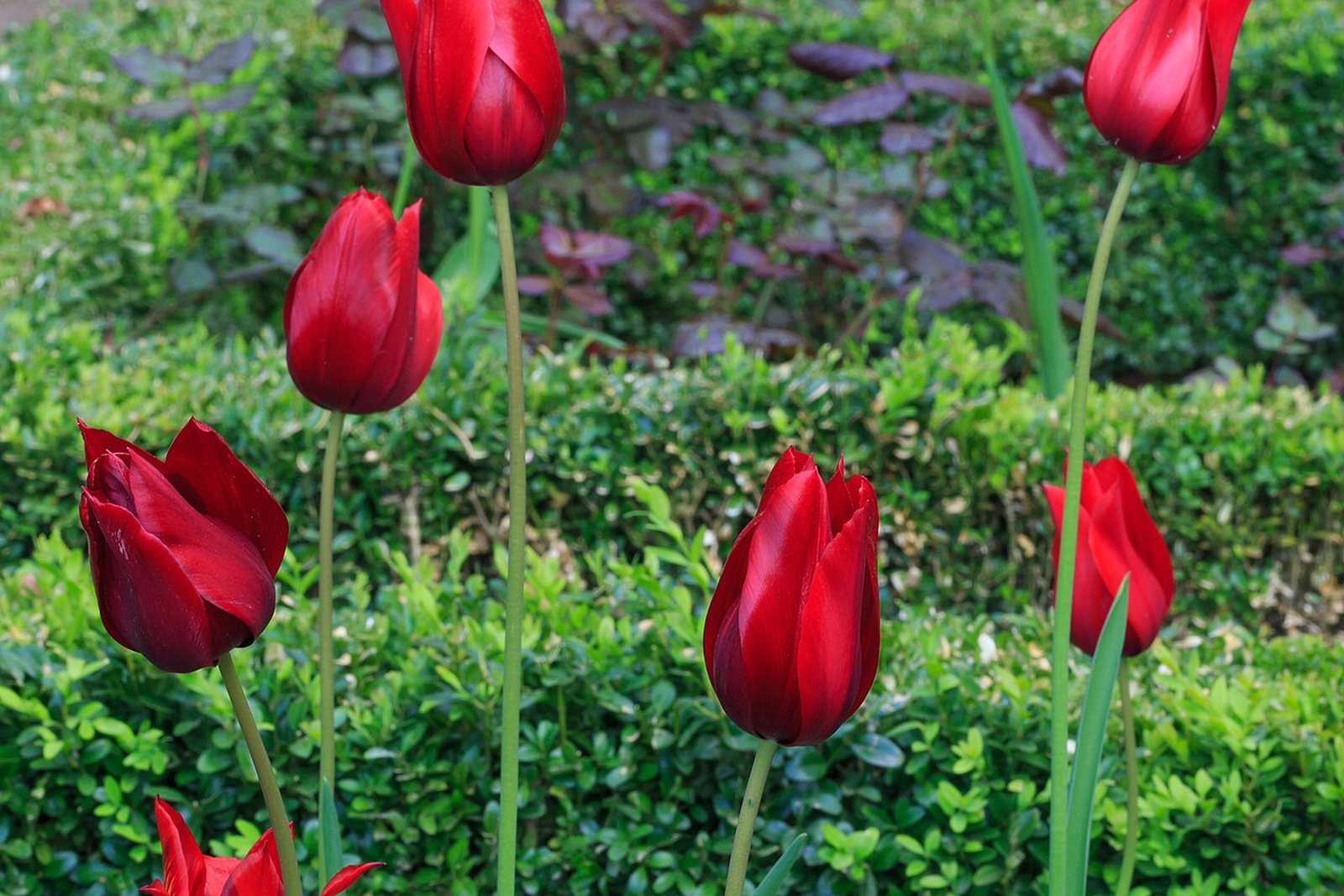
- Remove the flower heads once petals drop, unless you want seed.
- Leave the leaves for at least six weeks after flowering, or until they turn straw-coloured (Clemson and the RHS). The leaves refill the bulb.
- Feed weekly from the time leaves show in spring with a potassium-rich liquid feed such as tomato feed, and stop when leaves yellow (RHS).
- Lift the bulbs if you want to store them: dry them until the skin is papery, then keep them at 18-20 °C (65-68 °F) somewhere dark and airy until autumn. Throw away any soft or damaged bulb.
If petals and leaves show brown spots and distortion, that can be tulip fire, but the RHS cautions that viruses and grey mould cause similar marks, so check before you decide. Our autumn garden checklist fits tulip planting into the rest of the season's jobs.
Are tulips poisonous to cats and dogs?
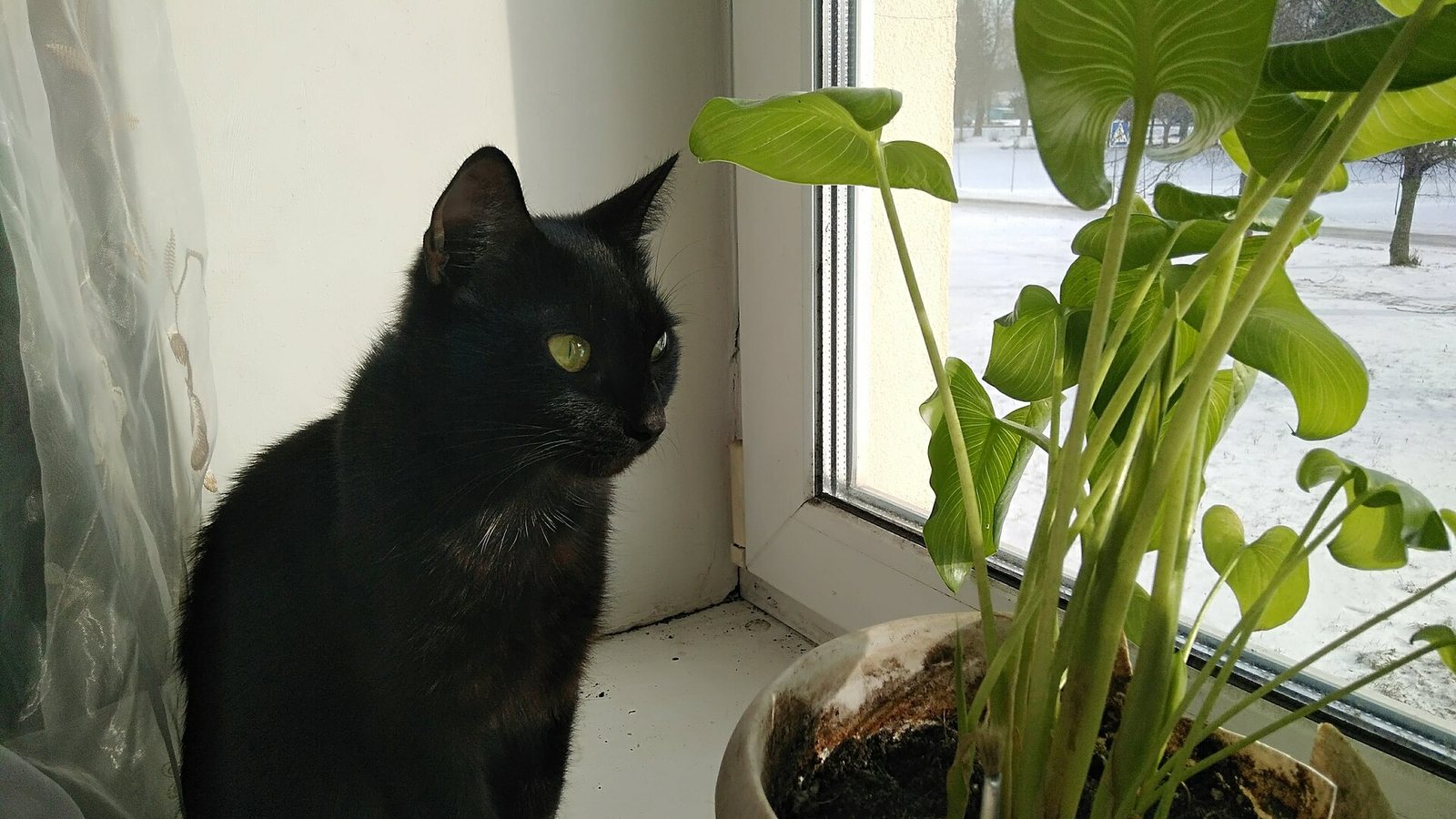
Yes. The ASPCA lists tulips as toxic to cats, dogs and horses, with the highest concentration of the toxin in the bulb. It names vomiting, depression, diarrhoea and drooling as signs. Plant bulbs out of reach of a digging dog and store them where pets cannot get to them. If you suspect a pet has eaten any part of a tulip, call your vet or the ASPCA Animal Poison Control line on (888) 426-4435 straight away. Our guides to plants toxic to cats and plants toxic to dogs list the other garden and house plants to keep apart. The RHS also notes that handling bulbs can cause skin allergies, so wear gloves.
Frequently asked questions
Is it too late to plant tulips in December?
Not always. Tulips can go in as long as the ground is workable and not frozen or waterlogged. In warm-winter regions Clemson even suggests planting in November to late December after chilling the bulbs.
Can I plant tulip bulbs upside down?
Plant them pointed end up. If you cannot tell which end is which, set the bulb on its side and the shoot will find its way up.
Will tulips come back every year?
Often they flower less after the first year, and in warm-winter areas Clemson says to expect one season of colour. Leave the leaves on for six weeks after flowering and feed in spring to help.
Are tulip bulbs poisonous?
Yes to pets. The ASPCA lists tulips as toxic to cats, dogs and horses, with the highest concentration of toxin in the bulb. Call your vet if a pet eats any part.

In November you can still plant tulip bulbs, garlic, broad beans, fruit trees and a pot of chives, if the soil is not frozen or waterlogged. Here's how.
Sources
Written and fact-checked by the Flori team. Every guide cites horticultural sources such as the RHS, university extension services and the ASPCA, and is updated when the advice changes. How we write our guides
General plant care information. Plants vary; when a plant is valuable or a problem spreads quickly, consult a local nursery or plant specialist.