Rose Winter Care and Common Rose Diseases
How to protect roses in winter by type (mound, mulch, pots) and which diseases overwinter: black spot, mildew, rust and canker, with a clean-up plan.
 By Flori editorial team · Updated
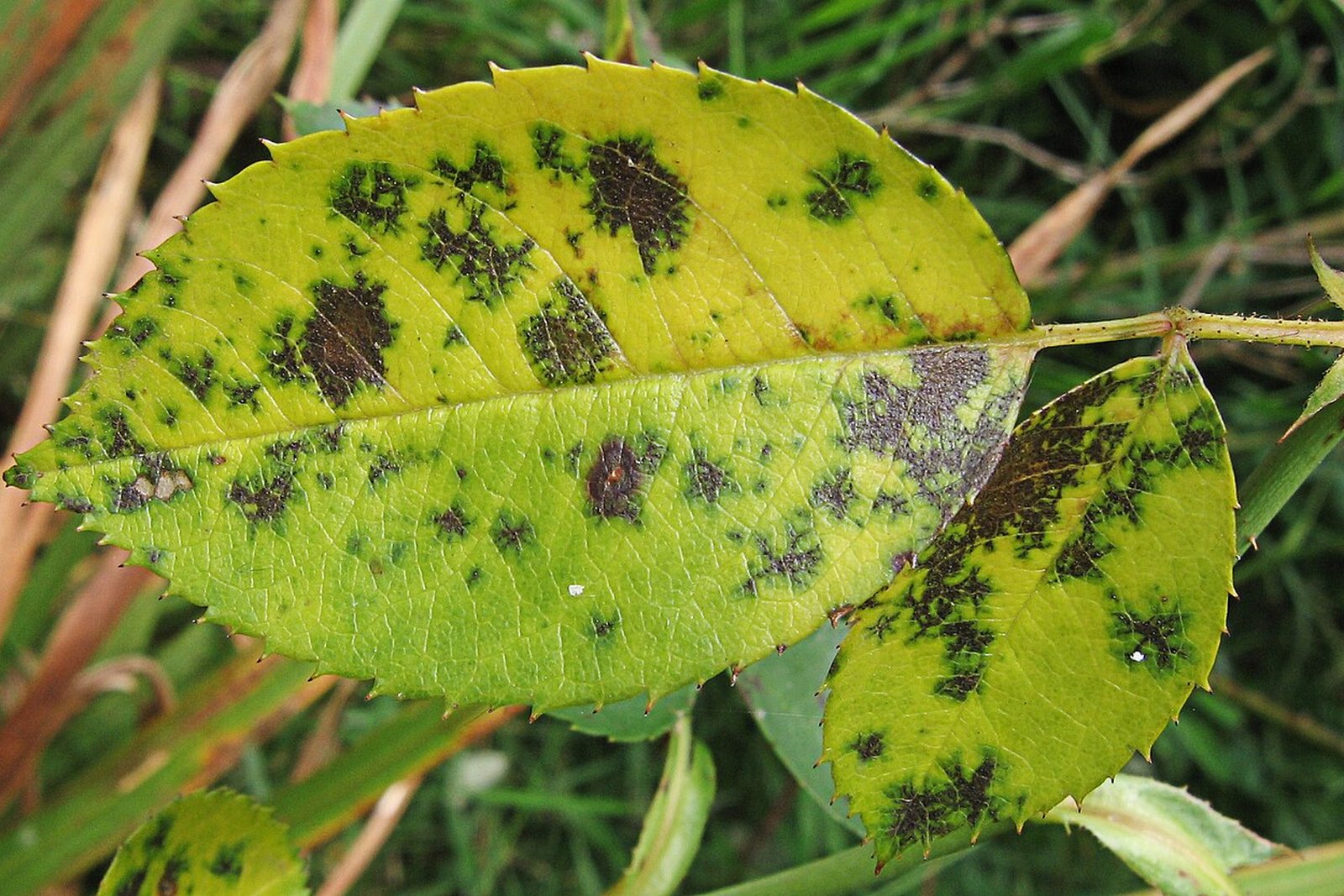
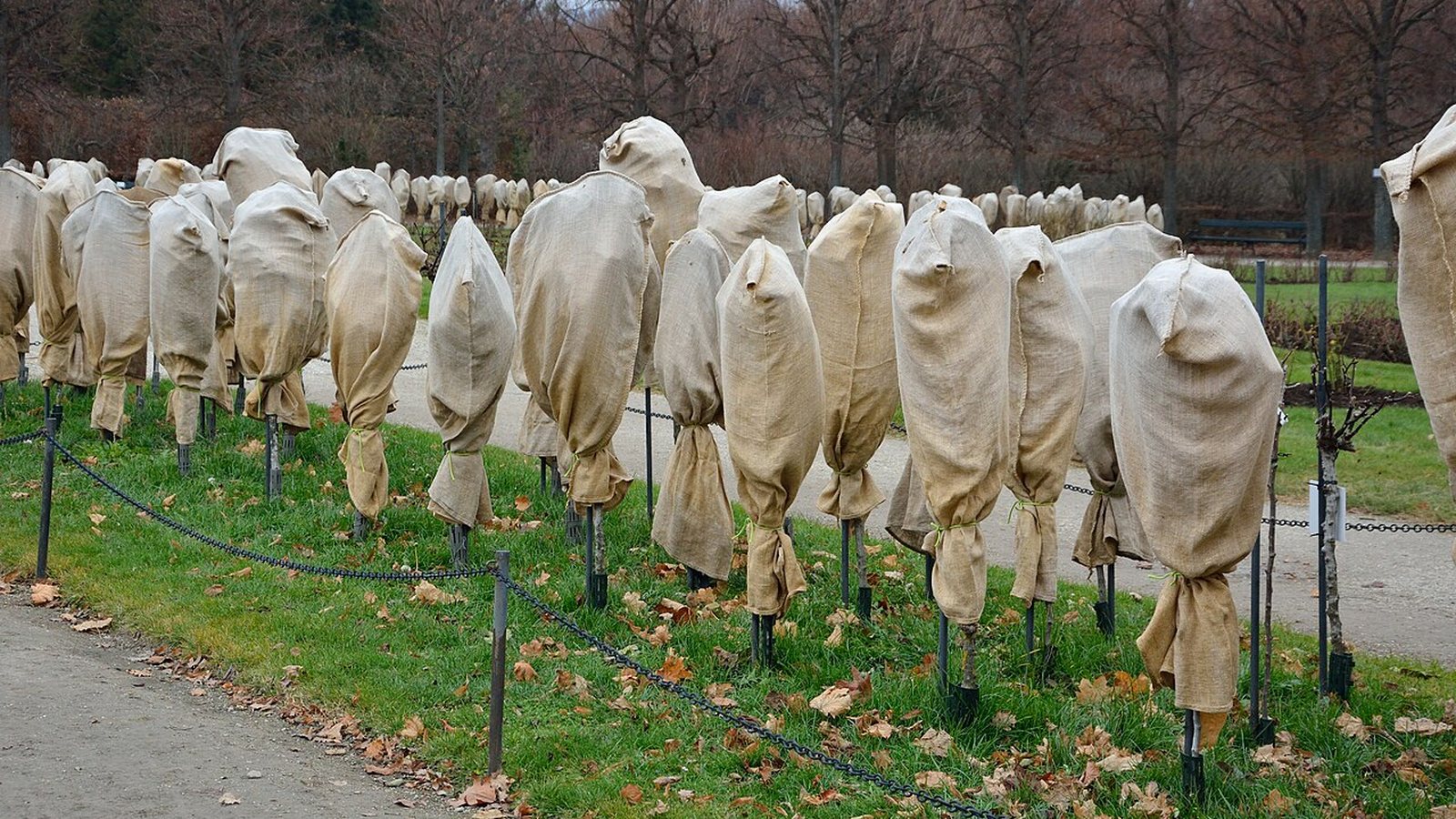 Photo: Herzi Pinki · CC BY-SA 4.0
Protect grafted modern roses and climbers only where winters are hard: once the plant is dormant, mound 25–30 cm (10–12 in) of soil over the base, add loose straw, and bury pots. Everywhere, rake up fallen leaves, because black spot, mildew and rust spores overwinter on them. Prune in spring.
Key takeaways
- Hybrid teas, floribundas and climbers need winter protection in cold climates; shrub and species roses usually do not.
- Mound 25–30 cm (10–12 in) of soil over the base after dormancy, then add loose straw or leaves.
- Rake up and destroy fallen leaves: black spot, mildew and rust spores winter on them.
- Potted roses are the most exposed: bury the pot or move it to a cool shed.
- Prune in spring, not autumn, and note that the RHS recommends against fungicides for home gardeners.
On this page7
- Does your rose need winter protection at all?
- How do you protect roses in winter, step by step?
- What about climbers and potted roses?
- Which rose diseases overwinter, and what do you do about them?
- Why does black spot return every year?
- What causes powdery mildew and canker on roses?
- A simple winter checklist for roses
Does your rose need winter protection at all?
Rose winter care comes down to one question: which kind of rose do you have, and how cold does your winter really get? Grafted modern roses (hybrid tea, floribunda, grandiflora) and most climbers are the ones that suffer; shrub, old garden and species roses are generally hardy. This guide gives a protection plan by rose type, then a table of the four winter problems that actually matter: black spot, powdery mildew, rust and stem canker, with what to clean up now so they do not come back in spring.
Iowa State Extension says hybrid tea, grandiflora, floribunda and most climbing roses need protection, while shrub, old garden and species roses need little or none. Iowa has a harsh, continental climate, so read this as a ladder, not a rule. In a mild, frost-free garden (Mediterranean and Aegean coasts, much of Australia, coastal California) you need only the clean-up. In cold inland gardens with hard frosts (inland and eastern Anatolia, the northern US, northern Europe) protect modern roses and climbers. Timing is late autumn in the Northern Hemisphere, about November, or June to August in the Southern.
| Rose type | Needs winter protection? | What to do |
|---|---|---|
| Hybrid tea, grandiflora, floribunda | Yes, in cold winters | Mound soil over the base, then straw or leaves |
| Climbers | Often, where winters are hard | Lay canes down and cover them |
| Shrub, old garden, species roses | Little or none | Clean up; optional straw cylinder in very cold places |
| Roses in pots | Yes: roots are exposed | Bury the pot, move it to a cool shed, or shelter it |
How do you protect roses in winter, step by step?
- Wait for dormancy. Iowa State starts in late autumn, around mid-November, for modern roses. Do not prune hard now: Iowa State says pruning in autumn can encourage tender new growth, so prune in spring (see how to prune roses).
- Clean up first. Rake up every fallen leaf and bit of debris. Iowa State notes that removing diseased debris reduces disease next season, and the RHS says to collect and destroy fallen leaves, or bury them under mulch at least 5 cm (2 in) deep.
- Tie the canes loosely together so the wind does not whip them.
- Mound soil. Iowa State covers the bottom 25–30 cm (10–12 in) of the canes with soil. This protects the graft union, the most vulnerable part of a grafted rose.
- Add a loose layer. On top of the soil goes 30–60 cm (1–2 ft) of loosely packed straw or leaves, held in place with a little soil or wire fencing.
- Skip the foam cone. Iowa State warns that styrofoam cones can overheat on sunny winter days.
- Uncover in spring once the ground thaws; Iowa State gives mid-March to early April for its region. Remove the cover in stages if a late frost is forecast.
For protecting the rest of the beds from a sudden cold snap, see how to protect garden plants from frost.
What about climbers and potted roses?
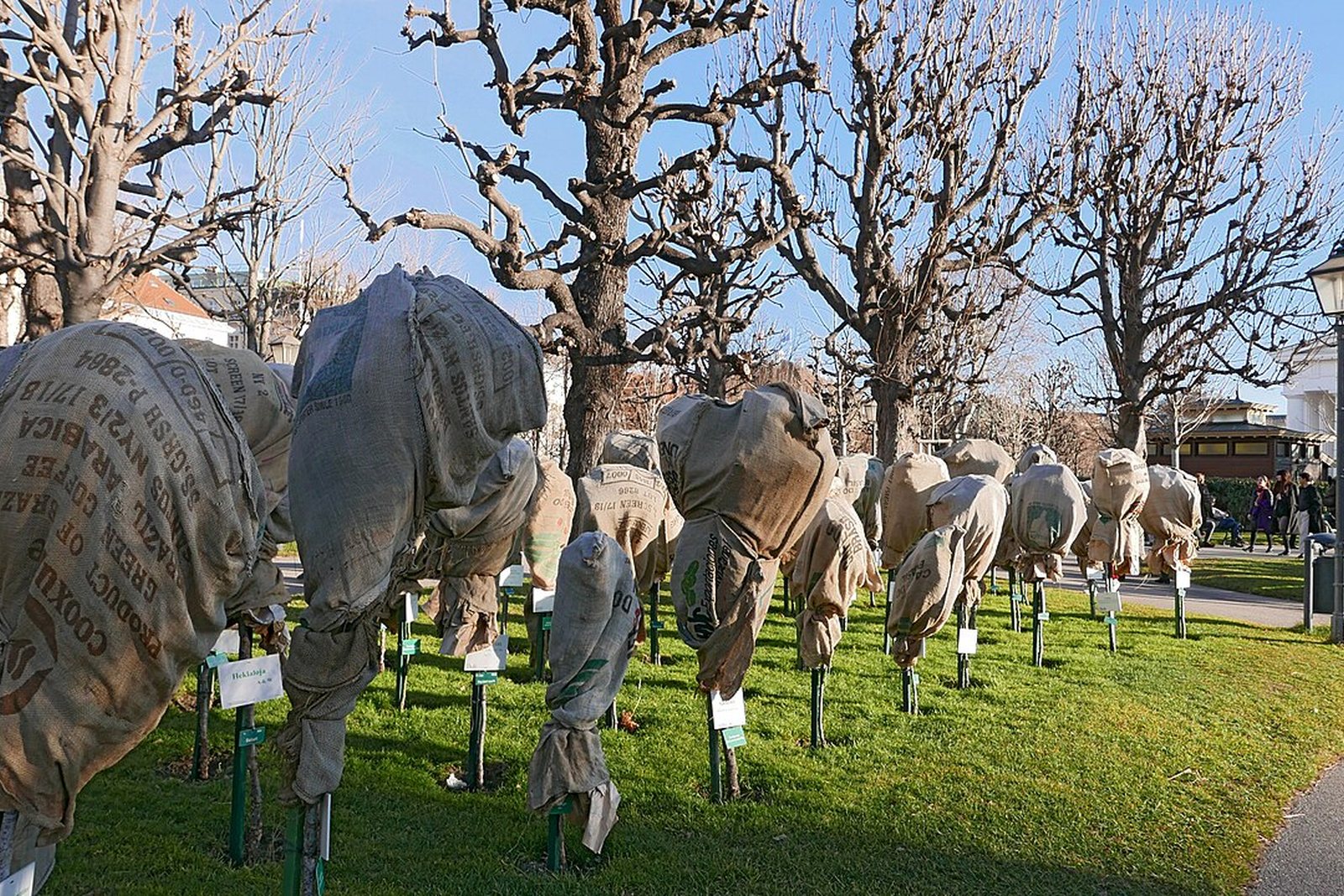
Climbers are not reliably hardy in cold regions. Iowa State's method, in early to mid-November, is to untie the canes from their support, bend them down to the ground, pin them and cover them with several inches of soil and mulch. Only do this to canes that bend easily, and uncover in mid-March.
A rose in a pot is the most exposed, because the whole root ball sits above ground. Iowa State's options for a container rose are to bury the pot in a sheltered place, covering the lowest 15–20 cm (6–8 in) of the canes with soil and adding straw, or to keep the dormant plant in a garage or shed where it stays between about -1 and 7 °C (30–45 °F). Water sparingly, only enough that the soil never dries out completely, and never on a frozen day. A miniature rose kept indoors needs a sunny spot and water when the soil surface is dry.
Which rose diseases overwinter, and what do you do about them?
Most rose diseases are not killed by winter. They wait on fallen leaves and in small lesions on stems and buds, and release spores when the new leaves open. That is why winter is the best time to act, and why the RHS puts good cultivation, hygiene and variety choice before sprays: its pages on black spot, powdery mildew and rust all say that it recommends against fungicides for home gardeners. If you do use one, follow the label.
| Disease | What you see | Where it winters | What to do now |
|---|---|---|---|
| Black spot | Purplish or black patches on the upper leaf, yellowing, early leaf drop | Fallen leaves; lesions on young stems and buds | Collect and destroy leaves; prune out stem lesions in spring before leaves appear |
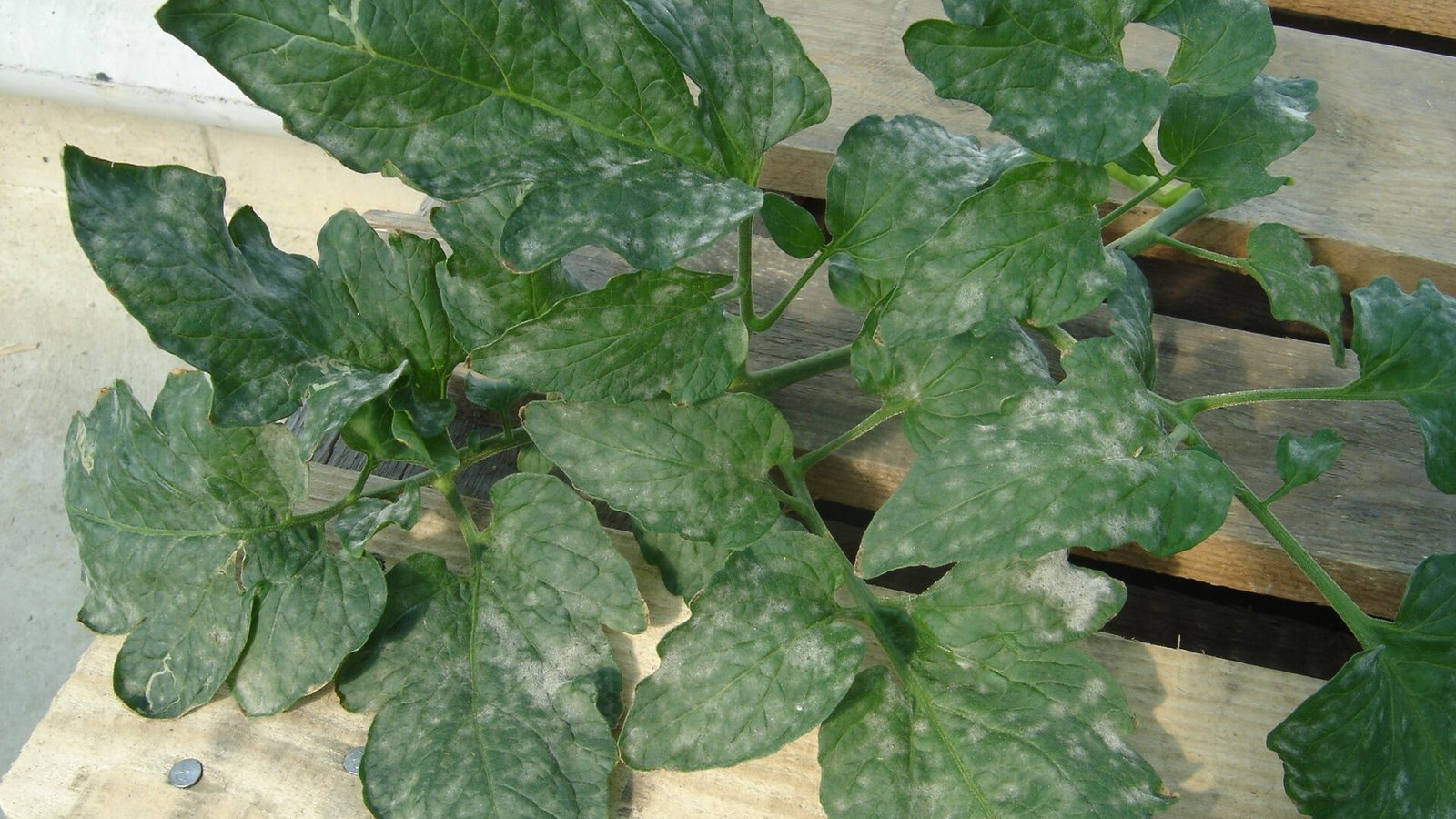
| Powdery mildew | White powder on leaves, buds and shoots; curled leaves | Dormant infections on green tissue; resting structures on fallen leaves | Destroy fallen leaves; prune infected shoots; open up crowded plants |
| Rust | Bright orange dusty pustules on spring stems; orange spots under leaves, turning black in late summer | Resting spores formed in late summer | Prune out spring infections quickly; clear fallen leaves |
| Stem canker and dieback | Tan to dark purple-brown lesions; dead canes | In wounded or winter-damaged canes | Cut dead canes out; disinfect tools between cuts |
Why does black spot return every year?
The fungus (Diplocarpon rosae) survives on fallen leaves and in dormant infections on young stems and buds, according to the RHS, and then produces spores in spring. The RHS is honest about the limits: clearing leaves and cutting out stem lesions delay the disease but are of limited value, because spores also blow in on wind-driven rain from elsewhere. It also warns that resistance in new varieties usually fails within a few years. Expect to manage black spot, not to cure it.
Clemson adds that if the disease was severe you can remove the mulch under the plant and replace it with fresh mulch before spring growth begins. Water in the early morning, avoid overhead irrigation, plant in full sun and leave room for air to move.
What causes powdery mildew and canker on roses?
The RHS says powdery mildew likes humid air with no free water, still air (plants against walls and fences are often worst), repeated dry spells and too much nitrogen, which makes soft, susceptible growth. So give roses full sun, good drainage, regular water in dry periods and an open shape. Our powdery mildew guide covers other plants too.
Stem canker usually follows wounds, from hail, wind, rough pruning or winter injury, and often follows black spot or poor nutrition, according to Clemson. Cut a dead or infected cane out right away, cut well below the diseased area, and make the cut 6 mm (¼ in) above an outward-facing bud at a 45-degree angle. Clemson disinfects tools between cuts with one part household bleach to nine parts water. If you spot pests too, try the options in our natural pest prevention guide first, and follow the label on any product.
A simple winter checklist for roses
- Stop feeding and hard pruning in autumn; keep watering in dry spells while the soil is not frozen.
- Rake up and destroy all fallen leaves, and replace heavily infected mulch.
- Remove dead, broken or diseased canes once the plant is dormant.
- Mound and cover tender roses in cold regions; leave hardy shrub roses alone.
- Protect pots, not only the plant.
- Prune for shape and uncover in spring.
More jobs for this season are in our autumn garden checklist. If you are not sure whether a spot on a rose leaf is black spot or something else, Flori can look at a photo and tell you what the problem likely is, and a care reminder can prompt you to clean up leaves in late autumn.
Frequently asked questions
When should I protect roses for winter?
After the plants are dormant, in late autumn: Iowa State Extension starts around mid-November in its region. In the Southern Hemisphere that is roughly June to August. Wait for cold weather rather than covering early.
Should I prune roses in autumn?
Not hard. Iowa State says autumn pruning can encourage tender new growth that winter kills, so prune in spring. Remove only dead, broken or diseased canes once the plant is dormant.
Do fallen rose leaves really spread disease?
Yes. The RHS says black spot and powdery mildew survive winter on fallen leaves, then release spores in spring. Collect and destroy the leaves, or bury them under mulch at least 5 cm (2 in) deep.
Do roses in mild climates need covering?
Usually not. Cover only where hard frosts occur. In frost-free or lightly frosty gardens, such as coastal Mediterranean and Aegean areas, winter clean-up and spring pruning are enough.
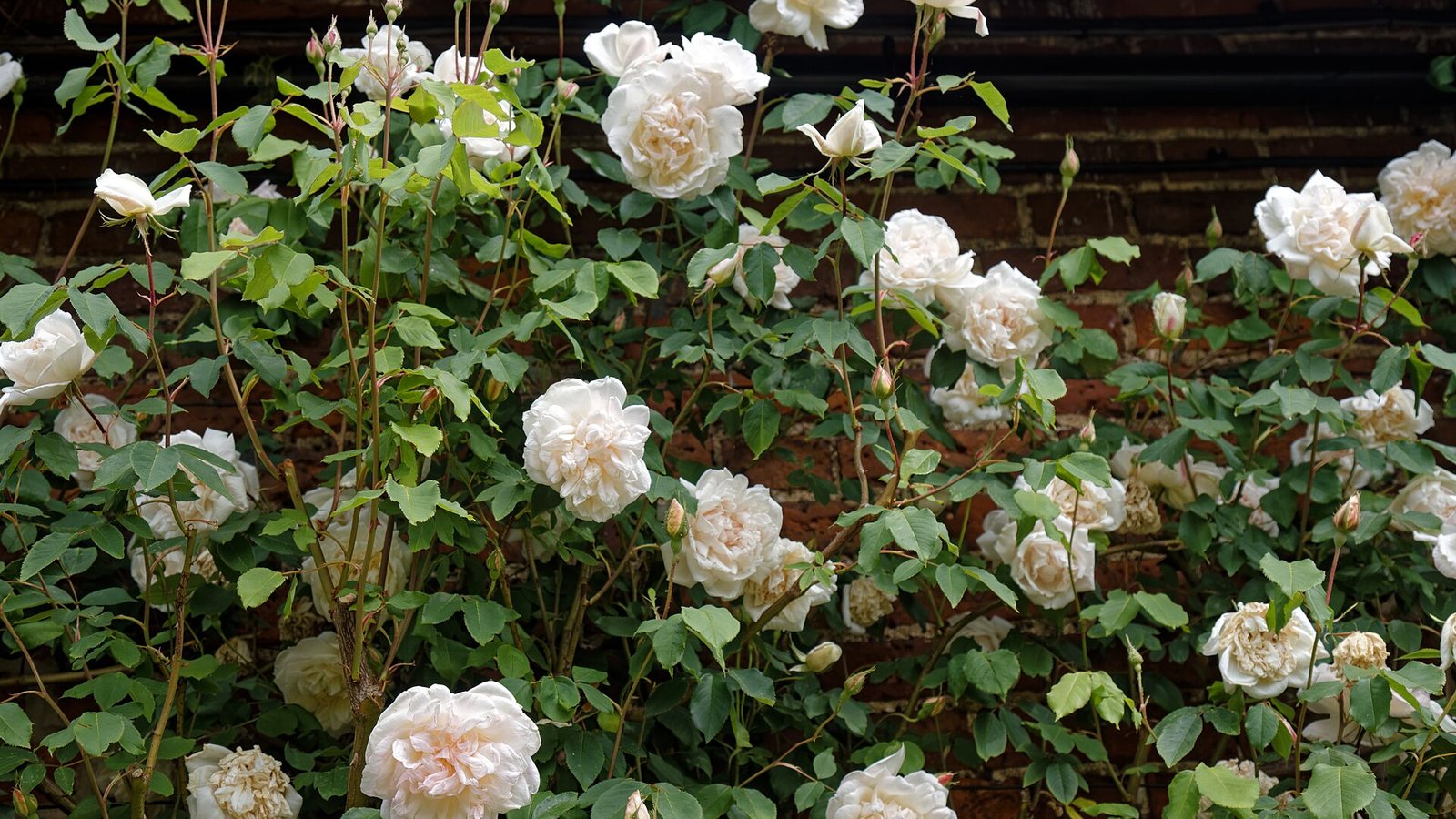
When to prune roses in both hemispheres by rose type, and where to cut: 5 mm above an outward bud, sloping away, after removing dead and crossing stems.
Sources
Written and fact-checked by the Flori team. Every guide cites horticultural sources such as the RHS, university extension services and the ASPCA, and is updated when the advice changes. How we write our guides
General plant care information. Plants vary; when a plant is valuable or a problem spreads quickly, consult a local nursery or plant specialist.