Truffles Explained: What They Are and Where They Grow
What truffles are, which trees and soils they need, where they grow from France to Anatolia, and why no feature tells you a wild fungus is safe.
 By Flori editorial team · Updated
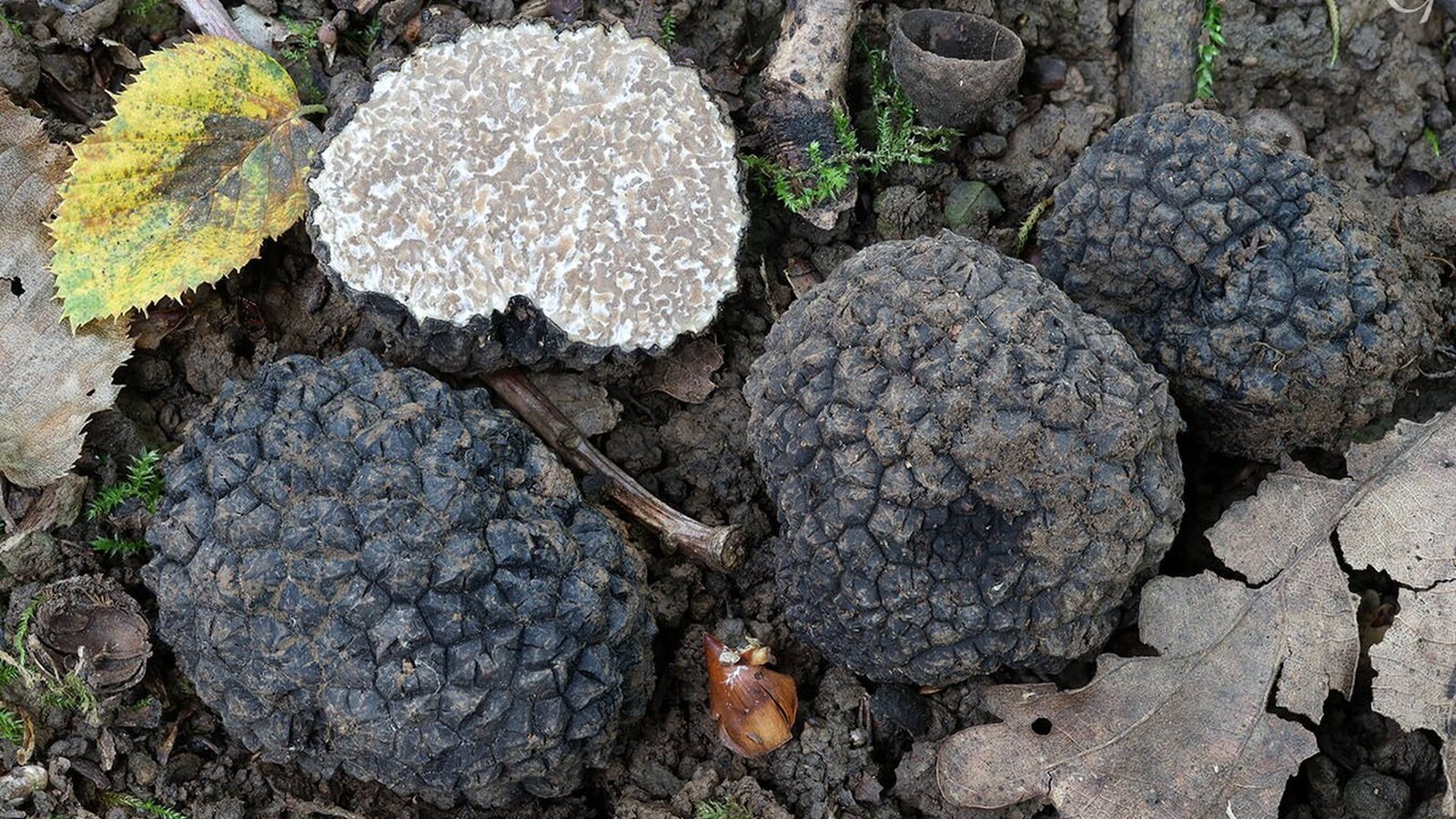 Photo: mycobel · CC BY 4.0
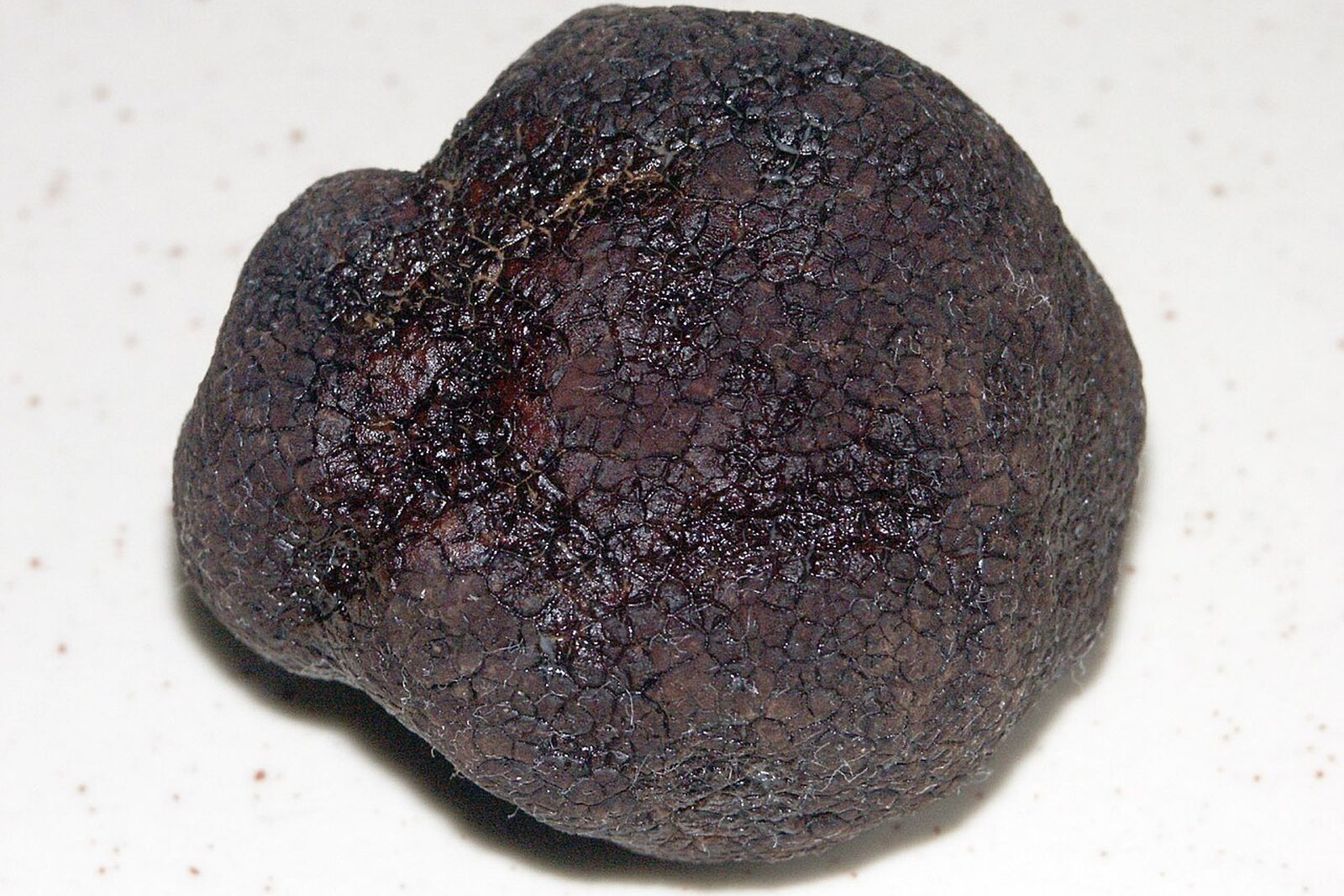
A truffle is the underground fruiting body of a fungus that partners with tree roots, mostly oaks, pines or Douglas-fir. Famous species grow in southern Europe, Oregon and Anatolia. Animals dig them up to spread spores. Being round and buried says nothing about safety, so never eat a wild find without expert identification.
Key takeaways
- Truffles are underground fruiting bodies of fungi that live with tree roots, so each species needs its own host trees and soil.
- The Périgord black truffle is wild in southern France, northern Italy and north-eastern Spain, and is also farmed in both hemispheres.
- Türkiye has desert truffles of the genus Terfezia, locally called keme or domalan, and Tuber aestivum also occurs there.
- No smell, shape, texture or animal interest shows that a wild fungus is safe; identification needs an expert.
- After eating an unknown fungus, call the poison line at once and keep a sample.
On this page7
- What is a truffle, and is it just an underground mushroom?
- Where do truffles grow?
- Do truffles grow in Türkiye?
- How are truffles found, and why do animals matter?
- Can you tell if an underground fungus is safe to eat?
- What can you actually do: foraging versus buying?
- What should you do if someone ate an unknown fungus?
What is a truffle, and is it just an underground mushroom?
A truffle is the fruiting body of a fungus that lives with tree roots and forms underground, so it never rises into the light like a cap-and-stem mushroom. That is the whole puzzle of truffles: they grow where you cannot see them, they depend on particular trees, and the best-known ones come from a few places. This guide explains what a truffle is, where the famous species grow, what the Turkish ones are called, and why "round and underground" does not tell you whether a fungus is safe. If you only want the quick version, the table below is made to be screenshotted.
True truffles belong to the genus Tuber, which a 2022 open-access review puts at about 200 species in 11 major clades. They form ectomycorrhizas, a partnership with the roots of hosts such as oaks and relatives (Fagaceae) and pines and relatives (Pinaceae). Because the fruiting body stays buried, truffle-hunting animals are needed to spread the spores. Oregon State University Extension describes the same arrangement: the fungus supplies water and minerals to the tree, and the tree supplies sugar from photosynthesis.
| Truffle | Where it grows | Season given by the source |
|---|---|---|
| Périgord black truffle (Tuber melanosporum) | Wild in the northern Mediterranean basin: southern France, northern Italy, north-eastern Spain; also farmed in both hemispheres | Not confirmed by our sources |
| Italian white truffle (Tuber magnatum) and Burgundy truffle (Tuber aestivum) | Native to Europe; T. aestivum also occurs in Türkiye | Not confirmed by our sources |
| Oregon winter white (Tuber oregonense) | Near Douglas-fir, west of the Cascades, from sea level to about 600 m (2,000 ft) | October to February |
| Oregon spring white (Tuber gibbosum) | Same forests as the winter white | January to June |
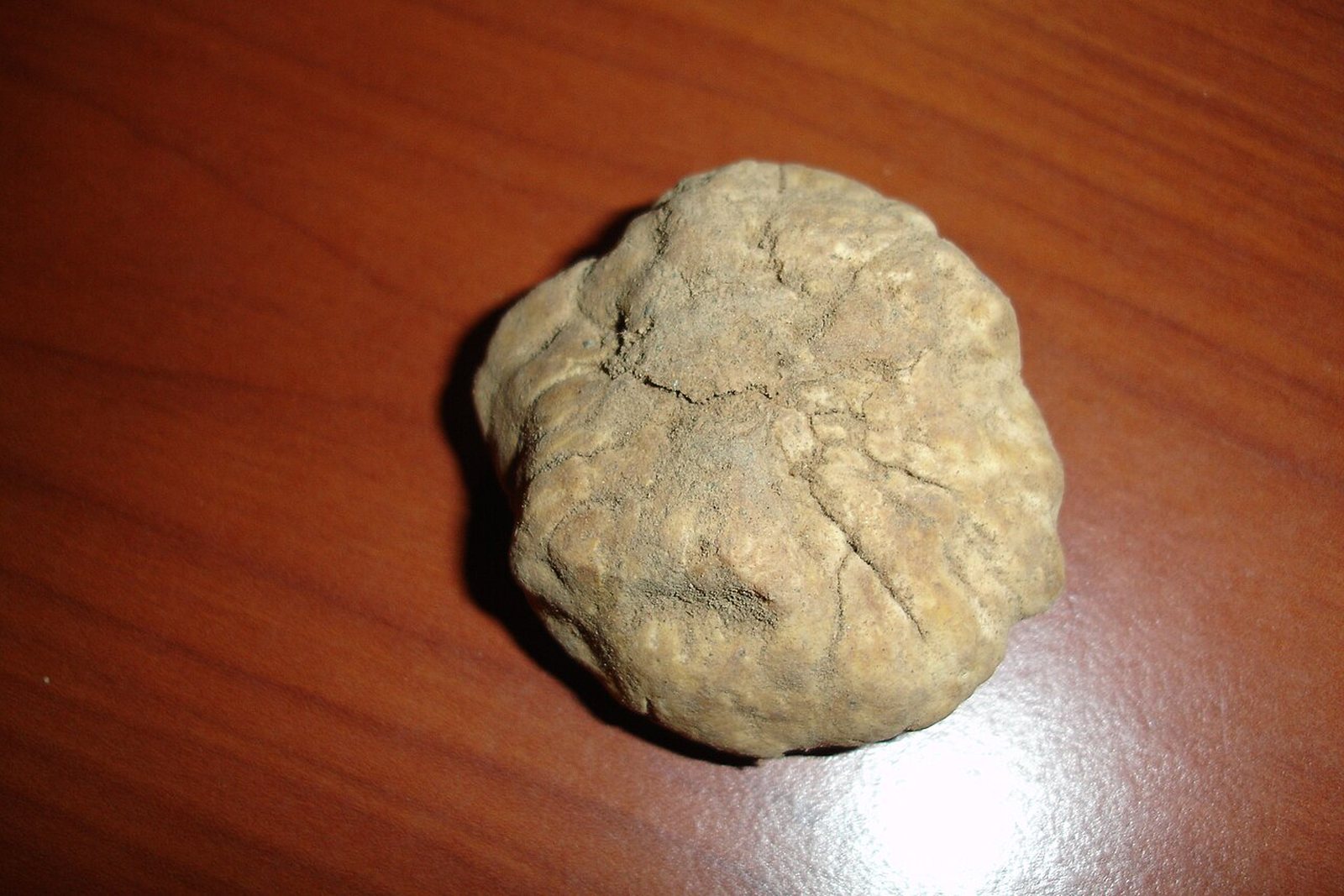
| Desert truffles (Terfezia) | Arid and semi-arid regions, including Central, South-eastern and Eastern Anatolia | Not confirmed by our sources |
Where do truffles grow?
Where their host trees and the right soil are. The Périgord black truffle is wild in southern France, northern Italy and north-eastern Spain, and the 2022 review calls it, with the Italian white and Burgundy truffles, one of the species native to Europe. Our sources do not cover the soil and altitude it prefers, so we give no figures. A 2022 review adds that southern European peninsulas, including the Italian, Iberian and Balkan peninsulas, sheltered these truffles through the last glaciation.
In western North America the story is different. Oregon State Extension says that hundreds of native truffle species occur in Oregon, that only four are considered gourmet, and that all four are found only near Douglas-fir. Oregon white truffles do best in young to early-mature Douglas-fir stands planted on former pasture. Some Pacific Northwest farmers have also cultivated the European black truffle. So "truffle country" is not one climate: it is wherever a particular fungus, a particular tree and a particular soil meet.
Do truffles grow in Türkiye?
Yes, and the best documented ones are not the French kind. The 2022 review confirms that Tuber aestivum also occurs in Türkiye. A Turkish mycology journal article on Turkish Terfezia species says that more than 50 Terfezia species are known worldwide and 7 have been recorded in Türkiye, mostly in arid and semi-arid areas of Central, South-eastern and Eastern Anatolia. Its abstract names T. claveryi and T. boudieri as the most common, and gives the local names keme, domalan and toprak mantarı. These are usually called desert truffles in English, and the abstract says they are in great demand worldwide for their flavour and nutritional value.
In practice, a Turkish reader who finds something round and dug up from steppe soil has no way to know which species it is. Names such as keme or domalan are used locally, but species identification needs an expert, so treat them as names to learn, not as a field test.
How are truffles found, and why do animals matter?
Because the fruiting body is underground, the spores only travel if an animal digs it up and eats it. Oregon State Extension notes that trained dogs can detect ripe truffles from over a hundred yards away, and that they leave immature truffles to keep ripening. Without a dog, people rake the leaf litter with a three-to-five-tine rake, usually only a few inches deep, and then put the litter back and backfill holes to protect exposed roots, because large areas of bare soil can make a site unproductive. Squirrel or mouse diggings can show where truffles are nearby.
The same page makes two practical points. Truffles are fully fragrant for only about a week, and they are shaved thin over warm, fatty food rather than cooked. Those are facts about cooking and storage, not a test for safety.
Can you tell if an underground fungus is safe to eat?
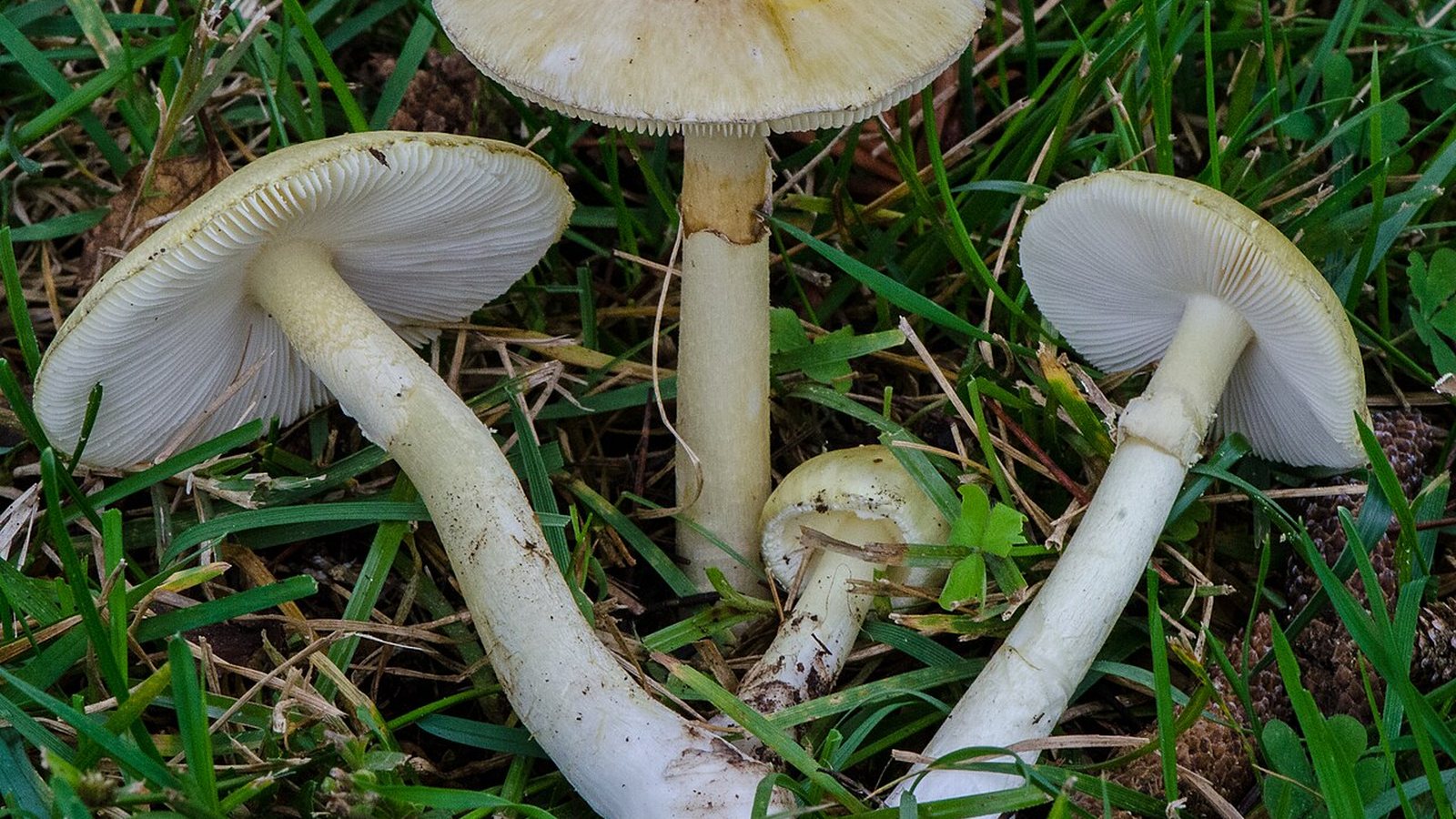
No. This is the part of the topic that needs the plainest answer. Size, shape, a pleasant smell, a firm feel, being dug up near a particular tree, a dog or a squirrel showing interest: none of these makes a wild fungus safe to eat, and a photo cannot do it either. The Oregon State page says "Never eat a wild truffle or mushroom unless you have identified it with absolute confidence." It also says that none of the native Oregon truffles are poisonous, but that is a statement about one region and its own species list, and it does not carry over to other countries or to anything you dig up. Look-alikes exist: for example the Australian National Botanic Gardens warns that a young death cap, still wrapped in its white veil, can be mistaken for an immature puffball. Our guides to deadly mushroom look-alikes and to picking wild mushrooms safely explain why.
What can you actually do: foraging versus buying?
- Foraging: I can source where truffles live, which trees they need and how forest gatherers dig, but I cannot give you a way to confirm that a find is edible. If you forage, go with a person who can name the species, and check local rules about digging on public or private land.
- Buying fresh truffles: Ask the seller for the Latin species name and where it was gathered. The Oregon State page says truffles can cost hundreds of dollars per pound, and that they keep for about a week in an airtight container with paper towels, in the fridge, dry and not touching one another.
- Buying truffle products: I did not find a source about oils, pastes or sauces, so I make no claim about them. Check the label for the species name.
- Learning: Flori can identify wild mushrooms from a photo, which helps you learn names and show an expert what you found, but no app can tell you that a wild fungus is edible.
What should you do if someone ate an unknown fungus?
- Call the poison line now, before any symptoms. Türkiye: UZEM 114 (Ulusal Zehir Danışma Merkezi). United States: 1-800-222-1222. United Kingdom: NHS 111. For a pet, call a vet straight away.
- Keep a sample or a photo of the whole fungus, including whatever grew beneath it.
- Do not wait for symptoms. NAMA says "DON'T WAIT" in amanitin poisoning, which can pass through a stage of apparent recovery before kidney and liver failure: stage 1 lasts 6 to 24 hours with no symptoms while the organs are already being damaged, and about a day of apparent recovery comes before the relapse. NAMA gives a fatality of about 50% without prompt, knowledgeable treatment.
- Follow the professionals' instructions. This guide gives no treatment advice and no home remedies.
Frequently asked questions
Is a truffle a mushroom?
Yes, in the everyday sense: it is the fruiting body of a fungus. The difference is that truffles form underground and depend on animals to spread their spores.
Do truffles grow in Türkiye?
Yes. A Turkish journal article records 7 Terfezia species in Türkiye, called keme, domalan or toprak mantarı, and a 2022 review says Tuber aestivum also occurs there.
Can I tell by looking whether a found truffle is edible?
No. Look, smell, texture and where it grew do not prove a wild fungus is safe, and a photo cannot either. Only an expert holding the specimen can identify it.
Are truffles the same as truffle oil?
I found no source that covers oils or sauces, so this guide makes no claim about them. Check the label for the species name.
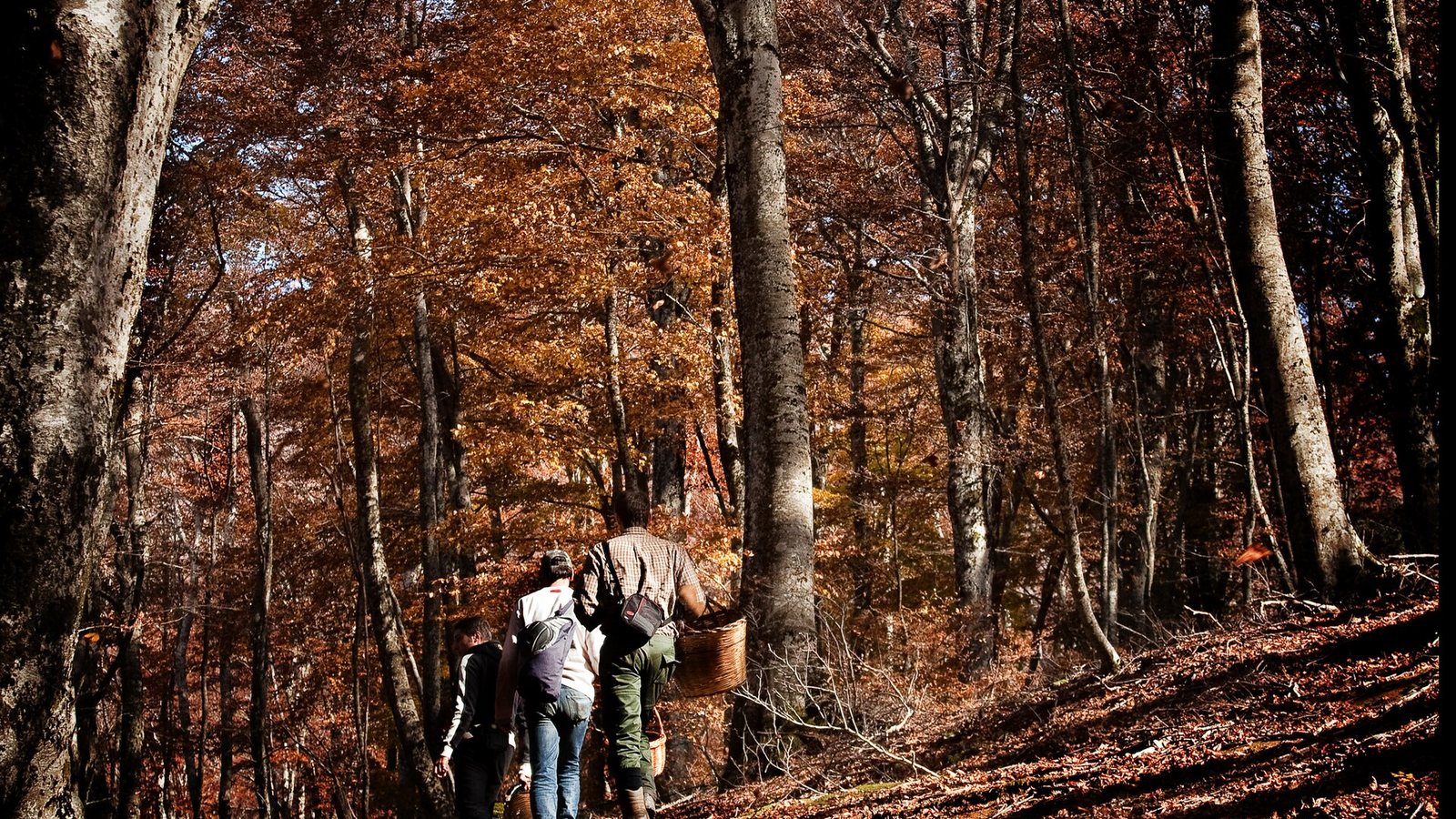
Picking wild mushrooms to study is low risk where the rules allow it; eating them is not. How to collect, the myths, and what to do after a mistake.
Sources
Written and fact-checked by the Flori team. Every guide cites horticultural sources such as the RHS, university extension services and the ASPCA, and is updated when the advice changes. How we write our guides
General plant care information. Plants vary; when a plant is valuable or a problem spreads quickly, consult a local nursery or plant specialist.