Deadly Webcap: The Mushroom That Hits Kidneys Late
Deadly webcap (Cortinarius rubellus) harms kidneys 36 hours to 3 weeks after eating. See the timeline, why photos fail and what to do after a mistake.
 By Flori editorial team · Updated
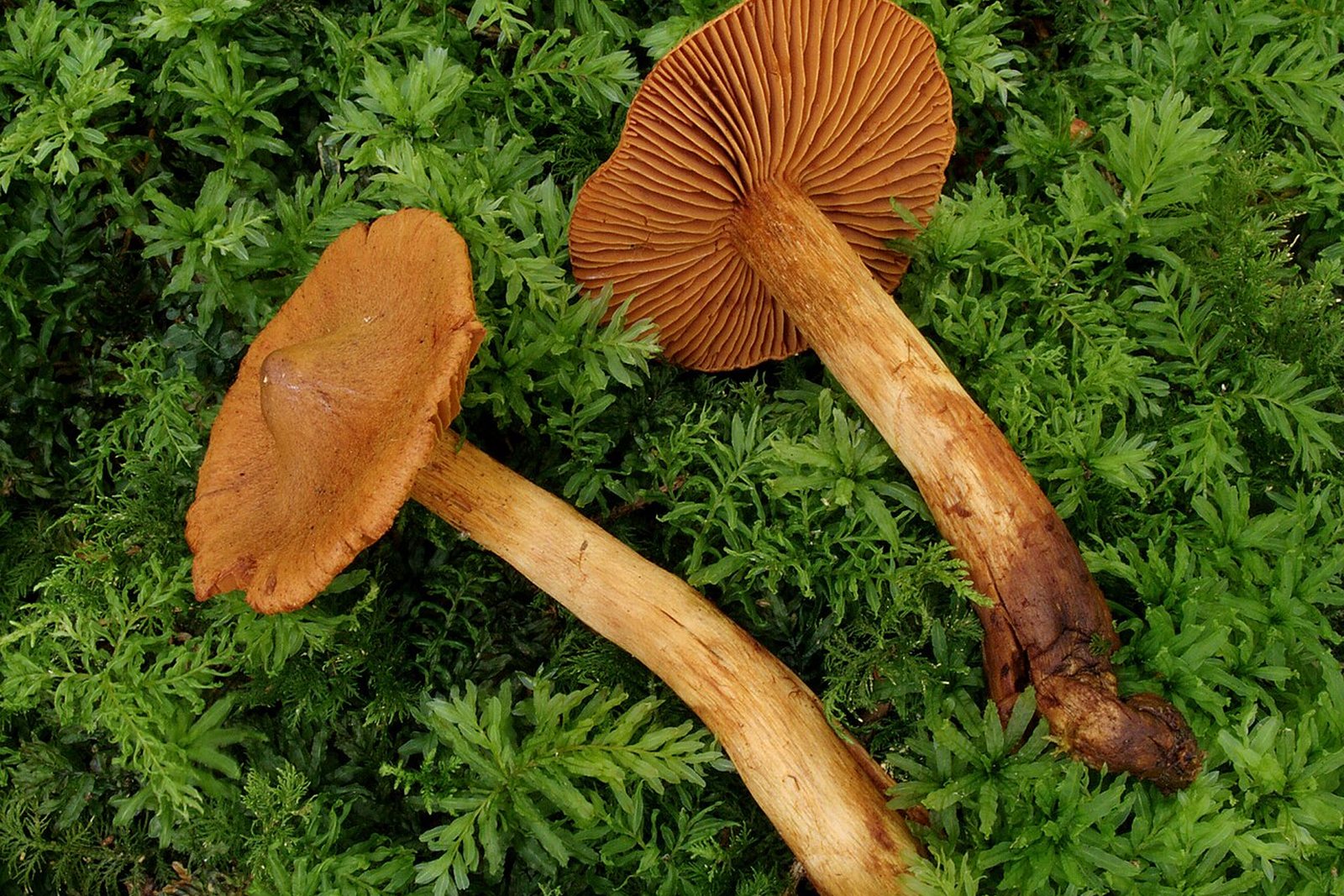
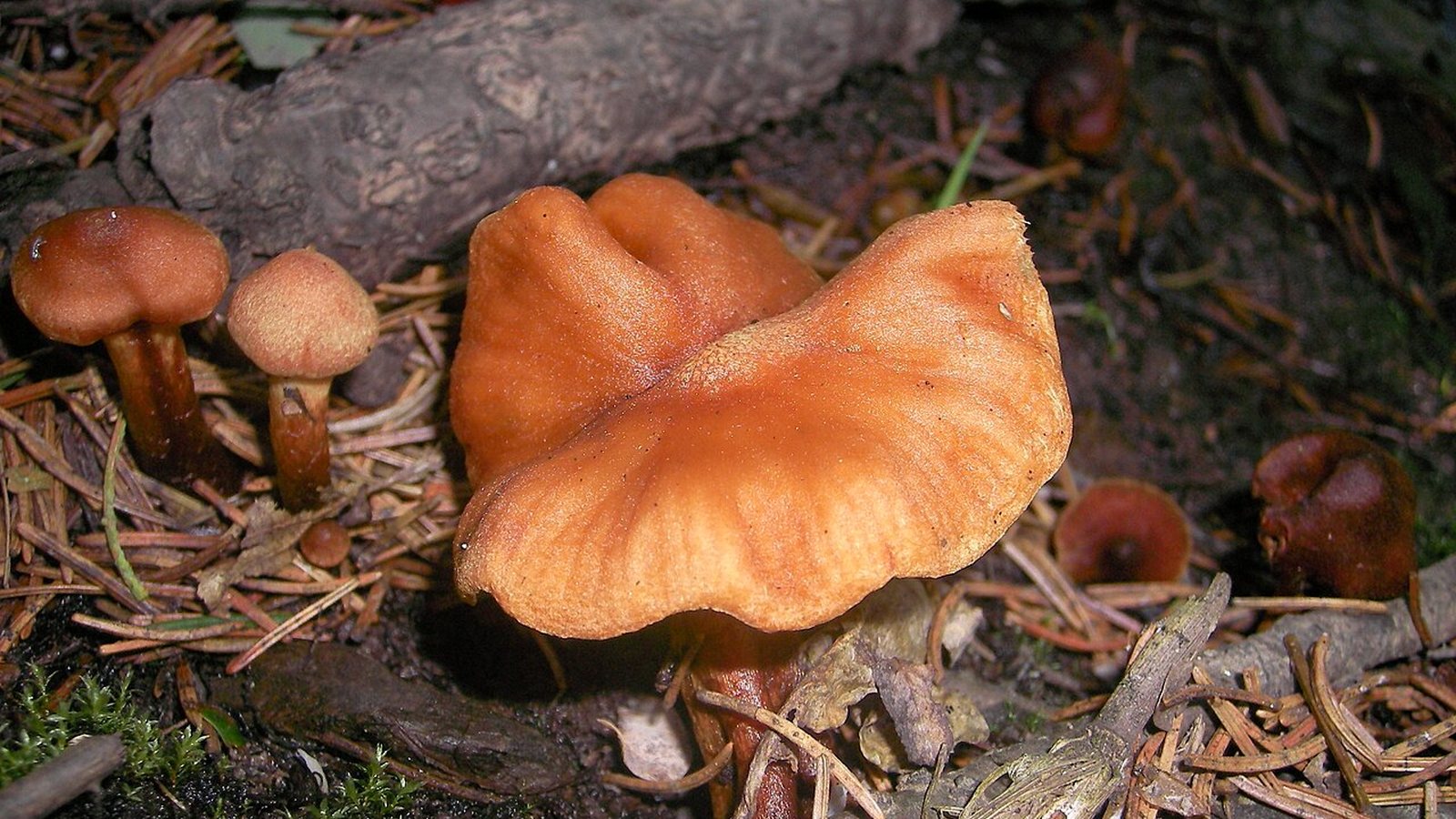 Photo: Danny Steven S. · CC BY 3.0
The deadly webcap (Cortinarius rubellus and relatives) contains orellanine, which damages the kidneys. NAMA says symptoms start 36 hours to 3 weeks after eating, about 8 days on average, so people often miss the link. Even experts can misjudge it from photos. After eating an unknown mushroom, call the poison line now.
Key takeaways
- Orellanine symptoms start 36 hours to 3 weeks after eating, about 8 days on average.
- Early signs are mild: tiredness, nausea, thirst, headache, then progressive kidney failure.
- Two specialists first misjudged a Quebec specimen from photos; a single photograph is never enough.
- Cooking, feeling fine afterwards and local knowledge do not make a wild mushroom safe.
- After eating an unknown mushroom, call the poison line now (Türkiye UZEM 114; US 1-800-222-1222; UK 111) and keep a sample.
On this page7
Why is the deadly webcap so dangerous?
The deadly webcap (Cortinarius rubellus and its relatives, such as C. orellanus) is dangerous because it does not make you sick straight away. Its toxin, orellanine, attacks the kidneys, and NAMA says symptoms start anywhere from 36 hours to 3 weeks after eating, about 8 days on average. By then the meal is long forgotten, the first signs look like a bug, and the kidneys may already be failing. This guide follows the real timeline, shows why even experts misjudge these mushrooms from photos, and ends with what to do if someone has eaten one.
Poisonings are rare in North America, with only two confirmed cases in NAMA's account, and less rare in Europe, where at least fifty more have been recorded since the syndrome was first described. Our sources do not give a country-by-country map, so the rule is the same everywhere in Türkiye, Europe, the UK and the US: never eat a wild mushroom you cannot have confirmed by a local expert in person.
How did doctors discover it?
Orellanic syndrome was not described until the 1950s. In 1952 in Poznan, Poland, 102 people were poisoned and 11 died, and an epidemiologist traced the cause to Cortinarius orellanus. Symptoms had a very marked delay: from 2 days to 3 weeks. That history shows why the poison is easy to miss: most people never connect an illness with a meal from a week or two earlier, and kidney failure does not obviously point at a mushroom.
What does the timeline look like?
| When | What can happen |
|---|---|
| The meal | Nothing unusual; the mushroom may taste fine |
| Day 1 to day 3 | Often nothing, or mild stomach upset |
| 36 hours to 3 weeks (about 8 days on average) | Nausea, vomiting, tiredness, loss of appetite, headache, frequent urination, burning thirst, a feeling of cold with shivering; fever is generally absent |
| Later | Progressive kidney failure. Severe but not irreversible damage may begin to recover 2 to 4 weeks after symptoms begin |
A medical review quoted by NAMA adds that, as with amatoxin poisoning, an early start of symptoms usually pointed to more severe toxicity. Do not read that as comfort: a late start does not mean a mild case, and waiting gains nothing.
A 2020 case from Quebec shows how it plays out. A forager ate a dinner that included five reddish-capped mushrooms from a bog. The next day he had mild abdominal problems and noticed that some foods, such as green beans and eggs, tasted of sulphur. He stayed home for 18 days, worried about hospital restrictions, and was admitted with acute kidney failure, with a creatinine blood level reported as 8 times normal. Six weeks after eating he still had headaches, abdominal discomfort and tiredness, and his doctor could not say whether he would recover fully. The details are from NAMA's account of the case.
Why can't you tell it from a photo?
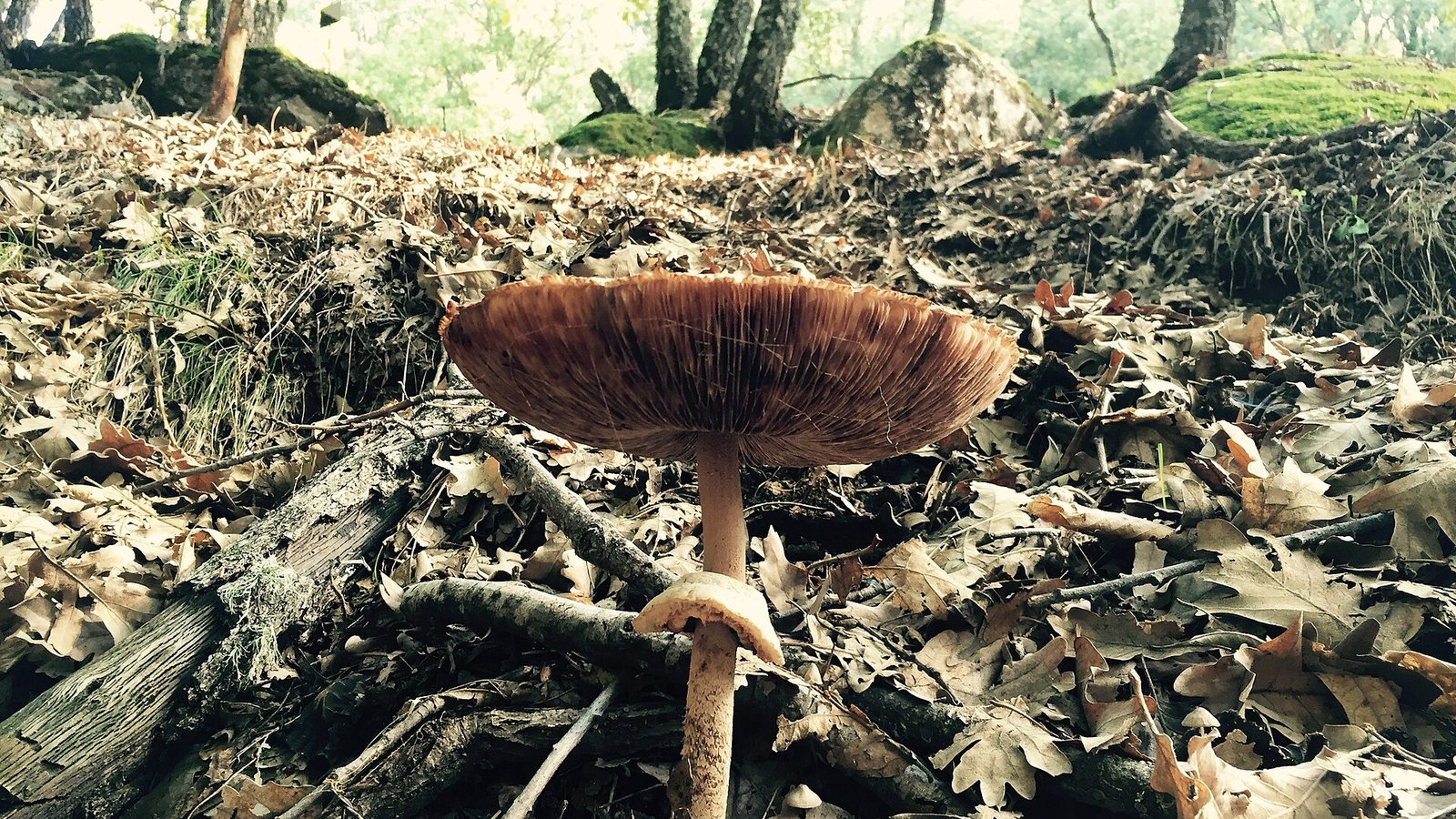
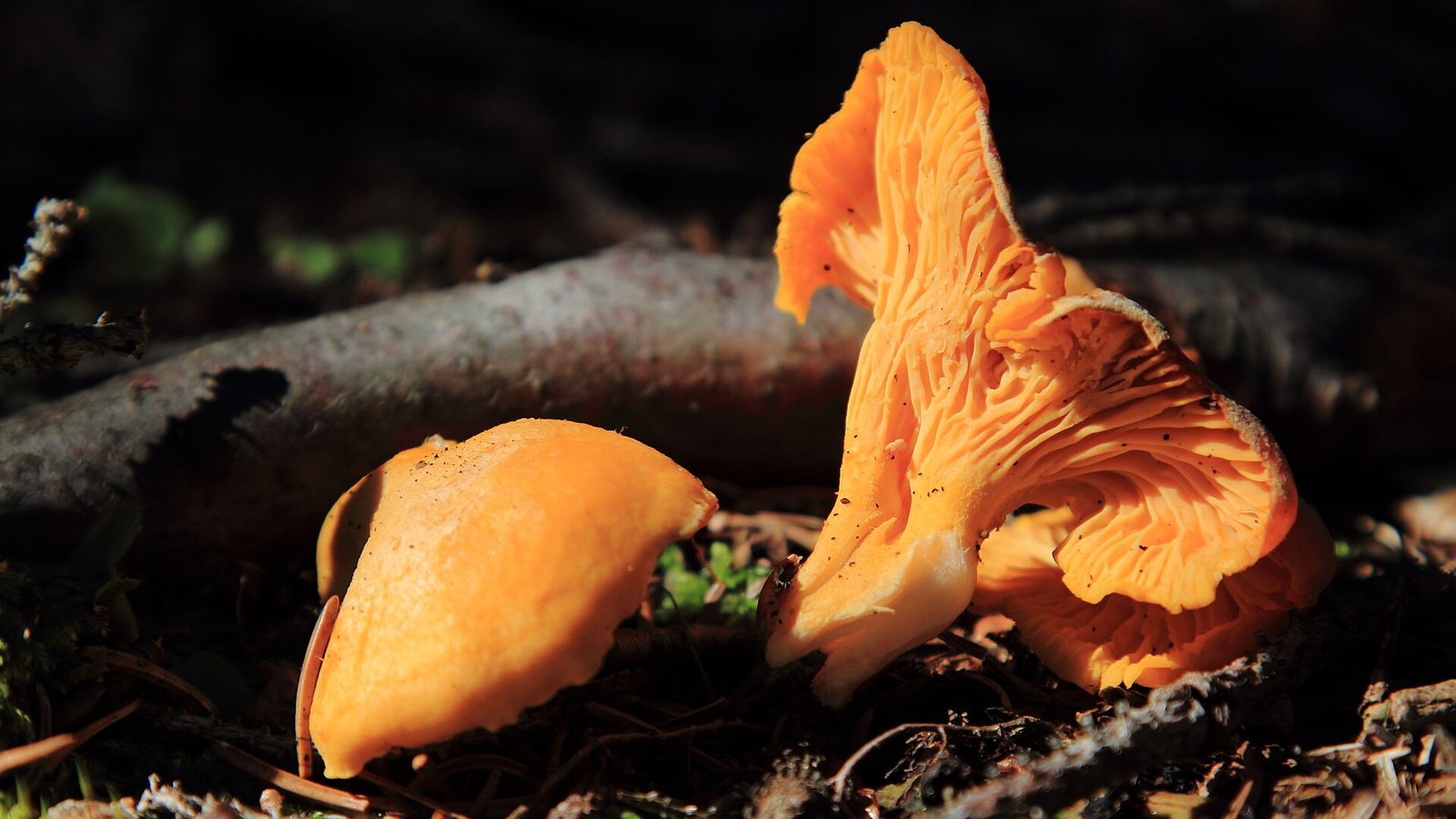
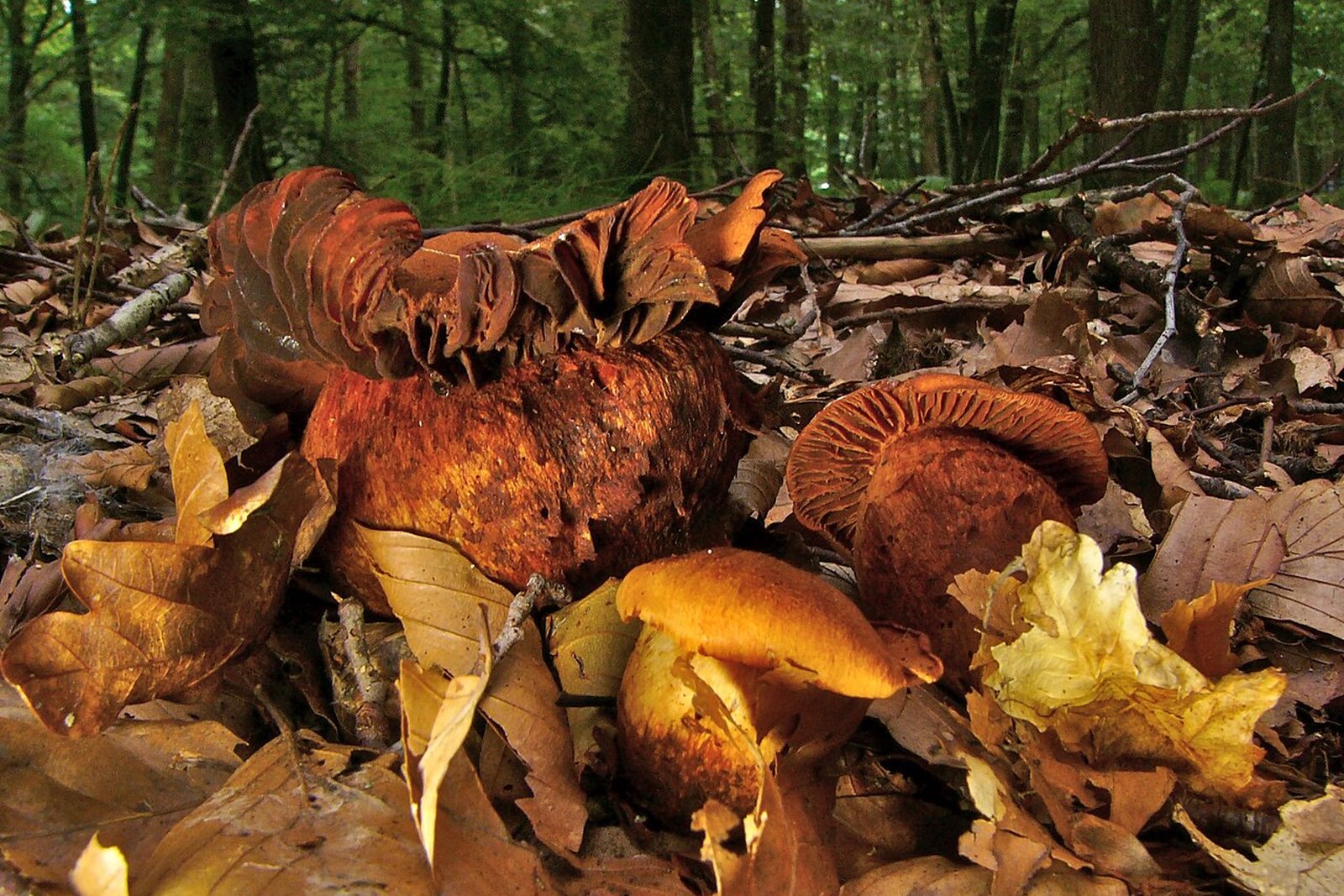
NAMA describes the orellanine group as medium-sized mushrooms with dry, matted, fibrous, peaked or domed caps in a uniform reddish or orange colour, with similarly coloured stems and rusty-brown gills. This is a description of what the mushroom looks like, not a test you can use to rule a mushroom out. The same paper lists several non-toxic Cortinarius and similarly coloured Dermocybe that can look alike, says the whole genus is difficult to identify even for experts, and says some victims have mistaken orellanine webcaps for chanterelles.
In the Quebec case, two experienced Cortinarius specialists, one from North America and one from Europe, first said it was probably not a toxic species. It took microscopic and chemical analysis of the specimen to confirm it. NAMA's own safety page puts it plainly: "A single photograph is never enough." The advice that follows is blunt: avoid collecting any Cortinarius that looks even remotely like these species, and never eat any wild mushroom you do not know well.
Which myths make people take the risk?
| Myth | Reality |
|---|---|
| "I felt fine afterwards, so it was safe" | Symptoms can be delayed for many hours (Poison Control), and with webcaps for up to 3 weeks |
| "Cooking makes it safe" | Poison Control: cooking does not make a poisonous mushroom safe |
| "I know it from my own country or an old book" | Poison Control: identification knowledge from one region is not reliable in another area |
| "The colour looks like the edible one" | NAMA: colour, smell, insect damage and folklore are not reliable tests |
| "An app said it was fine" | A photo is never enough, for a person or an app; Flori can identify wild mushrooms from a photo, but never use that to decide to eat one |
Another trap: some Cortinarius are eaten in various parts of the world, and NAMA's paper discusses that. Treat this as no permission at all. The genus is hard to identify, and the deadly species were responsible for the mass poisoning that started the research. For the other mushrooms to know, see common poisonous mushrooms and the chanterelle look-alikes guide.
Why does delayed poisoning matter for kids and pets?
Unknown mushrooms in a yard or on a walk are a risk for children and dogs, and a delayed toxin makes it worse, because nobody sees the symptoms for days. NAMA says to keep unknown mushrooms away from children and pets and to keep photos or specimens. If a child ate one, read what to do when a child ate a mushroom in the yard; for dogs, see poisonous mushrooms and dogs.
What should you do after eating an unknown mushroom?
- Call the poison line now, before any symptom. In Türkiye call UZEM 114 (Ulusal Zehir Danışma Merkezi); in the US call Poison Control at 1-800-222-1222; in the UK call NHS 111. For a pet, call your vet.
- Keep a sample (and photos), and keep what is left uneaten, because specialists need it to identify the species. Poison Control notes that identification depends on features such as the cap, gills, spore colour and the base of the stalk.
- Do not wait for symptoms. NAMA says not to wait until symptoms become severe. Feeling well is not a sign of safety: amatoxin poisoning can feel better before liver damage shows, and webcap poisoning can stay silent for days.
- Tell the doctor when and what was eaten, even if it was more than a week ago and the illness seems unrelated. Kidney failure with no obvious cause is exactly when a mushroom meal needs to be mentioned.
For the full list of poisoning timelines, see mushroom poisoning symptoms and timeline and does mushroom poisoning go away on its own. This guide gives no treatment advice: the right next step is always the poison line and a doctor.
Frequently asked questions
How long after eating does deadly webcap poisoning start?
NAMA says symptoms occur within 36 hours to 3 weeks of eating, with an average of about 8 days. The delay is why people often do not connect the illness with the meal.
What does deadly webcap poisoning do to the body?
Orellanine poisons the kidneys. NAMA lists nausea, vomiting, lethargy, loss of appetite, frequent urination, burning thirst and headache, and progressive kidney failure; it calls the poisoning extremely serious.
Can you tell a deadly webcap from a chanterelle by looking?
Not safely. NAMA reports that some victims mistook orellanine webcaps for chanterelles, and that even specialists first misjudged a case from photos. Only an expert in person can confirm a wild mushroom.
What should I do if I ate an unknown mushroom?
Call the poison line now and keep a sample: Türkiye UZEM 114, US 1-800-222-1222, UK NHS 111. Do not wait for symptoms; with webcaps they can take days or weeks.
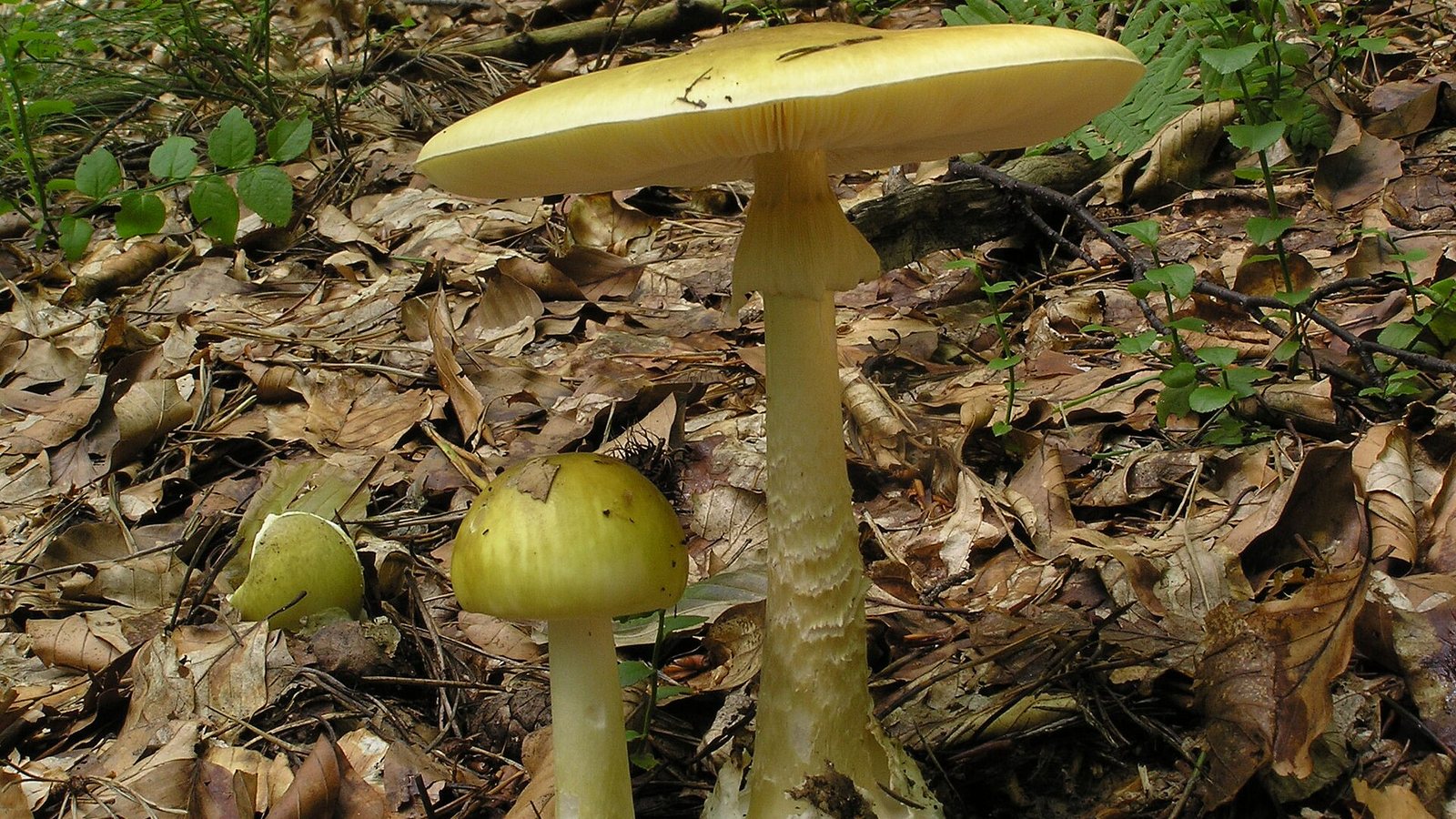
Eight dangerous mushroom types to know, from death cap and false morel to jack-o'-lantern: toxins, onset times and what to do after eating an unknown one.
Sources
Written and fact-checked by the Flori team. Every guide cites horticultural sources such as the RHS, university extension services and the ASPCA, and is updated when the advice changes. How we write our guides
General plant care information. Plants vary; when a plant is valuable or a problem spreads quickly, consult a local nursery or plant specialist.