Chanterelle Look-Alikes: Jack-o'-Lantern and Others
Chanterelles and jack-o'-lanterns are both orange and smell pleasant. See how extension services compare them, why smell proves nothing, and what to do.
 By Flori editorial team · Updated
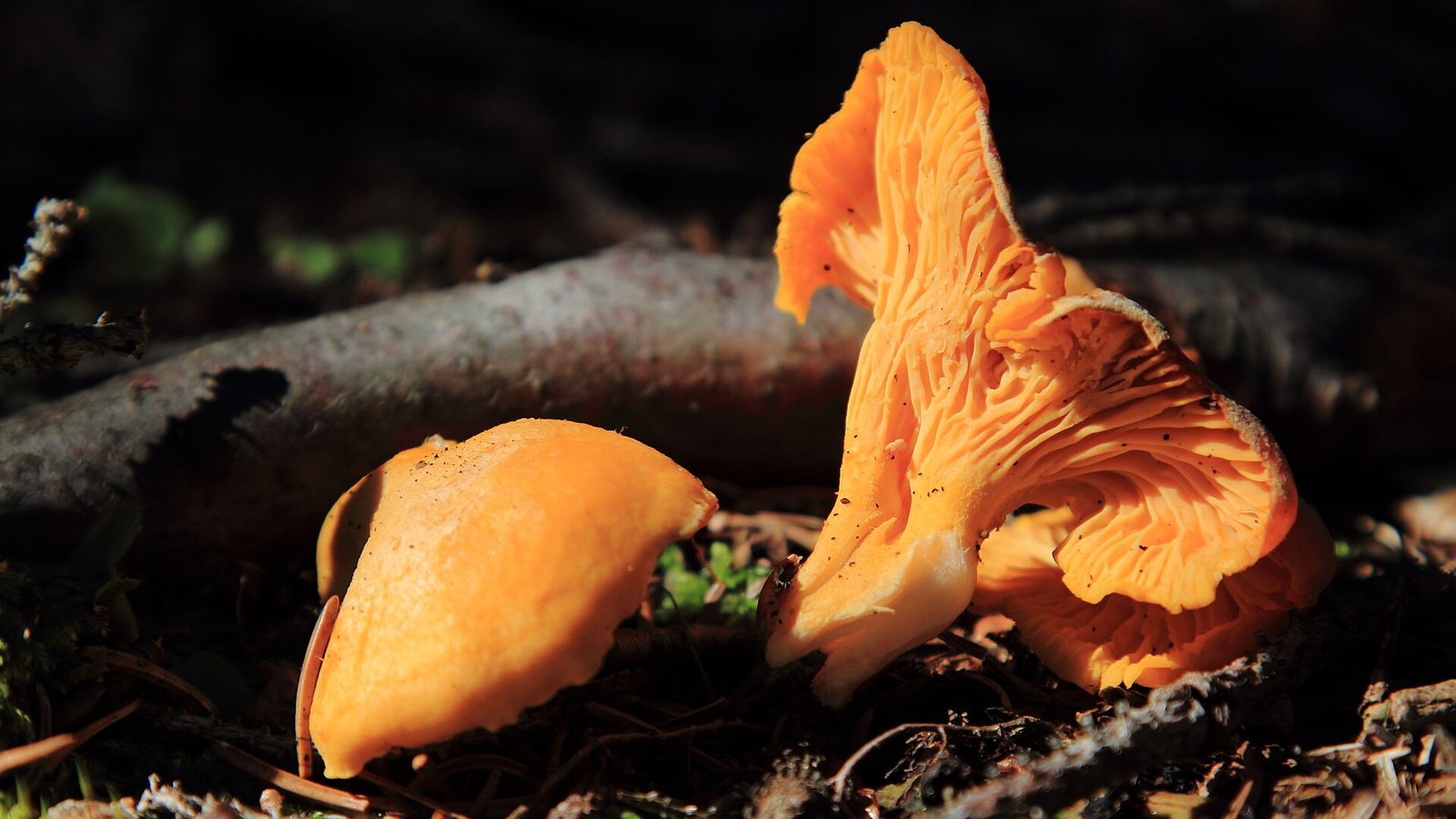 Photo: Silvio Rossi · CC BY 3.0
The chanterelle's main dangerous look-alike is the jack-o'-lantern (Omphalotus): both are orange and smell pleasant, but the jack-o'-lantern grows in clusters on wood with true gills and causes vomiting. No photo, app or smell test can clear a wild mushroom, so only an expert holding it can identify it. After eating an unknown mushroom, call a poison line at once.
Key takeaways
- Most jack-o'-lantern poisonings happen because people thought they were picking chanterelles, says NAMA.
- Extension services describe chanterelles growing on soil with wrinkles or veins, and jack-o'-lanterns in clusters on wood with true gills.
- Smell and colour prove nothing: both mushrooms are orange and smell appealing, and Kentucky Extension says there are no shortcuts.
- Stomach symptoms that start 6 to 24 hours after eating can point to deadly amatoxin poisoning, not a mild reaction.
- After eating an unknown mushroom, call a poison line now (TR 114, US 1-800-222-1222, UK 111) and keep a sample.
On this page8
- Why are chanterelles so often confused with jack-o'-lanterns?
- How do chanterelles and jack-o'-lanterns differ?
- What does a jack-o'-lantern poisoning look like?
- Why do smell, colour and "it looks right" not work?
- What about the false chanterelle and other orange mushrooms?
- Why are Turkish names for chanterelle confusing?
- How should you learn to tell them apart?
- What to do if someone eats an unknown mushroom
Why are chanterelles so often confused with jack-o'-lanterns?
Both are orange, both are funnel-shaped, and both have an appealing smell, which is why the jack-o'-lantern (Omphalotus) is the poisonous look-alike field guides name first for the chanterelle (Cantharellus cibarius, TR: horoz mantarı in many regions). The North American Mycological Association (NAMA) says that when people were poisoned by jack-o'-lanterns, they usually thought they were picking chanterelles. This guide goes deeper than our overview of edible mushrooms and their look-alikes: it compares the chanterelle with its dangerous look-alikes feature by feature, explains why smell and colour prove nothing, and shows what a jack-o'-lantern poisoning looks like. It is a guide to what can go wrong, not a licence to pick. No photo, app or description here can tell you the mushroom in your hand is safe to eat.
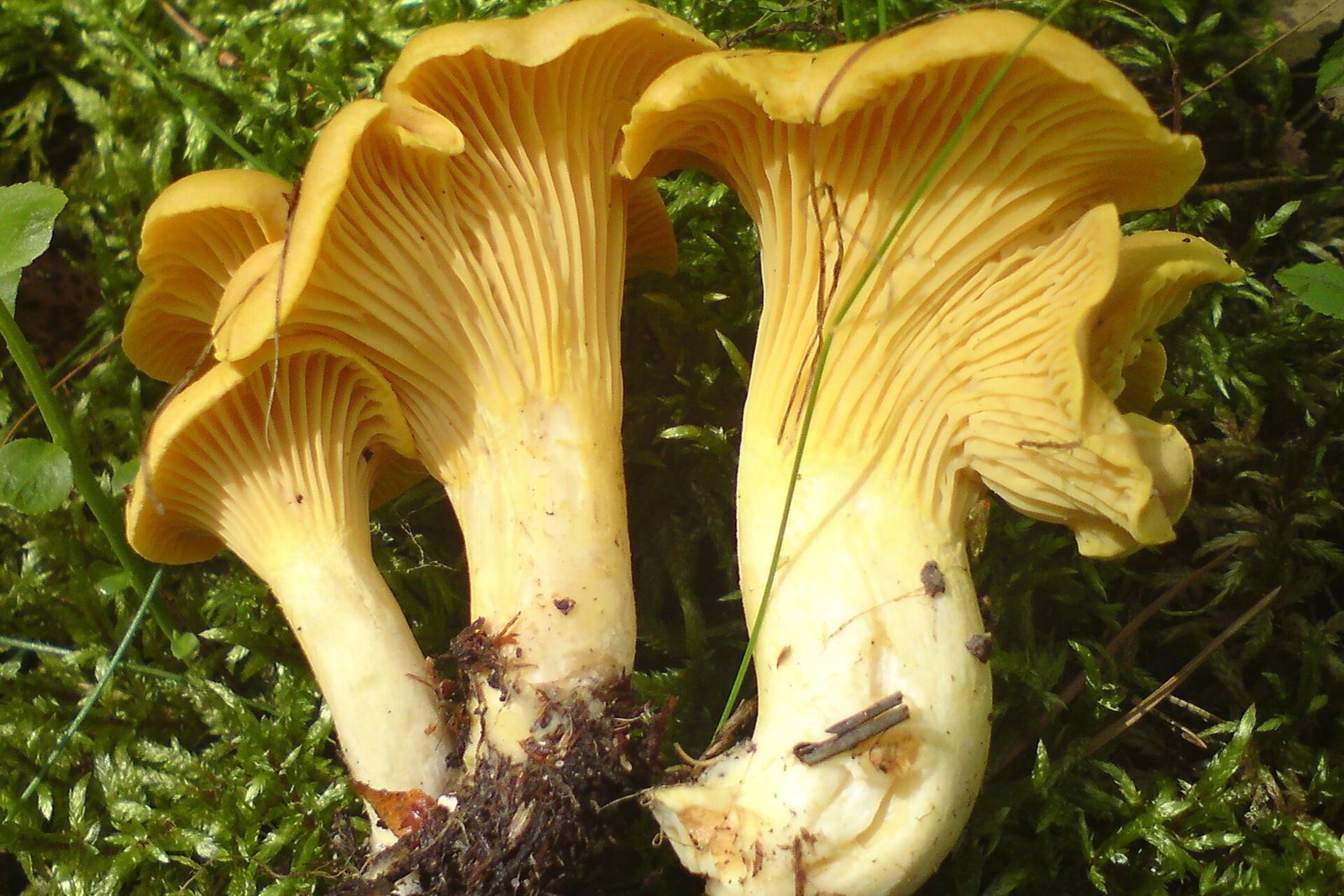
How do chanterelles and jack-o'-lanterns differ?
The table lists what extension services and NAMA describe. It is a comparison for learning with an expert, not a test to use in the woods.
| Feature | Chanterelle (Cantharellus) | Jack-o'-lantern (Omphalotus) |
|---|---|---|
| Where it grows | On soil (University of Illinois Extension) | On wood (Illinois, Kentucky Extension) |
| How it grows | Not described in our sources | In clusters on wood (Illinois, Kentucky Extension) |
| Underside of the cap | Wrinkles or veins, not true gills (Illinois) | True gills (Illinois) |
| Smell | Fruity, apricot-like (Illinois) | Appealing odour too (Kentucky Extension) |
| If eaten | Expert identification only | Stomach pain, vomiting and diarrhoea (Kentucky); nausea in about 90% of cases (NAMA) |
University of Illinois Extension lists the chanterelle among the species beginners learn first, noting that it grows on soil and has wrinkles or veins rather than true gills, while the jack-o'-lantern is often cited as a look-alike but grows in clusters on wood and features true gills. Kentucky Extension adds the crucial point: despite its similar appearance and appealing odour, the jack-o'-lantern causes stomach pain, vomiting and diarrhoea, which is why it matters to identify each mushroom carefully rather than relying on superficial appearances.
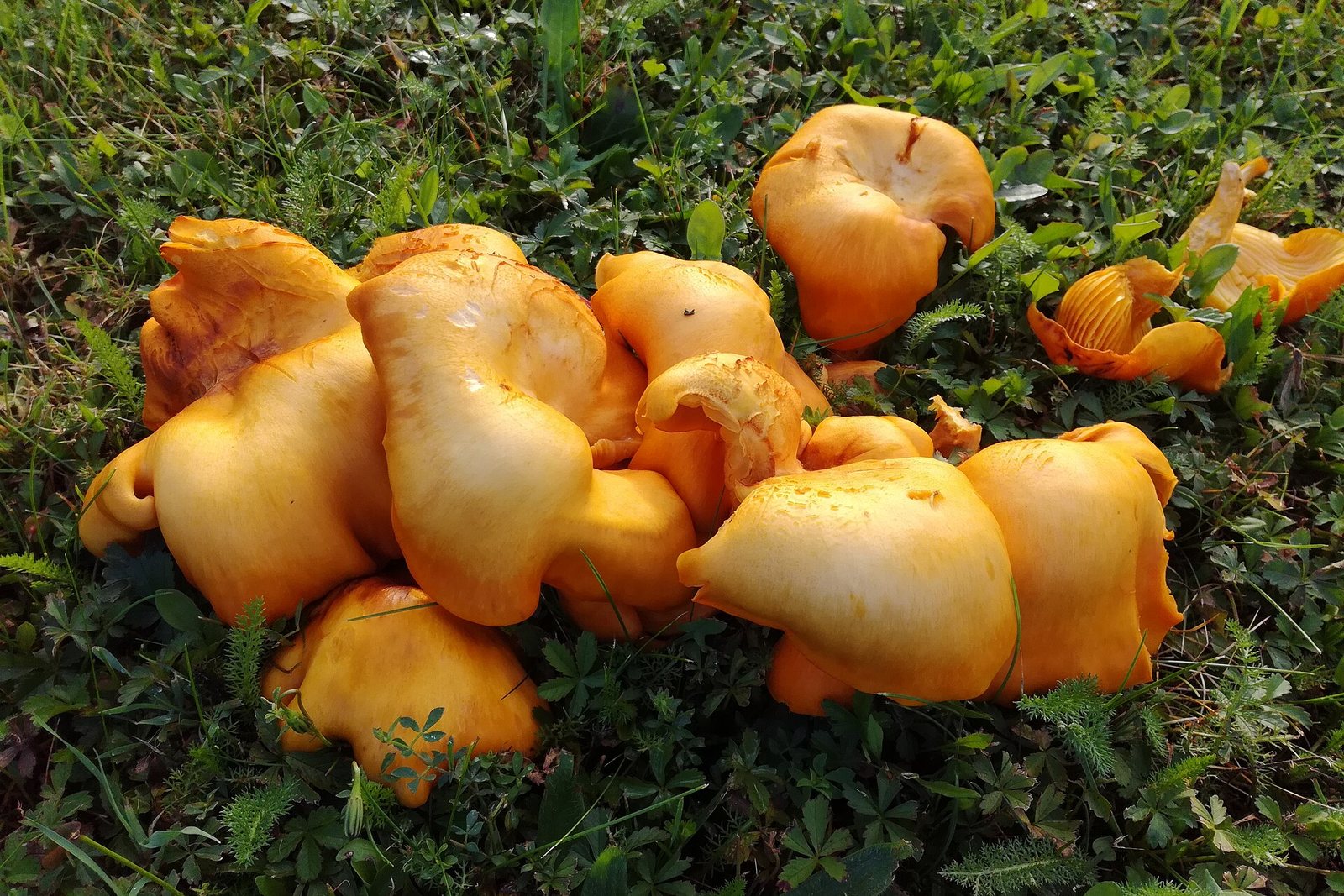
What does a jack-o'-lantern poisoning look like?
NAMA describes the symptoms: they typically start one to three hours after a meal, with nausea in about 90% of cases and vomiting in about 73%, and sometimes abdominal pain, headache, weakness and dizziness. Recovery is usually rapid, with most victims recovered within 12 hours. NAMA also notes that the toxins are illudins and that some Omphalotus species are bioluminescent, but a glow is never a way to decide a mushroom is safe.
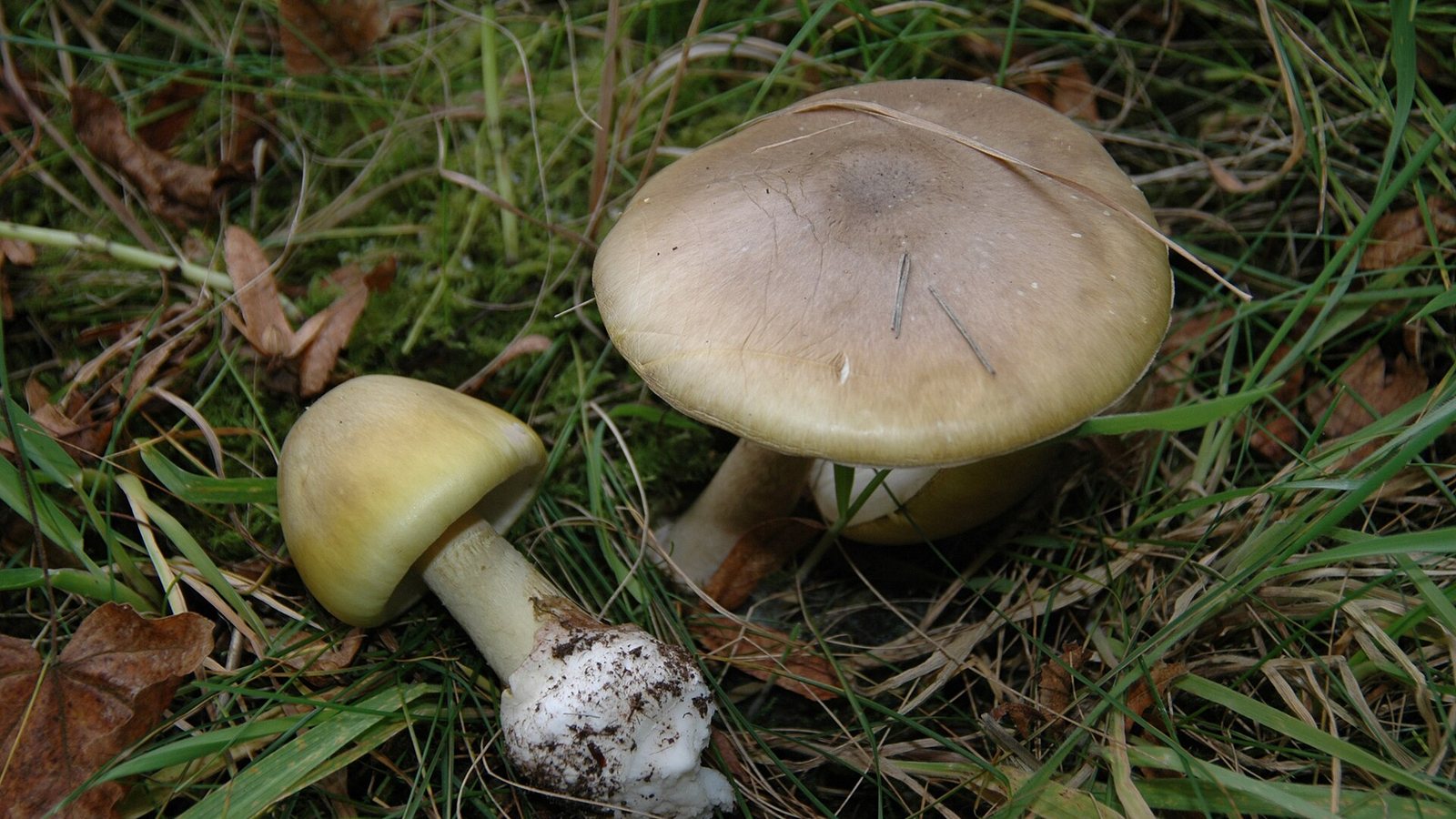
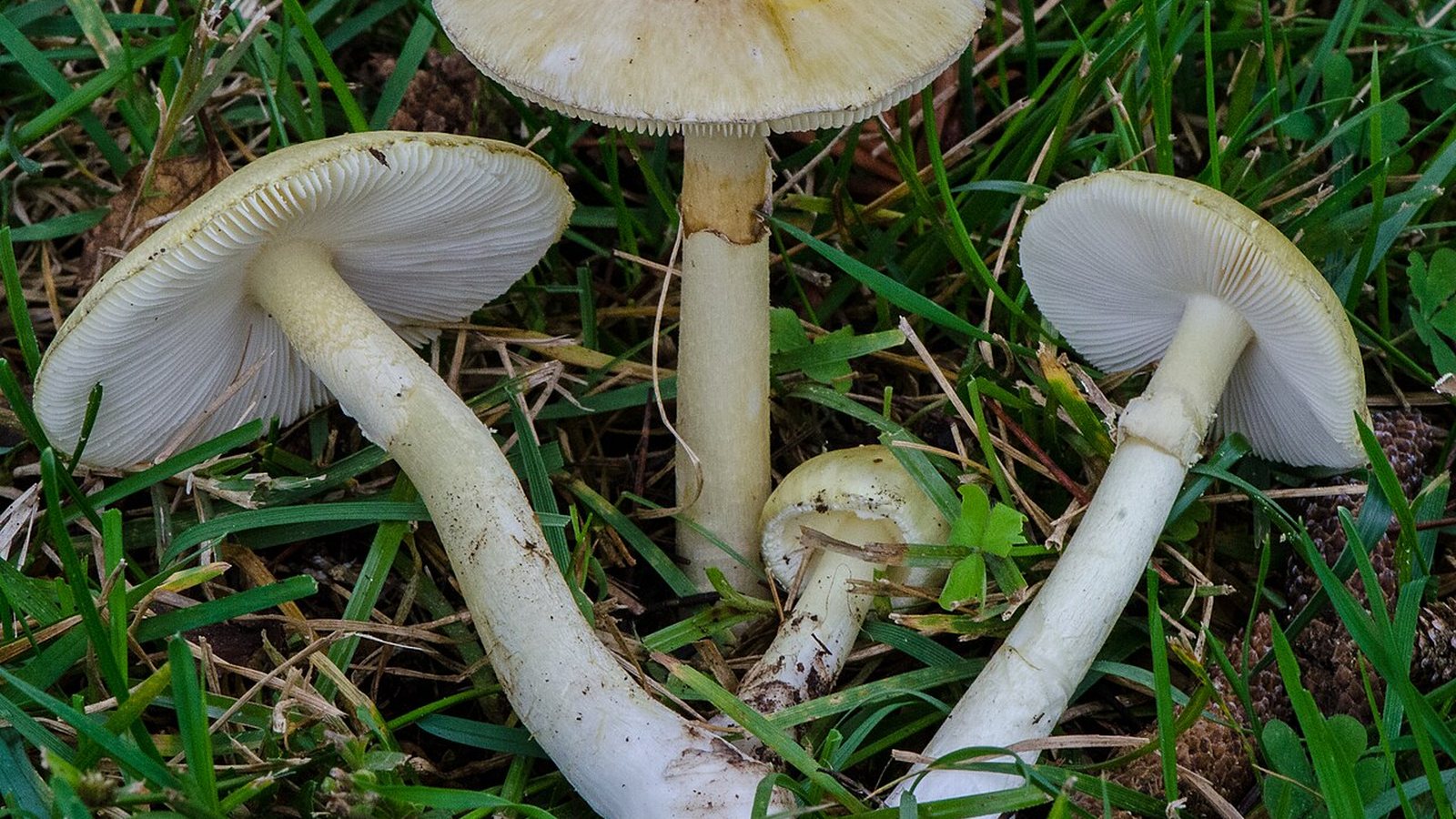
The same NAMA page contains an important warning: stomach problems that begin 6 to 24 hours after eating can point to amatoxin poisoning, which is far more serious. That is the kind of poisoning the death cap causes (death cap mushroom, TR: ölüm meleği). Do not assume a mild jack-o'-lantern reaction; any poisoning from an unknown mushroom needs a poison line, not a guess.
Why do smell, colour and "it looks right" not work?
Smell fails because both mushrooms smell pleasant, and colour fails because both are orange. Kentucky Extension is blunt that many hunting anecdotes are dangerously wrong and that there are no shortcuts to determining whether a mushroom is poisonous. Taste, peeling the cap, silver turning dark, and insects or animals eating a mushroom prove nothing either. The same species also looks different at different ages and in different places, so one expert-confirmed mushroom does not clear the others growing nearby. Montana State University Extension says to eat wild mushrooms only if you are completely confident of the identification and the species is well known, and not to eat them if you have any doubt. Our guide to telling if a mushroom is poisonous goes through the myths.
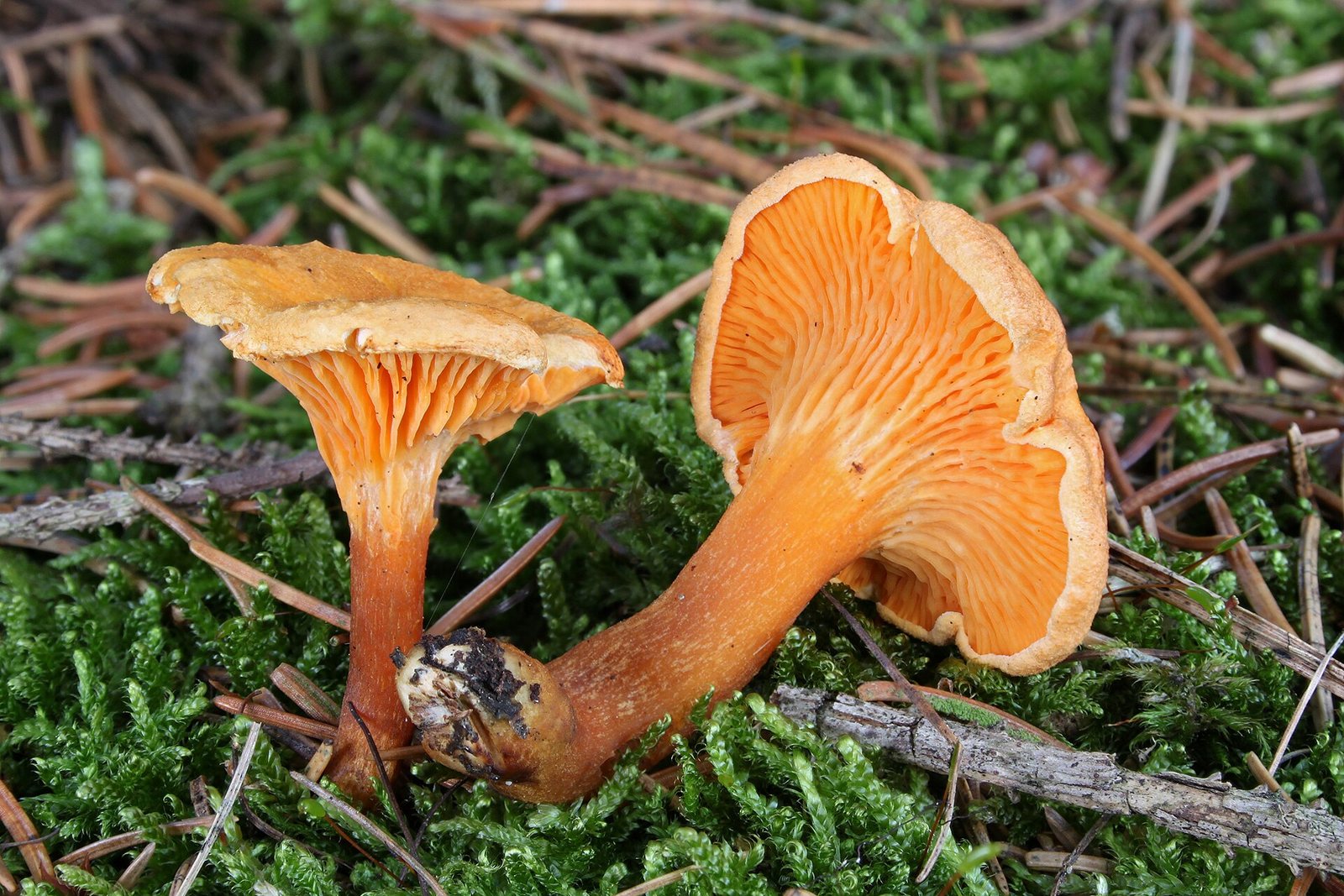
What about the false chanterelle and other orange mushrooms?
Chanterelle look-alikes are not limited to Omphalotus. The false chanterelle (Hygrophoropsis aurantiaca) is another orange funnel-shaped mushroom that people compare with the chanterelle, and published opinions on whether it is edible disagree. Under our rule, when sources disagree on edibility, we call a mushroom not edible. The approved sources we use do not cover it, so we make no claim beyond that, and the same applies to every other orange mushroom you may meet. The practical lesson from Kentucky Extension is to collect and consider eating only what has been positively identified, and to know all the similar poisonous species.
Why are Turkish names for chanterelle confusing?
In Türkiye the chanterelle is called horoz mantarı in some regions, but local sources also use kazayağı and sarıkız, and the names vary by place. Because common names change and the same local name may be used for more than one mushroom, always give an expert the Latin name and the mushroom itself. A name alone settles nothing.
How should you learn to tell them apart?
The safe way is to join a local mushroom club or study with an experienced identifier and learn each species in person. Kentucky Extension advises training with a plant pathologist or mycologist, asking experts to confirm identifications, and learning the poisonous species of your area alongside the edible ones. Montana State describes how to collect a mushroom for identification: dig up the whole mushroom with the base intact, include the cap, gills, stem and base, collect several at different stages if you can, and record the date, location, substrate, nearby trees and whether it grows alone or in clusters. Wrap each specimen in wax paper or newspaper, not plastic. Flori can suggest a name for a mushroom from a photo, which is useful for learning, but it can never clear a wild mushroom for eating; see can an app identify mushrooms? and is it safe to pick wild mushrooms?
What to do if someone eats an unknown mushroom
Call a poison line now. Do not wait for symptoms:
- Türkiye: UZEM 114 (Ulusal Zehir Danışma Merkezi)
- United States: Poison Control 1-800-222-1222
- United Kingdom: NHS 111
Keep a sample of the mushroom, raw or cooked, wrapped in paper in the fridge so specialists can identify it; Kentucky Extension says saved samples can make the difference between life and death. Amanita poisoning can feel better for a time before liver damage shows, so feeling well is not a reason to wait. Do not try home remedies; follow the poison line and the doctors. For the symptoms to expect, see mushroom poisoning symptoms.
Frequently asked questions
What is the poisonous look-alike of the chanterelle?
The jack-o'-lantern (Omphalotus) is the one field guides name first. It grows in clusters on wood and has true gills, while chanterelles grow on soil with wrinkles or veins, per University of Illinois Extension.
Can smell tell a chanterelle from a jack-o'-lantern?
No. Illinois Extension describes the chanterelle's fruity, apricot-like smell, and Kentucky Extension notes the jack-o'-lantern also has an appealing odour. Smell is not a safe test.
What happens if you eat a jack-o'-lantern mushroom?
NAMA says symptoms typically start one to three hours after a meal, with nausea in about 90% of cases and vomiting in about 73%. Most people recover within 12 hours, but call a poison line, because delayed symptoms can mean a far more serious poisoning.
Is the Turkish name for chanterelle always horoz mantarı?
No. The name varies by region and kazayağı and sarıkız are also used. Give an expert the Latin name and the mushroom itself, since a common name settles nothing.
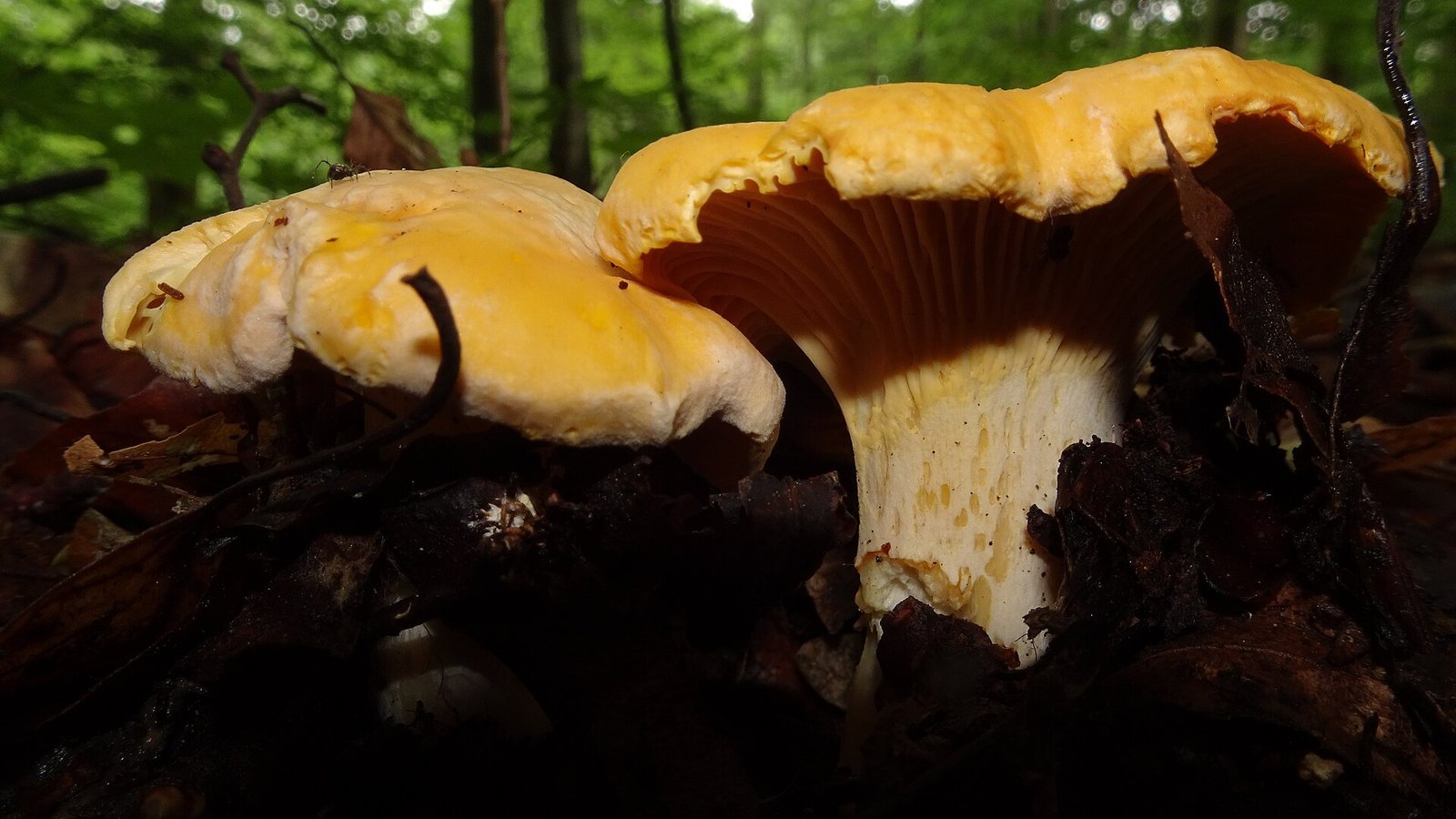
Chanterelles, morels, puffballs and shaggy manes each have a dangerous look-alike. See how they differ, and why no photo or app can clear one to eat.
Sources
Written and fact-checked by the Flori team. Every guide cites horticultural sources such as the RHS, university extension services and the ASPCA, and is updated when the advice changes. How we write our guides
General plant care information. Plants vary; when a plant is valuable or a problem spreads quickly, consult a local nursery or plant specialist.